Indoor Cycling
Zwift Ride V2 Review: Refinements That Make the Smart Bike Fit More Riders
A second-generation Zwift Ride with better adjustability, a smaller frame, and accessories that also work on the original.
Introduction
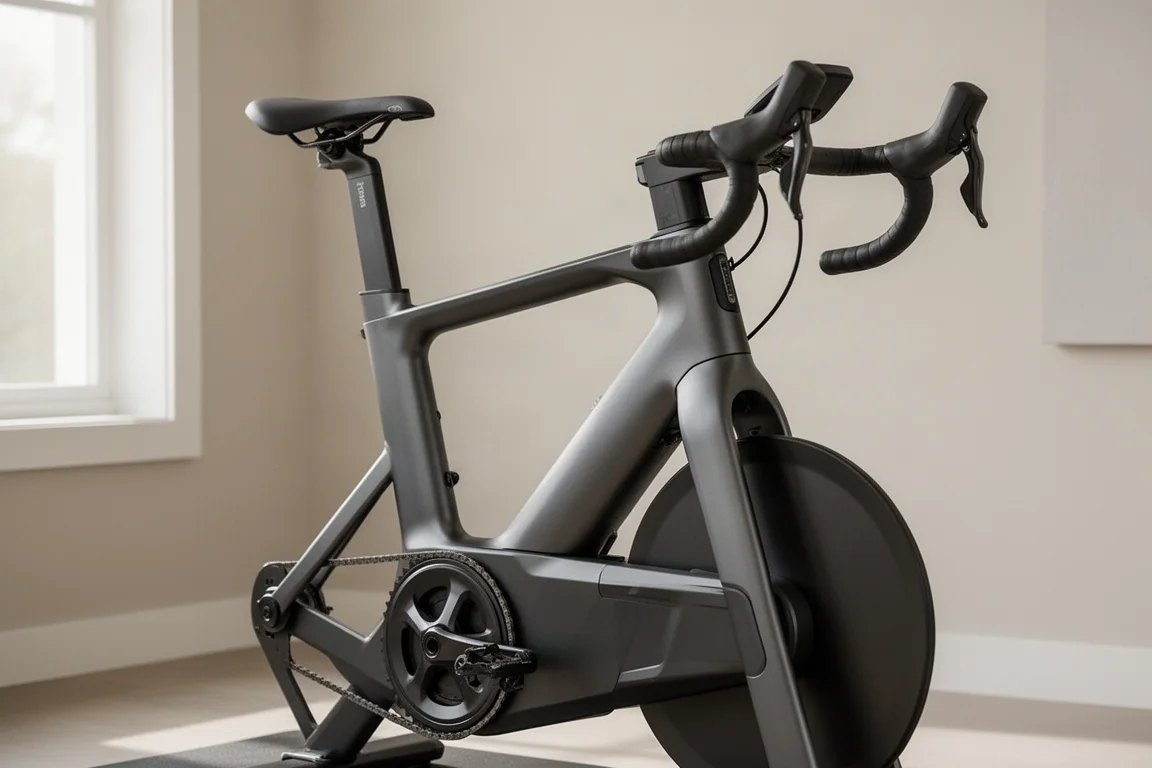
The Zwift Ride V2 is the second generation of Zwift’s smart bike frame, and it reads less like an overhaul and more like a thoughtful update. The company has refined the original design with more adjustability, a smaller frame, and a handful of new features, while also addressing some of the common complaints owners had with the first version.
What stands out most is Zwift’s approach to compatibility: most of what is new on the V2 is also available as an accessory for the original Zwift Ride. If you already own the first model, this is not really an upgrade, it is an update. For new buyers, though, the refinements make a already solid package easier to recommend.
Price and Buying Options
Pricing matches the original. The full package, which includes the frame, the components, and a trainer, costs $12.99 as stated in the source, alongside a frame-only option at $7.99 that comes with everything except the trainer. Having both routes keeps the entry point flexible depending on whether you already own a compatible trainer.
New Adjustable Crank Arms
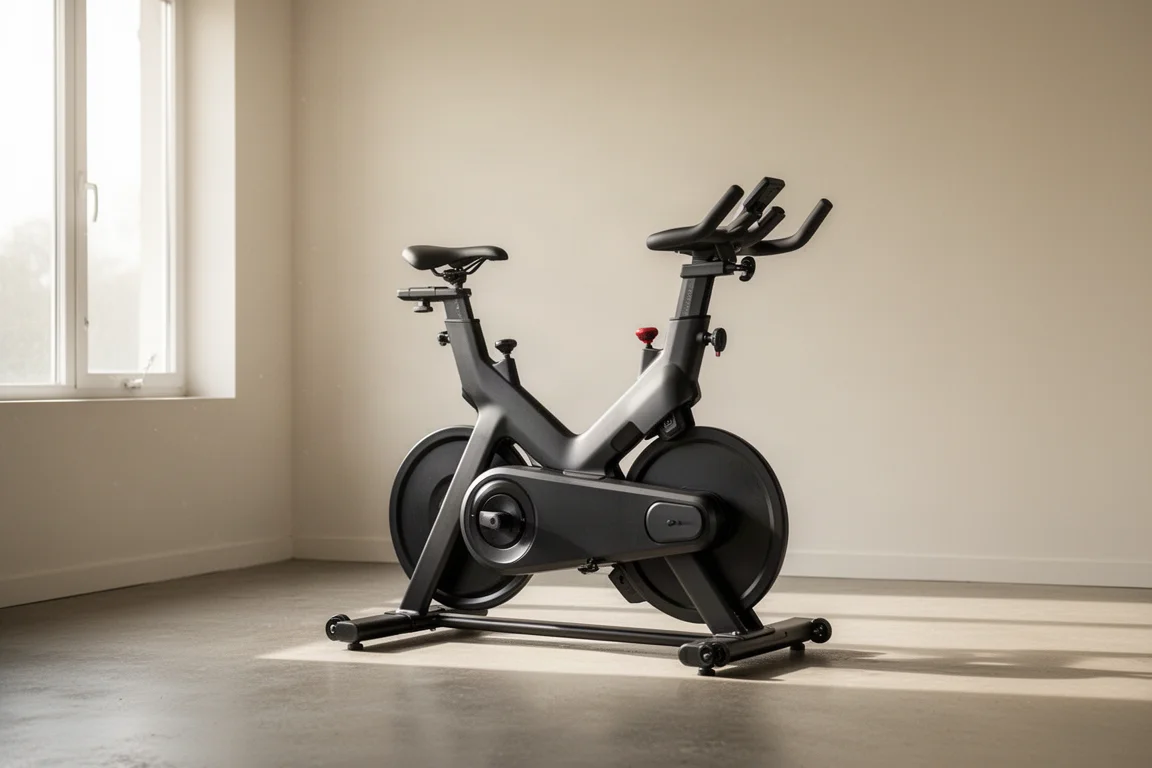
One change that arrives as standard: the V2 ships with adjustable crank arms offering five different crank lengths, replacing the fixed 170 mm cranks of the original. That matters because crank length is one of those fit details riders rarely get to tune on a smart bike.
If you own an original Zwift Ride and the 170 mm cranks are not to your liking, these adjustable crank arms were already introduced as an accessory last year at $99. So this is a refinement rolling forward into the standard build rather than something entirely new.
New Adjustable Seatpost
The genuinely new piece here is an adjustable seatpost with four different fore-and-aft positions. Bike geometry preferences vary a lot between riders, and fore-aft saddle adjustment was one of the things many people wanted from the original. Adjustment is done with the same included Allen wrench as all the other fittings: you unscrew the knob at the top and flip the entire top clamp assembly into the position you want.
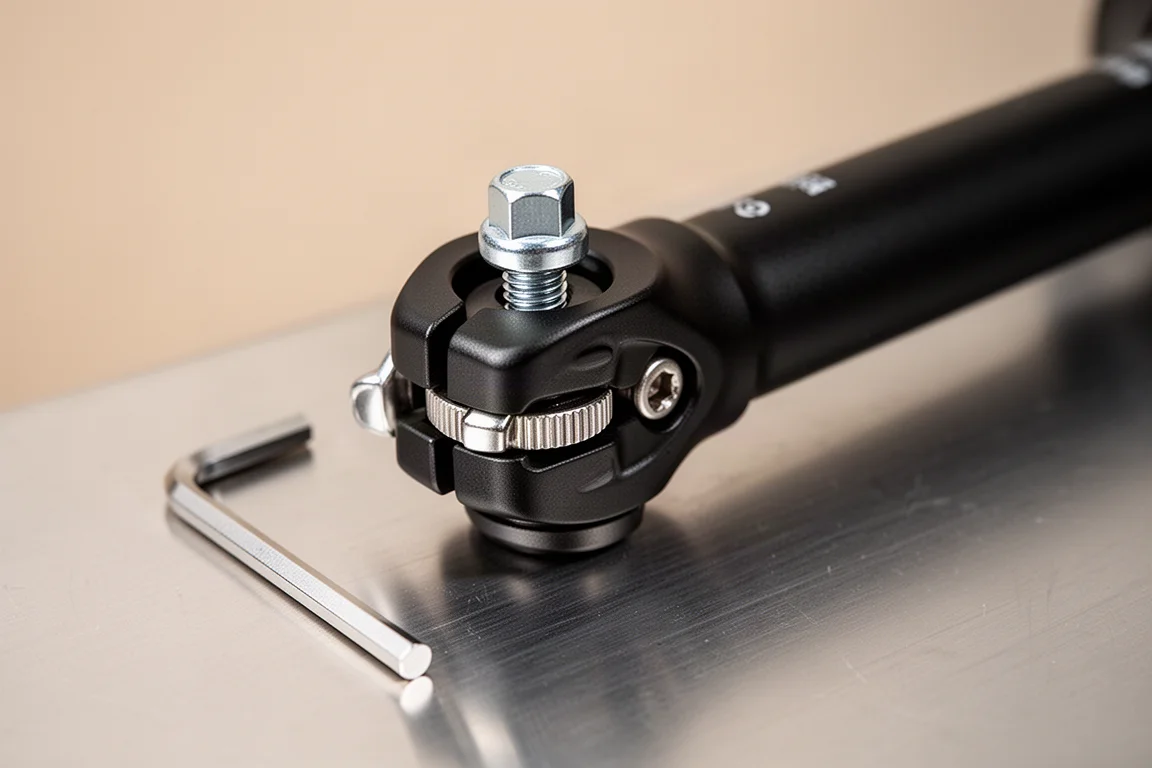
The seatpost assembly will also be available as an accessory for the original Zwift Ride, which is good news for existing owners. Later this fall, the topper itself will be sold separately too, letting you swap out different saddles. The catch is that the topper only works with this new seatpost, since it needs the bolts on top of the post. For households with multiple riders, buying separate toppers means each person can keep their own saddle fitted correctly, with the right fore-aft position and angle, without purchasing an entire seatpost assembly for everyone.
A Smaller, More Accommodating Frame
The frame itself has grown more inclusive. The new version fits riders from a little under 4’10” all the way up to 6’6”, a broader range than the original’s 5’0” to 6’6”. Both the standover height and the top tube are a little shorter than before. The difference is hard to spot from the side, but when footage of both frames is overlaid from the same camera position, the change is considerable.
Standover clearance improves noticeably. At 5’8” with a 31” inseam, the original left little room over the top tube, while the V2 offers a lot more. Even so, the reviewer’s own takeaway is that it could still be shorter: with a large water bottle mounted, there is clearly space for the top tube to drop further. Standover matters less indoors than outdoors, but swinging a leg over a smaller frame once or twice per ride is a real convenience worth appreciating.
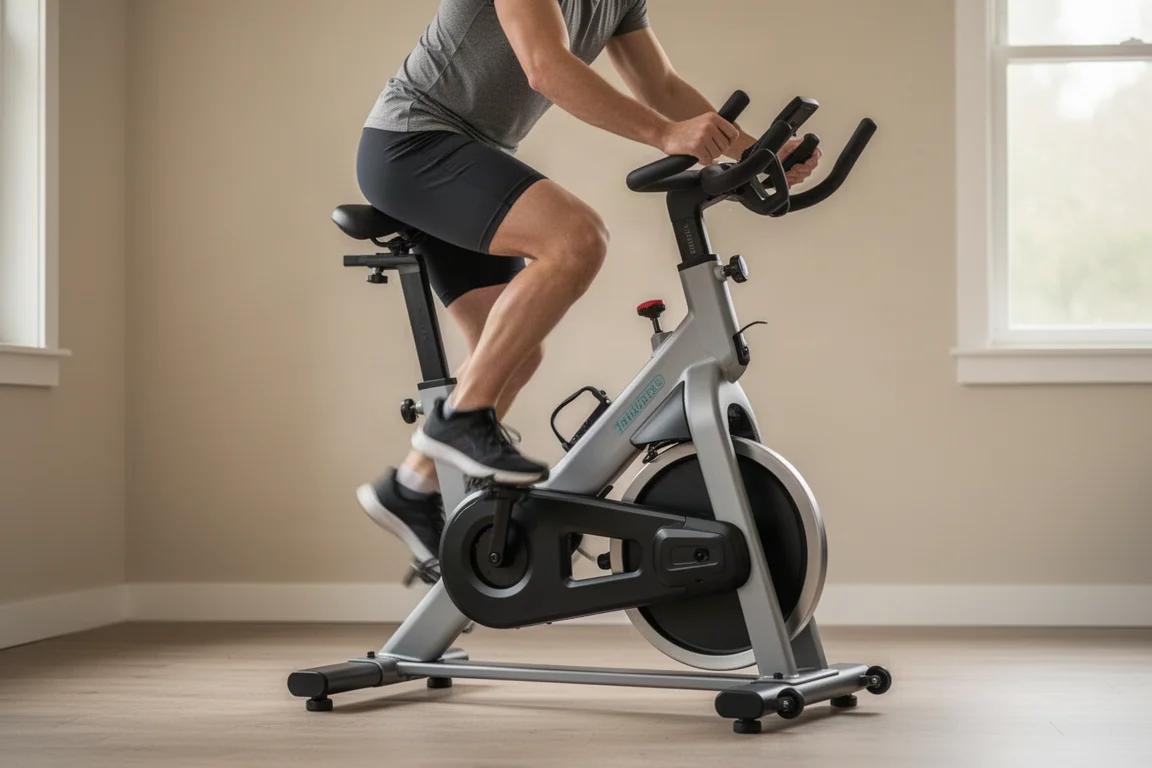
One charming detail: since the frame already used letters for size markings and the smaller size was marked as an A, the additional adjustment points are marked with emojis instead.
Other Frame Changes and Setup
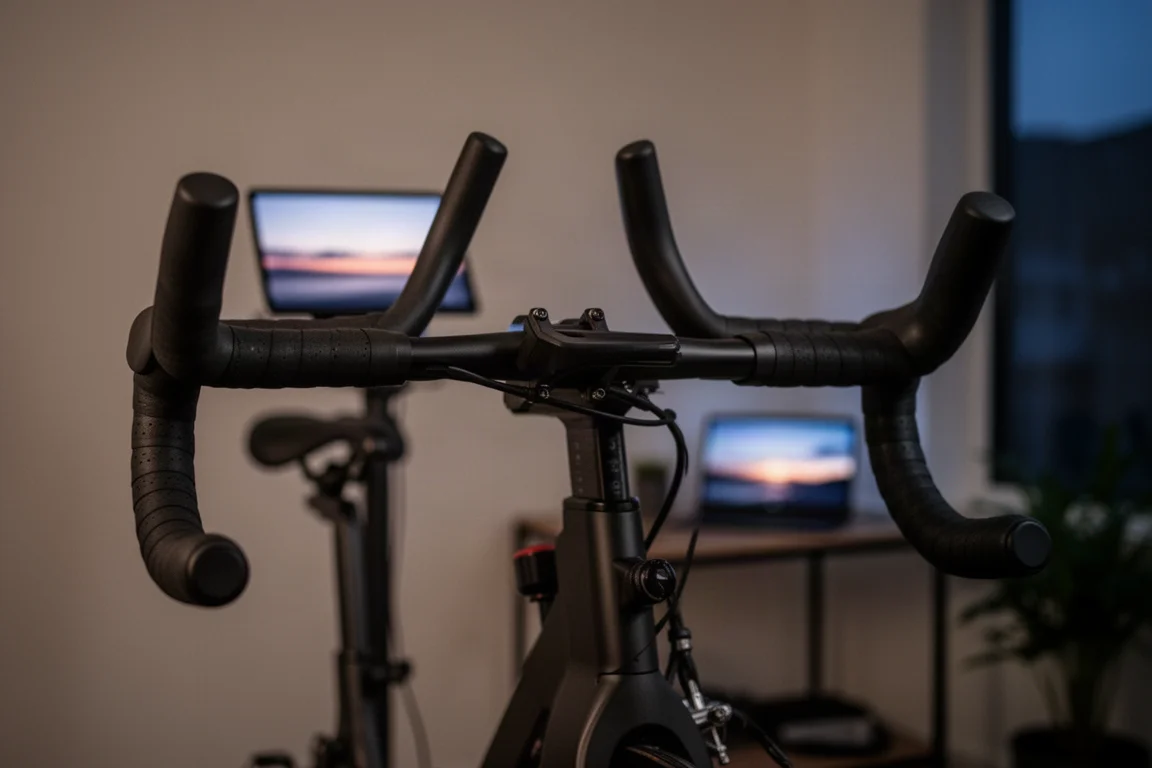
The chainstays carry over essentially unchanged. There is a small cosmetic dimple, but the actual shape stays the same, which means trainer compatibility is unchanged. The handlebar sees a subtle revision: it is now wider at the tops, whereas before the tops were basically the same width as the drops.
Setup has also been refined, with a few tweaks to the unboxing and assembly process. It remains a quick job either way, roughly 15 to 20 minutes to get up and riding, just like the original.
Buying Advice
The key question is simple: do you already own a Zwift Ride? If so, this is not an upgrade. You can buy nearly everything new, including the adjustable crank arms, the adjustable seatpost, and eventually the saddle topper, as accessories for the original frame.
The main reason an existing owner might want this new frame is fit. If your original Zwift Ride feels a little too big, the smaller chassis and improved standover height are exactly what the V2 delivers. For anyone buying their first Zwift Ride, the V2 is simply the more current, more adjustable version of an already accessible smart bike.
Conclusion
The Zwift Ride V2 does not reinvent anything, and that is to its credit. A smaller, more accommodating frame, adjustable cranks, a new adjustable seatpost, and a wider bar top add up to a better-fitting smart bike out of the box. Combined with Zwift’s decision to make nearly all of these improvements available to original owners, the V2 feels like a considered evolution rather than a rushed replacement.
Product link
View more details for Zwift Ride V2
This product is mentioned in the review. Check the specifications, options, and compatibility before buying.
View more details for Zwift Ride V2Further reading
Related Reviews
Indoor Cycling
Best Budget Smart Indoor Trainer Setups: Six Options Worth Considering
Smart indoor trainers keep getting better while prices come down. Six setups and components worth considering, from the cheapest Zwift-ready option upward.
Indoor Cycling
Best Budget Smart Indoor Trainers for Immersive Cycling in 2026
A practical guide to affordable smart indoor trainer setups, including budget and mid-range options with virtual shifting.
Indoor Cycling
Best Indoor Cycling Apps and Smart Trainers: A Winter Buying Guide
A practical look at the indoor training platforms and smart trainers that matter this season, from a new challenger to Zwift to the entry-level trainer that stands out on value.