Indoor Cycling
Zwift Ride Review: A Smart Trainer Frame Built for Virtual Riding
The Zwift Ride pairs a purpose-built adjustable frame with the Wahoo KICKR CORE for a cohesive indoor training setup, with a few trade-offs worth knowing first.
Introduction
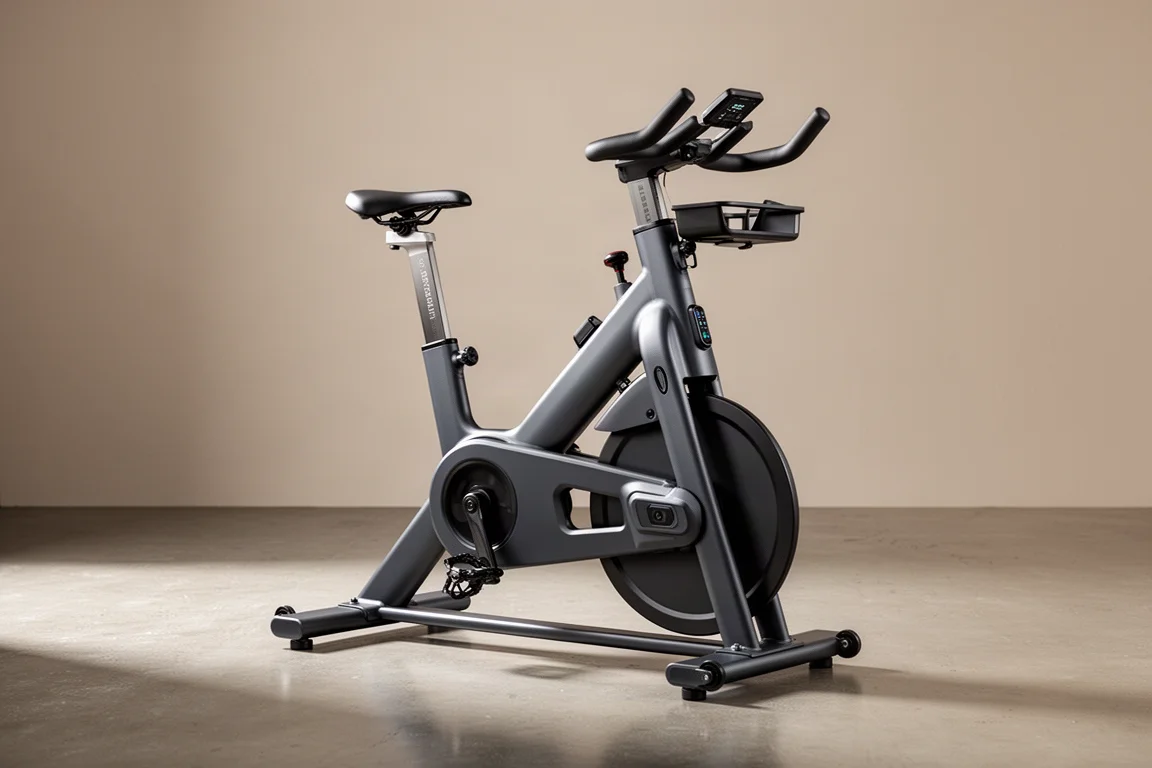
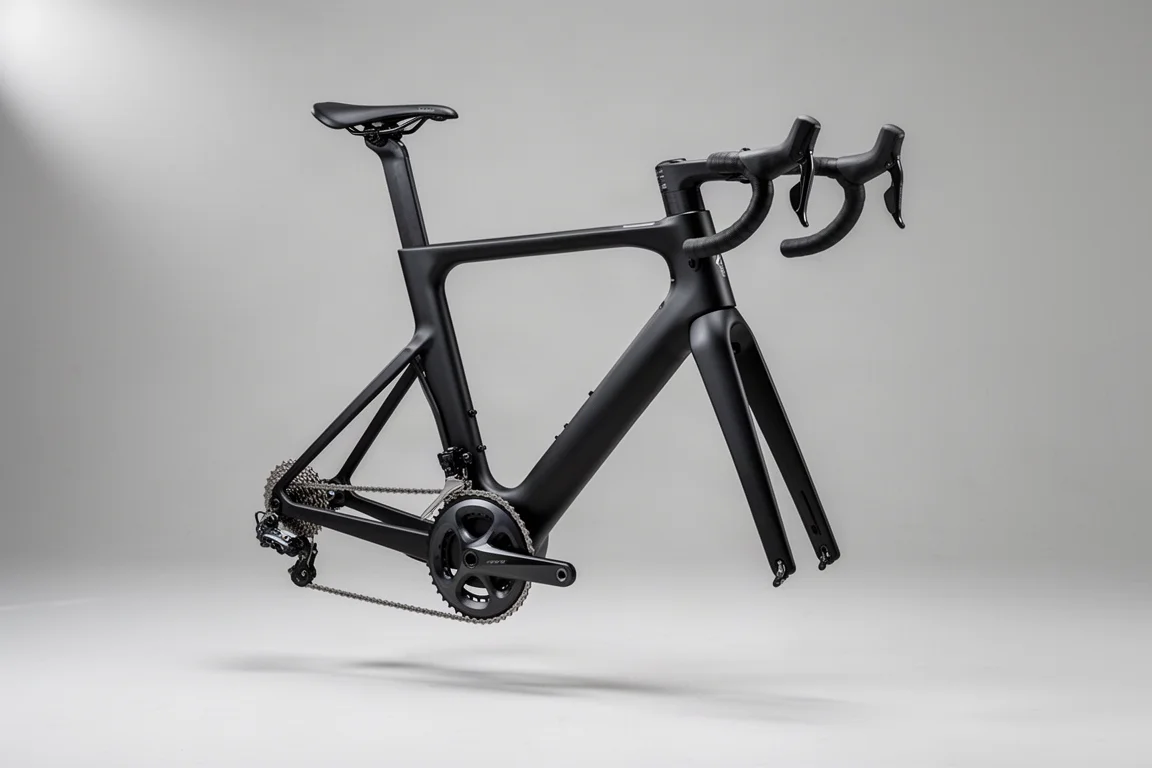
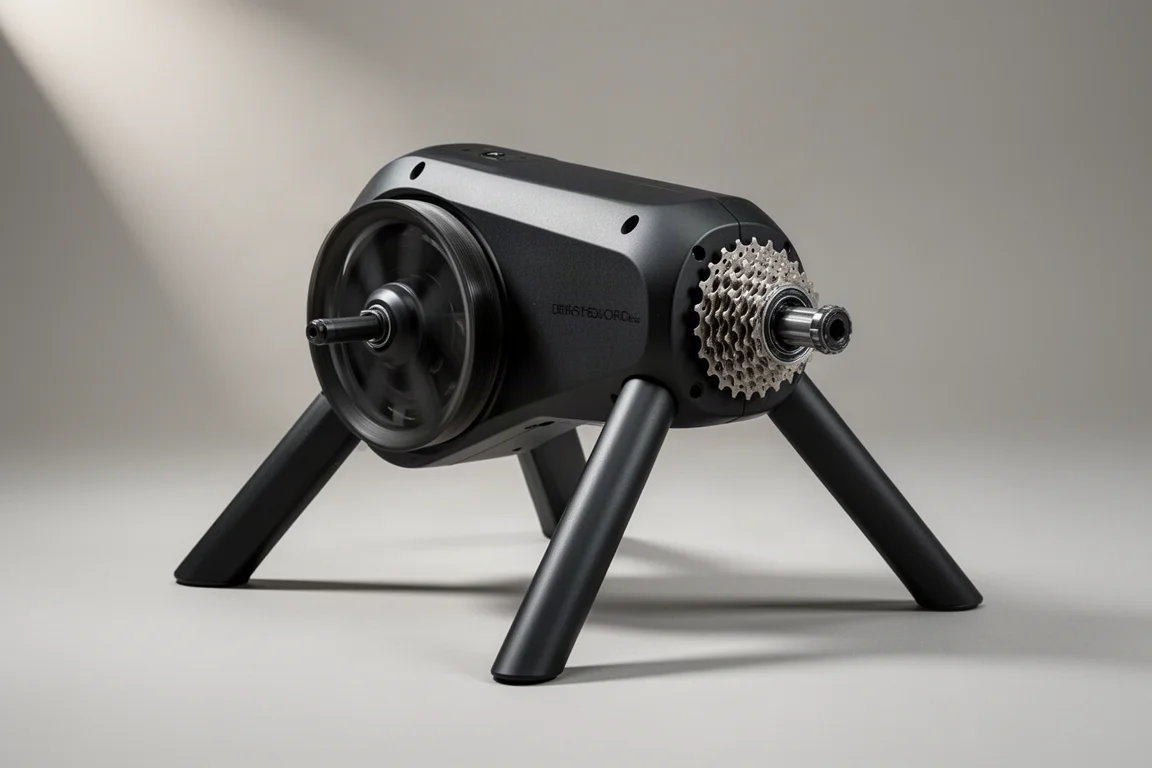
The Zwift Ride is Zwift’s first complete smart indoor bike offering, and it arrives as something a bit different from the usual one-piece smart bike. Instead of a single hulking frame with all the electronics built in, the Ride is a two-part system: a detachable Zwift-designed frame paired with a smart trainer. At launch, that trainer is the Wahoo KICKR CORE with a Zwift Cog installed, which enables virtual gearing controlled directly from the handlebars.
The full kit is priced at $1,299, with the tablet holder adding an extra $50 and shipping a further $75. You can also buy the frame on its own if you already own a compatible trainer, though pricing for the frame-only option was not yet confirmed. This modular approach feels like where the wider indoor training market is heading, and it is worth understanding how it all comes together before deciding.
Design and Adjustability
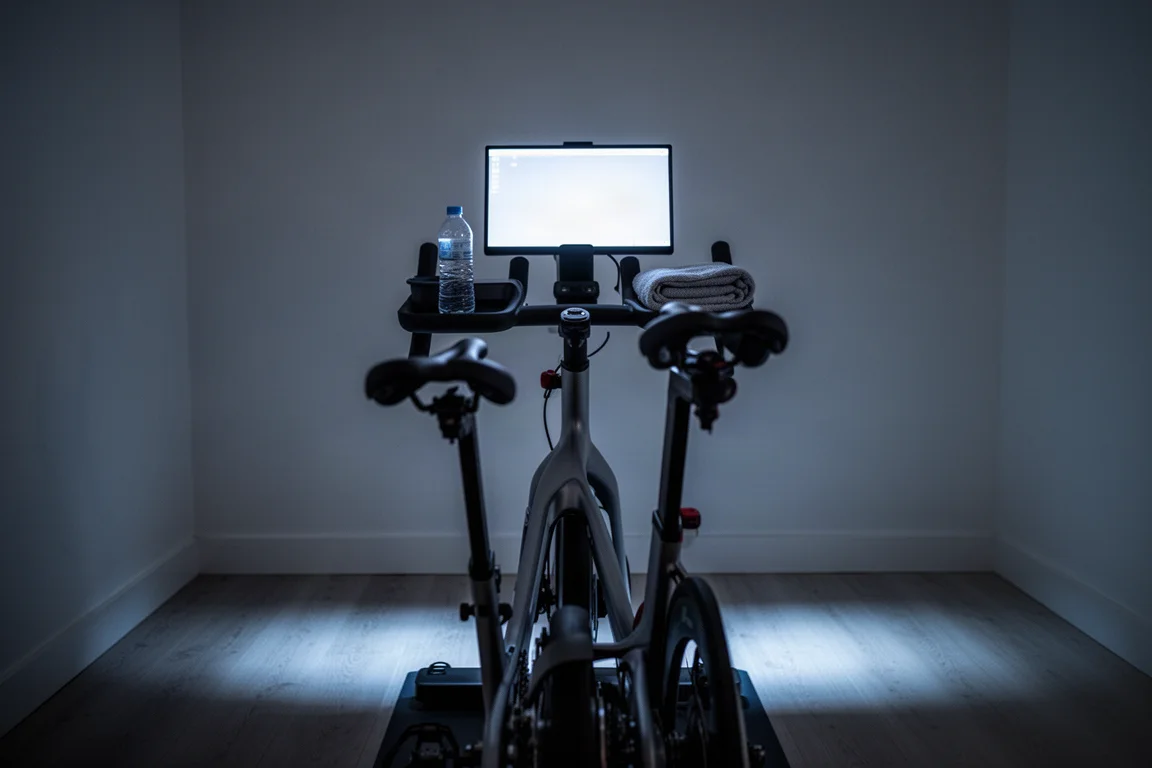
The Ride arrives in a couple of boxes: the frame and handlebar setup in one, plus the trainer. Assembly involves three core frame components, the handlebar, the seatpost, and the frame itself, along with a box of small parts. One genuinely delightful detail is the included hex wrench, which handles every adjustment on the bike and magnetically snaps back into its home when you are done.
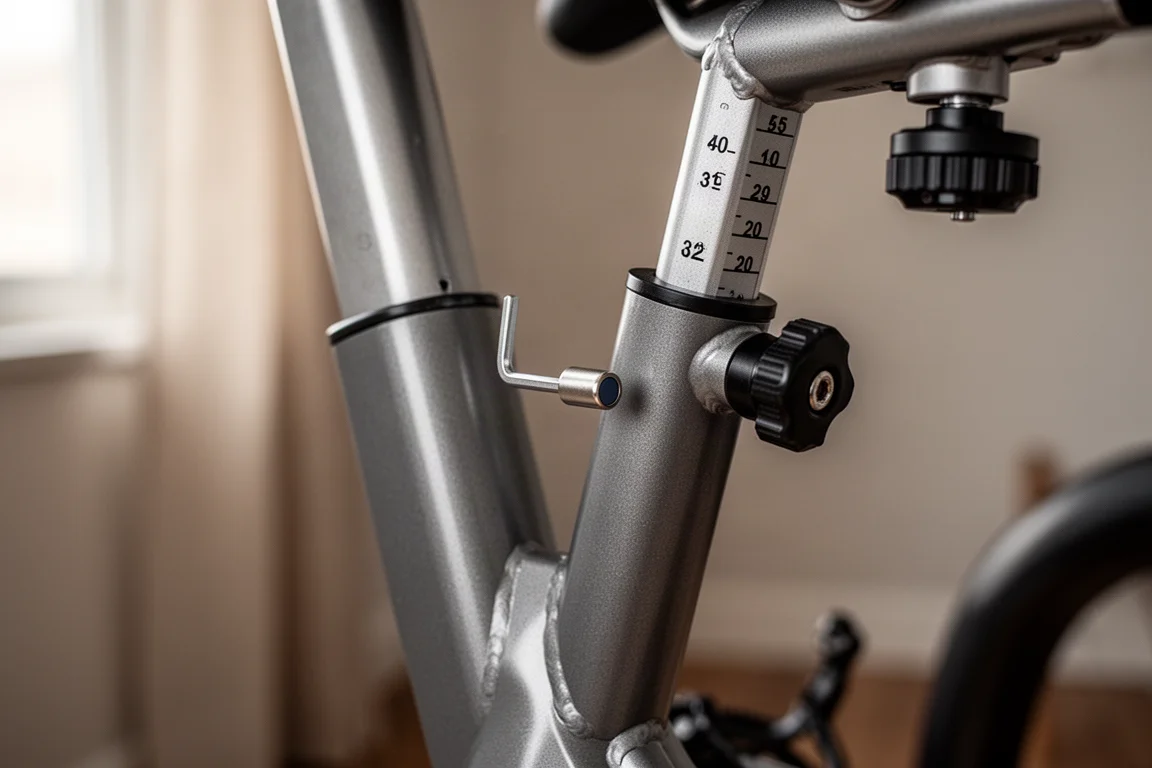
Fit adjustment is straightforward. The seatpost moves up and down with standard saddle angle adjustments, and the entire handlebar assembly adjusts for height as well as forward and back position, with the adjustment screw hiding under a lift-off cover. Best of all, the frame is marked with letters and comes with a sizing card: look up your height, dial in the matching positions, and you are close to dialed out of the box. The frame itself weighs 38 lb, solid enough to feel planted without being easy to fling around.
There are a few design quirks. A sweat channel with a small drain sits near the handlebars, there is a metal badge up front that Zwift could use for earnable physical challenges, and the included flat pedals are unlikely to see much use since you can fit whatever pedals you prefer. The crank arms are 170 mm only, which is a limitation compared with the adjustable crank designs other smart bikes offer. Phone charging is another miss: no wireless charging pad and no ports on the handlebars.
Virtual Shifting and Handlebar Controls
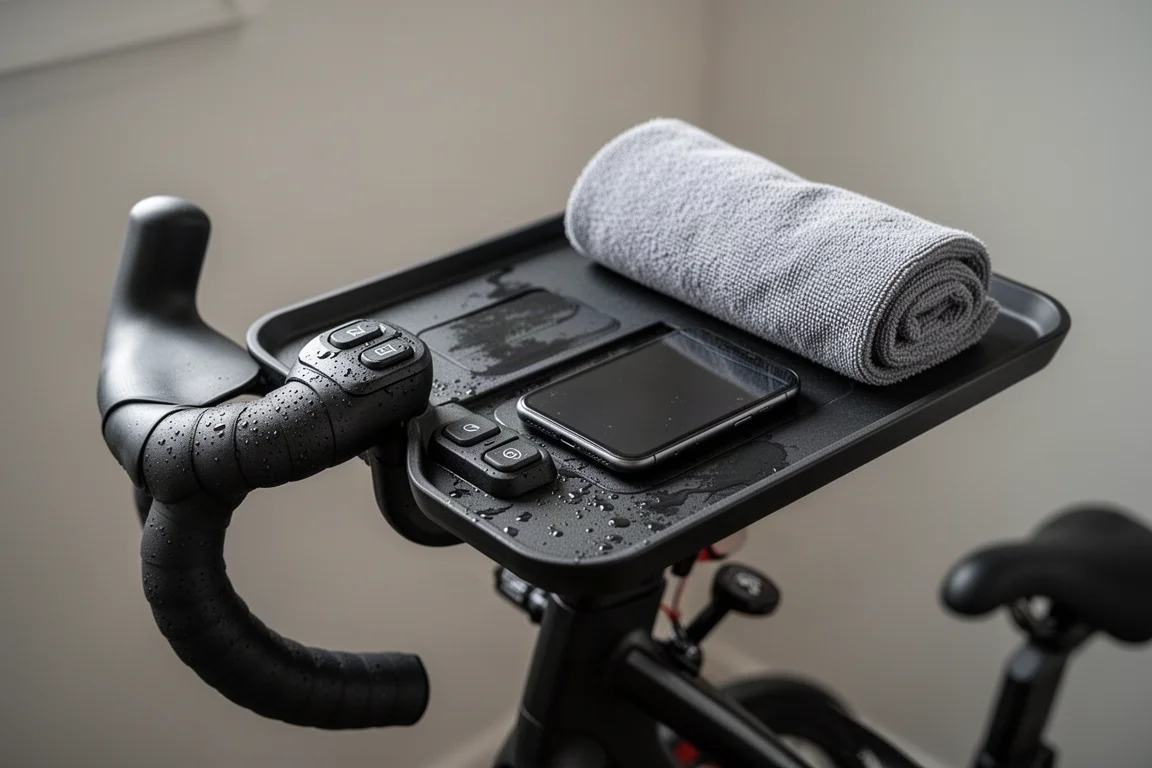
The handlebars are where the Zwift Ride earns its name. The controls work much like a Zwift Play setup: menu navigation buttons, a Ride On button, power-up activation, and steering paddles, with additional buttons on each side for shifting. All the buttons can be customized in the app, and the handlebar unit charges over a dual USB-C cable, with Zwift quoting roughly 20 to 30 hours of battery life per charge. Magnetic cable holders make routing tidy, though you will need to supply your own charging block.
Pairing is familiar territory if you already know the KICKR CORE: the trainer handles power, resistance, and cadence, and the Zwift Ride controls pair as a separate Bluetooth device. In Zwift’s settings you can enable virtual shifting and choose your shift style: sequential for a simple easier/harder gear range, or Shimano- and SRAM-style patterns that mirror how real road shifting works, including a virtual big ring triggered by pressing both sides together. You can also pick your gear range and configure the drop-bar buttons.
Riding Experience and Accuracy
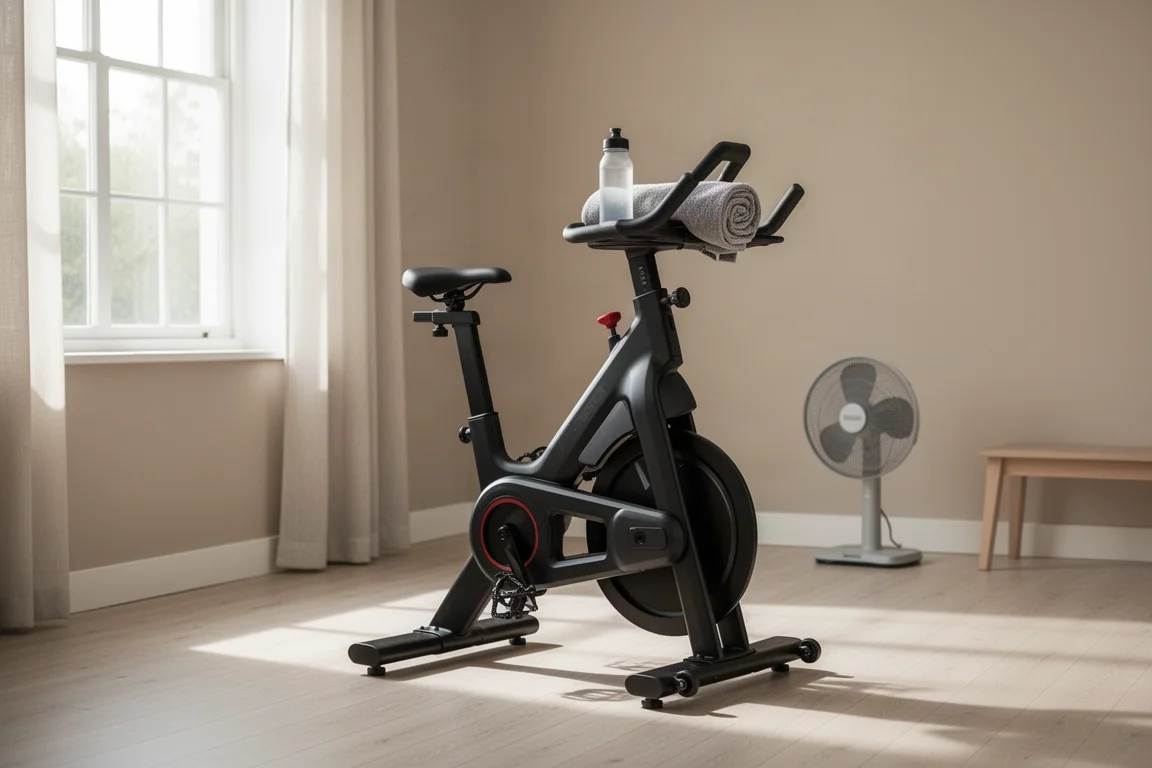
On the road (so to speak), the Ride feels exactly like what it is: a KICKR CORE in a well-designed frame. That is a good thing. The realism matches the trainer, stability is solid with no problems sprinting, and the handlebar buttons are snappy and responsive whether you are shifting in the drops or on the hoods. The chain does produce some noise, the trainer and frame themselves are effectively silent, but it is quieter than a fan and unlikely to bother anyone.
Accuracy carries over unchanged from the KICKR CORE, which has a long track record, and testing against power meter pedals showed consistent results. If you want real shifting feel, though, it is fair to note that other smart bikes have moved from button-style controls to actual shifters, and buttons do not feel quite as tactile. Zwift has said it chose buttons because newer riders find them more approachable, and a different handlebar option down the road would be an easy swap given the detachable design.
App Compatibility and Apple TV Caveats
This is the section to read carefully. Virtual shifting only works within the Zwift app itself: the handlebar controls talk to the game, and the game controls the virtual gearing on the trainer. That means apps like Rouvy or indie trainers cannot use the shifting at all. You can still use the Ride in ERG-mode applications such as TrainerRoad, where the trainer simply holds a set wattage, but it is a limitation compared with virtually every other smart bike on the market except Peloton.
Apple TV users should also note its two-connection Bluetooth limit, which the three-connection setup here exceeds. The Zwift Companion app can route the connections instead, but it proved finicky with frequent drops in testing, so anything other than Apple TV is the safer bet for now. Mac, phone, and iPad setups worked without issues.
Should You Buy It?
Value-wise, the split is roughly a $650 trainer plus a $550 frame, with the included Zwift Play-style controllers accounting for about $100 of that. You could certainly dig an old bike out of the garage for less, but it would not adjust easily between riders of different heights. That multi-user flexibility is one of the two big pillars of smart bikes, alongside simply having a dedicated bike permanently on the trainer, and the Ride delivers both. In our household, a 6’2” rider and a 5’2” rider can share the same Zwift Ride comfortably, which few physical frames allow.
It is also worth remembering that the KICKR CORE at the heart of this kit is not restricted in any way. Swap a regular cassette onto it, attach a regular bike, and you have a fully functional trainer for outdoor-bike sessions too. That flexibility makes the two-part design easy to live with even if the Zwift-only shifting is a compromise.
If the virtual shifting is what draws you in, remember it is really the trainer doing the gearing work, and the KICKR CORE remains one of the most proven trainers available on its own.
Conclusion
The Zwift Ride is a cohesive, thoughtfully designed entry into the smart bike category, built around a modular frame-plus-trainer formula that looks like the direction the whole industry is moving. The sizing system, single-wrench adjustments, and responsive handlebar controls make it genuinely easy to live with, while the Zwift-only virtual shifting, button-style shifters, and single crank length are the honest trade-offs. For multi-rider households already invested in Zwift, it is a compelling package; for everyone else, the frame-only option is worth waiting for.
Further reading
Related Reviews
Indoor Cycling
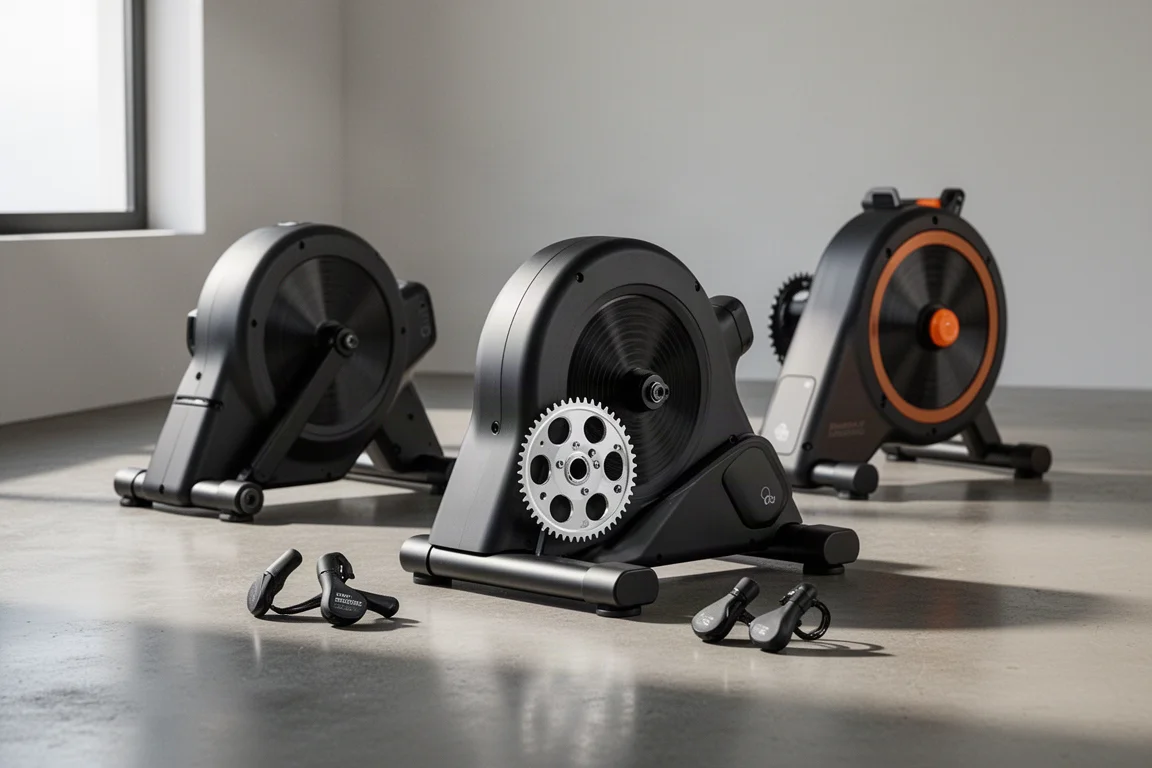
Best Budget Smart Indoor Trainer Setups: Six Options Worth Considering
Smart indoor trainers keep getting better while prices come down. Six setups and components worth considering, from the cheapest Zwift-ready option upward.
Indoor Cycling
Best Budget Smart Indoor Trainers for Immersive Cycling in 2026
A practical guide to affordable smart indoor trainer setups, including budget and mid-range options with virtual shifting.
Indoor Cycling
Best Indoor Cycling Apps and Smart Trainers: A Winter Buying Guide
A practical look at the indoor training platforms and smart trainers that matter this season, from a new challenger to Zwift to the entry-level trainer that stands out on value.