Tech Accessories
Zwift Play and On-Camera Microphones: Five Products Compared
Five products for indoor training and on-camera audio, compared on directionality, connection method, and the costs that continue after purchase.
Introduction
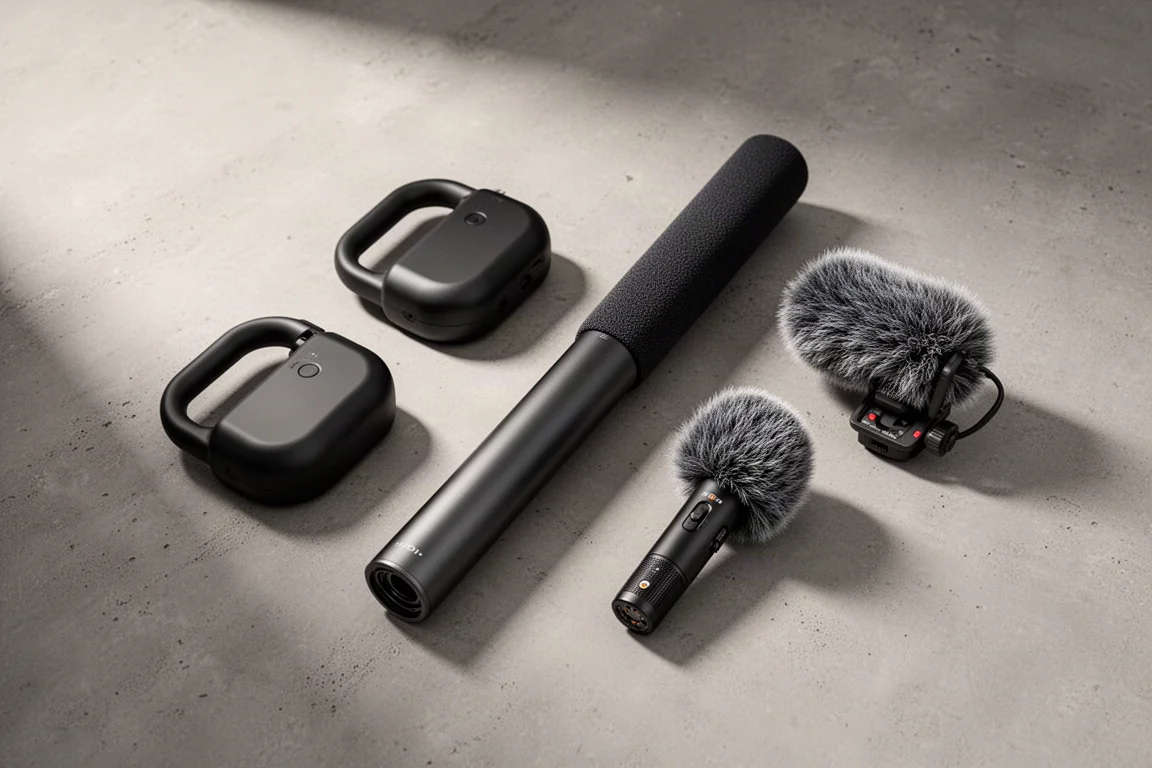
Five products arrived for a closer look, and they split neatly into two groups: one handlebar controller for indoor training and four on-camera microphones. The Zwift Play adds physical steering and menu control to a Zwift setup, while the Sennheiser MKE 600, Sennheiser MKE 400, Sony ECM-B1M and Rode VideoMic GO II all address the same underlying problem from different angles, which is capturing clean speech without dragging a room’s echo and background noise into the recording.
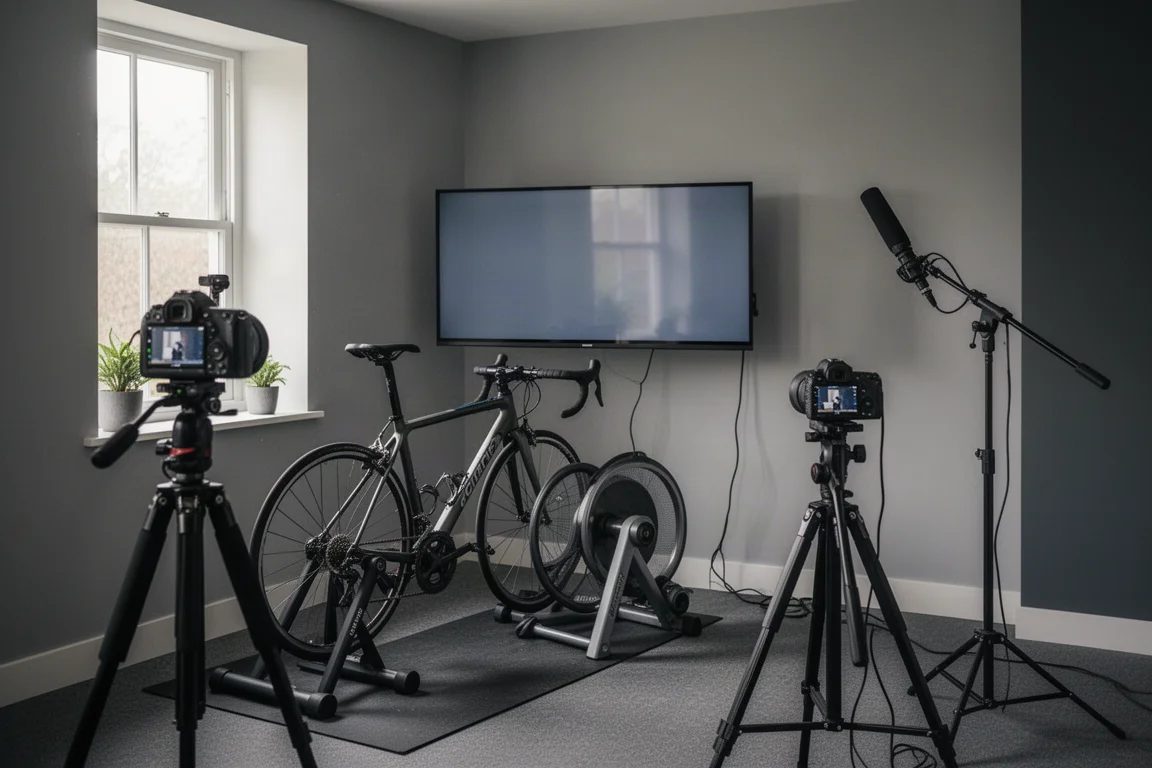
Two things shaped how these products were assessed. The first is whether the design solves a real problem in normal use rather than only on paper. The second is what the product asks of you afterwards, whether that is a cable, a subscription, or a careful mounting routine. Both matter more than a specification list when the gear is going to be used every week.
What We Looked For
Directionality is the first consideration with any on-camera microphone. A longer shotgun barrel narrows the pickup pattern, which helps when a room is echoey or an air conditioning unit is running in the background. Shorter microphones are easier to carry and less intrusive, but they pick up more of the space around them.
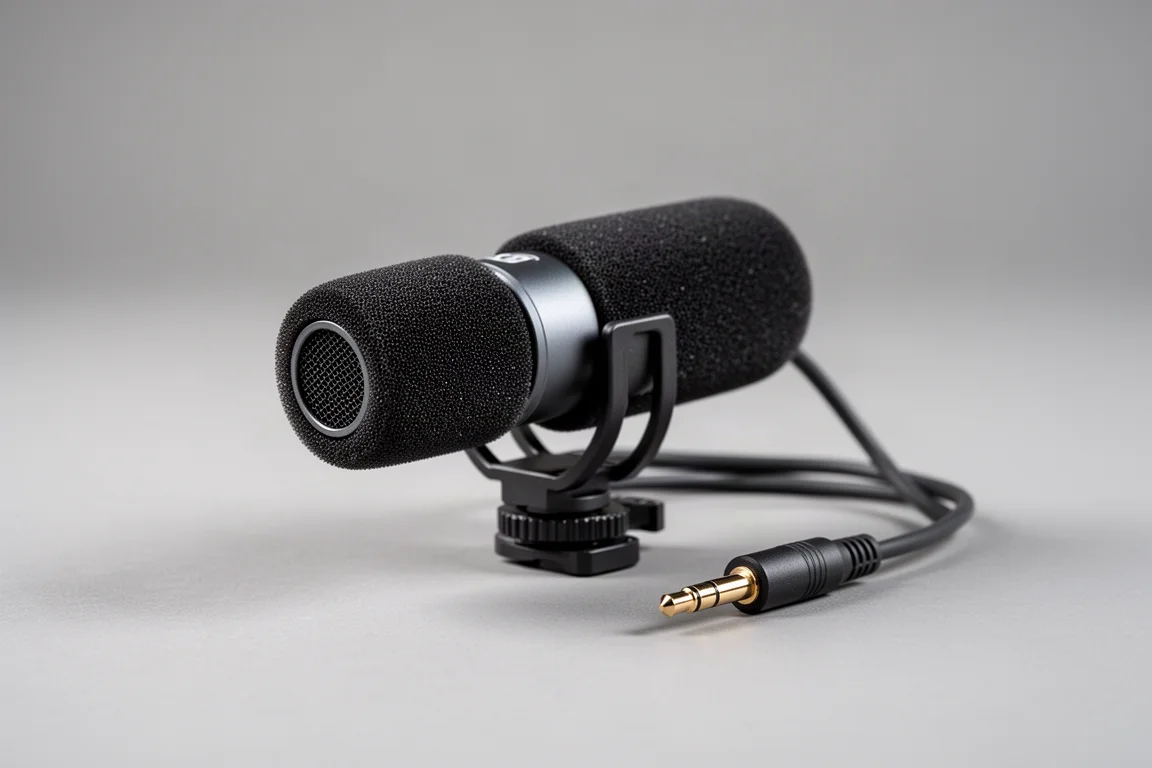
Connection method is the second. A microphone that plugs into the side of a camera with a standard jack is simple and universal, but the plug and the socket both become weak points. A microphone that mounts on the hot shoe and communicates digitally avoids the cable entirely.
Cost is the third, and it includes more than the purchase price. Some products only make sense with an ongoing subscription, and details such as windshields or the correct cable can change what is actually in the box.
Zwift Play: Steering and Game Control for Indoor Rides
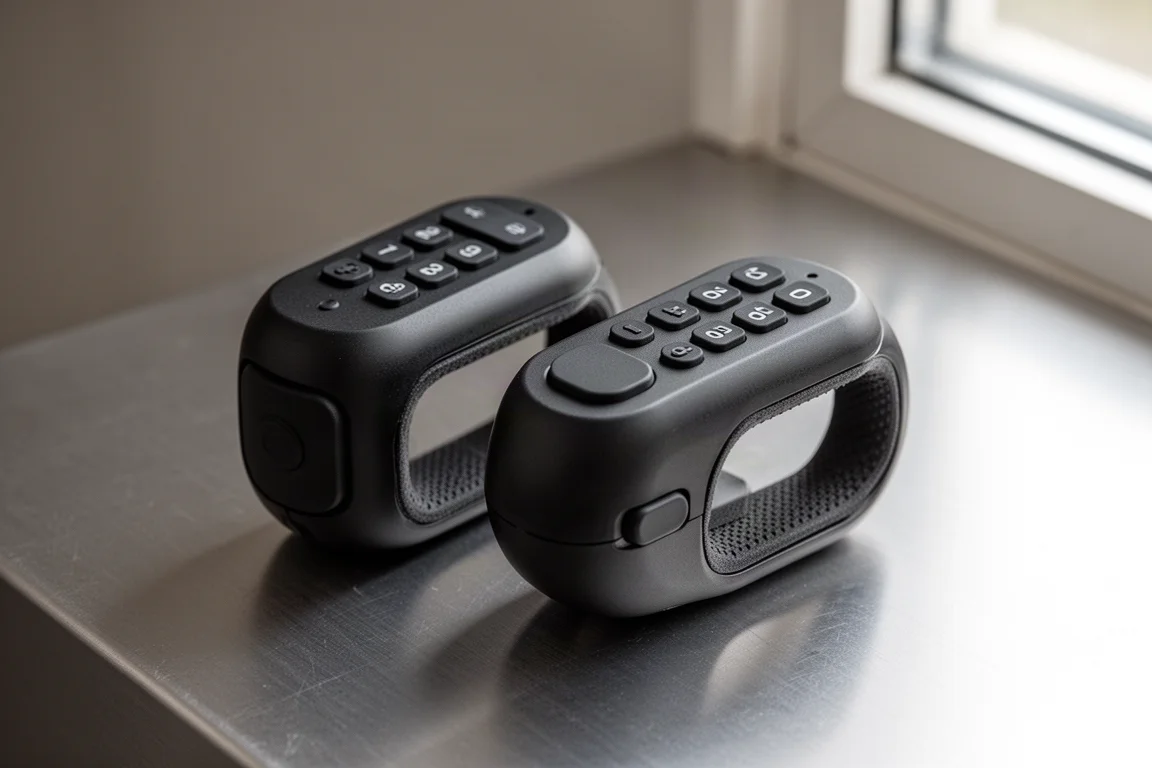
The Zwift Play is a pair of controllers that attach to your handlebars, so you can steer and control your character in the Zwift game without reaching for a mouse, a phone, or a companion app. Steering is handled by hidden buttons positioned under the hoods and the drops, with a left button for left and a right button for right, plus an additional button on the side and a set of buttons on top for menus and in-game navigation.
In use it feels well made and unobtrusive. The controls sit where your hands already are, so they do not interfere with pedalling, and the layout is logical enough to become familiar after a few rides. It is a gamified accessory for a gamified platform, and it makes an indoor session feel more interactive than steering with a keyboard or tapping a screen.
There are limits worth knowing about. Steering is currently the headline function, and the deeper gameplay features that would make it feel like a proper game are not there yet. Text entry in the game was also very restricted in testing. On price, the controller launched at around £100 and is set to rise to around £150, and a Zwift subscription, currently around £15 a month, is required to use it at all.
Sennheiser MKE 600: A Longer Shotgun for Video Work
The MKE 600 is a professional shotgun microphone intended for video journalists, and its main physical advantage is the length of its barrel. A longer interference tube narrows the pickup pattern, so the microphone focuses more tightly on what it is pointed at and rejects more of the room, including the echo and air conditioning noise that a short microphone struggles with.
That directionality is the reason to consider it. It costs around £300, which places it firmly in professional territory, and it is built for people who record interviews and pieces to camera in spaces they cannot fully control.
One practical detail matters before buying. In testing the microphone produced no audio through the camera connection, and the cable supplied in the box is a smartphone style three band 3.5 mm jack rather than a plain camera cable. Matching the cable to the device you intend to record with is essential, and it is worth confirming what is included before you commit.
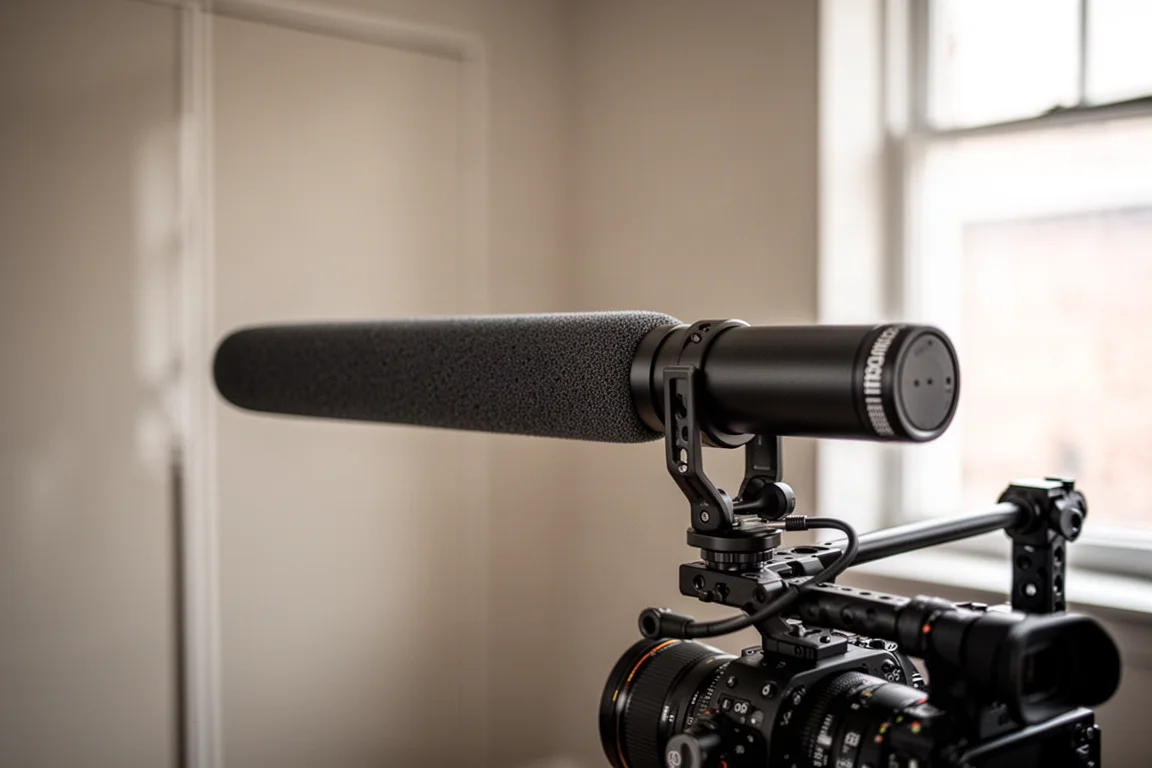
For anyone who records with a camera and a separate audio recorder, or who works in rooms with hard surfaces, the tighter pickup pattern is the feature that justifies the price. For casual on-camera use, it is more microphone than most people need.
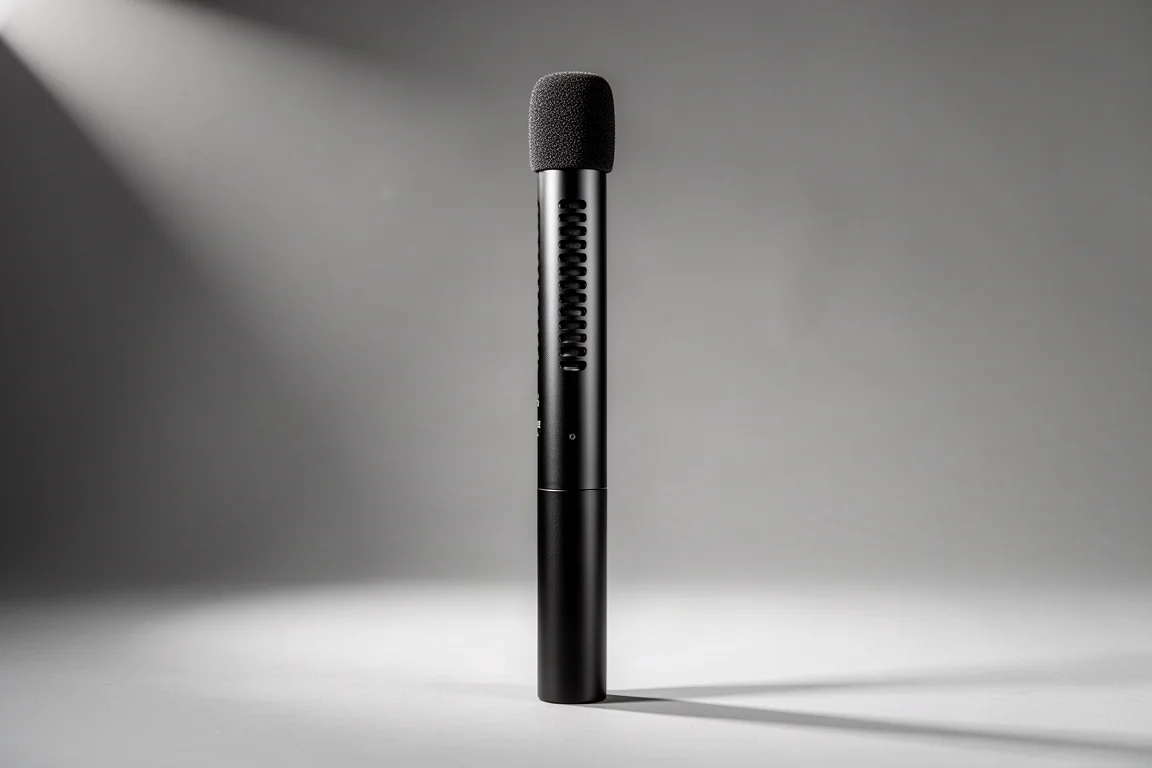
Sennheiser MKE 400: Lighter and Simpler On-Camera Audio
The MKE 400 sits lower in the range than the MKE 600, and the difference shows up first in size and weight. It is light, it looks tidy on top of a camera, and in testing it connected and worked immediately, which is exactly what you want from an accessory that has to be set up quickly.
The box includes a fluffy windshield, which is the accessory most people forget to buy until the first windy day outdoors. That makes it a more complete package out of the box than the price alone might suggest.
The trade-off is directionality. It is still a short shotgun microphone, so it does not solve a reverberant room. In a space with hard walls and echo, it will pick up more of the surroundings than the longer MKE 600. For outdoor shooting, travel, and run-and-gun work, that compromise is usually the right one, because a compact microphone that is always with you beats a larger one left at home.
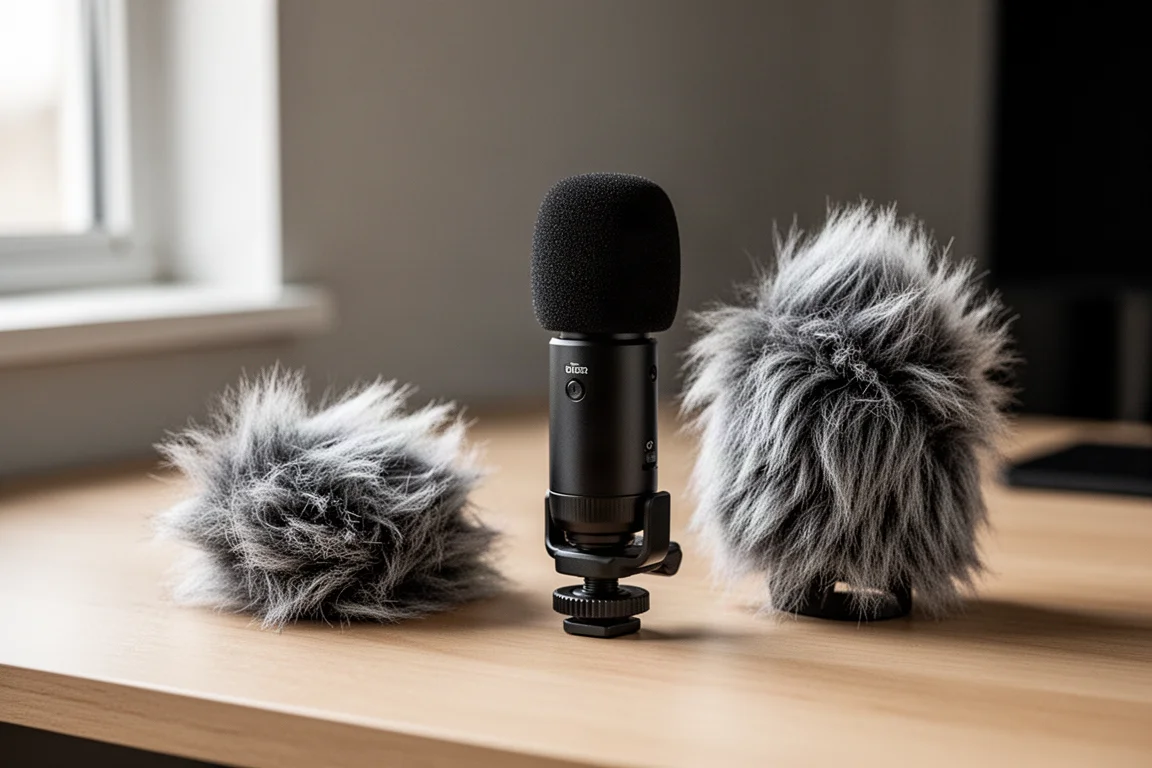
Sony ECM-B1M: Cable-Free Hot-Shoe Audio
The ECM-B1M takes a different approach to the connection problem. It has no cable at all. It mounts on the camera hot shoe and communicates with the camera digitally, which removes the dangling plug that can snag, bend, or damage a camera’s socket. For anyone who moves between locations and packs a camera in and out of a bag, that is a meaningful design advantage rather than a convenience.
It is also significantly more expensive than the Rode VideoMic GO II used in the same setup, and the price reflects both the integration and the extra control. The attenuator, which adjusts the recording level in decibel steps including zero decibels, is useful when you need to match the microphone to a specific camera and environment.
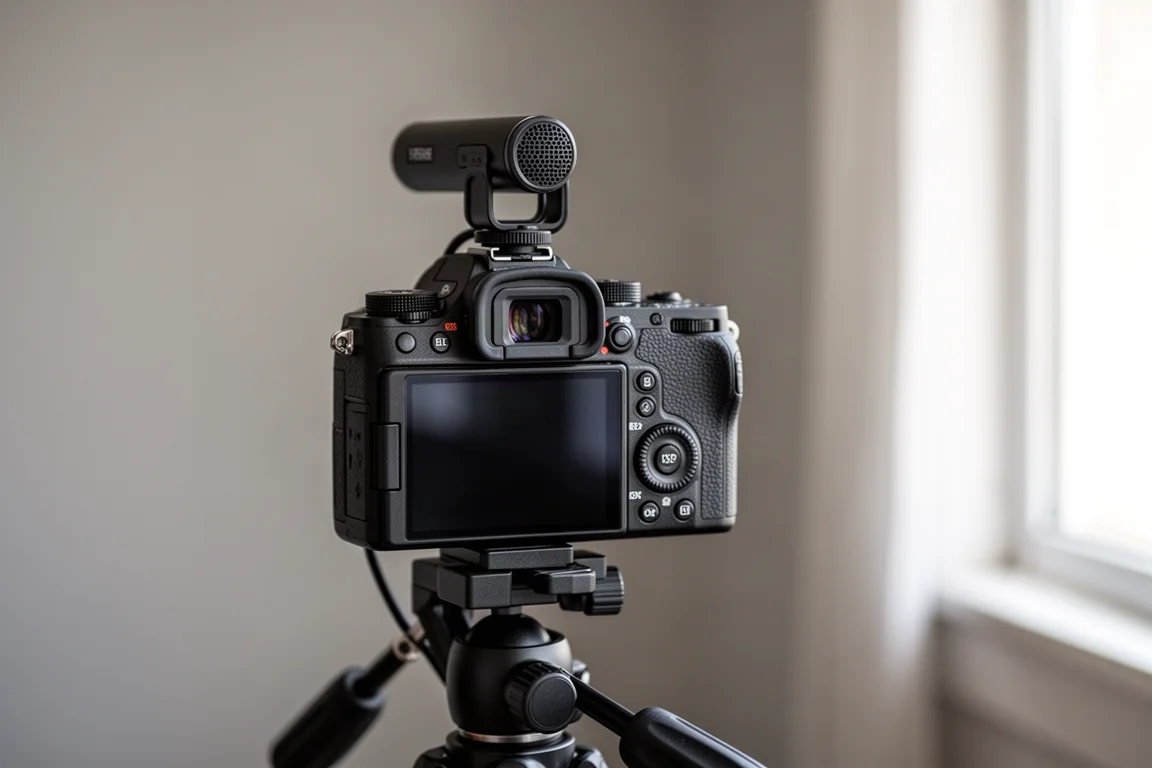
It is worth being realistic about what it can and cannot do. The ECM-B1M is still a short microphone, so it does not remove echo from a reflective room. Its strength is the cable-free, tightly integrated workflow it offers to owners of compatible cameras, particularly Sony bodies, where the hot shoe connection does the work of both mounting and audio.
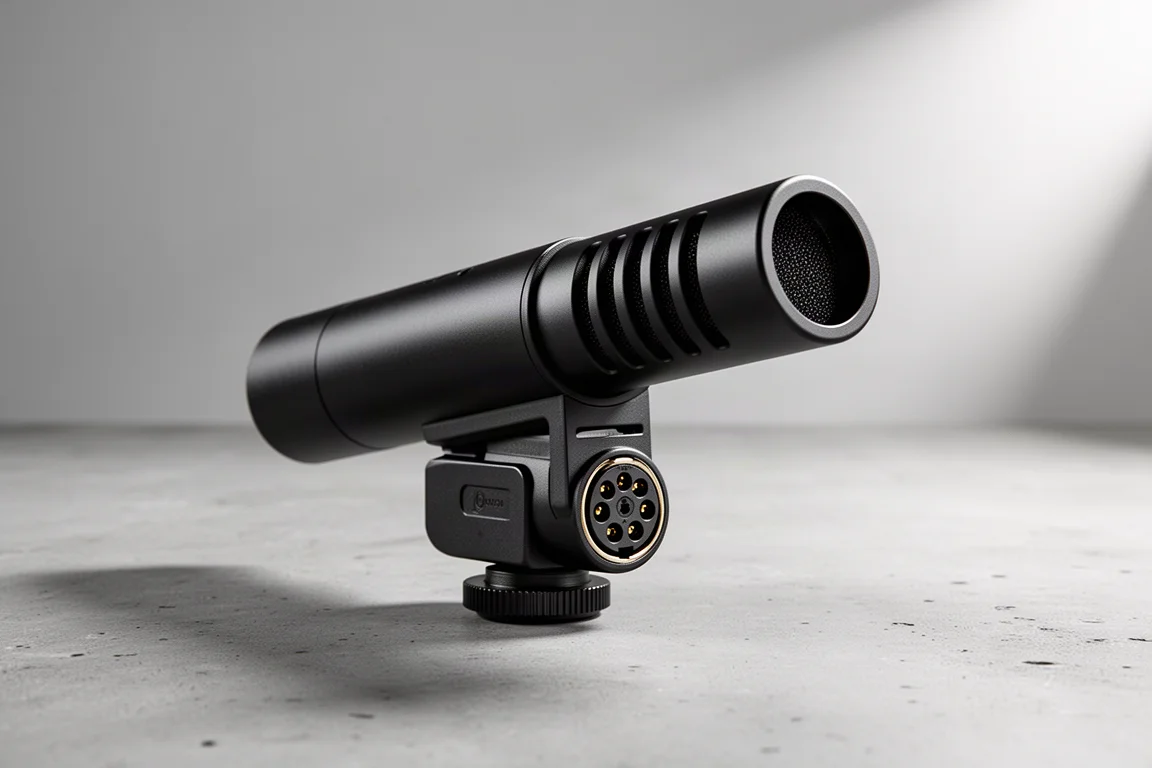
Rode VideoMic GO II: The Compact Everyday Choice
The VideoMic GO II is the microphone already in regular use here, and it is the latest version of the GO. Outdoors it is genuinely impressive, which is why it has stayed on the camera. It is compact, quick to fit, and the kind of microphone you can leave mounted permanently without thinking about it.
Indoors it is a different story. It is a very short shotgun microphone, so it picks up a lot of the room, and in a live space with hard surfaces the echo comes through clearly. That is a limitation of the form factor rather than a fault, but it is the reason a longer microphone exists.
There is also a durability point to weigh. It connects with a standard audio jack that plugs into the side of the camera, just like a set of headphones. If that plug or the camera’s socket is damaged, the repair is not cheap, because the socket is part of the camera body. A right-angle adapter or a strain relief can reduce the risk, and it is the main argument for a hot-shoe design instead.
Buying Advice: Matching the Gear to the Job
The right choice depends on where you record and how much setup you tolerate. If you ride indoors and want more physical interaction with Zwift, the Zwift Play is a well-made controller that makes the platform feel more like a game, provided you accept the subscription and the current limits of its feature set.
For microphones, start with the room. If your recordings happen in a space with echo, air conditioning noise, or hard reflective walls, directionality is the specification that matters most, and a longer shotgun microphone such as the MKE 600 is the tool designed for that job. If you mostly shoot outdoors or while travelling, the MKE 400 and the VideoMic GO II are easier to live with, and their compact size is an advantage rather than a compromise.
If your camera supports a digital hot shoe, the ECM-B1M removes the cable problem entirely and integrates tightly with the camera. That convenience carries a premium, and it does not make a reflective room sound better. Whichever route you take, budget for the accessories as well as the microphone: a windshield, the correct cable for your device, and a mounting solution that keeps strain away from the camera’s socket.
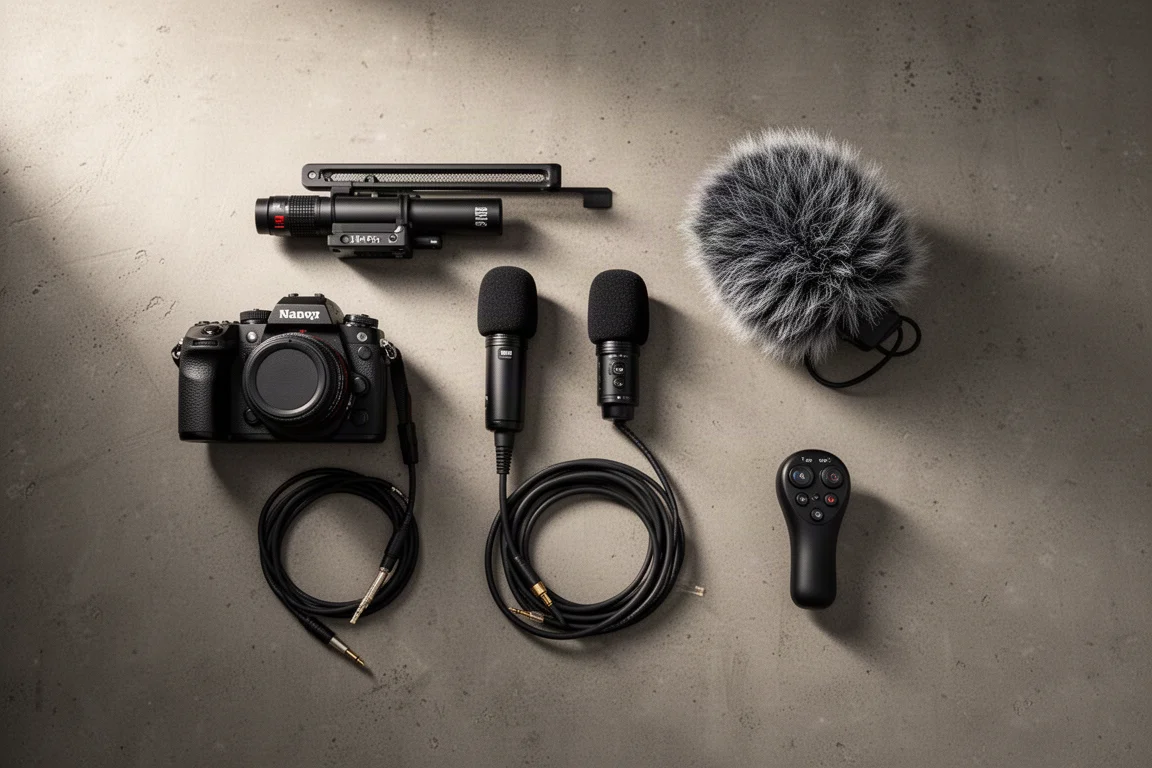
One more consideration applies to all four microphones: none of them replaces good recording habits. Getting the microphone closer to the speaker, choosing a softer corner of the room, and keeping levels sensible will do more for clarity than any single upgrade. The products here are best treated as tools that make those habits easier to maintain.
Conclusion
These five products share a theme, which is that each one removes a small friction from a routine. The Zwift Play turns indoor steering into a physical action and puts game menus under your thumbs. The microphones each trade size, cost, and cabling against how much of the room they pick up, and the right answer depends on whether you record in a controlled space or wherever you happen to be.
The most confident purchase is the one that matches your actual conditions. Choose the longer shotgun if echo is your problem, the cable-free hot-shoe option if your camera supports it, and the compact on-camera microphone if you shoot outdoors and want something that is always ready.
Further reading
Related Reviews

Tech Accessories
Best Premium Tech Dupes 2026: Five Budget Alternatives That Actually Deliver
We compare five premium desk and streaming staples against their budget counterparts to see which dupes are genuinely worth the savings.
Tech Accessories
Best Thunderbolt 5 Docks 2026: Six Options Tested for Desktop Connectivity
A practical guide to six Thunderbolt 5 docking stations, covering their strengths, trade-offs, and which setup they suit best.
Tech Accessories
CalDigit Thunderbolt Docks: TS4 vs Element Hub
Two Thunderbolt docking solutions with different port counts and use cases. The TS4 offers 18 ports and 2.5 Gbps ethernet; the Element Hub provides a compact 8-port alternative.