Smart Trainers
Zwift Hub First Look: A Direct Drive Smart Trainer at an Aggressive Price
The Zwift Hub brings direct drive smart trainer performance to $499, cassette included, with clever setup touches that help beginners. Here is what works, what to watch for, and who it suits.
Introduction
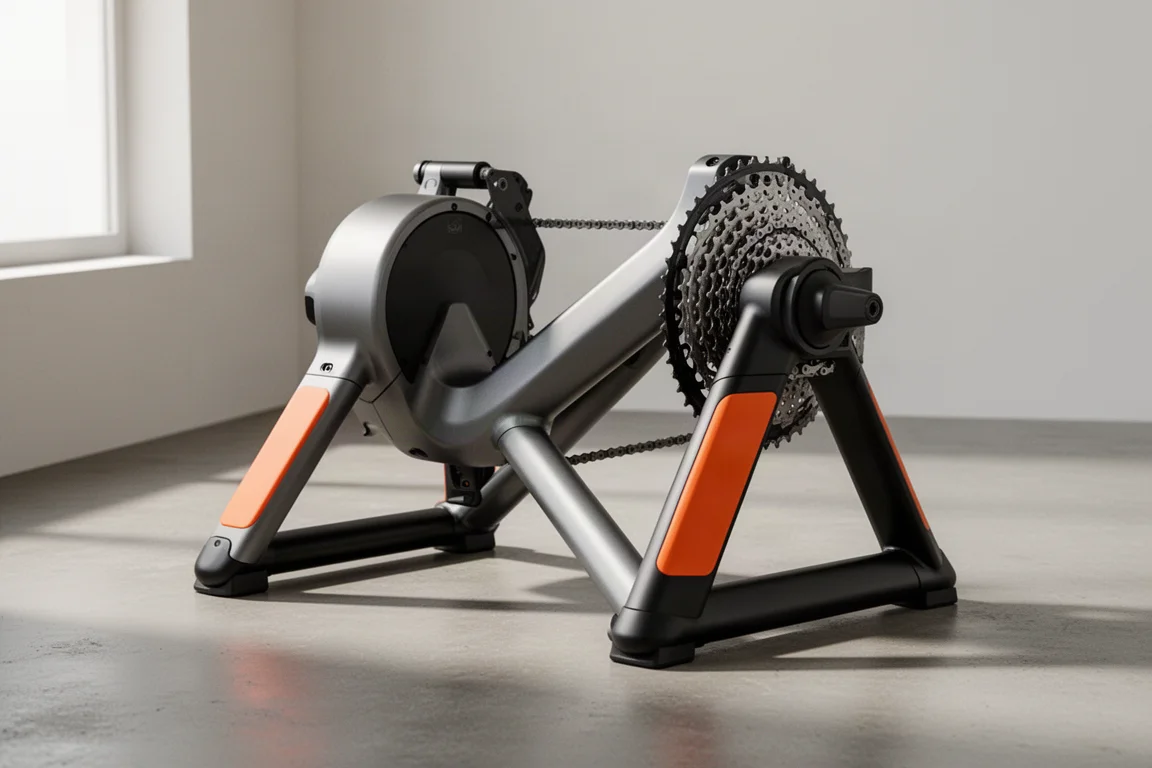
Zwift’s entry into trainer hardware arrives with a clear mission: make a direct drive smart trainer as cheap as possible without gutting the spec. The Zwift Hub is priced at $499 / €449, and unlike most trainers at any price, it includes a cassette of your choice, from 8-speed all the way through 12-speed.
The surprising part is that the Hub is not entirely new hardware. It is, by Zwift’s own confirmation, the same core hardware as the JetBlack Volt, a trainer that earned strong marks for value when it launched at $850. The Hub repackages that proven platform with different paint, new beginner-friendly touches, and a price that undercuts virtually every direct drive trainer on the market.
This is not a final verdict. The unit has known accuracy issues at the moment, and Zwift is working on a firmware fix before the October 6 shipping date. Here is what we know so far.
First Look: What the Zwift Hub Actually Is
The spec sheet reads like a high mid-range trainer, not a budget one. It supports both ANT+ FE-C and Bluetooth FTMS, the standard control protocols for smart trainers, so it works with far more than just Zwift. The flywheel weighs 4.7 kilograms, it handles a maximum simulated grade of 16%, up to 1,800 watts, and the stated accuracy is plus or minus 2.5%.
One genuinely useful trick: the Hub can rebroadcast heart rate data through the trainer itself. That matters most for Apple TV users, since Apple TV only allows two concurrent Bluetooth connections plus the remote. By pairing your heart rate strap to the trainer and funnelling power, cadence, control and heart rate over one channel, you free up a channel for steering, which Zwift and other accessories support.
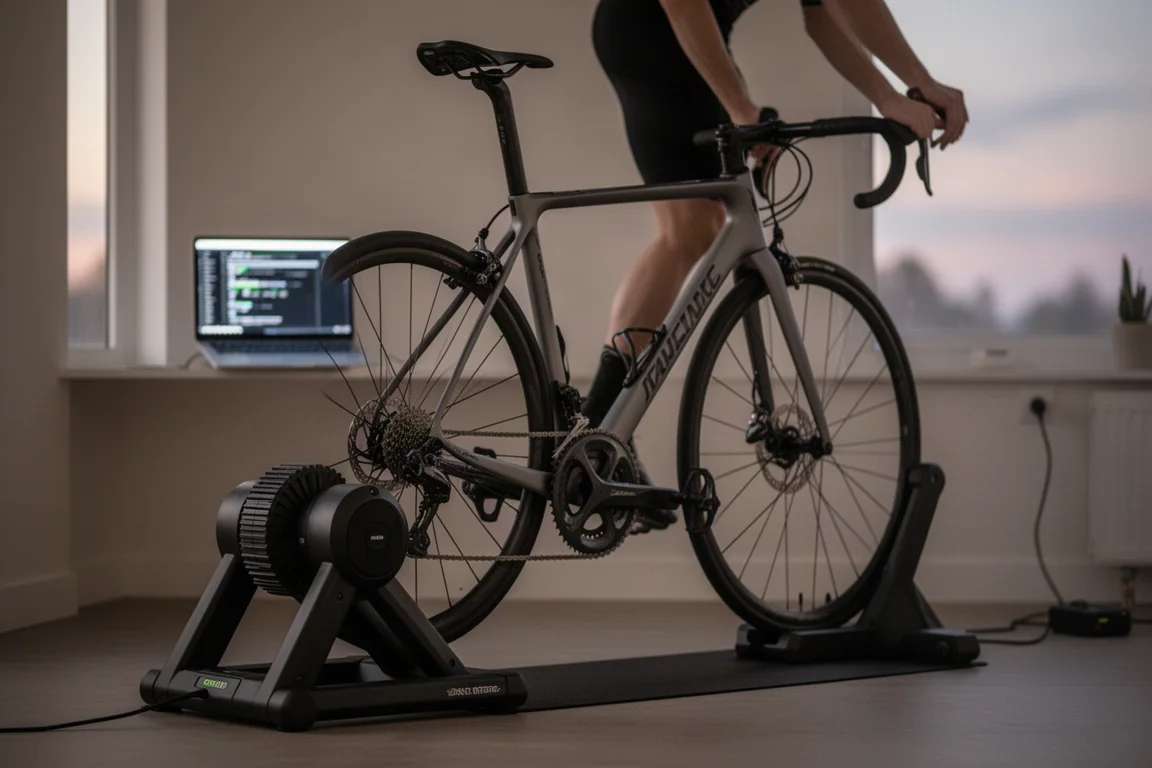
The compromises are predictable for the price. The Hub does not fold and has no carry handle, so moving it around takes a bit of effort. There is also no dual Bluetooth: you get unlimited ANT+ channels and one Bluetooth channel, but you cannot run two simultaneous Bluetooth connections the way some Wahoo and Elite trainers can. That only matters if you want to pair a Bluetooth watch or a second app while riding.
Setup Made Simpler: Cards, Adapters and Foolproof Legs
The most charming part of the Hub is that Zwift clearly thought about first-time trainer owners. The included setup cards slot into your bike’s rear dropouts to tell you exactly what axle spacing you have, whether that is 130 or 135mm quick release, or 142 or 148mm thru-axle. From there, the color coding tells you which adapter to use and which way round it goes.
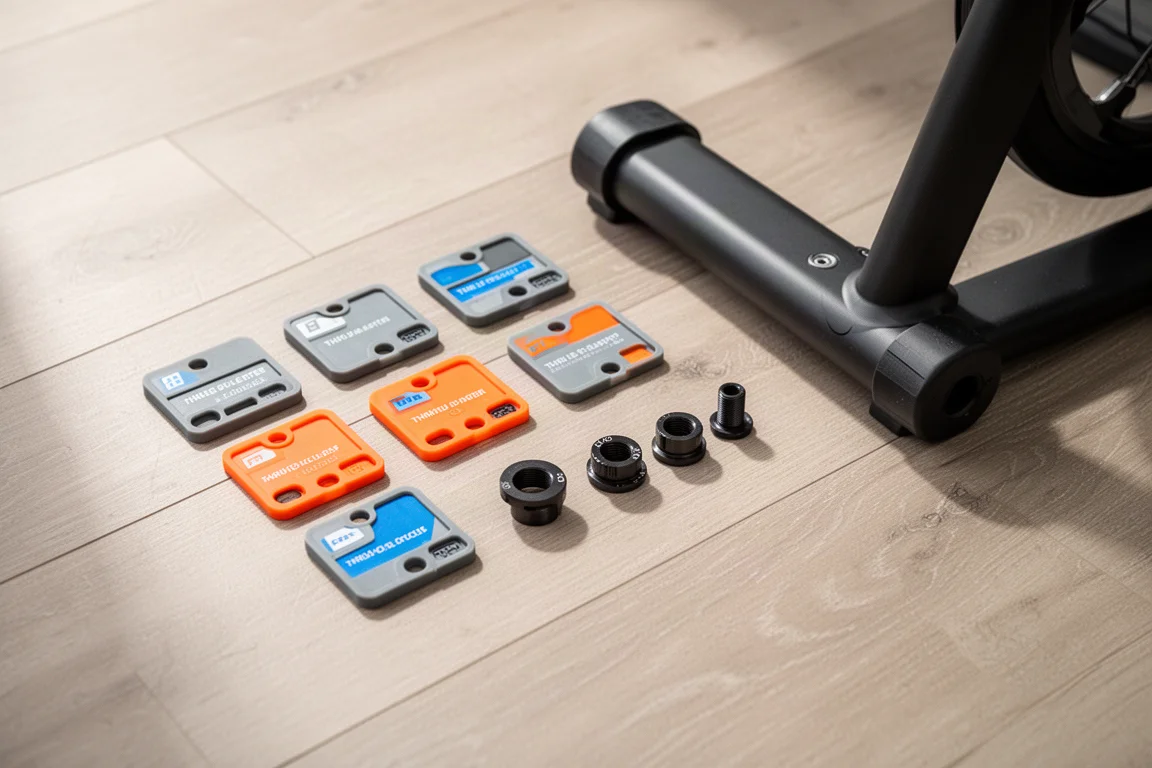
Even experienced riders juggling multiple bikes will appreciate this. Knowing your exact axle length normally means checking a spec sheet or measuring with calipers. Here, you slide a card in and the answer is obvious.
The legs are similarly foolproof. If you mount them backwards, the trainer literally tells you so with text on the unit itself. It sounds trivial, but misaligned legs are a common frustration on trainers from Wahoo and even the JetBlack Volt this is based on.
The Riding Experience: Quiet, Solid, Familiar
On the road feel, the Hub sits in the same league as the Wahoo KICKR CORE, which makes sense given the flywheel weights are roughly comparable. Inertia feel is solid, and the ride quality is genuinely good, not merely acceptable for the price.
Noise is essentially a non-issue. The trainer itself is effectively silent; the only sound you hear is your own drivetrain, so chain cleanliness determines how loud your sessions get. That is about as good as trainer acoustics get.
Because it runs the standard ANT+ FE-C and Bluetooth FTMS protocols, the Hub is not locked to Zwift. It has been tested in both ERG mode and simulation mode on TrainerRoad and other third-party apps with no control problems. Zwift has also publicly committed to keeping its hardware open-standard, and there is no forced subscription tie-in baked into the hardware.
Accuracy: The One Open Question
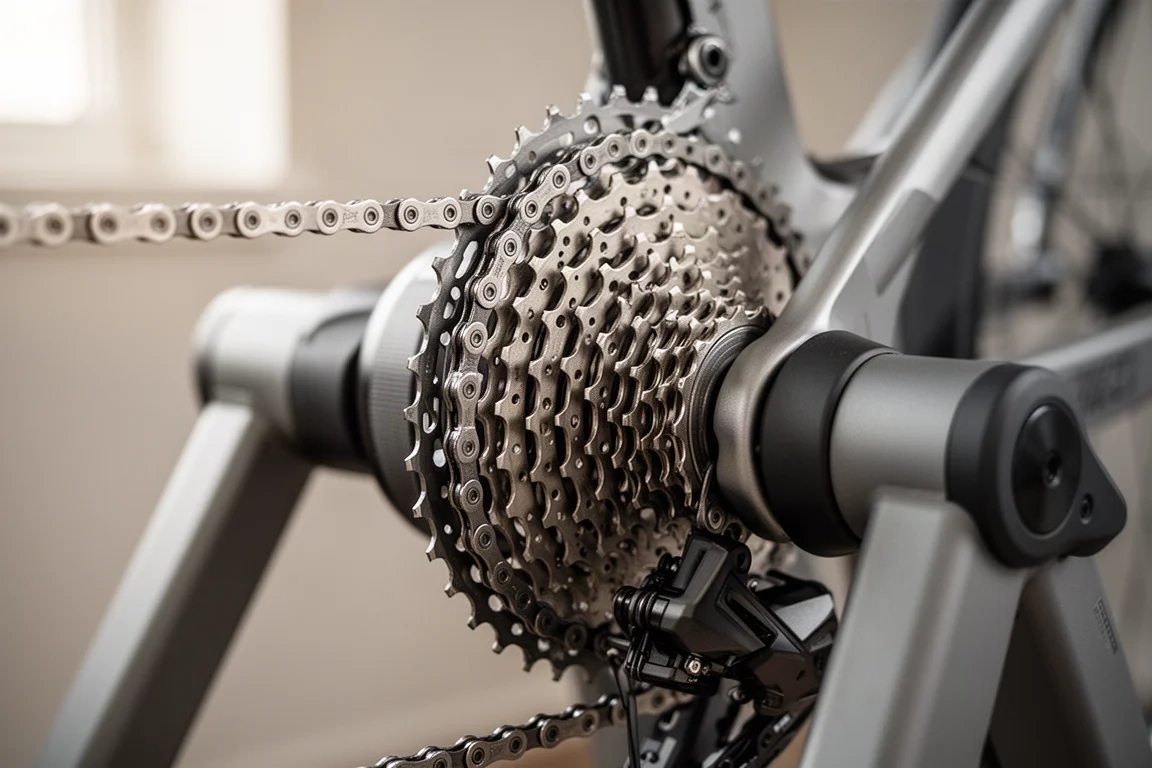
The caveat worth taking seriously: current production units have shown noticeable accuracy problems, and not just on one test bench. Testing across multiple bikes and several power meters surfaced the same pattern, which is unusual given that the JetBlack Volt, the identical hardware underneath, was spot-on accurate.
Zwift is working through the issue and the fix is expected before the trainer ships on October 6. The reassuring part is that the root cause appears to be purely software on otherwise proven hardware, which is the best possible scenario for a fix. Anyone buying early should keep an eye on firmware updates through the Zwift Companion app, which handles firmware and heart rate pass-through configuration on the new hardware tab.
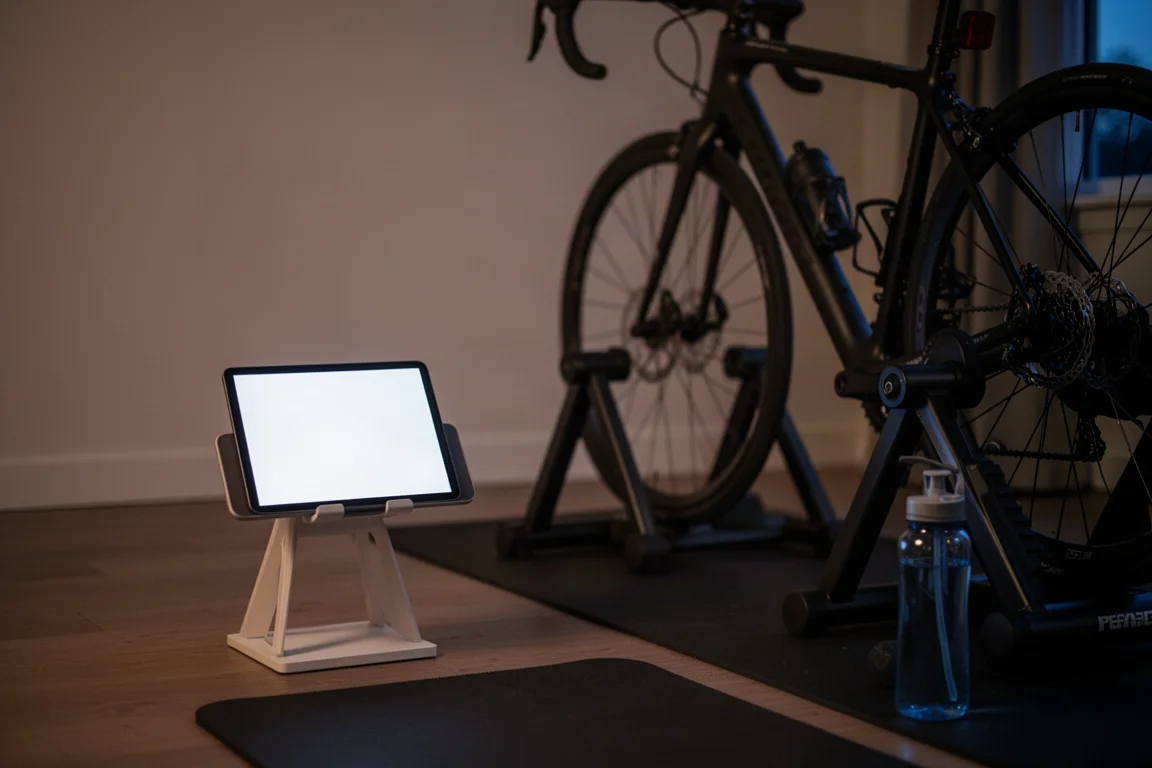
Industry Impact: Why $499 Changes the Math
At $499 with a cassette included, no direct drive smart trainer has ever been priced this low, with or without a cassette. The Hub is not designed to make money on hardware; it exists to get riders onto the Zwift platform. That gives Zwift room to price aggressively in a way traditional trainer makers cannot.
That pressure lands squarely on trainers costing $300 to $400 more. The case for paying extra shrinks to specific ecosystem perks, such as KICKR CORE’s climb compatibility, and even then you are weighing several hundred dollars extra for a single feature. Expect pricing pressure across the category in the months ahead.
Buying Advice
For first-time smart trainer buyers, the Zwift Hub is arguably the easiest recommendation on paper: the lowest direct drive price yet, a cassette in the box, and setup aids that eliminate the most common beginner mistakes. If you already own a trainer with dual Bluetooth or accessories tied to another ecosystem, weigh those extras against the price gap before switching.
The only sensible reason to wait is the accuracy situation. If firmware lands on schedule before the October 6 ship date, the Hub looks like the best value in indoor training, full stop. Buying early means committing to a firmware update you cannot yet verify, while waiting costs you nothing but time.
Conclusion
The Zwift Hub takes a proven, well-reviewed trainer platform, adds thoughtful setup touches that genuinely help newcomers, and prices it lower than anything else in the direct drive category. The current accuracy concerns are real, but they are software-side on hardware that has already proven itself accurate. If Zwift delivers the fix on schedule, this trainer is set to reset expectations for what a smart trainer should cost.
Product link
View more details for Zwift Hub
This product is mentioned in the review. Check the specifications, options, and compatibility before buying.
View more details for Zwift HubFurther reading
Related Reviews
Smart Trainers
Pinnacle HC Review: An Affordable Direct Drive Smart Trainer
A close look at the Pinnacle HC, a £500 direct drive smart trainer with a 2,200W ceiling, a 5.7kg flywheel, and a quiet, stable ride feel for indoor training.
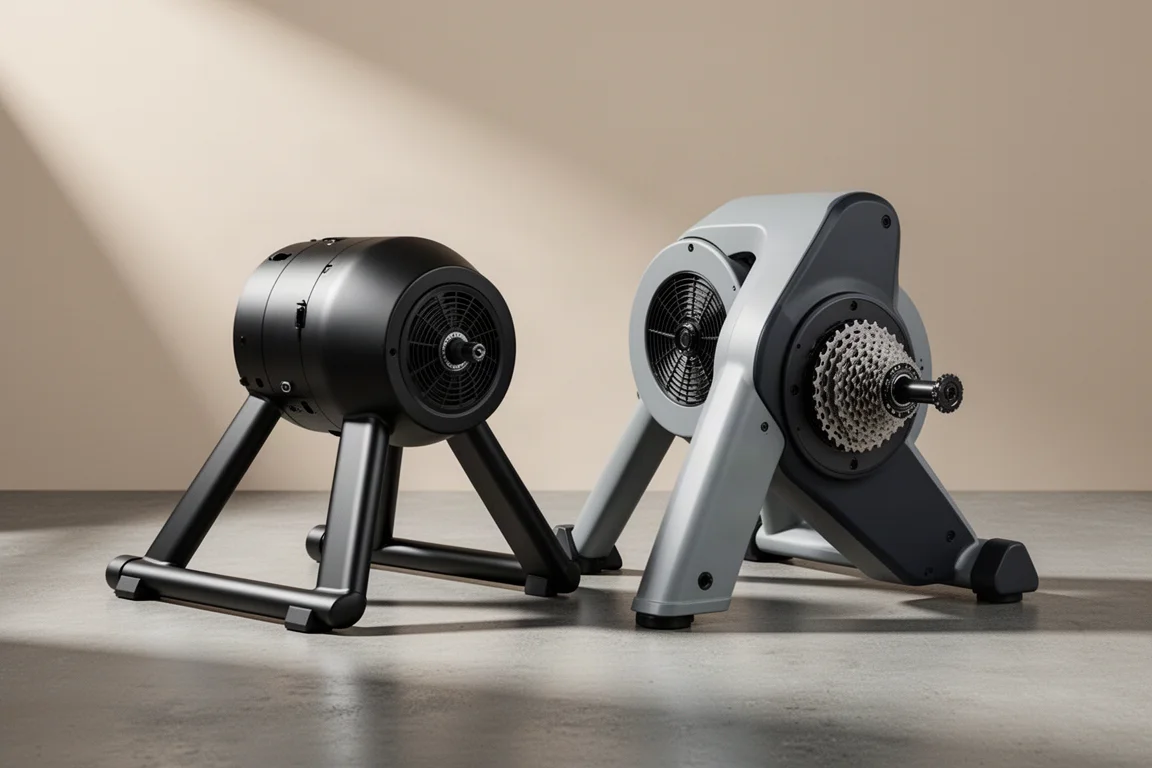
Smart Trainers
Wahoo Kickr Core vs Zwift Hub: Which Budget Direct Drive Smart Trainer Should You Buy?
A practical head to head between the Wahoo Kickr Core and the Zwift Hub, covering price, flywheel weight, setup, noise, connectivity, and power accuracy.
Smart Trainers
Elite Avante Review: A Smart Trainer That Punches Above Its Hardware
The Elite Avante pairs mid-range trainer hardware with high-end software features like built-in Wi-Fi and heart rate bridging. Here is how it holds up after months of riding.