Smart Trainers
Elite Avante Review: A Smart Trainer That Punches Above Its Hardware
The Elite Avante pairs mid-range trainer hardware with high-end software features like built-in Wi-Fi and heart rate bridging. Here is how it holds up after months of riding.
Introduction
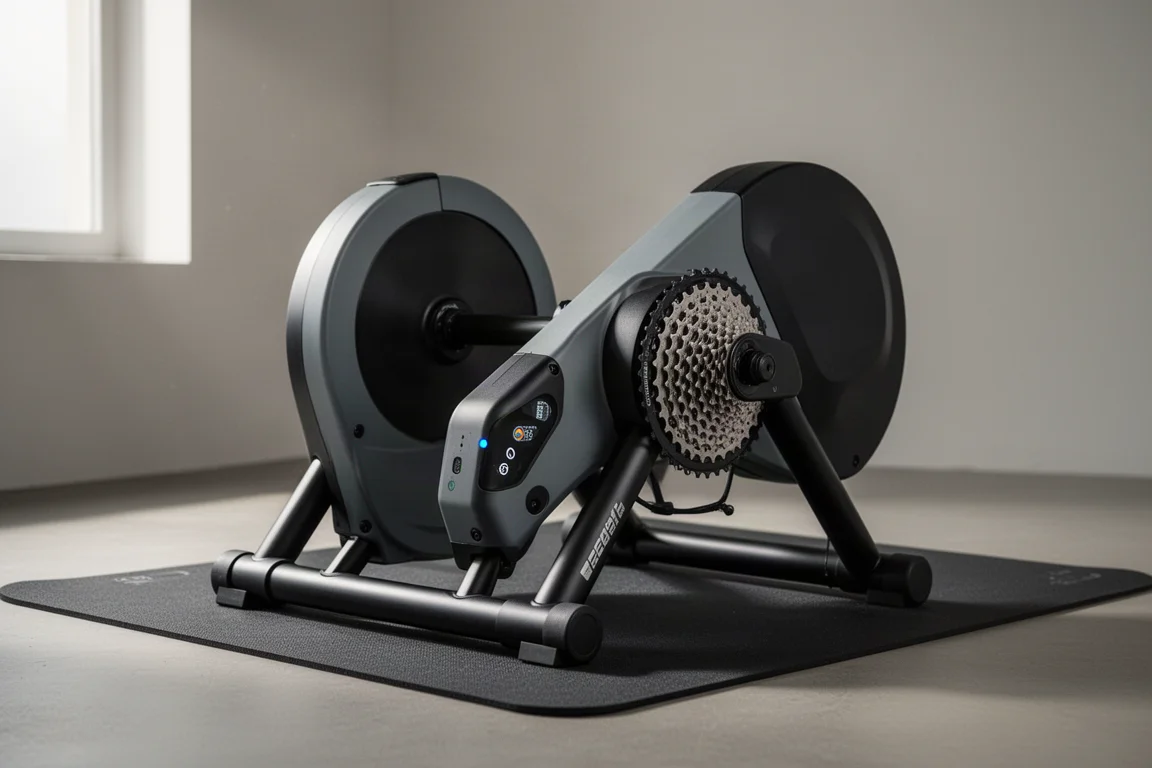
The Elite Avante set out to bridge a very specific gap in the smart trainer market: the space between the $1,000-plus flagship units and the roughly $500 mid-range options. It does this mostly through software, riding on hardware that would otherwise sit in the $500 class. Announced last summer and shipping since the fall, it promises up to 2,100 watts, a claimed 18% max gradient, built-in Wi-Fi, and plus-or-minus 1% power accuracy at a price of $849, frequently seen around $749.
After several months of riding, both on structured workouts and long simulation rides, the Avante feels like a genuinely well-balanced compromise rather than a watered-down flagship.
Who the Elite Avante Is For
This is a wheel-off, direct-drive trainer aimed at riders who want flagship-class connectivity and accuracy without paying flagship prices. It supports a wide range of cassettes (9, 10, 11, 12-speed and beyond, with an adapter needed for some 12-speed options like SRAM), works with quick-release and through-axle bikes, and pairs over ANT+ and Bluetooth Smart, plus built-in Wi-Fi and an optional Ethernet adapter.
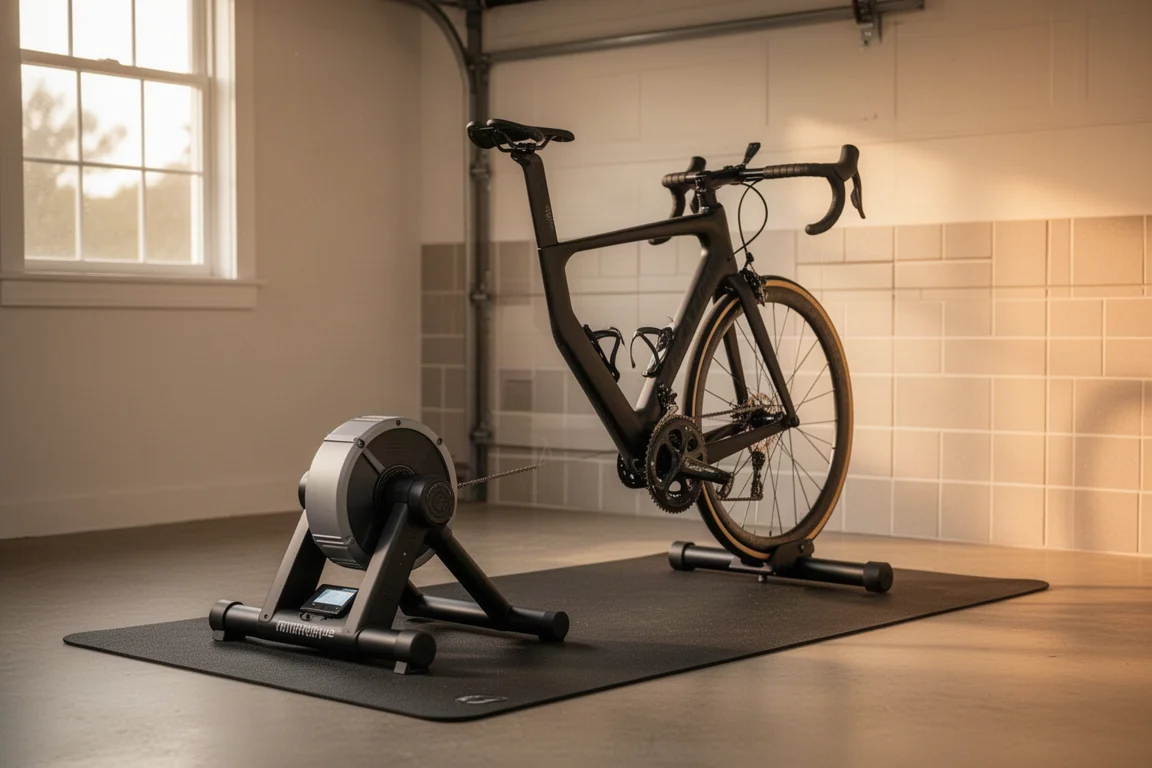
It is also designed to slot into a broader Elite ecosystem. It is compatible with the Elite Riser, which raises and lowers your front end, the Elite Square frame with integrated buttons, and, once Zwift Cog and Click support arrives via firmware, the Zwift Ride. On paper, it is compatible with just about everything across the board.
Main Strengths
Connectivity and Software Features
The headline feature is built-in Wi-Fi, something that was not available on any trainer under roughly $1,000 when this launched. Wi-Fi sidesteps Bluetooth and ANT+ interference issues in busy training spaces, and the trainer can automatically download firmware updates overnight through the My E-Training app so you wake up to a current unit.
Heart Rate and Cadence Bridging
Heart rate bridging lets you pass a heart rate strap or watch sensor through the trainer itself, which counts as a single data channel. That matters enormously if you ride on Apple TV, where the two concurrent Bluetooth connection limit makes clever bundling genuinely useful. Cadence is built in as well, and in testing it was spot-on across every app used, with no separate sensor needed.
Setup and Everyday Usability
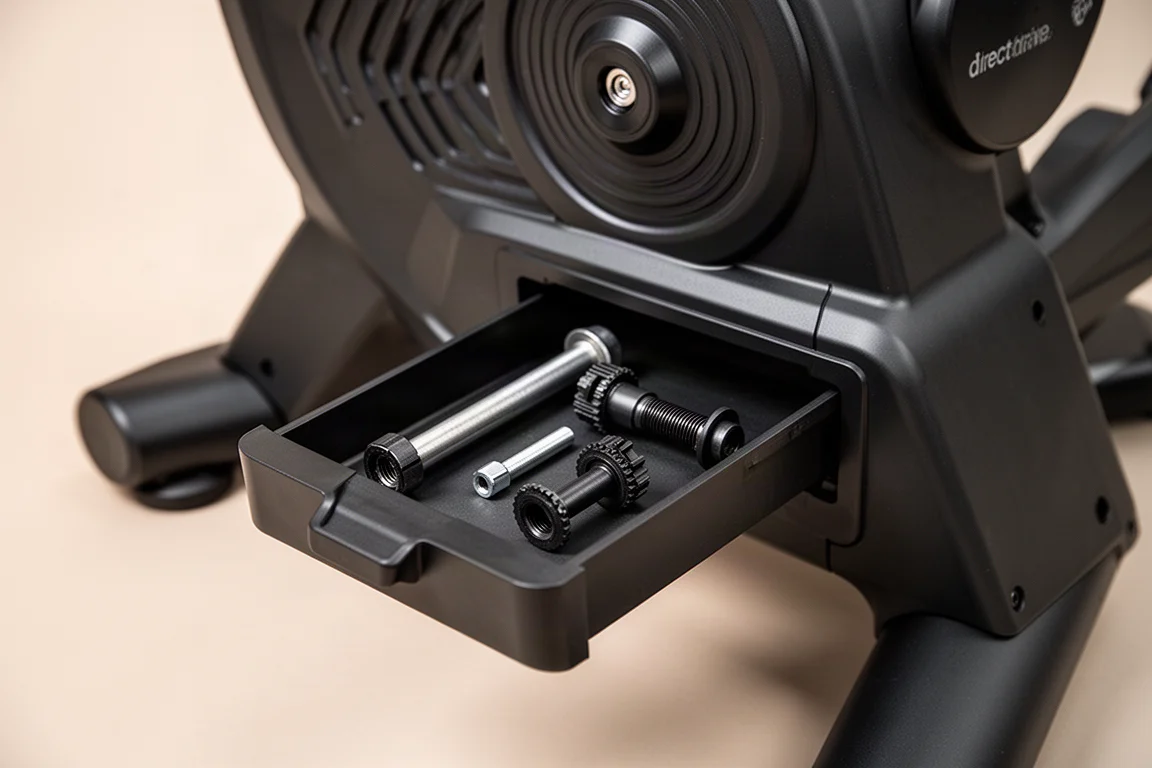
The trainer arrives fully assembled except for your own cassette (typically a $50 to $70 addition). One standout detail: an axle adapter drawer tucked underneath the trainer body, so your quick-release and through-axle adapters live with the trainer instead of disappearing into a garage drawer. Firmware updates happen through Elite’s Upgr app, which is simple and effective.
Ride Feel and Accuracy
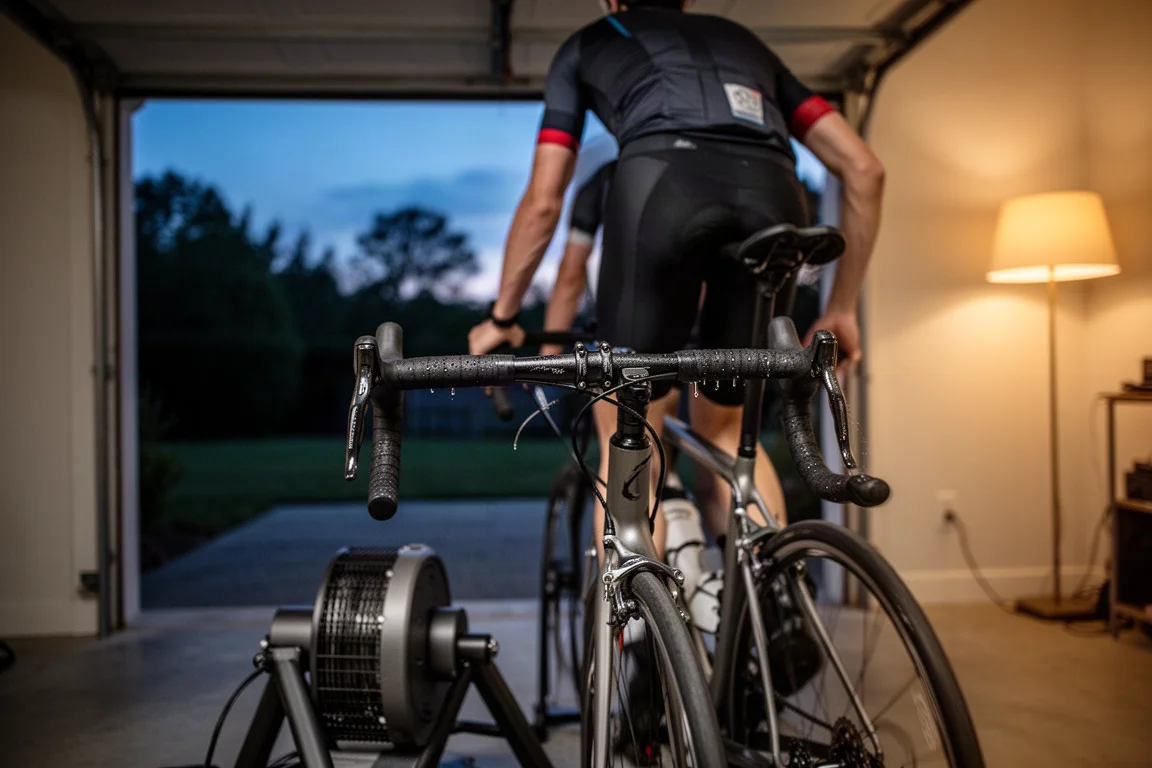
The 4 kg flywheel delivers an inertial feel comparable to other mid-range trainers. It is noticeably lighter than the Elite Justo XR’s roughly 25% heavier flywheel, and side by side you feel a bit more inertia swing on the Justo XR, but on its own the Avante feels perfectly fine. The claimed +/-1% accuracy held up across structured workouts, group rides, and a full-throttle 1,000-watt sprint, matching reference power meters within a few watts. Automatic calibration settles within the first one to two minutes, which is impressive given that most trainers need 10 to 15 minutes to adapt to big temperature swings.
Structured intervals responded in right around 3 seconds from 150 to 450 watts, which is exactly where a trainer should land: fast enough for micro-intervals, not so abrupt that it feels like hitting a wall. On long descents at simulated flywheel speeds of 100 km/h, accuracy stayed spot-on during hard surges. It is also essentially silent; outside of some groaning at extreme simulated grades, all you hear is your own drivetrain.
Things to Consider Before Buying
The claimed 18% maximum gradient can actually be pushed well into the upper 20s, though the trainer audibly struggles up there and one very long steep climb produced a brief burning smell that never returned. Realistically, almost nobody rides 25% simulated grades, but if you specifically want that, a higher-end trainer is the better fit.
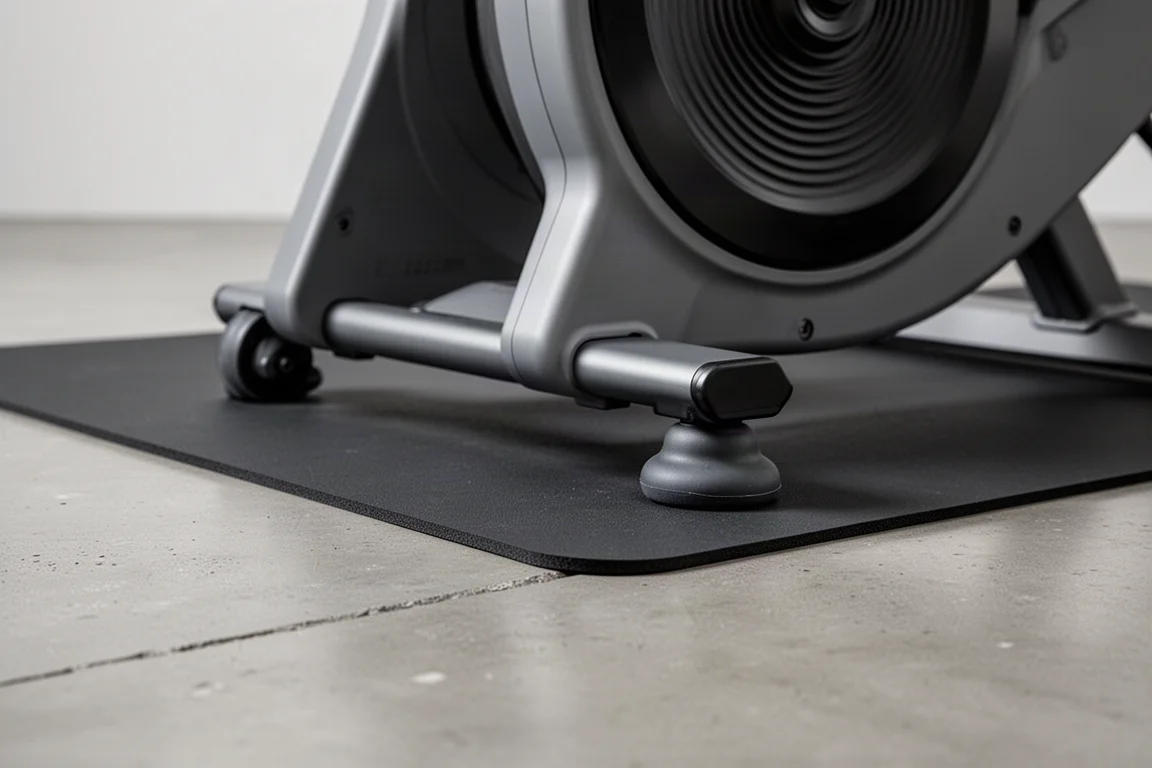
The included 4.5-degree lateral sway feet are firm rather than squishy; on a trainer mat you will not notice them, but on hard concrete there is a hint of sway. Elite’s red feet add more movement if you want it.
Software is a mild weak point: the My E-Training app feels vast, sprawling, and dated, and Wi-Fi configuration lives there while firmware lives in the separate Upgr app. Two apps for one trainer is an odd split.
Buying Advice
The tricky part of the Avante’s value story is competition. The JetBlack Victory launched shortly after with Wi-Fi and effectively the same specs at a lower price in the $400 to $500 range, but it has faced repeated shipping delays, with wait times measured in months. The Wahoo KICKR CORE remains cheaper but lacks heart rate bridging. The Avante, by contrast, is available in stores today with no notable teething issues, and it adds Elite ecosystem compatibility that works best with Elite’s own accessories.
If you want a trainer you can ride this week, with Wi-Fi, heart rate bridging, and proven accuracy, the Avante’s extra couple hundred dollars over delayed or feature-limited rivals buys real peace of mind. If you are patient and price-sensitive, the JetBlack Victory remains worth watching, but availability is the deciding factor right now.
Conclusion
The Elite Avante is not the flashiest trainer on paper, but it nails the fundamentals: quiet operation, accurate power, quick automatic calibration, and a connectivity suite that punches well above its hardware class. For riders stuck between the $500 and $1,000 tiers, it is one of the most sensible choices currently on the market.
Product link
View more details for Elite Avante
This product is mentioned in the review. Check the specifications, options, and compatibility before buying.
View more details for Elite AvanteFurther reading
Related Reviews
Smart Trainers
Pinnacle HC Review: An Affordable Direct Drive Smart Trainer
A close look at the Pinnacle HC, a £500 direct drive smart trainer with a 2,200W ceiling, a 5.7kg flywheel, and a quiet, stable ride feel for indoor training.
Smart Trainers
Wahoo Kickr Core vs Zwift Hub: Which Budget Direct Drive Smart Trainer Should You Buy?
A practical head to head between the Wahoo Kickr Core and the Zwift Hub, covering price, flywheel weight, setup, noise, connectivity, and power accuracy.
Indoor Cycling Tech
Apple TV 4K Review: A Simple Route to Big-Screen Zwift
A practical look at using the Apple TV 4K as the brain of an indoor cycling setup, what it does well, and what you still need around it.