Smart Trainers
Wahoo Kickr Core vs Zwift Hub: Which Budget Direct Drive Smart Trainer Should You Buy?
A practical head to head between the Wahoo Kickr Core and the Zwift Hub, covering price, flywheel weight, setup, noise, connectivity, and power accuracy.
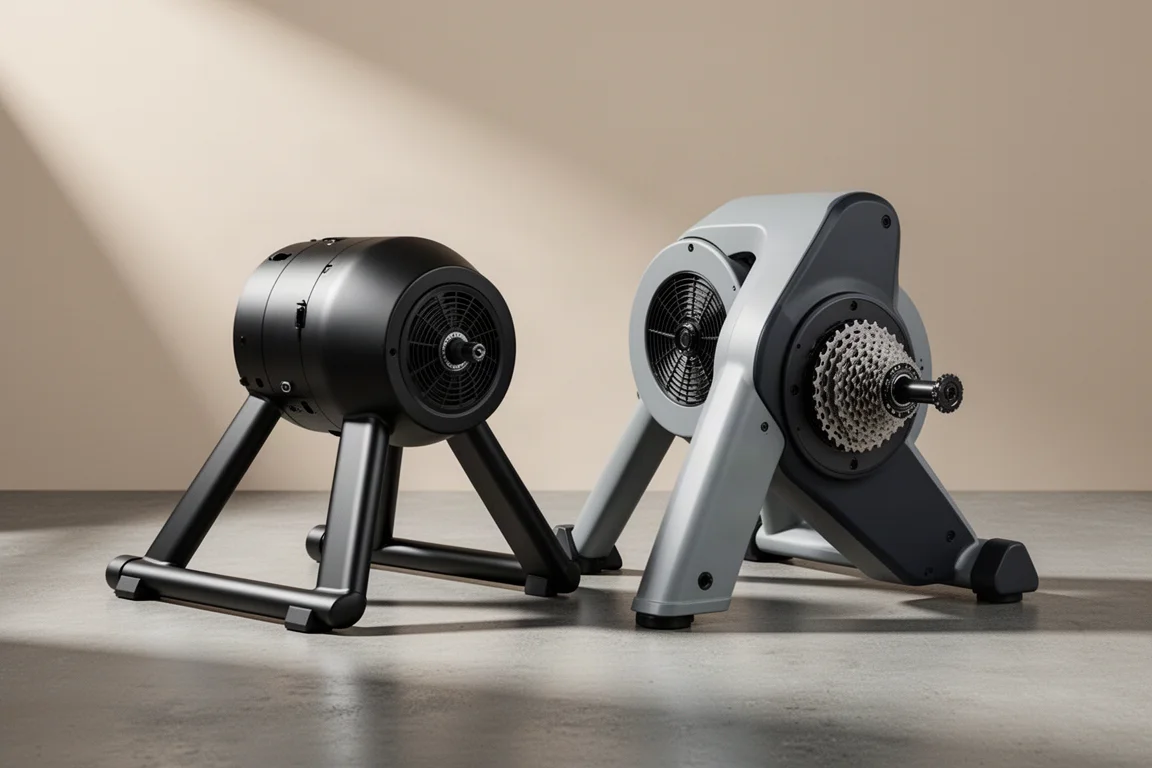
Introduction
Direct drive smart trainers have a reputation for being expensive, but the entry point into that category is now far more accessible. Two trainers frame that shift: the Wahoo Kickr Core at $899 or £599, and the Zwift Hub at $499 or £449, which arrives with a cassette already fitted.
Both remove the rear wheel from the equation and mount your bike directly onto the trainer, which is the setup most riders want once indoor training becomes a regular part of the week. They are close enough in performance that the decision usually comes down to price, setup experience, and how neatly each one matches your bike.
How These Direct Drive Trainers Compare
The comparison below focuses on what actually changes the ownership experience: the cost of getting started, flywheel size and ride feel, assembly and setup support, whether a cassette is included, connection stability with training apps and head units, noise levels, and claimed power accuracy.
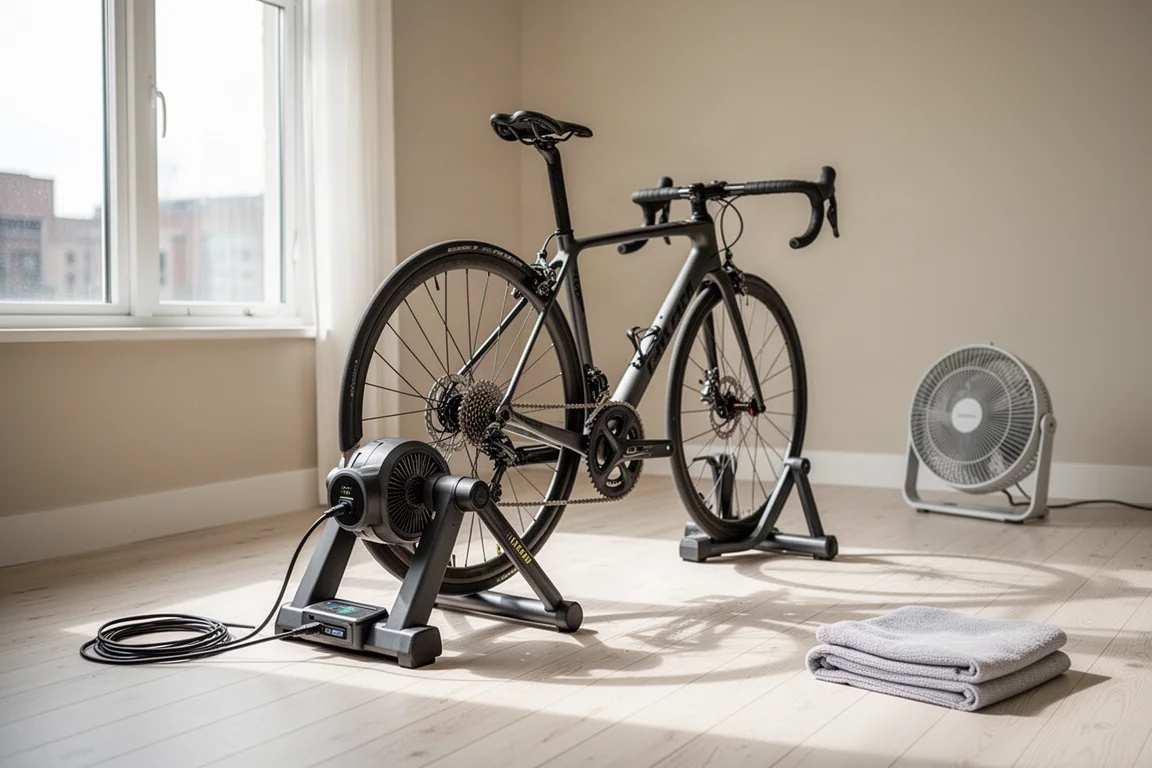
For most riders the practical difference shows up in the first week: how long it takes to get the bike mounted and paired, and whether resistance changes feel natural once the trainer starts responding to an app.
Wahoo Kickr Core: Mid-Price Technology and Proven Design
The Kickr Core sits between the top of the range Kickr V6 and the entry level Kickr Snap in Wahoo’s lineup, at £599 or $899. It borrows much of the same technology as its more expensive sibling, with the flywheel being the main difference: 5.4 kg on the Core against 7.3 kg on the Kickr V6.
Assembly follows the familiar direct drive process. You bolt the frame together, fit the correct axle adapters, add a cassette, mount the bike, and plug it in. The Core does not include a cassette, but it ships with a Shimano HG freehub and can be set up with cassettes from 8 to 12 speed. Wahoo rates power accuracy at plus or minus 2 percent, and testing kept power output within a couple of percent of a set of Garmin Vector 3 power meter pedals.
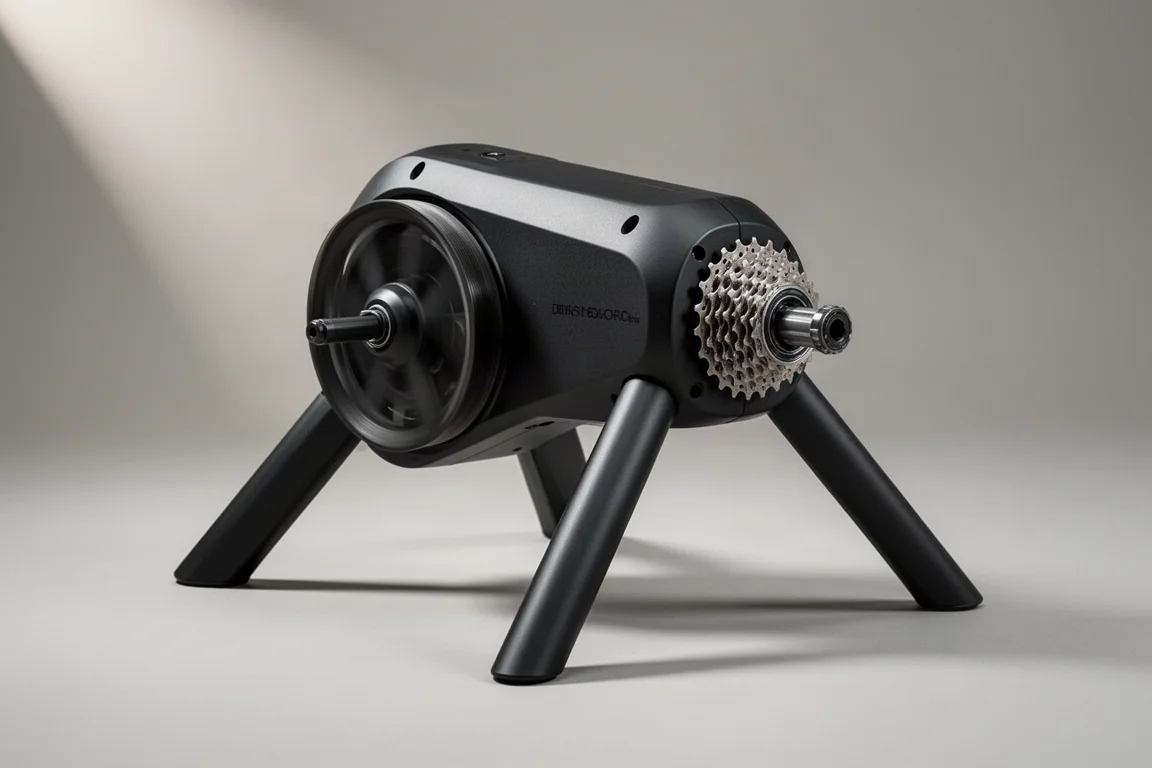
Zwift Hub: Setup Made Simple
Zwift’s first hardware product costs £449 or $499 and includes a cassette of your choice in 8, 9, 10, 11 or 12 speed Shimano HG, fitted before the trainer ships. In an era of significant price rises across the bike industry, including a cassette and letting you match it to your bike adds real value to a trainer that already undercuts most comparable options.
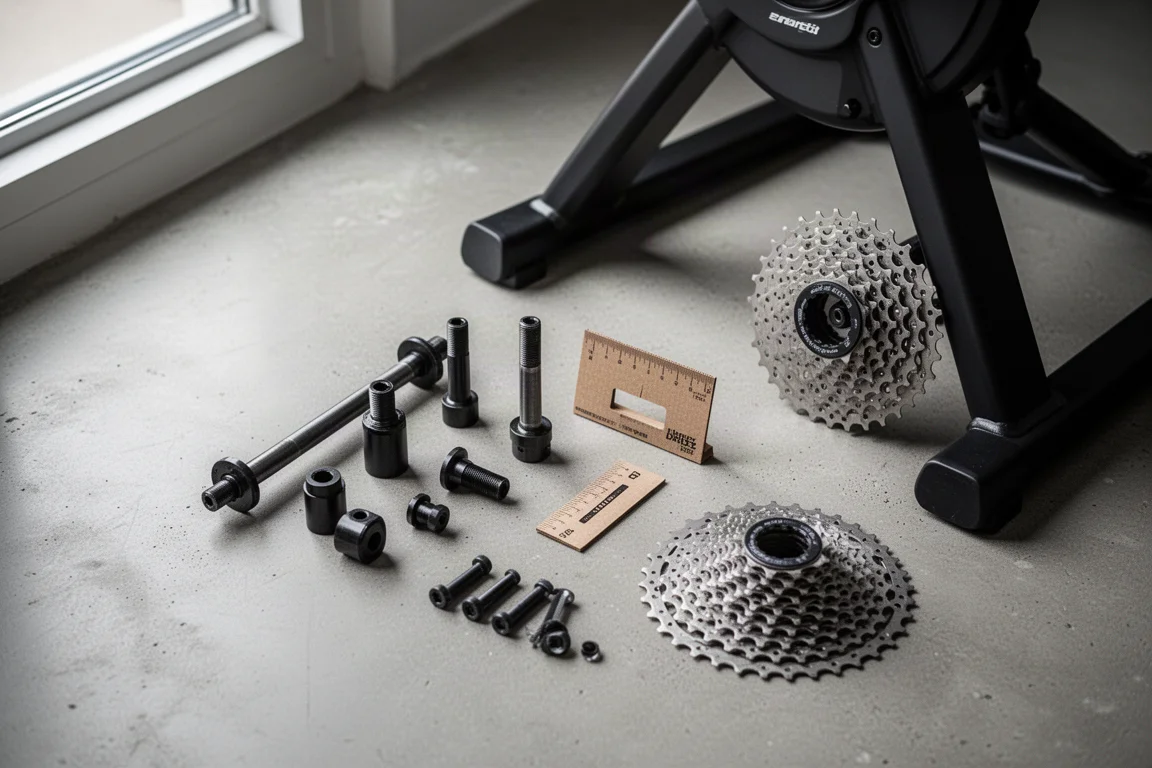
Zwift has clearly invested in the unboxing and assembly experience. Parts are color coded, the manual is detailed, there are how to videos, and a cardboard gauge helps you measure your axle width before ordering. The Hub is not limited to one platform either, and works with other smart training platforms such as Wahoo’s own system and TrainerRoad. Zwift claims power accuracy of plus or minus 2.5 percent, and cadence accuracy is strong at slower flywheel speeds.
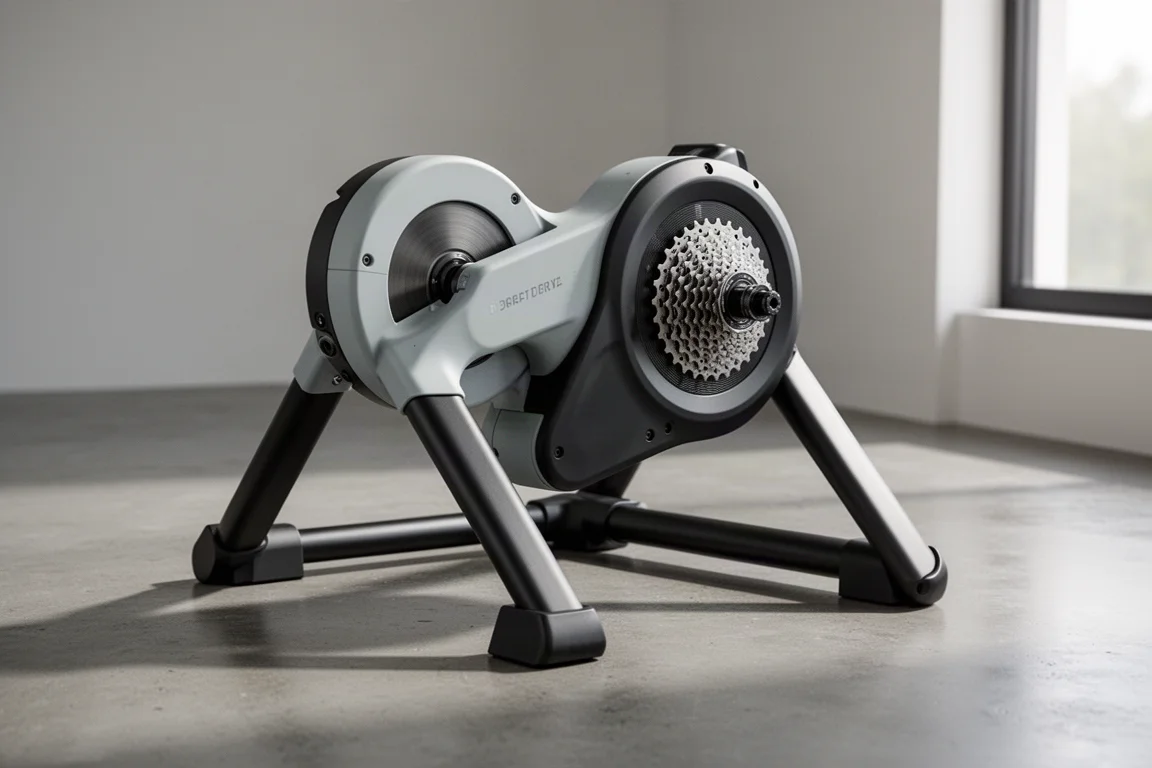
Flywheels, Ride Feel, Noise, and Storage
The Hub’s flywheel is lighter at 4.7 kg, roughly 700 grams less than the Core’s 5.4 kg. A heavier flywheel is intended to improve ride feel, although in practice the two are closely matched.
Both trainers share a maximum power output of 1800 watts and can simulate a maximum gradient of 16 percent. That will not cover every climb or the most powerful riders out there, but it is more than adequate for the vast majority. The wide leg stance of both provides excellent stability when seated and when standing out of the saddle, and both respond quickly to ERG mode power changes and virtual gradient shifts. Ride feel is smooth with a good amount of inertia, and there is very little to separate them.
Noise is a genuine strength for both. They are very quiet under normal use, and neither sees a significant decibel ramp up as power or speed increases. Most of what you hear will come from your bike’s drivetrain rather than the trainer itself. Both use fixed legs that do not fold away for storage, so it is worth planning a semi-permanent spot if space is tight.
Connectivity and Training Platforms
Both trainers offer ANT+ and Bluetooth. Bluetooth proved rock solid for both during testing and is generally the more stable choice whenever it is available. ANT+ is far more prone to signal interference from other local wireless devices, which is worth remembering if you have a busy home network or an older head unit.
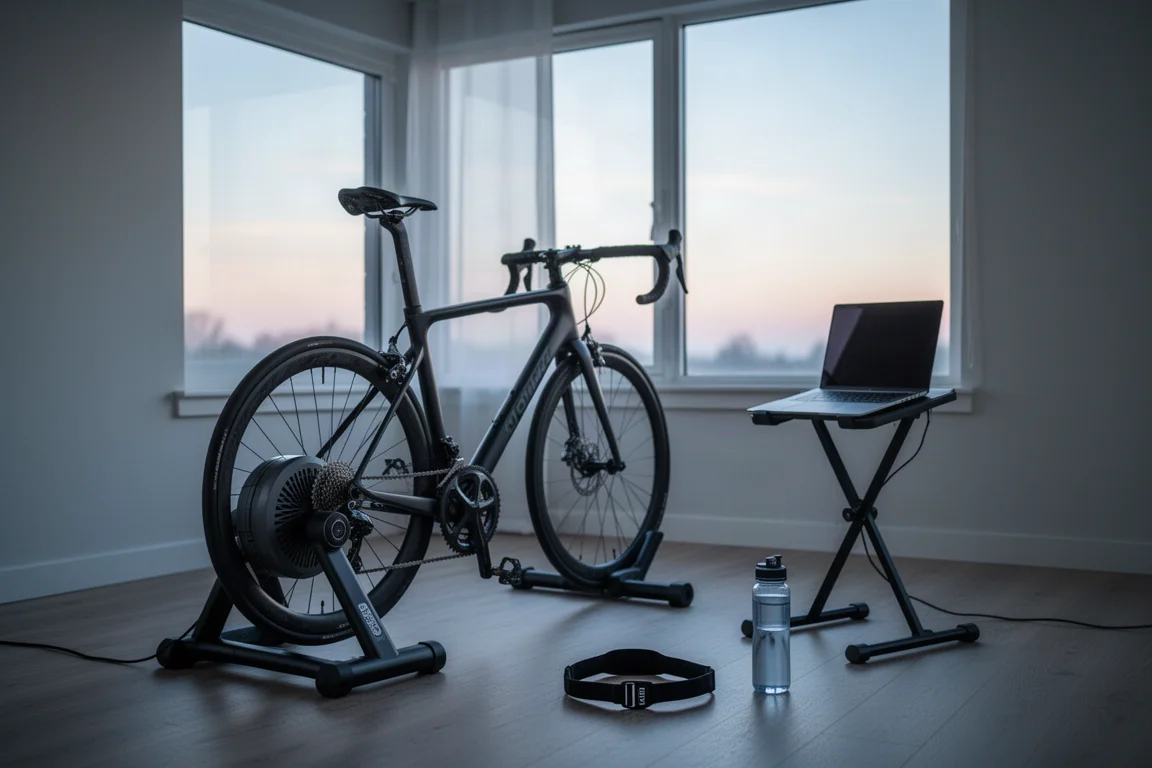
Both trainers connect to the major indoor cycling apps, as well as to other smart training platforms, so switching between services is straightforward and does not lock you into a single ecosystem.
Power Accuracy and Cadence
Wahoo claims plus or minus 2 percent accuracy for the Kickr Core. That is a little less accurate than the plus or minus 1 percent of the Kickr V6, but it should still be plenty good enough for most people.
Zwift claims plus or minus 2.5 percent for the Hub. Initial testing found some fluctuations compared with on-bike power meters, but after a firmware update and a change to a production unit, it tracked well in the majority of situations. Cadence accuracy is really good at slower flywheel speeds and can drop off a little as flywheel speed increases. If you are doing ERG mode workouts with specific cadence targets, using a lower gear helps improve cadence accuracy.
Buying Advice
Both trainers are excellent, and either will serve you well for structured training, virtual racing, or simply putting in winter miles. The Zwift Hub edges ahead on price: at that price point, including a cassette of your choice represents outstanding value.
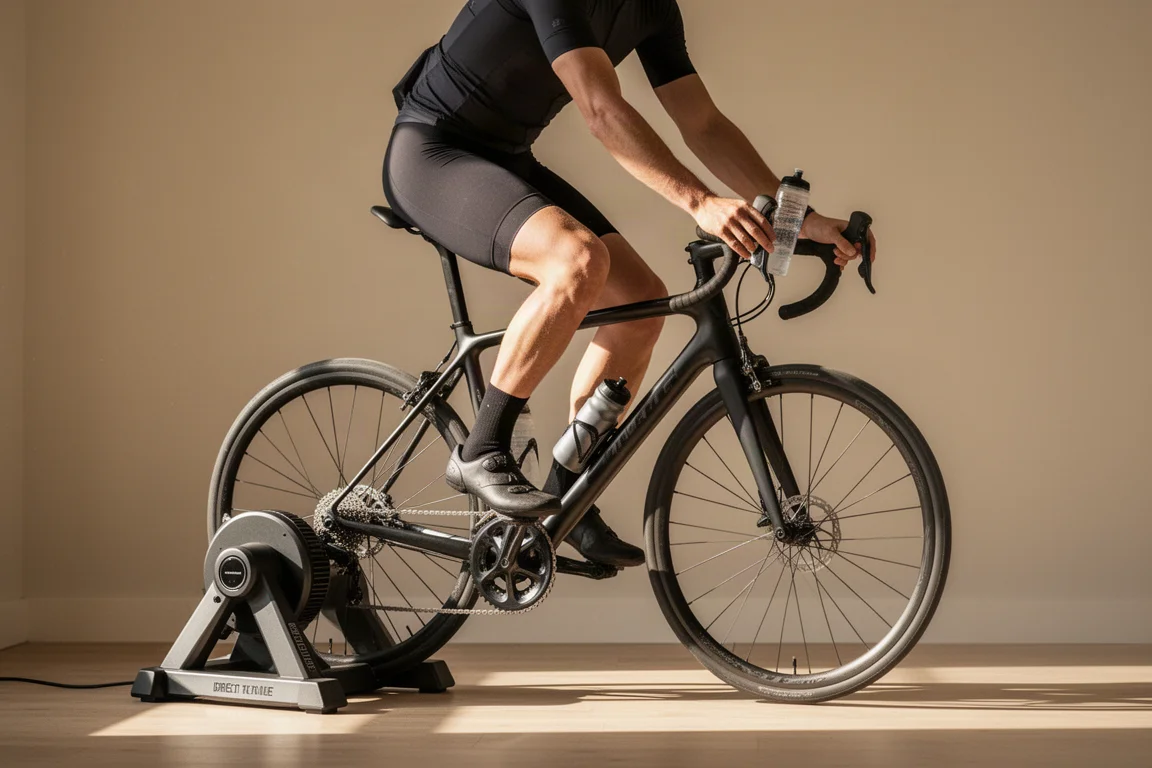
The Kickr Core remains a strong choice if you want Wahoo’s established platform and a slightly heavier flywheel. If you already own one, there is nothing here that makes an upgrade urgent. Decide on the cassette question first. If you do not already have a spare cassette and the right tools, the Hub’s included cassette and guided setup remove a genuine obstacle. If you are already invested in Wahoo’s ecosystem, or you simply prefer the trainer that has been on the market longer, the Core is the more familiar path.
Conclusion
There is no bad option between these two. The Zwift Hub wins on price and setup friendliness, particularly for riders who want the simplest possible route from box to first ride. The Wahoo Kickr Core answers with a heavier flywheel, a longer track record, and a platform many riders already know. Match the choice to your bike, your budget, and the cassette you already own, and either trainer will quietly do the job for years.
Further reading
Related Reviews
Smart Trainers
Pinnacle HC Review: An Affordable Direct Drive Smart Trainer
A close look at the Pinnacle HC, a £500 direct drive smart trainer with a 2,200W ceiling, a 5.7kg flywheel, and a quiet, stable ride feel for indoor training.

Backpacking Gear
Building a 10 lb Base Weight: An Ultralight Backpacking Gear List
A practical walkthrough of the ultralight pieces behind a 10 lb base weight, from a 765 g pack and a roomy one-person tent to a full camp chair and a dependable water filter.

Road Bikes
10 New Road Bikes Worth Watching: Aero, Titanium, Steel and Endurance Standouts
A practical roundup of 10 new road bikes, from aero flagships chasing single-watt gains to titanium, steel and endurance platforms built for real roads.