Indoor Cycling
Zwift Hub Review: Zwift's First Turbo Trainer, Built for Easy Setup
A close look at the Zwift Hub, a direct-drive smart trainer with a pre-installed cassette, wide bike compatibility, and a price that undercuts the top tier.
Introduction
Zwift has been a familiar name in indoor cycling software for years, and the Zwift Hub is the company’s first turbo trainer. It is a direct-drive unit priced at £449, $499, or €499, which places it well below the top tier of smart trainers while leaning on hardware that has already been proven elsewhere.
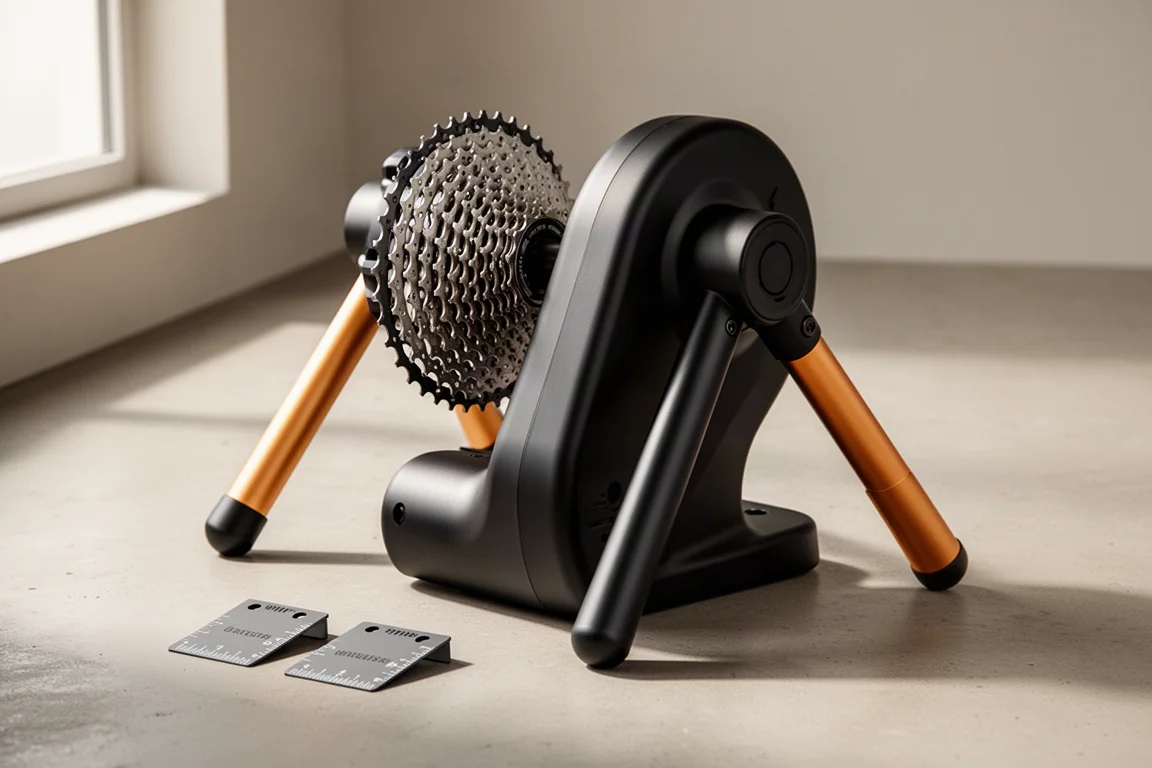
The pitch is simplicity. The cassette arrives already fitted, the legs are colour-coded, and the adapters are labelled so that most riders can get rolling without a trip to a bike shop first.
Who this product is for
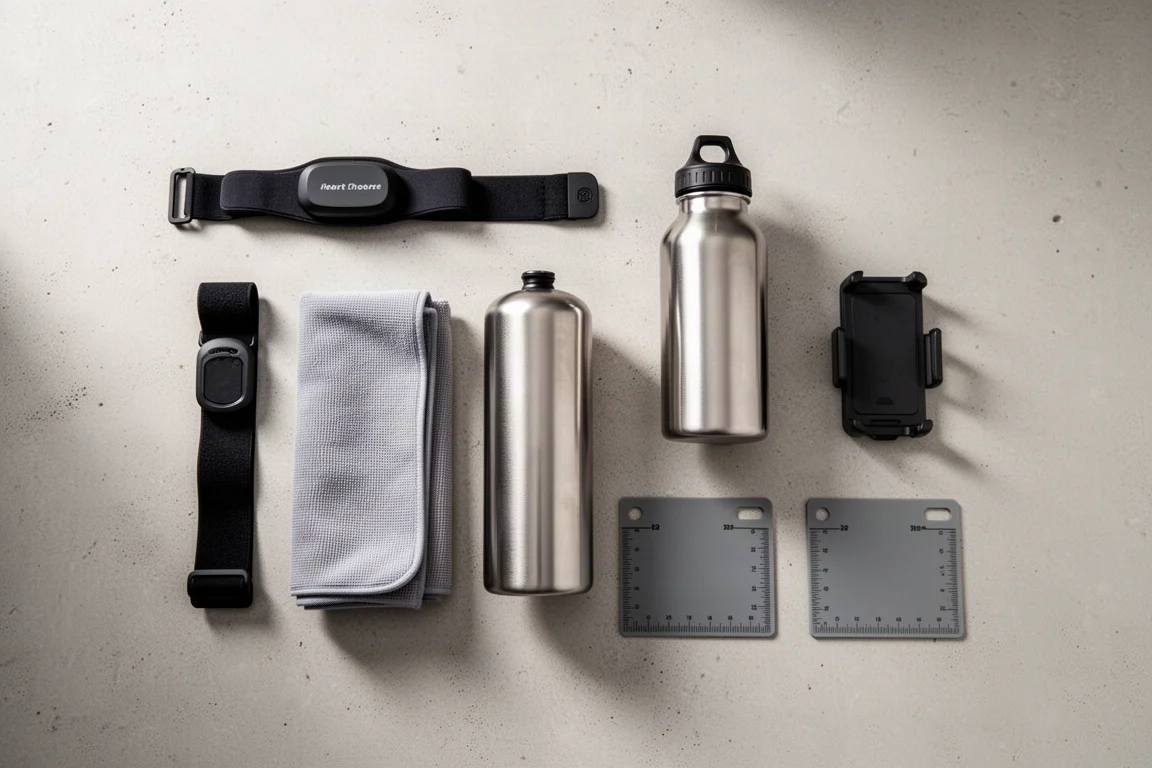
Almost every detail of the Hub points towards riders who want to ride rather than tinker. Colour-coded base legs, a pre-installed cassette, printed alignment marks on the frame and bolt holes, and adapter cards that double as measuring tools all reduce the amount of mechanical knowledge required to get started.
If you already own a smart trainer and enjoy swapping cassettes and freehubs, this is not aimed at you. If you have a bike in the garage, a phone or tablet, and the desire to start indoor training without a workshop session first, it is aimed squarely at you.
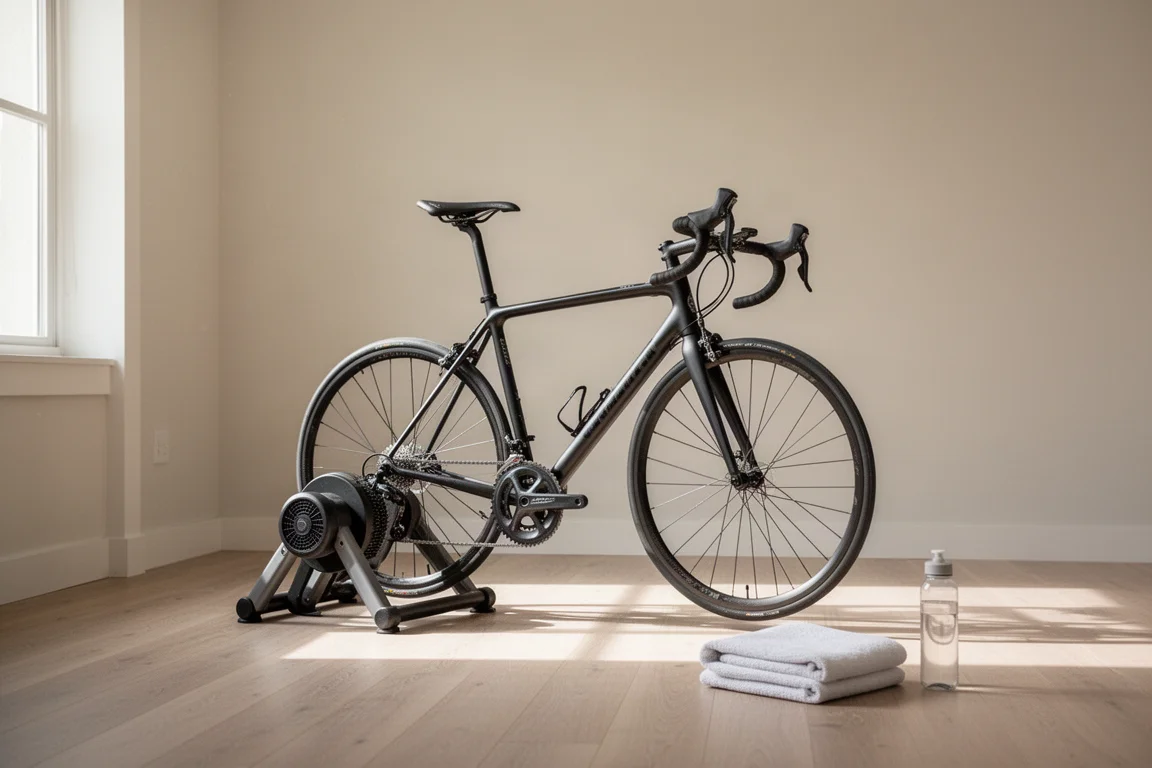
It also suits riders who own more than one bike. The adapter system is designed so that a single trainer can be shared across bikes with different axle standards, which matters if your stable mixes older and newer frames.
Main strengths
Zwift has clearly prioritised the setup experience, the range of bikes that fit, and the value on offer at this price.
Setup out of the box
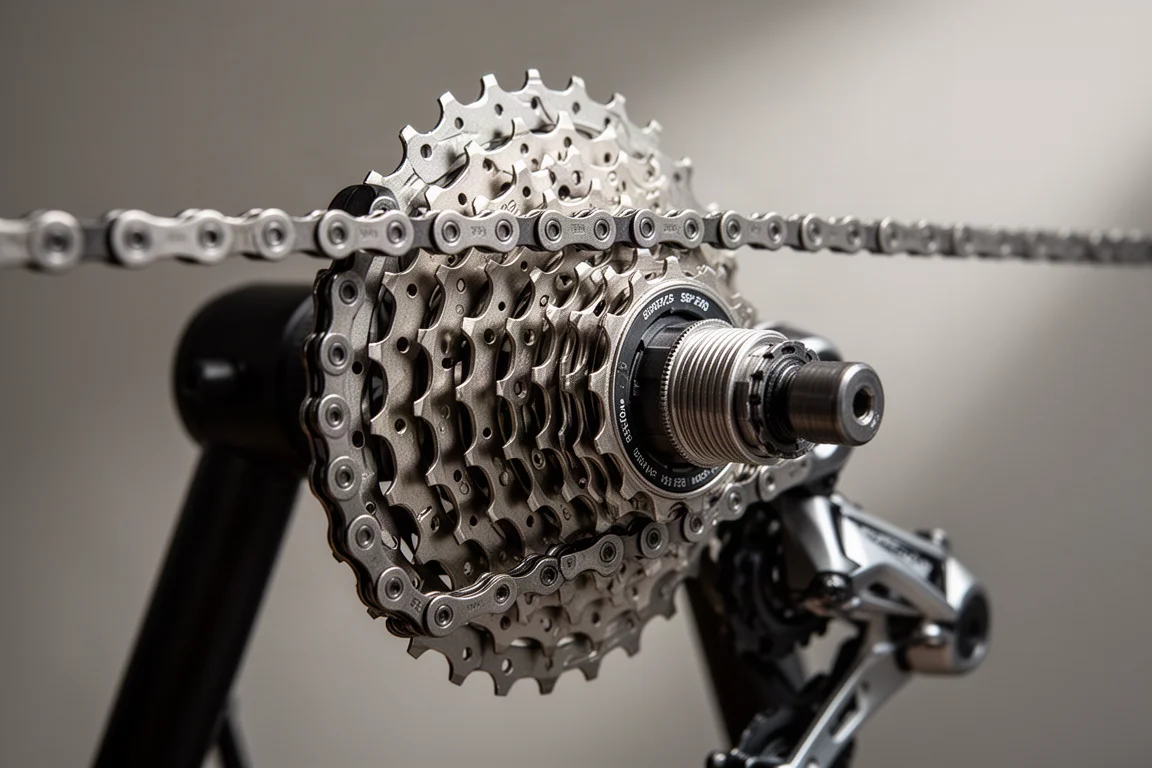
The cassette is fitted before the trainer ships, and you choose the speed count when you order: eight, nine, ten, eleven, or twelve speeds. Riders on eight to eleven speed drivetrains receive an 11-28 cassette, while twelve speed setups get an 11-30. The cassette is a SunRace unit, and having it installed at the point of purchase means there is no separate purchase and no workshop visit.
Alignment is handled with colour-coded legs. One leg also carries a printed pattern so it is easy to match it to the correct side, and the trainer is marked at the bolt holes to show which leg goes where. A quick release skewer and a spanner are included, along with a power brick and plug adapters, plus the manual.
Bike compatibility
Compatibility is arguably the strongest part of the package. During development the trainer was sent to a chain of bike shops, where mechanics were asked to fit every bike that came in for service. Zwift reports that 500 bikes later, every single one of them could be fitted.
The adapters arrive mounted on two cards that double as measuring tools. Each card has a ruler along the top so you can check the width of your dropouts if you are unsure, and the printed instructions then tell you which adapter to use and which way round it goes. Through axle bikes with 142mm or 148mm spacing use the same adapter in different orientations, and quick release bikes with 130mm or 135mm spacing follow the same logic. You do not need to know the terminology: slide the adapter in, see which one fits, and follow the card.
The casing has also been redesigned compared with the earlier platform it is based on, so disc brake road bikes can now be fitted, which the previous version could not accept.
Ride performance and accuracy
The Hub can simulate gradients up to 16 percent and handle a maximum of 1,800 watts, which is far beyond what most riders will ever produce. Accuracy is rated at plus or minus 2.5 percent, a little behind the plus or minus 1 percent of top end trainers, but those trainers cost considerably more.
For structured training, sprint intervals, and everyday virtual rides, that level of accuracy is a sensible trade for the price. Riders chasing the last fraction of a percent will look elsewhere, and that is a deliberate part of where this trainer sits in the market.
Things to consider before buying
A few practical details are worth knowing before you commit, particularly around moving the trainer and how the software side will develop.
Hardware and portability notes
There is no carry handle, and the trainer is not light, so moving it around is a little awkward. The front leg also does not fold inwards, so it stays in the same position. The footprint is not enormous by trainer standards, but it is still a sizeable piece of equipment that needs a permanent or semi-permanent spot.
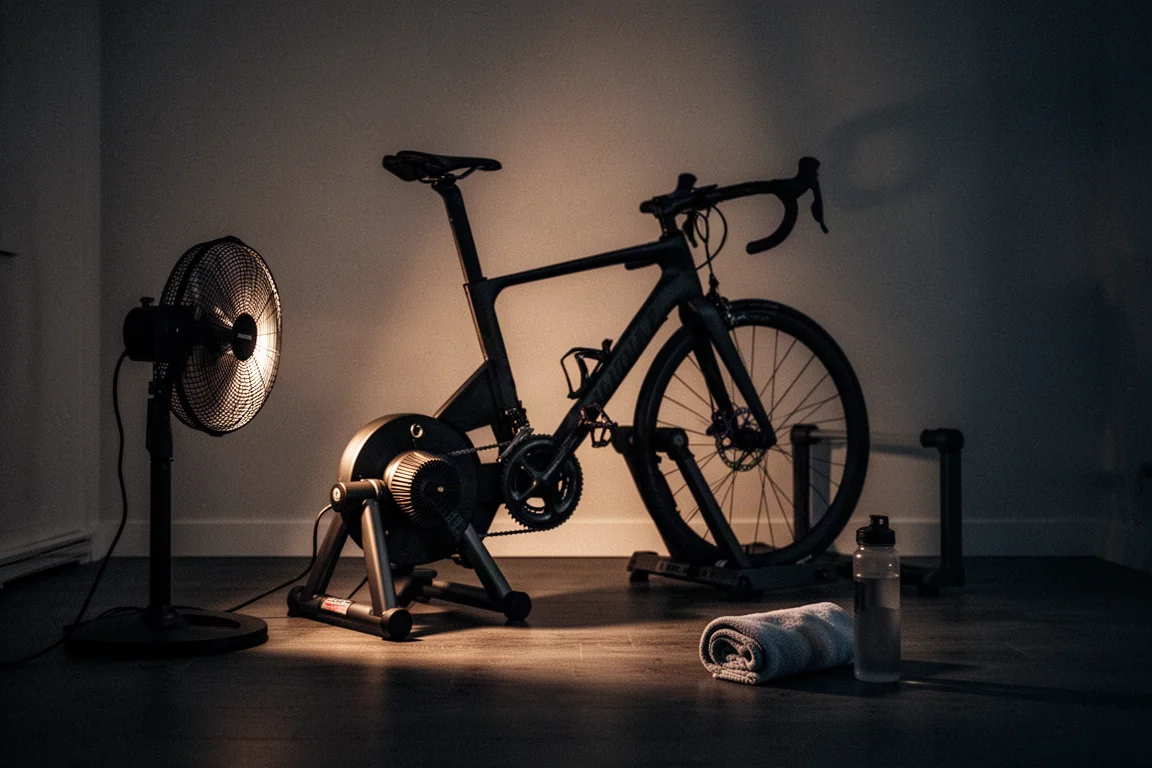
The unit shown also included multiple plug adapters, though that may not reflect final retail packaging, so it is worth checking what is included for your region.
Software and future updates
At launch, firmware updates are delivered through the Zwift Companion app on your phone. Updates through the game itself are planned for a future release. Calibration currently uses a spin down method, with automatic calibration planned through a later update, a feature normally associated with the very top end of the market.
Two limits are worth noting. Top level Zwift races require accuracy within plus or minus 2 percent, and the Hub is rated at plus or minus 2.5 percent. Some Zwift routes, such as Richmond, include gradients up to 22 percent, while the trainer tops out at 16 percent. Both are easy to forgive in context, because this trainer is not aimed at riders competing at the highest level of virtual racing or grinding up the steepest ramps in the game.
Zwift also has no family of accessories for the trainer yet. Competitors offer risers, mats, and fans, and nothing equivalent is available here at launch.
Buying advice
The value case is straightforward. The Hub retails at £449, $499, or €499, and the cassette is included and fitted, which saves both the cost of a cassette and the cost of having one installed. The platform it is based on previously retailed at £700, so the price has come down considerably while the internals have been upgraded for longer service life and the casing redesigned for disc brake bikes.
Buy it if you want a direct-drive smart trainer that is ready to ride almost immediately, if you value broad bike compatibility and a setup process that does not assume mechanical confidence, and if you are happy with a 16 percent gradient limit and plus or minus 2.5 percent accuracy. Look elsewhere if you race at the top level of Zwift, need steeper gradient simulation, or want a trainer with a carry handle and a folding front leg.
Conclusion
The Zwift Hub is a deliberately accessible first trainer. The pre-installed cassette, colour-coded assembly, measuring-card adapters, and wide fit range remove most of the usual friction from getting started indoors, and the price sits well below the top end of the market. The trade-offs, a large footprint, no carry handle, a 16 percent gradient ceiling, and plus or minus 2.5 percent accuracy, are reasonable for the rider this trainer is built for.
Product link
View more details for Zwift Hub
This product is mentioned in the review. Check the specifications, options, and compatibility before buying.
View more details for Zwift HubFurther reading
Related Reviews
Indoor Cycling
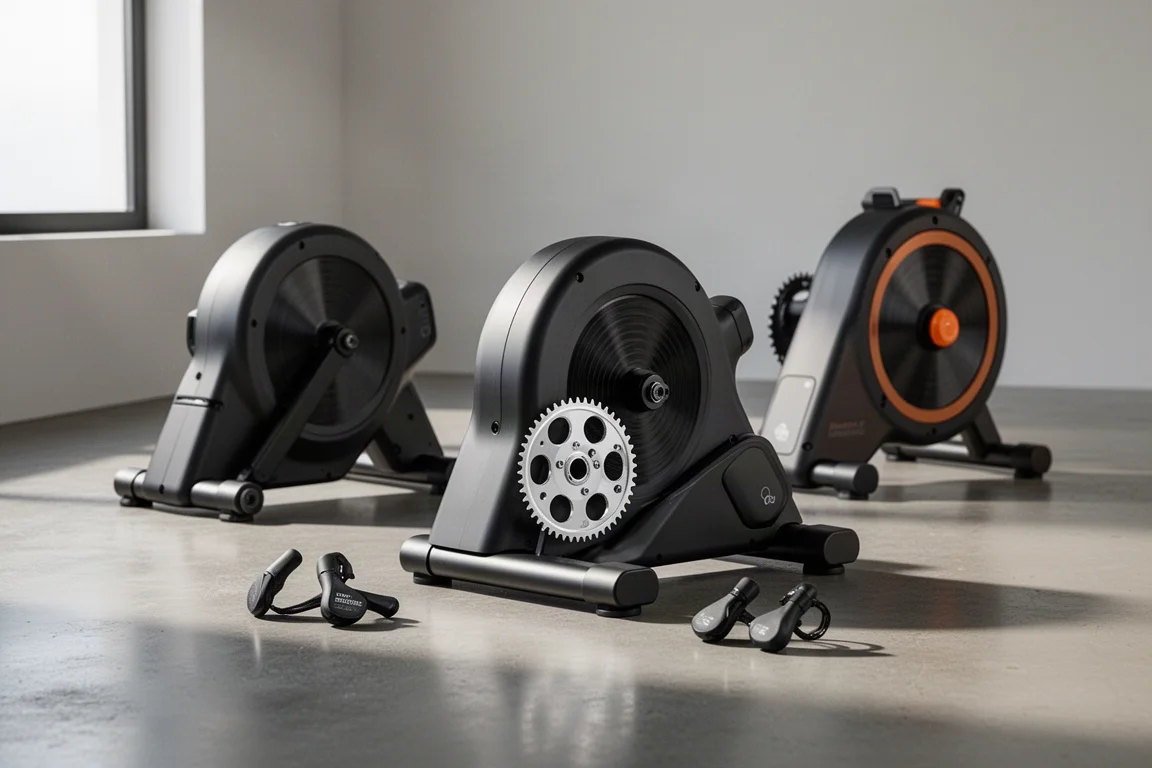
Best Budget Smart Indoor Trainer Setups: Six Options Worth Considering
Smart indoor trainers keep getting better while prices come down. Six setups and components worth considering, from the cheapest Zwift-ready option upward.
Indoor Cycling
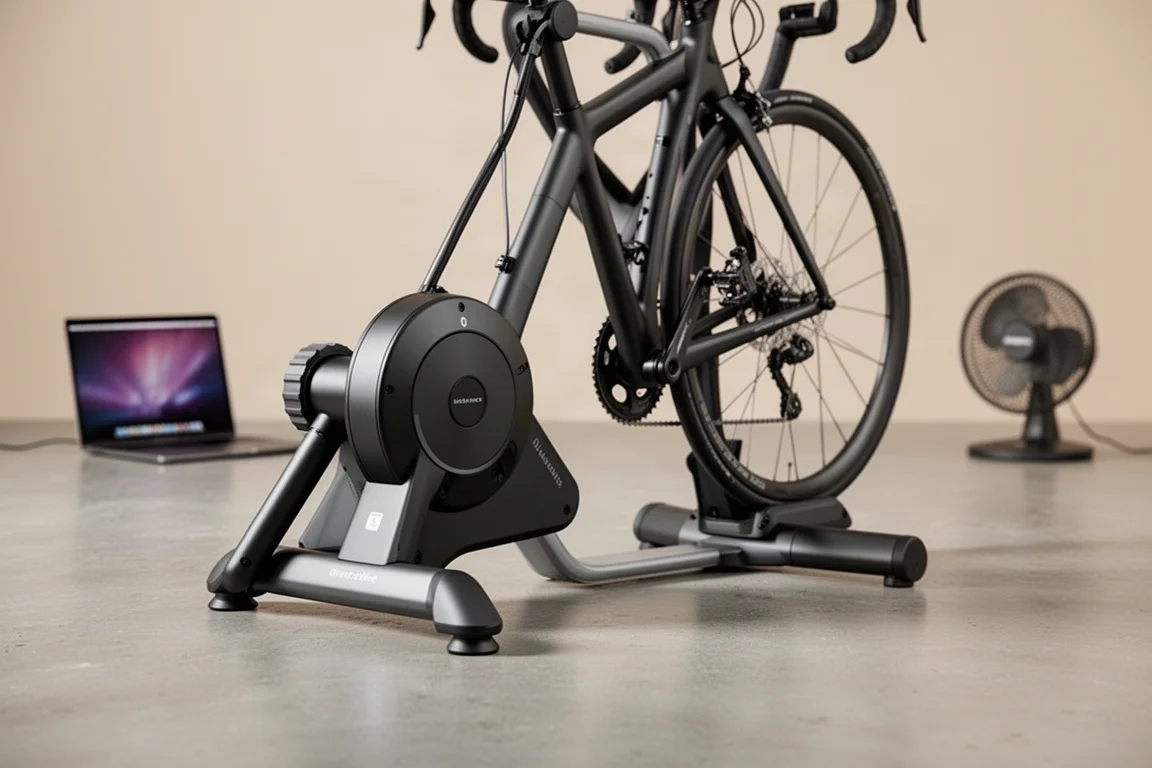
Best Budget Smart Indoor Trainers for Immersive Cycling in 2026
A practical guide to affordable smart indoor trainer setups, including budget and mid-range options with virtual shifting.
Indoor Cycling
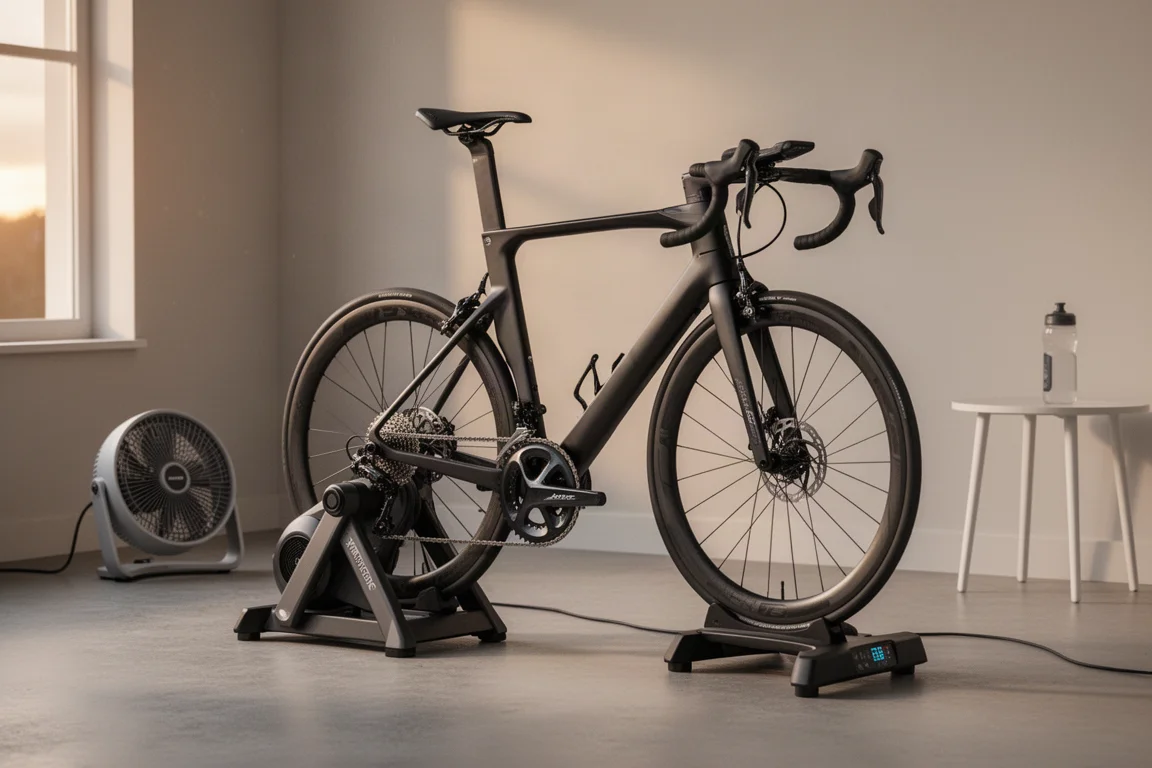
Best Indoor Cycling Apps and Smart Trainers: A Winter Buying Guide
A practical look at the indoor training platforms and smart trainers that matter this season, from a new challenger to Zwift to the entry-level trainer that stands out on value.