Speakers
Zu DWX vs Zu DW6: A Stand-Mount and a Floorstander From the Same Family
The Zu DWX pairs 95 dB sensitivity and a 10-inch full-range driver with four placement options, while the DW6 floorstander adds $201 and a livelier character.
Introduction
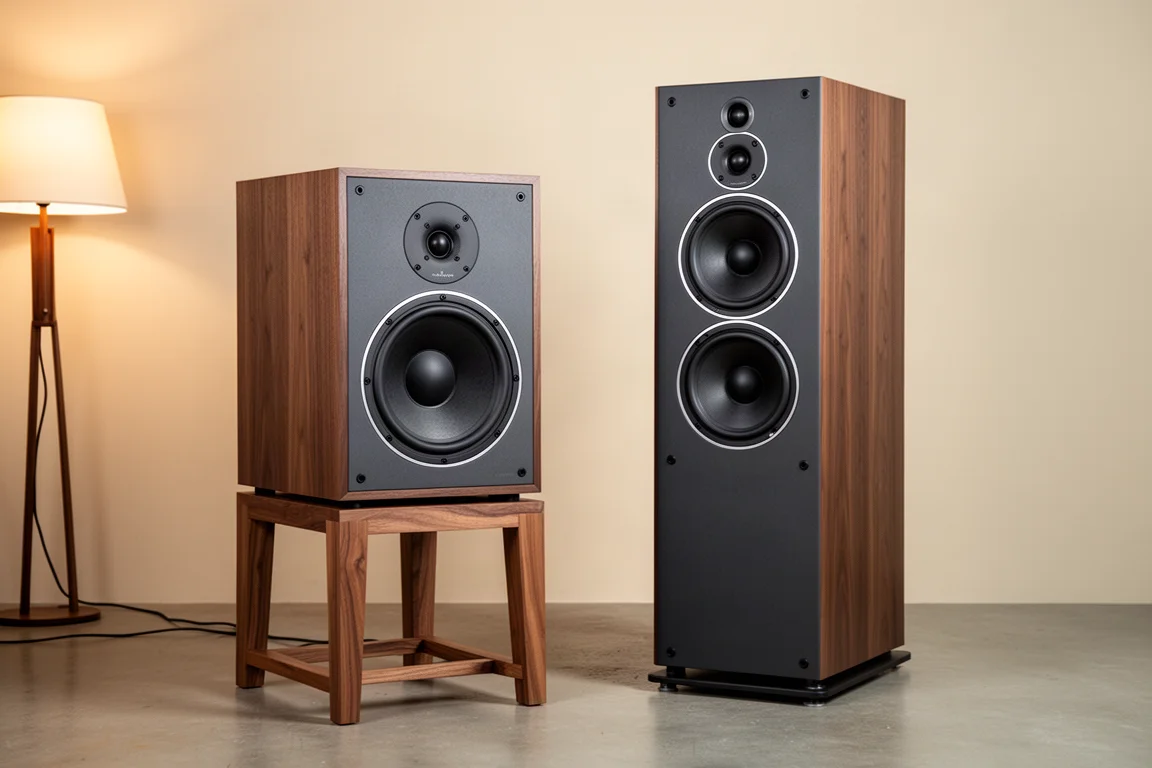
Zu designs and builds its loudspeakers in Ogden, Utah, and sells them directly to listeners in the United States, the United Kingdom, and most of Europe. The DWX is the company’s newest stand-mount model, and it sits below the DW6 floorstander in the range.
The two are close relatives rather than distant cousins. They share a driver complement, a cabinet material, and a connection scheme, so the choice between them comes down to cabinet format, port design, price, and the way each one loads a room.
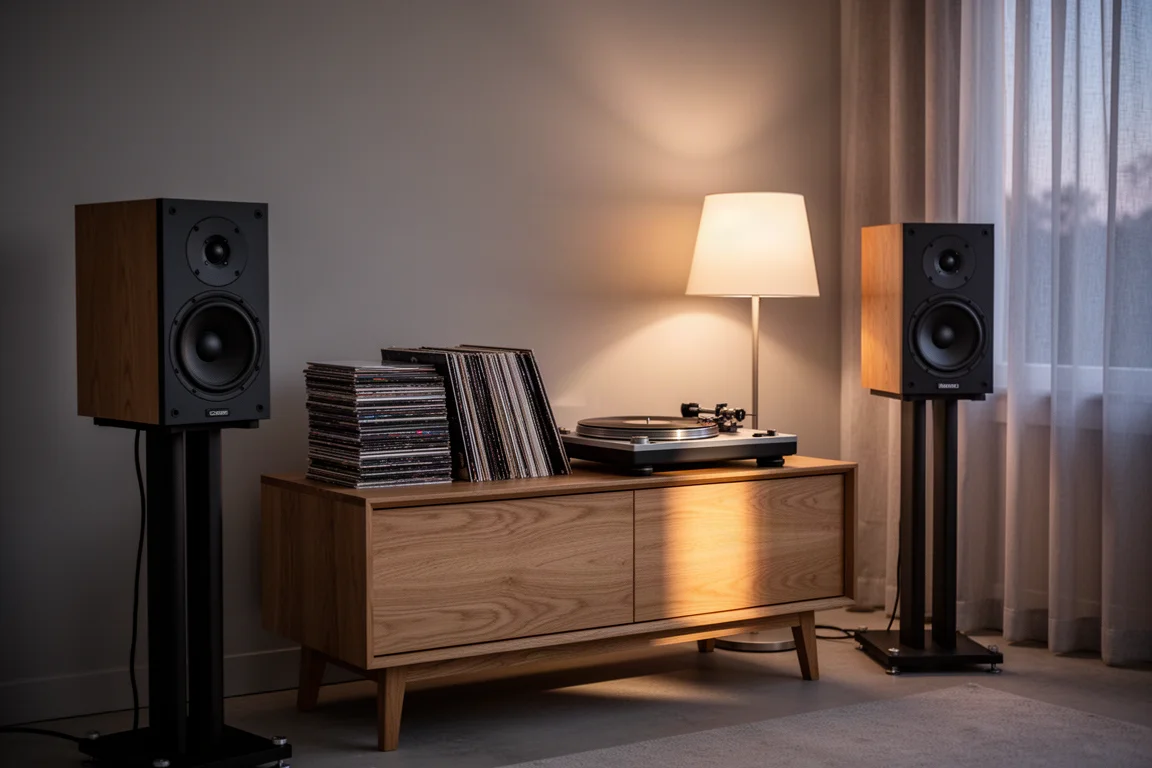
Both are high-sensitivity designs built around a large full-range driver, and both are aimed at listeners who value dynamics and directness over the last word in imaging precision. This comparison covers what they share, how they differ, and which one is likely to suit a given room and system.
What the Zu DWX and Zu DW6 Share
Both models use a 10-inch full-range driver that reaches down to roughly the mid-30 Hz region and runs up to about 12 kHz. Above that point a titanium dome tweeter in a deep waveguide takes over, which makes it function much like a super tweeter. The waveguide shapes the top end without being a true horn.
Both cabinets are built from three-quarter-inch MDF, and the drivers come from Eminence, an American manufacturer that builds them in Kentucky.
Both speakers are ported, but the ports sit in different places. The DW6 uses a slot port at the back of the cabinet near the floor, while the DWX uses a round port on the front baffle.
The rear panel of the DWX offers two connection paths: a set of all-metal binding posts and an alternative pro-style bayonet-locking connector that prevents accidental out-of-phase wiring. Cables with that connector are available from the same company. On the DWX, the locking connector is part of the Superfly option rather than the standard build.
Zu DWX: A Stand-Mount Built for Flexible Placement
The DWX weighs 42 pounds as a speaker, packaging aside, and its sensitivity is rated at 95 dB. That figure puts it in the same efficiency territory as many horn-loaded designs, which matters when it comes time to choose an amplifier.
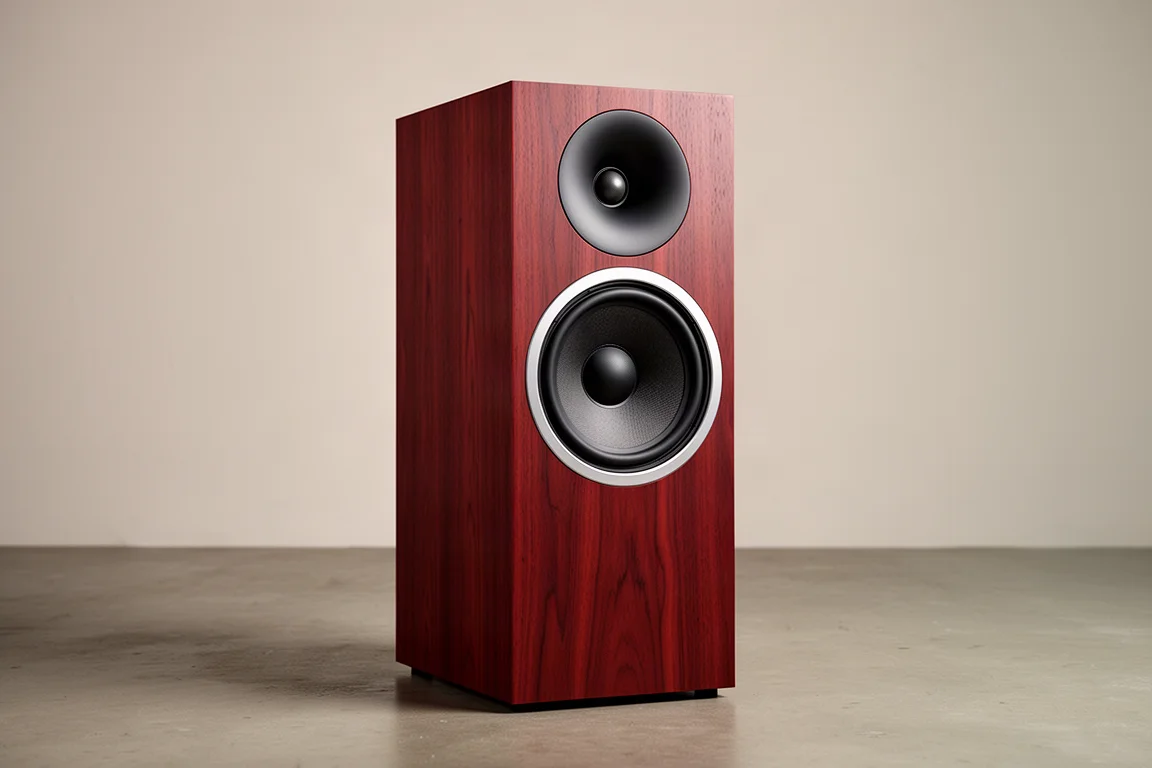
What sets the DWX apart is orientation. It can run upright with the tweeter on top, turned upside down, or laid horizontally with the tweeters facing either inward or outward. Each arrangement changes how the sound is distributed through the room, so the speaker adapts to a space rather than the other way around.
Setup rewards a little patience. Ear height at the listening position should sit roughly level with the 10-inch driver’s height off the floor, within a few inches either way. Toe-in is a matter of taste, and the speakers are directional enough that the tonal balance shifts as you move around the room. The DWX also works unusually well up close: at a listening distance of around four feet the soundstage opens up and center focus stays locked, and it remains comfortable at a more typical eight feet.
Pricing starts at $1,398 per pair in satin black with a black trim ring on the driver. The Red Hickory finish adds $300 per pair and brings a natural aluminum trim ring with it. The Superfly option adds the bayonet-locking connector, tighter left-to-right driver matching, upgraded internal wiring, and a capacitor upgrade, while the Supreme tier tightens matching further still. A 60-day return policy and a five-year warranty apply.
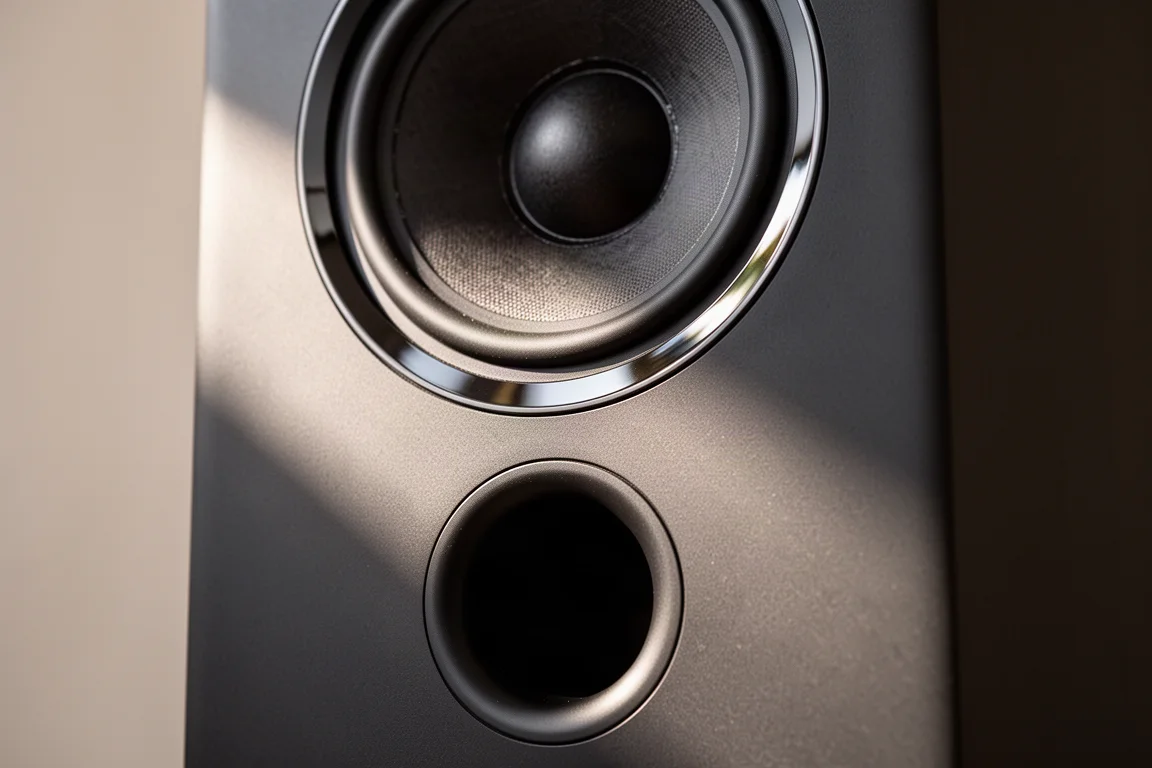
For anyone weighing the DWX against its floorstanding sibling, the practical question is whether flexibility and a smaller footprint are worth more than the extra cabinet volume. Listeners who need a horizontal center channel or full-range surrounds will find the DWX does things the DW6 simply cannot.
Zu DW6: The Floorstander for Two Hundred Dollars More
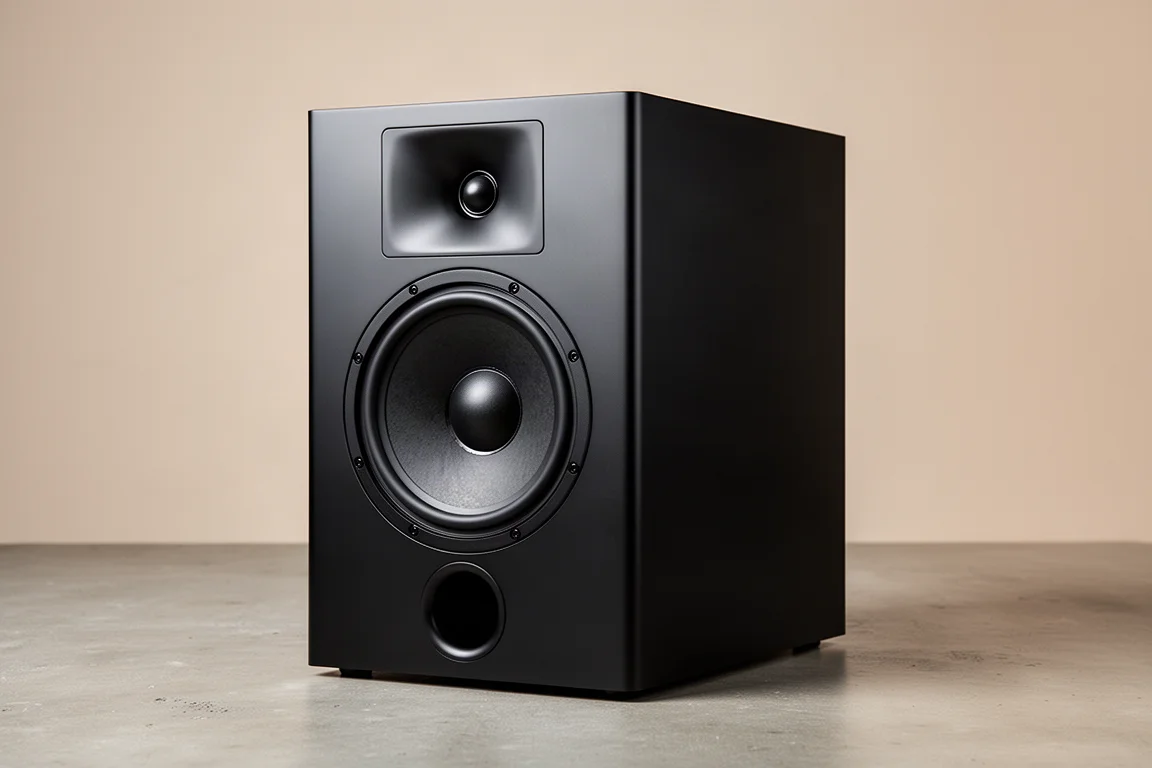
The DW6 is the floorstanding version of the same idea, priced at $1,599 per pair in its most basic form. That is $201 more than the DWX, which makes for an awkward comparison once stands enter the picture: a good pair of stands can push the DWX to the same money or beyond.
Its slot port sits at the back of the cabinet near the floor, which keeps the front baffle clean. The driver complement is the same, and so is the construction.
In character, the DW6 leans brighter and more alive. Its bass is the more agile of the two, with higher definition, and it invites louder listening in a way the stand-mount does not. The DWX, by contrast, sounds softer and warmer, particularly through the upper bass and lower mids. The two are more alike than different overall, but that energy gap is the clearest distinction between them.
One caveat applies to any comparison between a long-running pair and a newer one. Zu puts time on its drivers at the factory, yet a speaker that has been played for months will still open up further. That difference in run-in time is worth remembering before drawing hard conclusions about the two designs.
Listening Notes: Dynamics, Imaging, and Character
Bass from the DWX is punchy and powerful, and the speaker conveys a full-size sense of scale. It plays quietly, at moderate levels, and loud without losing composure, which is rarer than it sounds. Subwoofer-style extension still calls for a subwoofer, but the low end on its own is satisfying enough that adding one is not a given.
Imaging from eight feet away is exceptionally wide. The speakers disappear as sound sources and center focus stays locked in. Depth is about average, and the placement of every instrument across the stage is not razor sharp, so this is not a speaker for listeners who chase pinpoint specificity above all else.
Dynamic range is a strength. The design does not hold back, and it moves air convincingly on demanding material.
Amplifier character comes through clearly here. The 10-inch driver runs without a crossover network, so the sound of the electronics is less filtered than with a conventional multi-way design. That makes the DWX unusually responsive to whatever sits upstream of it.
Amplifier Pairing and System Roles
With a 95 dB sensitivity rating, the DWX asks very little of an amplifier. A 2.3 watt per channel single-ended triode drove it to comfortable listening levels without strain, and the tonal balance in that pairing leaned warm of neutral. An output-transformerless tube amplifier produced a notably engaging result, while a hybrid tube and solid-state class D integrated landed in the middle with plenty of energy.
At the affordable end, a $499 integrated produced a warm and easy sound that stayed pleasant over long sessions, though it gave up some liveliness compared with the other electronics. For listeners who are not chasing maximum excitement, that combination may be all that is needed, and it keeps a complete system under $2,000 with the DWX at its basic price.
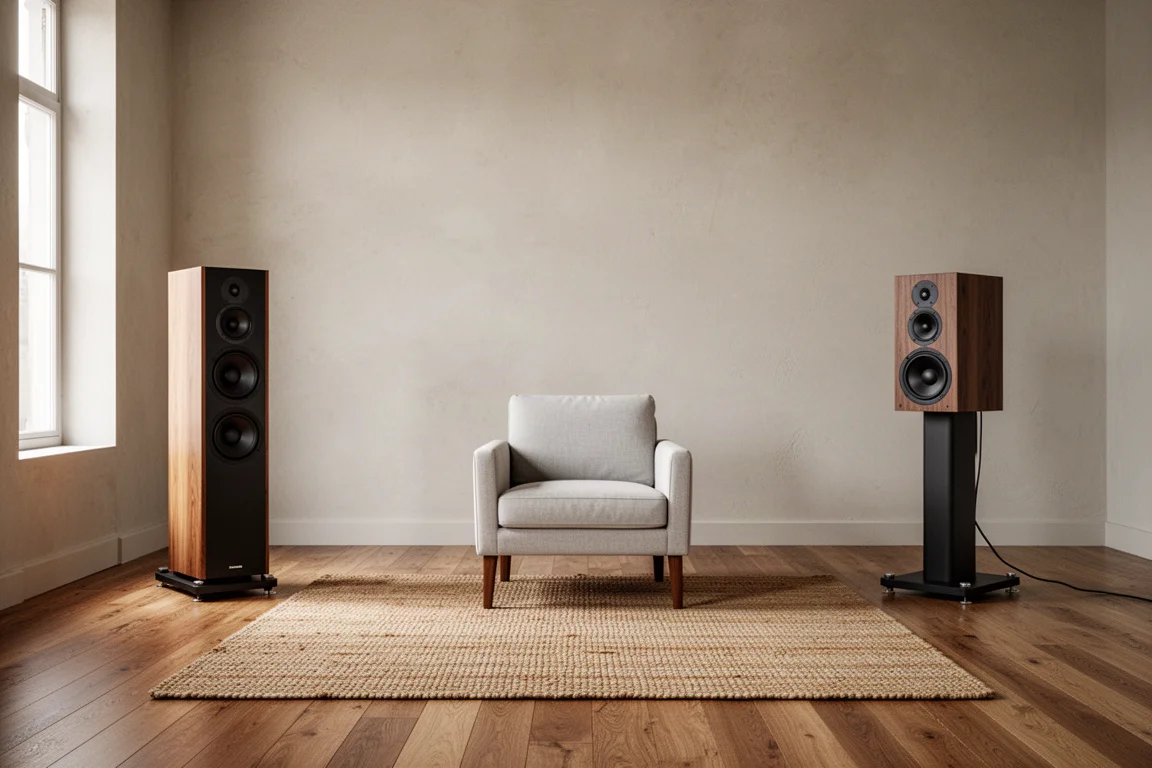
The DWX also opens up system roles that a floorstander cannot fill as easily. Laid horizontally it can serve as a large center channel, and pairs can work as full-range surround speakers. A mixed system with DW6 speakers at the front left and right and DWX units elsewhere is a natural fit.
Buying Advice: Which Zu Makes More Sense
On pure value, the DW6 is the harder argument to beat. It costs $201 more per pair, and once stands are factored in for the DWX, the floorstander can end up the cheaper of the two while delivering the livelier presentation and the more agile bass.
The DWX earns its price in situations where format matters more than cabinet volume. A small room, a nearfield desk setup, a horizontal center channel, or full-range surrounds all favor the stand-mount. If any of those describe the plan, the extra flexibility is worth the money.
Options deserve a deliberate look. Satin black with the black trim ring is the value path. The Red Hickory finish adds $300 per pair and includes the aluminum trim ring, and the Superfly tier adds the bayonet-locking connector along with matching and parts upgrades. The Supreme tier tightens matching further. Buyers who specifically want the locking connector should note that it is not part of the standard build.
Both models come with a 60-day return policy and a five-year warranty, which softens the risk of choosing between two speakers that are close in so many ways.
Conclusion
The DWX and DW6 share a driver complement, a construction method, and a direct, dynamic presentation. The floorstander delivers more energy and more agile bass for $201 more per pair, while the stand-mount trades some of that for placement flexibility no floorstander can match. Match the format to the room, choose the finish and options that matter, and either speaker is a defensible choice.
Further reading
Related Reviews
Speakers
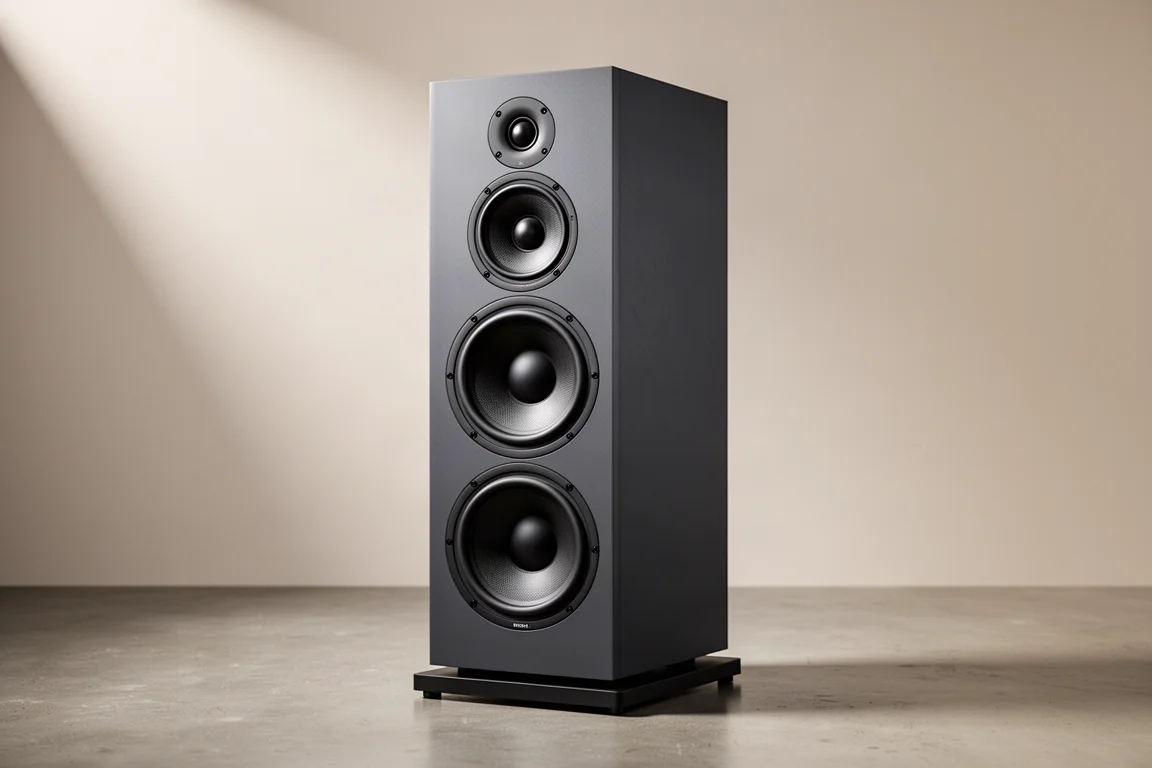
13 Under-the-Radar Speakers Still Worth Buying
Thirteen speakers that quietly stayed in production while newer models took the spotlight, from budget bookshelf pairs to a full-size tower.
Speakers
Arendal 1528 Monitor 8 Review: A Three-Way Standmount With Serious Dynamic Headroom
A three-way standmount speaker with extremely low distortion, high output capability, and deep bass for its size, plus the setup details worth knowing before buying.
Speakers
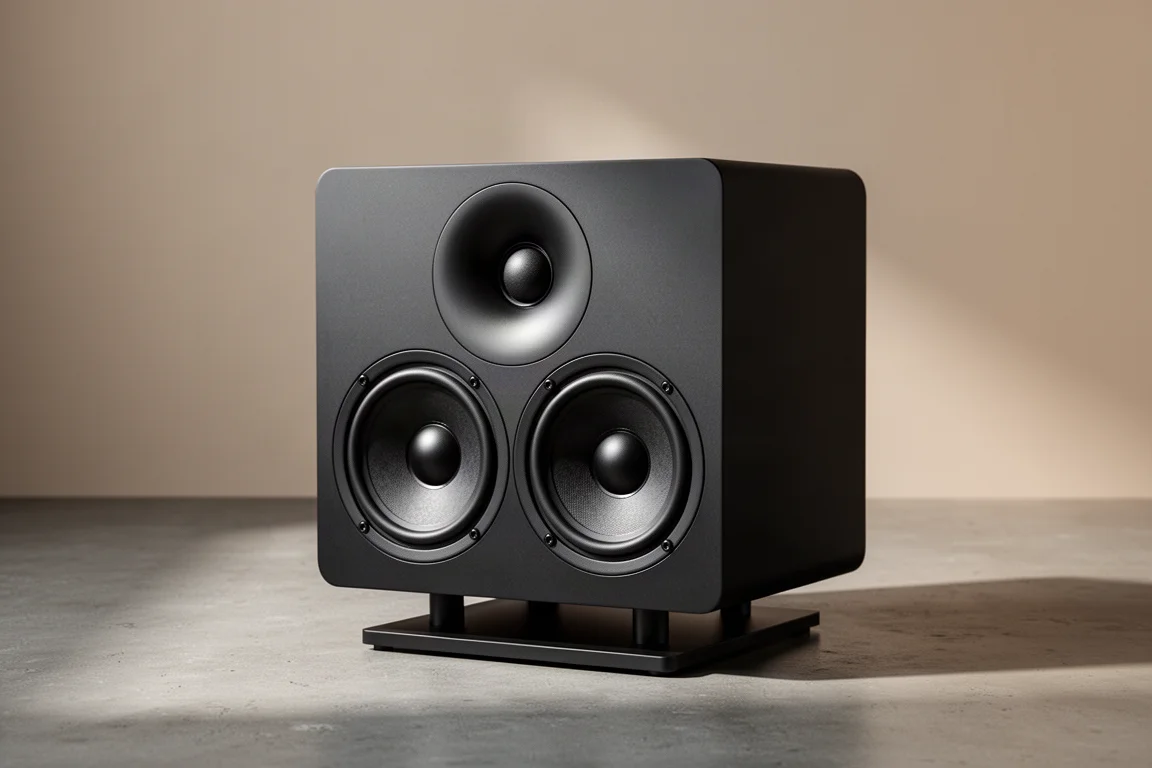
Arendal 1723 Monitor S Review: A Compact Monitor With Serious Ambition
A close look at the Arendal 1723 Monitor S, a compact MTM monitor with a waveguide-loaded tweeter, an HDF cabinet, and flexible ported or sealed operation for music and home theater.