Speakers
Zu Audio Dirty Weekend 6 Review: A Full-Range Floorstander Worth Living With
A close look at the Zu Audio Dirty Weekend 6, a 95 dB floorstander built around a 10 inch full-range driver, a crossover-free main signal path, and a $1,599 per pair price.
Introduction
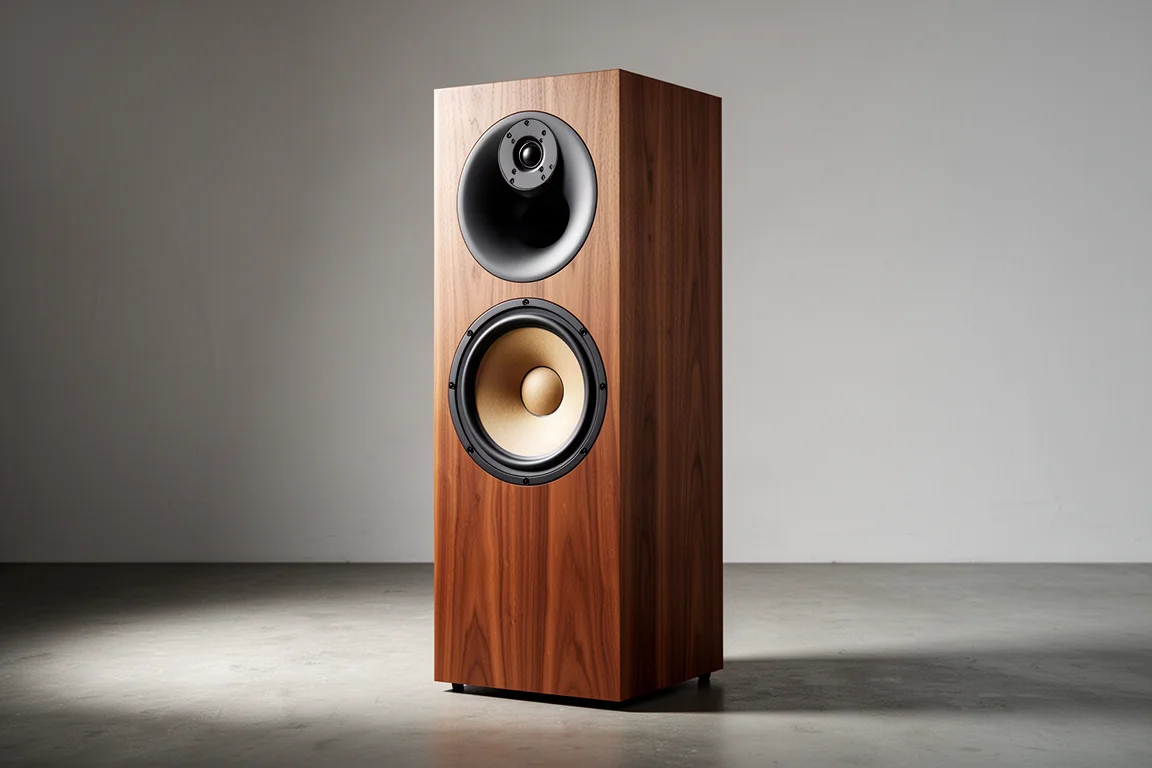
Zu Audio has been designing and building loudspeakers in Ogden, Utah since 2000, and the Dirty Weekend 6 continues that approach with the vast majority of its components sourced from US suppliers. The speaker looks almost identical to the model it replaces, but the engineering underneath is not the same at all.
At $1,599 per pair, the Dirty Weekend 6 asks a fair question: what happens when a manufacturer spends the budget on drivers, cabinet work, and internal parts rather than on a complicated crossover? The answer, after extended listening, is a floorstander that behaves unlike most speakers in its price bracket.
Who the Zu Audio Dirty Weekend 6 Is For
The Dirty Weekend 6 is a strong candidate for listeners who value immediacy, tonal body, and precise imaging over the last word in treble transparency. It also suits owners of low-power amplifiers, including tube designs, thanks to its 95 dB sensitivity and 12 ohm impedance. And it suits people who listen at moderate or quiet levels most of the time but still want a speaker that sounds alive at those levels.
It is less obviously aimed at listeners who need the dynamic headroom of a large horn-loaded three-way system, or who want a cabinet that visually dominates a room.
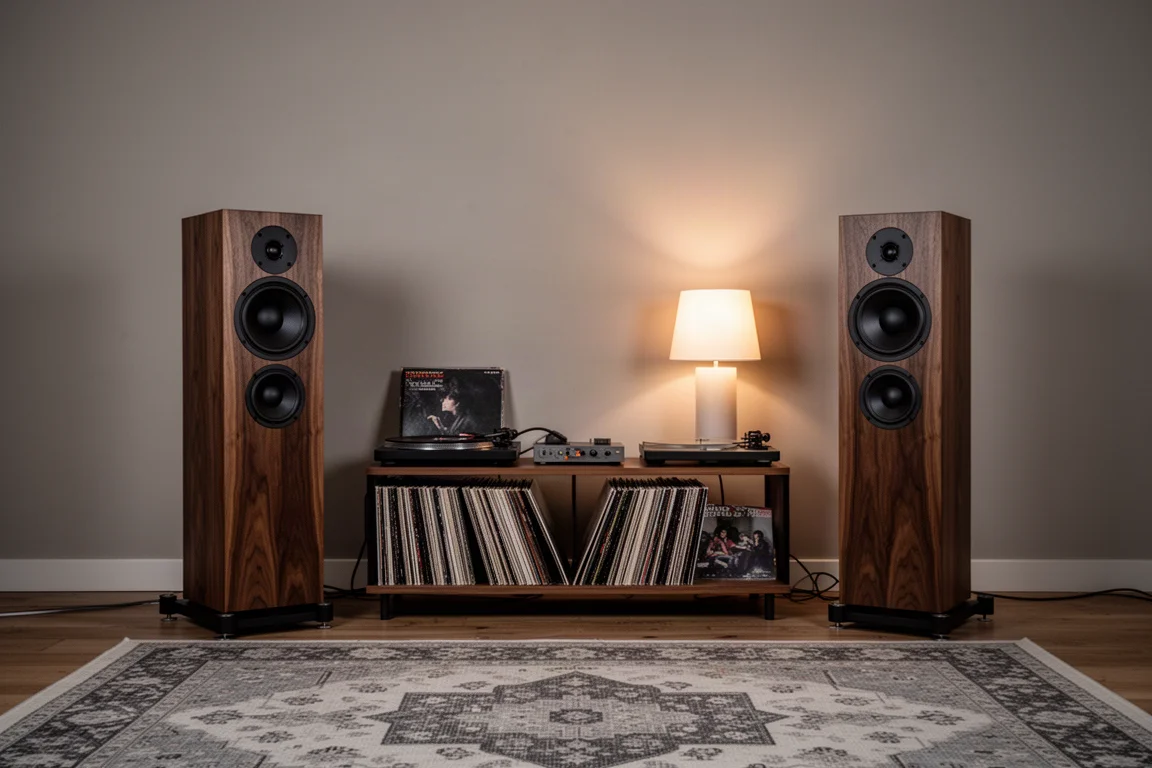
Small rooms are a realistic fit as well. Zu states that the speaker can sound good from as close as two inches from the wall, and the 36 inch cabinet keeps the visual footprint modest for a floorstander.
Design, Build, and What Changed
The cabinet stands 36 inches tall and weighs 67 pounds, which is a great deal of mass for the height. A knuckle rap on the panels returns a solid, dead thud rather than a hollow ring.
Behind the familiar exterior, several things changed from the previous generation. The cabinet construction techniques are different, the internal bass loading is different, left-to-right driver matching is held to tighter tolerances, the internal wiring is of higher quality, and the tweeter network has been improved.
The rear panel carries standard binding posts plus a SpeakOn connector, included because Zu also manufactures its own cables with that termination. A slot bass port sits on the back of the cabinet, and it may help explain why this model sounds warmer and fuller than other Zu speakers.
Main Strengths: Dynamics, Midrange, and Imaging
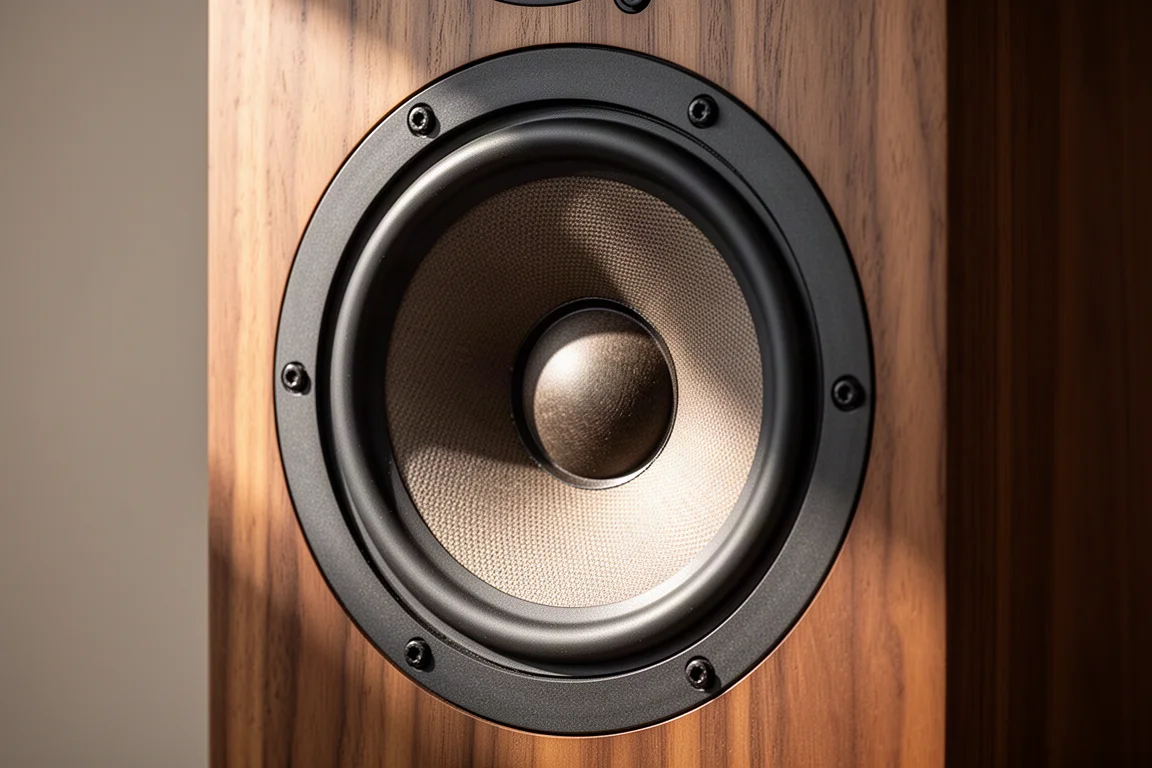
The headline component is a 10 inch full-range driver that covers the bottom of the bass range up to about 12 kHz. Above that, a titanium tweeter set in a deep waveguide takes over. Crucially, there is no crossover network between the amplifier and the voice coil of the 10 inch driver, no inductors, capacitors, or resistors in that path, only a direct connection. The result is an unusually immediate, connected presentation.
Dynamics are a core strength. Subtle shifts and large explosive contrasts both come through, and the speaker sounds convincingly dynamic for its price and size. Voices sound like human beings with bodies attached, and acoustic instruments such as guitars, pianos, and drums sound right.
Bass is fuller than on other Zu speakers in recent memory, and the tonal balance is satisfying rather than thin. The high treble is clear and clean without fuss.
Amplifier Pairing and Low-Volume Listening
With 95 dB sensitivity and a 12 ohm nominal impedance, the Dirty Weekend 6 is unusually friendly to low-power amplification. It ran well with a Decware Zen Triode at 2.3 watts per channel, a $995 all-tube amplifier that is also built in the US. It also worked with a First Watt J2 at 25 watts per channel into 8 ohms and a Mytek Brooklyn Amp at 250 watts per channel. A First Watt F7 was tried as well, and the First Watt designs, at roughly 20 watts per channel, are a natural match.
Quiet listening is where this speaker surprised most. Late-night sessions in the low 50 dB range stayed comfortable and engaging, with no urge to raise the volume for more energy. For listeners whose typical pleasure listening sits in the 70 to 80 dB range, that behaviour matters.
Placement, Volume, and Rock Material
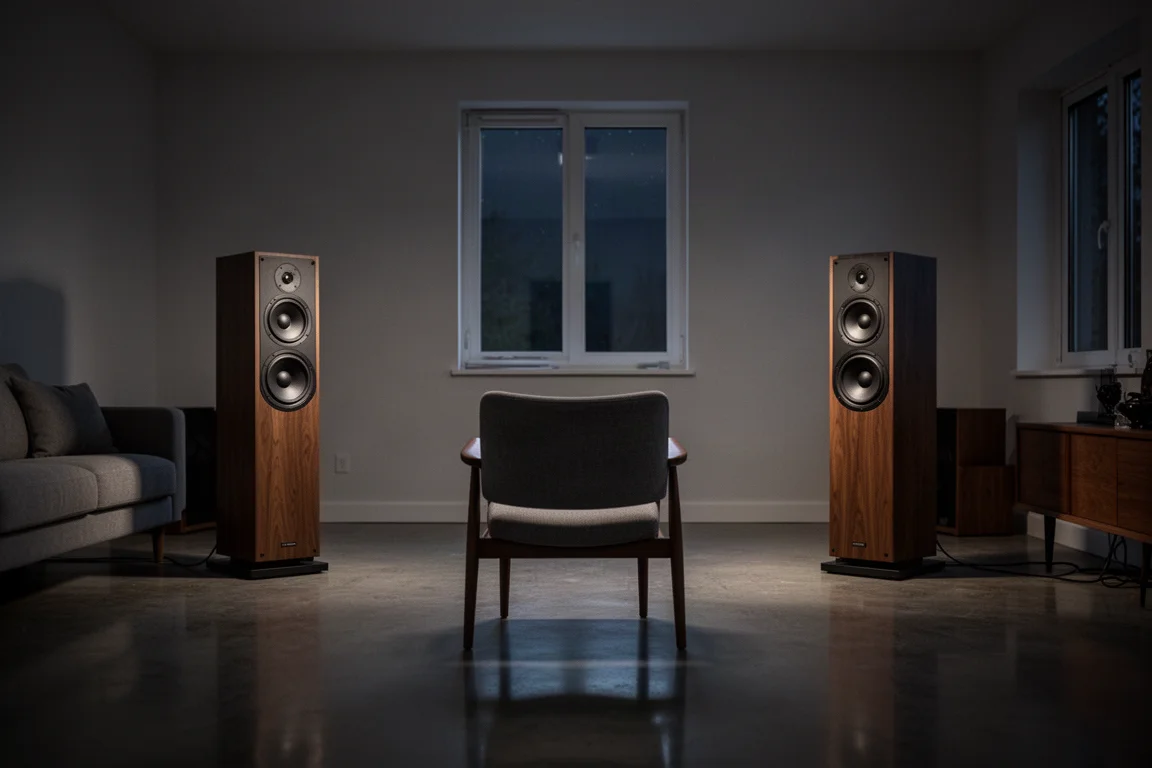
Placement proved easy. With the speakers positioned well out into the room and almost no toe-in, center focus locked in and imaging was precise. Because nearly all of the output comes from the 10 inch drivers, the speaker behaves close to a point source, which supports a focused, deep soundstage.
The Dirty Weekend 6 can also play loud. Hard rock material at around 90 dB peaks energized the room, and the bass stayed solid. The 250 watt amplifier added a little extra ease at high levels, but the 25 watt solid state amplifier was the better sounding option overall on demanding material.
Electronic material with deep, sustained bass showed more low-frequency weight than expected, even from the 2.3 watt tube amplifier. The speaker does not need to be pushed hard to deliver that foundation.
Things to Consider Before Buying
The top end is good, but it is not the most transparent treble available at any price. Listeners who prioritize ultimate purity in the high frequencies should weigh that honestly.
A large three-way horn system such as the Klipsch Cornwall IV, at $6,600, remains more dynamically alive, and it should, given the price and the size difference. The Dirty Weekend 6 gets close enough in character that the gap is narrower than the price gap suggests.
The optional Superfly package adds $499 to the price and brings more finish options, tighter left-to-right driver matching, better internal wiring, and a set of detail changes. Whether it makes an audible difference is not something that can be confirmed without a direct comparison.
Also worth knowing: the speaker is sold direct by Zu Audio with a 60 day return policy, and each pair ships with 100 hours of break-in already completed.
Buying Advice
If you own a low-power amplifier, listen in a small to medium room, and value dynamics and midrange body over the last degree of treble transparency, the Dirty Weekend 6 is an easy recommendation at $1,599 per pair. The 60 day return window makes it a low-risk trial in your own room.
Buyers who need maximum dynamic headroom in a large space, or who want a wider choice of finishes, should consider the Superfly package or audition larger horn designs before deciding. The most useful step is to confirm the amplifier match first, since the speaker works across a very wide range of power.
Conclusion
The Zu Audio Dirty Weekend 6 does something rare for a speaker at its price: it stops critical listening and encourages long sessions. Its 10 inch full-range driver, absent crossover, high sensitivity, and solid 67 pound cabinet add up to a lively, full-bodied, precisely imaged speaker that also behaves well when the volume drops. The trade-offs are real but narrow, and for the right system it is an easy speaker to live with for years.
Product link
View more details for Zu Audio Dirty Weekend 6
This product is mentioned in the review. Check the specifications, options, and compatibility before buying.
View more details for Zu Audio Dirty Weekend 6Further reading
Related Reviews
Speakers
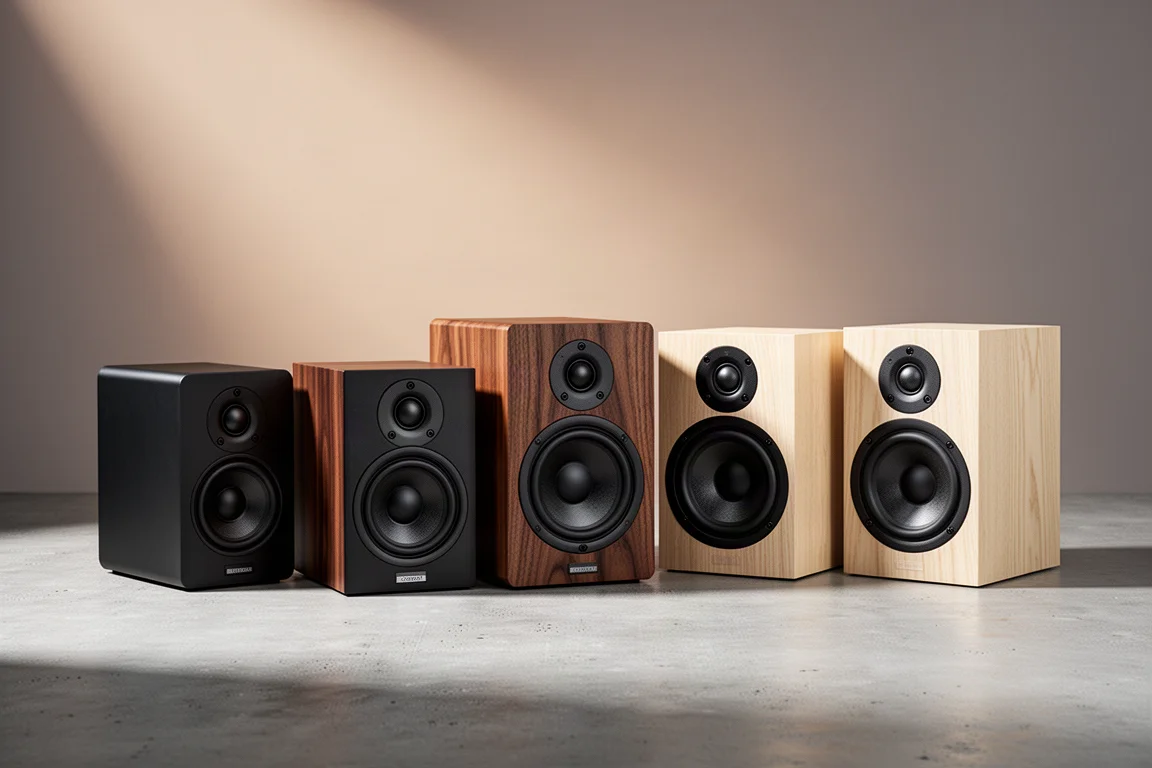
13 Under-the-Radar Speakers Still Worth Buying
Thirteen speakers that quietly stayed in production while newer models took the spotlight, from budget bookshelf pairs to a full-size tower.
Speakers
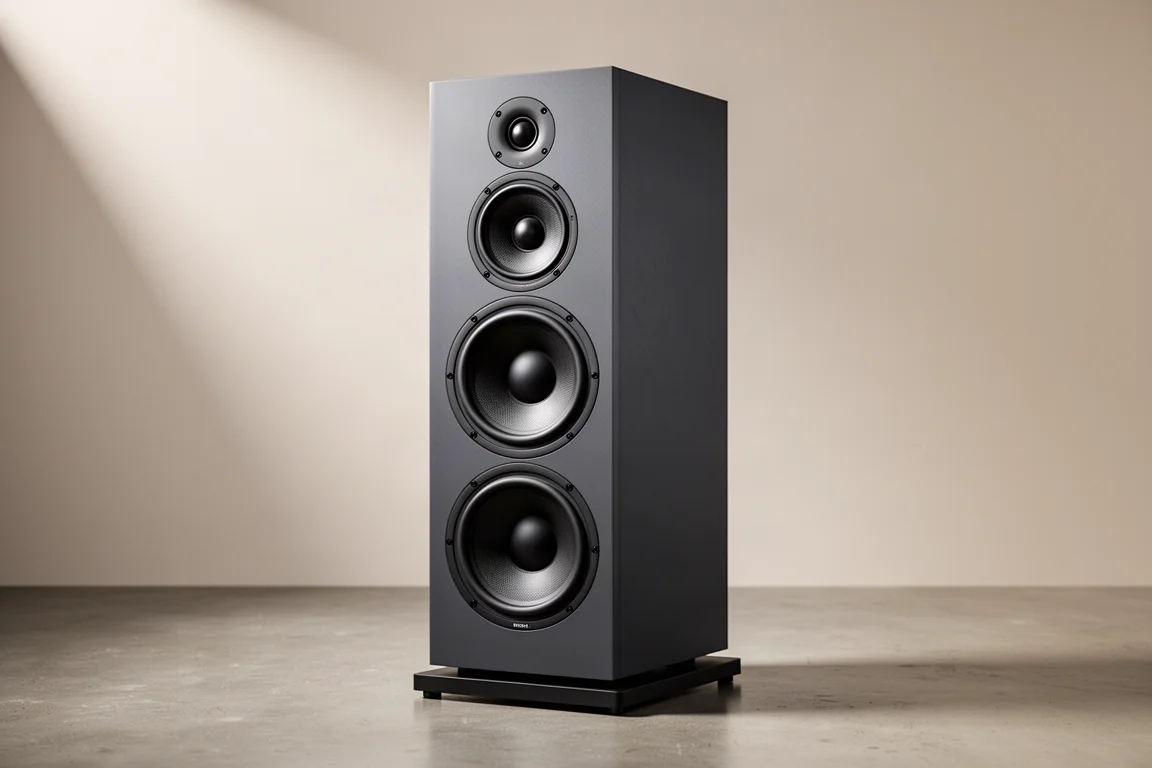
Arendal 1528 Monitor 8 Review: A Three-Way Standmount With Serious Dynamic Headroom
A three-way standmount speaker with extremely low distortion, high output capability, and deep bass for its size, plus the setup details worth knowing before buying.
Speakers
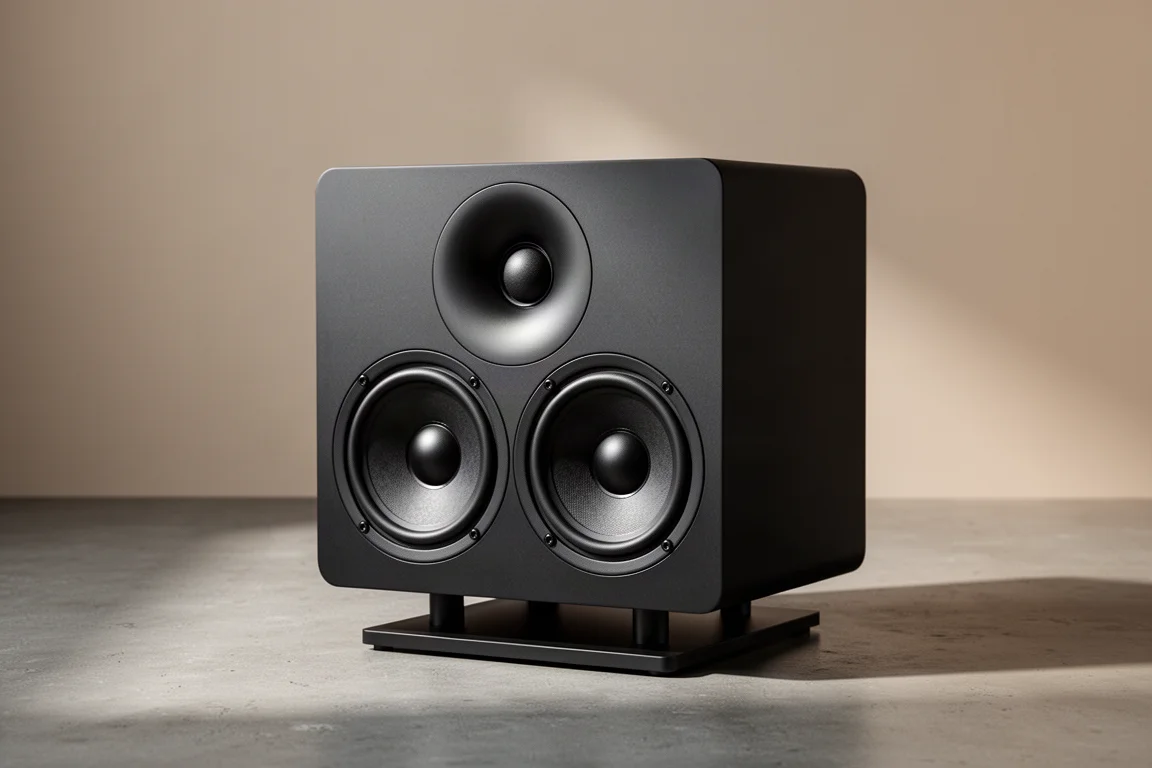
Arendal 1723 Monitor S Review: A Compact Monitor With Serious Ambition
A close look at the Arendal 1723 Monitor S, a compact MTM monitor with a waveguide-loaded tweeter, an HDF cabinet, and flexible ported or sealed operation for music and home theater.