Hiking Backpacks
Zpacks Arc Haul Ultra Review: A 556g Ultralight Pack Built for Long Trails
A practical look at the Zpacks Arc Haul Ultra, a 60 litre ultralight backpack with a 200 denier fabric, removable carbon fibre frame, and a 556g medium-size weight.
Introduction
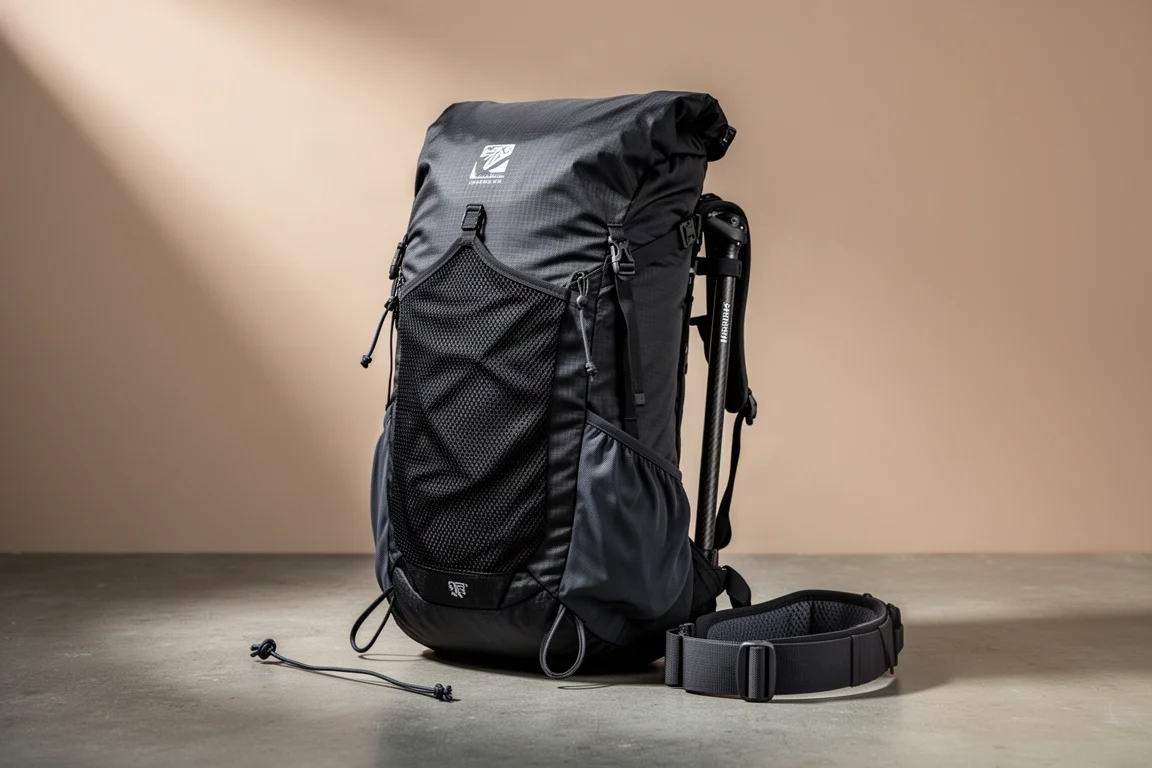
Ultralight backpacking packs usually ask for a trade-off. You save weight, and in return you accept a stripped-back carry system, fewer pockets, and a fabric that feels like it might not survive a season of sharp rock. The Zpacks Arc Haul Ultra takes a different approach. It is a 60 litre roll-top pack made from a 200 denier ultra high molecular weight polyethylene fabric, with a removable carbon fibre frame and a tensioned mesh back panel, and it weighs 556 grams in the medium size.

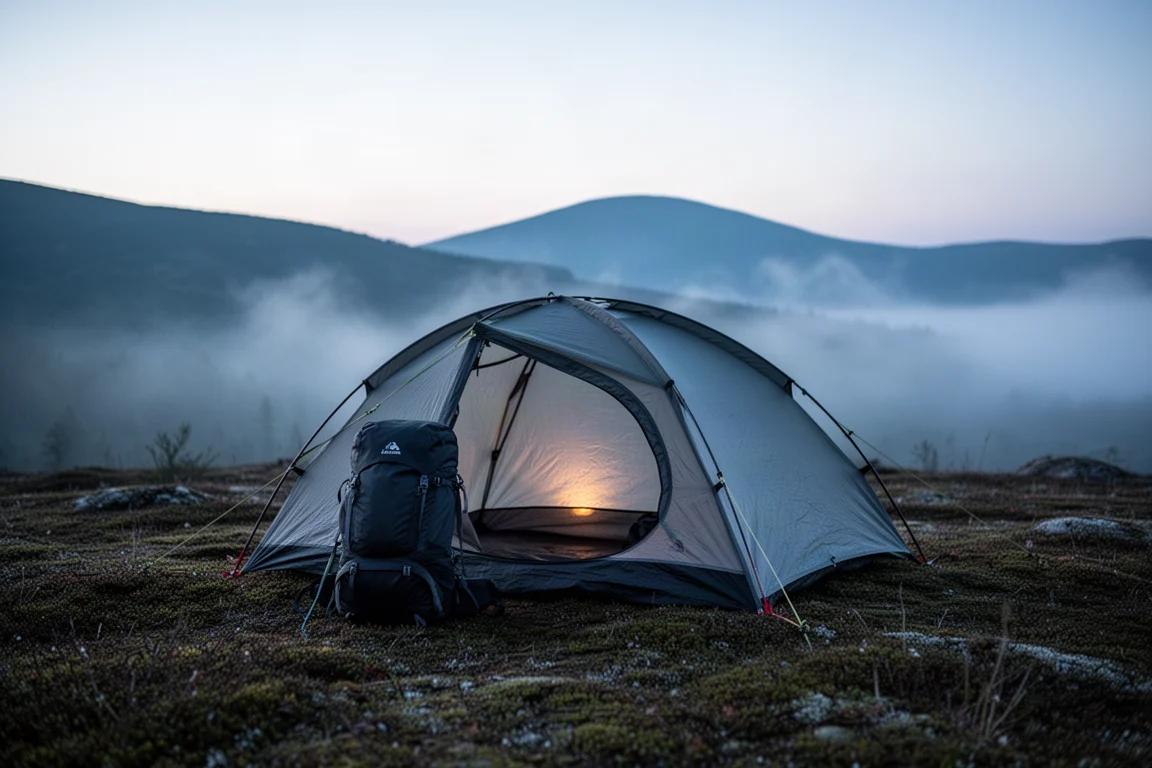
That combination matters over distance. This pack has covered roughly five to six hundred miles on long-distance routes in Scotland, Denmark, and Iceland, and it has come back snagged, dusty, and slightly damaged but still fully functional. That kind of track record says more about a pack than a specification sheet does.
Who This Pack Is For
This is a pack for hikers who carry food for several days and want the load to feel manageable rather than merely light. Internal capacity is around 47 litres, with the roll-top closure letting you compress the pack down when it is only partly full. Add a stretch mesh front pocket and two side pockets of roughly 2.5 litres each, and there is more usable space than the low headline weight suggests.
It suits long-distance walkers, wild campers, and anyone who values adjustability over out-of-the-box convenience. The frame size is chosen to match your body, the hip belt is a separate purchase so it can be sized correctly, and the shoulder straps, sternum strap, and hip belt pockets are all configurable. Remove the frame, compress the roll-top, and it also works as a carry-on bag for most airlines, though some budget carriers still enforce size limits that rule it out.
Main Strengths
Fabric and Durability
The headline material is a 200 denier weave, which is a high figure for a backpack fabric. Denier describes how densely and how tightly threads are woven, and a higher number means the surface resists snagging, catching, and tearing on sharp rock more effectively. That matters on terrain where the ground itself is abrasive.
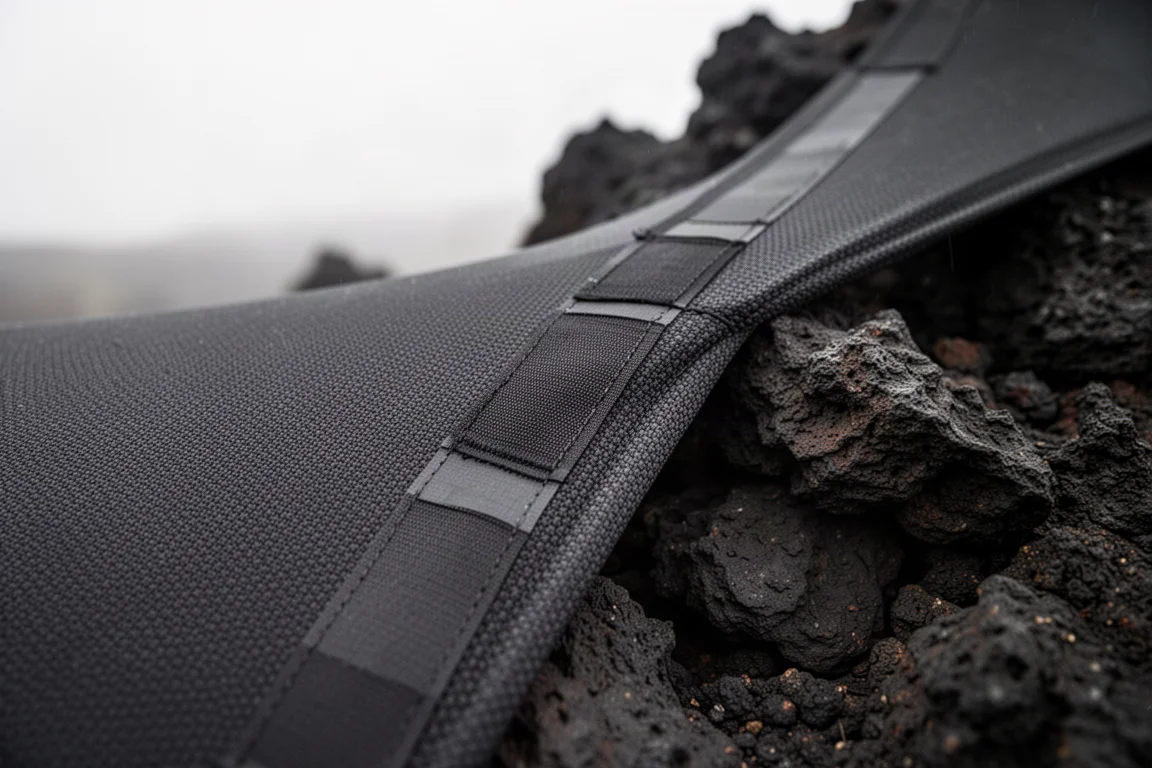
The face fabric is laminated to a waterproof lining, and the pack uses taped seams throughout, so it is water resistant rather than only showerproof. The underlying material is ultra high molecular weight polyethylene, chosen for high tear and abrasion resistance. In practice this is a pack bought as a long-term investment rather than a seasonal novelty, and the condition of a heavily used example supports that.
Frame, Suspension, and Carry Comfort
The back system is fully removable and built around a carbon fibre frame that flexes noticeably under load. Behind it sits a four-way stretch mesh panel designed to encourage airflow, with tensioning cords you can pull to open up the gap between the pack and your back. The mesh has a fair amount of give, so it compresses against your back when the pack is heavy, but the gap is real and it does help.
The stated load rating is 18 kilograms. That figure is easy to approach on a week-long trip with food and camera gear, and the pack has stayed comfortable at that weight. For anyone managing back pain on the trail, the combination of a sized frame, a wide hip belt, and a suspended back panel is the part that changes the experience most.
Pockets, Straps, and Customization
Almost every strap can be removed, from the sternum strap to the shoulder straps themselves. Daisy chain webbing runs down the shoulder straps and the hip belt, so pockets and accessories can be positioned exactly where they suit you rather than where a designer decided.
The hip belt uses a wide design with four separate points to pull, which lets you fine-tune pressure across the upper and lower part of the hips and stomach. The buckle is large enough to operate with gloves on, and the bottom compression straps, thin as they look, have held a tent securely through airports and transfers without breaking. The optional hip belt pockets are generously sized, snag resistant, and taped at the seams, though a sharp edge can still puncture them.
Things to Consider Before Buying
There is no water bladder sleeve inside the main compartment. The roll-top opens onto a single large space, which keeps the pack simple and light but means you need to organise your own hydration setup.
The padding on the straps and hip belt is thinner than on many conventional packs. It has been comfortable over long distances, but it does show wear over time, and that wear is not always symmetrical. The roll-top also means no lid pocket, so small items need a home elsewhere, such as the optional mesh top pocket, which is not waterproof and cannot be cinched closed at the top.
Color choice is limited to black at the moment, and the pack retails at around 325 pounds before the hip belt and other add-ons are factored in.
Buying Advice
Match the frame size to your body first, then add the hip belt in your size, because the fit is what makes this pack work rather than any single feature. If you regularly carry several days of food, the 18 kilogram load rating and the suspended back panel are the two details worth weighing against whatever you currently use.
It is also worth looking at second-hand options. Hiking gear tends to be well looked after because it costs money in the first place, and community marketplaces and outdoor gear exchange groups regularly list ultralight packs at lower prices. If you already own a pack you no longer use, passing it on cheaply can put a serious piece of kit within reach for someone else.
Conclusion
The Zpacks Arc Haul Ultra earns its place through durability and adjustability rather than novelty. The 200 denier fabric, taped seams, removable carbon fibre frame, and 556 gram medium-size weight add up to a pack that carries several days of food comfortably and keeps going after hundreds of miles.
It is not the cheapest option, it has no bladder sleeve, and the padding is deliberately minimal. If you want a highly configurable ultralight pack for long trips and you are willing to build it to your own measurements, this one deserves a serious look.
Product link
View more details for Zpacks Arc Haul Ultra
This product is mentioned in the review. Check the specifications, options, and compatibility before buying.
View more details for Zpacks Arc Haul UltraFurther reading
Related Reviews
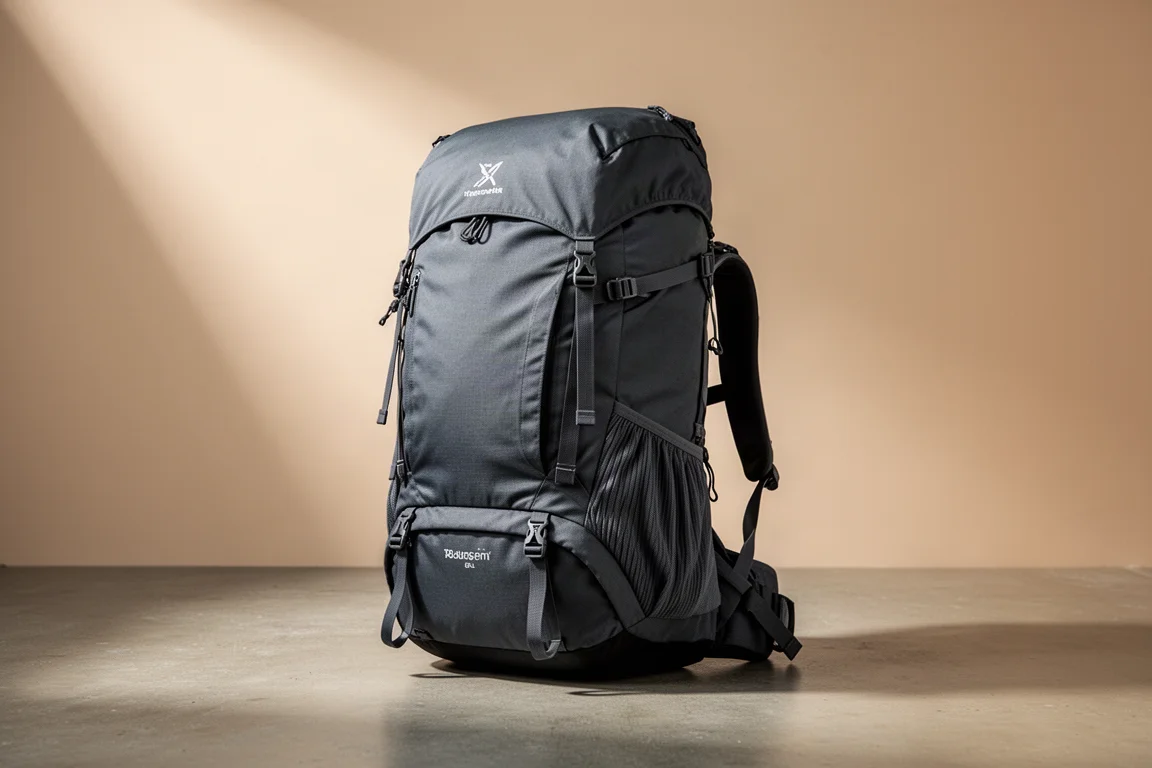
Hiking Backpacks
Decathlon MT 900 70+10 Backpack Review: Big Capacity, Heavy Weight, High Price
A feature-dense 80-liter hiking backpack with excellent build quality, ten pockets, and dual loading, held back by a six-pound weight and a $210 price.
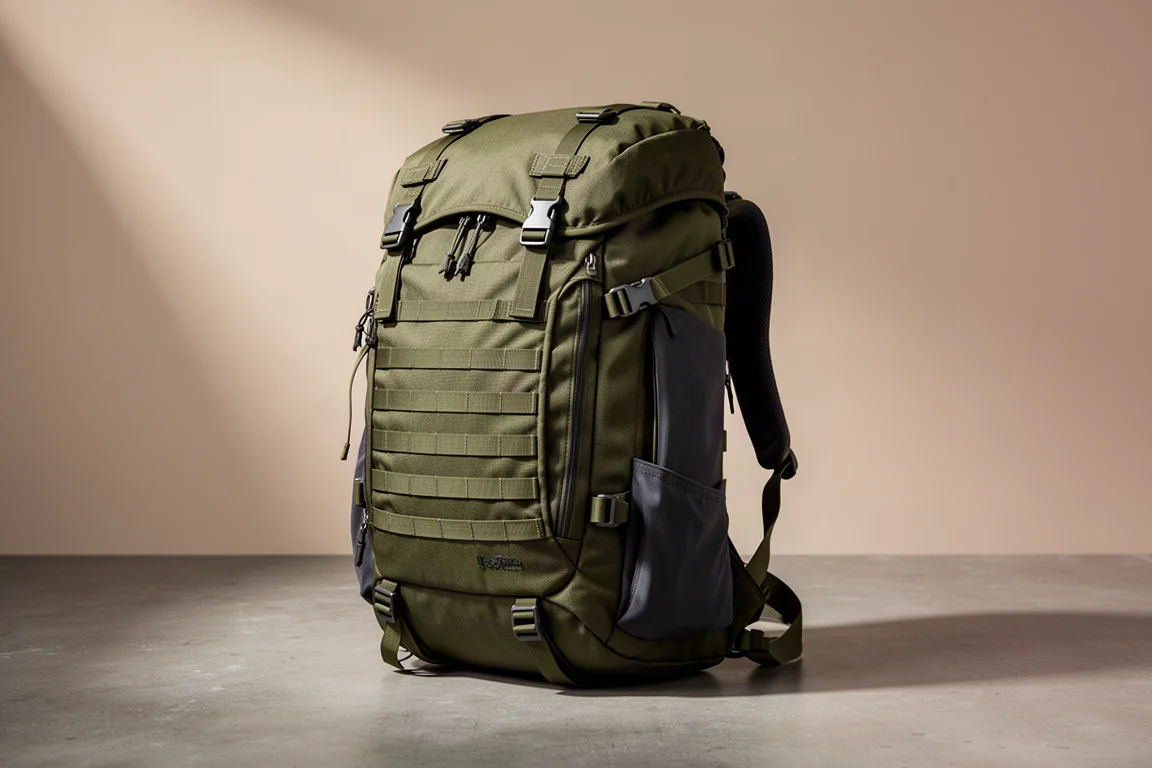
Hiking Backpacks
Martingtop 65L MOLLE Hiking Backpack Review: Capacity and Value, Undone by Hardware
A 65-liter tactical-style internal frame pack with MOLLE webbing, an adjustable torso, and a rain cover, held back by slipping hardware and a flexible frame.
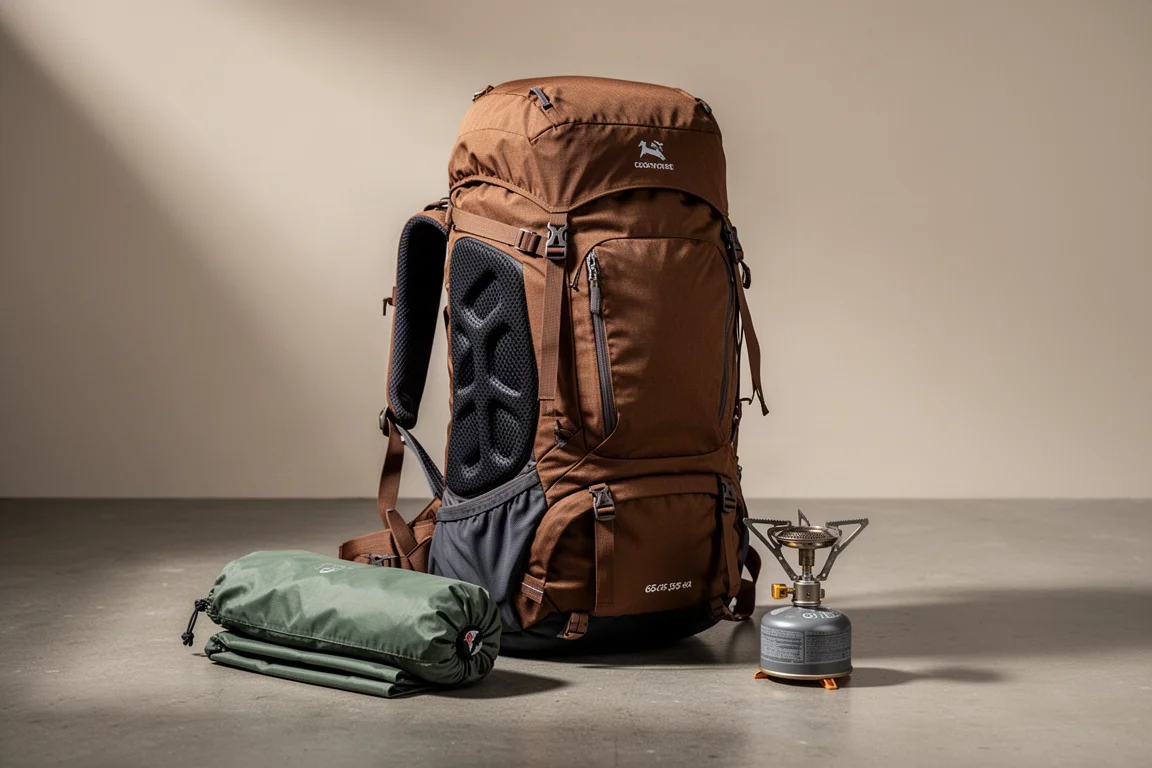
Hiking Backpacks
Osprey Rook 65L First Look: Osprey's Most Affordable 65L Backpack
A detailed first look at the Osprey Rook 65L, the least expensive 65-litre pack Osprey makes at $190, covering its suspension, storage layout, weight, materials, and the trade-offs to weigh before buying.