Backpacking Packs
Big Agnes Prospector 50 Review: A Hybrid Pack That Sits Between Two Worlds
A 50-liter backpacking pack that mixes ultralight features with traditional padding and panel access. Here is who it suits and where it falls short.
Introduction
Big Agnes has spent years building tents, sleeping bags and other backcountry gear, and the Prospector 50 marks the brand’s arrival in the backpack market. It is a 50-liter pack that borrows a long list of cues from ultralight design, then pairs them with the padded suspension you would normally expect on a heavier traditional pack. That mix is the whole story here. The Prospector sits between two categories, and whether that reads as a smart compromise or an unfinished idea depends on how you pack and what you expect to carry.
The numbers frame the tension neatly. At 3 lb, the Prospector is heavier than the roughly 2 lb ceiling that defines most ultralight packs, yet noticeably lighter than traditional packs that often run 4 to 5 lb or more. It is not the lightest way to carry 50 liters, and it is not the most cushioned either, so the value has to come from how the features are arranged rather than from a single standout spec.
Who This Pack Is For
This pack is aimed at backpackers who have been carrying a traditional pack and want to trim weight without surrendering the conveniences they actually use. The feature list reads like a minimalist pack: a roll-top closure instead of a lid, two generous side mesh pockets, a center stuff pocket, one small zipper pocket near the top, and two removable hip belt pockets that can be left at home when you want to save a little weight. Nothing here is overbuilt, and there is no sprawl of zippers and compartments to sort through.

For anyone stepping down from a heavier pack, that combination is approachable rather than intimidating. The Prospector is not pitched at ultralight purists who count every gram, and it is not a full traditional load hauler either. It suits the hiker in the middle, the one who wants a simpler pack but still expects padded straps, a real hip belt and a way to reach gear without unpacking half the load.
Design and Feature Highlights
The standout feature is the large zipper opening across the back panel. Panel access is rare on packs with this minimalist a layout, and it changes how you organize a trip. A tent can go near the bottom of the pack where it belongs, and at camp you can open the back panel and pull it straight out instead of emptying everything else first. The same opening gives quick access to a water bladder, which is normally the most awkward item in any pack to reach once the load is cinched down.
Not everything on the Prospector earns its place. A large metal bladder hanger and a scattering of loops and hooks add weight without adding much function, and they push the pack closer to the traditional side of the scale. They are small details individually, but they are the kind of hardware that a leaner design would have left off.
Carrying Comfort and Load Handling
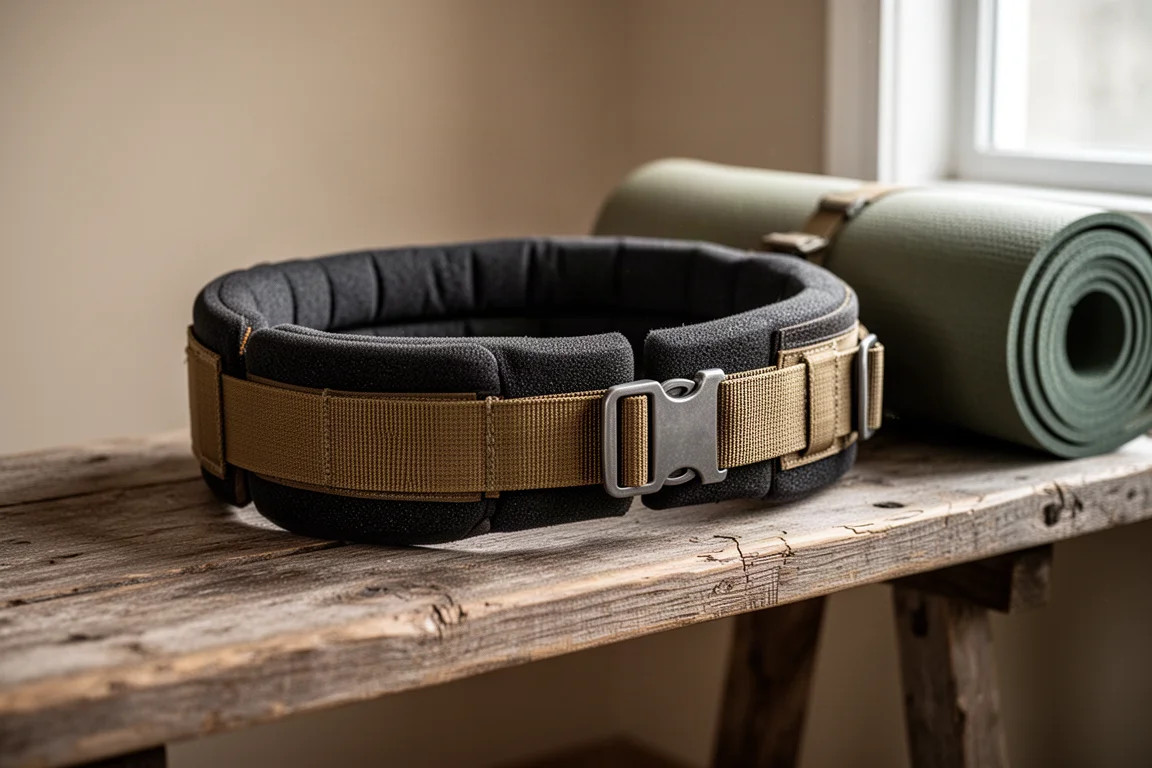
Thick padding on the hip belt and shoulder straps is a traditional-pack trait, intended to help carry heavier loads comfortably. In use, that padding feels stiff. With loads between 25 and 30 lb it can press into the hips and become uncomfortable after a long day on the trail. It is not a deal breaker, and the foam will likely soften with more miles, but the pack does not deliver the plush, broken-in feel that its padding suggests at first glance.
The 3 lb weight fits the same middle ground. It is a genuine saving compared to a 4 to 5 lb traditional pack, and it is well above the 2 lb mark that most ultralight packs target. Hikers who expect cushioning to feel settled from the first trip should plan for an adjustment period, and anyone carrying loads at the upper end of the range should pay attention to how the belt sits before committing to a long route.
Storage and Access Trade-Offs
The back mesh pocket is the weakest part of the layout. On comparable packs the stash pocket is a large, stretchy catch-all that keeps accepting gear even when it already looks full. On the Prospector it barely holds a rain shell, which means quick-access items get pushed into the side pockets instead. Those side pockets have more room than most hikers need for a bottle and a camp chair, and the extra space makes it easier to drag out something unintended when you reach for water.
The included accessories deserve a clear-eyed look as well. The pack ships with a small stuff sack positioned as a waste container. It works perfectly well for stashing extra clothing, but it is not the right shape or material for food wrappers and other messy trash, which will soak through the fabric and into whatever it touches.
Things to Consider Before Buying
Fit adjustment is the first thing to check. The hip belt padding runs long, leaving only a few inches of webbing to cinch the belt down. Slimmer hikers may find it difficult to tighten the pack securely, so trying the sizing before committing is worthwhile if you have the chance.
The trash-sack branding is the second point to keep in mind. It is a minor issue, and the sack is genuinely useful as a stuff sack for spare layers, but it should not be treated as a waste solution on the trail.
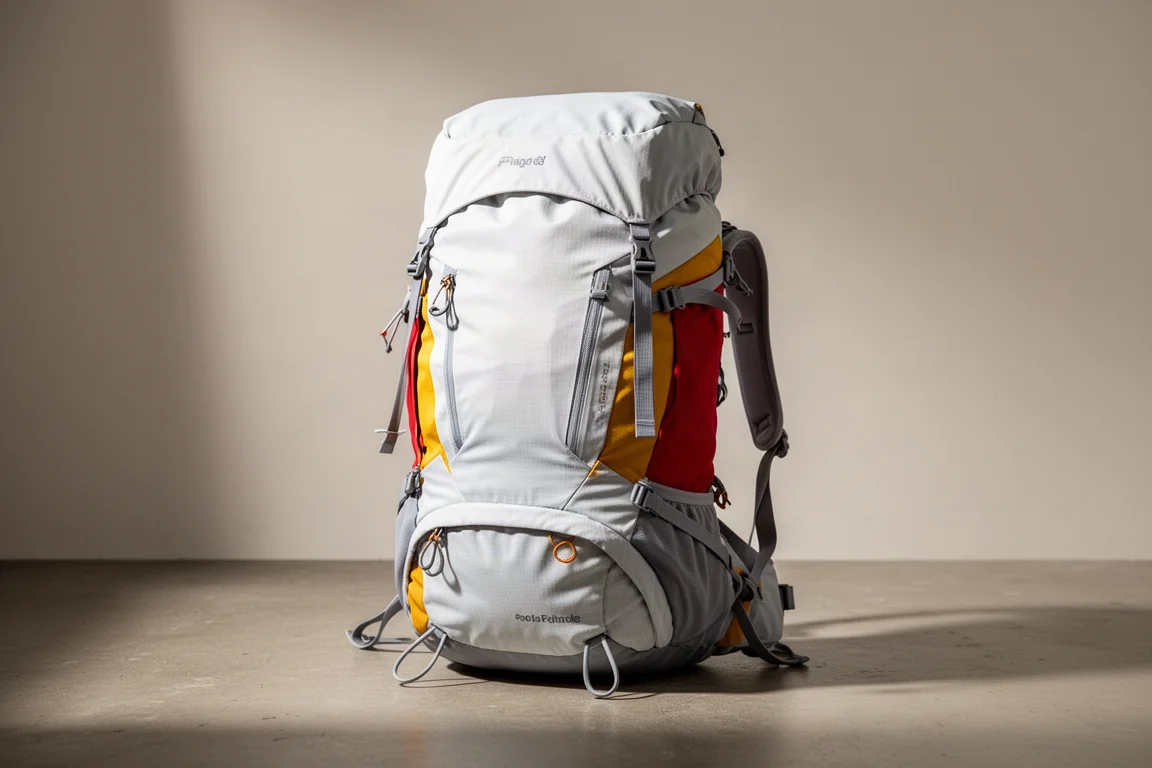
The third consideration is simply expectations. The Prospector is a hybrid by design, so it will not satisfy someone shopping strictly for an ultralight pack or strictly for a fully adjustable traditional pack. Its strongest asset beyond the panel access is how it looks: the white body with yellow and red accents is one of the more distinctive designs in this category, and the finish holds up well in photographs and on the trail alike.
Price and Availability
At $230, the Prospector 50 is a reasonable price for a 50-liter pack with removable hip belt pockets, a roll-top closure and full back-panel access. Buyers who want the panel opening in particular will find that feature alone hard to source at this price point, which is where the Prospector makes its strongest case.
Buying Advice
The Prospector 50 makes the most sense for backpackers who have been reluctant to move to a minimalist pack because they do not want to give up panel access or padded straps. If you typically carry 25 to 30 lb and you value being able to reach your tent or your bladder without unpacking, the trade-offs here are easy to live with, and the 3 lb weight will still feel like a step down from what you are used to.
It is a harder recommendation for two groups. Ultralight hikers who count grams and want a pack under 2 lb will find it too heavy, and hikers with a slim build may struggle with the limited hip belt adjustment. Big Agnes also offers the Park View 63, a more conventional adjustable-torso pack, for anyone who wants a fully traditional layout rather than a hybrid.
For everyone in between, the sensible approach is to treat the Prospector as a transitional pack. If your goal is to lighten your load gradually while keeping the habits and hardware you trust, this design meets you where you are rather than asking you to change everything at once.
Conclusion
The Big Agnes Prospector 50 is a well-made pack that never quite picks a side. It brings genuine ultralight conveniences, most notably the back-panel zipper, into a package that still weighs 3 lb and still pads like a traditional hauler. The stiff hip belt padding and the undersized back mesh pocket are real drawbacks worth weighing, but they are the kind of issues that soften or become manageable with use and packing habits. If you are a traditional backpacker looking to shed weight without losing easy access to your gear, this pack is a confident choice. If you want a dedicated ultralight pack or a fully adjustable traditional one, keep looking.
Product link
View more details for Big Agnes Prospector 50
This product is mentioned in the review. Check the specifications, options, and compatibility before buying.
View more details for Big Agnes Prospector 50Further reading
Related Reviews
Backpacking Packs
Backpacking Pack Types Compared: Traditional, Ultralight, Frameless, and Hybrid
Four pack categories, four representative packs, and a practical way to decide which kind of backpacking pack matches the weight of your gear.
Backpacking Packs
Best Backpacking Packs 2026: Six Picks for Every Style of Trip
Six backpacking packs that earned their place by weight class and purpose, with the real strengths and trade-offs to weigh before you buy.
Backpacking Packs
Granite Gear Crown 2 60L Review: Light, Affordable, and Load Limited
A detailed look at the Granite Gear Crown 2 60L, an ultralight backpack that offers excellent value for loads up to about 25 pounds and clear compromises beyond that.