Backpacking Packs
Backpacking Pack Types Compared: Traditional, Ultralight, Frameless, and Hybrid
Four pack categories, four representative packs, and a practical way to decide which kind of backpacking pack matches the weight of your gear.
Introduction
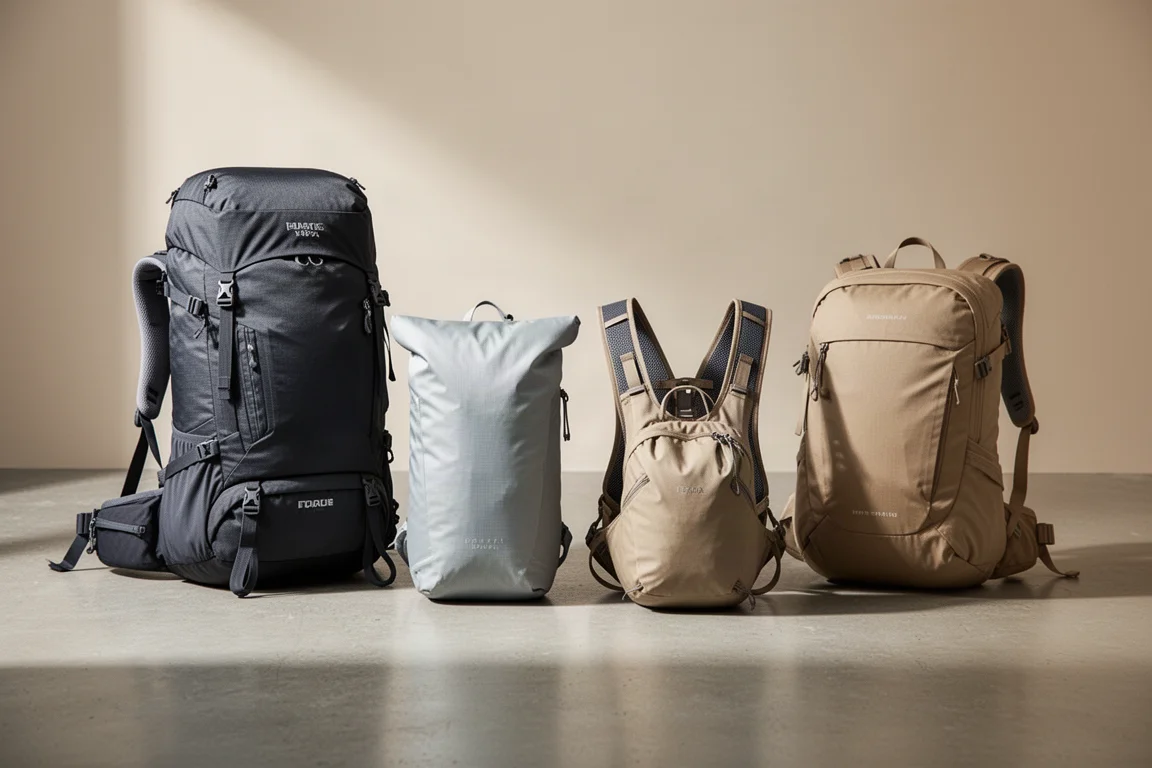
Backpacking packs are not one product category. The pack that feels effortless on one trip can feel like a burden on another, and the difference usually comes down to how much weight you expect to carry. Packs on the market today generally fall into four groups: traditional, ultralight, frameless, and hybrid. Each group makes different trade-offs between load support, feature set, and empty weight. Understanding those trade-offs is the fastest way to narrow down which kind of pack is worth your money.
What Separates These Four Pack Types
The dividing line between the four categories is the load each one is designed to carry comfortably. Traditional packs put heavy emphasis on suspension and padding so that bulky loads ride on the hips rather than the shoulders. Ultralight packs strip back padding, pockets, and hardware so the pack itself stops adding unnecessary weight. Frameless packs take that logic further and expect a load light enough to ride mostly on the shoulders. Hybrid packs sit between the traditional and ultralight ends of the spectrum.
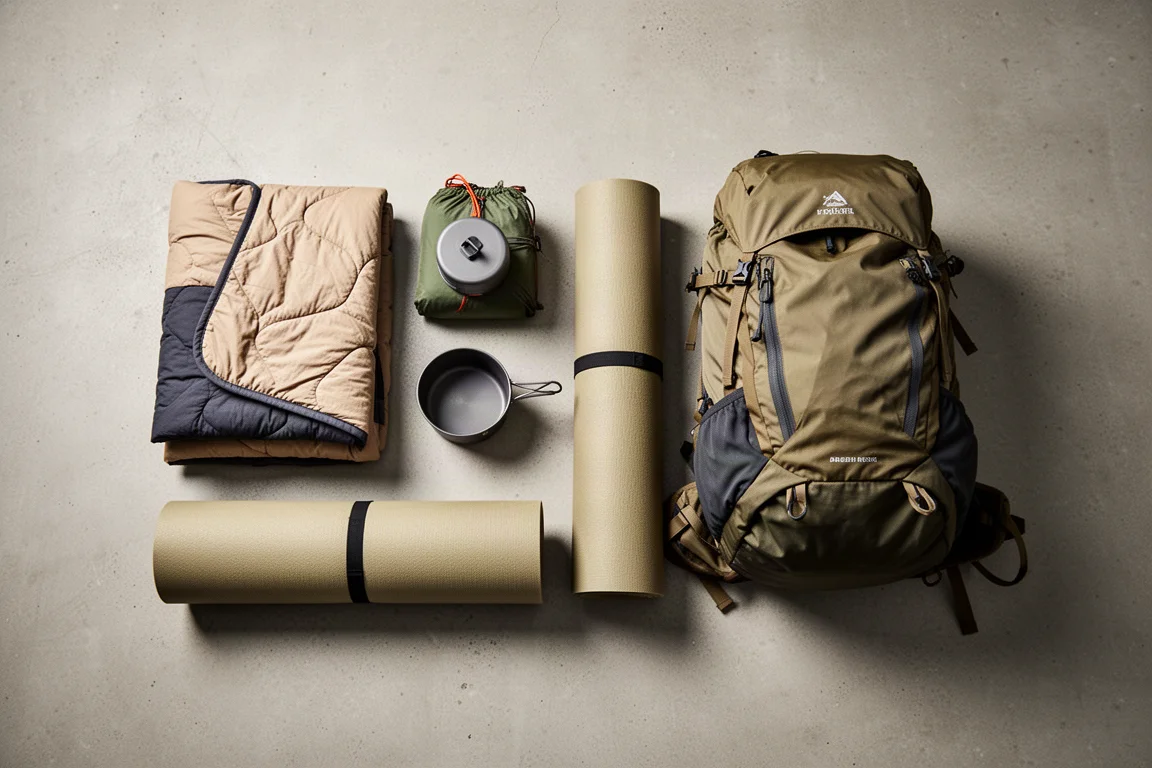
A useful reference point is base weight, which is everything you carry except food and water. A base weight under 10 lb is generally considered ultralight. Loads well above 30 lb are where a traditional pack makes the most sense. Most hikers land somewhere in between, which is exactly why hybrid designs exist at all.
Traditional Packs: Osprey Aether 55
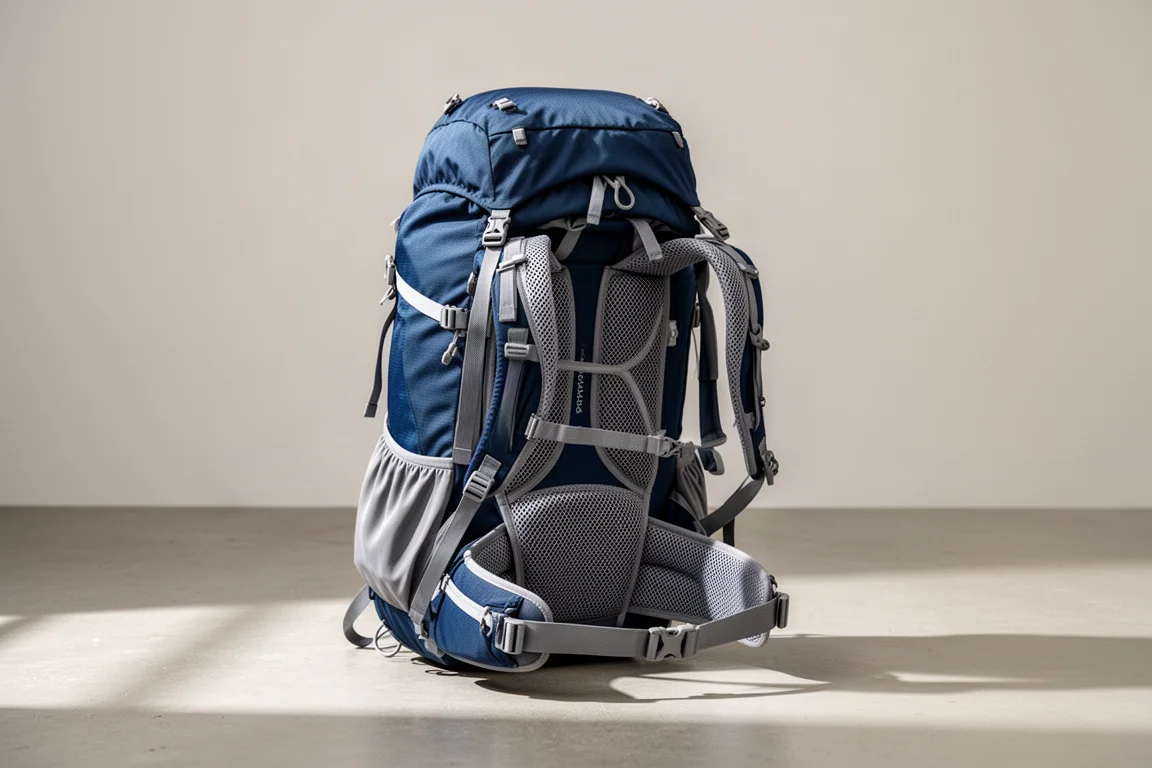
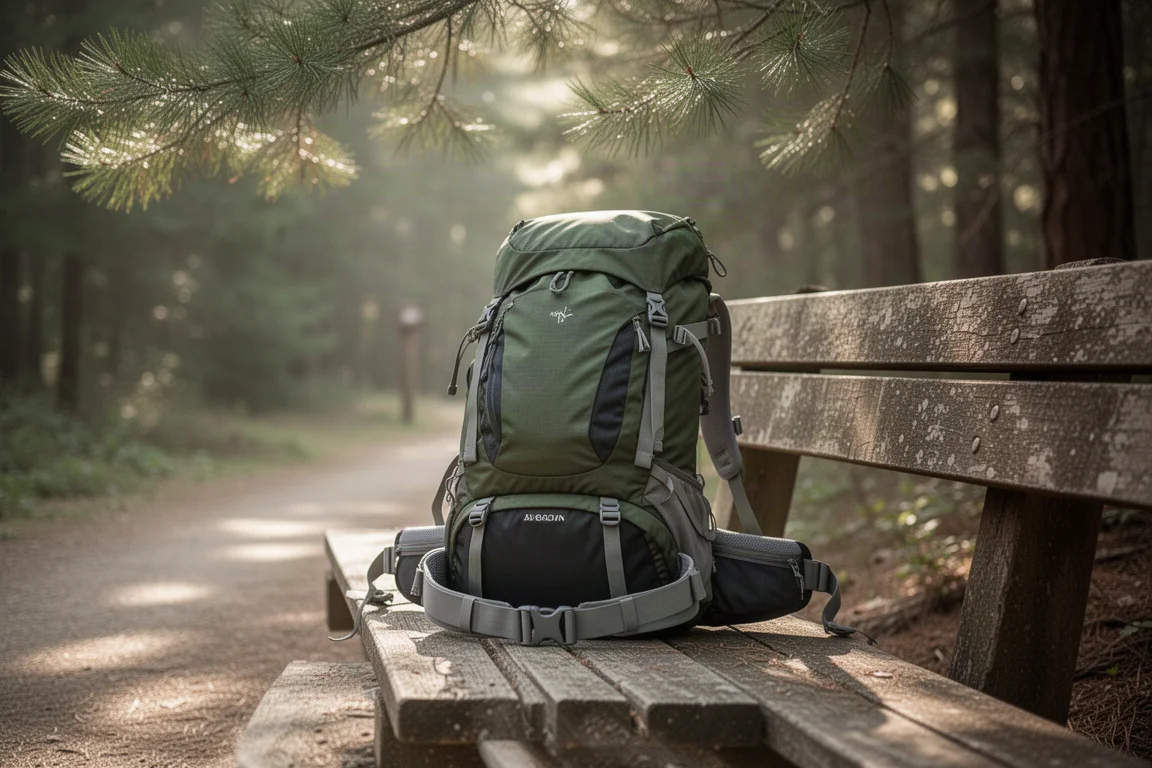
Traditional packs are built around comfort with big and heavy loads. That means thick padding on the shoulder straps and hip belt, a stiff frame that transfers weight to your hips, and stabilising straps that pull the load in close to your back. The trade-off is weight: the suspension and the rugged materials that make heavy loads manageable also make the empty pack heavier.
The Osprey Aether 55 is a newer traditional pack that follows this formula closely. The body uses a rugged high denier nylon that holds up under the pressure of heavy loads, and the top section, often called the brain, carries extra gear while doubling as a large compression system for packing down bulky items. It weighs almost 5 lb empty.
This category suits hikers carrying large, bulky gear with pack loads well above 30 lb, including anyone who prefers to bring extra items just in case. If that describes your packing style, a traditional pack is the sensible place to start.
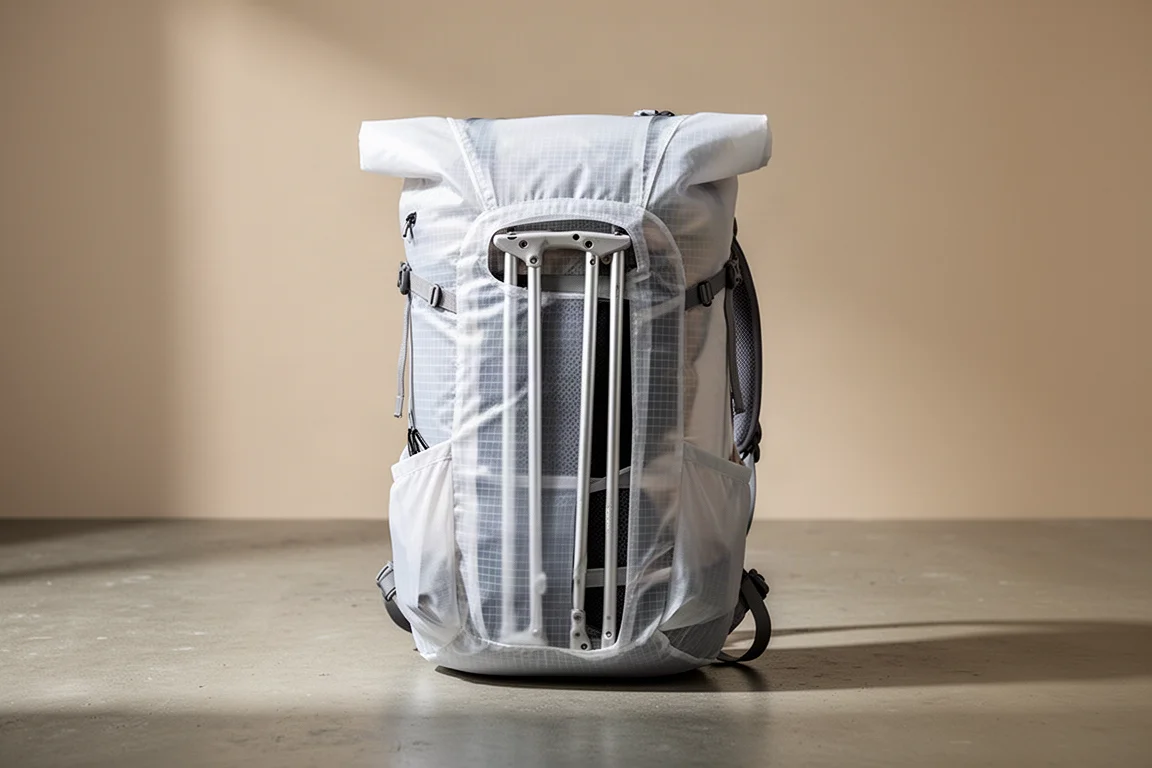
Ultralight Packs: Hyperlite Mountain Gear Southwest
Ultralight packs take a minimalist approach. Compared with a traditional pack they are far simpler: essentially a large bag with a shoulder strap and a hip belt that have a fraction of the padding. Because they are not intended to carry heavy loads, features such as stabilising straps are often removed. There is no brain, just a roll-top closure, two compression straps, no zippers, and minimal pockets.
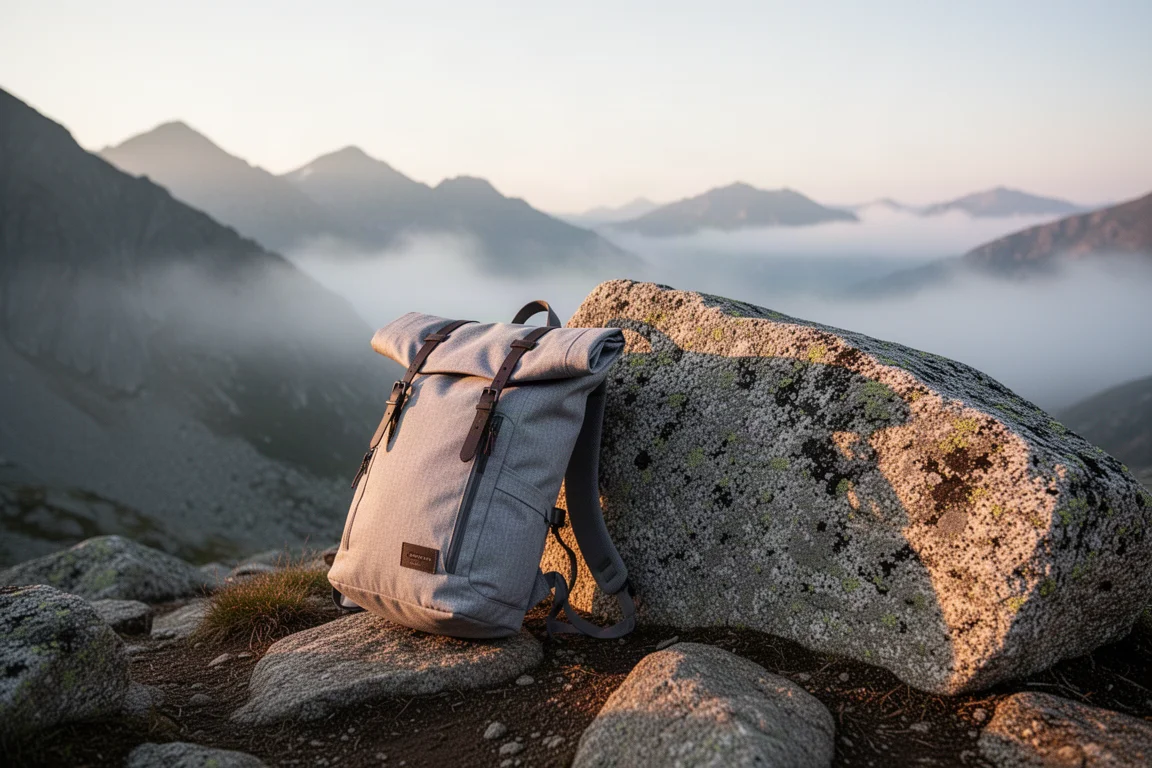
Materials do much of the work here. Ultralight packs use lighter denier fabrics or specialty fabrics such as Dyneema composite fabric and newer ultra fabric, which offer some of the highest strength-to-weight ratios available today. The goal is to keep the pack’s own weight down, and most ultralight packs weigh 2 lb or less empty. Many still use frames or stays that shift weight to the hips, so ultralight does not automatically mean frameless.
The Hyperlite Mountain Gear Southwest is one of the most popular ultralight packs on the market and a clear example of what this category prioritises.
Frameless Packs: Mountainsmith Zerk 40
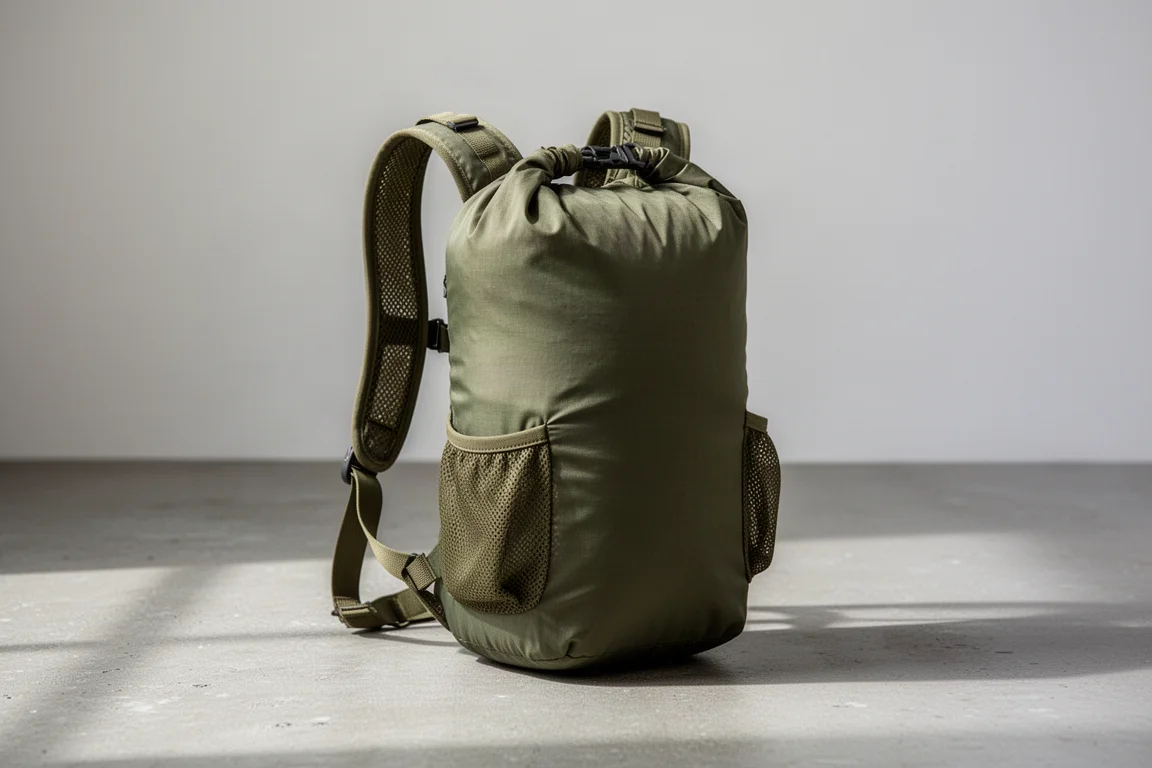
Frameless packs are ultralight design taken to its extreme. They assume loads light enough that most of the weight can ride comfortably on the shoulders with little or no weight on the hips. Weight is saved by removing the stiff frame, and also by minimising or eliminating the hip belt. Some frameless packs weigh well under a pound.
Several models use vest-like shoulder straps that spread the load across the core. That can make for a genuinely comfortable carry, but only below a certain weight, and that limit varies between manufacturers. The Mountainsmith Zerk 40 is a frameless pack built around this philosophy, and it performs best when the rest of your kit is already genuinely light.
Hybrid Packs: Big Agnes Prospector 50
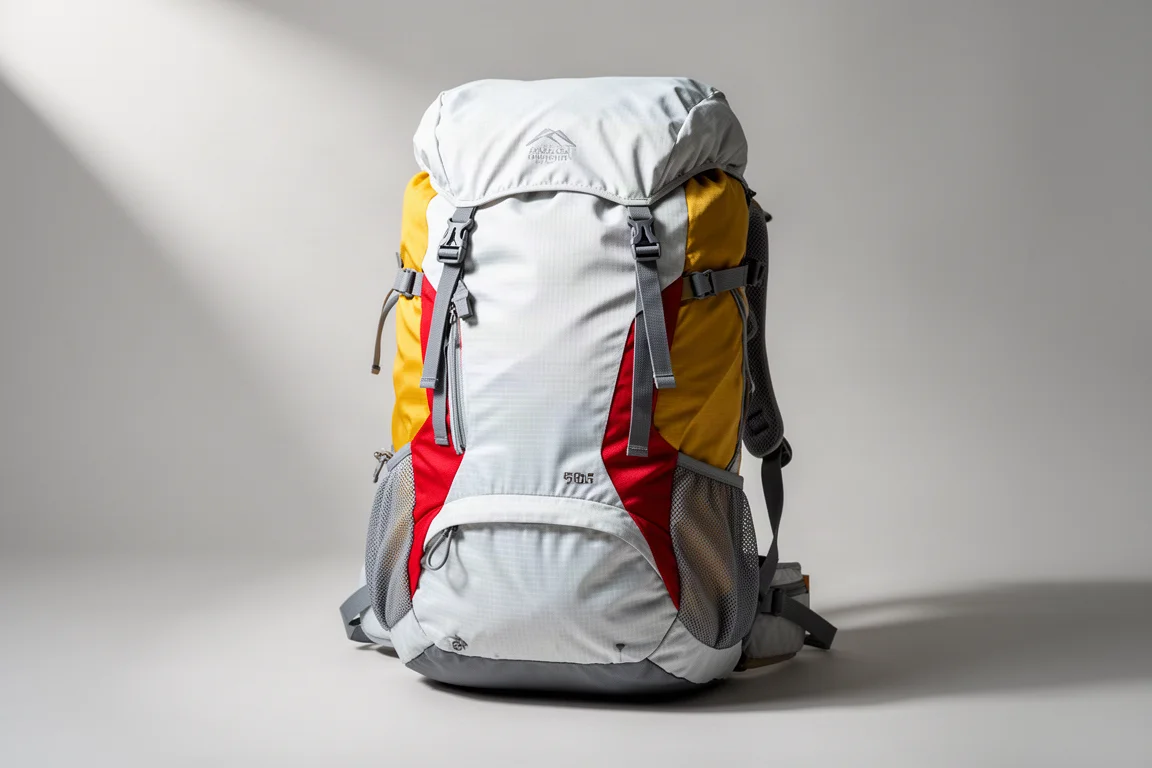
Not everyone wants to commit fully to ultralight, and hybrid packs exist for that middle ground. The Big Agnes Prospector 50 sits halfway between an ultralight and a traditional pack. Its layout resembles an ultralight design, with minimal pockets and no brain, but it keeps traditional touches such as rugged high denier fabric and thick padding on the shoulders and the hip belt. It weighs 3 lb even, which is not ultralight, but it is lighter than a full traditional pack.
For hikers who want to reduce carried weight without giving up the familiar feel of padded straps and a more durable fabric, this is the compromise worth looking at first.
How to Match a Pack to Your Gear and Load
Start with the weight and bulk of the gear you actually own. If your kit is large and heavy and your total load sits well above 30 lb, a traditional pack’s suspension will earn its extra weight. If your base weight is under 10 lb, an ultralight pack keeps the pack itself from becoming a meaningful part of the load. If you are somewhere in between, a hybrid pack avoids forcing a decision before you are ready to make one.
It is also worth remembering that heavier loads place more stress on the body, particularly the joints and knees. Carrying less is often more comfortable over a long day than carrying more with better suspension, so the pack category should follow the weight of your kit rather than the other way around.
Fit Notes and Women-Specific Packs
Every one of these categories includes women-specific packs designed around women-specific body features, so choosing a pack type does not limit your fit options. Sizing and hip belt fit still matter as much as category does, and a pack that fits well will always outperform a lighter pack that does not.
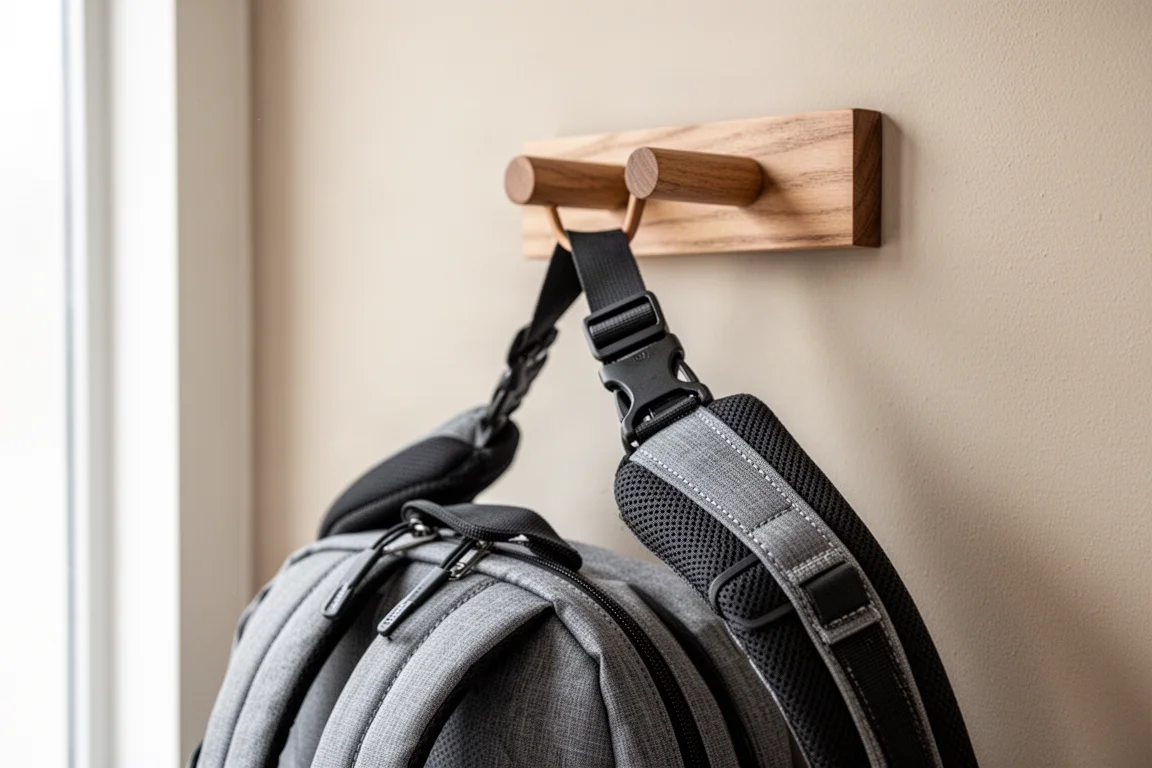
If you are unsure which category suits your gear, the most reliable approach is to weigh your current kit, add the food and water you typically carry, and use that total to choose between traditional, ultralight, frameless, and hybrid designs.
Conclusion
There is no single best backpacking pack, only the pack type that matches your load. Traditional packs carry heavy loads comfortably, ultralight packs cut the pack’s own weight to a minimum, frameless packs push that idea as far as it will go, and hybrid packs offer a practical middle ground. Work out your load weight first, then choose the category that supports it.
Further reading
Related Reviews
Backpacking Packs
Best Backpacking Packs 2026: Six Picks for Every Style of Trip
Six backpacking packs that earned their place by weight class and purpose, with the real strengths and trade-offs to weigh before you buy.
Backpacking Packs
Big Agnes Prospector 50 Review: A Hybrid Pack That Sits Between Two Worlds
A 50-liter backpacking pack that mixes ultralight features with traditional padding and panel access. Here is who it suits and where it falls short.
Backpacking Packs
Granite Gear Crown 2 60L Review: Light, Affordable, and Load Limited
A detailed look at the Granite Gear Crown 2 60L, an ultralight backpack that offers excellent value for loads up to about 25 pounds and clear compromises beyond that.