Gravel Wheels and Tires
Zipp 303 Explorer Wheels and Goodyear Gravel Tires: A Wide-Rim Gravel Roundup
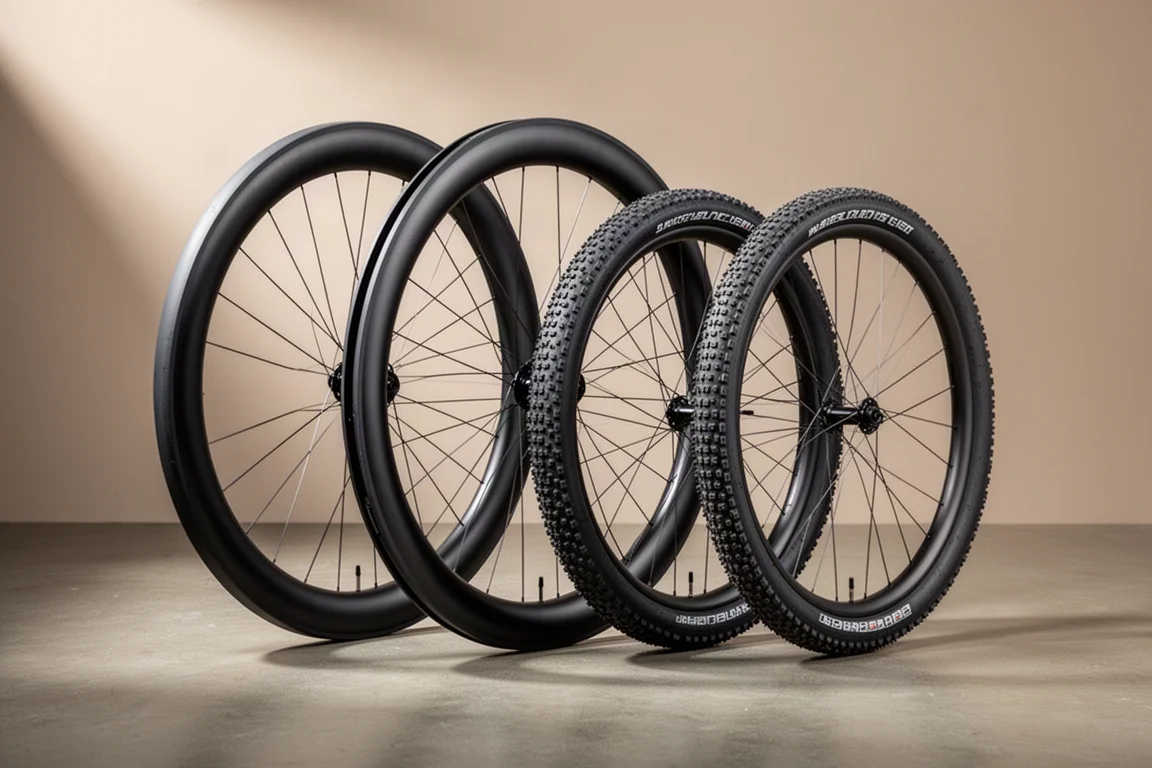
Zipp's 303 Explorer gravel wheelset runs a 32 mm internal rim width, paired here with the co-developed 40 mm Goodyear Explorer Slick and 45 mm Explorer Inter tires.
Introduction
Gravel tires have been getting wider for several seasons, and rims have followed them. The Zipp 303 Explorer pushes further than most: a 32 mm internal width and a 40 mm external width on a 54 mm deep rim, designed around gravel tire sizes rather than adapted from a road wheel. Alongside it, Zipp co-developed two Goodyear gravel tires, the 40 mm Explorer Slick and the 45 mm Explorer Inter, so that rim and tire work as a single system.
This roundup covers both wheelset tiers and both tire models, what each one is designed to do, and the practical details that matter before buying, including Zipp’s tire compatibility requirements.
What Defines This Gravel System
The starting point is the tire, not the rim. Zipp chose the gravel tire sizes it wanted to support and then built the rim behind them, which is why the 40 mm external rim width lines up so closely with a labeled 40 mm tire. That near-seamless junction lets airflow stay attached as it moves from rim to tire, which lowers aerodynamic drag. Gravel racing speeds now frequently sit above 32 km/h (20 mph), and small aerodynamic gains accumulate over a long event.
The second design goal is vibration loss, the energy a rider spends being lifted and bounced over rocks and rough surfaces. Lowering tire pressure is the main lever, and a wide rim makes low pressure practical. Wider internal width also spreads the tire into a broader stance, which supports lateral loads when cornering. Zipp states that, compared with a more traditional narrower gravel rim, these tires can support roughly 7 to 8 PSI (over half a bar) less pressure while delivering equivalent control and handling.
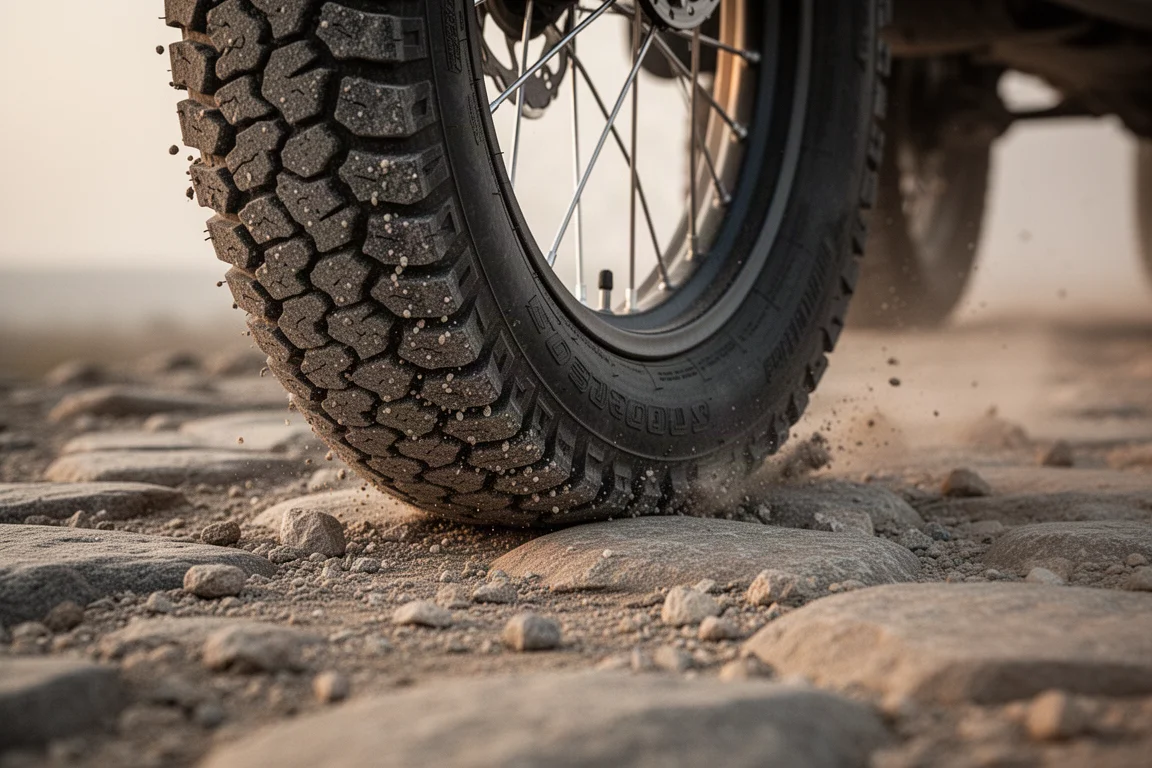
Both wheels are hookless, and the vertical hookless walls of the tire bed are close to twice as thick as those on the 303 Firecrest. That creates a flatter platform for the tire casing if it bottoms out on a hard hit, which helps prevent pinch flats and adds stiffness and strength to the rim itself.
Zipp 303 Explorer SW: The Premier Gravel Wheel
The 303 Explorer SW is the premier gravel wheel in the range. It carries the full 32 mm internal and 40 mm external width on a 54 mm deep rim, and the complete wheelset comes in at just under 1,500 g, which is notable for a rim this deep and this wide. For context, Zipp positions it roughly 100 g heavier per wheelset than the 303 Firecrest and only about 20 to 30 g heavier than the narrower, deeper 404.
The SW also carries a dimpled surface finish on the outside of the rim. Rim shape and tire beds are identical across the Explorer range, so the aerodynamic and low-pressure benefits carry through both tiers.
Zipp 303 Explorer S: Same Shape, Lower Entry Point
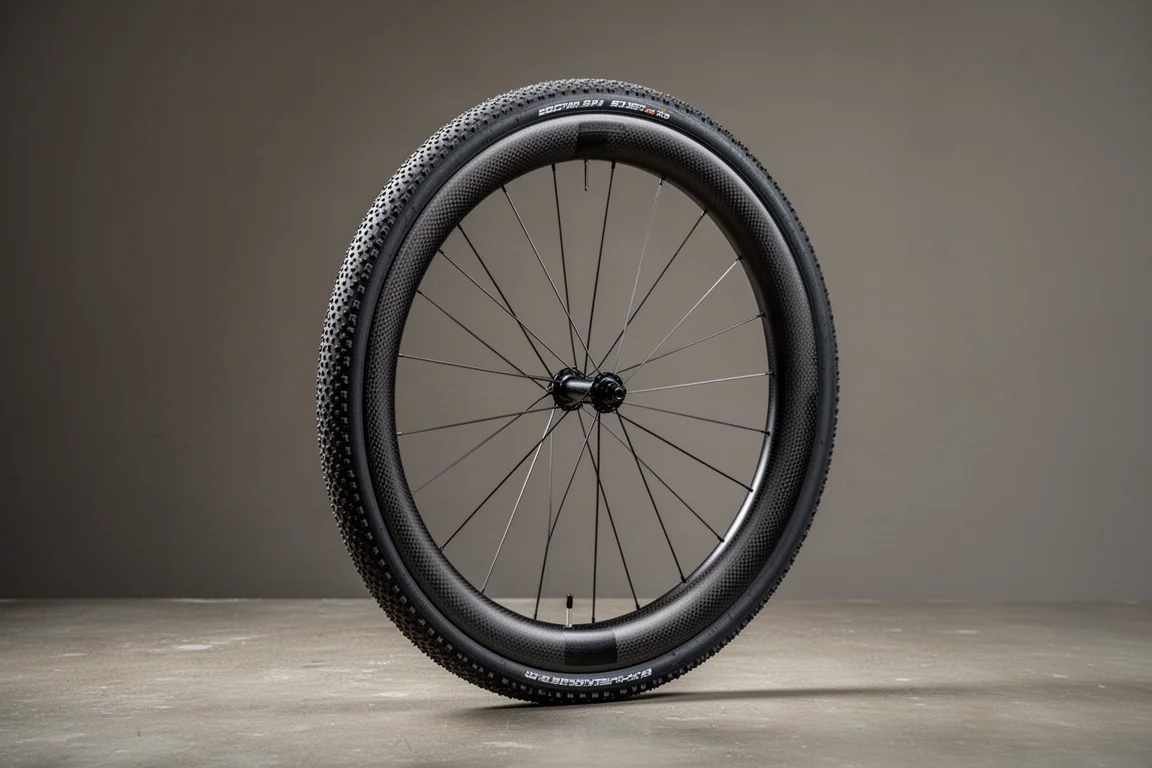
The 303 Explorer S is the entry point into the same design. It shares the macro rim shape and identical tire beds with the SW, so riders get the same low-pressure and vibration-loss benefits and the same aerodynamic behaviour. The differences sit in finish and materials: the S has a smooth rim surface without the dimples, and uses a slightly heavier rim, spokes and hub. The set weight lands around 1,668 g, roughly 168 g more than the SW.

For riders who want the width and the low-pressure capability rather than the lightest possible build, the S keeps the core of the system intact at a lower price point.
Goodyear Explorer Slick: The 40 mm Dry-Condition Tire
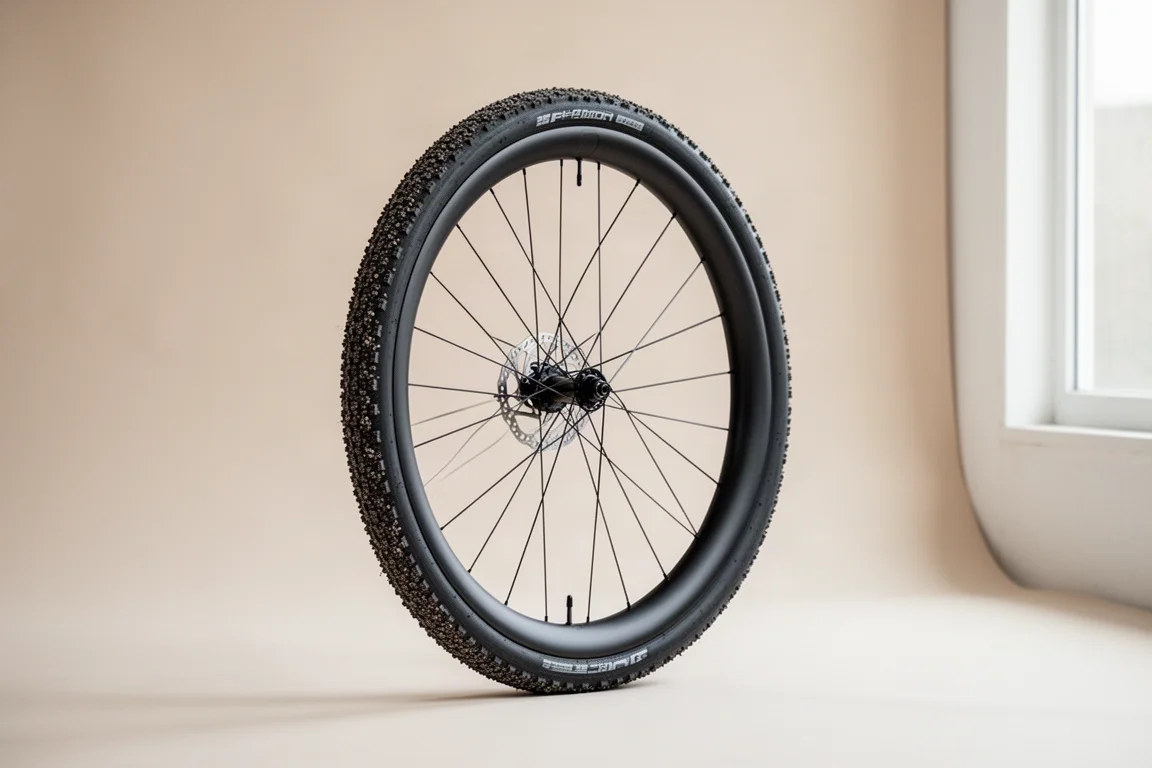
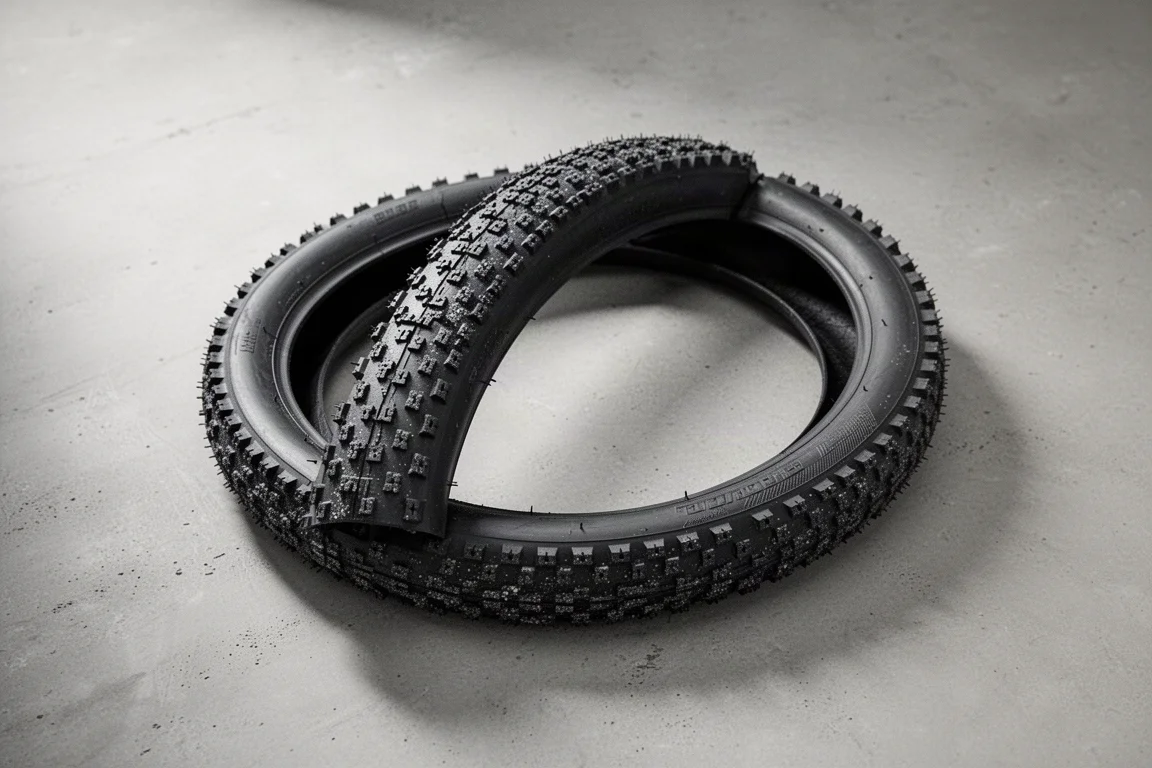
The Explorer Slick is the 40 mm dry-condition race tire developed with Goodyear. It pairs a slick centre tread with small shoulder knobs, and its labeled width matches the rim’s external width closely enough to make a clean aerodynamic transition.
On smooth, hard-packed gravel the slick is fast in a straight line and feels comparable to a good road tire. The shoulder tread adds grip when leaning into corners, which suits dry, firm surfaces. The trade-off shows up on loose gravel descents, where a slick centre offers limited braking traction when scrubbing speed into a corner.
Goodyear Explorer Inter: The 45 mm Mixed-Condition Tire
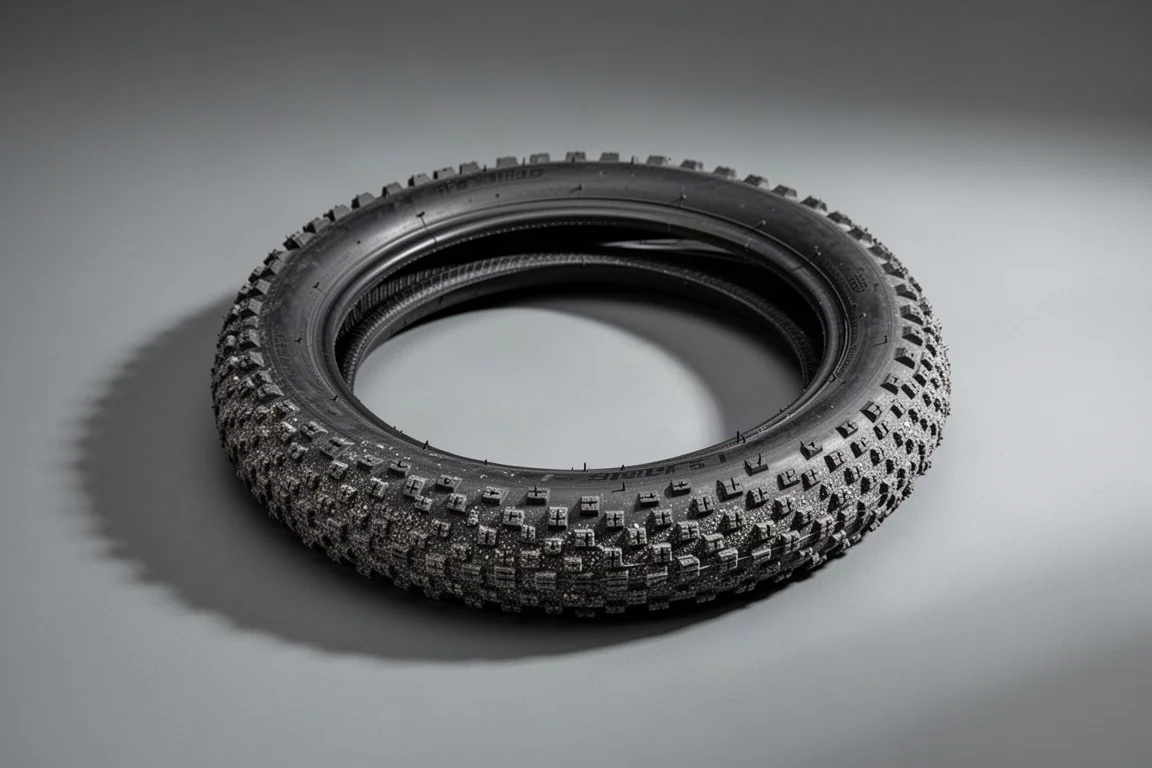
The Explorer Inter is the 45 mm mixed-condition option, built for both dry and wet surfaces and shaped as a strong aerodynamic match for the rim. It is the more versatile of the two, and the more sensible pick for mixed or damp gravel where a slick centre gives away too much grip.
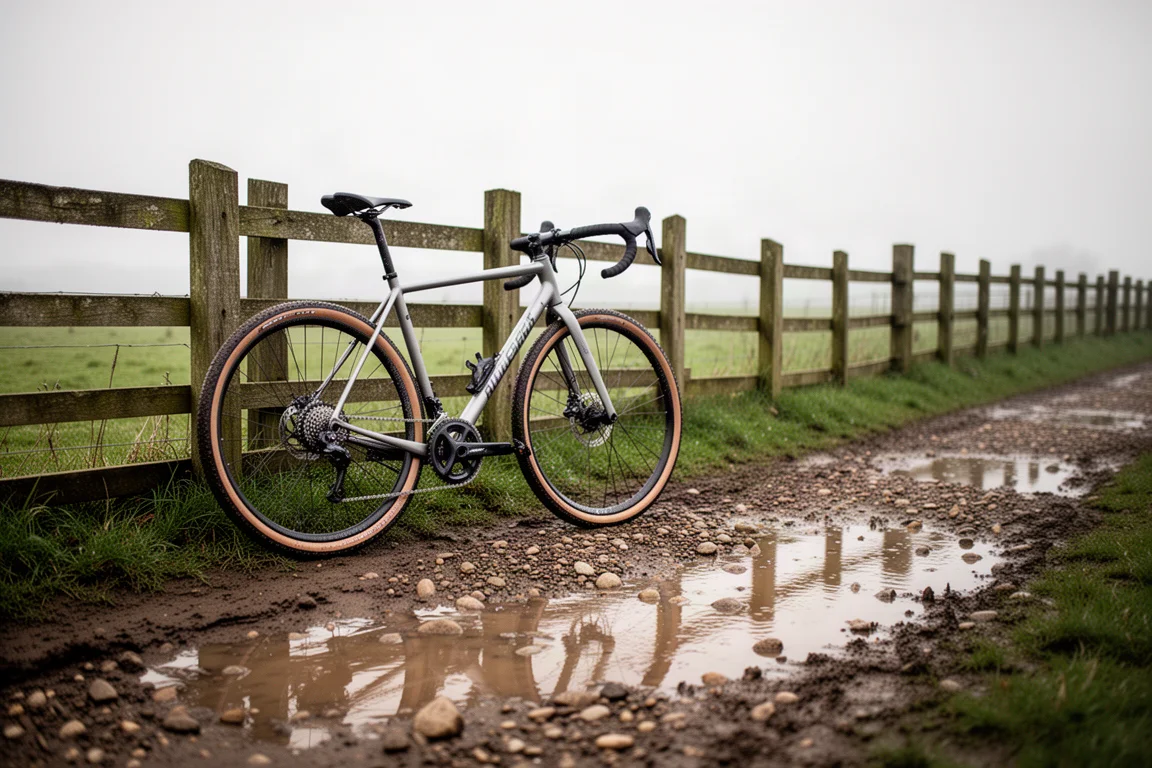
Frame clearance is the limiting factor. The bike used for the first rides officially accepts tires up to 42 mm, so the 45 mm Inter does not officially fit there. That is a bike limitation rather than a tire one, and it is worth checking against your own frame before choosing the wider option.
Tire Compatibility and Setup Notes
Zipp validates compatible tires one model at a time. The rim conforms to ISO dimensional standards, but the ISO-recommended tire sizes for it run from 58 mm to 84 mm, far wider than any sensible gravel fit. Zipp instead recommends 40 to 60 mm tires, and because that recommendation sits outside the ISO range, every listed model goes through a one-to-one validation: Zipp tests tire retention in its lab, the tire maker repeats similar tests on its side, and only models both companies agree on appear on the compatibility chart.
That chart is reachable in three ways: a QR code on the conspicuous orange sticker supplied with the wheels, product registration, and the product page online. Zipp also has field teams working with shops and mechanics in North America and Europe to explain the requirements. The practical rule is simple, use tires listed as compatible for this wheel. Maximum system pressure sits far above what riders will actually use, with recommended pressures at less than half the allowable maximum, so retention is not the concern.
Buying Advice
Choose the 303 Explorer SW if you want the lightest version of the platform and the dimpled rim finish. Choose the 303 Explorer S if the same rim shape, tire beds and low-pressure behaviour matter more than the last 168 g.
On tires, the 40 mm Explorer Slick suits dry, fast, hard-packed courses where straight-line speed is the priority and braking grip is less critical. The 45 mm Explorer Inter is the better all-rounder for mixed surfaces and wetter conditions, provided your frame has the clearance.
Riders moving from a narrower gravel wheelset will notice the low-pressure stability first: the tire stays planted and resists squirm even when pushed hard into rocky corners. Pair either wheel with a validated tire and the setup behaves as one system rather than two separate parts.
Conclusion
The 303 Explorer is built around a clear idea: pick the tire sizes first, then build the widest practical rim behind them. The result is a 32 mm internal, 40 mm external platform available in a lighter SW build and a lower-priced S build, with two co-developed Goodyear tires that match the rim’s width. For gravel riders who race, ride rough surfaces, or simply want to run genuinely low pressures without losing cornering control, it is a coherent and well-considered package. Check the compatibility chart and your frame clearance, and the rest of the decision comes down to weight versus price, and slick versus mixed tread.
Further reading
Related Reviews
Cycling Gear
Best Cycling Gear 2026: Five Standout Upgrades for Road and Gravel Riders
Five road and gravel products worth a closer look, from a lightweight carbon gravel wheelset to a heat-moldable road shoe, a PFC-free rain jacket, a compact action camera and an aero road frameset.
Gravel Cycling
Best Gravel Race Tires, Wheels and Sealants: A Practical Setup Guide
A roundup of gravel tires, wheels and sealants, with measured widths, real race pressures and the puncture kit that holds a fast setup together.
Gravel Tires
Best Gravel Tires: 11 Top Picks for Every Riding Style
A practical roundup of 11 gravel tires, from fast race-day rubber to mud-shedding all-rounders and rock-ready treads, with the trade-offs that matter.