Indoor Cycling
Zift Hub Review: A Year of Riding a Budget-Friendly Direct Drive Trainer
After roughly 2,500 miles of hard use, the Zift Hub still stands out as one of the best value interactive direct drive trainers available.
Introduction
The Zift Hub made waves when it launched by undercutting nearly everything in the interactive direct drive trainer market. Since then, the category has shifted, with entry pricing now sitting around $550 to $650 depending on the brand. Zift itself raised the Hub’s price from its original $499 to $599, but the unit now includes a year of the Zift platform, keeping it one of the best deals out there.
The question worth asking after a year: does a budget trainer hold up? After roughly 2,500 miles of riding, the short answer is yes, with a few caveats worth knowing before you buy.
Setup: Thoughtfully Simple
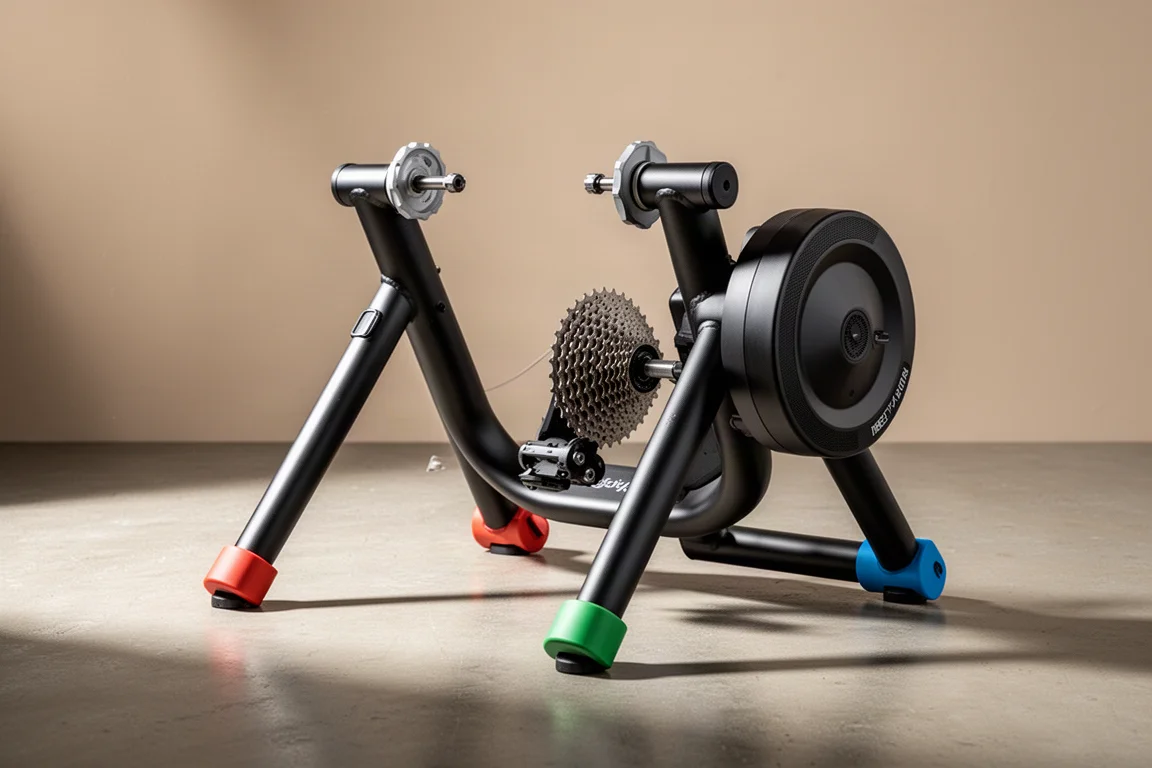
The Hub is essentially a licensed version of the JetBlack Volt V2, with changes that broaden bike compatibility and simplify setup. Out of the box, you scan a QR code for a quick setup video, and the legs are color-coded: blue for the front, orange for the rear, with warning markings that show when a leg is oriented the wrong way. A wrench is included, and you should not need any other tools.
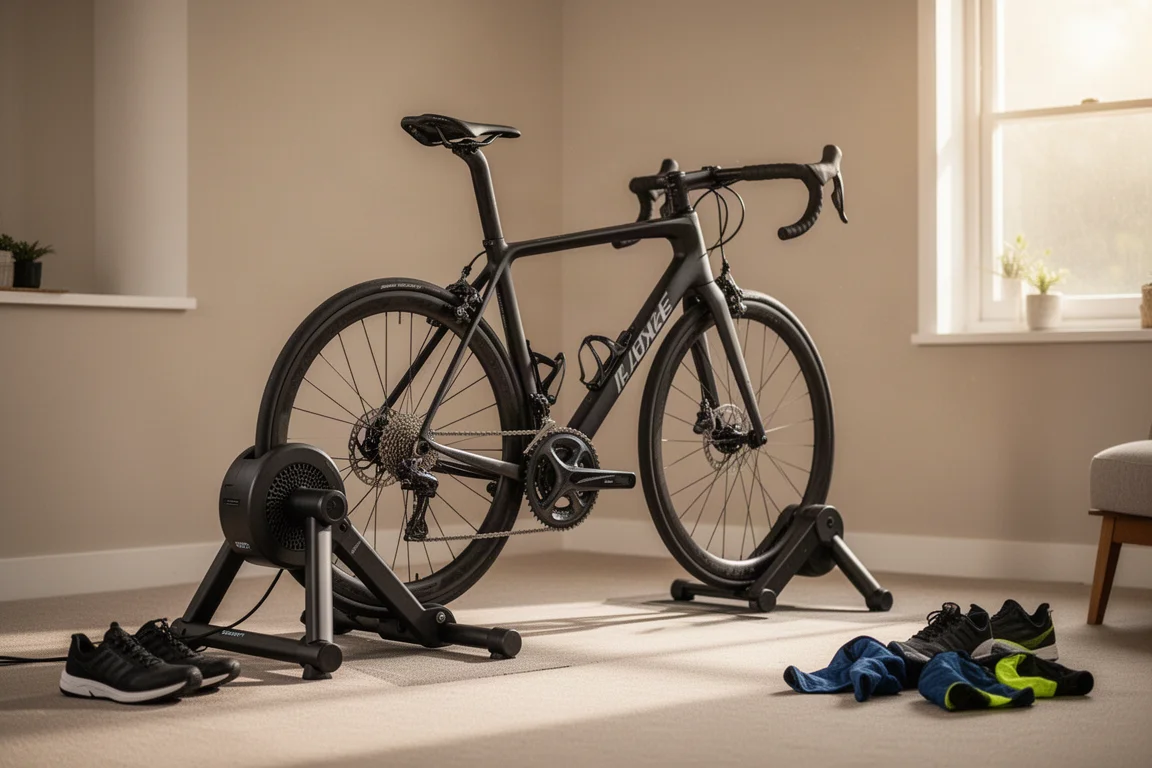
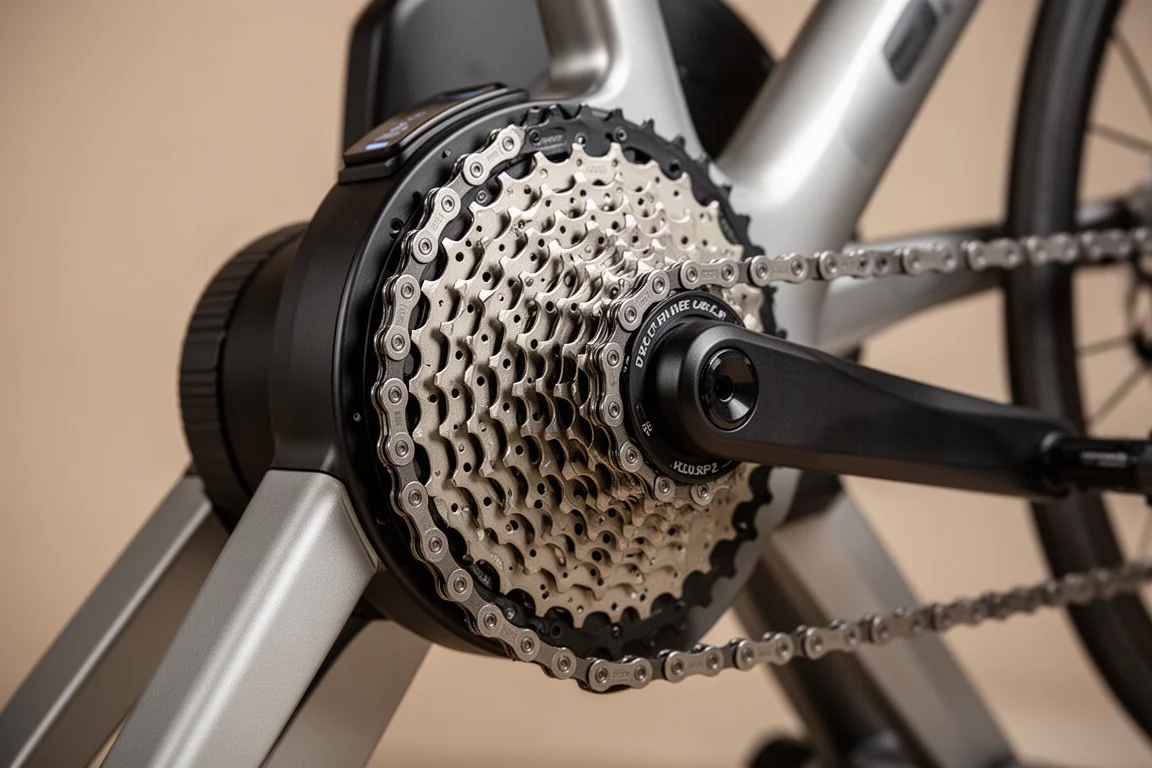
The cassette comes pre-installed, and you choose your cassette during ordering, from 8-speed up through 12-speed. Cardboard cutout guides help you figure out which adapters your bike needs, and a generic steel quick release is included for quick release bikes. Through axle bikes use their own axle. The Hub fits 24-inch, 26-inch, 700c, and 29er bikes, with a Shimano Hyperglide body pre-installed and optional XD or XDR driver bodies available.
Once mounted, you pair with the Zift Companion app, update firmware, and launch the Zift app, where the Hub serves as power meter, controllable trainer, and cadence sensor. It works with other platforms too, including TrainerRoad for ERG mode workouts.
Connectivity and the Bluetooth Trade-Off
The Hub offers Bluetooth and ANT+ connectivity. Bluetooth is likely your connection of choice for iPad, Apple TV, or PC use. The main limitation is a single Bluetooth channel, unlike higher-end trainers that offer multiple. This matters most on Apple TV, which has only two Bluetooth channels available for accessories.
The workaround is a Bluetooth Bridge: pair your heart rate sensor to the Zift Companion app, which combines those signals with the Hub’s power data over its single connection. One edge case to know about: watches that only pair over Bluetooth, like an Apple Watch or a recent Coros watch, may not receive power data since the Hub’s Bluetooth channel is already in use. Watches that pair over ANT+ sidestep this entirely, since ANT+ supports unlimited connections.
Ride Feel and Power
On the road-feel side, the Hub is a genuinely good trainer. Simulation in Zift is responsive, applying resistance in real time as gradients change, and the flywheel lets up naturally on descents. That flywheel weighs 10.3 pounds, which creates pleasing inertia and a nice road feel, even if heavier flywheels on premium trainers generate more.
Resistance tops out at 1,800 watts, which is ample for nearly everyone, and it simulates grades up to 16 percent. Stability is excellent, with no side-to-side wobble even during sprints. Noise levels are respectable too, with most of what you hear coming from your own drivetrain rather than the trainer, plus a noticeable freewheeling sound.
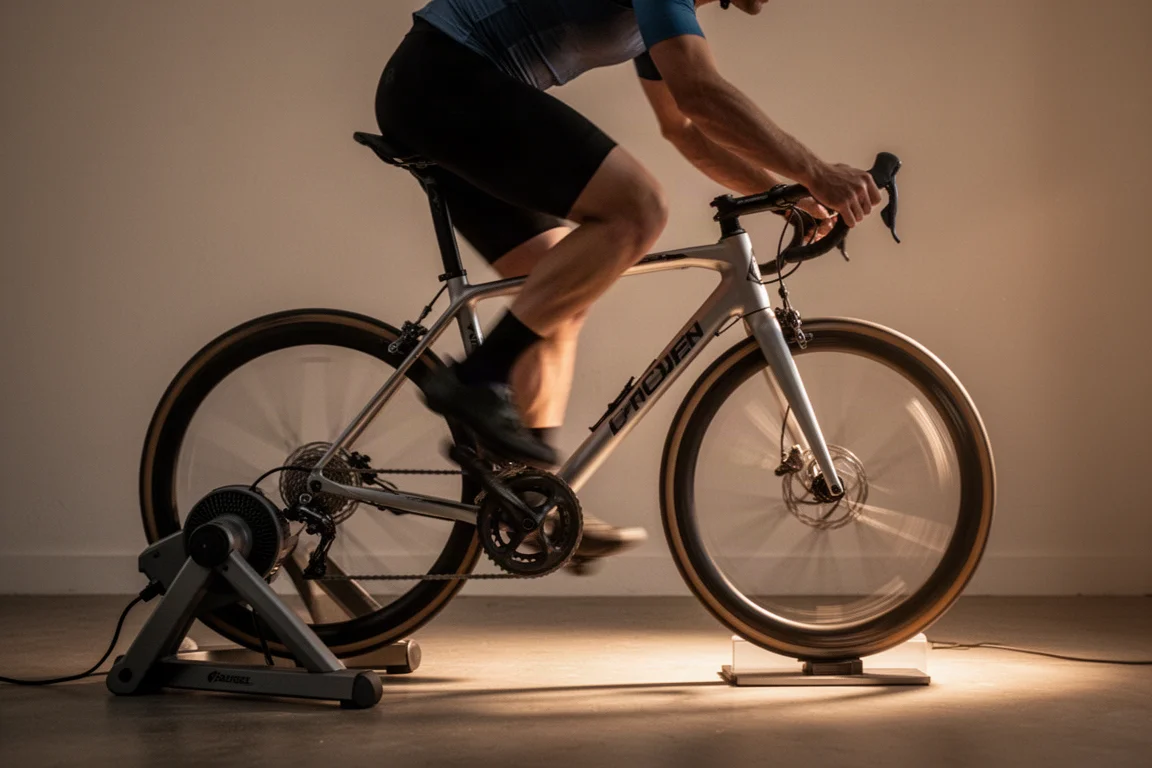
Power accuracy has actually improved over the year. Early on, readings ran slightly high for both simulation and ERG mode rides, though still close to the claimed plus or minus 2.5 percent. A firmware update added automatic calibration, replacing the traditional spin-down process, and accuracy tightened considerably. On recent ERG mode rides, readings were roughly three watts off, and on Zift rides just under four watts, with sprint peaks captured well and a responsive feel compared to pedal-based power.
ERG mode behavior deserves a mention. Resistance transitions take roughly four to seven seconds depending on the change, easing into targets rather than snapping, and holding power within intervals is smooth in both directions. Occasionally it can be a touch too smooth, reacting slowly on a missed target, but that is splitting hairs. Cadence, measured virtually through the flywheel, was occasionally reported lower than reality, something that has been seen on more expensive trainers as well.
What It Leaves Out
Being budget friendly means some compromises. There is no multiple Bluetooth support, and no rotating axle, so it cannot pair with a grade simulator like the Wahoo KICKR CLIMB. Some competing trainers are quieter, and the Hub does not fold for storage, so it takes up a bit more room when stashed away.
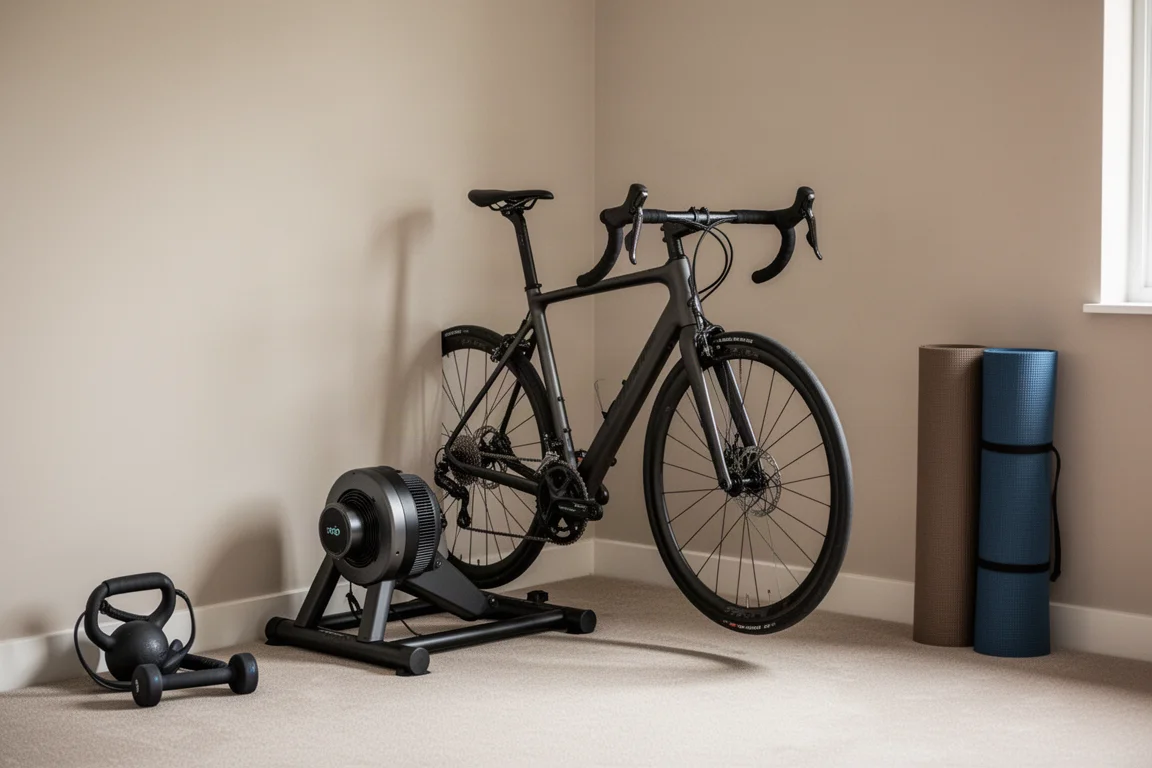
None of these omissions change the core picture: the Hub delivers all the essential features most riders need, and it has proven durable over a year of heavy use with no issues.
Buying Advice
If you want an interactive direct drive trainer with automatic resistance control, solid accuracy, and a quiet, stable ride at a lower price point, the Zift Hub is an easy recommendation. The included year of Zift adds further value. If you rely on an Apple Watch for power data or want a foldable frame for tight storage, look at higher-end options instead.
Conclusion
After roughly 2,500 miles, the Zift Hub has held up well. Accuracy improved with automatic calibration, ERG mode transitions are handled smoothly, and the ride remains stable and quiet for the money. For anyone entering interactive indoor cycling without overspending, it remains one of the best value direct drive trainers on the market.
Product link
View more details for Zift Hub
This product is mentioned in the review. Check the specifications, options, and compatibility before buying.
View more details for Zift HubFurther reading
Related Reviews
Indoor Cycling
Best Budget Smart Indoor Trainer Setups: Six Options Worth Considering
Smart indoor trainers keep getting better while prices come down. Six setups and components worth considering, from the cheapest Zwift-ready option upward.
Indoor Cycling
Best Budget Smart Indoor Trainers for Immersive Cycling in 2026
A practical guide to affordable smart indoor trainer setups, including budget and mid-range options with virtual shifting.
Indoor Cycling
Best Indoor Cycling Apps and Smart Trainers: A Winter Buying Guide
A practical look at the indoor training platforms and smart trainers that matter this season, from a new challenger to Zwift to the entry-level trainer that stands out on value.