Phono Preamps
Zesto Andros Spirit vs Parasound JC3+: Two Phono Preamp Approaches
A close look at the Zesto Andros Spirit tube phono preamp and the Parasound JC3+, two very different routes into vinyl playback.
Introduction
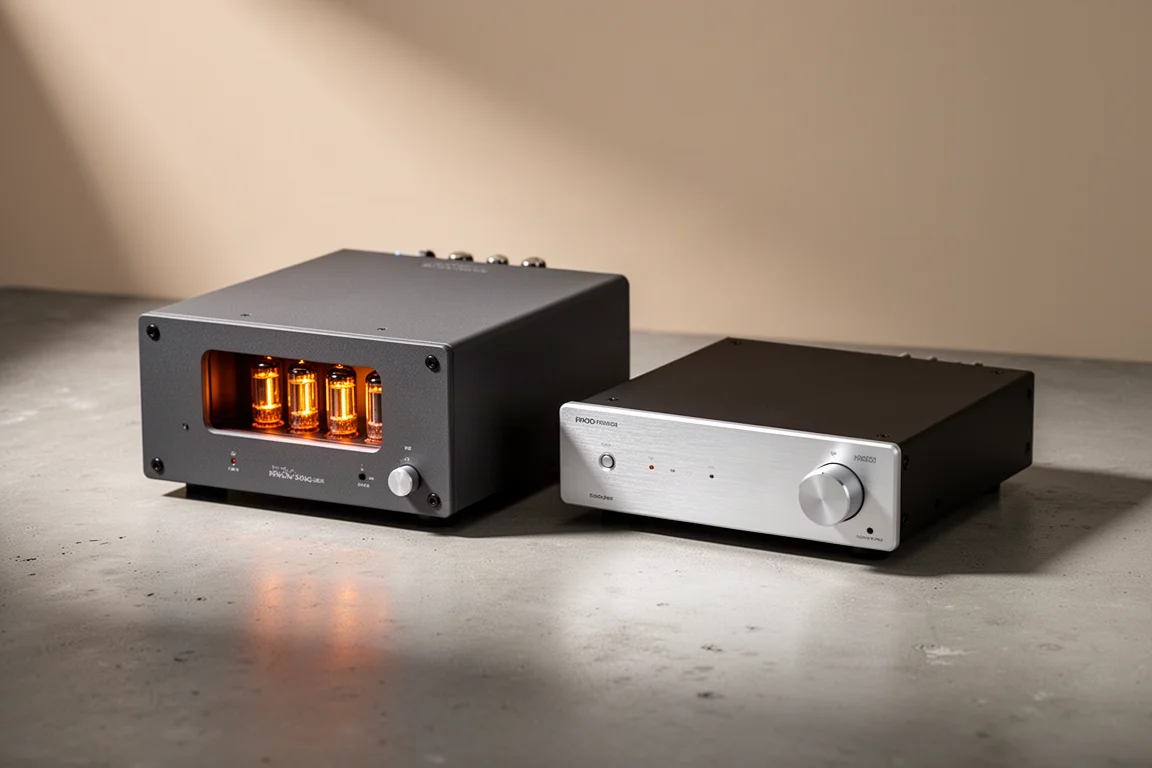
Two phono preamplifiers, two very different ideas about how vinyl should sound. The Zesto Andros Spirit is an all-tube design with no solid-state parts in its signal path, offered in a moving magnet only version and a moving magnet plus moving coil version. The Parasound JC3+ is a solid-state phono stage that handles both moving magnet and moving coil cartridges, and it has remained a reference component in a vinyl system for around six years.
This guide looks at what each one does, how they differ in character, and which type of listener each one suits.
Zesto Andros Spirit at a Glance
The Spirit is the most affordable phono preamp in the Zesto range, and it takes advantage of technology trickled down from the company’s more expensive phono stages. Zesto builds four phono preamps in total, along with a preamplifier and a power amplifier.
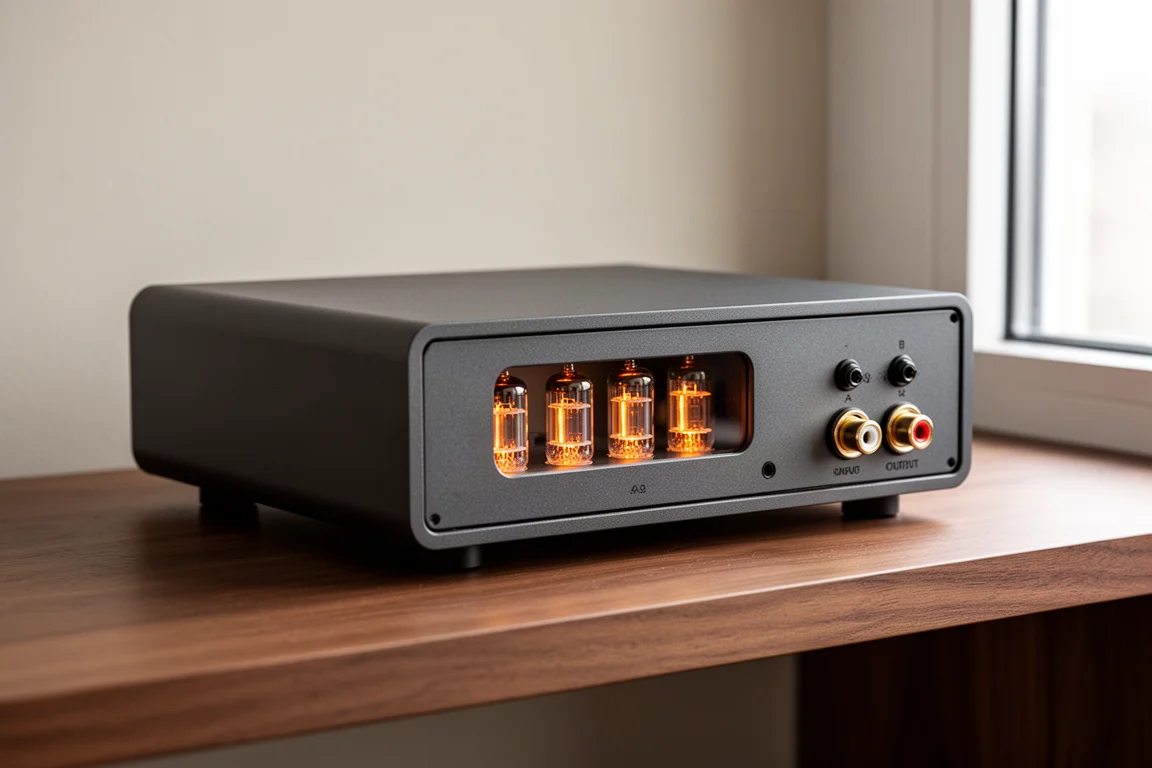
Inside, the design is all tube, with no solid-state parts in the signal chain, supported by a sophisticated power supply. The tube complement is four 12AX7 tubes made by JJ, and they are visible through a small window on the front panel.
That front panel carries no switches and no controls at all. At the rear you get a moving magnet input and a line output, and that is the whole interface. The power switch also lives on the rear panel, positioned close to the IEC power connector, which keeps the layout simple and avoids the cost of a separate front-panel switch. It is a true power switch rather than a standby control, so the unit is either fully on or fully off.
Each Spirit is handcrafted in California and receives 50 hours of burn-in at the factory. After burn-in, the specifications are checked and measured to confirm they are on target. Warranty coverage runs to two years.
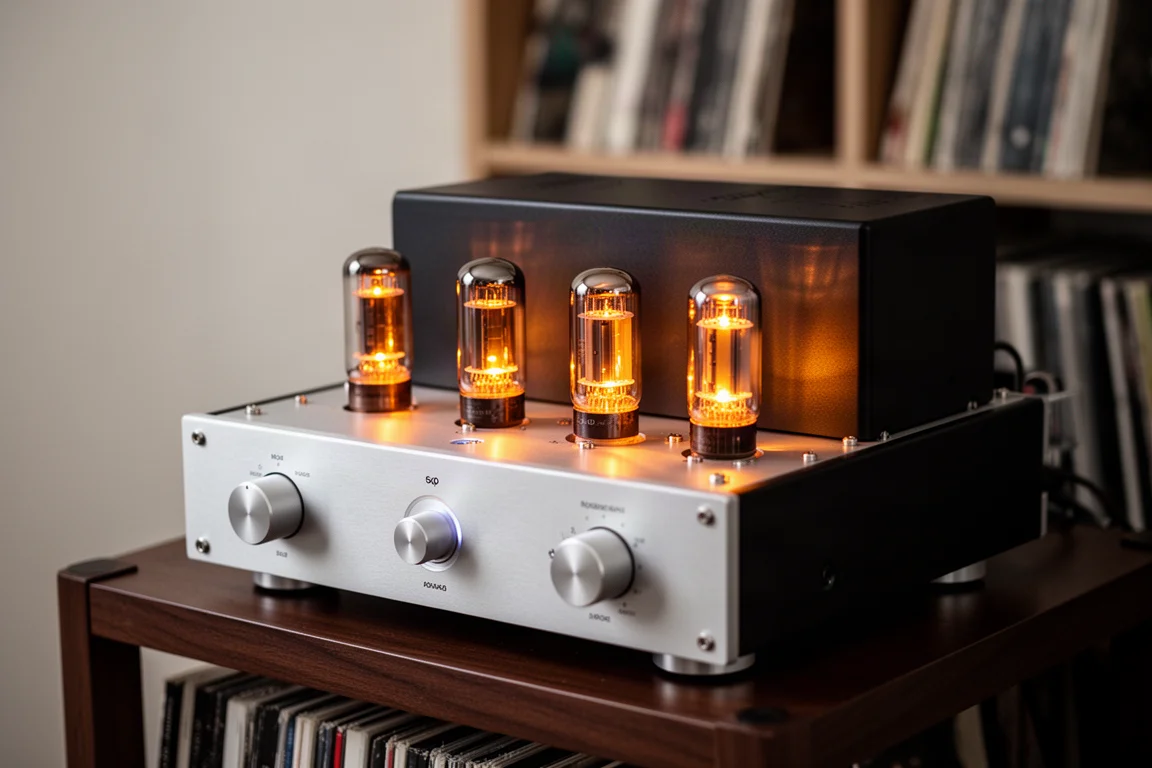
The absence of adjustments is a deliberate part of the appeal. There is nothing to fuss over and nothing to second-guess once the unit is connected.
Two Versions and One Upgrade Path
The Spirit comes in two versions. The moving magnet only model is priced at $2,997. The version that adds moving coil capability is $3,997, a $1,000 upcharge over the moving magnet model.
If you start with the moving magnet version and later decide you want moving coil support, the change is handled at the factory in California. Send the unit back and it can be converted, which keeps the decision reversible rather than permanent.
Zesto also offers a standalone step-up transformer at $3,600, and it is unusually flexible, with a broad range of loading and step-up ratio options that allow roughly 40 different step-up levels. Zesto does not sell direct. The brand works through brick-and-mortar dealers in the United States and through distributors worldwide, so a prospective buyer can see and hear the unit before committing.
Listening With the Zesto Andros Spirit
With a moving iron cartridge, whose output is close to that of a moving magnet, connected straight into the Spirit’s moving magnet input, the result was striking. Plucked strings on a harp and cello recording felt more correct and more truthful, and the transient energy of fingers on strings came through more clearly than through a solid-state alternative. The soundstage opened up noticeably, with a sense of recorded distance that felt just right.
With low-output moving coil cartridges routed through step-up transformers, the character was very different from the usual tube stereotypes. The Spirit did not sound soft, mellow, mushy or soggy. It sounded alive and clear, with a sense of dynamic freedom that made records feel immediate.
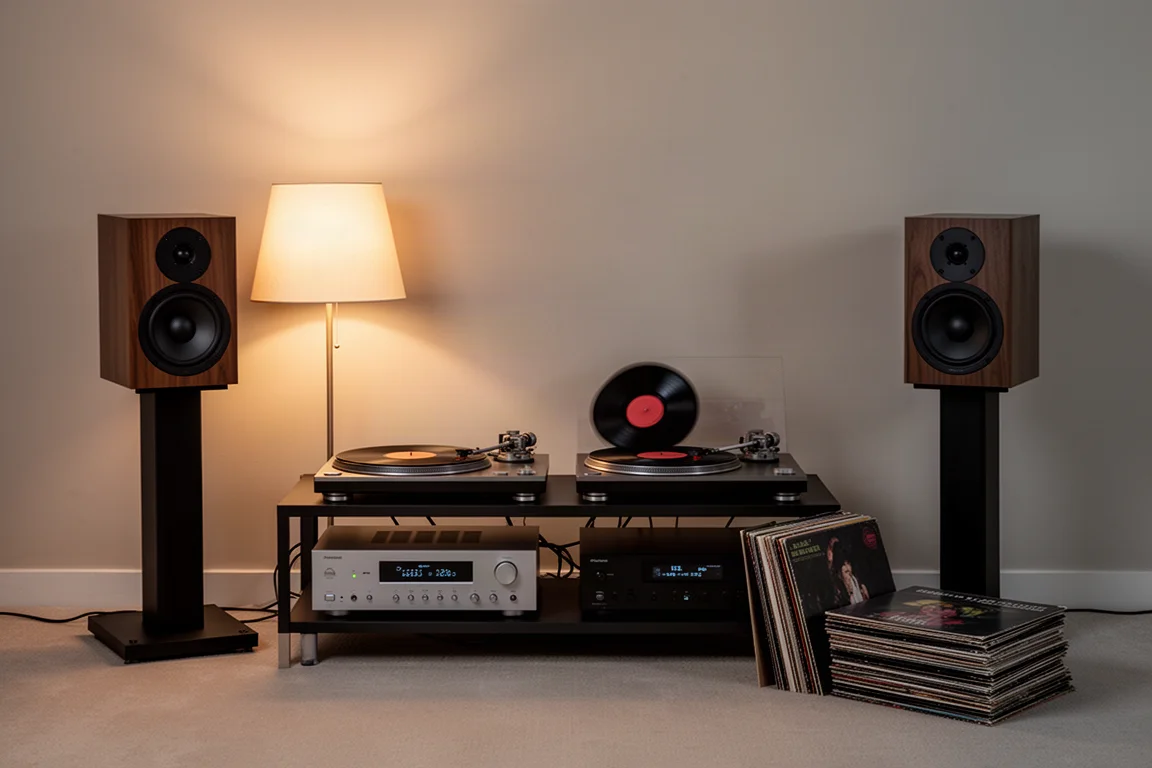
Individual records made the point repeatedly. The Rolling Stones’ Some Girls on a Mobile Fidelity pressing came across as more viscerally alive, with the drumming pushing the band forward and the bass lines sounding tight and clear. Gospel and soul recordings from The Staple Jr. Singers, including the 1975 debut When Do We Get Paid and the 2023 follow-up Searching, recorded in a small church in Mississippi, sounded authentic and unvarnished. Brian Eno’s Forever Voiceless, pressed on clear vinyl, filled the room with the speakers seeming to disappear, while its synth passages carried a kinetic force that was genuinely surprising. David Byrne and Brian Eno’s My Life in the Bush of Ghosts delivered a crackling energy that made the sessions behind it feel alive.
Step-Up Transformers With Moving Coil Cartridges
The premise behind this pairing is worth stating plainly. Instead of automatically choosing a high-gain moving coil phono input, running a low-output moving coil cartridge into a moving magnet phono stage through a step-up transformer can be a more interesting route, and in this case a more rewarding one.
Transformers vary enormously. Two step-up transformers can sound more different from each other than two similarly priced phono cartridges do. Some sound fat, others detailed and clear, and the outcome depends on the cartridge they are paired with, sometimes in unpredictable ways. A transformer and base combination can come in under $600 in total, while Zesto’s own flexible unit sits at $3,600.
For a vinyl-focused listener whose system already sounds good but has started to feel predictable, a step-up transformer into an existing moving magnet input is a worthwhile experiment before spending on a new cartridge.
Parasound JC3+: The Solid-State Reference
The Parasound JC3+ is a solid-state phono preamp that accepts both moving magnet and moving coil cartridges, and it has been a long-term reference in a vinyl system for around six years. Against that backdrop, the comparison is not about which unit is more capable on paper. It is about character.
Running the same cartridge and the same step-up transformer into the moving magnet input of each unit, the JC3+ delivered less energy and less excitement, with less of the anything-can-happen quality that the Spirit brought to the same records. Where it gave something back was in tonal balance: a fuller, softer, richer presentation with more body.
Straight into the moving magnet inputs with a moving iron cartridge, the harp and cello recording showed the same split. The JC3+ lost some of the transient energy of fingers plucking strings, while the cello sounded broadly similar on both units. The Spirit opened the soundstage further.
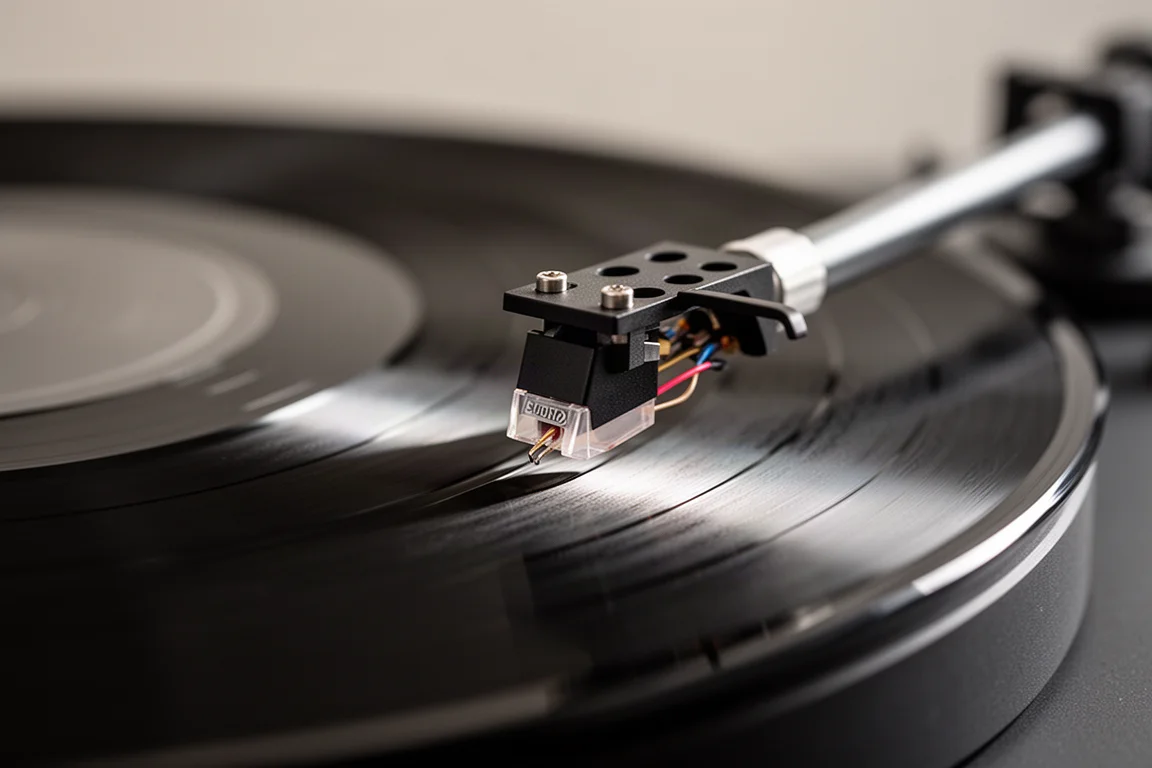
The JC3+ remains a component that has earned its place through years of use, and its fuller balance will suit listeners who find an energetic, forward presentation to be too much over long sessions.
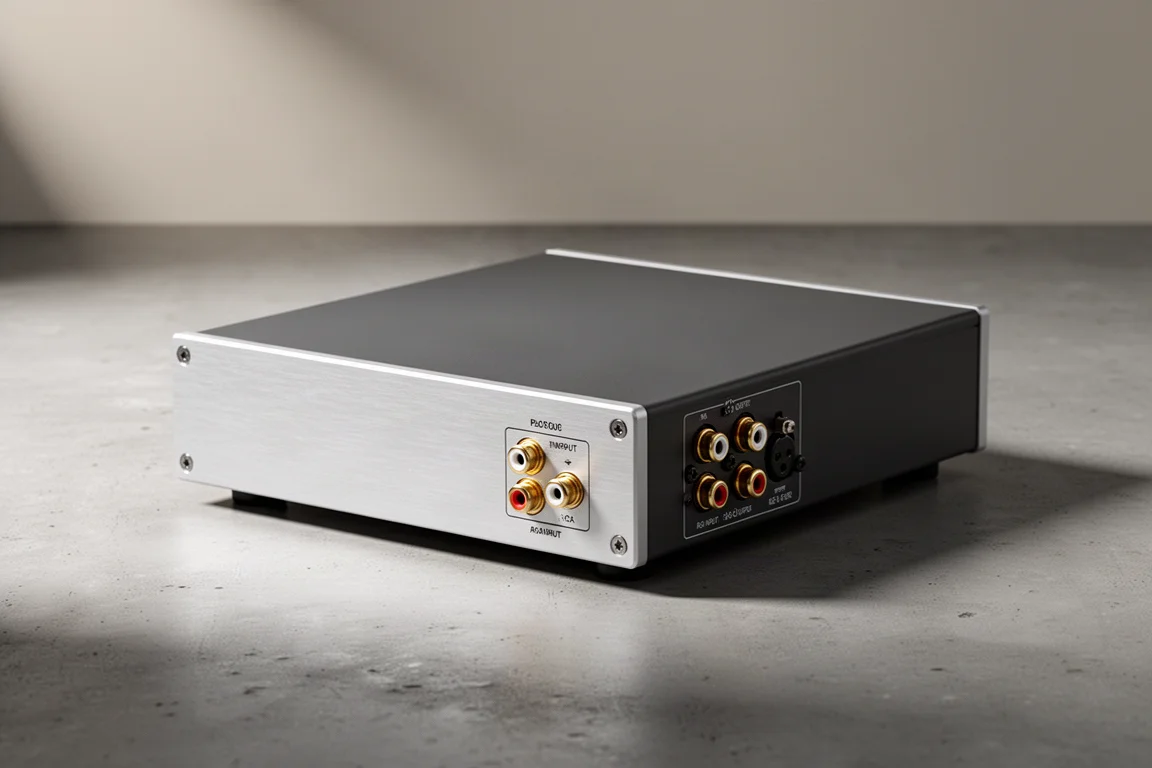
How the Two Preamps Compare
The Zesto Andros Spirit is the more energetic of the two, with spark and dynamic freedom rather than the warmth and fleshiness often associated with tubes. It is at its best with a moving magnet or moving iron cartridge going straight in, or with a low-output moving coil cartridge paired with a step-up transformer.
The Parasound JC3+ is the calmer, tonally richer option, and it covers moving magnet and moving coil cartridges in a single box without external transformers.
Both are premium purchases. The choice comes down to whether you want the livelier, more surprising presentation and are willing to work with step-up transformers, or you want a fuller, softer balance and simpler system building.
Buying Advice: Matching a Phono Stage to Your System
If you already own a moving magnet or moving iron cartridge, the moving magnet version of the Spirit at $2,997 is the natural starting point, and the factory upgrade path means choosing it does not lock you out of moving coil support later.
If you want moving coil capability in one box, the Spirit’s moving coil version at $3,997 and the Parasound JC3+ both cover it. If you already have a moving magnet phono input you like, a step-up transformer is the less expensive way to explore low-output moving coil cartridges, and Zesto’s own unit at $3,600 offers the widest adjustability of the options discussed here.
Because Zesto sells through dealers in the United States and distributors worldwide, an in-person listen is realistic before buying. With a two-year warranty and 50 hours of factory burn-in already completed before shipping, the Spirit arrives ready to be judged on how it sounds in your system rather than on setup fuss.
Conclusion
The Zesto Andros Spirit is an all-tube phono preamp that does not sound like the tube cliché. With a moving magnet or moving iron cartridge straight into its input, or with a low-output moving coil cartridge running through a step-up transformer, it brings life, spark and dynamic freedom to records. The Parasound JC3+ answers with a fuller, softer, tonally richer balance and the convenience of on-board moving coil support.
Both are serious premium components. The right one depends on whether your priority is the livelier, more immediate presentation of the Spirit or the calmer, richer character of the JC3+.
Further reading
Related Reviews
Phono Preamps
Ampapa A1 Review: A $130 Tube Phono Preamp With Tone Controls
A compact tube phono preamp with bass and treble controls, a headphone output, and a design-origin claim worth reading carefully.
Phono Preamps
Three Phono Preamps Worth Considering: Budget, Detail, and Flexibility
Three phono preamps at three price points, compared by sound, adjustability, and cartridge compatibility so you can pick the right one for your vinyl setup.
Phono Preamps
Duke Audio T4 Plus vs Andover Phono Preamp: Which One Suits Your Turntable?
A tube phono preamp at around $100 against a $250 model with an extra analog input: how the Duke Audio T4 Plus and the Andover Phono Preamp differ in sound, features, and value.