Phono Preamps
Duke Audio T4 Plus vs Andover Phono Preamp: Which One Suits Your Turntable?
A tube phono preamp at around $100 against a $250 model with an extra analog input: how the Duke Audio T4 Plus and the Andover Phono Preamp differ in sound, features, and value.
Introduction
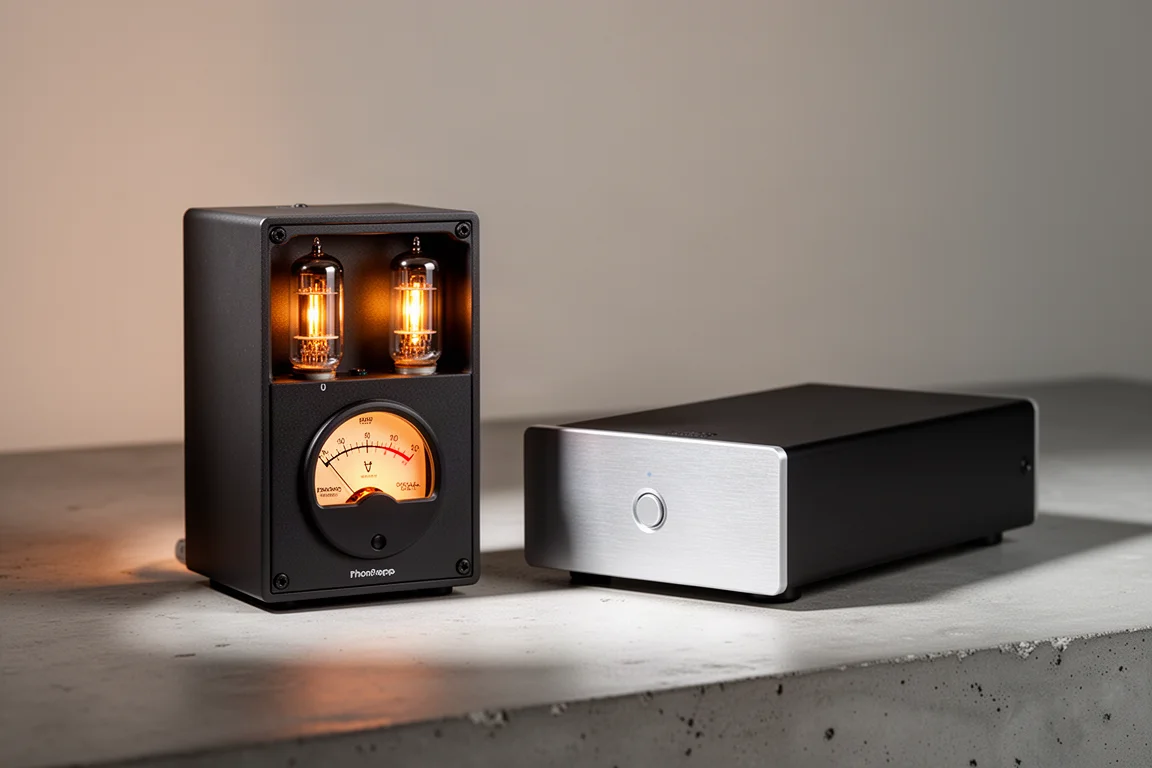
Two phono preamps, two very different price points. The Duke Audio T4 Plus sits at around $100, and the Andover Phono Preamp comes in at $250. Both handle moving magnet and moving coil cartridges, both add an extra analog input so they can double as a simple line stage, and both are aimed at listeners who want a step up from a built-in turntable stage.
Andover is the company behind the Spin system, a family that includes a turntable, a speaker base, a subwoofer, and a rack, and this preamp extends that lineup. Duke Audio takes a different route, using tubes and a VU meter to give the T4 Plus a more hands-on character.
The gap between them is more than double, which raises a fair question: does the more expensive unit justify the difference, or does the compact tube model deliver most of what most listeners actually need?
What Matters in a Phono Preamp at This Price
At this end of the market, a few things separate a good phono preamp from a compromise. Cartridge support comes first: moving magnet is the baseline, while moving coil support widens the range of cartridges you can use. Adjustability matters just as much, since dip switches that let you set gain and loading make it easier to match the preamp to a specific cartridge.
Noise floor is the next consideration. A quiet preamp lets the surface of the record come through without added hiss, and it makes a bigger audible difference than most spec sheets suggest. Connectivity rounds things out: an extra analog input is genuinely useful if you want to run a second source through the same box.
Price positioning matters here too. Phono preamps in this segment typically start around $60 for import models, move into the $100 to $150 range for well-known mid-tier options, and reach roughly $200 to $250 at the top of the category.

Because both of these preamps cover the same fundamentals, the real differences come down to voicing, feature set, and how each one matches the cartridge on your turntable.
Duke Audio T4 Plus: Tubes, VU Meters, and a Budget Price
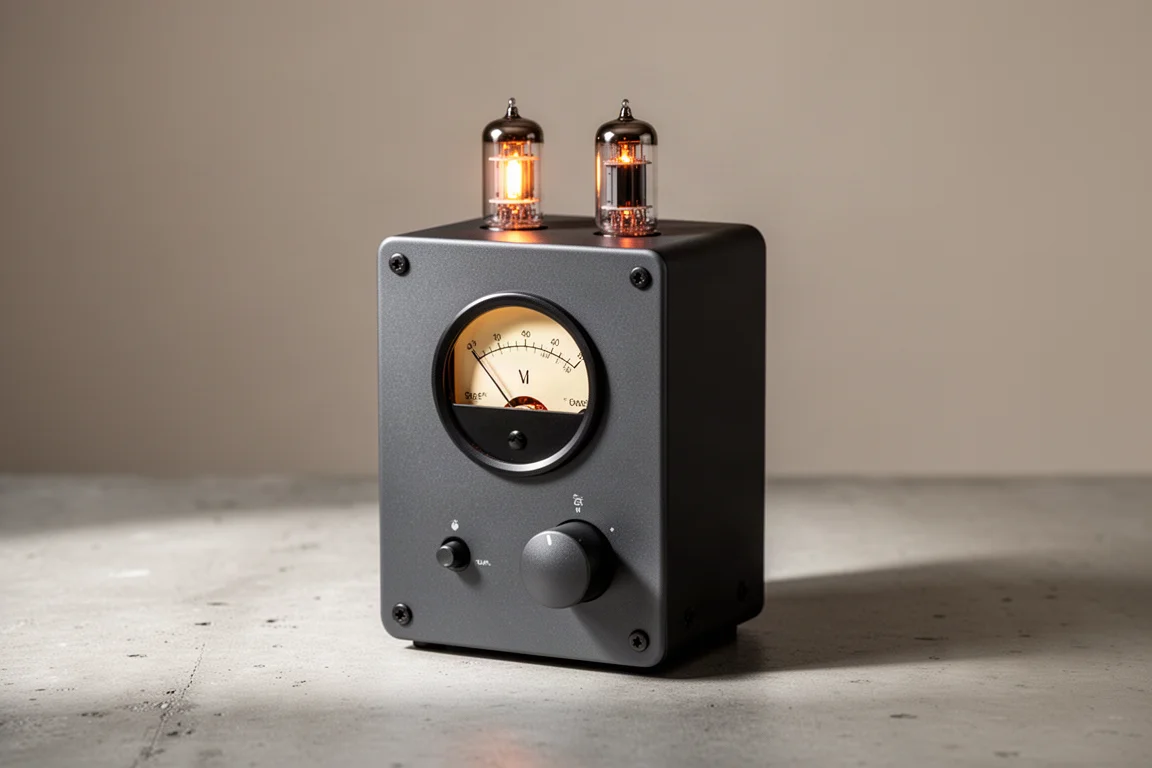
The T4 Plus is built around two tubes, a GE JAN 5654 type, and it puts a VU meter on the front panel. A volume knob sits alongside a headphone output, which is an unusual addition on a phono preamp but consistent with the rest of the Duke Audio range.
The rear panel covers the essentials for vinyl: a grounding post, a phono input, and dip switches for setting the unit to moving magnet or moving coil and matching it to a cartridge. There is also an auxiliary input and a line output, so the T4 Plus can serve as a preamp for a second analog source.
In use, the T4 Plus sounds fuller and more dynamic than its price suggests. It can give up a little detail and clarity depending on which cartridge it is paired with, but it compensates with punch and presence. Because the tubes are user-replaceable, the voicing can be adjusted further by trying different tubes.
Build Quality and Everyday Ergonomics
The T4 Plus stands vertically, which keeps its footprint small on a shelf or rack, and the VU meter adjustment sits on the side of the enclosure. The volume knob moves smoothly, and the layout keeps the controls you use most within easy reach.
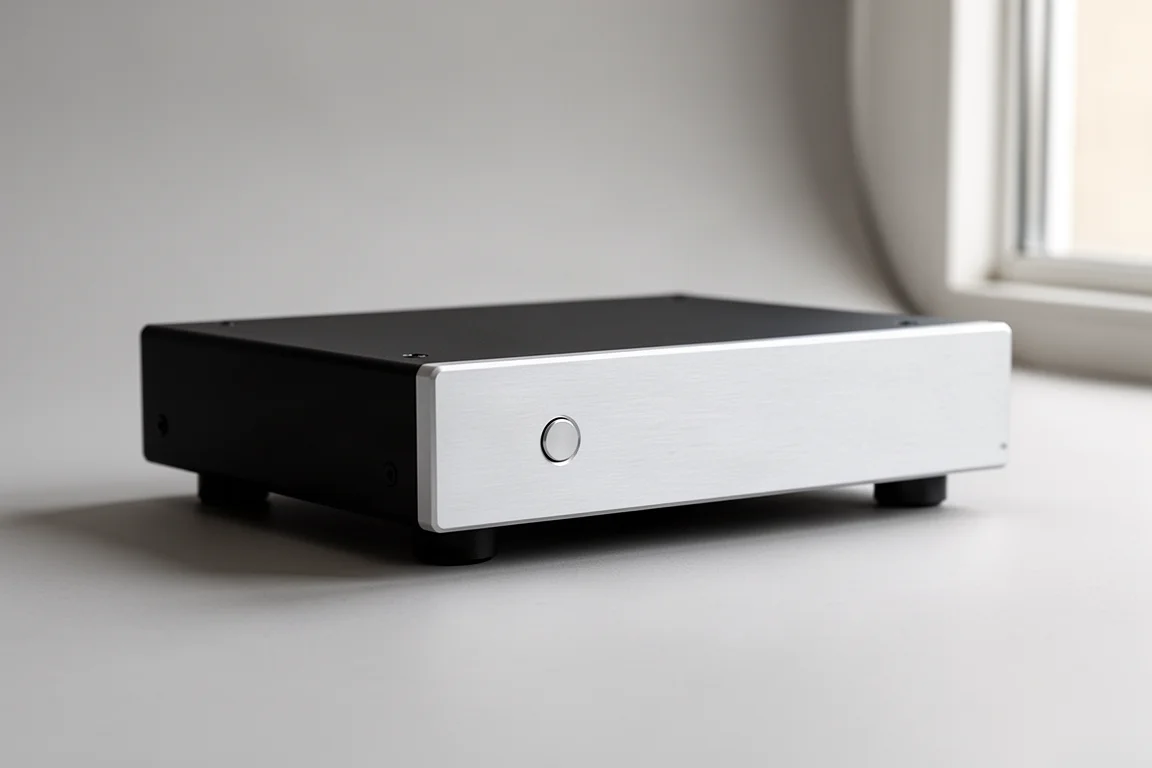
The Andover preamp takes a different approach. Its enclosure is similar in style to the acrylic streamer in the same family, and the coating has a slightly rough texture. The front plate does not convey the feel of a $250 component, even though nothing about it is functionally wrong. That is worth knowing before buying if the finish of your other components matters to you.
Andover Phono Preamp: Clean, Quiet, and Flexible
The Andover preamp handles both moving magnet and moving coil cartridges, with a toggle switch on the back to select between them and dip switches for dialing in the amplification to suit your cartridge. A grounding post sits alongside a phono input, one RCA analog input, and one 3.5mm input. Output is a standard RCA pair that runs to an integrated amplifier, receiver, or hi-fi system, and power comes in through a 15 volt input. The front panel keeps things minimal with an input button.
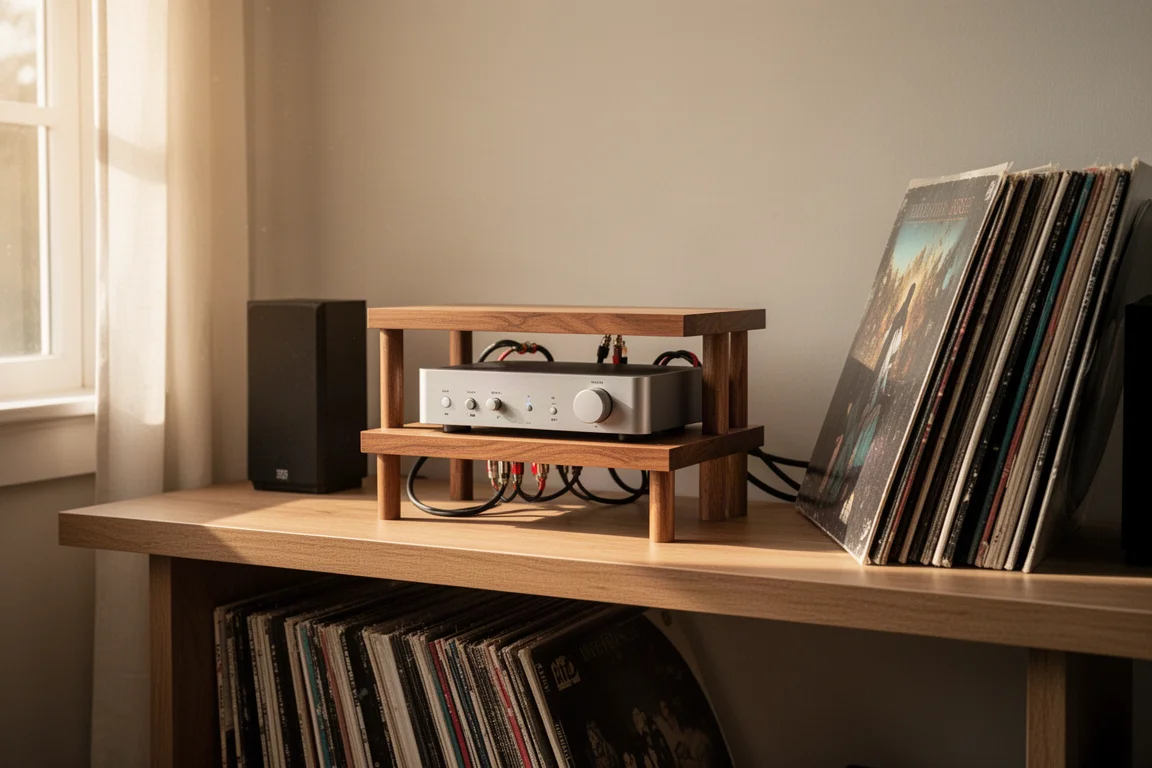
Sonically, the Andover leans clean. The noise floor is low, and it opens up the presentation with a little more sense of space than the Duke Audio. It also sounds less colored, which some listeners will read as accuracy.
Moving Magnet and Moving Coil Support Compared
Both preamps support moving magnet and moving coil cartridges, and both use dip switches on the rear panel to set gain and loading. That puts them on even footing on paper.
Price changes the practical picture, though. A moving coil cartridge often costs more than the Duke Audio T4 Plus itself, so its moving coil support is more of a bonus than a primary reason to buy. The Andover’s higher price makes moving coil use a more realistic pairing, and its extra analog input gives it more flexibility in a system with more than one source.
Sound Character: Where These Two Diverge
With a copy of the remastered Black Album on vinyl, the two preamps pulled different things out of the same record. The Andover delivered more texture and tone from the bass line, while the Duke Audio delivered more of it overall. The Andover was cleaner and clearer, but the Duke Audio felt more dynamic, punchier, and more emotionally involving.
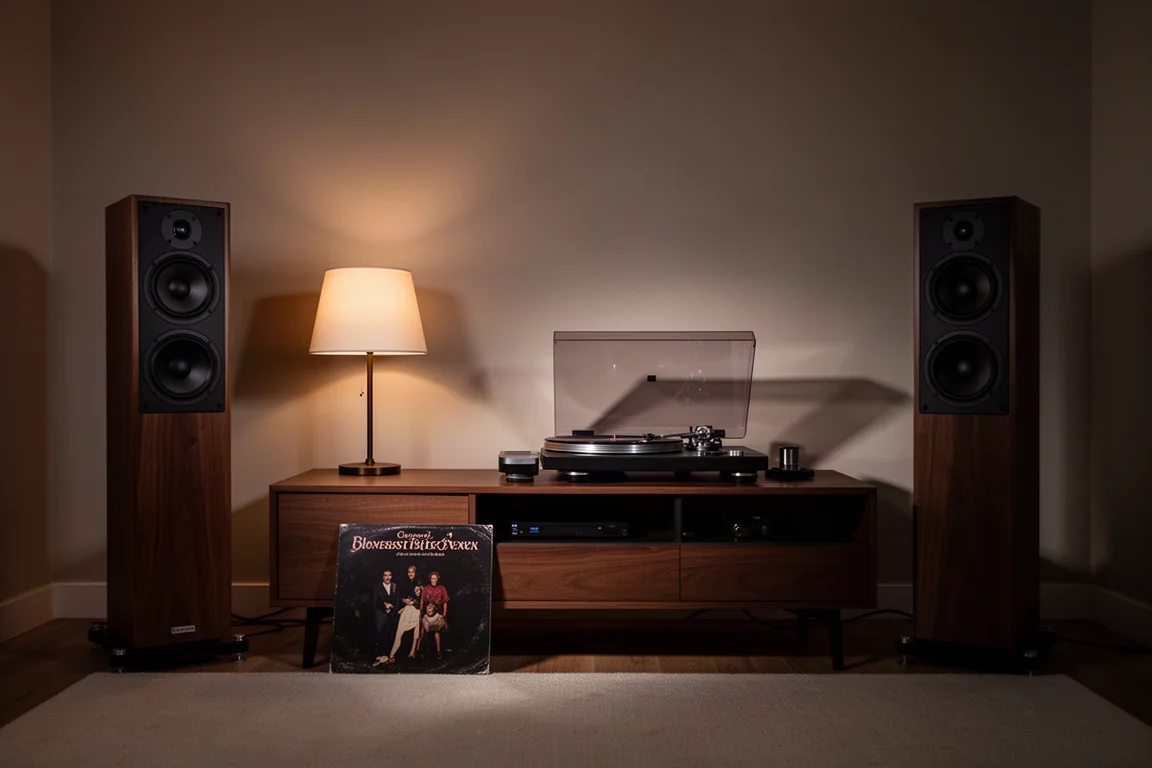
The Andover reads as safe and neutral, which suits quieter or less dynamic recordings where you want to dig into the midrange. The Duke Audio reads as fun, with a fuller presentation that can make up for a little lost clarity. Neither is doing anything wrong; they simply prioritize different parts of the performance.
Matching a Preamp to Your Cartridge
Cartridge pairing is where these two separate most clearly. Warmer, more bass-focused cartridges, such as the MP-110, tend to suit the Andover’s cleaner character. The Duke Audio T4 Plus works well with cartridges such as the OM5, OM10, OM5e, and 2M Red, where its fuller voicing balances a leaner cartridge.
Buying Advice
If you want the most features for the least money, the Duke Audio T4 Plus is the easier recommendation. It brings tubes, a VU meter, a headphone output, an auxiliary input, and a small vertical footprint, and it does all of that at around $100 with a coupon currently available. The main trade-off is a little less clarity, along with a headphone output that some listeners will never use.

The Andover Phono Preamp makes sense if a low noise floor, a more open presentation, and an extra 3.5mm input are worth the premium to you. It is a clean, well-behaved preamp that handles both cartridge types, but at $250 it sits at the very top of this segment, and its dynamics do not reach as high as less expensive options in the category. Buyers who want to spend that much should know that a good part of the price is going toward the extra analog input rather than outright sound quality.
Conclusion
Both preamps are solid choices at their respective prices, and the decision comes down to priorities. The Duke Audio T4 Plus offers more character, more features, and more value for around $100. The Andover Phono Preamp offers a cleaner, quieter presentation with extra connectivity for $250. Match either one to the cartridge you actually own, and you will get a meaningful step up from a basic built-in phono stage.
Further reading
Related Reviews
Phono Preamps
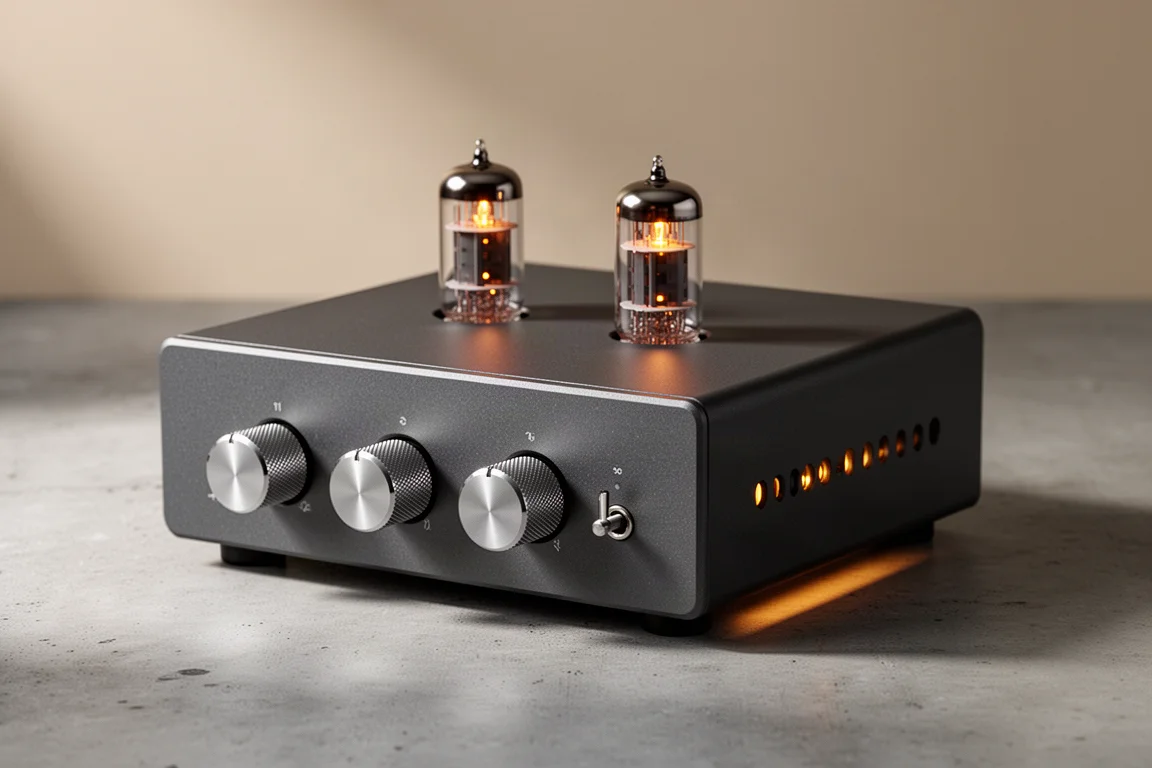
Ampapa A1 Review: A $130 Tube Phono Preamp With Tone Controls
A compact tube phono preamp with bass and treble controls, a headphone output, and a design-origin claim worth reading carefully.
Phono Preamps
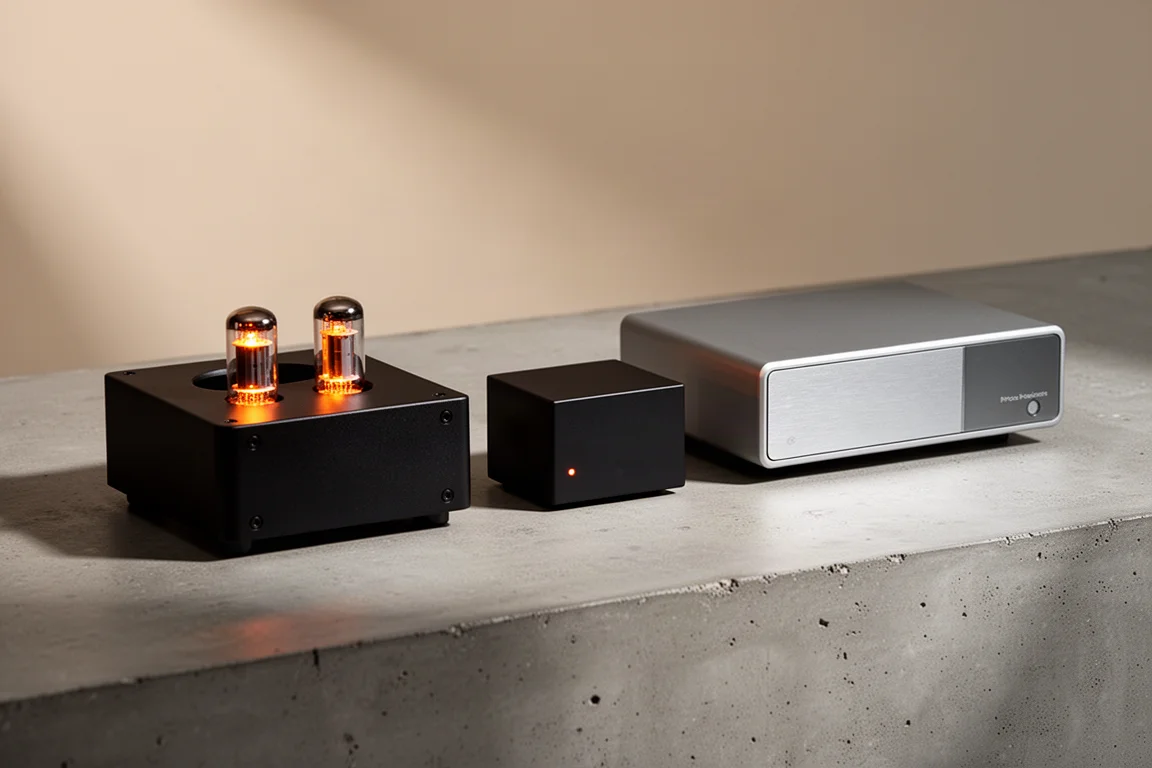
Three Phono Preamps Worth Considering: Budget, Detail, and Flexibility
Three phono preamps at three price points, compared by sound, adjustability, and cartridge compatibility so you can pick the right one for your vinyl setup.
Phono Preamps
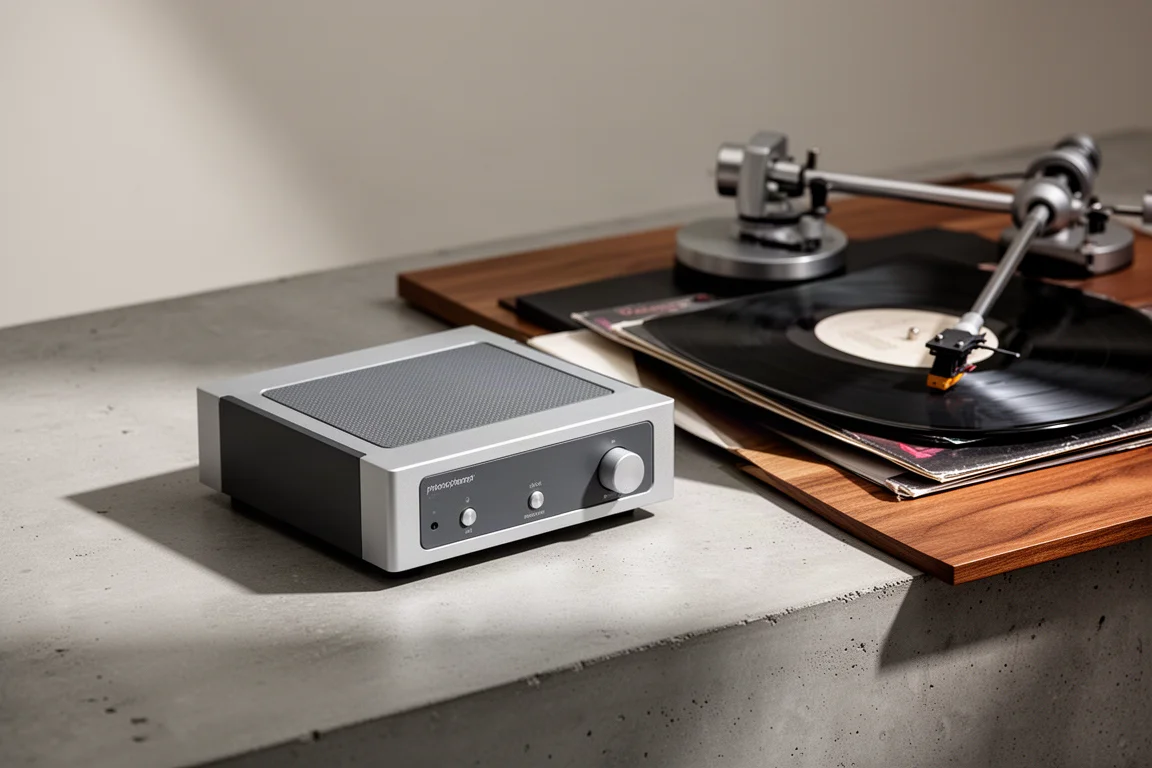
iFi Zen Phono 3 Review: Affordable Vinyl Sound Worth the Upgrade
A close look at the iFi Zen Phono 3, an affordable phono preamp with moving magnet and moving coil support, a balanced 4.4mm output, and a remarkably quiet noise floor.