Portable Power Stations
Zendure Super Base V Review: Big Semi-Solid-State Power You Can Wheel Around
A hefty, highly expandable portable power station with semi-solid-state batteries, up to 64kWh of capacity, and 120/240V output.
Introduction
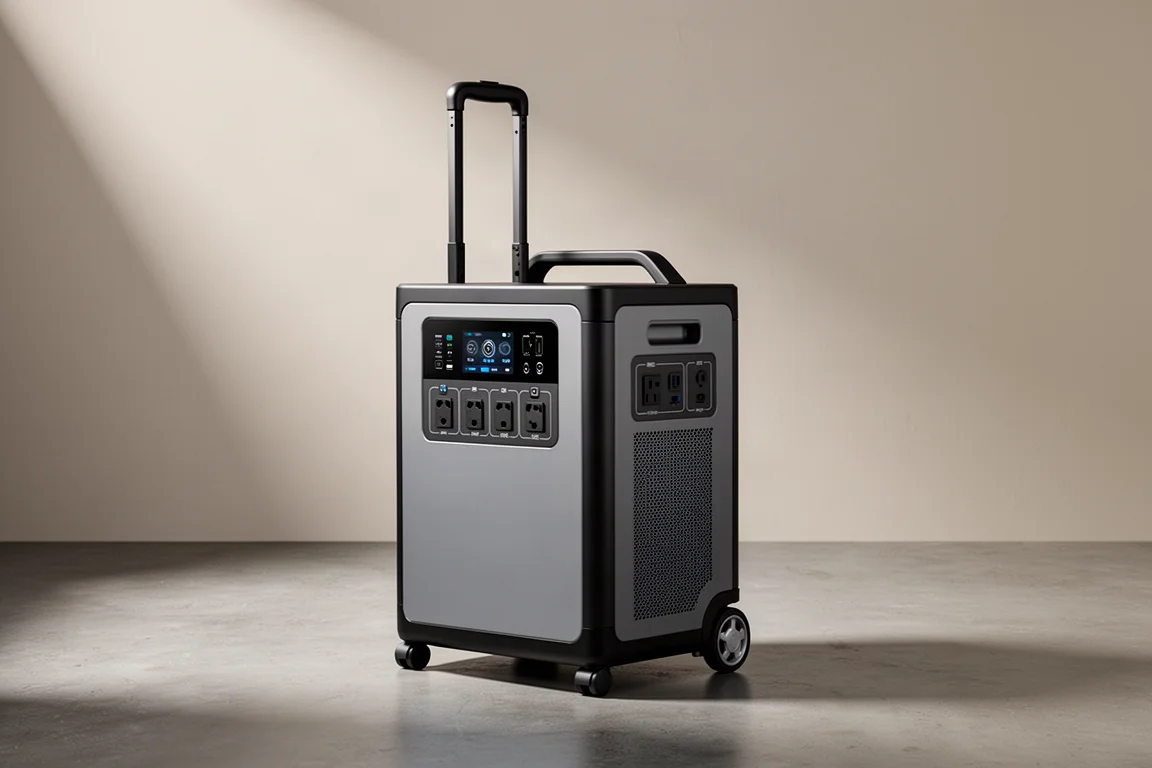
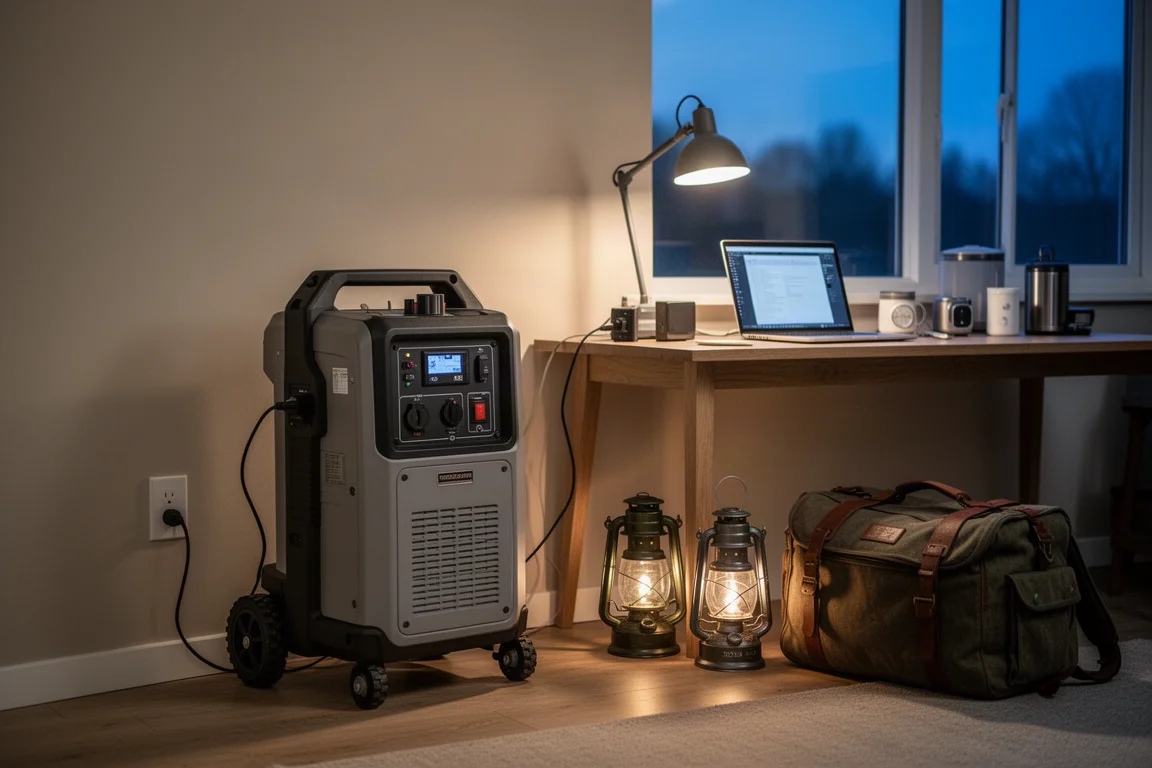
The Zendure Super Base V is one of the larger portable power stations we have handled, and calling it portable is honestly a bit of a stretch. It is more like a semi-permanent home backup system on wheels: take it where you need it, install it, and leave it there for a long time. If you sell the house, it goes with you. If you want it at the cabin for the summer, that works too.
What makes it genuinely interesting is the battery chemistry. There is no lithium ion, no lithium polymer, and no LiFePO4 here. This is one of the first units we have covered with semi-solid-state batteries, and Zendure is refreshingly honest about the trade-offs: roughly half the life cycles of LiFePO4, a slightly better charge temperature range of -20 to 45 Celsius, and a claimed 10-year lifespan versus about 8 years for LiFePO4.
Who This Product Is For
This is for someone who wants serious home backup capacity without a permanent installation and the insurance headaches that can come with one in states like California or Florida. With configurations spanning 6.4kWh to 64kWh of capacity and 3,800 to 7,600 watts of output, it can realistically run most of a house, kitchen included. It also handles EV charging natively, with built-in tech that understands what the EV needs and directs power accordingly.
It is a poor fit, however, for small RV life unless you have something like a toy hauler with a ramp. This unit is an absolute beast to move around, and squeezing it in and out of a typical RV would be a constant struggle.
Main Strengths
The semi-solid-state battery chemistry is the headline. You get a claimed 10-year lifespan and better cold-weather tolerance than LiFePO4, at the cost of roughly half the cycle life. If you cycle the battery lightly as a backup rather than daily, that trade makes sense.
The zero-downtime online UPS feature is another genuine strength. Keep it plugged into the grid, and if the power goes out, it switches to battery so quickly that your electronics, a PC, or a CPAP will not notice the difference.
Output is flexible too. Using its GridFlow 2.0 real-time bidirectional inverter technology, it delivers both 120V and 240V, so it can handle whatever your appliances demand, and it supports built-in EV charging.
Ports and Handling
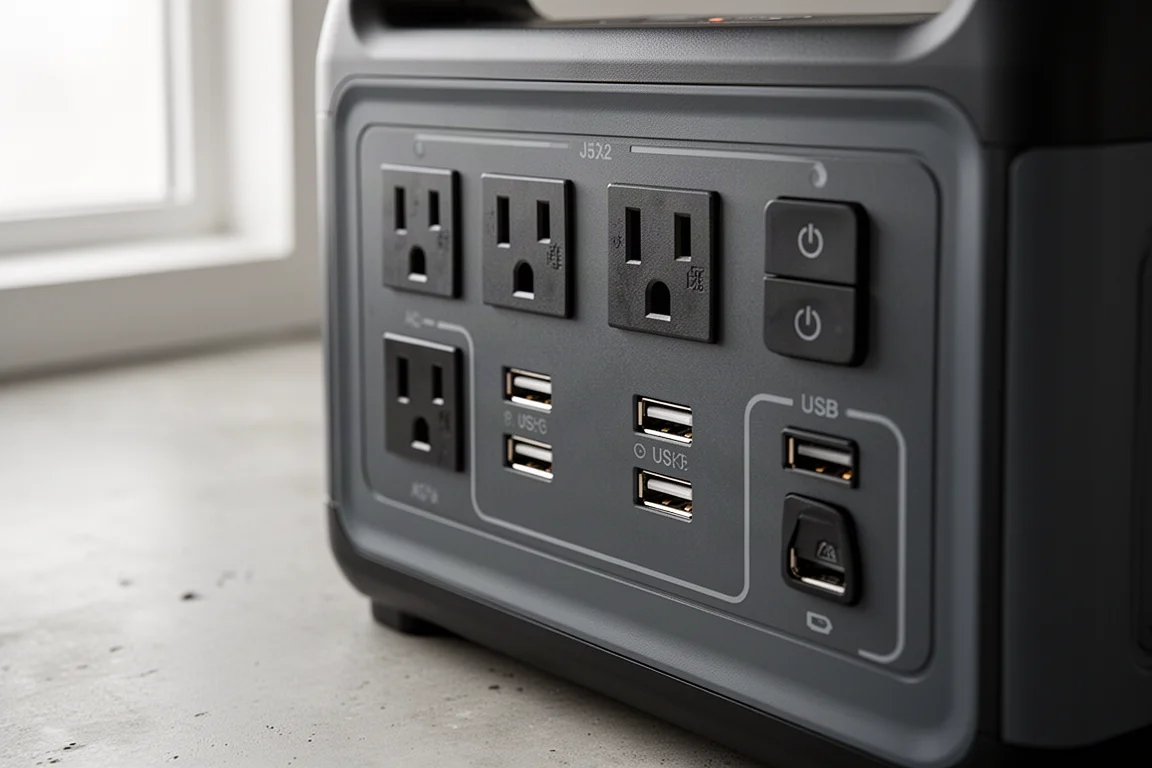
The front panel carries the full display and a generous port selection: USB-A, four USB-C ports rated 100W, 100W, 20W, and 20W, AC outlets, all the control buttons, and a 120/240V 30-amp outlet rated at 16 amps max, which is genuinely unusual for this category.
Around the back there is a standard 110V AC input, a reset, and a charging-percentage control that lets you slow-charge to extend battery life, plus a port for the ZendCharge connection and a DC input on the bottom for solar. The luggage-style handle extends for pulling, and the rear wheels have power assist: not truly motorized, you will not ride it like a go-kart, but as you start to pull, the motors pitch in, which matters because this thing is hefty.
The Power Gauntlet Test
We put it through a real-world torture test. Three Sanders, grinders, and a small air compressor ran simultaneously, with startup spikes jumping to 11 and beyond, and the unit shrugged them off. The small compressor initially caused a spike that tripped it, but restarting in a different sequence let everything run together.
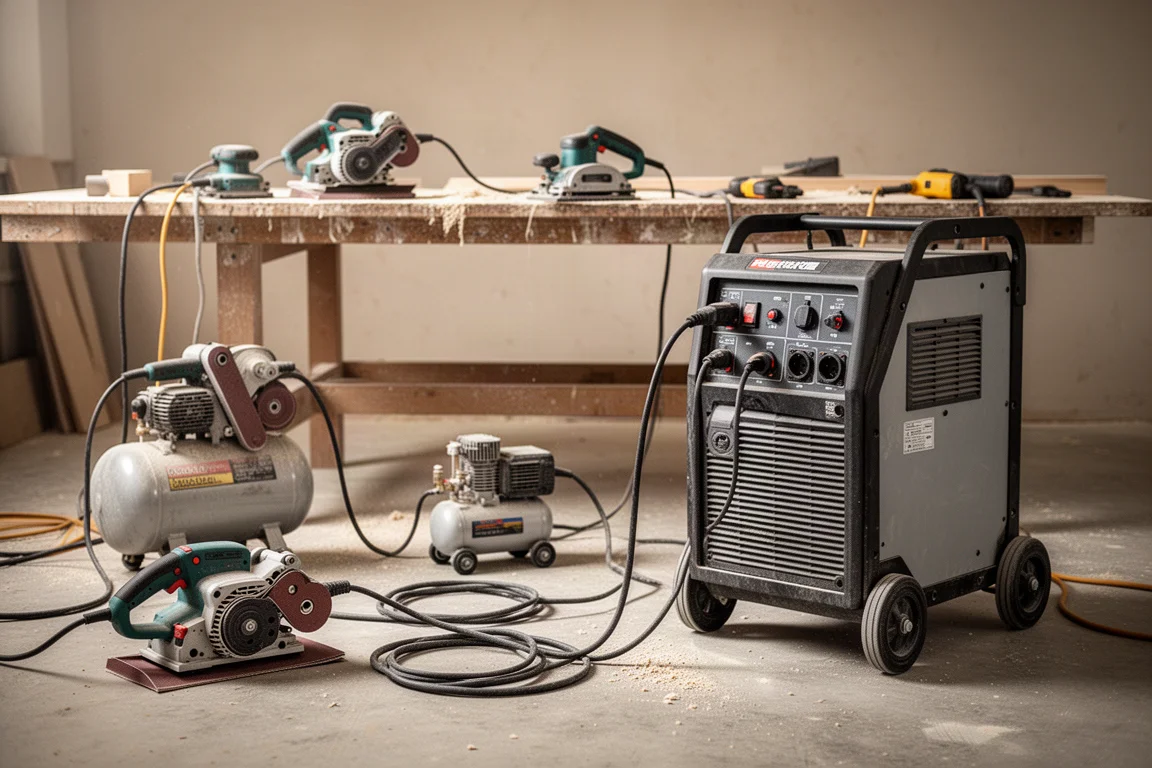
Then came the bigger loads: a DeWalt pulling around 900W, a large air compressor that spiked to 16, and combined loads reaching 26 and 27. At the highest stacked spike it tipped into overload protection and shut down, which is exactly what it should do. Overall it held up well against everything a workshop could reasonably throw at it.
Expandability and Output
This is one of the most expandable portable power systems available. Configurations range from a single base unit, to base plus battery, to two base units with batteries stacked on top. Each unit interconnects with the next, so a single cord links the whole stack.
The clever part is that combining base units extends the inverter as well as the storage: you get more battery capacity and more inverter power. Capacity ranges from 6.4kWh to 64kWh, and output from 3,800W on a single base unit to 7,600W with both running. Charging reaches about 5,100W on its own, or 6,600W when connected to a satellite battery.
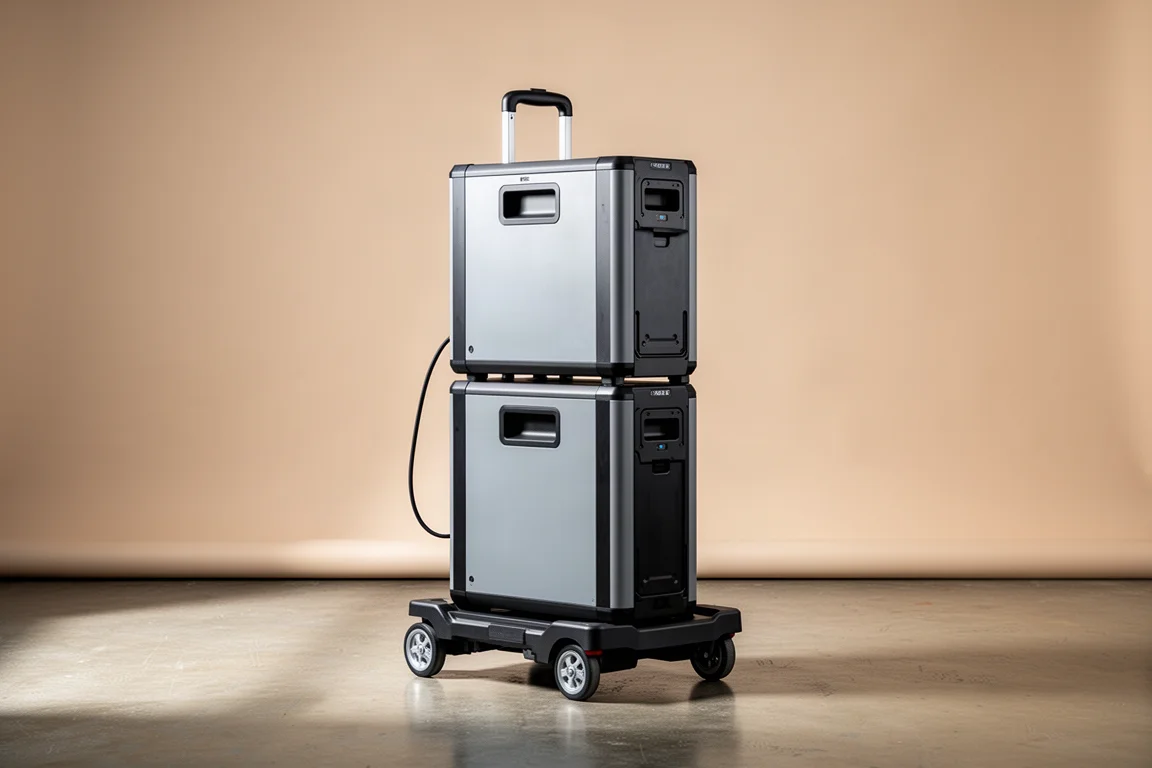
Extra batteries dock into recesses on top of the base unit, slotting straight down into place, which keeps the stacking simple and tidy.
Things to Consider Before Buying
The cycle-life trade-off is the main thing to weigh. Semi-solid-state gives you about half the life cycles of LiFePO4, so heavy daily cycling is not what this unit is built for. Weight and bulk are the second consideration: this is a two-hand, power-assisted-move kind of machine, and it is not a good match for small RVs without a loading ramp.
Buying Advice
Pricing sits at about $4,499 normally, but a large Black Friday promotion drops it to $2,699 on November 23, 24, and 27, the week of Black Friday and Cyber Monday. If this unit is on your radar, that sale window is the time to buy.
If you want whole-house-capable backup that stays put but travels when you do, this is a very strong choice. If you need something light for weekend camping or a small trailer, look elsewhere.
Conclusion
We came away genuinely impressed. A ton of power, a ton of expandability, honest chemistry trade-offs, and a UPS that switches fast enough that your electronics will never notice. For buyers wanting flexible, semi-permanent backup power they can actually move, the Super Base V is a solid pick.
Product link
View more details for Zendure Super Base V
This product is mentioned in the review. Check the specifications, options, and compatibility before buying.
View more details for Zendure Super Base VFurther reading
Related Reviews

Portable Power Stations
Anker SOLIX F3000 Review: A Powerful Portable Power Station With a Few Design Quirks
The Anker SOLIX F3000 delivers strong performance, fast charging, and a competitive price, but a few design choices may give you pause.

Portable Power Stations
EcoFlow Delta 3 Series: Five New Power Stations Previewed
EcoFlow expands the Delta 3 lineup with five models, from the compact Classic to the flagship Ultra Plus. Here is what each one offers.
Portable Power Stations
Oscal Power Max 6000 Review: A Large Solar Generator With Real Trade-Offs
A week of off-grid use shows what the Oscal Power Max 6000 handles well, where it falls short, and when a fuel generator still makes more sense.