Stationery
Zebra Knock Pencil M-1700 Review: The Classic Drafting Staple Returns
Zebra revives its legendary Knock Pencil series with the M-1700, a simple, lightweight mechanical pencil built around pure writing comfort.
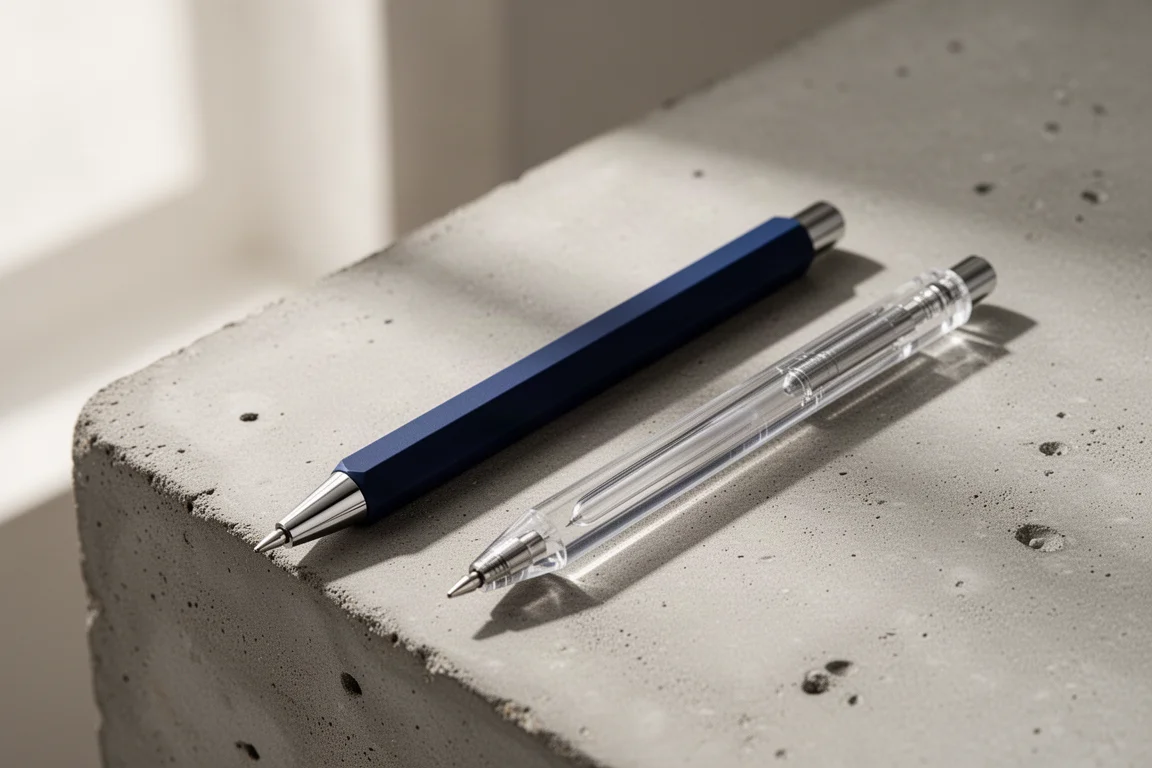
Introduction
Every so often a stationery brand brings back a product that never really left people’s hearts. Zebra has done exactly that with the Knock Pencil M-1700, released on March 4, 2024, at a tax-included price of 220 yen. It revives a line that helped define the modern mechanical pencil, and it does so without overcomplicating things.
After spending real writing time with it, the M-1700 comes across as a pencil that knows exactly what it wants to be: simple, light, and genuinely comfortable to use.
A Quick History of the Knock Pencil Series
Knock-style mechanical pencils first appeared in the 1960s, but their high price, often 50,000 yen or more, kept them from catching on. Metal barrels were the norm at the time because durable plastics simply did not exist yet.
That changed in 1980 when Zebra launched the Knock Pencil M-1300. Its pencil-like shape felt familiar, and its 100-yen price made it accessible to everyone. Sales took off, and the model became a driving force behind the mechanical pencil boom. The series continued through the M-1400, M-1500, and M-1600 before being discontinued in 2001 as feature-packed pencils took over the market.
Demand never faded, though. Users kept asking for a simple, practical pencil to return, and Zebra answered with the M-1700.
Design and Build: Simple, Light, and Thoughtful
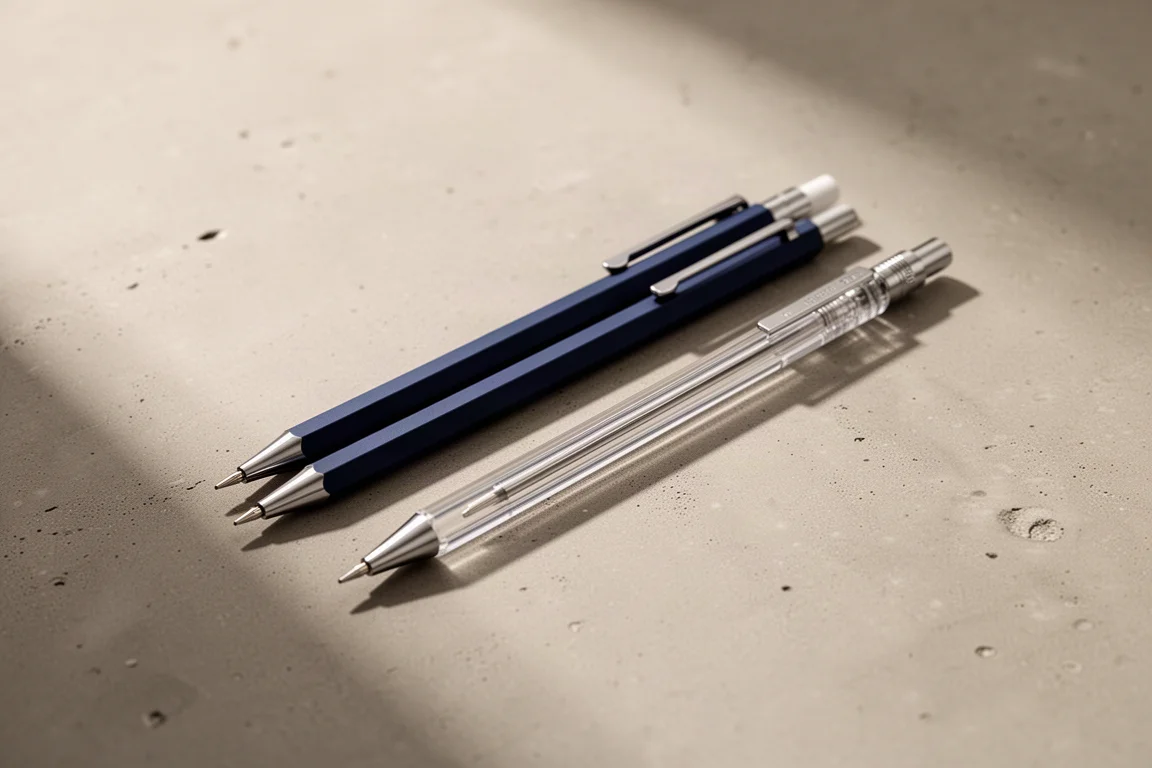
The M-1700 keeps the resin hexagonal barrel of the original M-1300 but softens the corners so the grip no longer digs into your fingers, even when you hold it firmly. Combined with its light weight, it stays comfortable over long writing sessions.
It comes in five colors: navy, gray, white, black, and transparent. The fixed tip is not a guide pipe, but it supports the lead firmly with no noticeable wobble. The resin grip section can be removed, and the chuck that feeds the lead is also resin. There is no clip, which means you cannot clip it to a notebook or pocket, but it also means nothing presses into your hand while writing. Side bumps near the knock section keep the pencil from rolling off a desk.
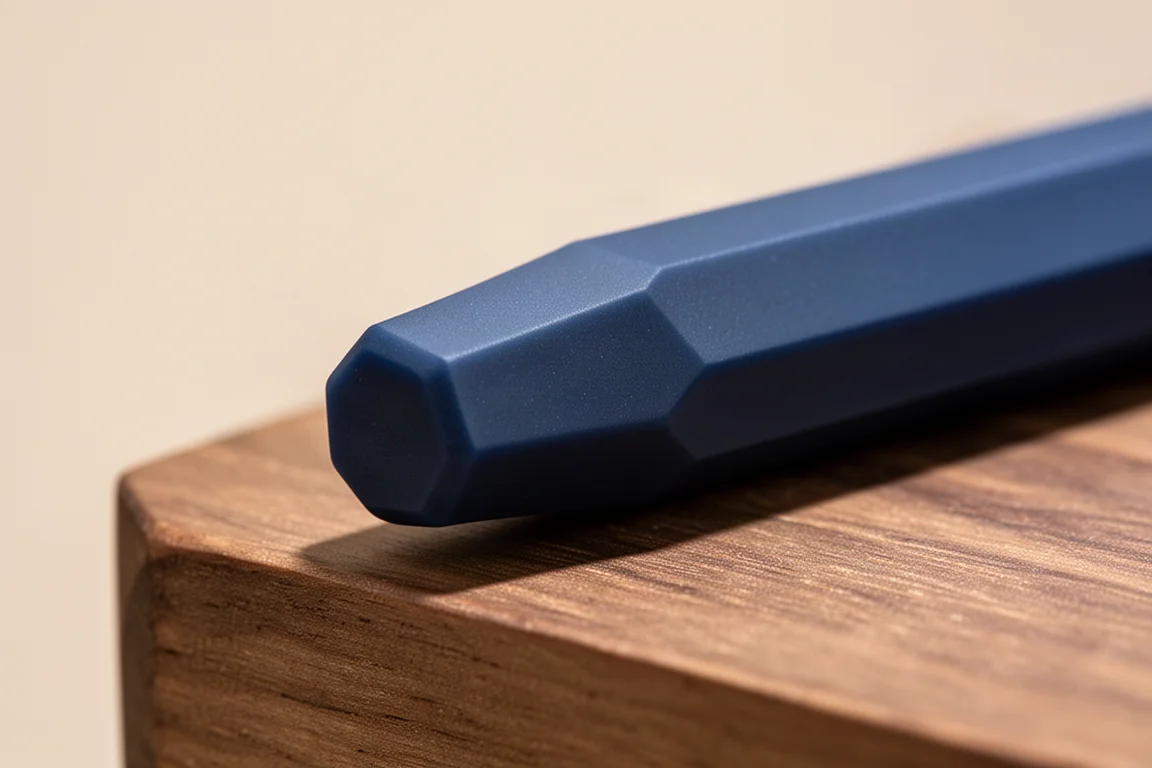
Instead of a knock cap, the eraser is always ready to use. It is a rotating, twist-out eraser that is long and high-capacity, so you can use it aggressively. Replacement erasers are sold under the N reference in a three-pack for 110 yen tax included. To replace one, pull off the knock section, extend the eraser fully, and it comes out easily. When reassembling, align the notch inside the knock section until it clicks into place.
Shake Mechanism and Specifications
The M-1700 uses a knock mechanism that requires a fairly deep press, though the feel is reasonably crisp. It also includes a shake mechanism: a small metal weight inside the barrel slides up and down to advance the lead when you shake the pencil. It takes a firm shake or two to get the right length of lead out.
That firmness has an upside. Because simply moving the pencil does not trigger the mechanism, the lead will not feed accidentally when the pencil jostles around inside a pen case. The low center of gravity, with the weight sitting low in the barrel, keeps the balance steady.
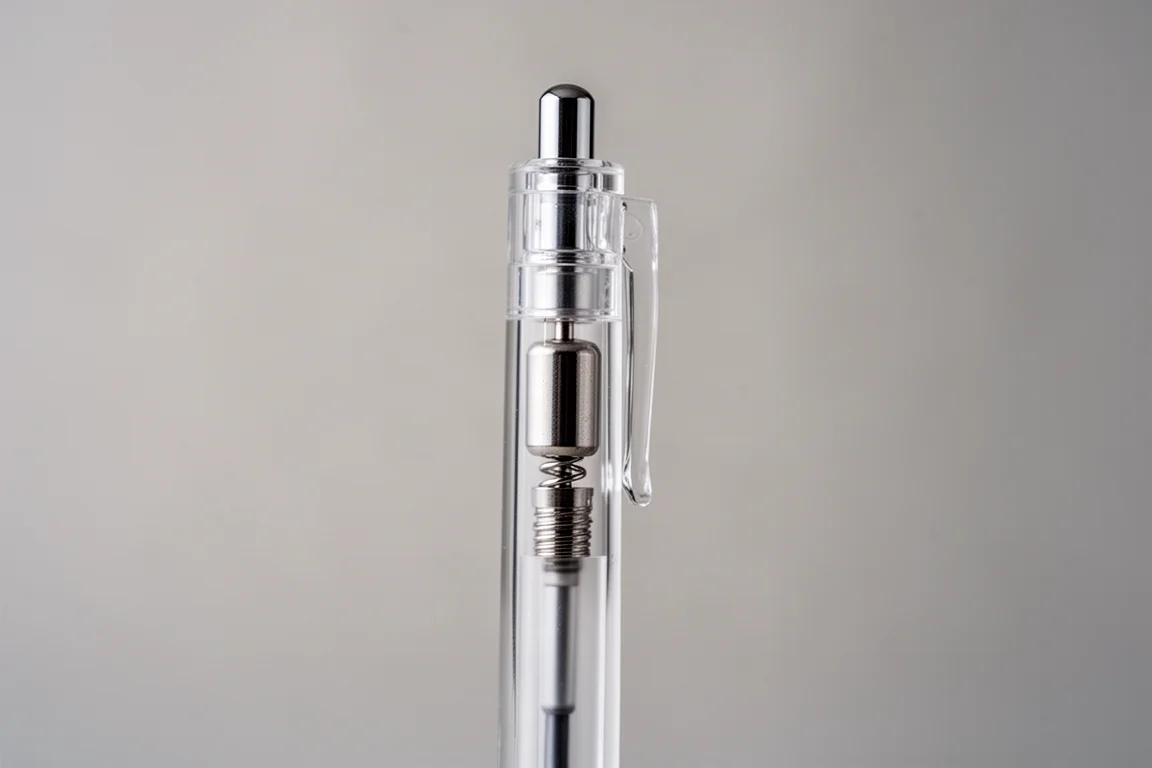
Full specifications: total length 146 mm, weight 10.3 g, barrel diameter 8.5 mm, with 0.5 mm lead only.
Writing Feel and Everyday Performance
On paper, the M-1700 writes beautifully. There is little noticeable weight in the hand, so it lacks a heavy, planted feel, but the resin chuck delivers a soft, forgiving touch that is easy to enjoy. The knock section stays stable, and because the internal weight does not move during normal writing, there is no rattle or vibration.
In an era where many pencils stack up features and sometimes sacrifice the core writing experience, the M-1700 does the opposite. It keeps only the essentials and nails them, which is exactly what a mechanical pencil should do.
Things to Consider Before Buying
A few points are worth knowing upfront. The knock itself feels fine, but the plastic corner that holds the eraser presses into your thumb when you click, which can be slightly uncomfortable. The missing clip will rule the pencil out for anyone who clips it to a notebook or pocket. And because it is so light, writers who want a weighty, planted feel may find it underwhelming.
Buying Advice
The M-1700 suits students, note-takers, and anyone who writes for long stretches and values comfort over gadgetry. Zebra deliberately avoided drafting-style touches like a guide pipe or metal chuck, and that restraint is the appeal here: nothing extra, just a pencil focused on writing.
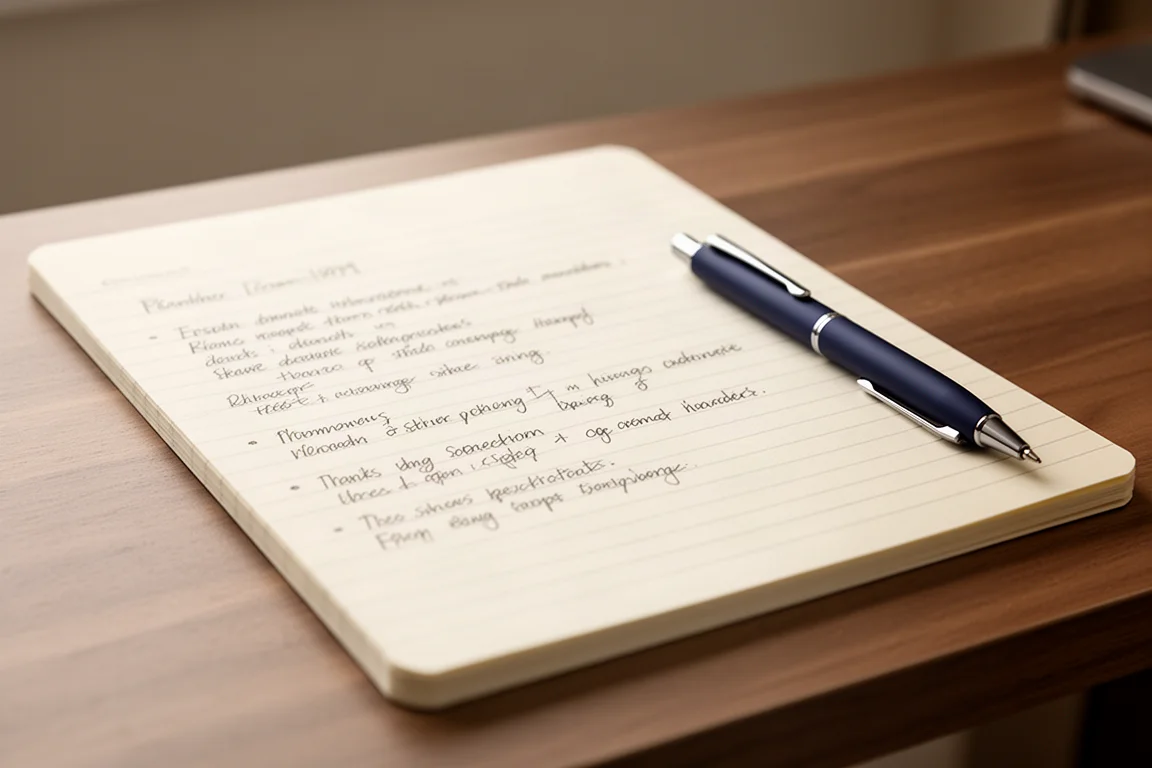
If you want a clip, a heavier balance point, or drafting features, look elsewhere. If you want an honest, well-made everyday pencil at a friendly price, this is an easy recommendation.
Conclusion
The Zebra Knock Pencil M-1700 proves that a revival can improve on the original. Smooth edges, a comfortable lightweight body, a generous twist eraser, and a clean writing feel make it a quietly excellent pencil. For 220 yen, it is one of the easiest everyday-carry upgrades in stationery right now.
Product link
View more details for Zebra Knock Pencil M-1700
This product is mentioned in the review. Check the specifications, options, and compatibility before buying.
View more details for Zebra Knock Pencil M-1700Further reading
Related Reviews
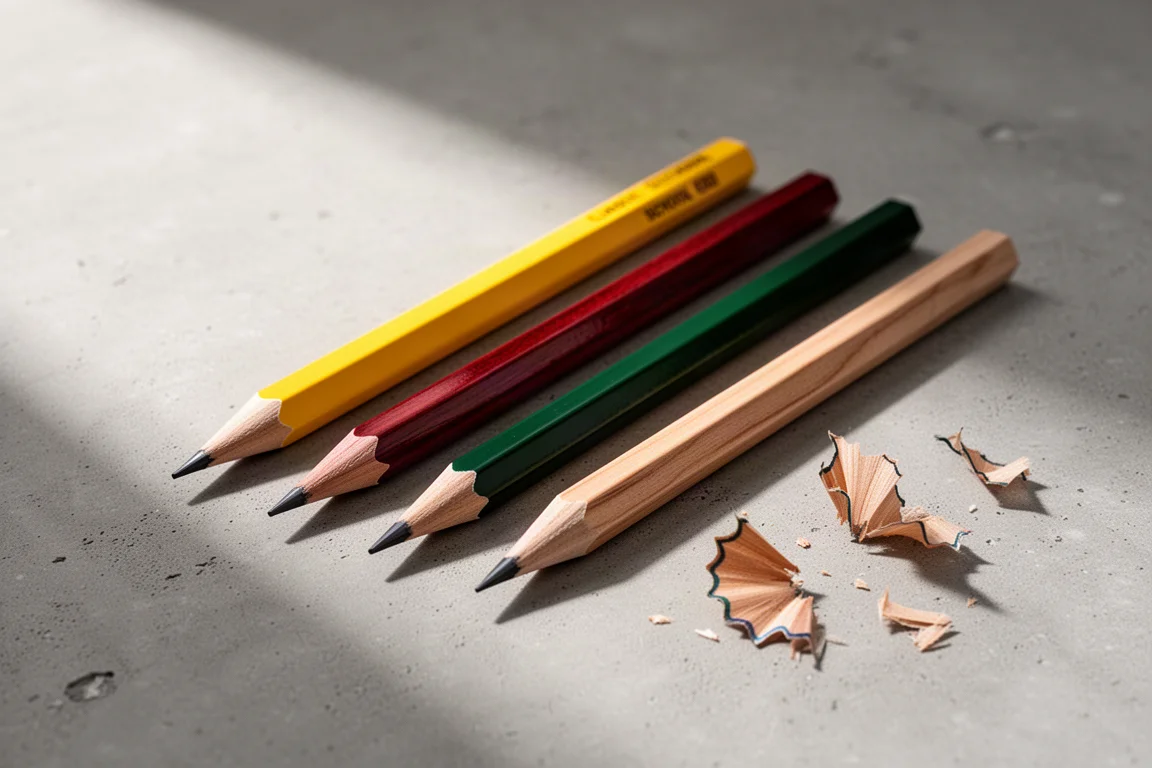
Stationery
Musgrave Pencils Review: Four Classic Pencils from Tennessee's Last Pencil Factory
We put four Musgrave pencils to paper, from the classic Harvest to the Unigraph 1200 drawing pencil, to see what a century-old Tennessee workshop can still do.
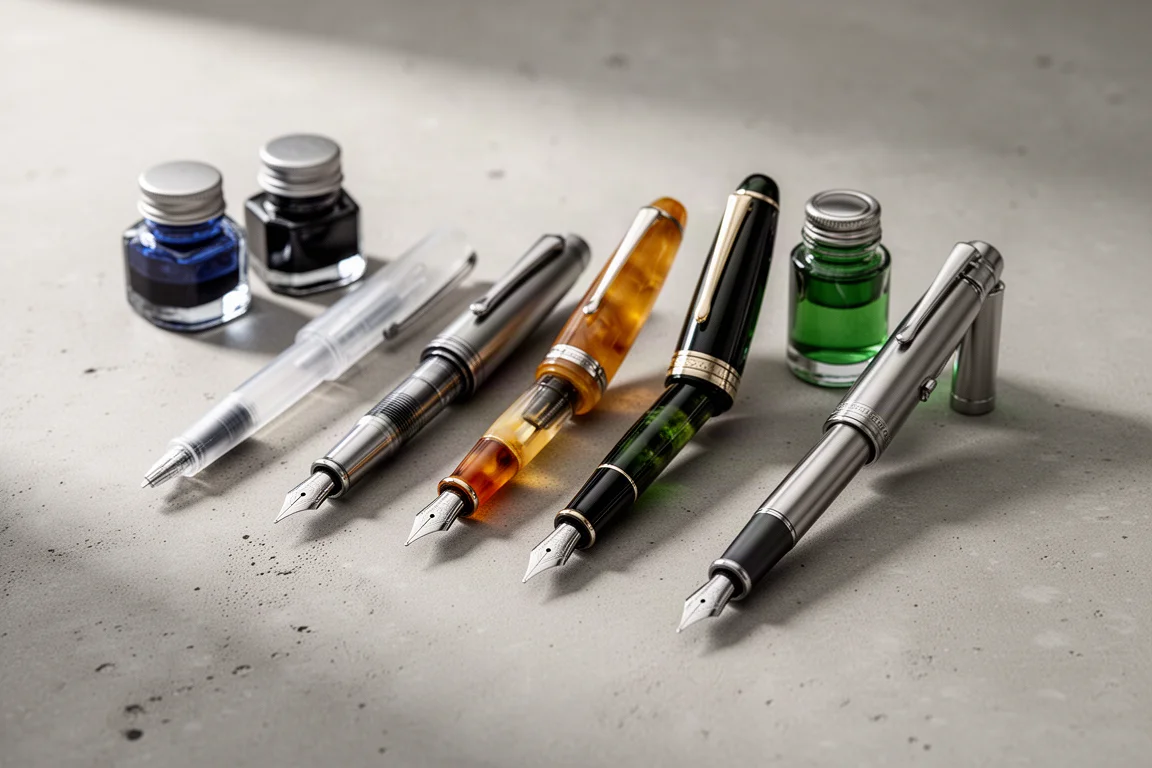
Stationery
Fountain Pen Tiers Explained: From Starter Pens to Luxury Grails
A practical overview of the different levels of fountain pens and inks, from a sub-$20 starter setup to Italian piston fillers and retractable gold-nib everyday carries.
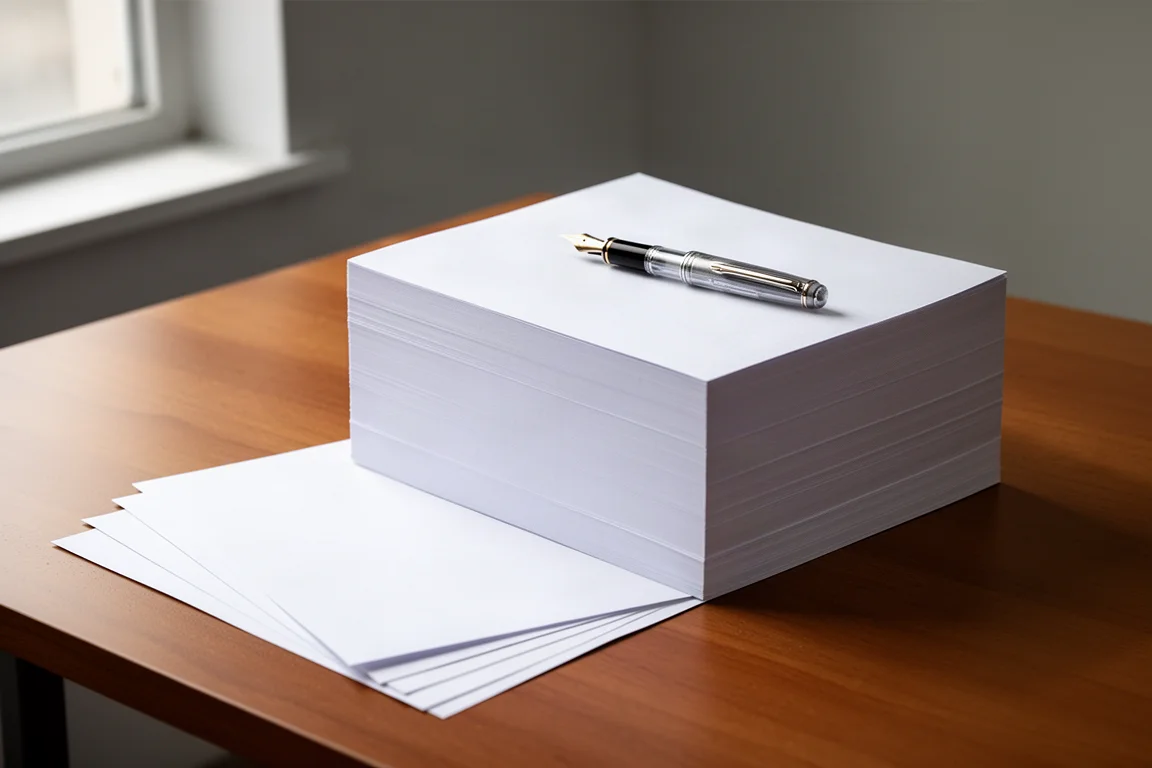
Stationery
HP Premium 32 lb Copy Paper Review: A Fountain Pen Friendly Everyday Printer Paper
A heavy, smooth 120 GSM copy paper that handles fountain pens far better than standard printer stock, with only minor trade-offs in shading and sheen.