Stationery
Zebra Filare Wood Ballpoint Pens: Twist vs Knock, Which One to Pick
A close look at Zebra's Filare Wood series, comparing the twist-action and knock-type models on build, balance, and writing feel.
Introduction
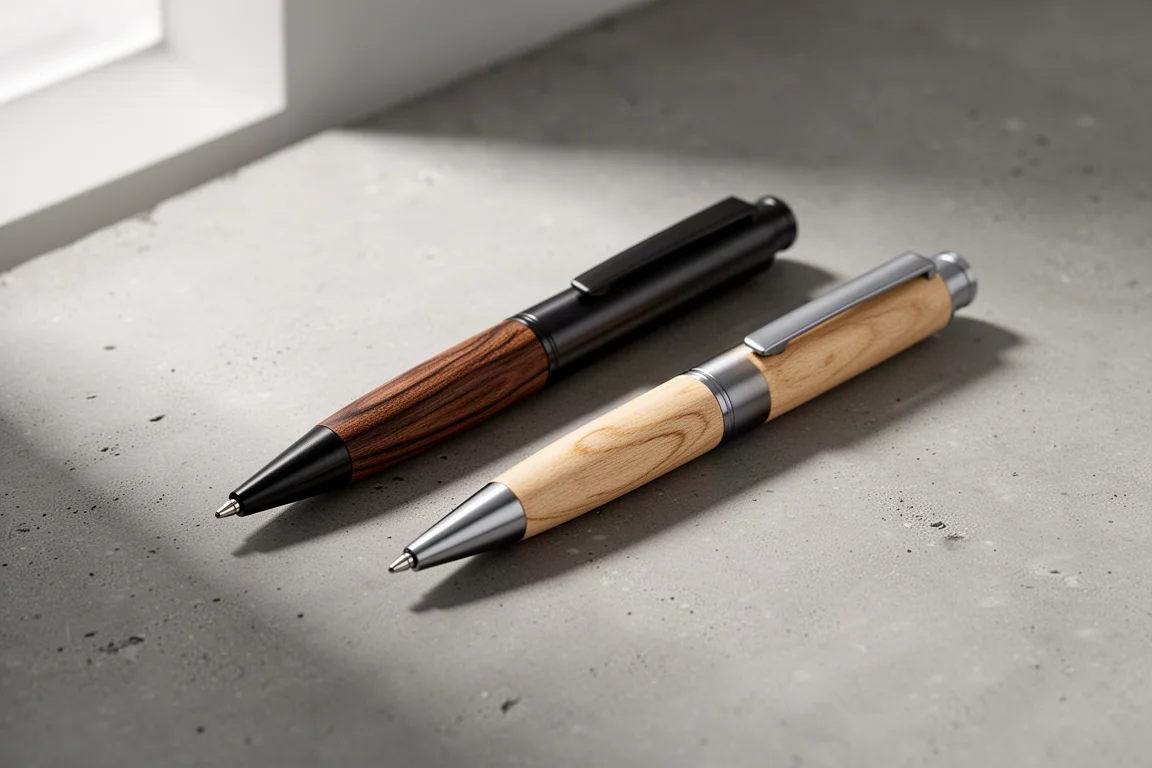
Some pens chase novelty. The Zebra Filare Wood series quietly chares something else: a warm, premium feel you can actually use every day. Both models in the lineup use real wood in the grip section, and both have earned a permanent spot among the most frequently used pens in a crowded stationery drawer. This comparison covers the twist-action model at 2,750 yen tax included and the knock-type model at 1,650 yen tax included, looking at where each one shines and where each falls short.
The Filare Wood Series at a Glance
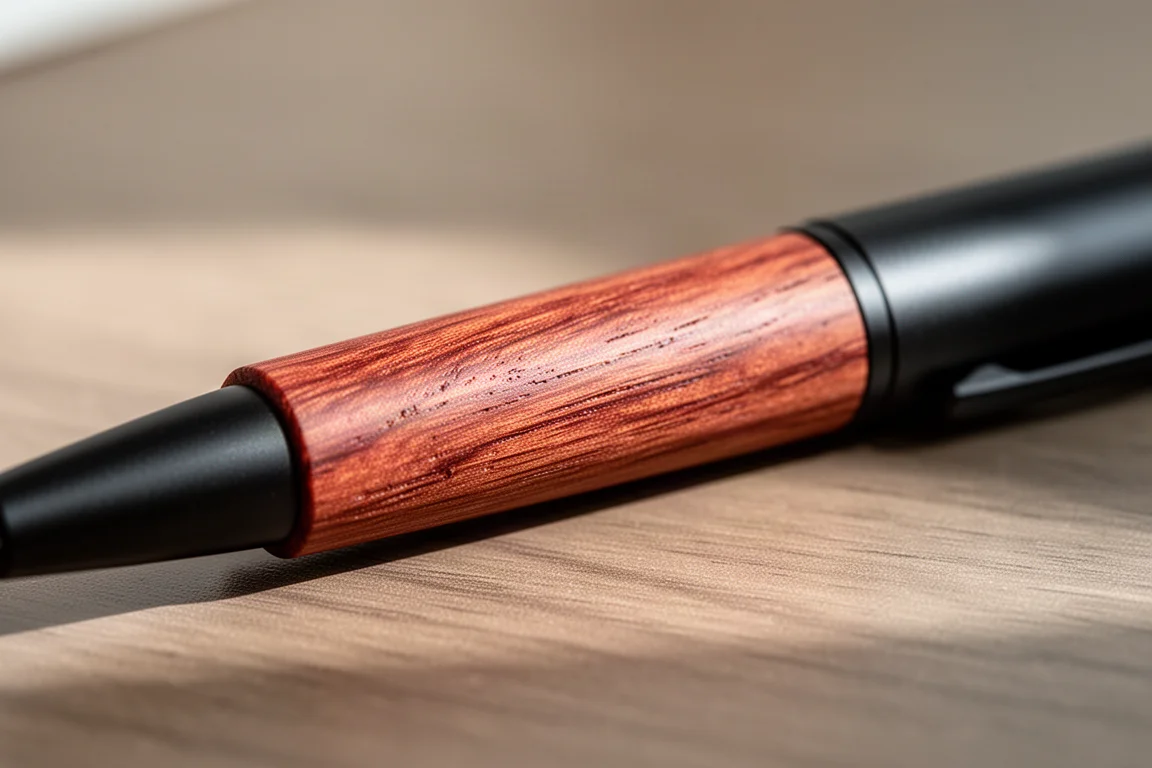
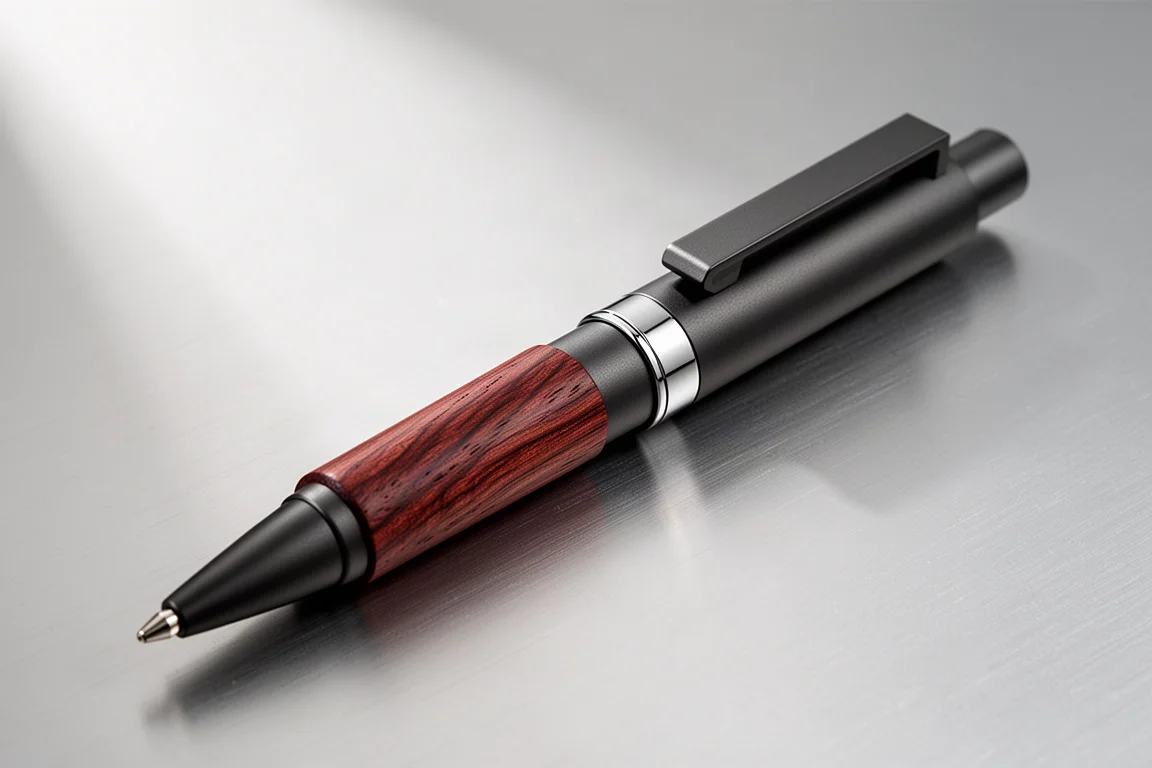
The series is defined by its wooden grip, available in Wood Silver and Wood Black colorways for the twist model. The wood used is beech, a species whose forests turn deep red in autumn and which is sometimes called the queen of the forest for its beautiful form. The pairing of that reddish beech grain against a black barrel is genuinely striking, and the sense of luxury is immediate.
What makes the series special is that wood is not limited to a small accent ring. It covers a wide area of the pen, which is a big part of its appeal.
Twist Model: Build and Balance
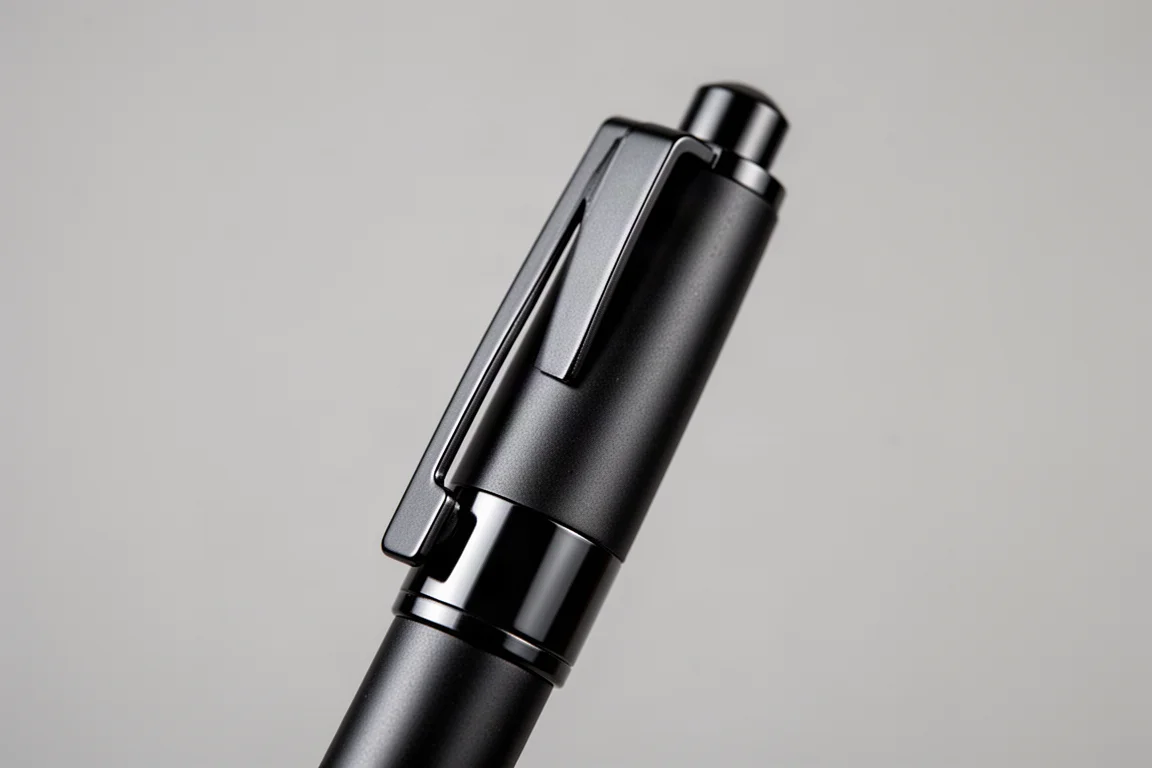
The twist model carries a fairly thick metal center ring, a metal barrel with a brass coating in a matte finish, and a rectangular, relatively thick clip with a firm spring. The rear of the barrel is printed with Zebra Filare branding. It is the heavier of the two pens, with a high center of balance, which for anyone who likes a weighty pen is exactly the point.
The twist action itself is firm but smooth, a slightly stiff mechanism with a satisfying feel. In use, the balance is excellent: the right weight, the right center of gravity, smooth ink, and a genuinely pleasant writing experience.
The clip is the weak spot. The design is plain and utilitarian, and because the clip is quite thick, it can press into your hand while writing and become a mild annoyance over long sessions.
Knock Model: A Different Character
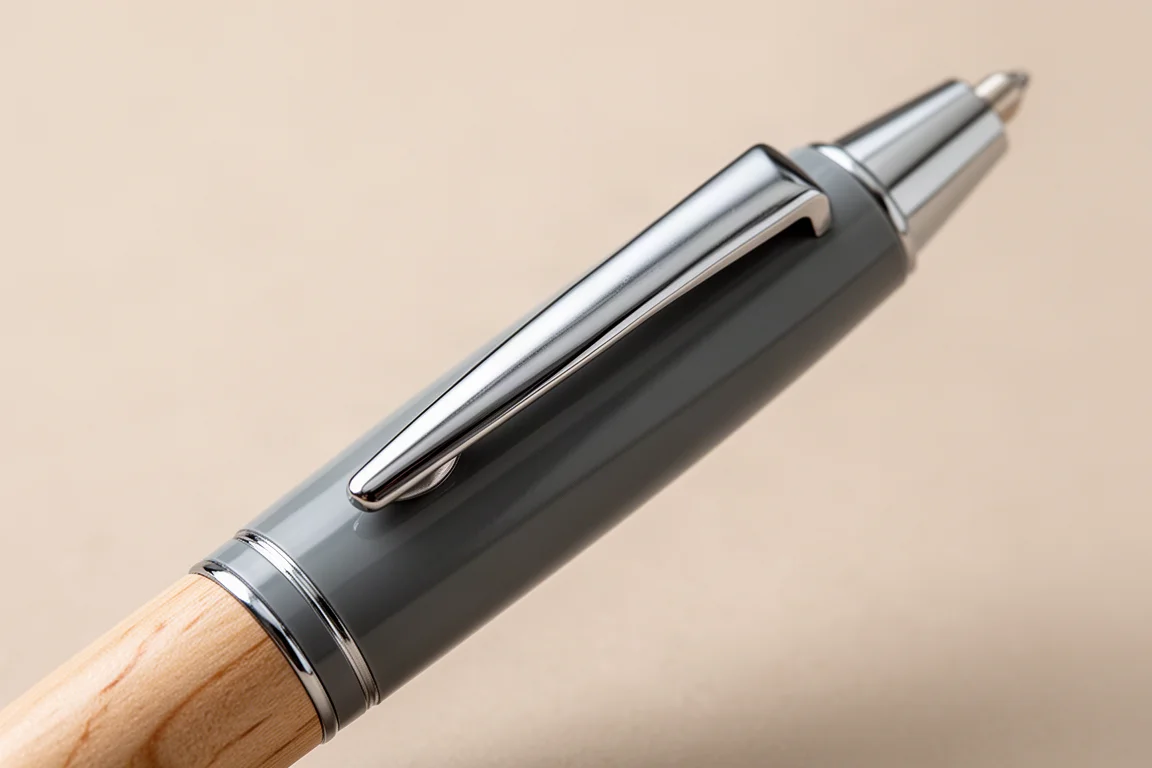
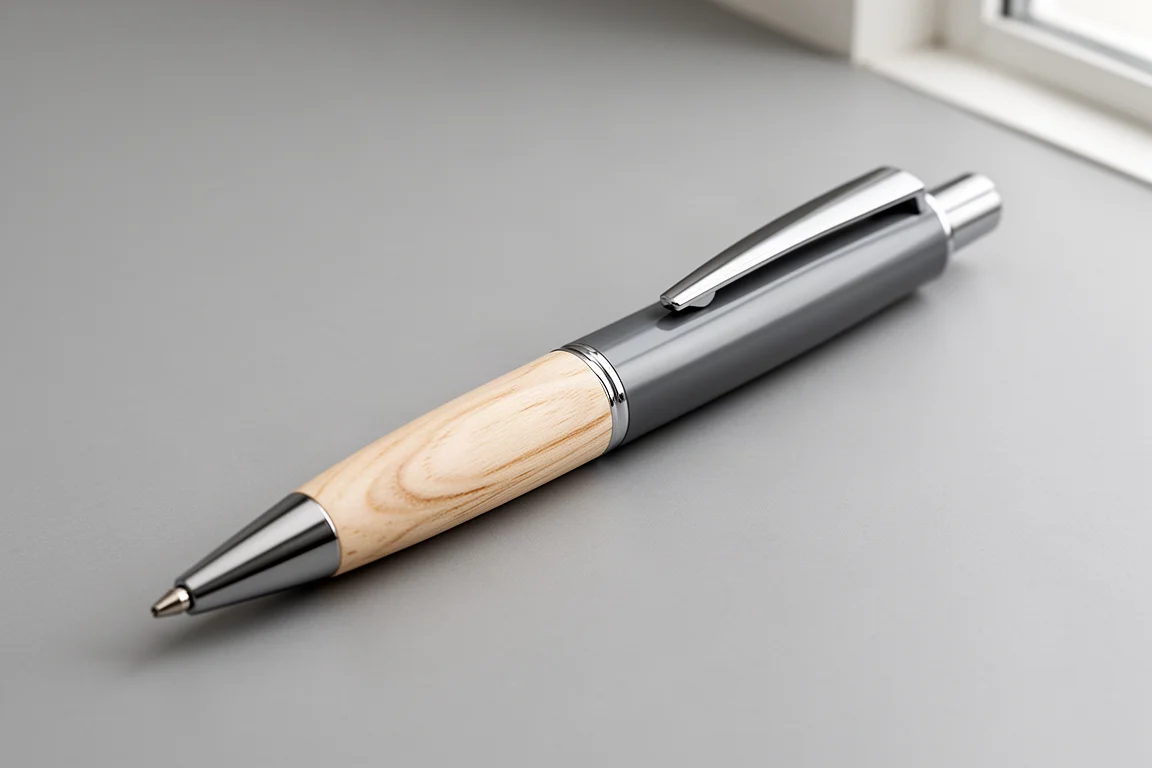
The knock model in this comparison is a limited-quantity edition with a maple grip, which gives it a much lighter, brighter impression than the standard versions. Standard knock models share the twist model’s finish, so the glossy grey barrel and the 0.5mm refill here are edition-specific; the regular refill is 0.7mm. It is likely no longer widely available.
Structurally, it differs from the twist model in several ways: a much thinner center ring, a clip that tapers toward the tip and feels softer, and a glossy rather than matte finish. The knock action is deep with some play in it, delivering a clear, distinct click, though the knock section shows a fair amount of wobble.
On paper it is still comfortable, but the pen tip rattles noticeably more than the twist model, producing a faint clicking sensation while writing. For that reason, the twist model is the clear preference of the two.
The Ink
Both pens ship with a 0.7mm EQ refill using emulsion ink in their standard configuration, with the limited knock model carrying a 0.5mm refill instead. The emulsion ink delivers a smooth, pleasant writing feel that suits the pen’s refined character well.
Buying Advice
If you want the best writing experience and can stretch the budget, the twist model is the stronger pick: better balance, a heavier and more stable feel, and less tip rattle. Its drawbacks are limited to a plain, thick clip that can dig into your hand during long writing sessions.
The knock model is the lighter, more affordable option and writes comfortably enough, but the tip wobble and the looser knock action hold it back. It suits buyers who prefer a lighter pen with a click mechanism, or who find the brighter limited edition appealing.
Conclusion
The Zebra Filare Wood series stands out for its wide use of real wood, its premium look, and an overall balance that makes both models easy to reach for daily. Among many ballpoint pens tried over the years, these rank among the most frequently used. If the combination of wood, metal, and a well-balanced write appeals to you, the twist model is the one to check first, with the knock model as a lighter, budget-friendlier alternative.
Further reading
Related Reviews
Stationery
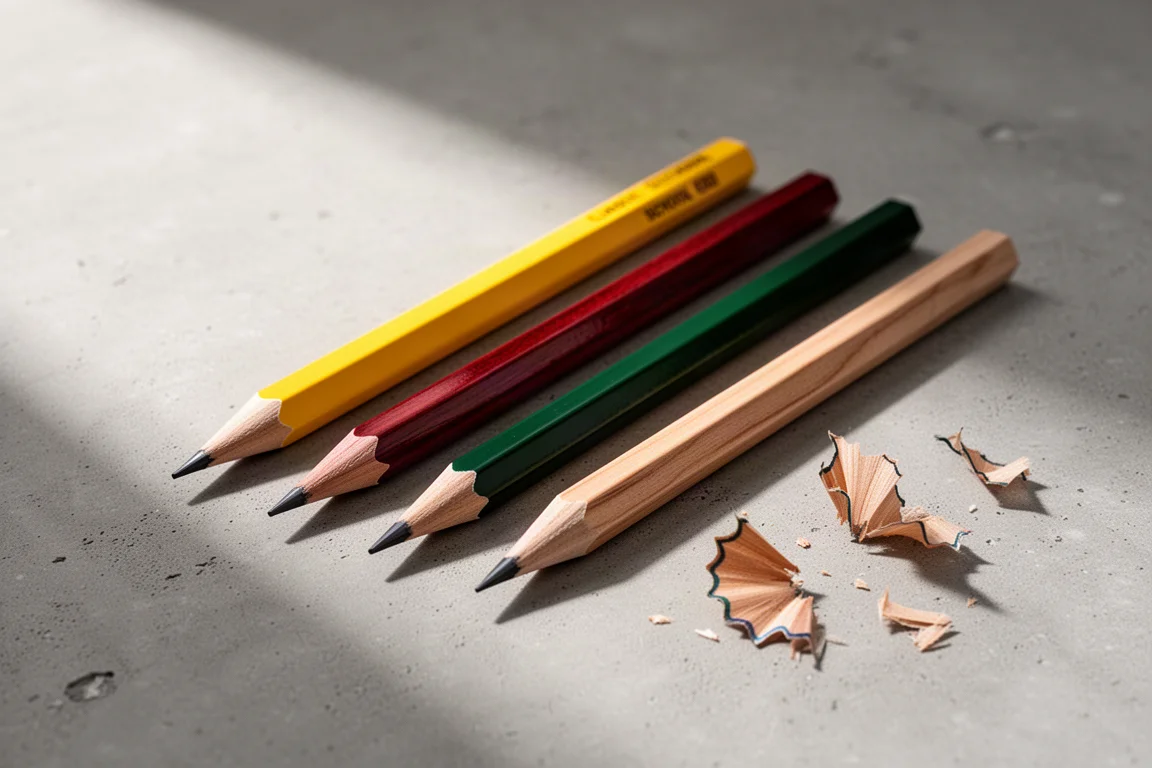
Musgrave Pencils Review: Four Classic Pencils from Tennessee's Last Pencil Factory
We put four Musgrave pencils to paper, from the classic Harvest to the Unigraph 1200 drawing pencil, to see what a century-old Tennessee workshop can still do.
Stationery
Fountain Pen Tiers Explained: From Starter Pens to Luxury Grails
A practical overview of the different levels of fountain pens and inks, from a sub-$20 starter setup to Italian piston fillers and retractable gold-nib everyday carries.
Stationery
HP Premium 32 lb Copy Paper Review: A Fountain Pen Friendly Everyday Printer Paper
A heavy, smooth 120 GSM copy paper that handles fountain pens far better than standard printer stock, with only minor trade-offs in shading and sheen.