Filming Gear
Cameras and Microphones for YouTube Filming: A Practical Equipment Guide
A working filming kit broken down by role, from the main action camera and low-light phone to timecoded audio recorders and pocket wireless microphones.
Introduction
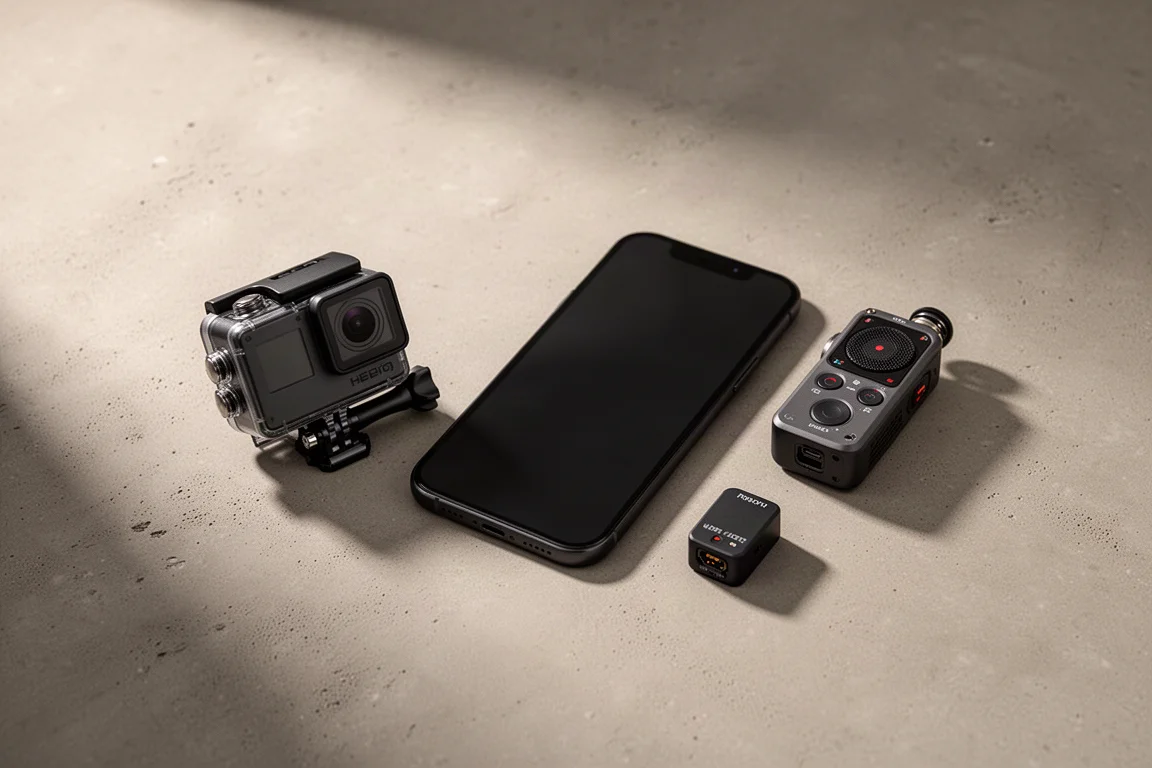
A YouTube-ready filming kit does not have to be large. The most useful setups are built around a small number of tools that cover three jobs: a camera that survives the conditions, a second camera for low light and close-up detail, and audio that stays clean even when the camera is far from the subject.
The gear below is arranged by role rather than by price. Some pieces travel on every shoot, while others are situational additions that earn their place only when the weather, the location, or the story calls for them.
GoPro Hero 11 Black: The Main Camera
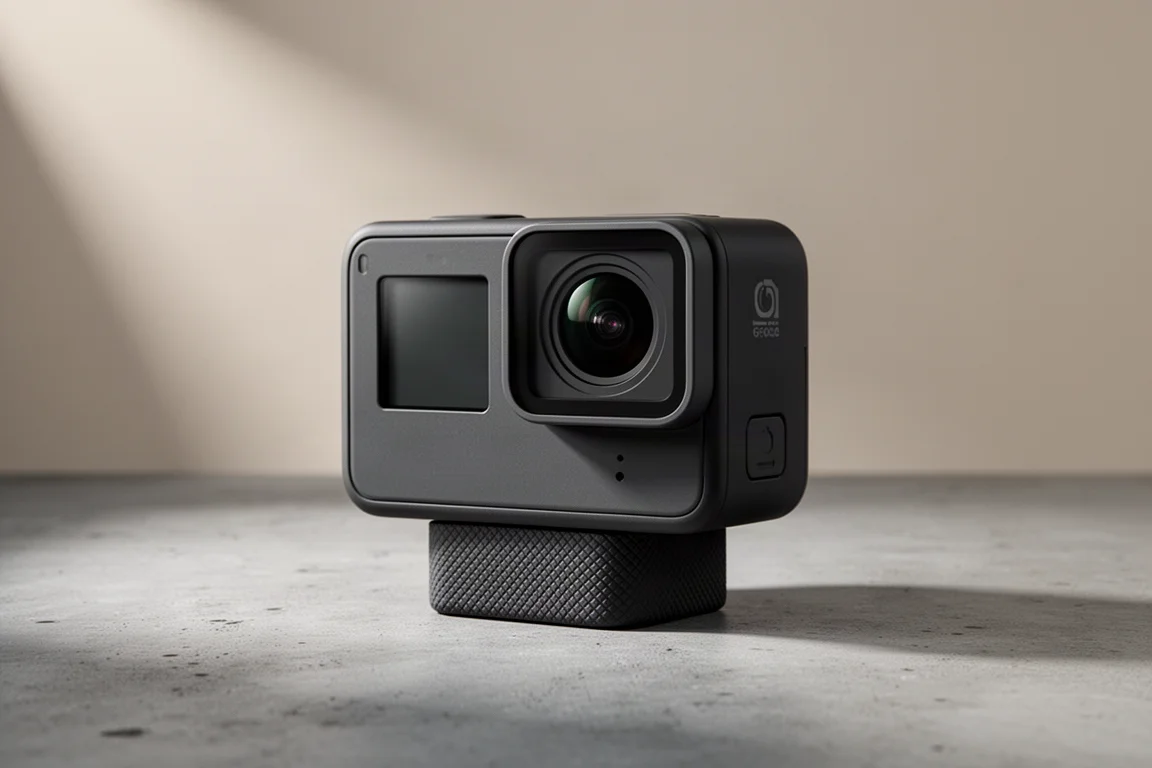
The GoPro Hero 11 Black handles the majority of the filming. Video quality is strong and the stabilization is genuinely impressive, so footage stays steady even when the ground underneath does not.
Three microphones are built into the body. The front microphone is the strongest of the three, and audio recorded from behind the camera is noticeably weaker, which is worth knowing if you plan to talk from a distance. A wind slayer fitted over the top of the camera removes most of the hissy wind noise that outdoor recording tends to produce, and because the body is waterproof it can stay outside in heavy rain with the wind slayer in place.
Two Hero 11 bodies make multi-camera angles straightforward, and a custom firmware option lets the camera read settings and timecode from a QR code, which is how it lines up with a separate audio recorder.
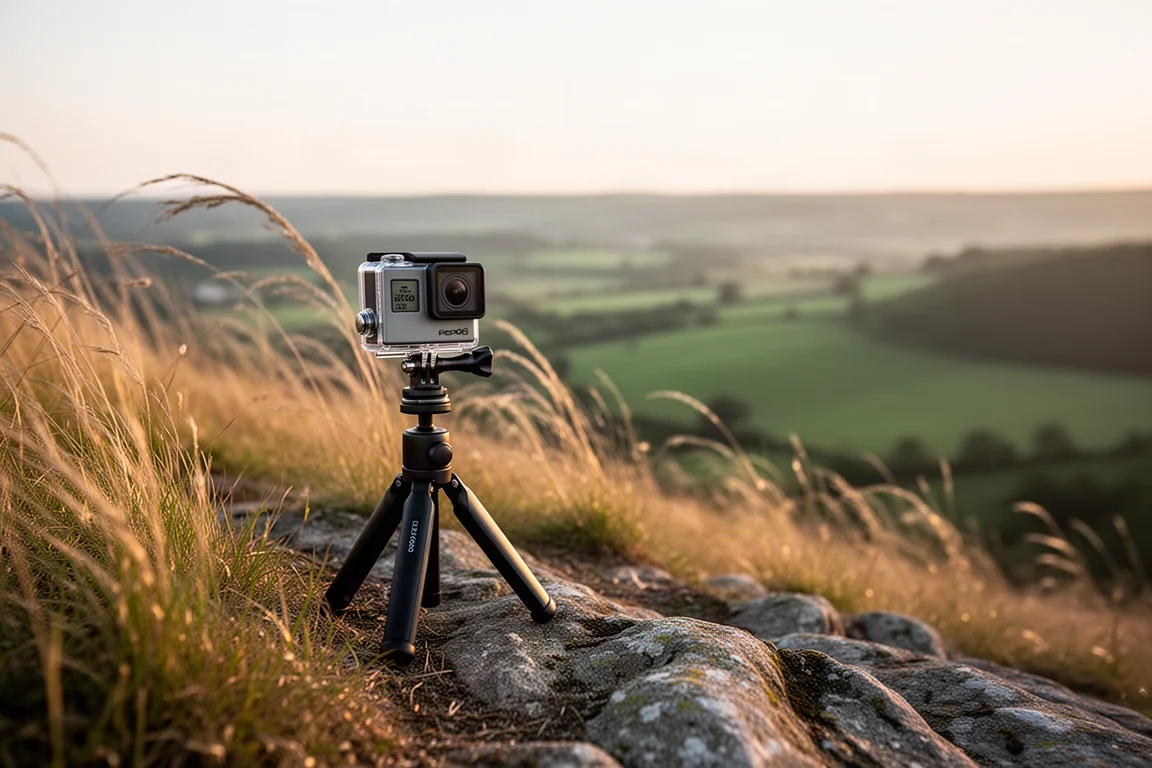
For walking, climbing, and camp footage, the camera works well on a compact tripod with folding legs that lock at a chosen height. The same tripod can hold a phone, although a lightweight stand can tip over with a heavier device mounted, so it pays to keep an eye on it in gusty conditions.
iPhone 14 Pro: Low Light and Close-Up Detail
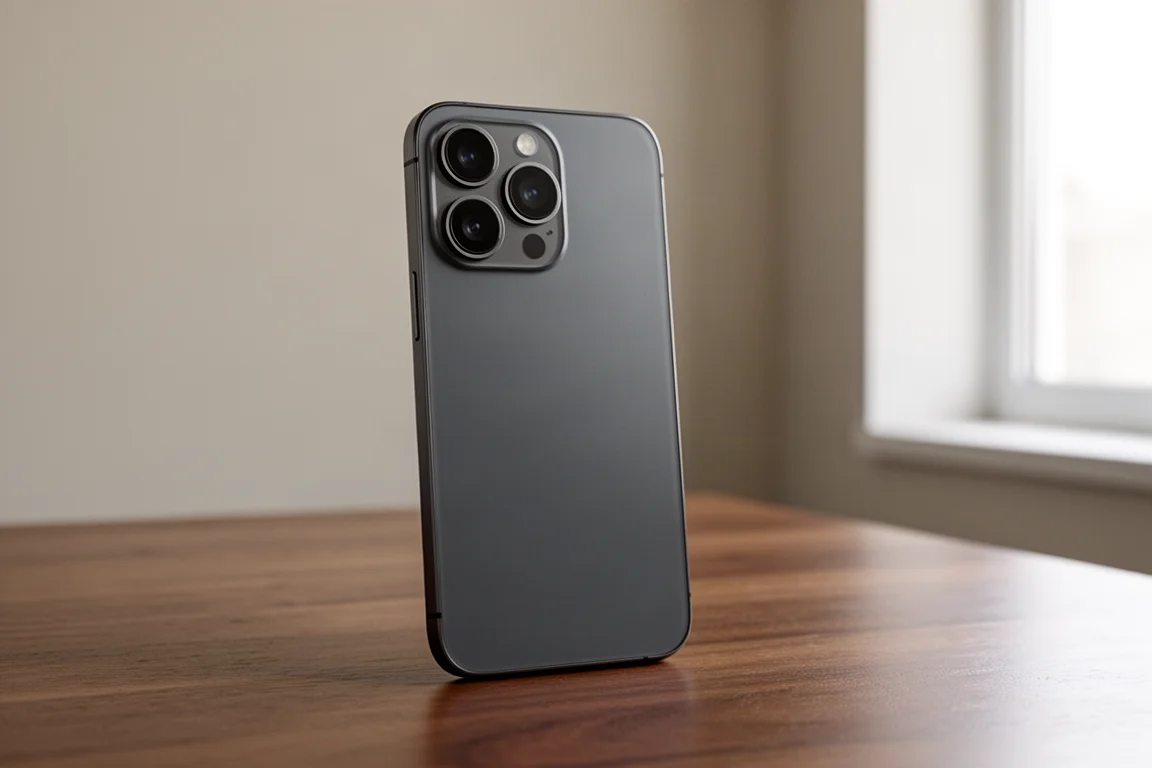
When the light drops, the iPhone 14 Pro becomes the camera of choice. Image quality is superb, and for such a small sensor it performs surprisingly well in low light, clearly ahead of an action camera in dim conditions even though it does not reach DSLR quality.
Compactness is the other argument in its favour. Bulkier interchangeable-lens cameras were tried and abandoned because of the weight involved in carrying them uphill. The macro lens adds close-up detail that the action camera cannot match, and cinematic mode offers a blurred background, although keeping the landscape sharp is often the more attractive option.
Timecode also holds within a few frames on the phone, which keeps it usable alongside a separate audio recorder.
Insta360 X3: 360-Degree Coverage
The Insta360 X3 records in every direction at once, which makes it the most flexible camera in the bag for walk-and-talk footage. Extend the selfie stick, press record, and the software removes the pole from the final shot, so the result looks like a mobile film crew is following along.
A three-meter pole pushes the camera into drone-like territory, and the pole can be rested in a tree while you walk away, with the software tracking the subject afterwards. Footage is reframed either in the phone app or in the desktop studio application.
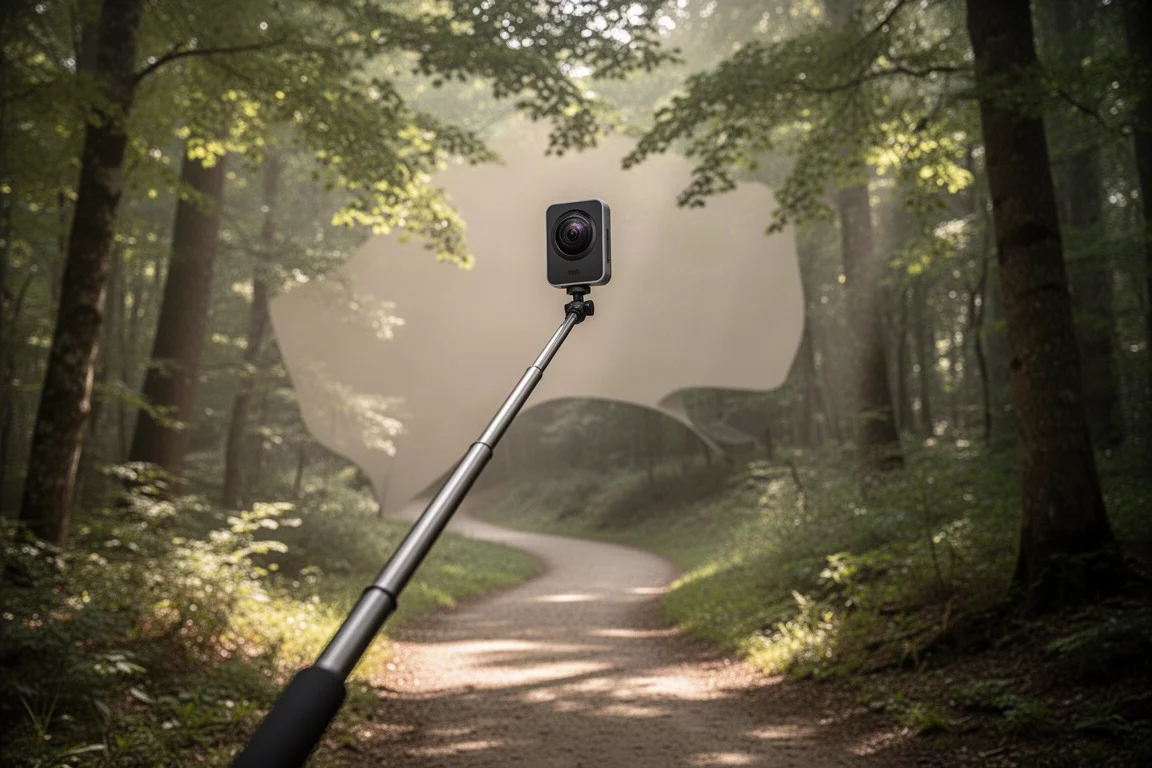
The trade-off is that 360 footage always needs a reframing pass before it can be cut into a timeline, which adds a step that fixed-lens cameras do not require.
DJI Mini 3 Pro: Aerial Perspective
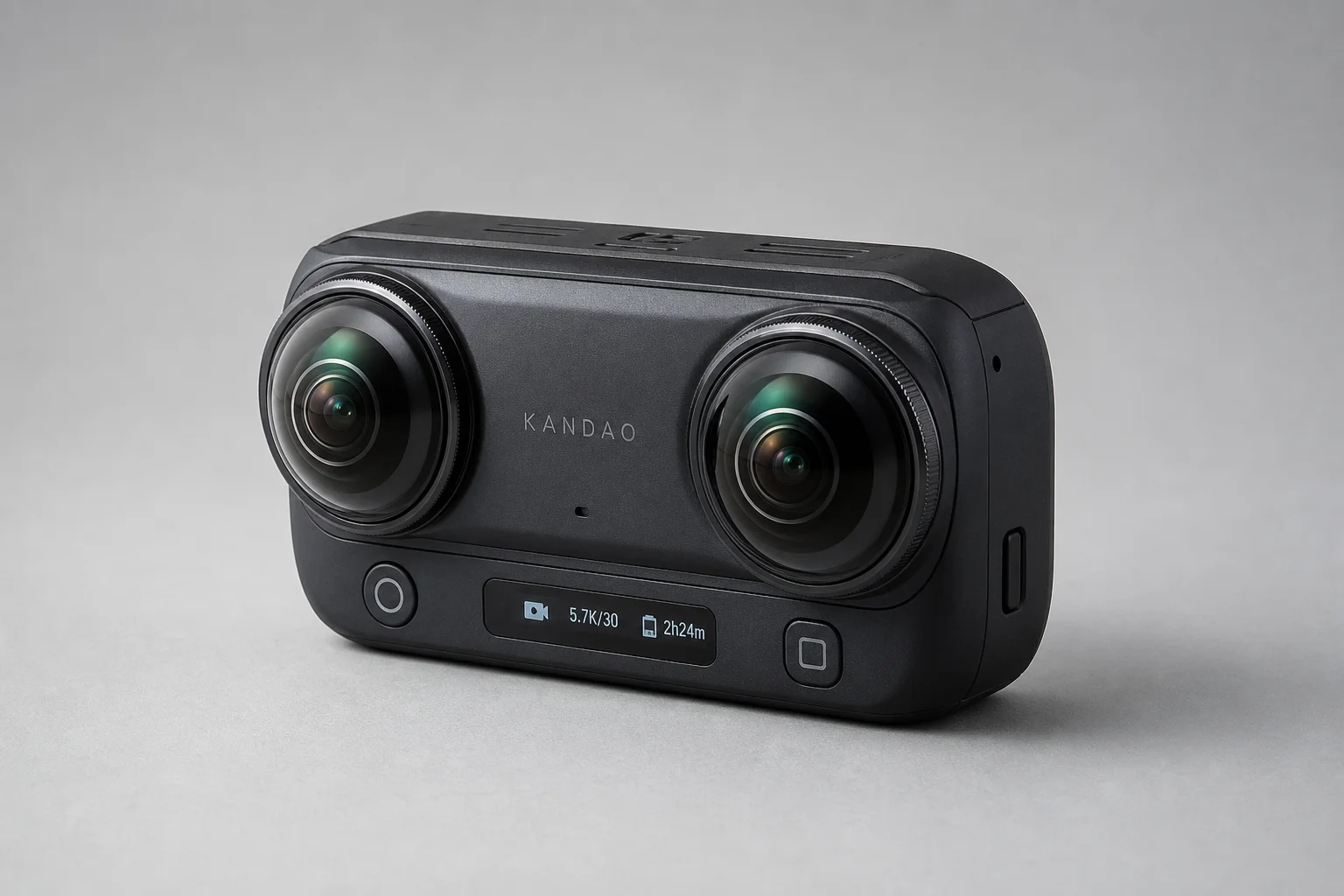
The DJI Mini 3 Pro is the least used item in the kit, but it remains the simplest way to add a wider perspective to a location. It packs down small enough to sit alongside everything else without dominating the bag.
Wind is the main obstacle, and it frequently decides whether the drone flies at all. Treat it as a nice-to-have that depends on the shoot rather than a core piece of equipment.
Tentacle Sync Track E: Timecoded Audio
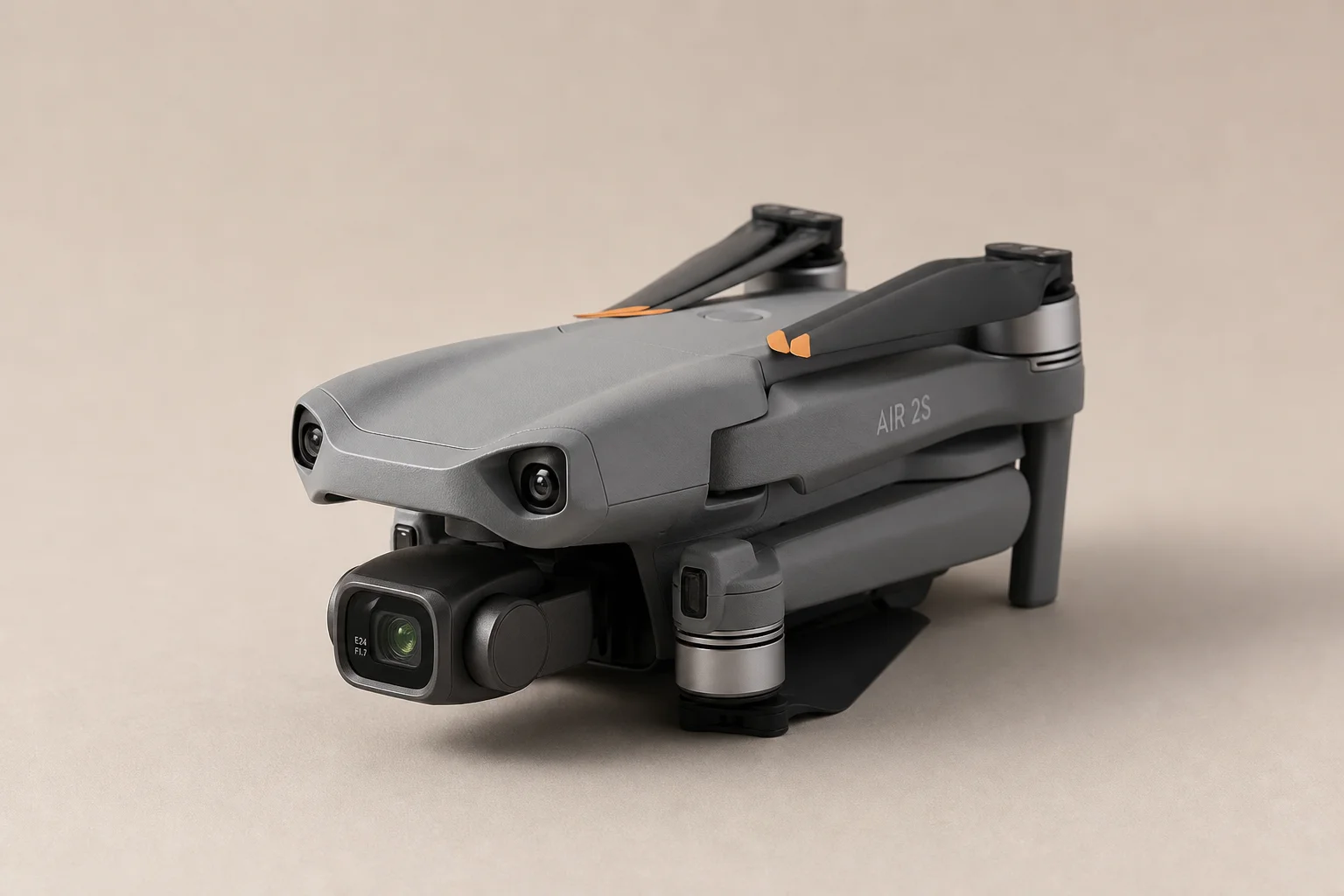
Clean audio is half of the finished result, and the Tentacle Sync Track E is the most-used recorder in the kit. It records in 32-bit float, which makes clipping very difficult, so sudden loud noises can usually be recovered rather than lost. A lavalier microphone is included with the system.
The part that matters most is timecode. An app handles synchronization, and once the recorder is running it can be left going all day. With the right camera firmware the action camera reads timecode from a QR code, and the phone holds timecode within a few frames, so audio and video line up reliably even when the camera is set down and the subject walks away. Back at the desk, the recorder’s studio application produces an XML file that imports into Premiere Pro with everything already in sync.
That workflow supports a simple, reliable shooting pattern: film with the action camera and the recorder, add a second action camera for alternate angles, and switch to the phone when light is scarce.
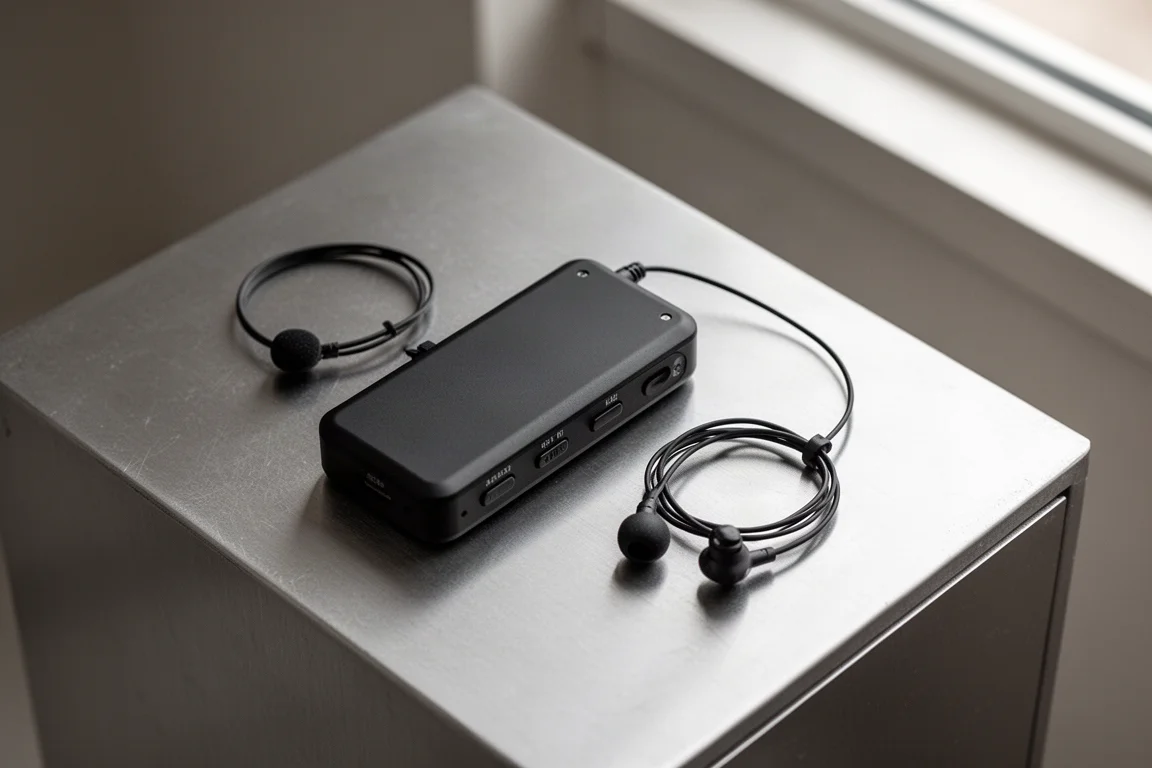
DJI Mic: Interview-Ready Audio
The DJI Mic delivers strong audio quality and includes two microphones, which makes it the natural choice for interviews and two-person conversations. Its charging case is a little bulky, so it does not travel on every trip.
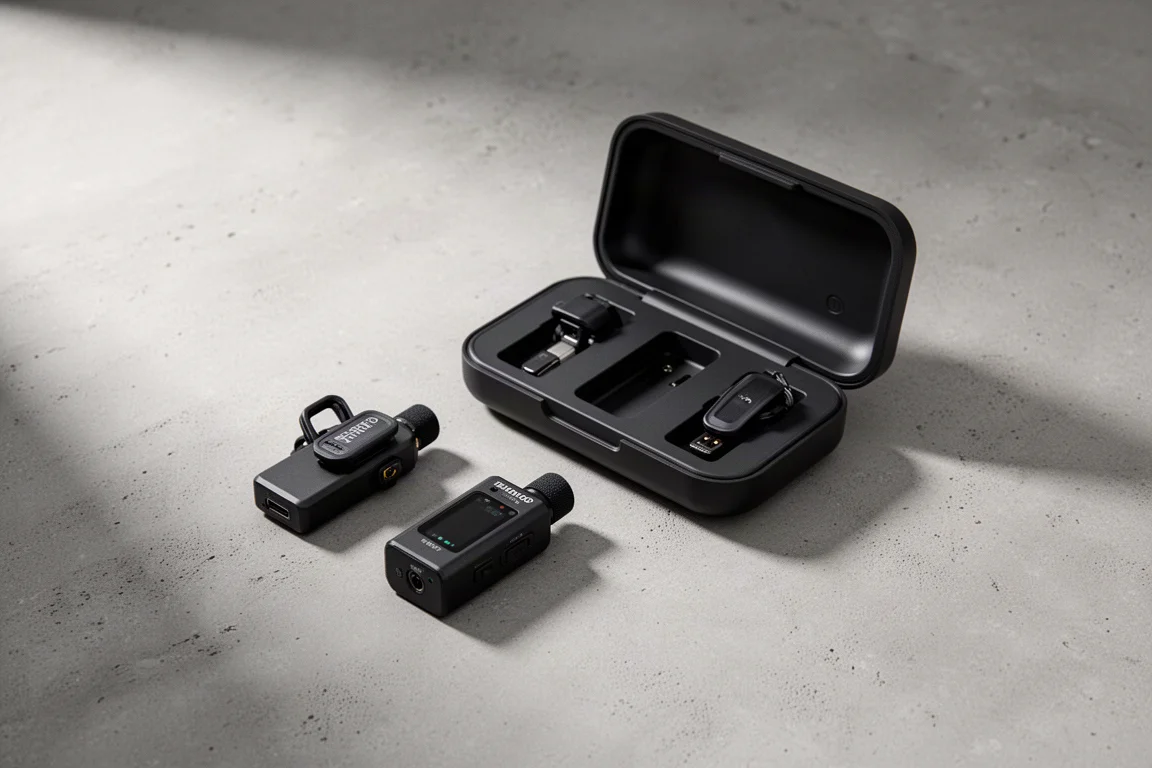
Boya Wireless Mic System: Pocket-Sized Audio
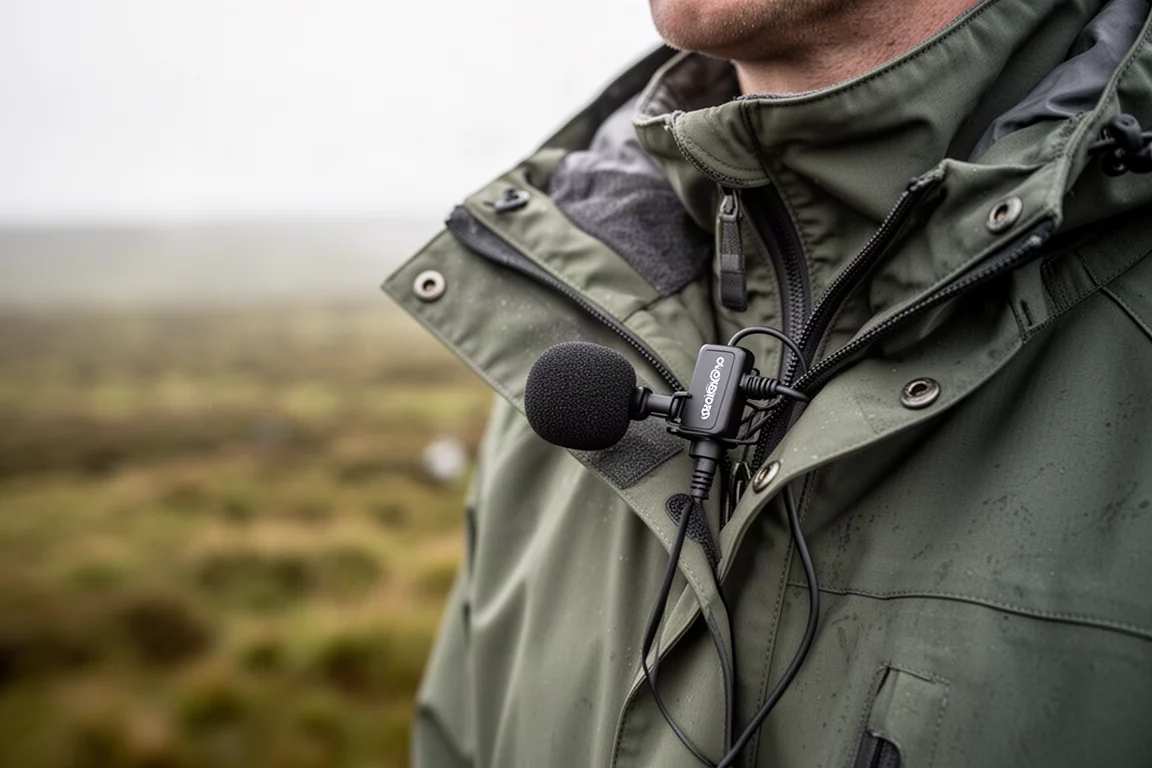
The Boya wireless system solves the portability problem. It consists of two clip-on wireless microphones and a small receiver that plugs directly into a phone’s Lightning port. Switch on one microphone, or two for an interview, and the setup is ready to record.
Audio quality is good, and the whole kit fits into a small pouch, so a complete phone-based camera and audio package can live in a pocket. At around £40 it is also a low-risk addition to any bag.
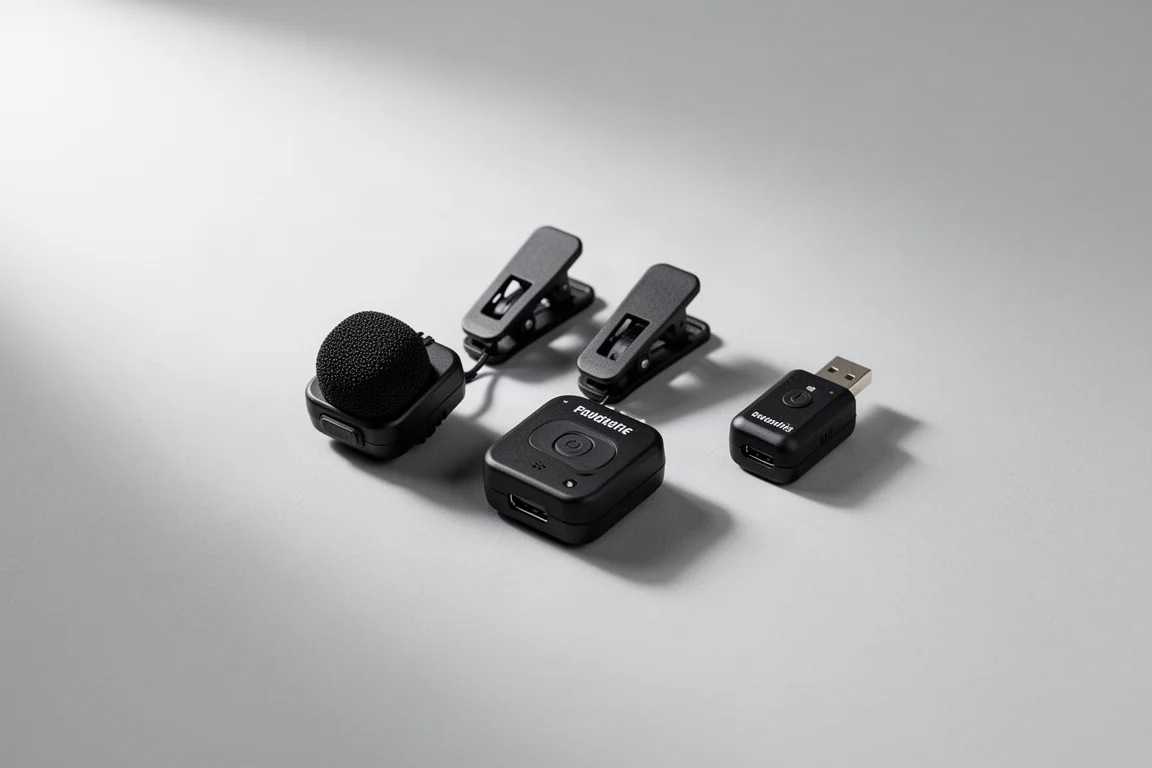
Zoom H1n: Ambient Sound Capture
The Zoom H1n is the newest arrival and has so far only been used for testing rather than in a finished video. Its appeal is ambient sound: a recent camping film had no talking at all and relied on birdsong and background noise, and a dedicated recorder would have captured far more of that texture than a camera microphone.
It pairs with a small tripod, of which there is no shortage in the kit. Whether it earns a permanent place will depend on how the test recordings compare.
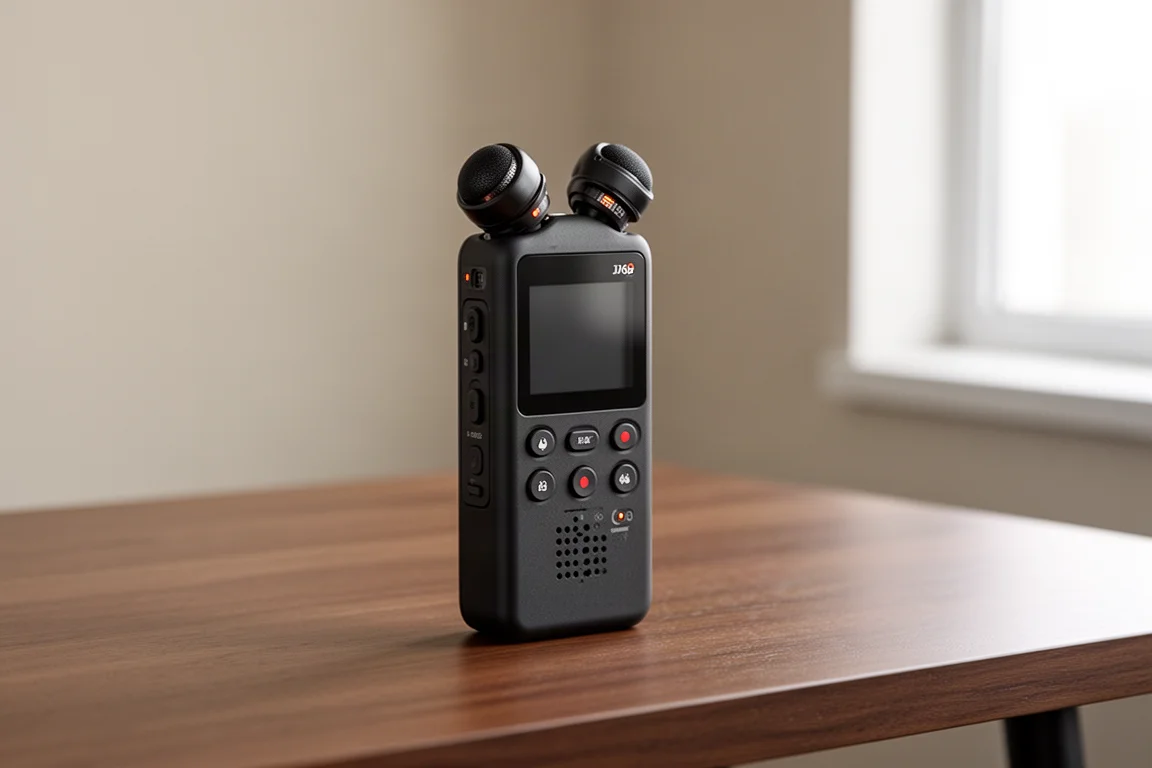
Power Banks, Batteries, and the Small Kit That Saves a Shoot
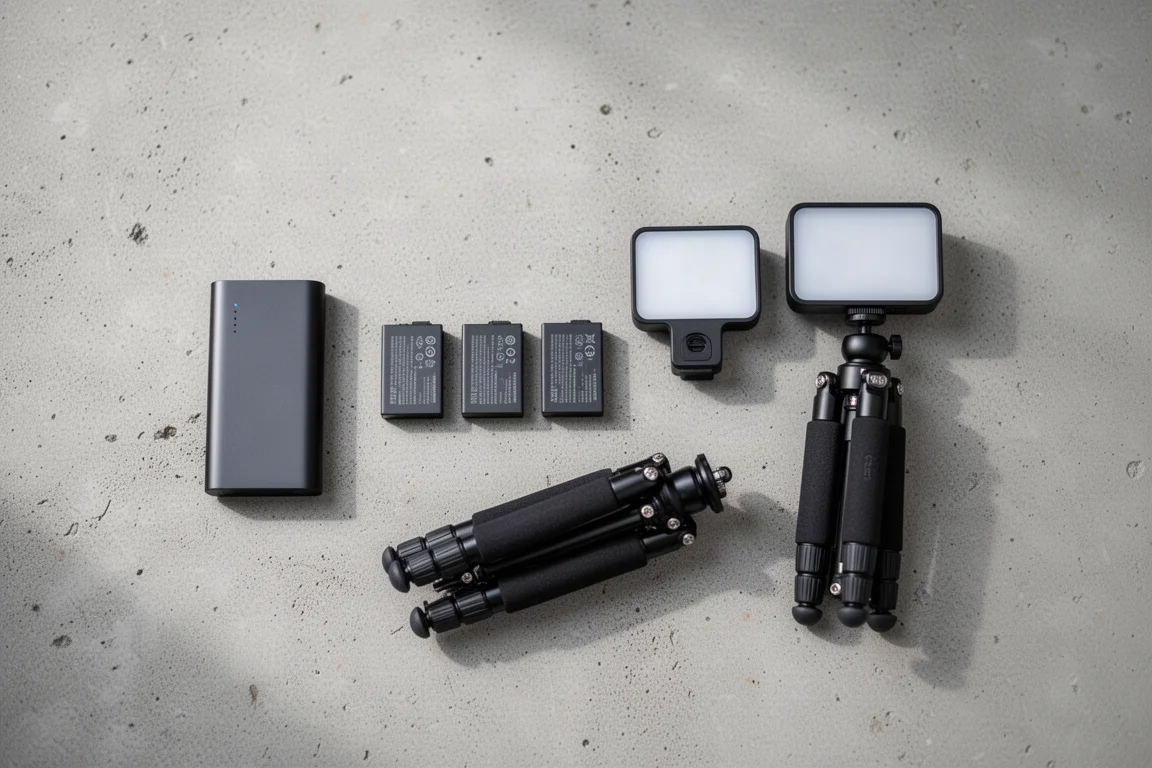
The supporting accessories rarely appear in a shot, but they decide whether a day of filming finishes. One or two 10,000mAh power banks keep a phone and action cameras charged, and a stash of spare batteries means a camera never sits idle. At least half a dozen spare action camera batteries travel along with a couple of spare wind protectors, since the foam covers wear out and get lost.
A pair of small LED lights improves footage when a shoot runs into the evening, and a handful of compact tripods and mounting adapters covers most positioning problems. None of it is glamorous, but running out of power or light ends a shoot faster than any camera limitation.
Buying Advice: Matching the Kit to the Shoot
Build the kit in the order the work demands it. A primary camera comes first, then audio, then a second camera for low light, and only then the situational extras. The timecode recorder and the pocket phone microphone kit are the two pieces that most often justify their cost, because clean audio is harder to repair after the fact than video.
Weight matters more than specifications once you are walking uphill. A compact phone and a pocket wireless microphone set cover a surprising amount of ground on their own, and the action camera remains the most weather-resistant option when the forecast turns. The drone and the 360 camera are worth adding only when a specific shot calls for them.
Conclusion
This kit works because every piece has a clear job. The action camera carries the bulk of the filming, the phone handles low light and close-up detail, the timecode recorder keeps audio in sync across cameras, and the pocket wireless system makes phone-only shoots practical. Add the aerial and 360 cameras when a location rewards them, keep the power banks and spare batteries topped up, and the setup stays light enough to carry and complete enough to rely on.
Further reading
Related Reviews

Backpacking Gear
Building a 10 lb Base Weight: An Ultralight Backpacking Gear List
A practical walkthrough of the ultralight pieces behind a 10 lb base weight, from a 765 g pack and a roomy one-person tent to a full camp chair and a dependable water filter.

Road Bikes
10 New Road Bikes Worth Watching: Aero, Titanium, Steel and Endurance Standouts
A practical roundup of 10 new road bikes, from aero flagships chasing single-watt gains to titanium, steel and endurance platforms built for real roads.
Bikepacking Gear
11 Bikepacking Essentials for Long-Distance Cycling
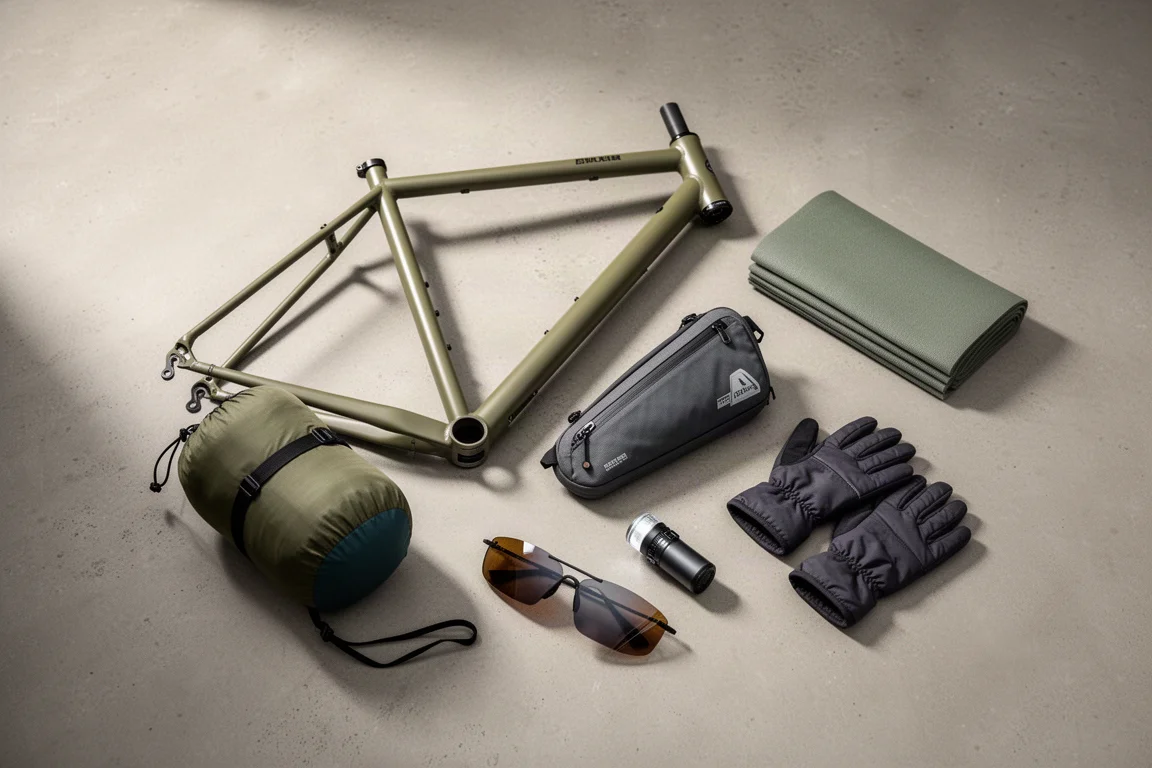
Eleven bikepacking essentials for long-distance cycling, from a steel gravel frame and a two-person tent to helmet lights, packable gloves, and a frame bag that puts weight in the right place.