Road Bikes
Yellow Bikes R+1 Review: A Road Bike Engineered Around a Single Chainring
A dedicated one-by road frame from a small independent brand, built around a measured bottom bracket stiffness gain, a comfort-first geometry, and room for wider road tires.
Introduction
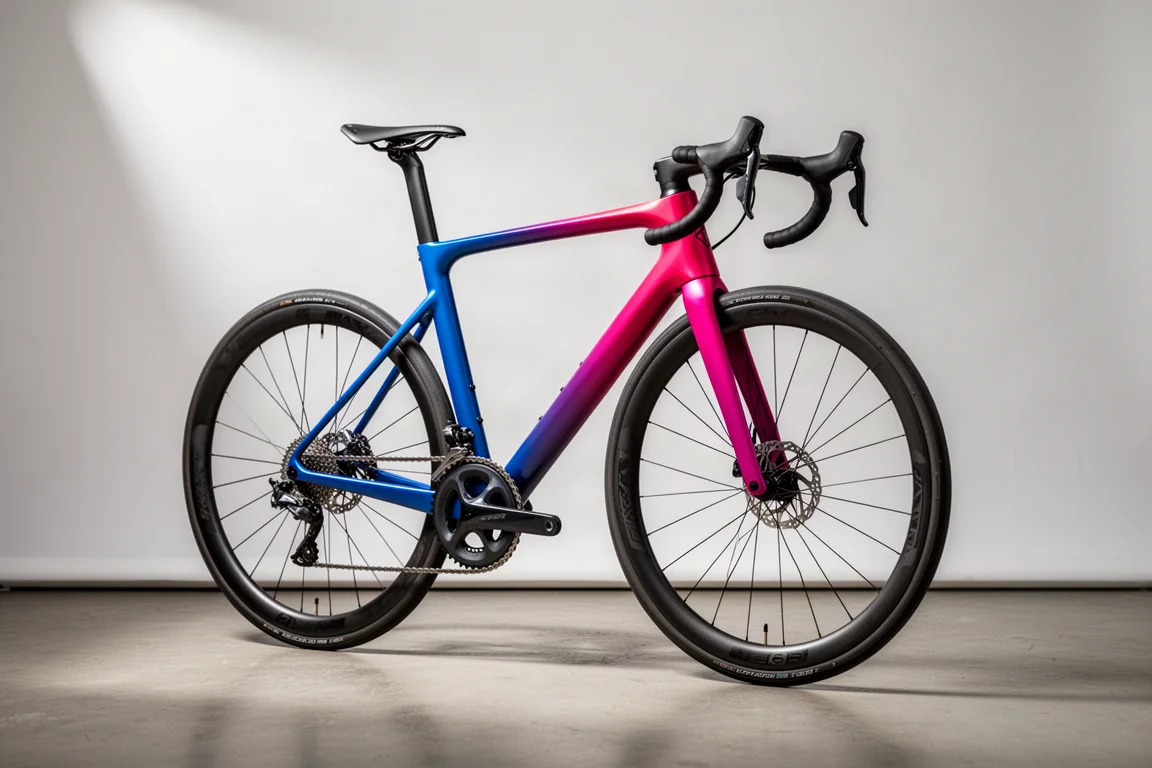
Yellow Bikes is a small independent brand with a clear point of view, and the R+1 is the clearest expression of it. Launched in 2019, the R+1 is a road frame engineered from the ground up around a single front chainring rather than adapted from a two-by design.
That decision comes from founder Ian Hughes, who brings roughly four decades in the bicycle trade, starting with early Marin Mountain Bikes distribution in the 1980s and including fifteen years working with Scott across steel, aluminium, and the brand’s first composite frames. His stated frustration was with model-year churn, where product managers hit deadlines and finish work gets rushed. The R+1 is the opposite approach: fewer models, longer development, and a feature list that exists for a reason.
If you have ever ridden a road bike that felt like a slightly different version of the last one you owned, the R+1 is aimed squarely at you.
Who the Yellow Bikes R+1 Is For
Yellow Bikes describes the typical R+1 customer as someone who already owns a serious road bike, perhaps a Pinarello, a Colnago, or a custom frame, and wants something genuinely different rather than another entry in the same category. The brand is candid about a second part of that picture: most riders who can afford high-end road bikes are not built like professional riders, even though the marketing around those bikes is.
The R+1 is therefore positioned as a performance endurance road bike. Because the brand does not work under UCI regulations, it has freedom over seat angle, head angle, and top tube length. In practice that means a seat tube set slightly further forward to help open the hips and place the rider more over the pedals, a top tube that is not excessively long, and a slightly taller head tube so the saddle-to-bar drop stays reasonable for riders who are not racing.
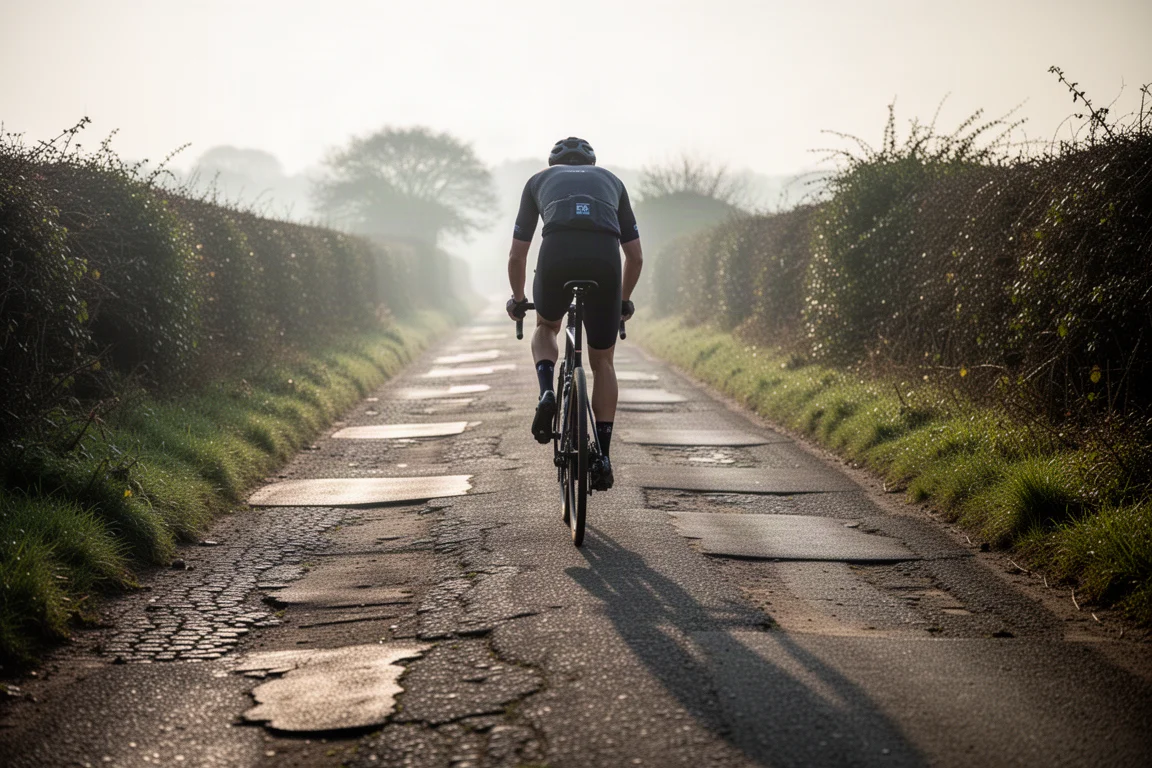
Comfort is central to the brief. Hughes points to riders still running 25 mm tires at 110 PSI and being shaken apart on poor back roads, and contrasts that with 32 to 34 mm tires at around 60 PSI, tubeless. That is the ride quality the R+1 is built to deliver.
Main Strengths
The strongest argument for the R+1 is not styling or weight. It is the engineering case for building a frame specifically for one-by drivetrains, at a time when 12-speed groupsets and wide cassettes have removed most of the practical objections.
Yellow Bikes points to cassette options from 10-36 up to 10-44, paired with chainrings from 44 up to 50 or 52 teeth, as enough range to cover everything a compact or semi-compact setup would normally offer, since those drivetrains duplicate a large number of gears. The frame was drawn around a 47.5 mm chain line with a chainring made in-house, precisely so the chain line stays correct.
A Frame Built Around One Chainring
This is the technical heart of the bike and the reason the R+1 exists as a separate frame design rather than a two-by frame with a single ring bolted on.
On a normal frame, the junction where the down tube meets the bottom bracket is not fully symmetrical, because space has to be left for a second chainring. Building only for one-by lets Yellow Bikes run the down tube into the bottom bracket completely symmetrically, while still keeping the bottom bracket width to road bike standard so the Q factor is unchanged.
The brand tested the difference in simulation. It modelled the frame laid up as a two-by frame and measured how many newtons were needed to move the bottom bracket by 1 mm. It then repeated the same test on the one-by design. The result was a claimed 32% improvement in bottom bracket stiffness. Yellow Bikes calls that a substantial gain rather than a marginal one, and it is the single claim most worth understanding before deciding whether this bike is for you.
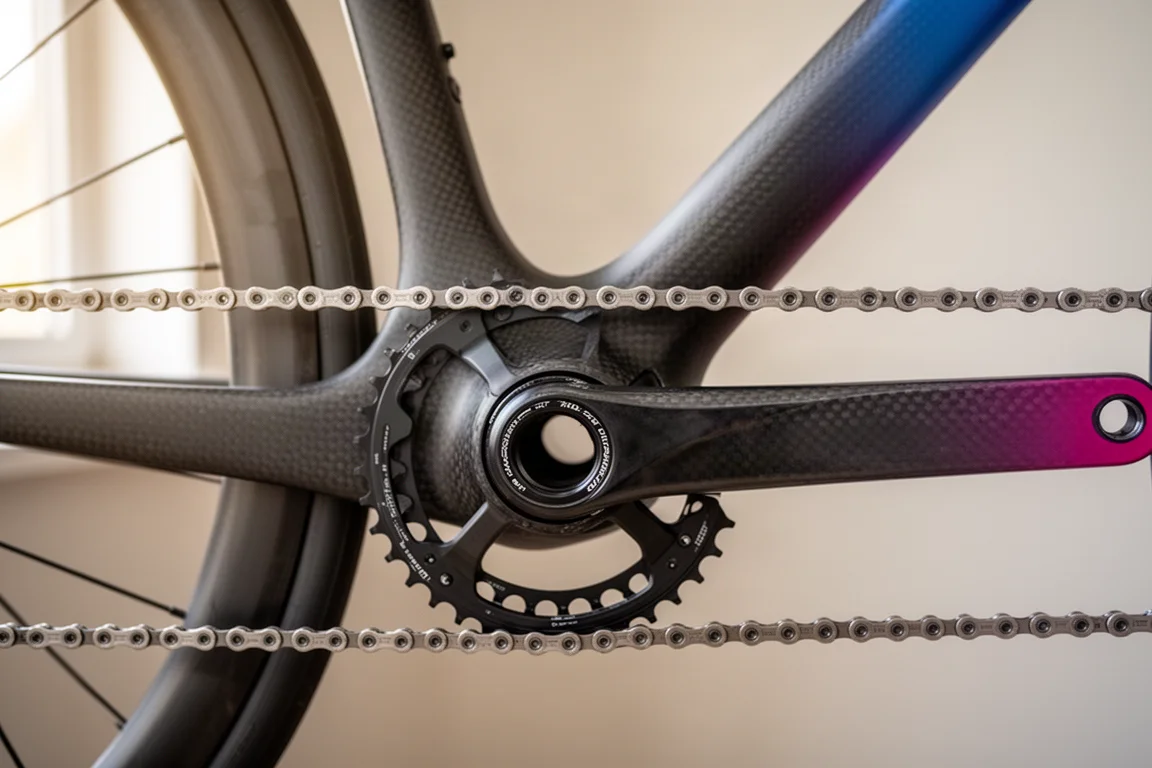
Because the frame was never designed around a front derailleur, that stiffness comes from tube shape and layup rather than from adding material to an existing design.
Comfort and Stiffness by Design
The second half of the story is how the frame handles comfort. Yellow Bikes approaches it in two layers: tire volume first, then the frame itself.
The seat stays use a calculated beam length, a specific layup, and a radius that allows controlled movement for compliance without sacrificing structure. The brand validates this through finite element analysis and factory testing across millions of simulation cycles, checking for hot spots and fatigue points rather than simply tuning for feel.
The seat tube and seat post use a camtail profile. The seat post is intentionally very stiff, because a flexing post would alter the effective seat angle as it moves. A shim in the back of the post allows a conventional round post with a different offset, or a dropper post, if a rider wants one. The down tube and fork follow the same camtail thinking, shaped with airflow over the frame in mind. Bolts are black-headed for a consistent finish, and there is a small 3D printed element inside the bar tape.
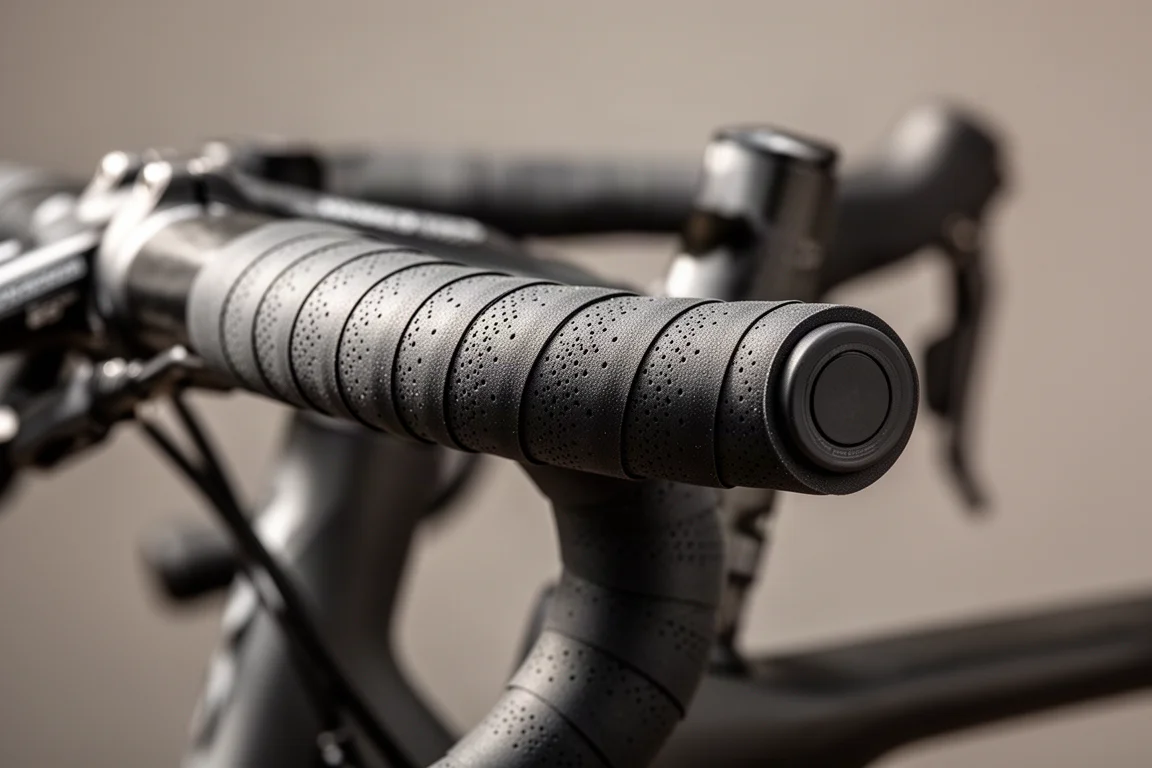
That bar tape is worth a mention on its own. It is a medical-grade silicone tape with no adhesive backing, deliberately stretchy, and it is wrapped from the stem end down toward the bar ends so the finish is a clean plug rather than insulation tape across the middle of the bar. It is a small detail that shows the level of thought applied elsewhere.
The paint follows the same restrained logic. The finish here is a cayenne blue and magenta fade with R+1 lettering repeated across the transition, developed with Antonio of the agency The Traveler and the Bear. There are no oversized brand names running down the down tube.
Tire Clearance and Real-World Ride Character
The R+1 was engineered to carry 32 to 34 mm tires from the start, at a time when rim profiles and road tires were already heading wider. In practice, the brand reports running 34 mm Pirelli tires with plenty of clearance remaining.
The design brief began as what Hughes called road plus: one bike for UK riding conditions, carrying wider tires over broken tarmac. That idea later split, with the V+1 gravel bike engineered around 50 mm tires, and the R+1 kept as the performance endurance road option. The R+1 sits in the road and road-plus crossover, while genuinely rough gravel is the V+1’s territory.
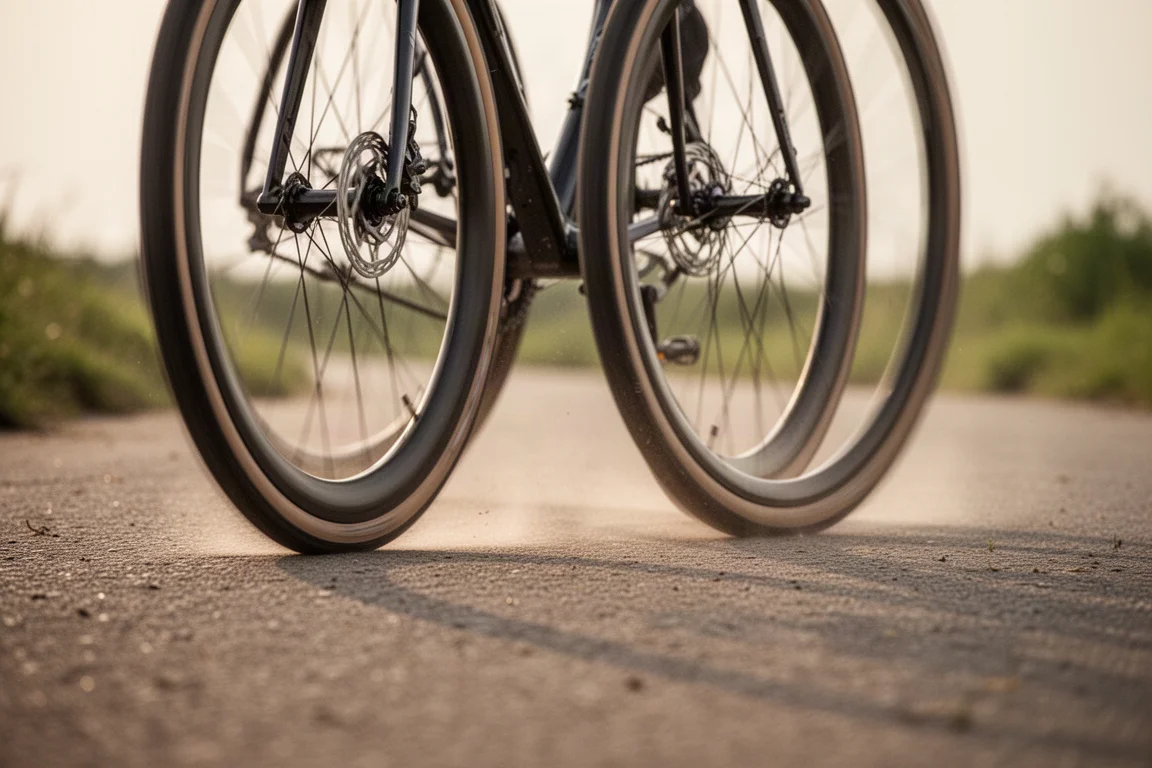
For riders on consistently poor surfaces, the combination of wider rubber at lower pressure and a frame tuned for compliance is the practical benefit, and it is the part of the bike most riders will notice immediately.
Things to Consider Before Buying
The honest caveat is that one-by on a road bike is still a polarising choice. Yellow Bikes acknowledges that traditional road riders may be sceptical, and that the brand is used to being questioned about it. If a two-by drivetrain with rim brakes is what you want, this is not that bike, and the brand says so plainly.
Gear range is the other question worth working through. For most riders, a 10-36 cassette with a 46-tooth chainring covers the same ground as a compact setup. Riders in hillier areas can move to a 44-tooth ring, stronger riders to 48, 50, or 52. If range anxiety is still a concern, Yellow Bikes points to the option of a Classified system with a virtual front mech for considerably more range.
Wider-range road groupsets are also worth watching. The brand expects 13-speed to arrive first in gravel and suggests road may be roughly 18 months behind, so buyers who want the latest drivetrain standard should factor in that timeline. Buyers who like to tinker should also note that a dropper post is possible via the seat post shim, but not standard.
Finally, this is a small independent brand rather than a large corporate one. That is the point, but it does mean a narrower range and a different ownership experience than buying from a volume manufacturer.
Buying Advice
Yellow Bikes puts unusual emphasis on fit, and it is worth using that. The brand asks for measurements from your existing bike if it fits you well and you are riding without back pain, or the output of a professional bike fit if not. Bar width, stem length, stack height and the rest are set before the bike ships, with the goal that the bike fits correctly the moment it comes out of the box, anywhere in the world.
Chainring choice is the main configuration decision. A 44-tooth ring suits hilly terrain and lower gearing, 46 is the middle ground, and 48 through 52 suit fitter riders with more torque who want top-end speed. Pair that with a 10-36 cassette for the standard range, or a wider cassette if you want more at both ends.
If it is possible, ride a one-by road bike before committing. The step between gears is the part that divides opinion, and no specification sheet settles that question as well as an hour on real roads.
Conclusion
The Yellow Bikes R+1 is a boutique road bike with a genuine engineering argument behind it rather than a styling exercise. The dedicated one-by frame layout is what makes the claimed 32% bottom bracket stiffness gain possible, and the comfort-first geometry, wider tire clearance, and fit-first delivery all point at the same rider: someone who wants a fast endurance road bike that does not punish them on real roads.
The trade-offs are clear. One-by remains a polarising choice, gear range needs a short conversation to get right, and this is a small brand rather than a global one. But for riders who already own a conventional high-end road bike and want something built differently, the R+1 makes a coherent, well-considered case.
Product link
View more details for Yellow Bikes R+1
This product is mentioned in the review. Check the specifications, options, and compatibility before buying.
View more details for Yellow Bikes R+1Further reading
Related Reviews
Road Bikes
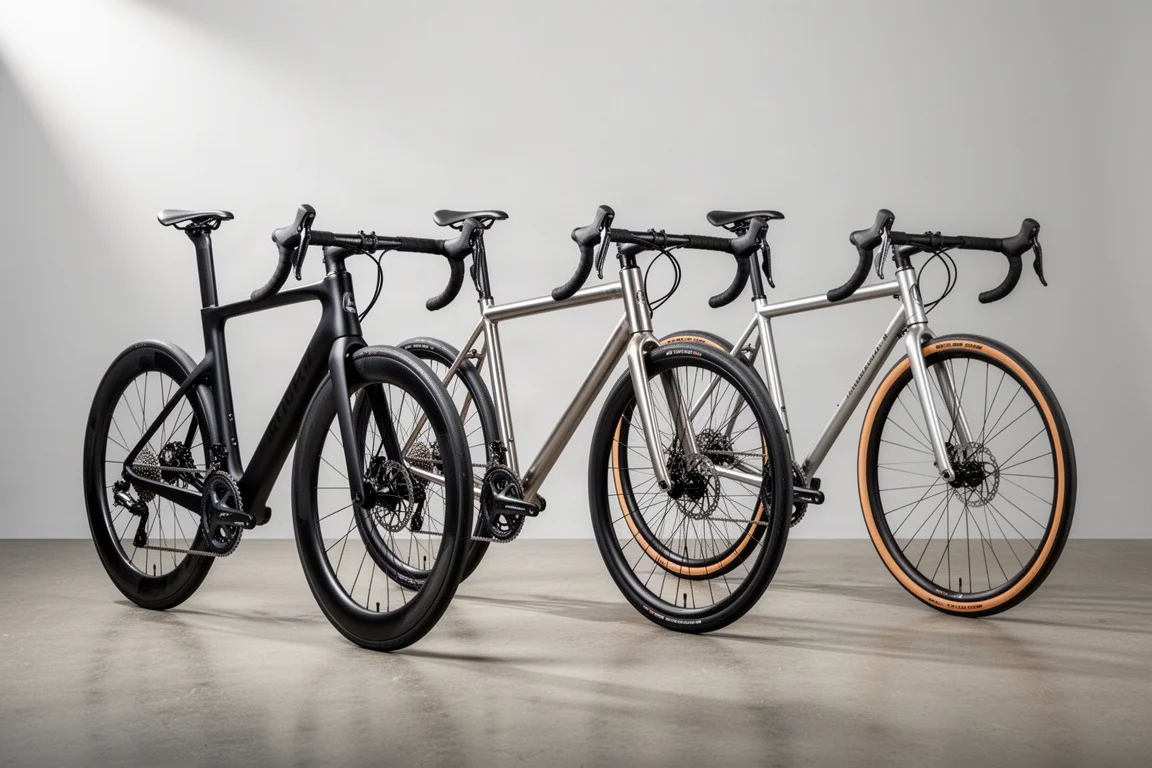
10 New Road Bikes Worth Watching: Aero, Titanium, Steel and Endurance Standouts
A practical roundup of 10 new road bikes, from aero flagships chasing single-watt gains to titanium, steel and endurance platforms built for real roads.
Road Bikes
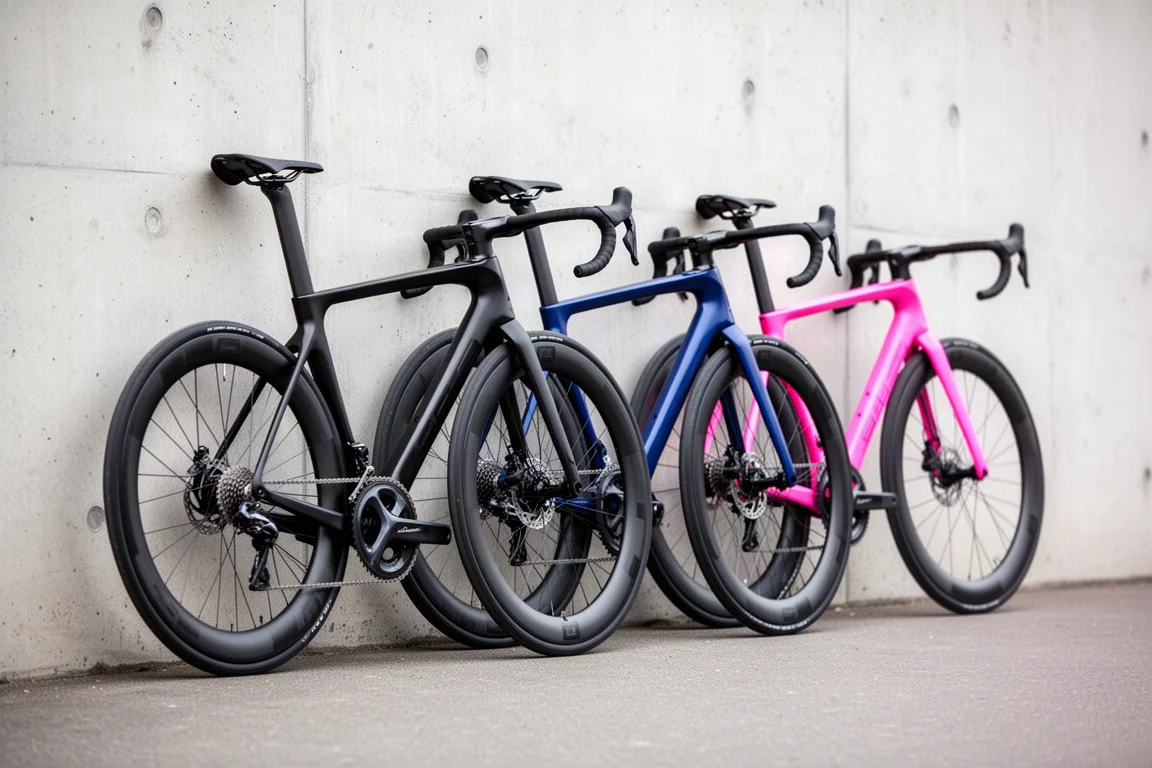
2026 Tour de France Road Bikes: Six Race Machines Worth a Closer Look
Six race bikes from the 2026 Tour de France grid, reviewed for paint, silhouette, wheels and the specification details that matter to buyers.
Road Bikes
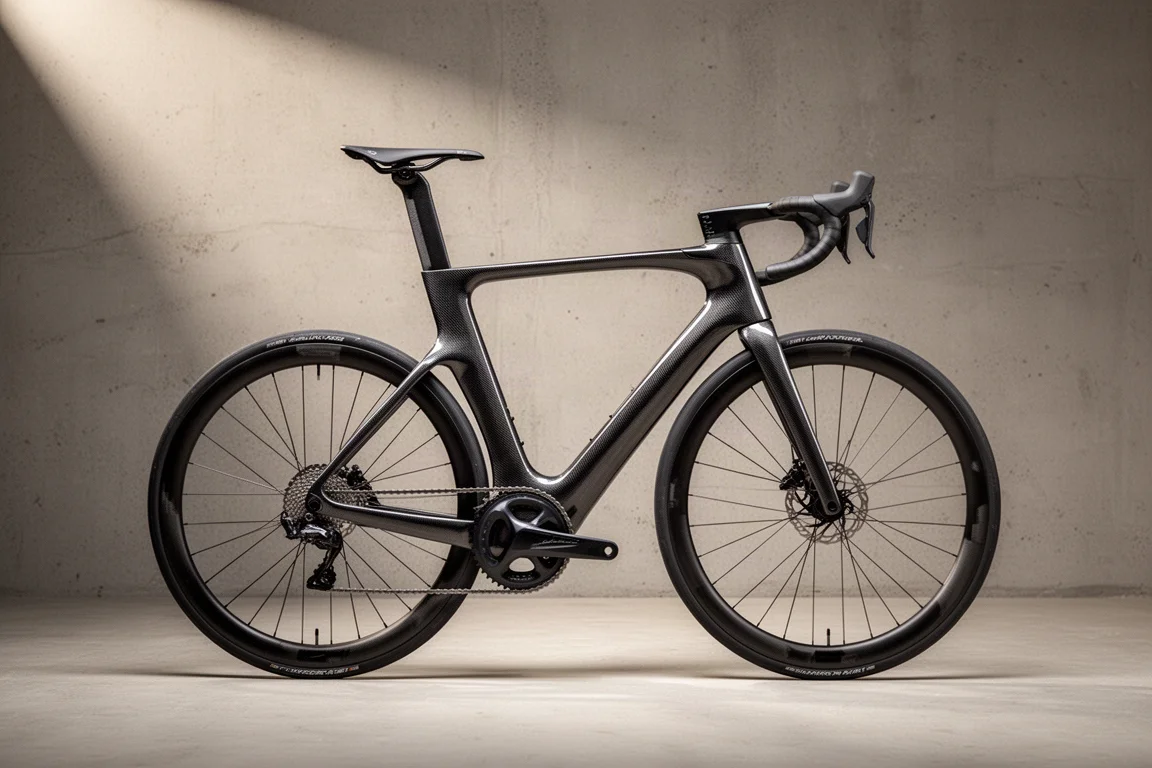
3T Strada Italia Review: A Radical Aero Road Bike That Rides Smooth
A made in Italy carbon aero road bike with a deep head tube, wide tire clearance and a genuinely comfortable ride. Here is what to know before buying.