Outdoor Equipment
Yarbo Autonomous Lawn Robot Review: A Heavy-Duty Yard Machine That Mows, Blows, and Tows
A 134 lb tracked yard robot with a wireless charging dock, a surprisingly powerful blower module, and a 3,500 lb tow rating. Here is what impressed us and what to know before buying.
Introduction
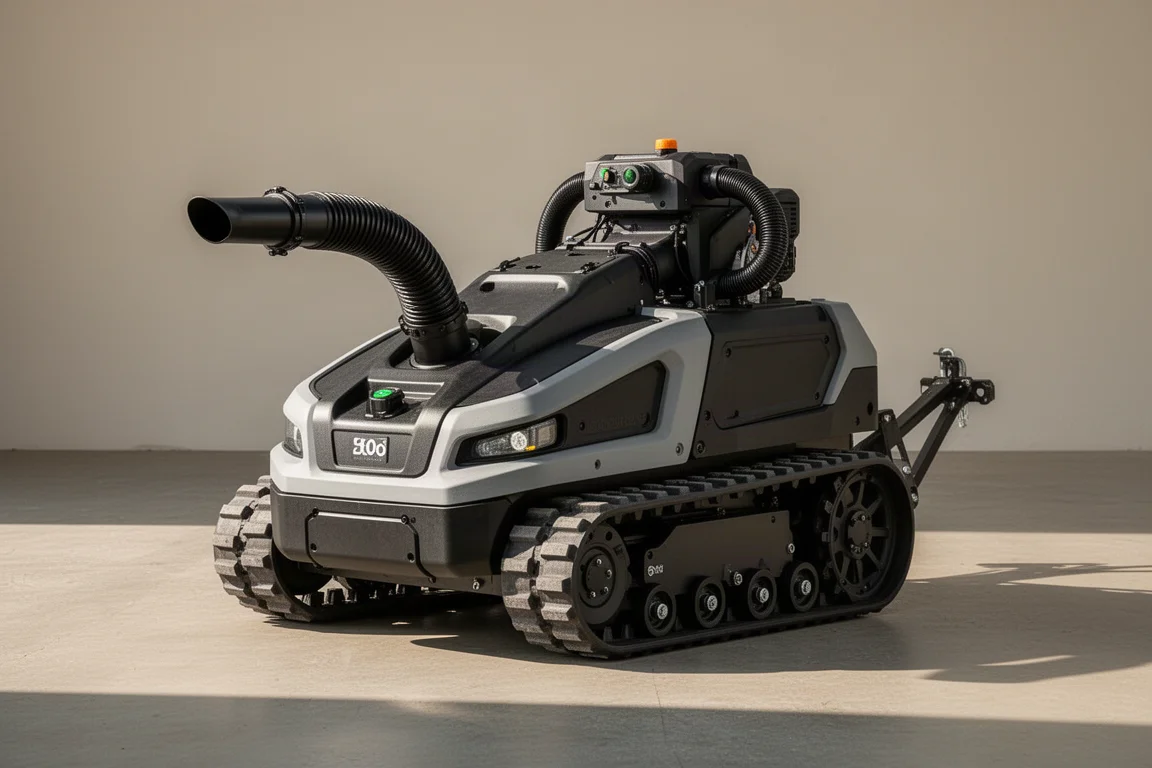
The Yarbo autonomous lawn robot is one of the more ambitious outdoor machines we have tested. It is a 134 lb tracked robot that docks itself, charges itself, and can handle tasks from mowing to leaf blowing, with a hardware spec sheet that looks closer to a small utility vehicle than a garden gadget. It even arrived out of the box at about 55% charge, which meant we could drive it around the yard almost immediately, using an Xbox-style controller.
Key Specs
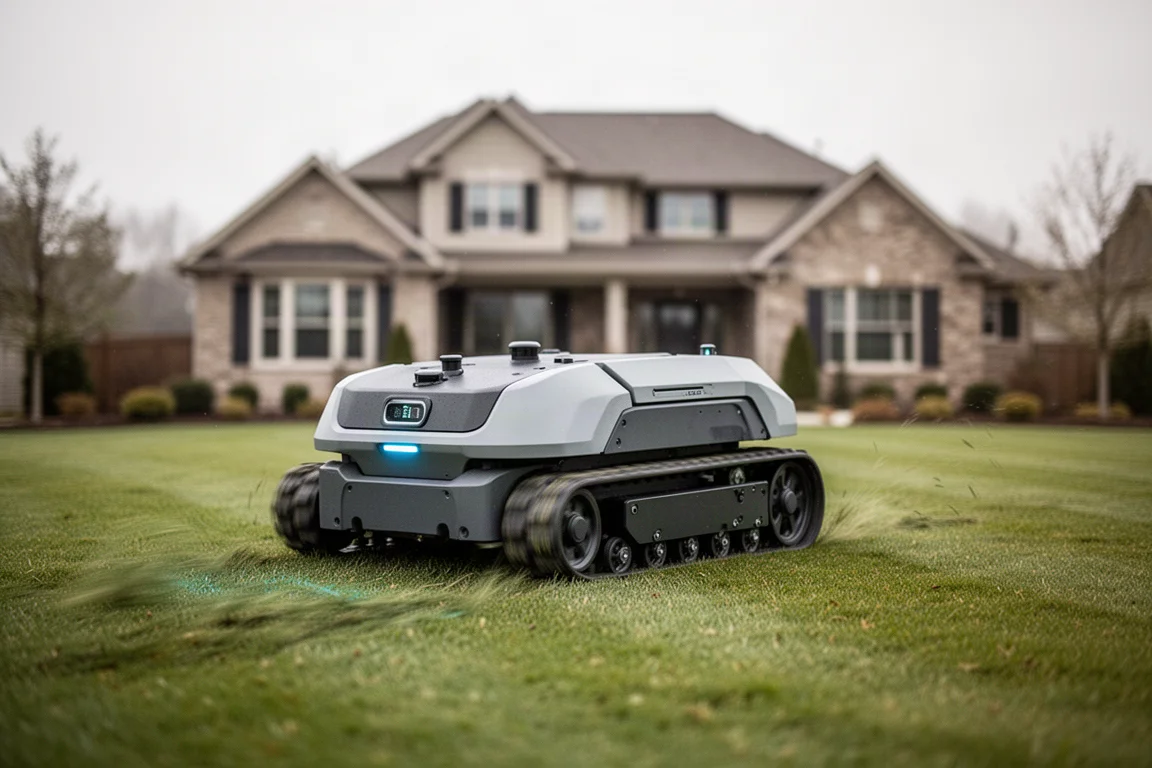
The numbers here are genuinely beefy for a consumer robot:
- Weight: 134 lbs out of the box, so two people are strongly recommended for unboxing
- Tow hitch: included in the box, with a max gross trailer weight of 3,500 lbs
- Charge time: about three hours
- Operating time: up to four hours per charge in standard mowing, roughly one to one and a half hours with a power accessory like the blower
- Operating temperature: -13 to 113 degrees F, so it keeps working in freezing conditions
- Max coverage: up to 31 acres
- Max moving speed: 1.34 mph, reasonable for a tracked vehicle
- Recommended hitch clearance: 7.87 to 9.84 inches
The operating temperature range is a standout. Because it is battery powered rather than gas powered, it does not lose usable range the way many battery products do in cold weather, which matters a lot if you plan to use a snowblower attachment in winter. The accessory battery is drawn from the main pack rather than a separate dedicated battery, so runtime drops when the blower is running. A dedicated accessory battery that could double runtime would be a welcome future feature.
Setup and Charging Dock
Setup is the most intimidating part of ownership. The robot is heavy, the box has many components, and there are a few gaps worth knowing about before you start. The manual references low RTK antennas, but only two high RTK antennas are included in the box contents. It still worked fine without them, but the mismatch is confusing. The smart assist module also mounts somewhat loosely onto the core unit, likely by design so it can move vertically for attachments, but it does not feel as snugly locked in as you might expect.
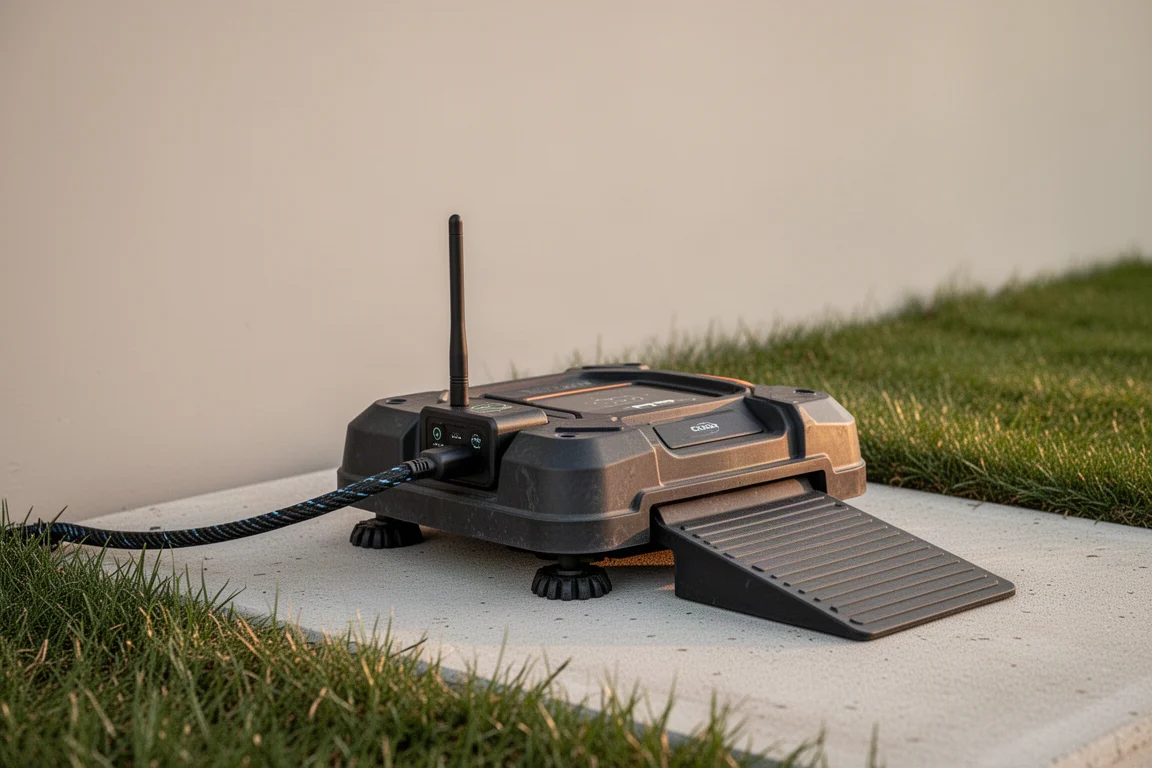
The data link unit is easier than it sounds if you have any networking experience, and the parts quality is good, including a long run of shielded Cat 5e cable. The idea is to mount it where it has direct visibility to wherever the robot works, then connect it to your router. The wireless charging deck is the more polished half of the installation: it is IP67 rated against water and dust, rated for charging from -3 to 113 degrees F, and designed to live outdoors permanently. It ships with rubber stoppers for concrete and spikes for grass or dirt, plus a thoughtful ramp design. The robot rolls onto it when the battery runs low and rolls back out when charged, fully on its own.
One practical tip: watch the introductory videos before reading the manual. The app suggests the controller is the easy way to start, but the controller lights only turn on until you learn the proper combination of holding a button above the right trigger while using a joystick. That safety design makes sense, but it is not explained in the manuals or app. We spent around three hours total on assembly, research, and learning how everything works.
Blower Performance
The blower module surprised us. It is not a weak little attachment by any means: it is loud in a good way, and it performs like a full-size blower. Speeds one through three are available, and a blowing angle adjustment is useful, particularly for the snowblower attachment. Several hoses and nozzles come in the box, and the stock option worked well for walkways where you do not need maximum power.

For larger areas like a driveway, speed three gets the job done quickly. Because the machine moves at a walking pace and its blower reaches low to the ground, it clears surfaces more thoroughly and efficiently than a handheld blower often can. With good mapping set up in the app, it stayed well within the lines of the driveway. Expect roughly an hour and a half of runtime with the blower, and slightly more at lower speeds. A word of caution for leaf work specifically: leaves bunch up unevenly depending on wind, unlike snow, so we were curious to see how the robot would handle patchy coverage. It managed the areas we mapped well, but uneven debris is a situation worth watching.
Software and Support
The software experience is strong. Mapping and controls go in cleanly through the app, and the platform keeps getting updates, which suggests the company is still actively improving it rather than treating it as finished. The product still feels slightly experimental in places, mostly in the instructional side: manuals, videos, and app guidance have changed between models and do not yet fully line up. The better approach today is to watch all the intro videos first, then consult the manual for anything remaining.
Maintenance is real, though not excessive. Tracks need to be lubricated and greased, and different track types exist for summer versus winter conditions, with all-terrain tracks better suited to cement and dirt and winter tracks designed for snow. Most of the machine carries a two-year warranty; the tracks, as consumables, do not. The machine is also fine being used in the rain, which is rare for outdoor automated equipment and a real practical advantage.
Who This Product Is For
This is mostly a residential product, and even then a somewhat niche one. It is designed to be set up at a single location with its charging dock and mapped yard, not to learn a new property every time it is placed somewhere. That makes it a poor fit for commercial lawn services that move between properties, unless it is used as an in-house solution at one site. For homeowners with a large property, a long driveway, or a desire to combine mowing, leaf blowing, and snow clearing on one platform, the value proposition is much stronger.

Things to Consider Before Buying
- Budget for setup time: expect a few hours for assembly, mounting, and learning the controls
- Two people are recommended for unboxing due to the 134 lb weight
- Runtime drops to roughly one to one and a half hours with power accessories
- Choose the right track type for your climate and season
- Watch the official setup videos first; the manuals and app alone leave gaps
- The manual mentions low RTK antennas that are not included in the box
Buying Advice
In this configuration the machine runs roughly four to five thousand dollars, and the pricing does shift from time to time. For what you get, a tracked, weatherproof, self-charging robot with a genuinely powerful blower, swappable attachments, and a 3,500 lb tow rating, the value is reasonable. It is overbuilt and overpowered in a way that inspires confidence, and the hardware is clearly ahead of the paperwork. If you are comfortable with a hands-on setup process and want one machine to cover multiple seasons, it is worth a serious look.
Conclusion
The Yarbo autonomous lawn robot is one of the most capable and ambitious yard machines available to homeowners right now. The blower module is far more powerful than expected, the charging dock and weatherproofing are thoughtfully engineered, and the specs, from the tow rating to the operating temperature range, are outstanding. The main trade-off is a setup experience that still needs polish, both in assembly and in documentation. If the instructions improve, this platform will only get better from here.
Product link
View more details for Yarbo Autonomous Lawn Robot
This product is mentioned in the review. Check the specifications, options, and compatibility before buying.
View more details for Yarbo Autonomous Lawn RobotFurther reading
Related Reviews
Outdoor Equipment
Milwaukee Switch Tank 3019-20PS Gen 2 Review: The Leaks Are Fixed
The Gen 2 Milwaukee Switch Tank battery-powered backpack sprayer tackles the Gen 1 leaking problems with a redesigned tank, a raised pump base, and a built-in measuring cup.
Outdoor Equipment
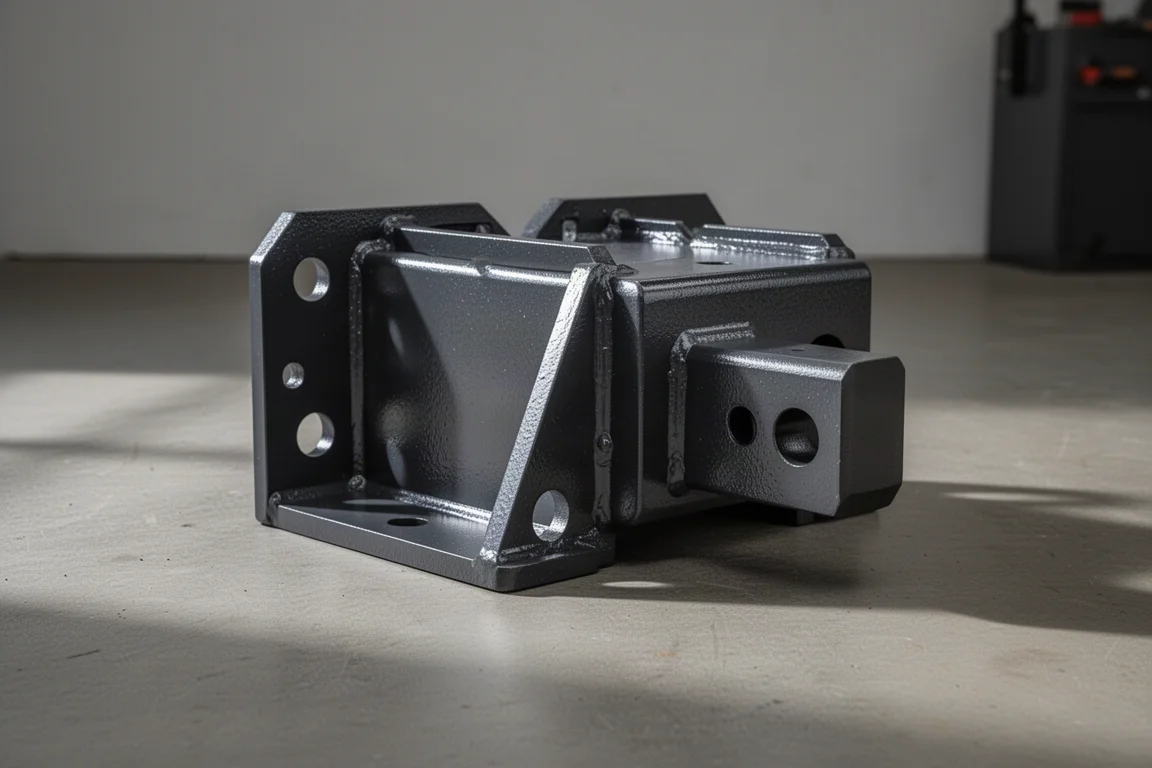
Smith Customs Hitch Adapter Review: Move Trailers With a Compact Loader
A beefy, made-in-the-USA hitch adapter that turns a compact utility loader like the Toro Dingo into a surprisingly capable trailer shuttle.
Smart Home
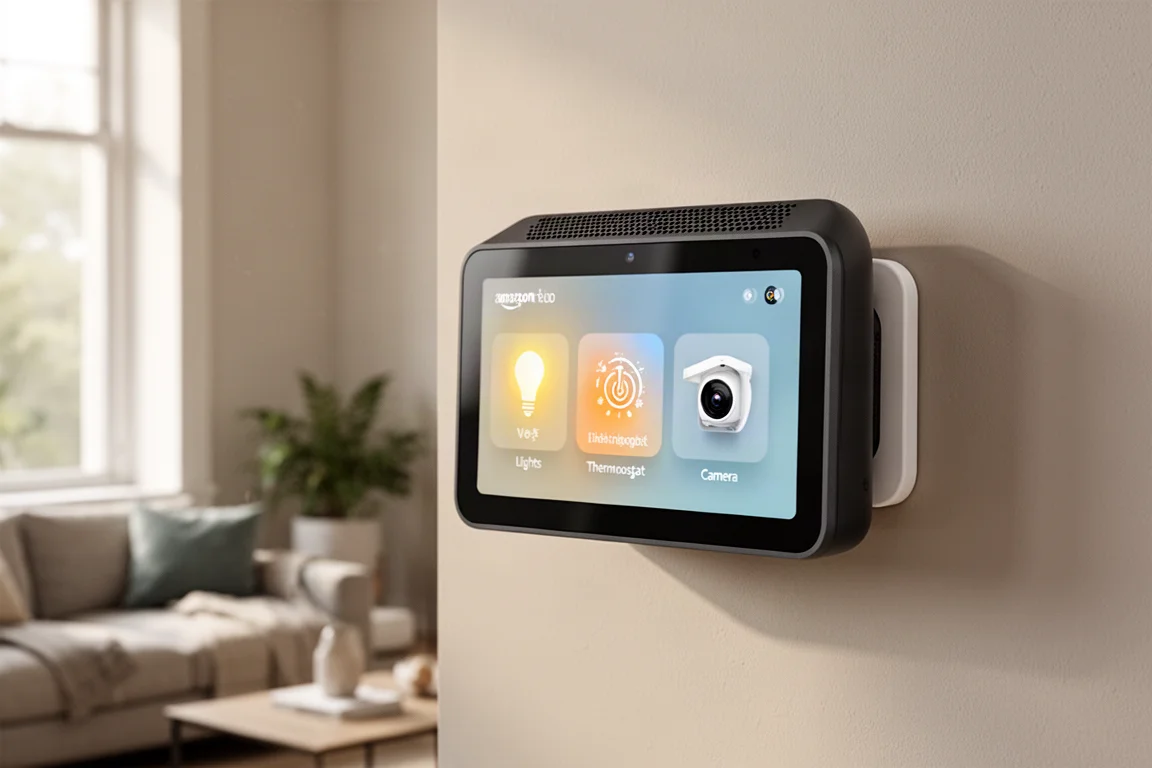
Amazon Echo Hub Review: A Smart Home Dashboard That Finally Gets It Right
The Amazon Echo Hub puts smart home controls front and center with a fast, simple interface. Here is how it performs as a family-friendly dashboard.