Outdoor Equipment
Milwaukee Switch Tank 3019-20PS Gen 2 Review: The Leaks Are Fixed
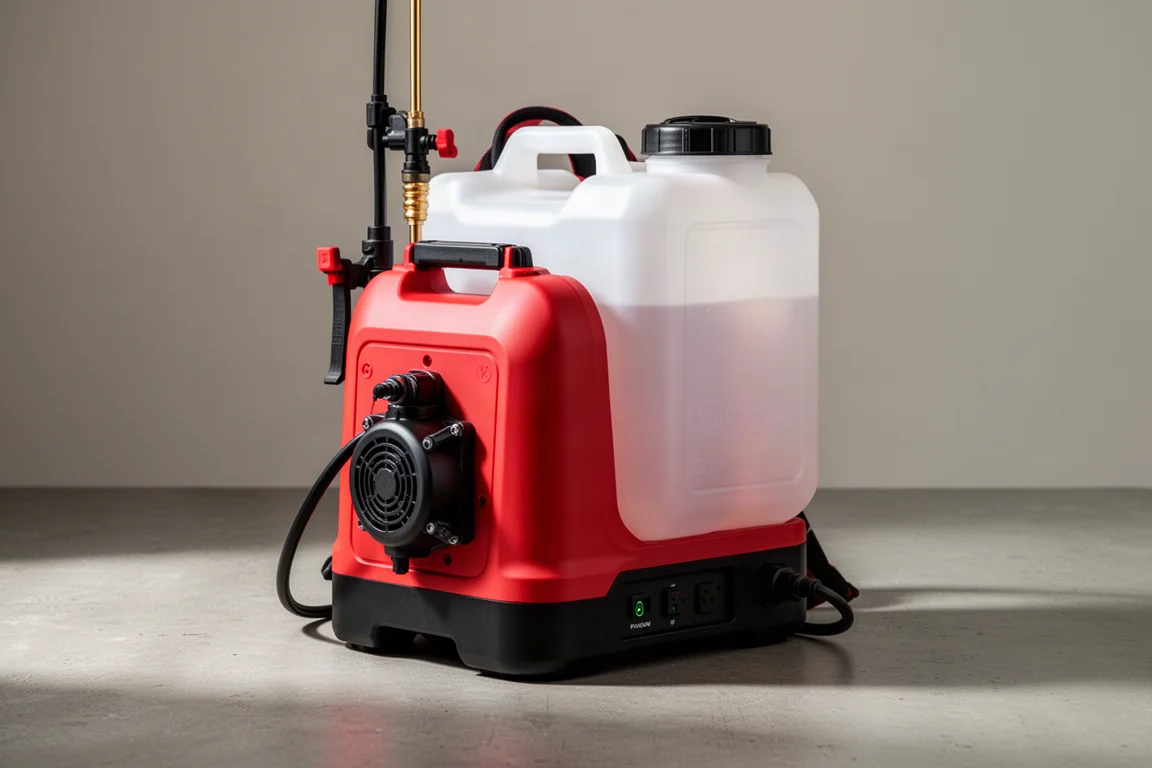
The Gen 2 Milwaukee Switch Tank battery-powered backpack sprayer tackles the Gen 1 leaking problems with a redesigned tank, a raised pump base, and a built-in measuring cup.
Introduction
The Milwaukee Switch Tank system is a battery-powered backpack sprayer built around interchangeable tanks, and the new Gen 2, model 3019-20PS, directly targets the biggest complaint about the original: leaking. Some Gen 1 units leaked right out of the box, and Milwaukee redesigned the internals and the outside of the tank to fix it. The base layout stays familiar, the pump still sits at the bottom, and the controls remain in the same place, but there are meaningful changes throughout that make this a more confident buy for contractors and property owners.
Who This Product Is For
This sprayer is built for contractors and landowners who run different chemicals through the same rig. The interchangeable tank system means you can keep a herbicide and pesticide tank and a water spraying tank on hand, switch between them in the field, and label them however you need. If your work involves spraying jobs on different days with different chemicals, the system is designed exactly for that workflow.
Be aware of one critical compatibility point: nothing is compatible between Gen 1 and Gen 2. Once you buy Gen 2, every tank you use must also be Gen 2. That matters if you already own Gen 1 tanks and were hoping to carry them over.
What Changed From Gen 1 to Gen 2
The base keeps the bottom-mounted pump motor that drives the internal pump, with two external contacts transferring power to the tank. Those contacts are now raised, so the unit does not sit in water at the bottom, which is a real durability upgrade. Keep them clean, and never let them touch anything else while a battery is installed.
The battery sits directly up front and accepts a 12-amp-hour pack. That placement is easy to reach and simple to work with. Controls run from level 1 to 5, with the herbicide sprayer delivering a tenth of a gallon up to about 0.6 gallons per minute. A green light confirms when the unit is on.
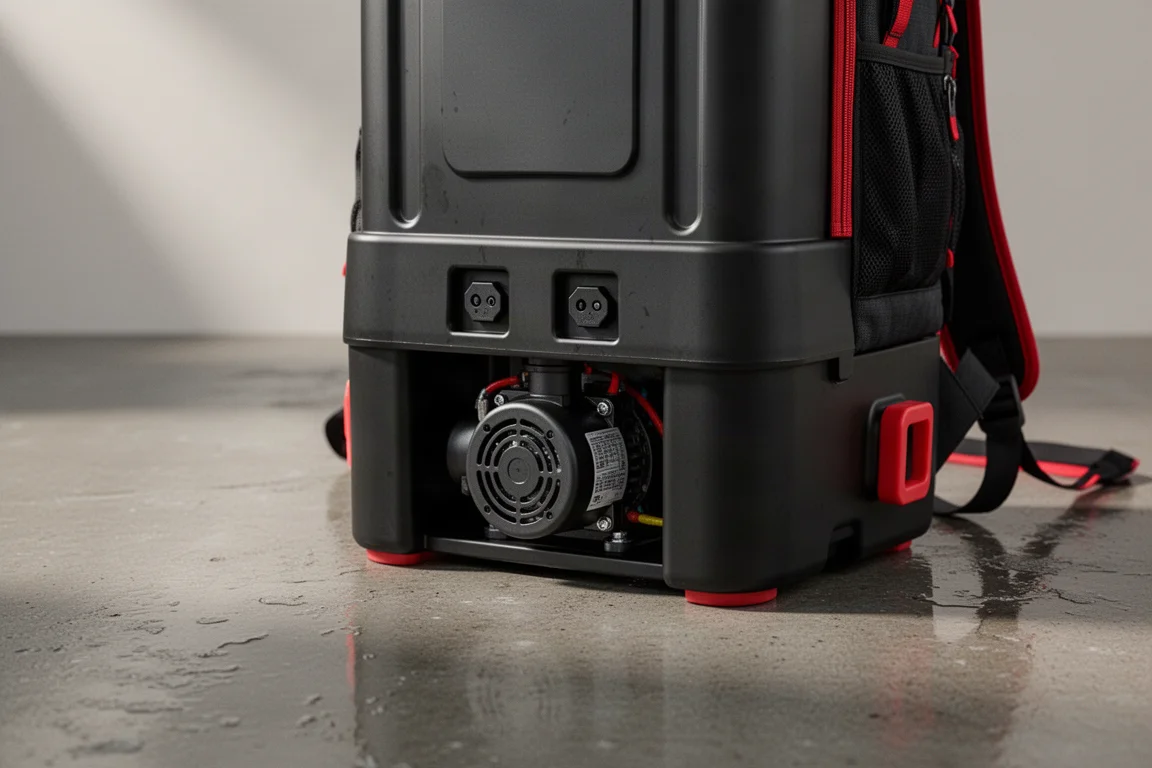
The tank connections changed in a welcome way. The tank hooks into the back at two points as before, but now clips in at the front in two places, unlike the old front-and-back clip arrangement. That means someone can actually mount or remove a tank while the base is still on your back, which was not possible with the previous generation.
Tanks and Mounting
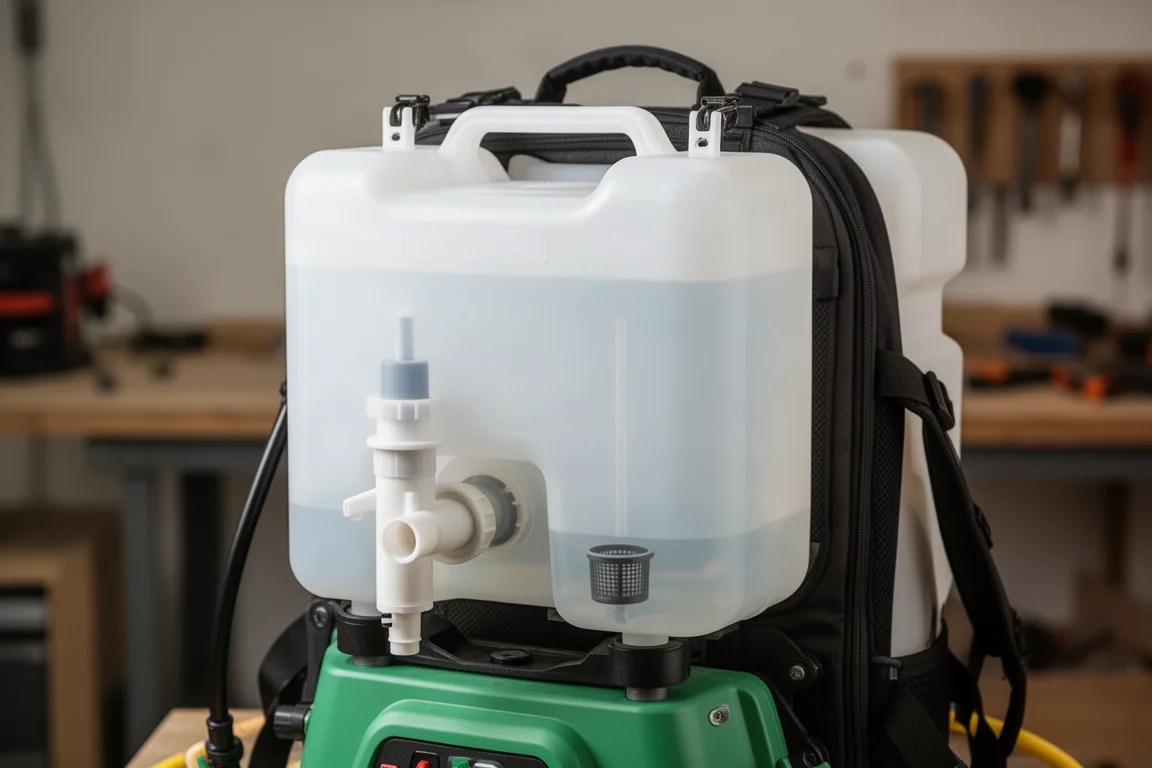
The tank itself looks familiar with some differences, most notably that the pump is now at the front. That assembly can be taken apart and removed from the tank if repairs are needed. The intake hose runs to a screen near the pump, connected with a simple clamp, so you can pull the screen off and clean it when chemicals clog it. That is a practical fix for a problem that affects every sprayer eventually.
The intake also pulls directly from the bottom of the tank, so you can use nearly all of the chemical instead of leaving a large amount unreachable at the bottom.
One of the standout details is the new cap, which has a built-in measuring cup. It secures itself in place so it will not fall in or come loose, it is fully labeled, and it means you do not have to carry a separate measuring cup into the field. Wear gloves when handling it, since it will get covered in chemicals.
Hose, Wand and Nozzles
The hose and sheathing, along with the handle, carry over essentially unchanged. There is a lock-off on the handle so it cannot be pulled accidentally, and once engaged you can push a button to lock it on completely for continuous spraying.
The wand accepts a stainless steel extension held in place by a plastic fitting with two O-rings for sealing. It goes on and comes off easily, and most people will set it once and leave it. The stainless steel hose runs all the way to the end, terminating in a brass sprayer that outputs an adjustable cone pattern, tuned by turning the tip in and out.
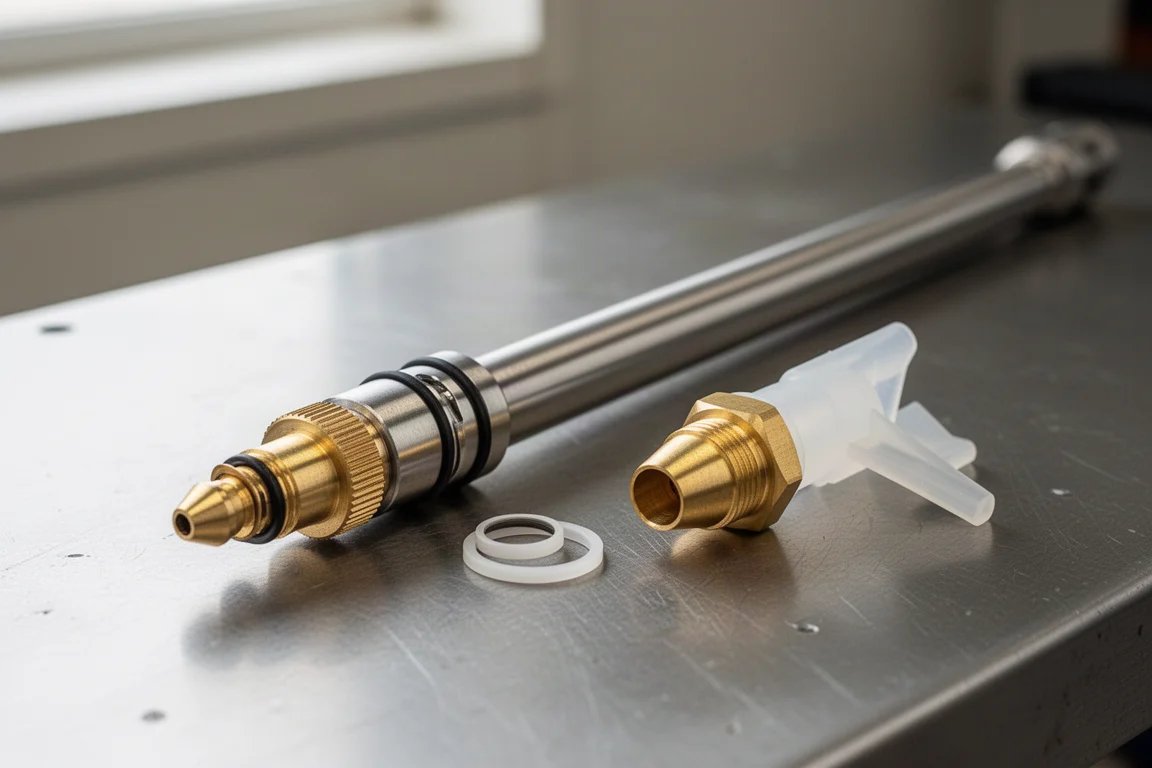
An angled plastic sprayer is also included, which produces a fan pattern for when you want fan coverage or are using something more caustic. The fan is not adjustable for pattern, only for flow. One habit worth adopting: clean everything after each use. The Switch Tank is meant for storing chemicals in multiple tanks across the day, but leaving chemicals sitting in the wand and tip is what corroded tips on the previous model.
Storage is improved too. The wand clips in and stays in place, and the tank clips in at the top when removed, which the older model handled poorly. The back straps feel a bit thinner and more water resistant, and the back pad no longer soaks up water if it rains or the unit bounces around the truck. The chest straps sit a little high for some body types and the red thread stops them from dropping lower, but everything else adjusts generously, including for very large users. While wearing it, the on/off switch and flow adjustment are all within reach; only the battery, all the way in back, is not.
Performance and Real-World Use
There is no huge performance difference from Gen 1, which is not a bad thing since the original already sprayed well. Level 5 may deliver a touch more flow, and noise is very similar. The pump shuts off automatically once it reaches proper pressure.
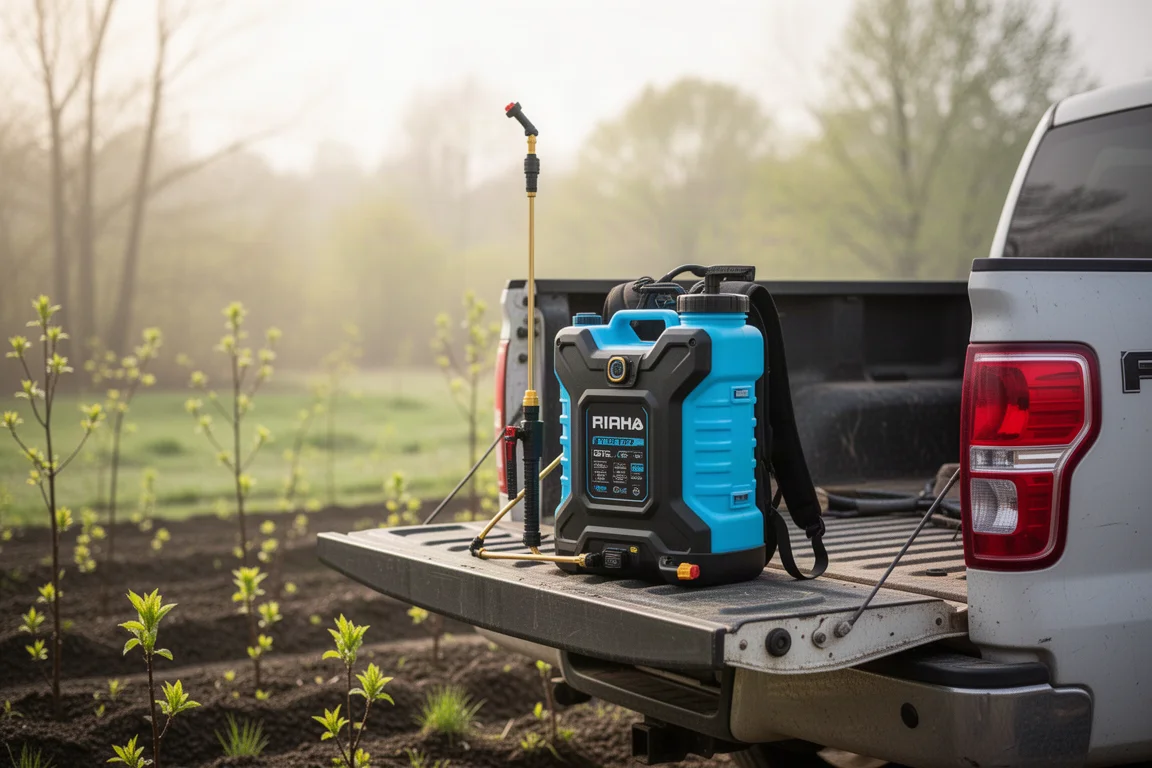
On low settings there is some pulsing, about the same as the old model, but Milwaukee has refined the pump control. Instead of running at one speed and oscillating in pressure, the pump now slows down, and while a small pulse remains it is very controllable and quiet. On low you get basically no noise. Level 3 produces a slight audible pulse, nothing that would interfere with actual spraying work.
Early testing shows no water leaks, and the tank seals well enough that you can shake it up without odor escaping. That suggests Milwaukee has addressed the issues that plagued the older model, though more field time is needed to confirm no leaks develop over the long term.
Buying Advice and Pricing
The full kit, bare tool with no battery, runs approximately $389. Each tank, whether the herbicide and pesticide tank or the water spraying tank, is around $199. Prices vary, so it is worth checking current listings before you buy. The honest downside is cost: once you add a second tank, you are into it for roughly $600.
For contractors, the value case is straightforward. You get what you need to get the job done, multiple tanks you can switch through and label, and a system that finally seems to have its leaking problems sorted. For lighter, occasional use, the price will be harder to justify.
Conclusion
The Gen 2 Switch Tank 3019-20PS is what the original should have been: same strong spray performance and familiar controls, but with raised, protected power contacts, an easier front-clipping tank mount, a cleanable intake screen that draws from the bottom of the tank, a built-in measuring cup, and a watertight back pad. Nothing carries over from Gen 1, so budget for all-new tanks, but if the leak-free experience holds up over a full season of use, Milwaukee has nailed this one.
Product link
View more details for Milwaukee Switch Tank 3019-20PS Gen 2
This product is mentioned in the review. Check the specifications, options, and compatibility before buying.
View more details for Milwaukee Switch Tank 3019-20PS Gen 2Further reading
Related Reviews
Outdoor Equipment
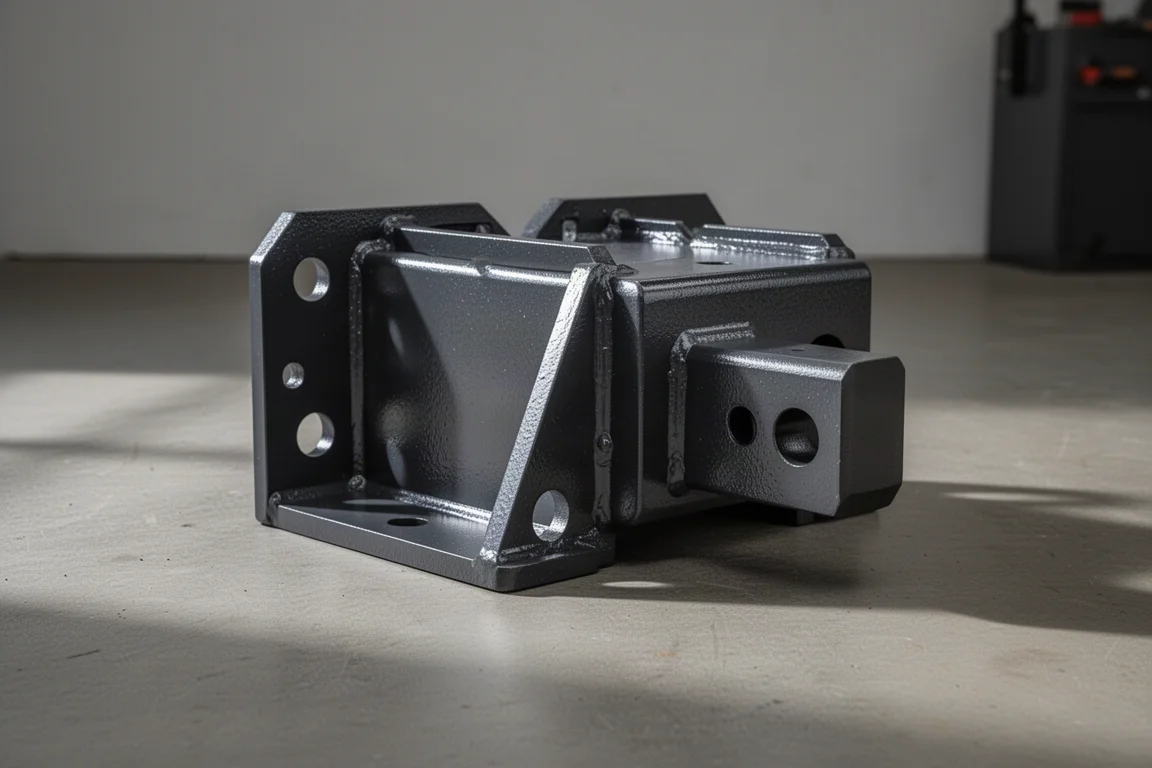
Smith Customs Hitch Adapter Review: Move Trailers With a Compact Loader
A beefy, made-in-the-USA hitch adapter that turns a compact utility loader like the Toro Dingo into a surprisingly capable trailer shuttle.
Outdoor Equipment
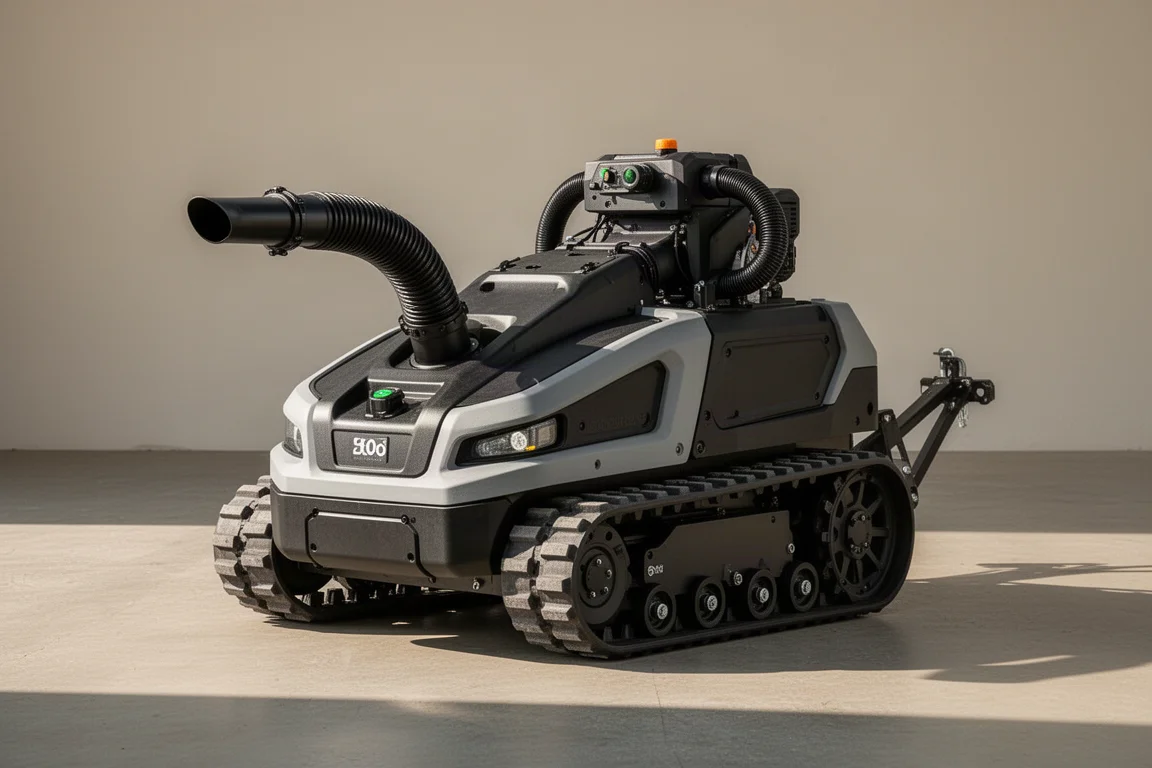
Yarbo Autonomous Lawn Robot Review: A Heavy-Duty Yard Machine That Mows, Blows, and Tows
A 134 lb tracked yard robot with a wireless charging dock, a surprisingly powerful blower module, and a 3,500 lb tow rating. Here is what impressed us and what to know before buying.
Tools
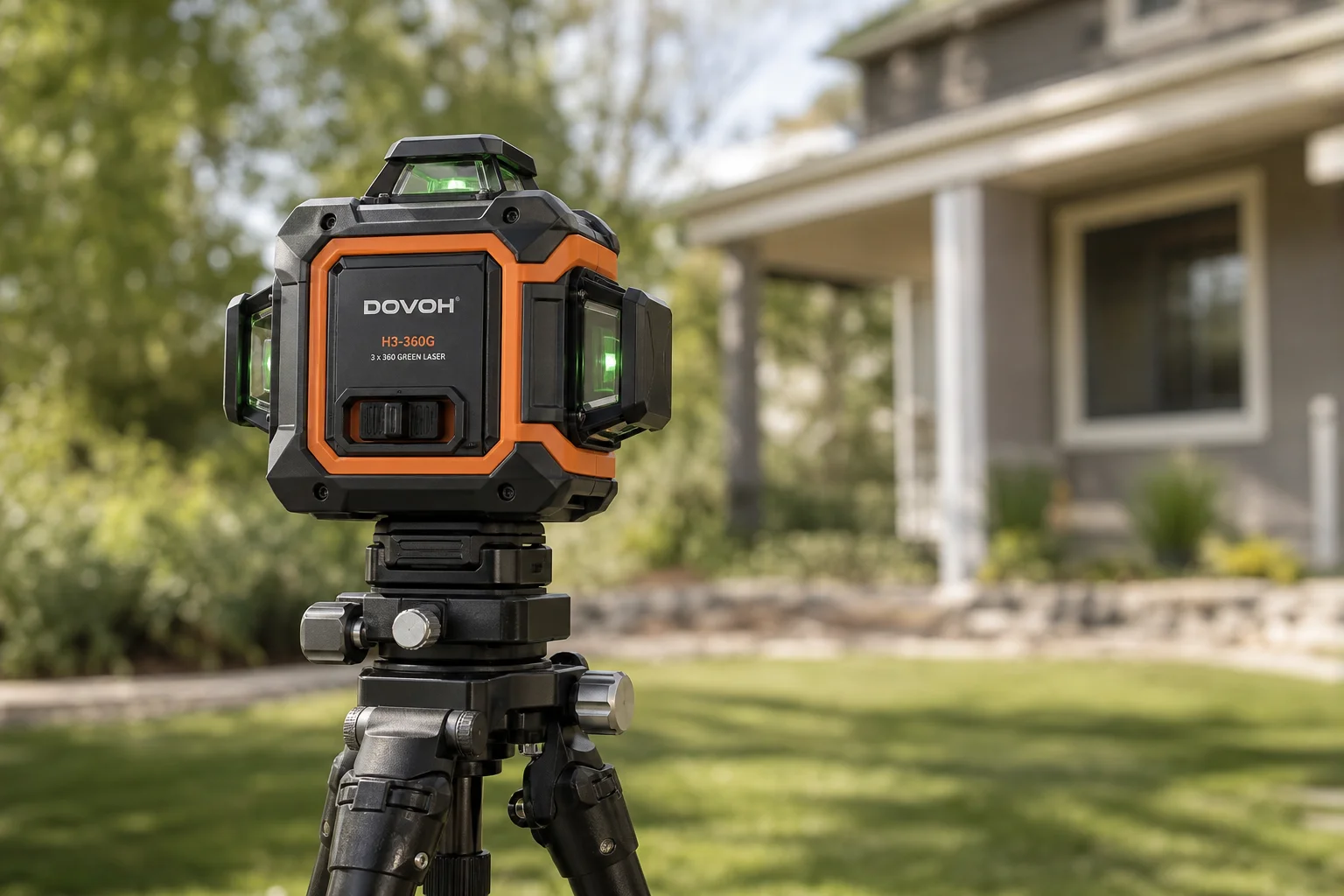
DOVOH Outdoor Laser Level Review: A Premium Tool for Construction and Landscaping
A comprehensive look at the DOVOH outdoor laser level with receiver, including what comes in the box, key features, and real-world performance for leveling projects.