Soundbars
Yamaha True X Bar 50A Review: Dolby Atmos and a Wireless Subwoofer for Under $700
A plug-and-play Dolby Atmos soundbar with a wireless subwoofer, four sound modes, and overhead effects that hold up well in small to medium rooms.
Introduction
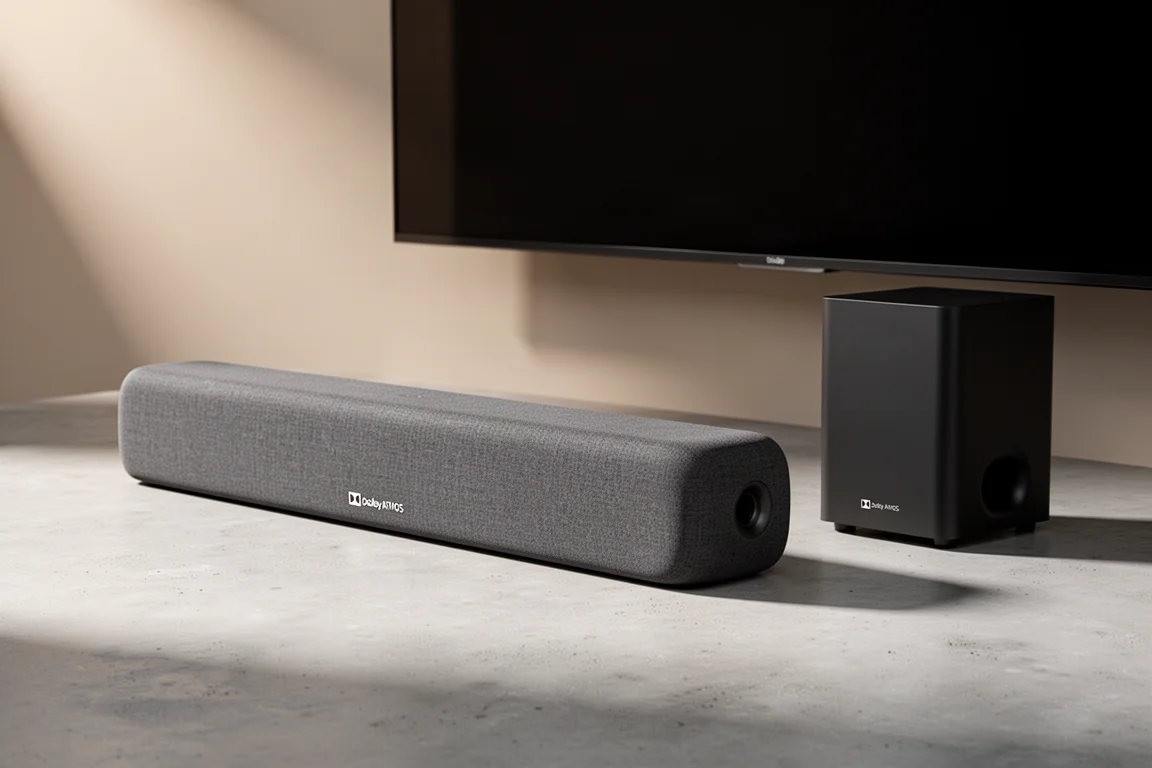
The Yamaha True X Bar 50A is a plug-and-play Dolby Atmos soundbar sold together with a wireless subwoofer, and it is aimed at listeners who want a home theater upgrade without an AV receiver, a calibration routine, or a rack of extra speakers. The complete system comes in under $700.
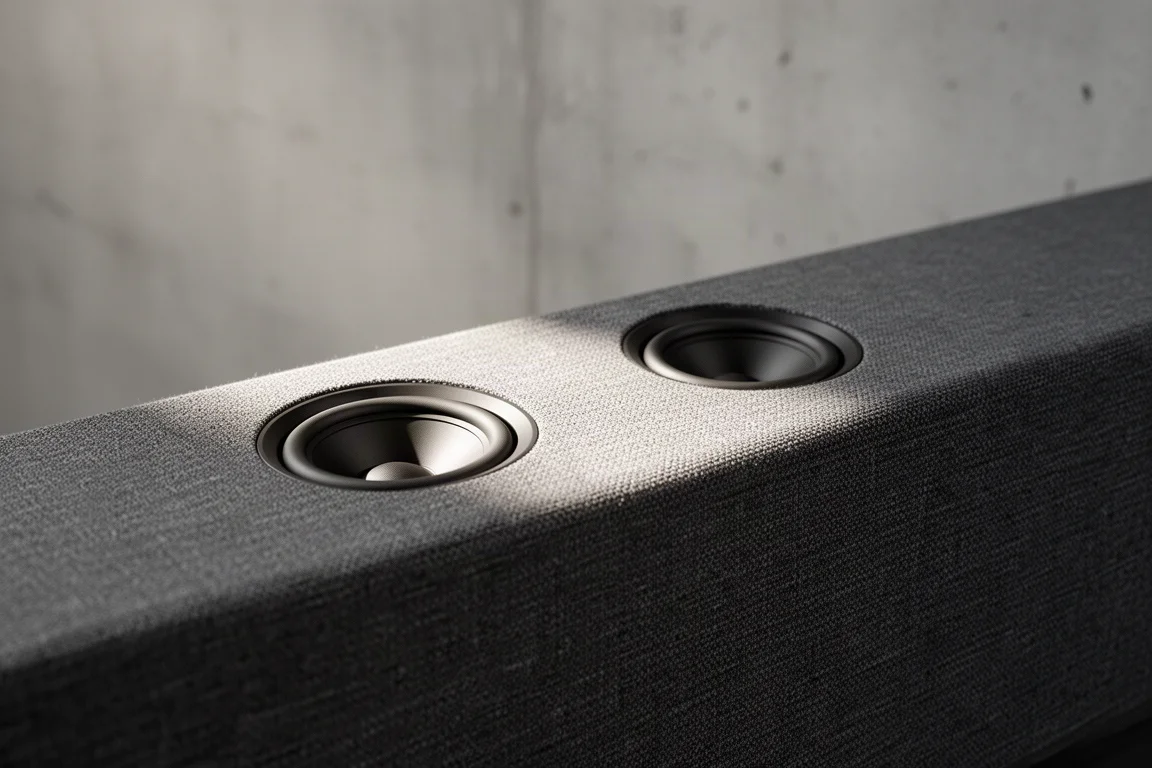
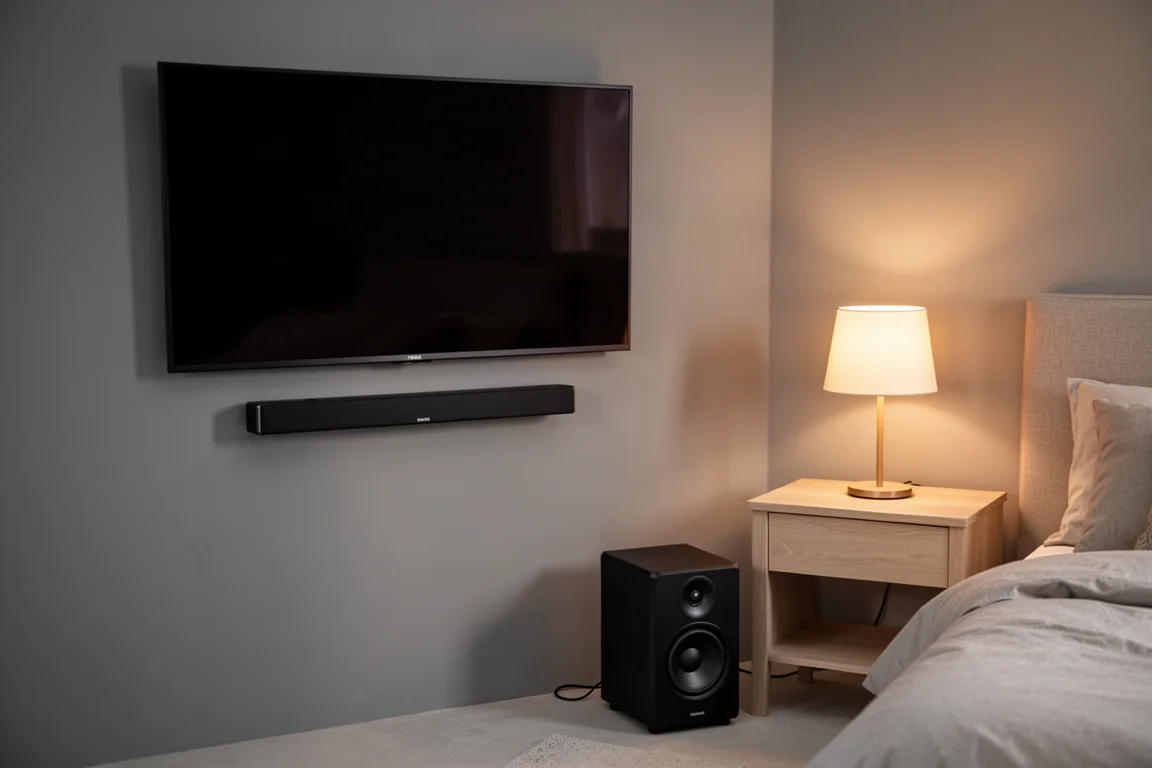
Inside the cloth-covered bar sit six speakers: two woofers, two upward-firing drivers that handle overhead effects, and two 3-inch built-in subwoofers, powered by three dedicated internal amplifiers for a total of 180 watts. The wireless subwoofer brings its own 100-watt amplifier and a 6.25-inch woofer in a ported cabinet rated down to 35 Hz, crossing over with the bar at around 100 Hz.
That is the whole proposition: real Dolby Atmos processing plus a proper subwoofer, in a system simple enough to set up in a few minutes.
What follows is a close look at how the system is built, where it performs best, and which rooms and buyers it genuinely suits.
Who This Soundbar Is For
The True X Bar 50A makes the most sense in small to medium rooms, particularly spaces with parallel walls and ceiling heights around 8 feet, where upward-firing drivers have a clean surface to reflect sound from. Apartments, bedrooms, and secondary viewing rooms are the natural fit.
It is also a strong candidate for anyone who wants a single bar and subwoofer combination and has no interest in adding rear speakers. The optional Yamaha True X 1A surrounds are battery powered and sold separately, so the system works as a two-piece setup straight out of the box.
Buyers who need the best overhead precision available, the widest feature set, or next-generation gaming features for the newest consoles should look at more expensive options. This bar is a value play rather than a flagship.
Main Strengths
The bar’s six-speaker array is unusually complete for the price. Two upward-firing drivers create the overhead layer that makes Dolby Atmos content feel taller than the television, and the two subwoofers built into the bar add weight before the wireless subwoofer even joins in.
The wireless subwoofer is the other headline. Its 6.25-inch driver is rated down to 35 Hz, and the handoff between bar and subwoofer is seamless, with strong coherence through the lower octaves and vocal ranges. Among inexpensive soundbar and subwoofer pairings, that integration is a real differentiator.
Sonically, the system is dynamic and bold. Detail retrieval stands out on busy action sequences, where layered effects stay clean and separated instead of blurring together. It is not the most neutral bar on the market, but for film soundtracks the tuning is engaging and energetic.
Dialogue is handled well too. The Clear Voice feature lifts speech in any of the four sound modes, and it can be left engaged permanently without making effects sound thin. The four modes cover the main use cases: Stereo for a two-channel-style presentation, Standard for broadcast-style material, Movie for the widest sense of scale across the front of the room, and Game for a more forward, punchy version of the Movie profile.
Scale is the surprise. In a room close to 500 square feet, the system reached dynamic peaks in the upper 90s without audible strain or distortion, and it placed effects overhead and toward the edges of the room convincingly. In smaller spaces, that sense of scale should be even easier to achieve. Connectivity is broad for the price as well, with Wi-Fi, AirPlay, Bluetooth, Spotify Connect, Tidal Connect, and Alexa support, so music streaming does not require a separate device.
Setup and Everyday Use
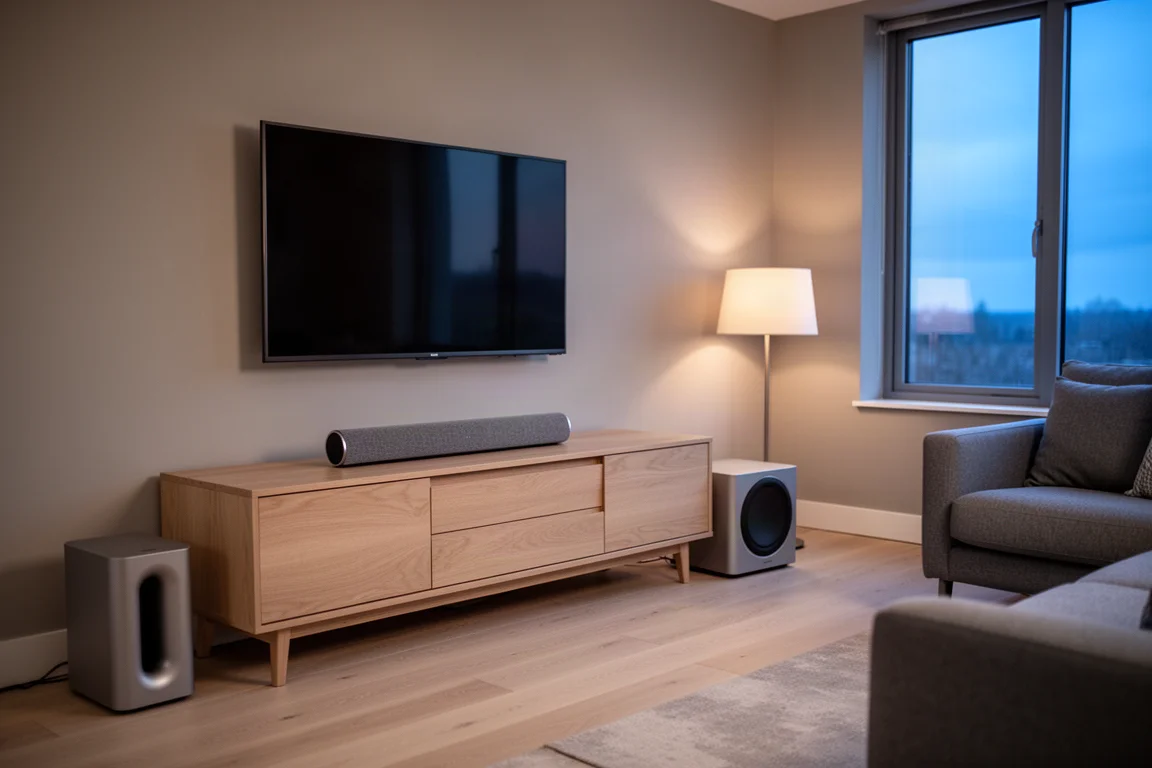
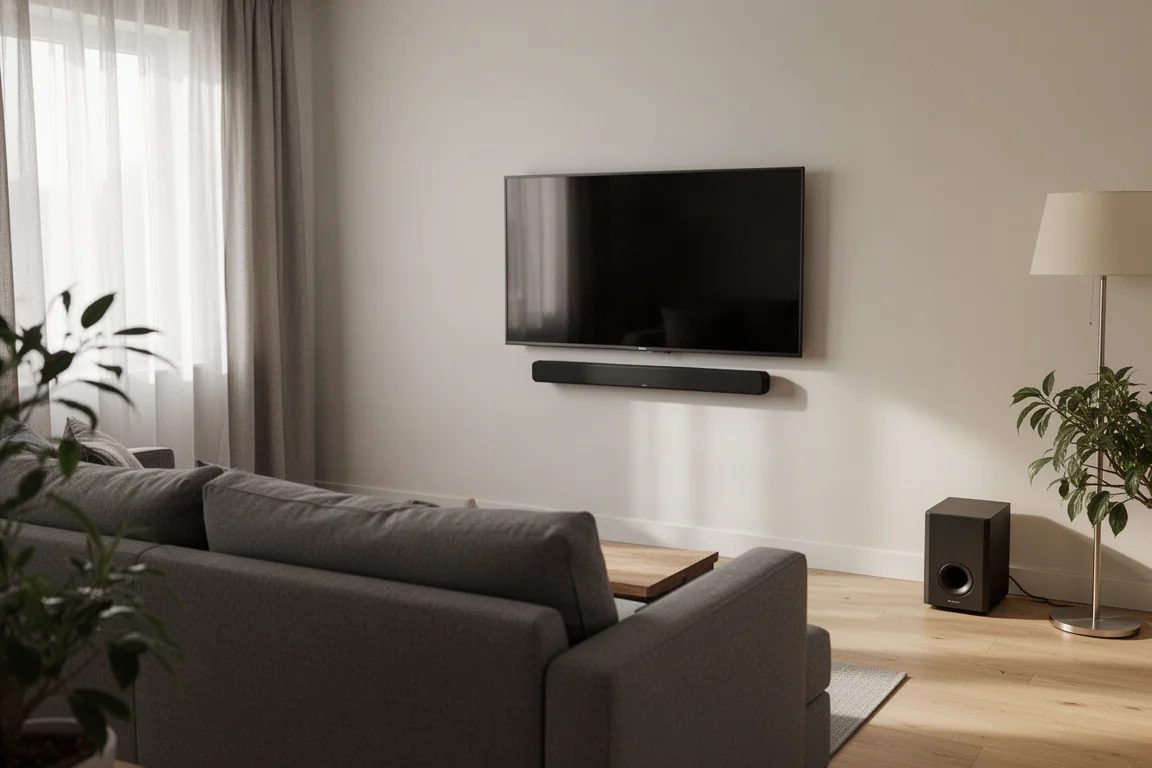
Setup is deliberately simple. Place the bar below the television or mount it to the wall using the included keyhole mounts, run an HDMI cable from the TV’s HDMI ARC or eARC port to the bar, plug the bar and the wireless subwoofer into nearby outlets, and the system is ready. There is no room correction routine to run and no speaker wire to hide.
Control options are equally flexible. The included remote works well, and because the bar supports CEC, an existing TV remote can handle everyday volume changes. The Yamaha Soundbar Controller app adds streaming conveniences, but for movie watching the remote is just as functional, which keeps the app optional rather than essential.
Pairing the optional True X 1A surrounds takes a little patience, since the procedure may need a few attempts before it completes. Once paired, the wireless link is stable and the range is generous, holding up at distances around 18 feet. Individual volume levels for the surrounds can be adjusted from the remote, which makes balancing the system easier in an awkward room.
Things to Consider Before Buying
The connectivity set is modest. There is one HDMI input plus the HDMI eARC port, an optical audio input for older televisions that lack HDMI support, and 4K pass-through on the extra HDMI input for a Blu-ray or DVD player. The bar does not include next-generation gaming features, so players with the latest consoles may want to look elsewhere.
Tuning flexibility is limited as well. Beyond the factory settings, the only adjustment available is the volume of the wireless subwoofer, and the crossover point between bar and subwoofer is fixed at around 100 Hz. The subwoofer can sound a touch punchy at its default level, and dialing it back slightly is a simple fix.
Expectations matter most with overhead performance. The system delivers a convincing surround-like effect without rear speakers, but it does not match the height and precision of more expensive bars. Adding the optional surrounds helps in larger rooms, though their lack of upward-firing drivers causes some overhead effects to bend downward as they travel. None of this is a dealbreaker at this price, but a large dedicated theater room is not the target.
For buyers who need more, the alternatives are simply more expensive. A Samsung Q990C-class system costs roughly double, and a Sonos Arc on its own already costs more than the entire Yamaha package. Those options are better and more feature-rich, and they are priced accordingly. The Polk MagniFi Max AX SR, meanwhile, includes more channels, more inputs, a larger subwoofer, and surround speakers in the box, and it delivers a more neutral tonal balance, though the Yamaha is easier to stay engaged with at lower volumes and is the friendlier choice for everyday listening.
Music and Everyday Listening
Music playback is enjoyable and entirely serviceable. The system handles Bluetooth streaming and background listening well, and Movie mode remains the most natural choice even for music, since Stereo mode collapses the presentation toward the bar itself.
Buyers who split their time evenly between music and movies, or who lean toward music, may find other options more satisfying, including the Polk system, which benefits from a slightly weightier low end that suits two-channel material. For casual listening, though, the Yamaha is comfortable and easy to live with.
Buying Advice
For a system under $700 that includes a wireless subwoofer and genuine Dolby Atmos processing, the True X Bar 50A is a strong value. It suits apartments, bedrooms, and small to medium living rooms, and it delivers overhead effects and dynamic headroom that are rare at this price. Buyers should simply keep expectations calibrated: this is not a half-price flagship, and it will not replace a dedicated component system.
If more performance is the goal, the honest answer is that it costs more. Competing systems with better overhead accuracy, more inputs, and more channels generally start around the $1,500 mark and climb from there. For anyone shopping below that threshold, the Yamaha remains one of the more complete and easy-to-recommend packages, particularly for a room where a bar and subwoofer alone are enough.
Conclusion
The Yamaha True X Bar 50A gets the fundamentals right: a simple two-piece setup, a well-integrated subwoofer, four useful sound modes, and overhead effects that give movies a genuine sense of height. It is dynamic, detailed, and easy to control with the remote you already own. For small to medium rooms and budget-conscious buyers, it is an easy recommendation.
Product link
View more details for Yamaha True X Bar 50A
This product is mentioned in the review. Check the specifications, options, and compatibility before buying.
View more details for Yamaha True X Bar 50AFurther reading
Related Reviews
Soundbars
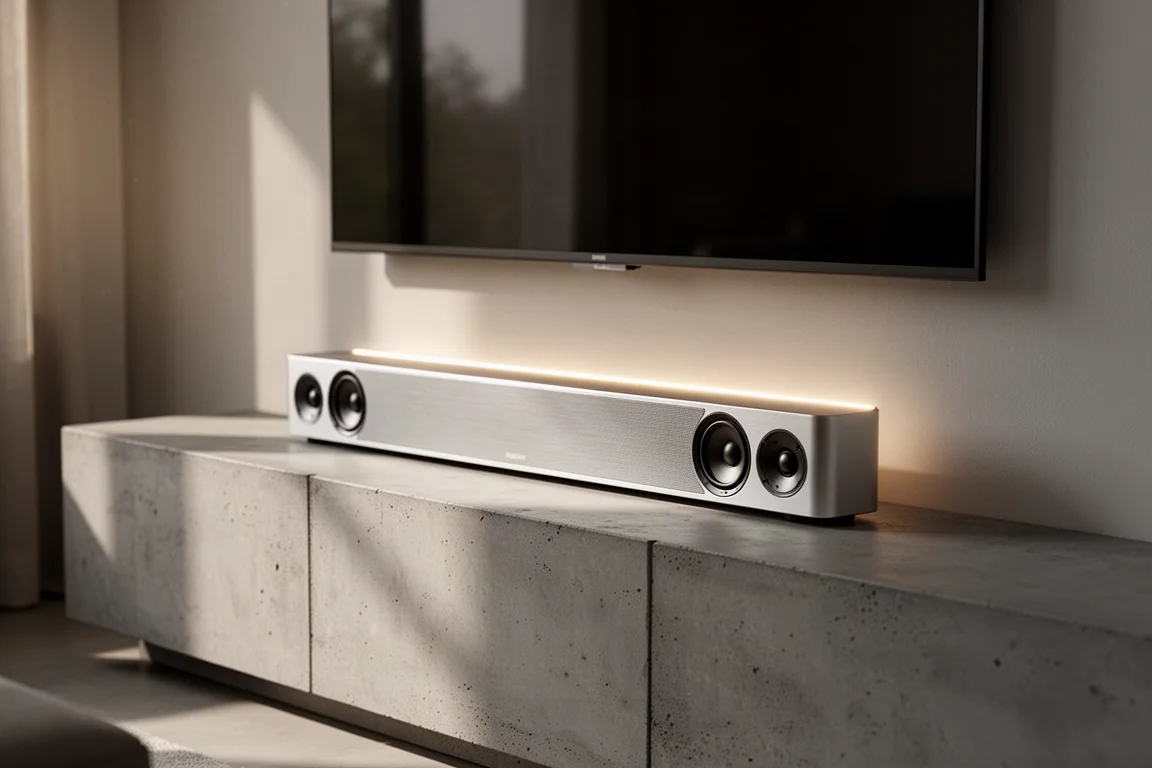
Bang & Olufsen Premiere Review: A Compact Soundbar Built to Last
A close look at the Bang & Olufsen Premiere, a compact soundbar with deep bass for its size, automatic sound profiles, and a clear modular upgrade path.
Soundbars
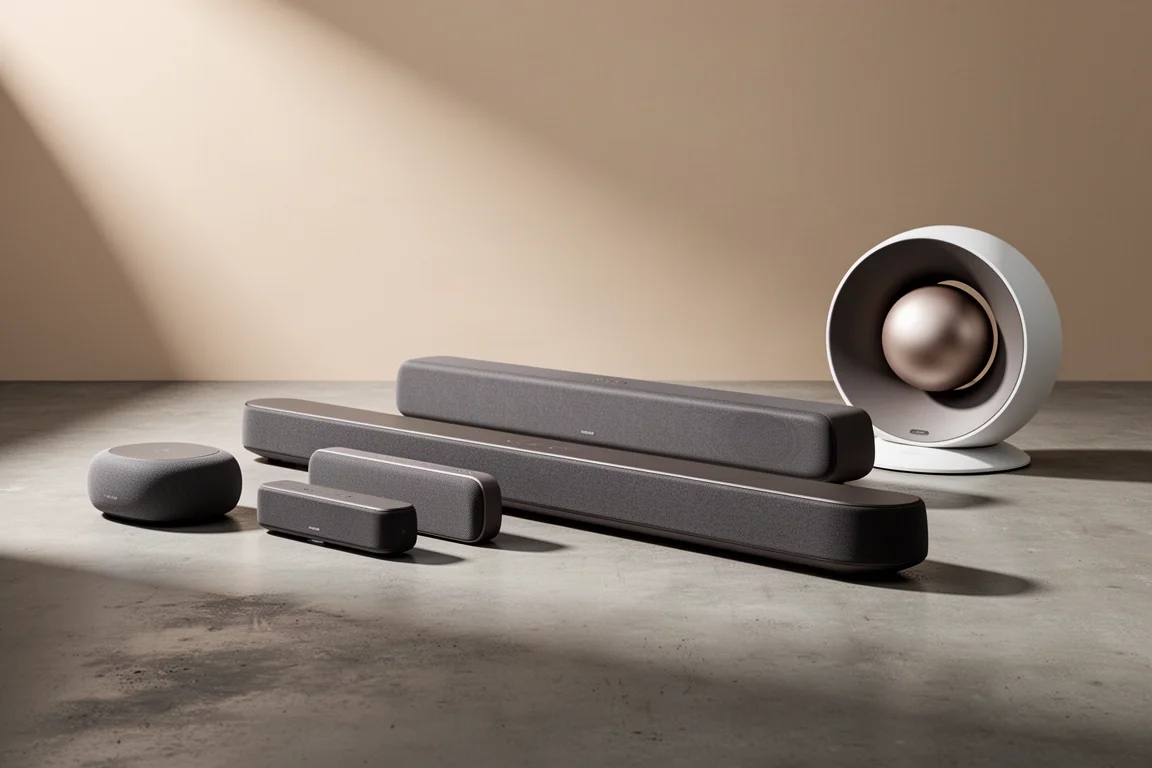
Best Dolby Atmos Soundbars: Six Picks for Movies, Music, and Small Rooms
A practical roundup of six Dolby Atmos soundbars, from compact dialogue-focused bars to expandable systems and an all-in-one flagship.
Soundbars
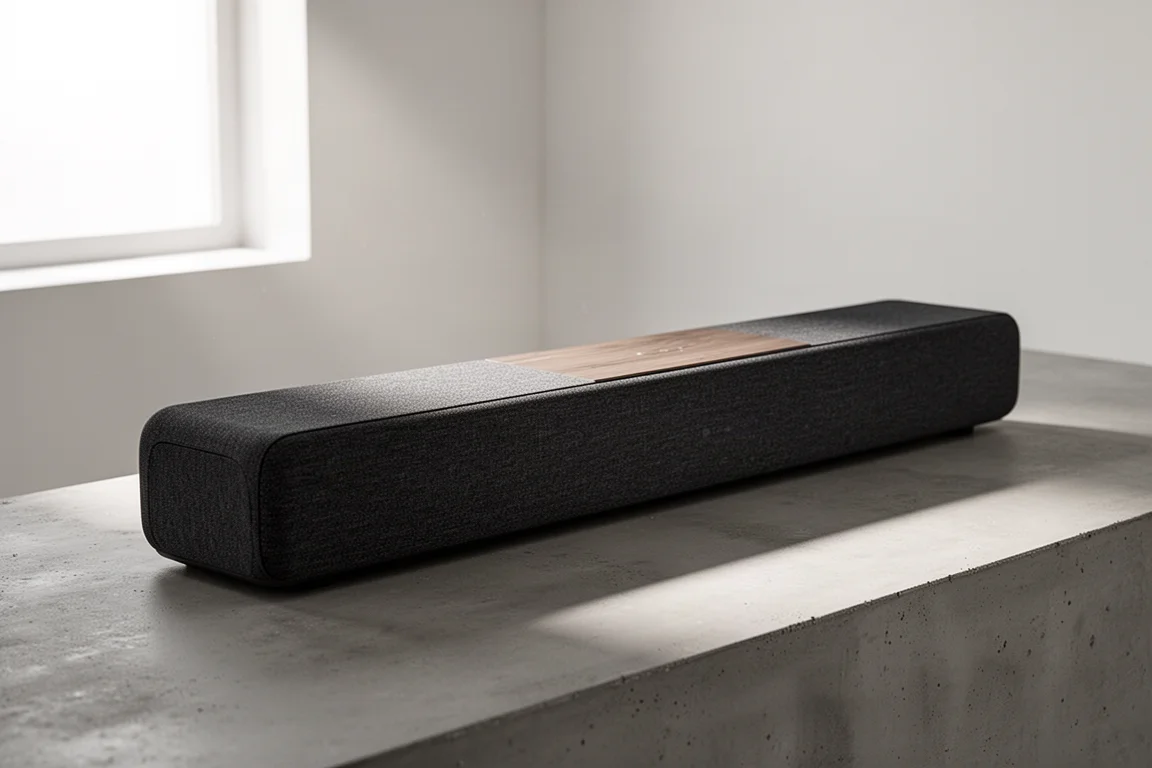
Bluesound Pulse Cinema Review: A Music-First Soundbar With a Software Catch
A close look at the Bluesound Pulse Cinema, a 3.2.2 soundbar with a genuinely expressive midrange and natural tone, plus the app and expansion limits worth knowing before you buy.