Soundbars
Bluesound Pulse Cinema Review: A Music-First Soundbar With a Software Catch
A close look at the Bluesound Pulse Cinema, a 3.2.2 soundbar with a genuinely expressive midrange and natural tone, plus the app and expansion limits worth knowing before you buy.
Introduction
Bluesound has spent a decade positioning itself as the hi-fi alternative to mainstream wireless audio brands, and the Pulse Cinema is arguably its most important speaker yet. It is the company’s first soundbar with genuine built-in height speakers, and the bar on its own is a 3.2.2 system that can be expanded into a full 5.3.2 setup with additional speakers.
At $1,499, it lands in a crowded and fiercely competitive part of the market. The real question is whether the Pulse Cinema finally delivers hi-fi sound with the kind of convenience people expect from a soundbar.
The short answer is that it does, with one significant caveat that runs through almost everything else. The hardware is genuinely impressive. The platform wrapped around it has fallen behind.
Who the Bluesound Pulse Cinema Is For
The Pulse Cinema leans toward music-first listeners. Its midrange has real presence and body, and it stays well balanced rather than chasing maximum low-end output. If you want a single bar for a bedroom, a study, or a secondary living space, and you have no plans to add a subwoofer or surround speakers, this is a strong candidate.
It also suits anyone who prefers a natural, unforced presentation over aggressive spatial effects. If what you want is a soundbar that wraps sound around the room and pushes effects far to the sides and overhead, other bars do that far more convincingly.
Design, Connections, and Setup
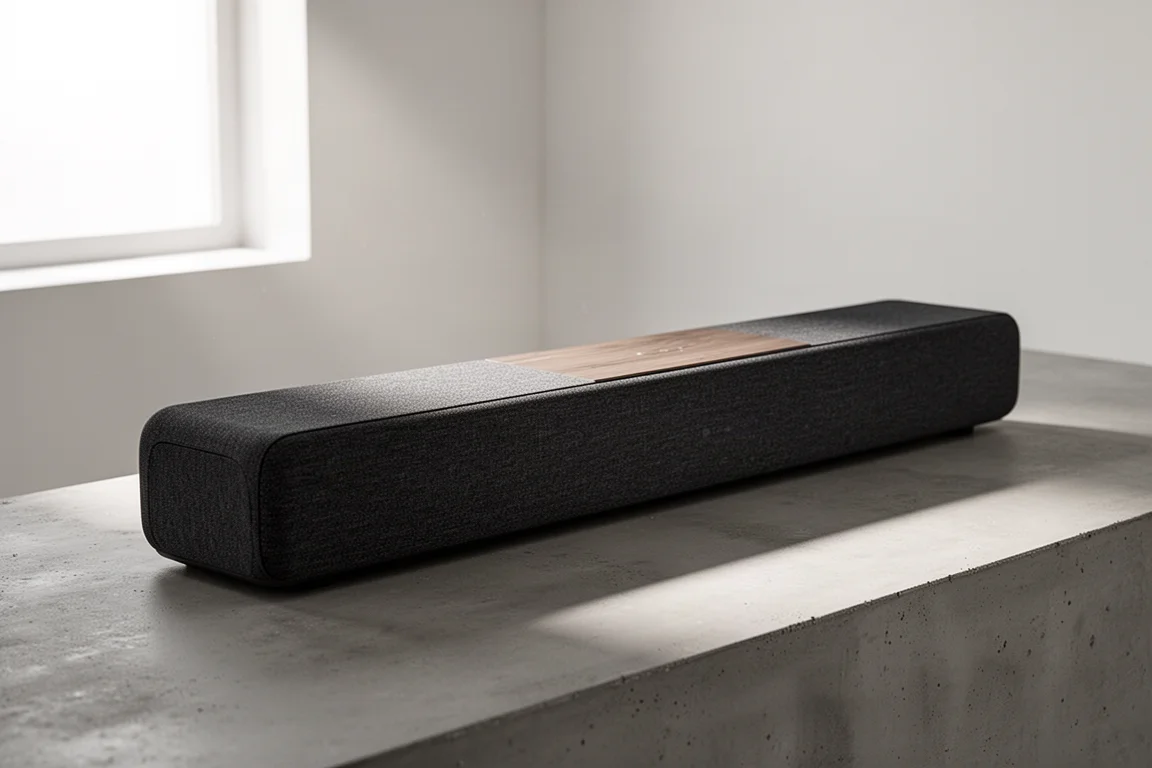
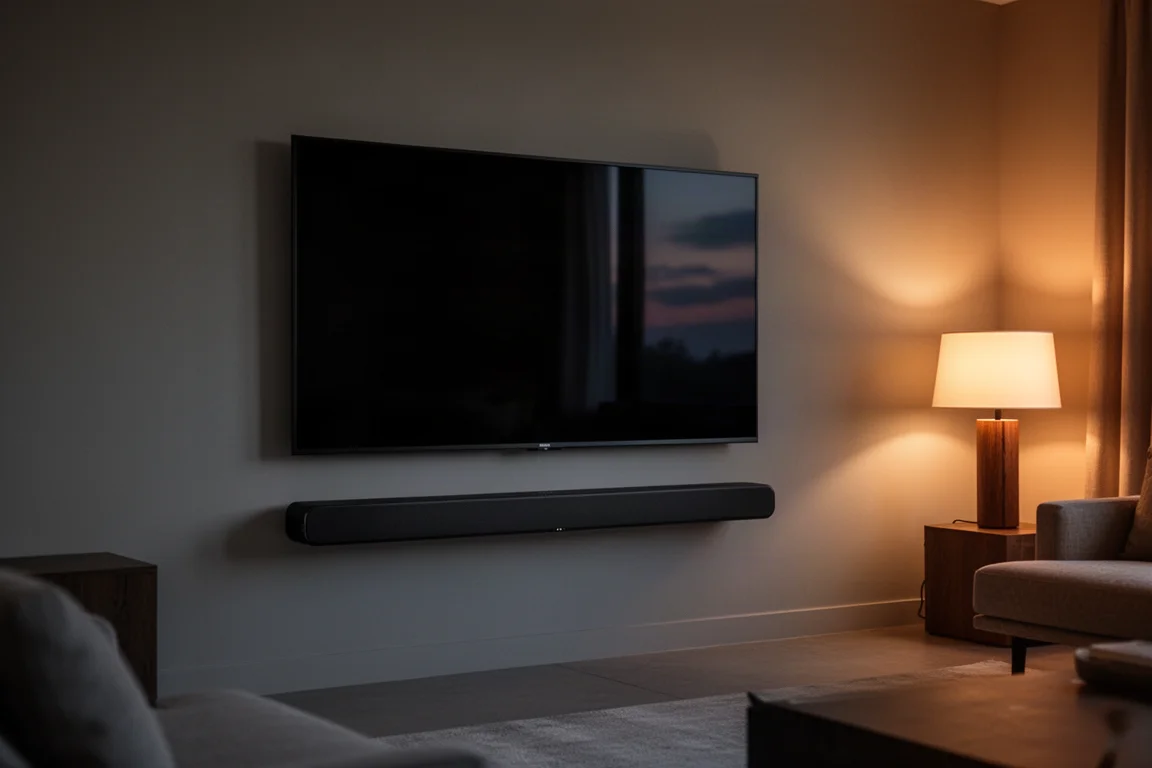
Out of the box, the Pulse Cinema looks better than most soundbars. It skips the usual all-black plastic and mixes materials in a way that does not feel cheap. It is not in the same league as design-led premium brands, but next to the bars you typically get from mass-market TV makers, it clearly stands out. Bluesound includes everything you need in the box, including cables, and adds a wall mount, which is not always a given at this price.
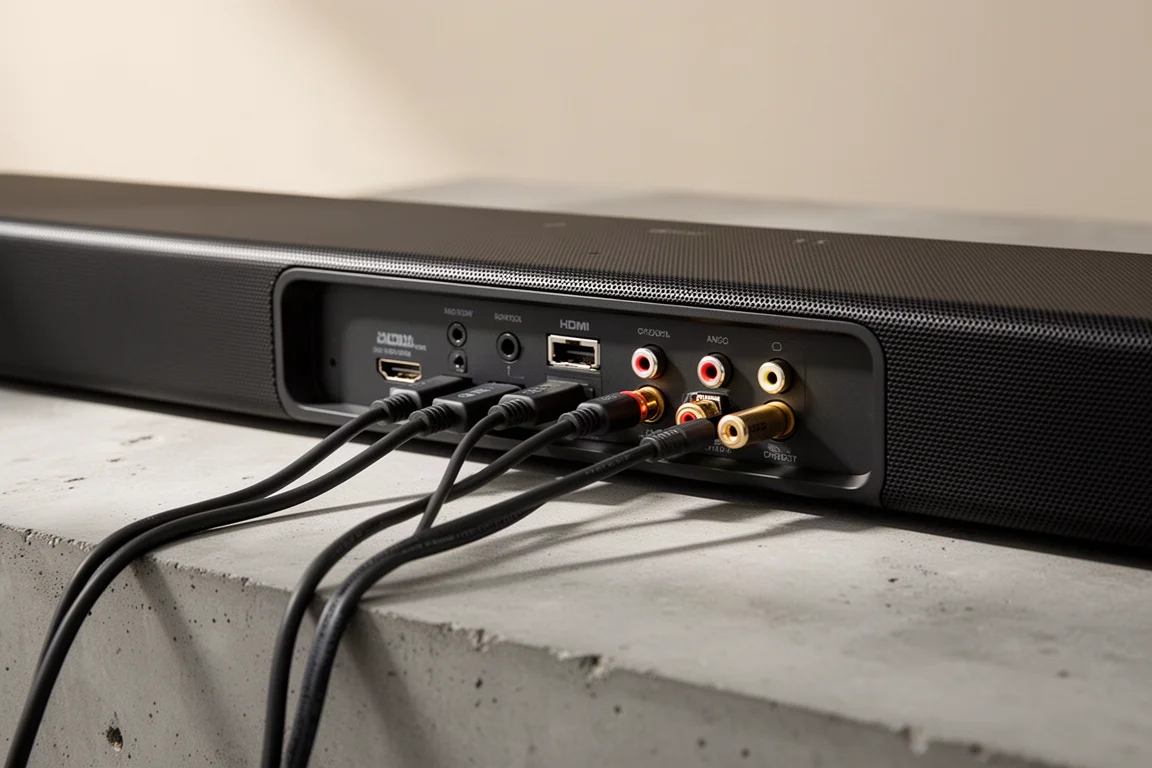
Connections are comprehensive: HDMI ARC and eARC, optical for older TVs, a pair of analog inputs, a subwoofer output, plus Ethernet and USB for networking and local playback. Most buyers will pair the bar with the wireless Pulse Sub Plus, but the wired subwoofer output keeps third-party options open.
Setup happens inside the BluOS controller app. Getting the bar up and running is painless, and anyone already inside the Bluesound ecosystem will find everything familiar. The app itself, however, has barely changed in years, and that becomes the central theme of this review.
Main Strengths: A Natural, Music-First Sound
The midrange is the headline. Unlike a lot of soundbars, there is real presence and body here, with none of the thin, processed quality that makes so many bars sound like a tin can. Vocals and instruments come through with more weight and dimension than you would expect from a bar of this size, and that is easily its biggest strength for both music and movies.
Bass is well judged rather than deep. Output starts to roll off somewhere around 40 to 50 Hz, but what is there stays balanced and out of the way, which lets the midrange breathe. Treble is smoother than most soundbars as well, less metallic and less forward, with a gentle roll-off that keeps long listening sessions comfortable while still preserving enough air and detail that nothing feels over-processed.
Modes, Scale, and Real-World Listening
Tonally, the Pulse Cinema stays consistent across movie, music, and late night modes. What changes is the sense of scale. Late night pulls back the bass, which can make things sound a little thinner, exactly as you would expect. The bigger difference is between movie and music. Movie mode feels immersive, while music mode is the two-channel purist option and ends up sounding smaller and more constrained than it needs to. Using movie mode for music, with upmixing and virtualization enabled, delivers noticeably more scale without sounding artificial.
That restraint is deliberate. The bar does not fling sound around the room in a way that feels exaggerated, and it does not push effects overhead or behind the listener. In a room with a 19-ft front wall, the front stage stretched nearly edge to edge with a noticeable sense of height from a listening position about 12 ft back. For a more overtly cinematic, Atmos-style experience, bars such as the Sonos Arc Ultra and the Bose Smart Ultra Soundbar wrap sound around the room more convincingly through reflective drivers and processing. For a natural presentation, the Pulse Cinema holds its own.
Over long sessions, that character pays off. Three hours of Avatar: Fire and Ash and most of a season of The Pit played through the bar alone stayed consistently clear and easy to listen to, without shaking the room or pinning anyone to the sofa.
Things to Consider Before Buying
Push the bar hard and its limits show. Around 80 dB at the listening position, the bass begins to break up, and dense, bass-heavy material can make the cabinet flex and rattle. If deep, hard-hitting low end matters to you, plan on adding a subwoofer.
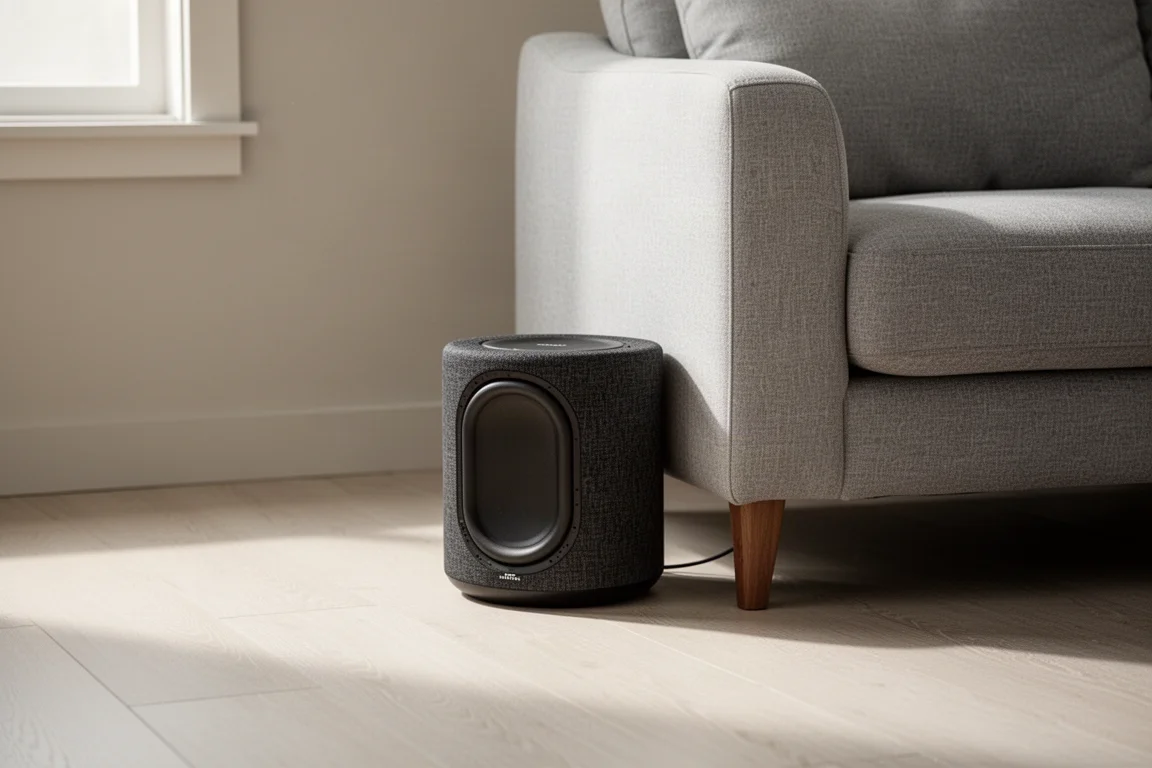
Expansion is where the platform becomes the problem. The $900 Pulse Sub Plus adds depth and impact, but it gives up some of the balance and natural tone the bar has on its own, and it is not as refined overall. Controls are limited, and not all of them live in the app, so you may end up walking over to adjust the sub directly, which feels dated. An alternative such as the SVS 3000 Micro, with full app control, offers a better experience at a similar price.
The same issue applies to surround speakers. You can group models such as the Pulse Flex or Pulse M with the Cinema, but the controls needed to blend them properly are not there. Levels need constant adjustment, and the rears sometimes arrive too strong, sometimes barely register, and occasionally drop out altogether. Hardwiring them over Ethernet improves stability, though that partly defeats the purpose of a wireless soundbar system in the first place.
How It Compares
Against the older Bluesound Pulse Soundbar Plus, which sells for just over $1,000, the Cinema is a clear step up and worth the extra $350 in sonic terms, even though it shares much of the same user experience, for better and for worse.
Against the wider market, the picture gets more complicated. The Bose Smart Ultra Soundbar costs slightly less, and while the Bluesound has the edge through the midrange, the Bose is the stronger choice if you want an expansive, three-dimensional, theater-like experience from a single bar. The KEF LSX delivers more impact and a bigger sense of space, but it costs roughly $1,000 more at around $2,500 for the bar alone and arrives with its own quirks, including CEC issues and day-to-day usability frustrations. It plays a little deeper, though its bass can also fall apart when pushed. Where the Pulse Cinema pulls ahead is with music: it sounds more natural and more balanced, and for most listeners it will be the more approachable option.
The toughest comparison is price. At $1,499, you can find a Sonos Arc Ultra paired with a Sonos Sub 4 for about the same money, and that combination delivers a more immersive experience along with better tuning, more customization, and room correction. Spend a little more on a Sonos set with a sub and surround speakers included, and it outperforms the Bluesound outright.
Buying Advice
The Pulse Cinema makes the most sense as a standalone bar. Buy it for the midrange, the natural tone, and the music-first character, and treat the expansion path as a bonus rather than the reason to choose it. If your plan is a full surround system with a sub and rear speakers, the app limitations and integration issues will be a persistent irritation, and rival ecosystems handle that job more gracefully.
If you are setting up a room where you do not need a sub or surrounds, a bedroom or a secondary space for example, the Pulse Cinema is absolutely worth considering. It is one of the better-sounding bars available for listeners who value balance over spectacle. Go in expecting to enjoy the sound and to tolerate the software.
Conclusion
The Bluesound Pulse Cinema is a great-sounding soundbar held back by the platform around it. Its midrange, treble, and overall balance are genuinely impressive for a bar at this price, and its restrained approach to spatial audio will appeal to anyone who finds aggressive effects processing tiring. But limited app control, missing room correction, and half-finished expansion integration keep it from being an easy recommendation at $1,499 against competition that has caught up on the user experience. Bluesound still has the sound. The software is what needs the next upgrade.
Product link
View more details for Bluesound Pulse Cinema
This product is mentioned in the review. Check the specifications, options, and compatibility before buying.
View more details for Bluesound Pulse CinemaFurther reading
Related Reviews
Soundbars
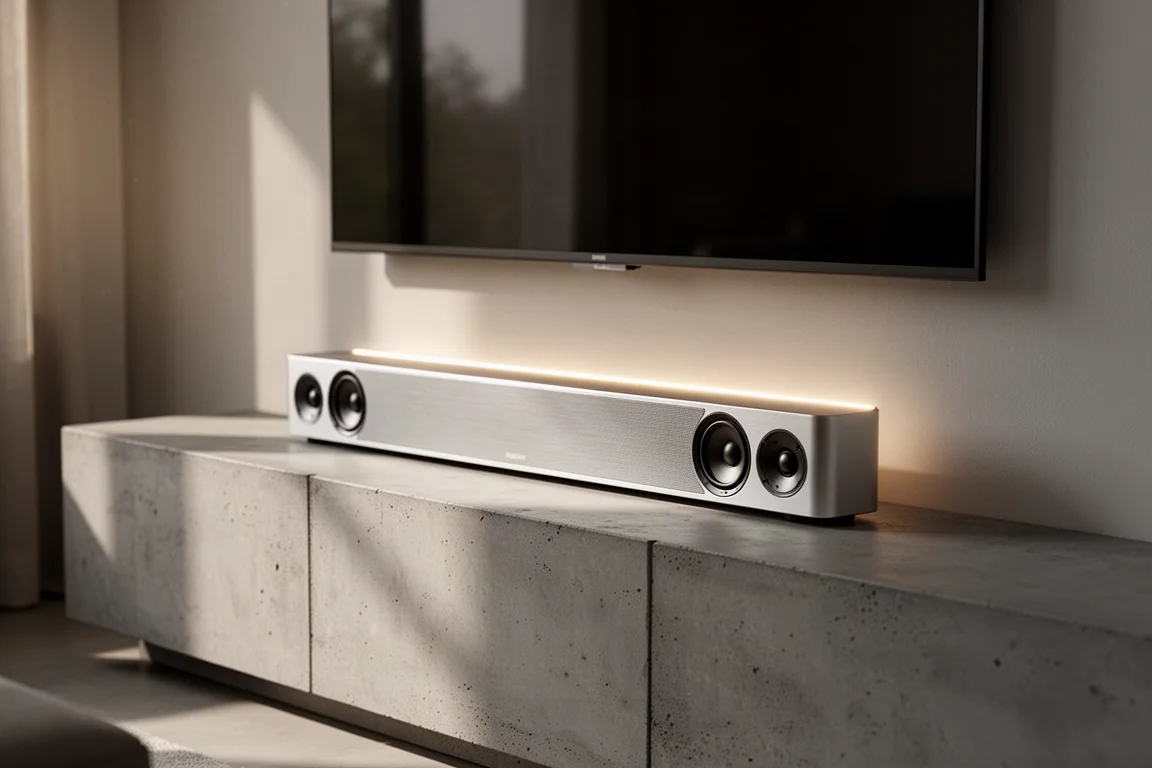
Bang & Olufsen Premiere Review: A Compact Soundbar Built to Last
A close look at the Bang & Olufsen Premiere, a compact soundbar with deep bass for its size, automatic sound profiles, and a clear modular upgrade path.
Soundbars
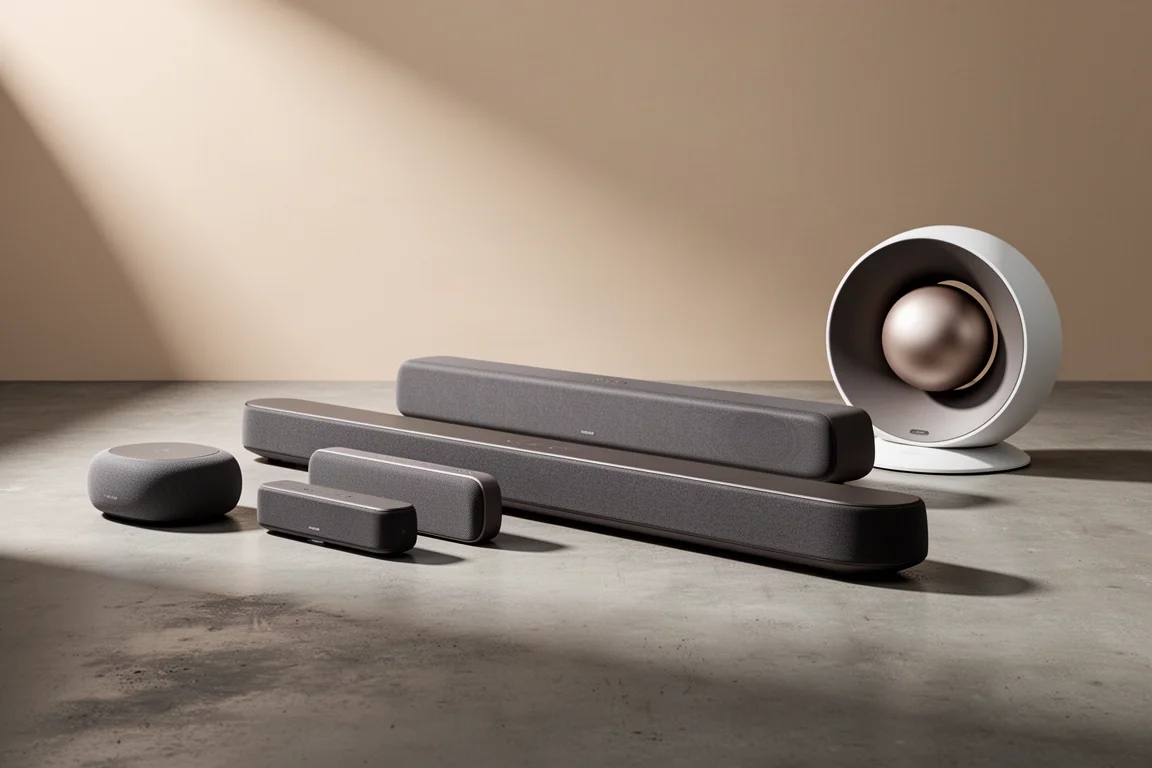
Best Dolby Atmos Soundbars: Six Picks for Movies, Music, and Small Rooms
A practical roundup of six Dolby Atmos soundbars, from compact dialogue-focused bars to expandable systems and an all-in-one flagship.
Soundbars
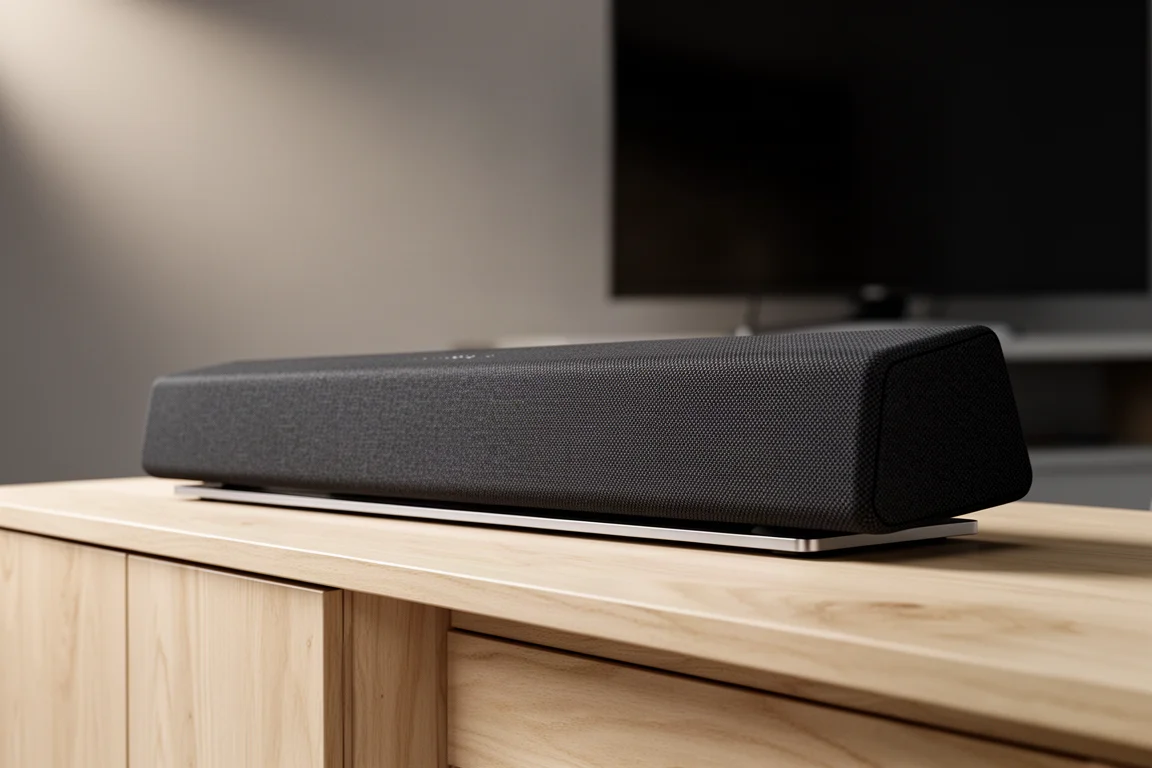
Bose Lifestyle Ultra Soundbar Review: Clear Dialogue Without Sacrificing Scale
A 5.1.2 Dolby Atmos soundbar built around dialogue intelligibility, with a bigger soundstage, deeper bass, and an ecosystem that expands to 7.1.4.