Tower Speakers
Yamaha NS-2000A vs Perlisten R5t: Two Premium Tower Speakers Compared
A close listening comparison of two tower speakers at the same price: one bright, spacious, and full-bodied, the other neutral, dense, and tightly controlled.
Introduction
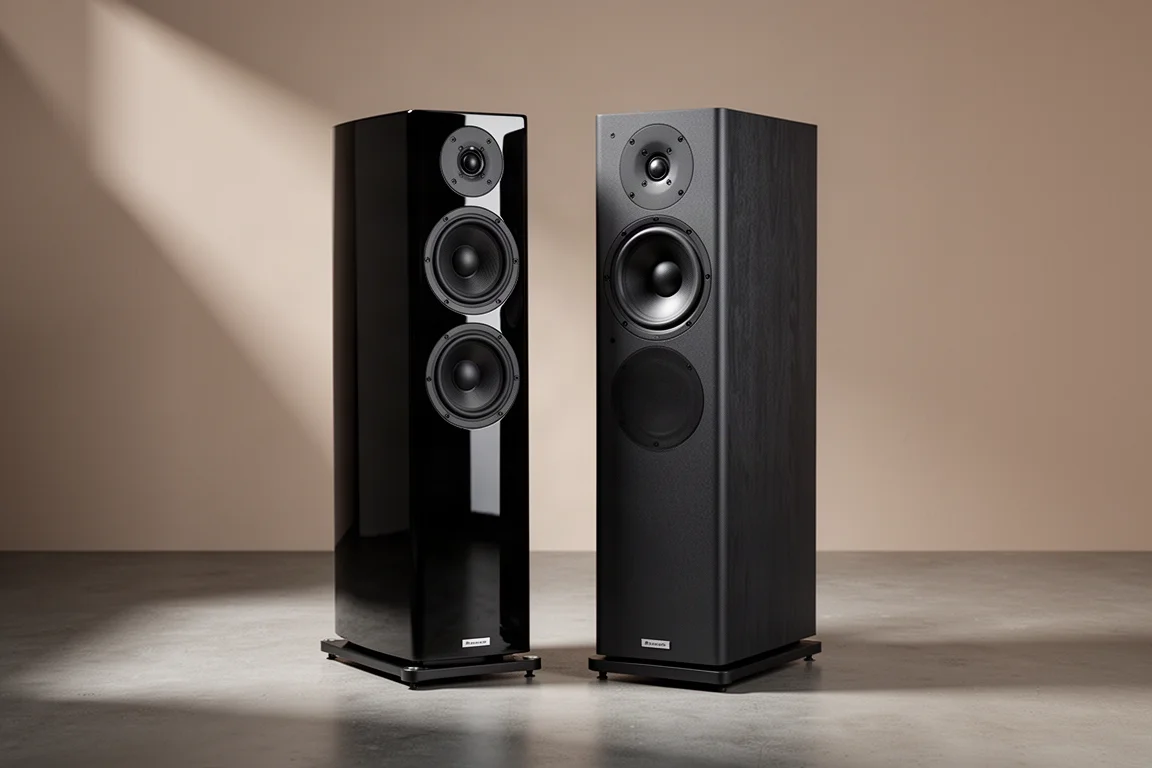
Two tower speakers at the same price can still sound like two different philosophies. The Yamaha NS-2000A and the Perlisten R5t sit at the same price point, and they take clearly different routes to a convincing performance. The Yamaha leans bright, open, and full-bodied. The Perlisten stays neutral, dense, and tightly controlled.
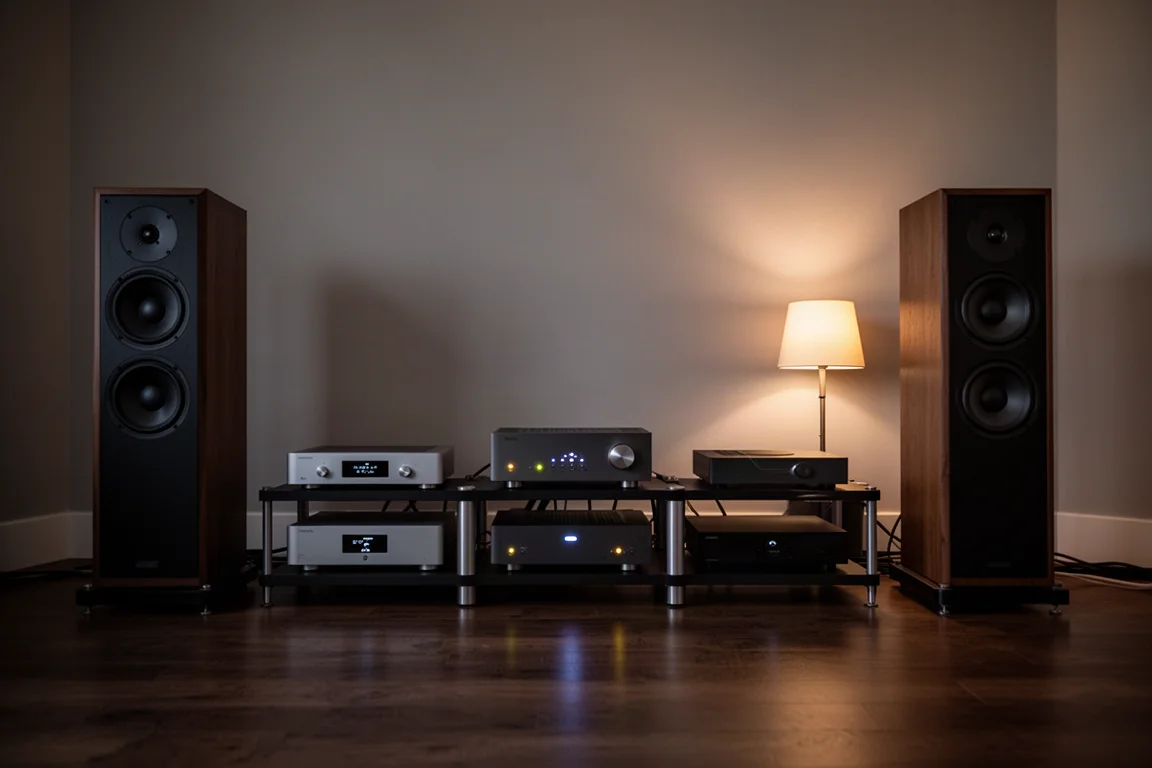
Both were run through the same level-matched system, using a 400 watt per channel Class D amplifier and a streaming front end, so the differences described here come from the speakers themselves rather than from the electronics feeding them.
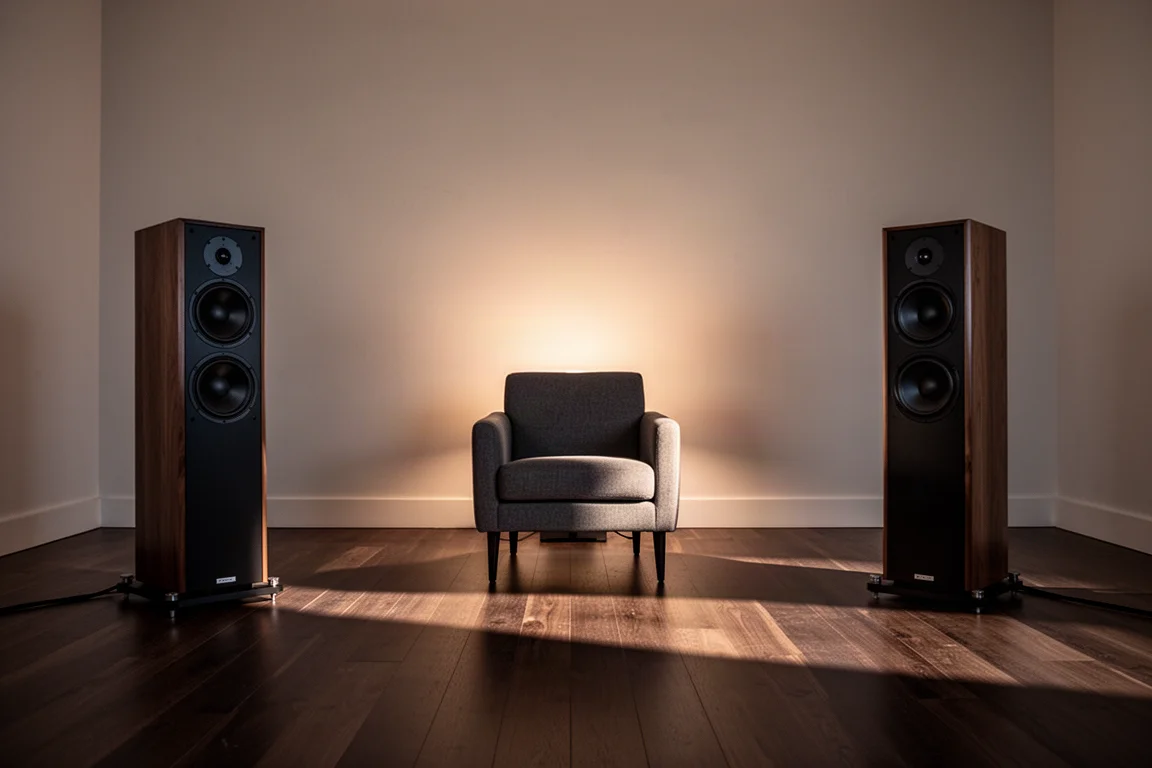
This breakdown covers what each speaker is built from, how each one actually sounded across bass, vocals, and soundstage, and which voicing tends to suit which kind of listener.
Yamaha NS-2000A: Design, Drivers, and Specifications
The NS-2000A is a three-way tower that stands roughly 13 inches wide, 44 inches tall, and about 18 inches deep, at 72.3 lb per cabinet. The driver array pairs a 1 1/4 inch tweeter and a 3 1/4 inch midrange with two 6 1/2 inch woofers, and Yamaha rates the frequency response from 34 Hz to 65 kHz.
Every driver uses a composite of Zylon and spruce, a material trickled down from the higher-end NS-5000. The midrange and tweeter are mounted in resonance suppression chambers that cancel unwanted resonance behind the diaphragm without relying on conventional sound-absorbing material. An acoustic absorber resonator inside the cabinet targets standing waves, and the rear port is shaped to reduce noise and chuffing. A pair of solid brass binding posts sits below the port and feels genuinely high quality. The black gloss finish is the same treatment used on Yamaha grand pianos, which gives the speaker a luxurious look and feel.
Yamaha NS-2000A: Sound Character in Practice
The first thing that stands out is the low end. On bass-heavy material, the Yamaha had more bass presence and a fuller bottom end than the neutral reference. The trade-off is articulation: the bass sounded softer and bloomed a little more, rather than hitting with the tight, dense punch of the other speaker.
Vocals sit lighter and slightly brighter, with less forward projection. That brightness extends upward, and the Yamaha clearly curves up in the treble compared with a flat, neutral presentation. On a track with a high, rising female vocal, the treble sat just past the point of personal comfort, and over two or three hours of back-to-back listening the brighter balance became tiring at the same volume.
Where the brighter balance pays off is spatial. The soundstage is more detailed and airier, with clear delineation between singers and instruments and more air around each one. Images extend a few feet beyond the physical position of the speakers and a couple of feet behind them, which gives the presentation a three-dimensional, transparent quality.
For casual listening to bass-heavy pop and rap, the fuller, softer low end translated nicely. It filled the room and felt energetic and dynamic without demanding close attention to detail.
Perlisten R5t: The Neutral Reference Point
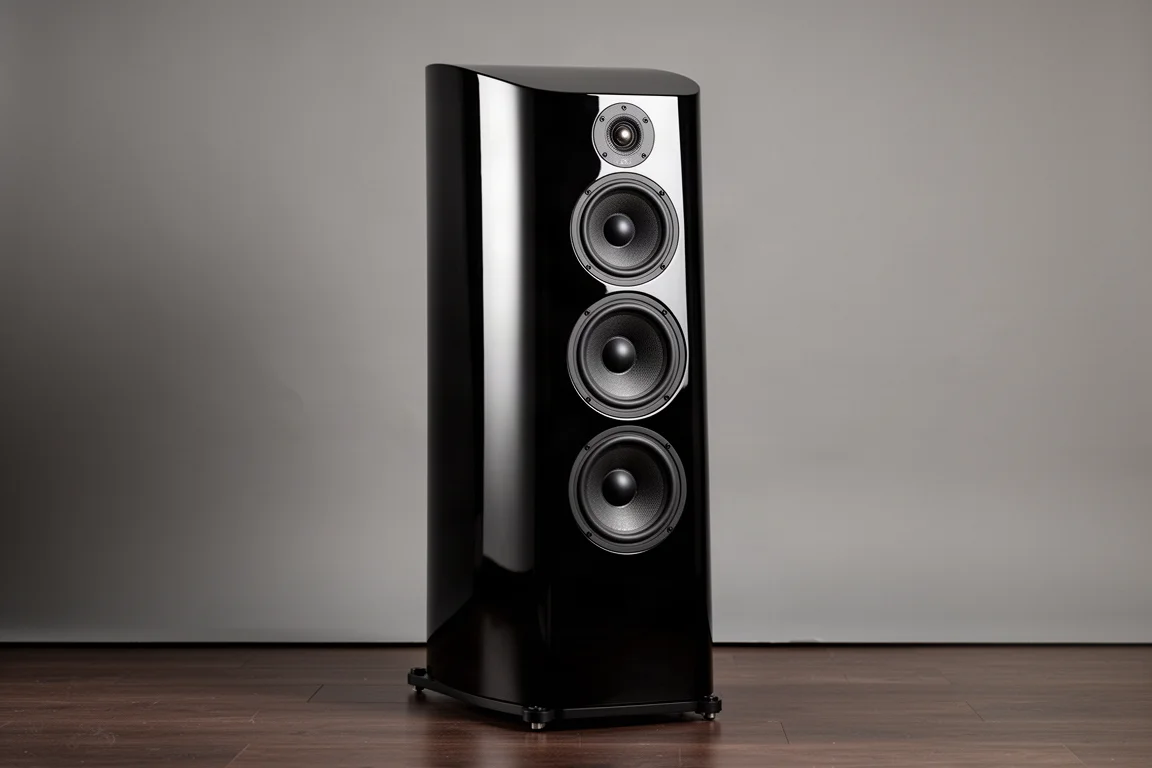
The R5t is the neutral option here. It measures flat and presents music without adding emphasis anywhere, which makes it a useful anchor when judging a brighter speaker. It also feels like the denser build of the two: the cabinet is more inert, both by knuckle test and simply by lifting it, and that solidity appears to carry through to the low-frequency behaviour.
Perlisten R5t: Sound Character in Practice
Bass is where the R5t separates itself. It digs lower, hits tighter, and punches harder, with a tactile quality that can be felt in the body and through the floor behind the listening seat. The bass is also more articulate, so low-frequency detail stays readable instead of blurring into a general sense of weight.
Vocals are more forward and noticeably thicker. Female vocals take on a close-miked quality with real projection into the room, and male vocals sound throatier. The treble stays neutral, so on bright material it sits right at the edge of comfort rather than crossing it, which makes longer sessions easier.
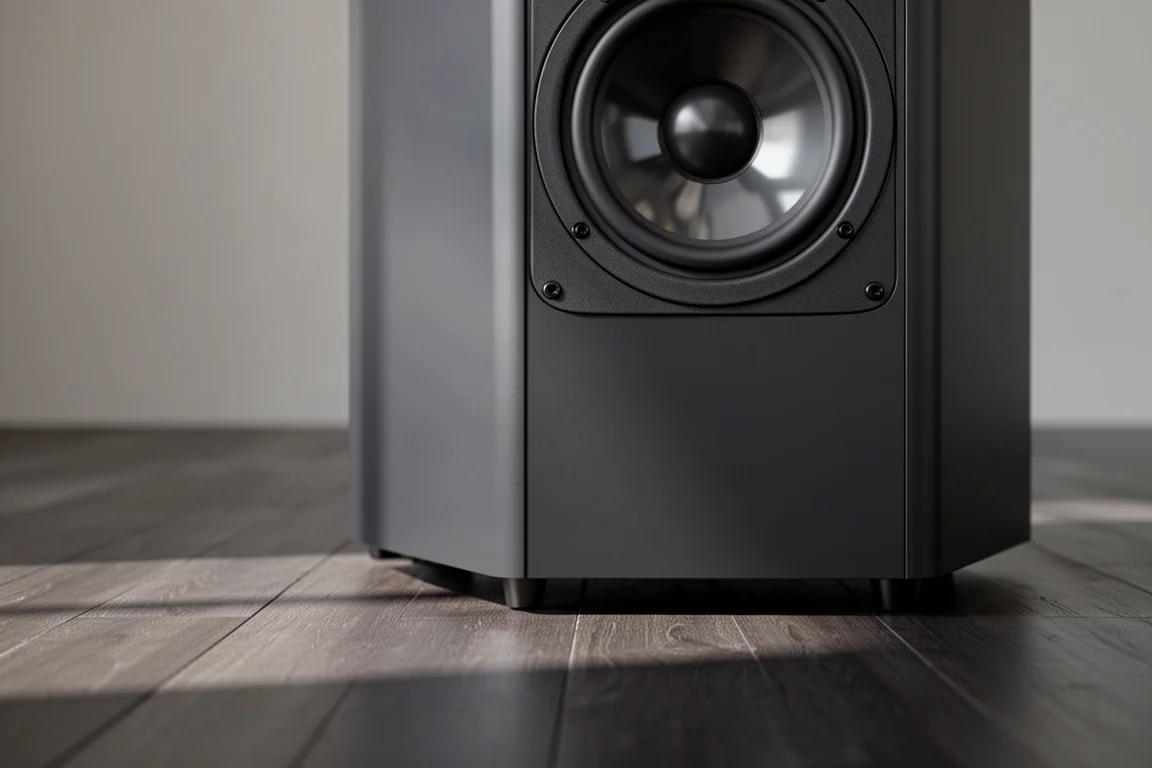
The compromise is space. The R5t’s soundstage does not reach as deep as the Yamaha’s and does not place instruments with the same sharp definition or sense of air. What it offers instead is a smoother, more consistent response from the mids all the way down, which rewards attentive listening.
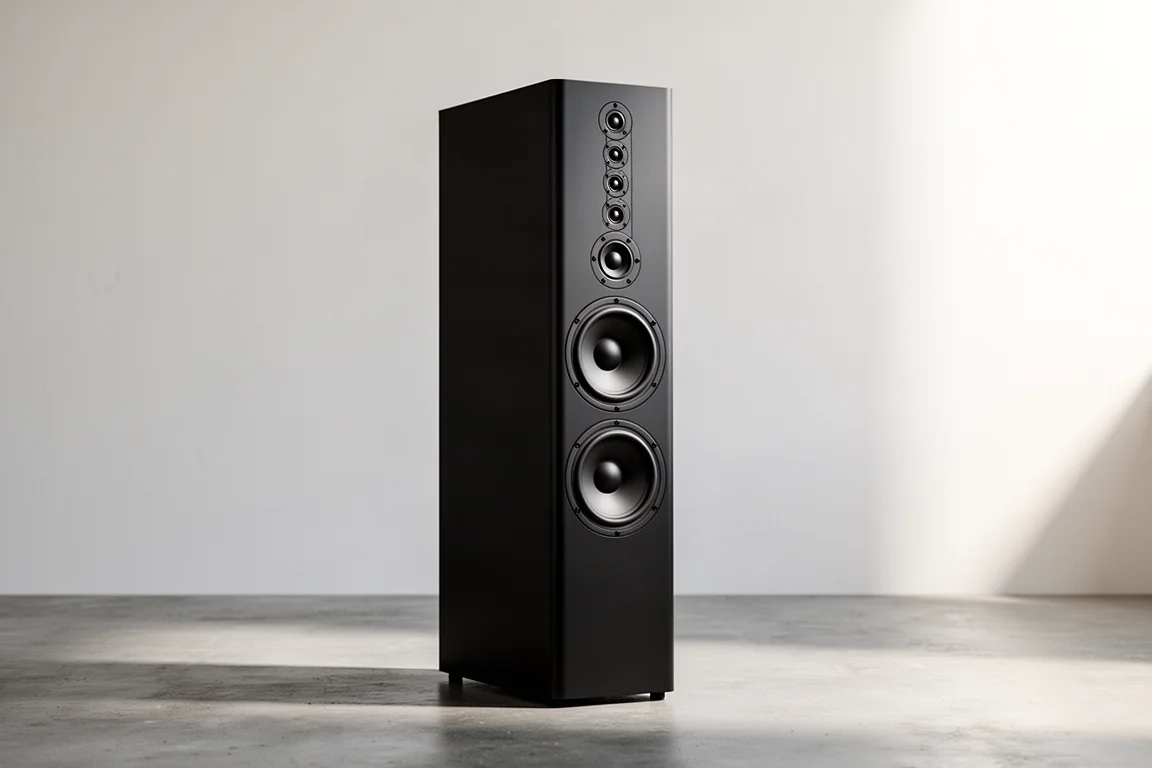
Head-to-Head: Bass, Vocals, and Soundstage
| Listening attribute | Yamaha NS-2000A | Perlisten R5t |
|---|---|---|
| Low-frequency weight | Fuller, more bloom, fills the room | Deeper, tighter, more tactile |
| Bass articulation | Softer, less defined | Dense and hard-hitting |
| Vocal presence | Lighter and brighter | Forward and thicker |
| Treble balance | Brighter than neutral | Flat and neutral |
| Soundstage | Deeper, airier, more space around instruments | Slightly less depth and air |
| Long sessions | Brighter treble can tire the ear | Easier to listen to at the same level |
The pattern is consistent across every track: the Yamaha adds scale, air, and low-end bloom, while the R5t trades some of that spaciousness for control, density, and a more even tonal balance.
Buying Advice: Matching a Speaker to the Listener
Both speakers cost the same, so the decision comes down to voicing, room, and the way you listen. Neither is the better speaker in absolute terms, and neither is a compromise: they simply prioritise different things.
Choose the Yamaha NS-2000A if you value a deep, airy soundstage and a fuller low end, and if most of your listening is casual: pop, rap, and other bass-forward material where a softer, room-filling bottom end is enjoyable. Be prepared for a brighter top end, and for sessions where you may want to ease the volume down after a couple of hours.
Choose the Perlisten R5t if you want a neutral reference, deeper and tighter bass, and more forward vocals, and if you listen critically or for long stretches. You give up some soundstage depth and air in exchange for a smoother, more consistent response and a more inert cabinet.
Conclusion
These are two very capable towers at the same price, and the choice is really about character. The Yamaha NS-2000A is dynamic, full at the bottom, and unusually spacious, with a treble lift that adds air and detail but can wear on the ear over long sessions. The Perlisten R5t is the calmer, denser, more neutral speaker, with tighter bass and more forward vocals but a slightly smaller stage.
If the priorities are space and low-end weight, the Yamaha is the more exciting listen. If the priorities are accuracy, tactile bass, and long-session comfort, the R5t is the safer pick. Either way, both are worth hearing before you commit.
Further reading
Related Reviews
Tower Speakers
Arendal 1610 Tower 8 vs MoFi SourcePoint 888 vs MoFi V10: Three Tower Speakers Compared
A close look at three large tower speakers in a similar price bracket, from the punchy, heavy-built Arendal 1610 Tower 8 to the coaxial MoFi SourcePoint 888 and the high-output MoFi V10.
Tower Speakers
Definitive Technology BP9020 Review: A Powered Tower With Real Bass and a Few Quirks
A slim tower speaker that hides a powered 8-inch subwoofer inside the cabinet, delivering deep bass and a wide stage alongside some clearly defined trade-offs.
Tower Speakers
Emotiva XT1 Tower Speakers Review: Serious Clarity Under $1,000
The Emotiva XT1 brings three woofers, a dedicated midrange and an AMT tweeter to the sub-$1,000 tower market. Here is where it delivers and what to weigh first.