Cycling
XLAB Bikes 2026: A Nine-Model Lineup Guide to Value Road, Gravel, and E-Bikes
XLAB's nine-bike range covers entry road, carbon all-rounders, aero race bikes, one gravel build, and two e-bikes, with in-house components and prices that undercut much of the market.
Introduction
XLAB is still a young brand, but the company behind it is not. XDS, its parent manufacturer, produces more than 12 million bikes a year, including bikes and parts for brands most riders already know well. That scale is the reason a nine-model XLAB range can arrive in Western markets with equipment lists that look out of step with what the rest of the industry charges.
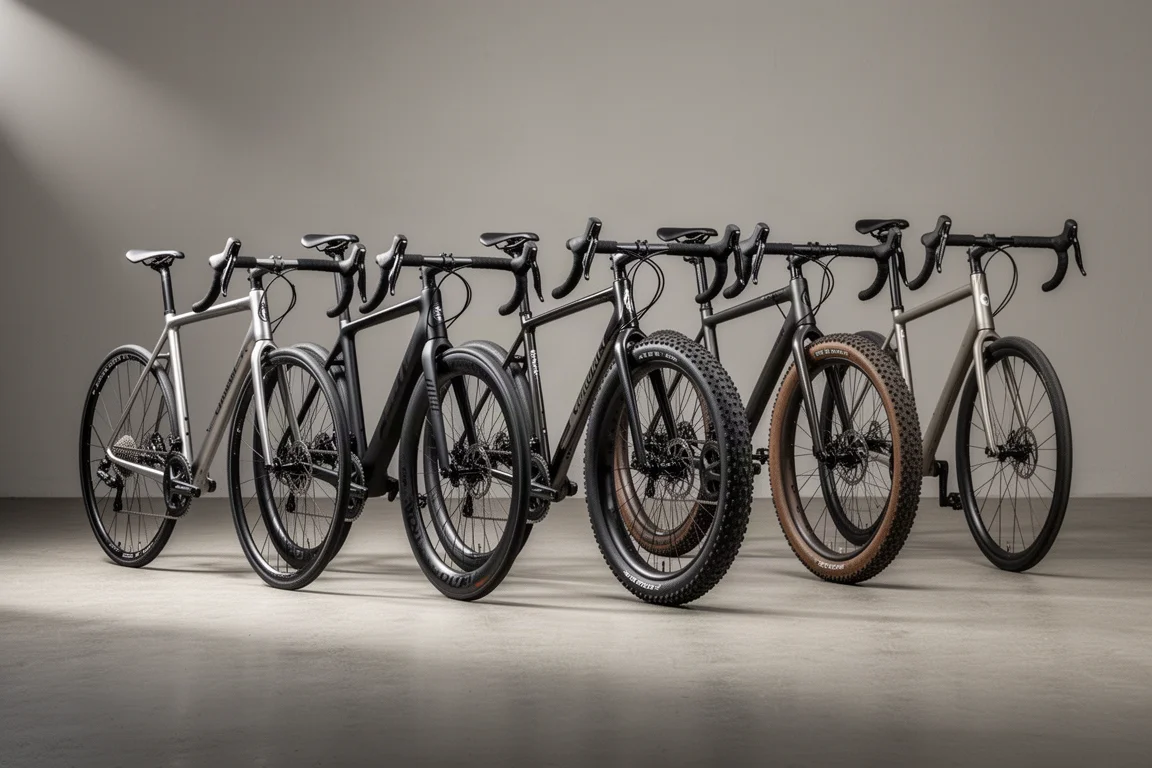
The lineup covers a lot of ground: an aluminium road bike with a power meter, a carbon all-rounder, an aero bike with electronic shifting, a World Tour-derived flagship, a lightweight climbing machine, one gravel build, two e-bikes, and a commuter bike that starts at $799. This guide walks through each model, what it includes, and who it suits.
What Makes the XLAB Range Different
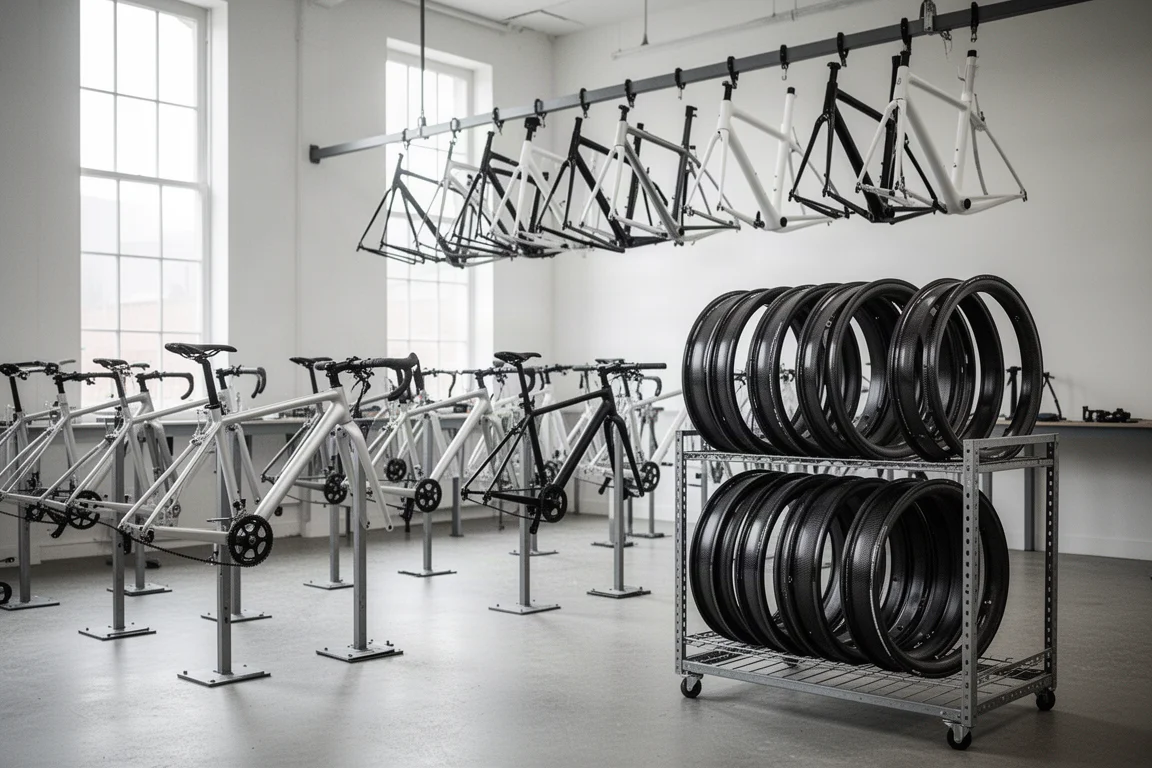
The common thread across the range is vertical integration. XDS owns its forges and factories, makes its own moulds, produces its own pre-preg carbon, paints and assembles the bikes on site, and then distributes them to dealers. There is no middleman in that chain, and the company estimates it can move a bike from design to full production roughly twice as quickly as other brands.
A second thread is Branta, XDS’s in-house components brand. Many of the bars, wheels, and cranks across the range carry that name rather than coming from external suppliers, which is a large part of how the prices stay low. It is worth knowing this before you buy, because it means the spec sheet reads differently from a bike built entirely from third-party parts.
XLAB also makes a point of not going direct-to-consumer only. Test rides and seeing a bike in person matter in cycling, and around 60 dealers in the US signed up to stock the brand within a few weeks of launch.
The practical effect for buyers is that nearly every model here undercuts a comparable bike from an established brand, sometimes by a wide margin. The rest of this guide looks at where that value is strongest.
XLAB RS5: The Cheapest Road Bike in the Lineup
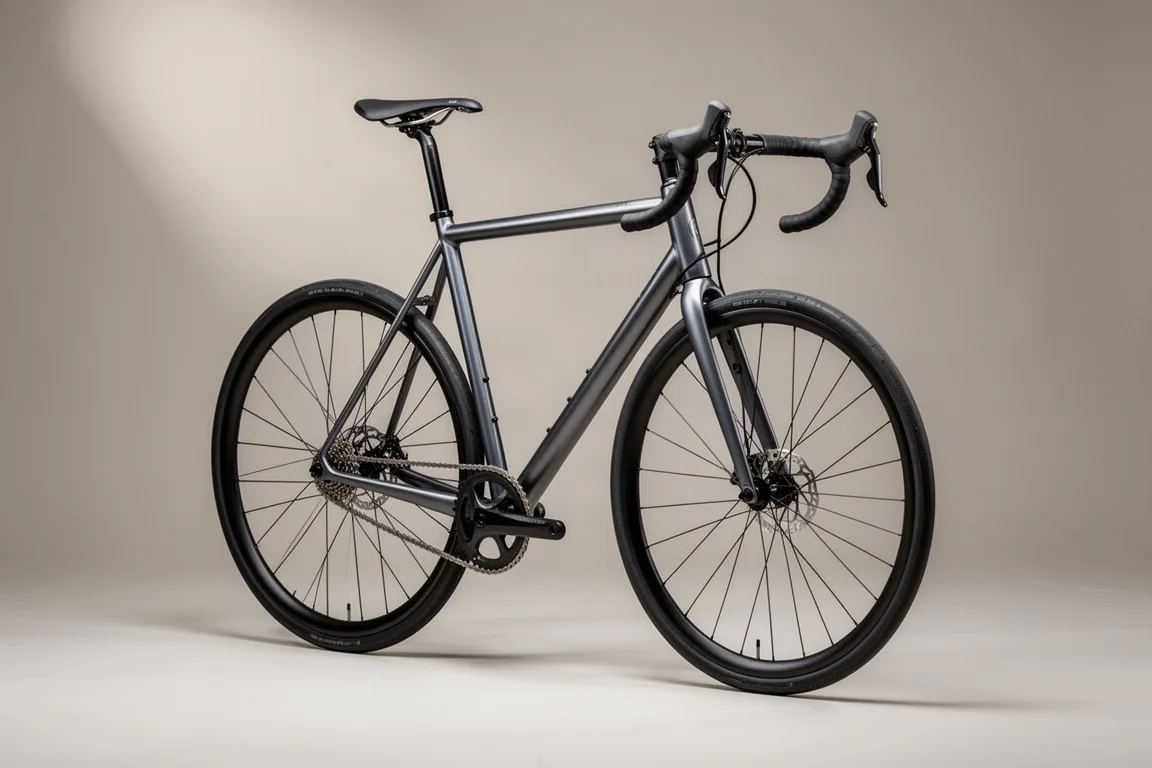
At $1,399, the RS5 is the most affordable road bike XLAB sells. It uses an aluminium frame with clearance for 38 mm tyres, a semi-integrated front end, and a 12-speed Shimano 105 groupset. It also includes a power meter, which is unusual at this price.
For context, the closest equivalent from a major brand is around $700 more expensive. If you are shopping for a first serious road bike and want training data from day one, the RS5 puts a power meter in reach far earlier than usual. The trade-offs are the aluminium frame and the in-house Branta finishing components, which some riders will want to inspect in person.
XLAB RS7: Carbon at a Mid-Range Price
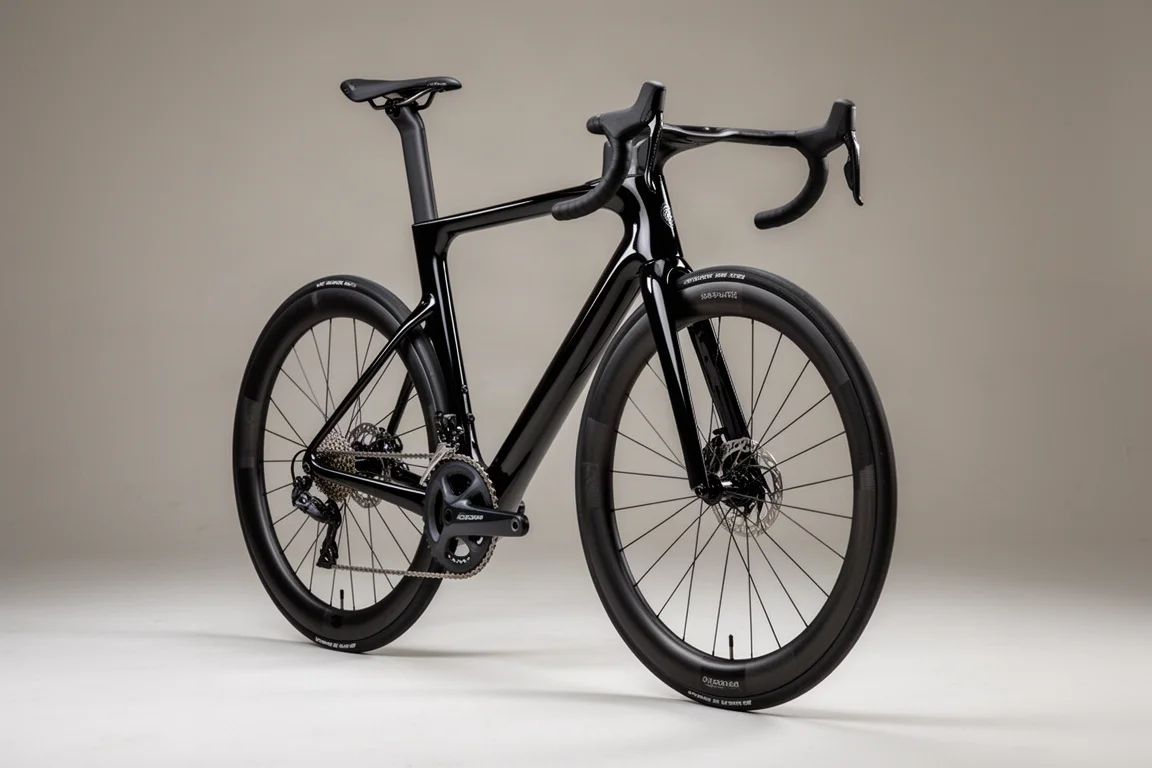
The RS7 is the RS5’s bigger brother and, on paper, the strongest value in the range. For $2,099 you get a carbon fibre frame, 45 mm deep carbon fibre wheels, a carbon fibre integrated cockpit, and the same 12-speed Shimano 105 groupset.
A comparable carbon race bike from a well-known brand starts around $3,500, and at that price you still get an aluminium handlebar and aluminium wheelset, no power meter, and a claimed weight around 100 g higher. That comparison is the clearest illustration of what XLAB is doing: matching the frame material and drivetrain of a far more expensive bike, then keeping the rest of the build in-house.
For riders who want one bike for fast group rides, mixed surfaces on wider tyres, and long weekend days, the RS7 is the model most likely to justify its price.
XLAB 88: Aero Shape with Electronic Shifting
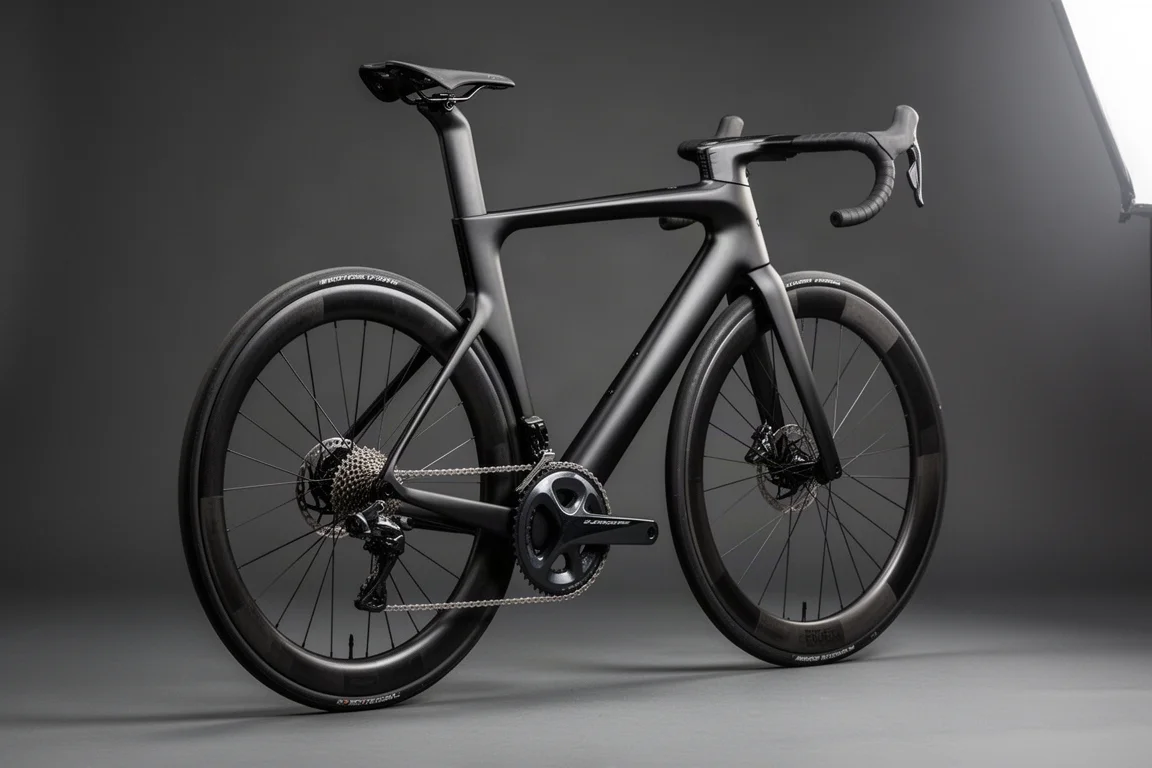
The 88 takes its frame shape directly from the World Tour level 89 used by the XDS Astana team, with a different carbon layup and component mix to hit its $4,499 price. That gets you a carbon frame, fork, wheels, and cockpit, a carbon power meter crankset, and electronic shifting from a Shimano 105 Di2 groupset.
Look closer and the details keep adding up. The wheelset weighs a claimed 1,330 g and uses carbon fibre spokes, a feature you rarely find on bikes at this price. The closest well-known aero comparison, a Giant Propel Advanced 1 with the same 105 Di2 groupset and carbon wheels, runs about $6,050.
The 88 sits in the sweet spot for riders who want aero tube shapes and electronic shifting without moving into flagship pricing. It is the model to choose if race-day speed matters more than low weight.
XLAB AD9: Flagship Aero Race Bike
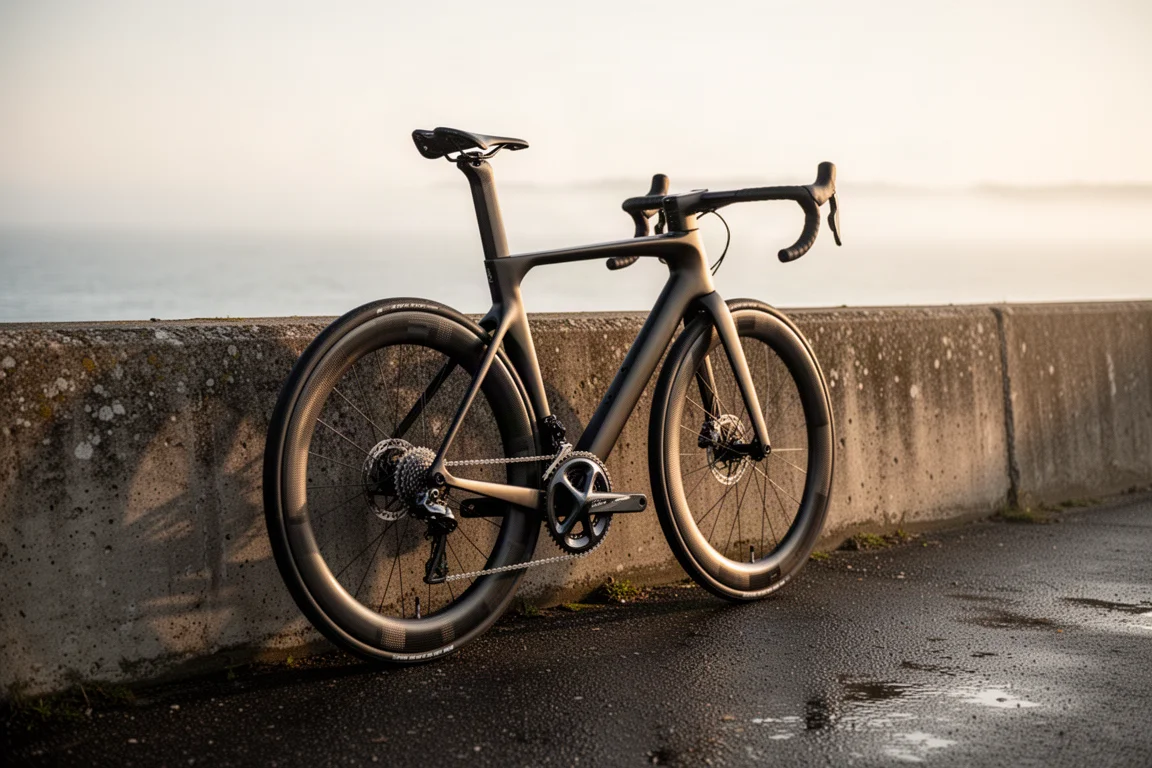
The AD9 is the flagship aero race bike and the model that has already drawn the most attention, partly because it is being raced at World Tour level. It steps up the carbon layup, and XDS is one of the few manufacturers making its own carbon pre-preg sheets. A Shimano Dura Ace groupset brings the complete bike to roughly the 6.8 kg UCI weight limit.
The price comparison here is stark. A Canyon Aeroad CFR with Dura Ace is around $10,500, and other World Tour level Dura Ace machines sit at $10,200 to $11,500. At roughly $8,000, the AD9 undercuts all of them.
That makes it the most interesting bike in the range for performance-focused riders, provided the geometry and fit suit you. It is a race bike first, so comfort and everyday practicality are secondary to speed.
For most riders the AD9 will be more bike than they need, but for anyone chasing a top-tier aero build at a lower price, it is difficult to ignore.
XLAB RT9: Lightweight Climbing Build
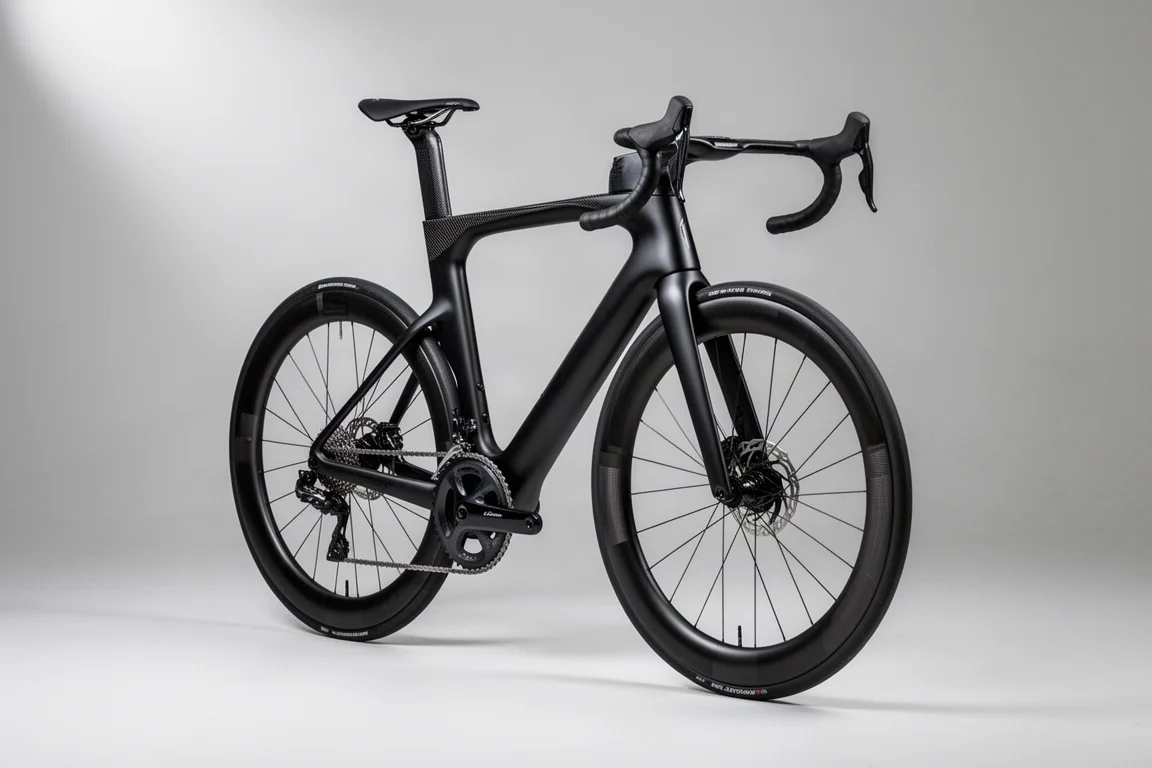
The RT9 is the most expensive XLAB model currently available at $9,150, and it claims to be the lightest production road bike frame ever built. The complete bike comes in at 6.2 kg.
Against climbing specialists from other brands, the gap is large. A top-tier lightweight build from a major brand runs around $13,000 to $14,000, so the RT9 sits several thousand dollars below its obvious rivals.
If your riding is defined by long climbs and you want the lightest complete bike you can buy, this is the model in the range aimed squarely at you. As with any very light bike, ride quality and stiffness preferences matter, so a test ride is worth arranging.
XLAB GT8: The Only Gravel Option
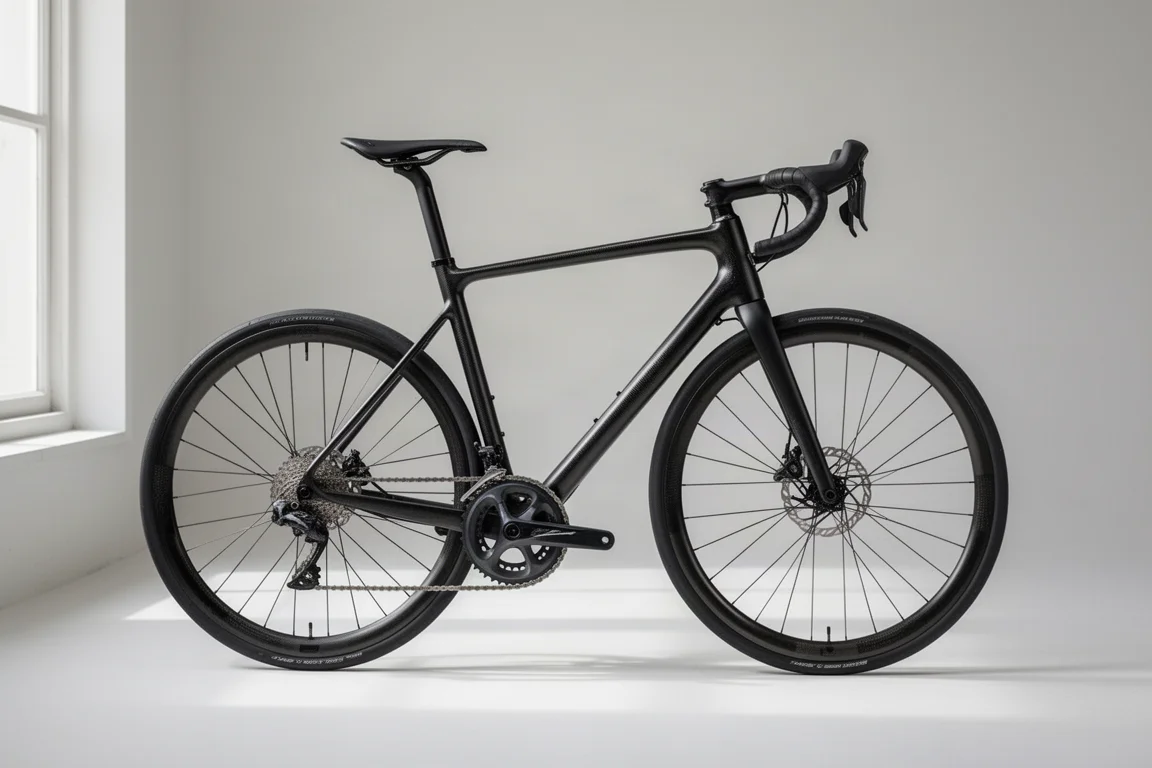
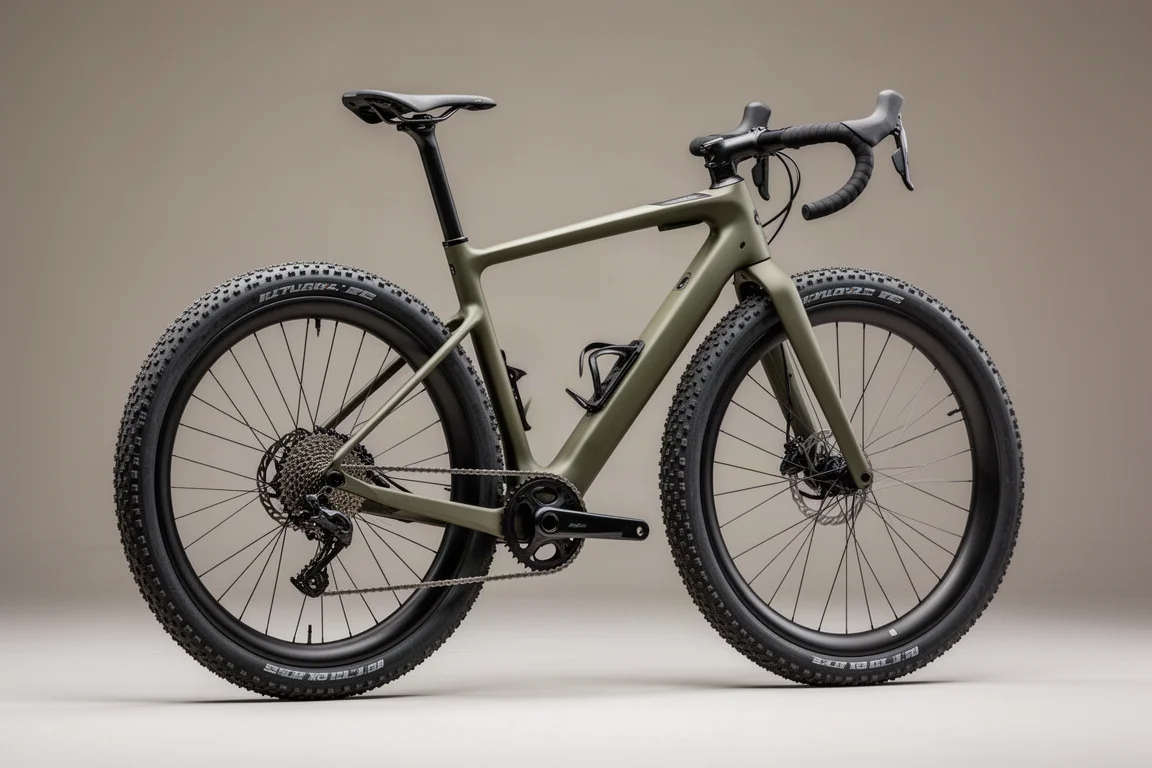
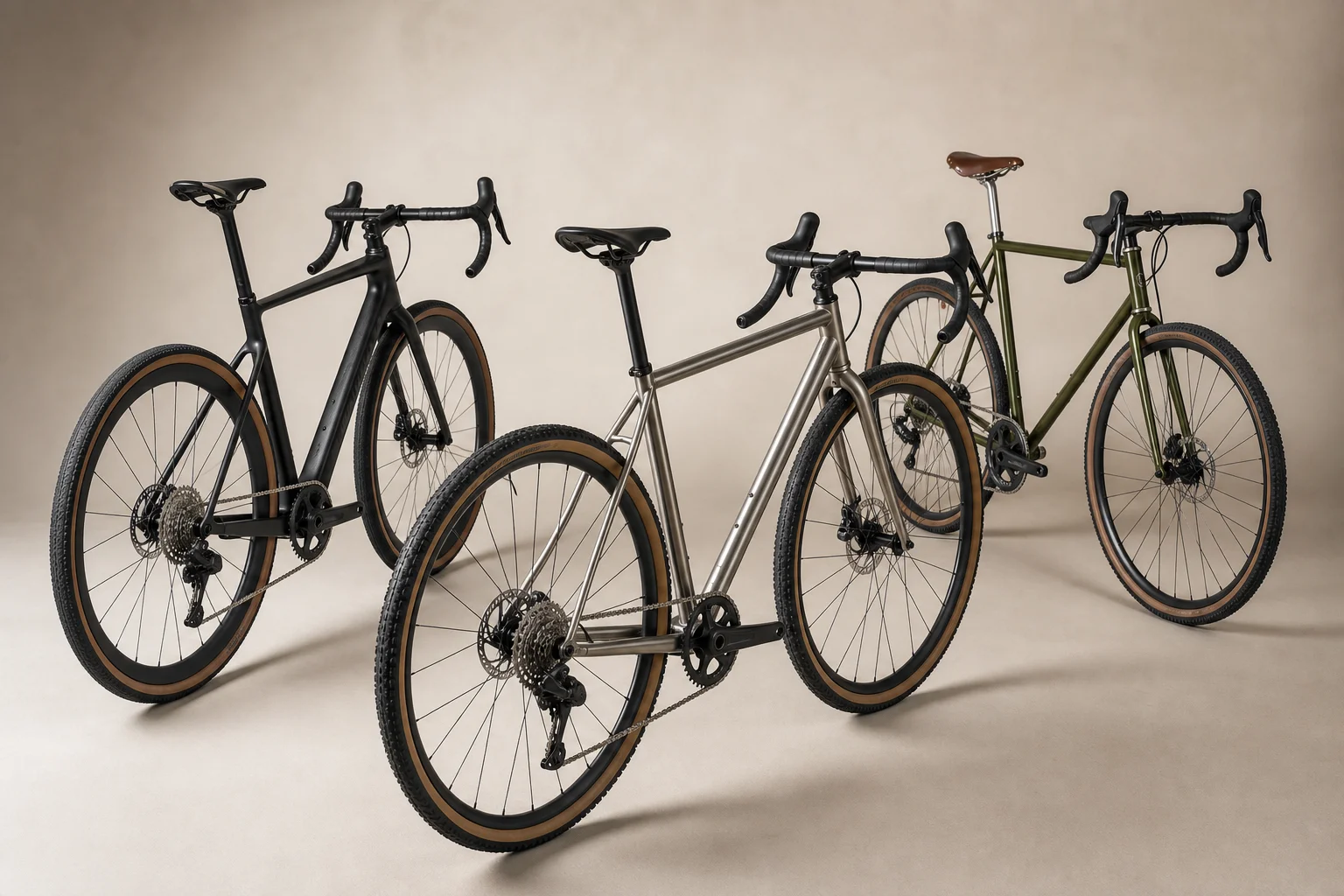
The GT8 is XLAB’s single gravel offering at $3,199. It uses a Shimano GRX groupset, a universal derailleur hanger, internal frame storage, carbon wheels, a power meter, and clearance for tyres up to 55 mm.
That tyre clearance is the headline figure. Wide rubber has become the default for gravel riding, and 55 mm gives the GT8 room to run proper off-road volumes without compromise. A comparable carbon gravel bike from a major brand with carbon wheels and an electronic groupset sits closer to $5,499.
For riders who want one bike that handles rough gravel and still rolls well on tarmac, the GT8 covers the essentials without pushing into premium pricing.
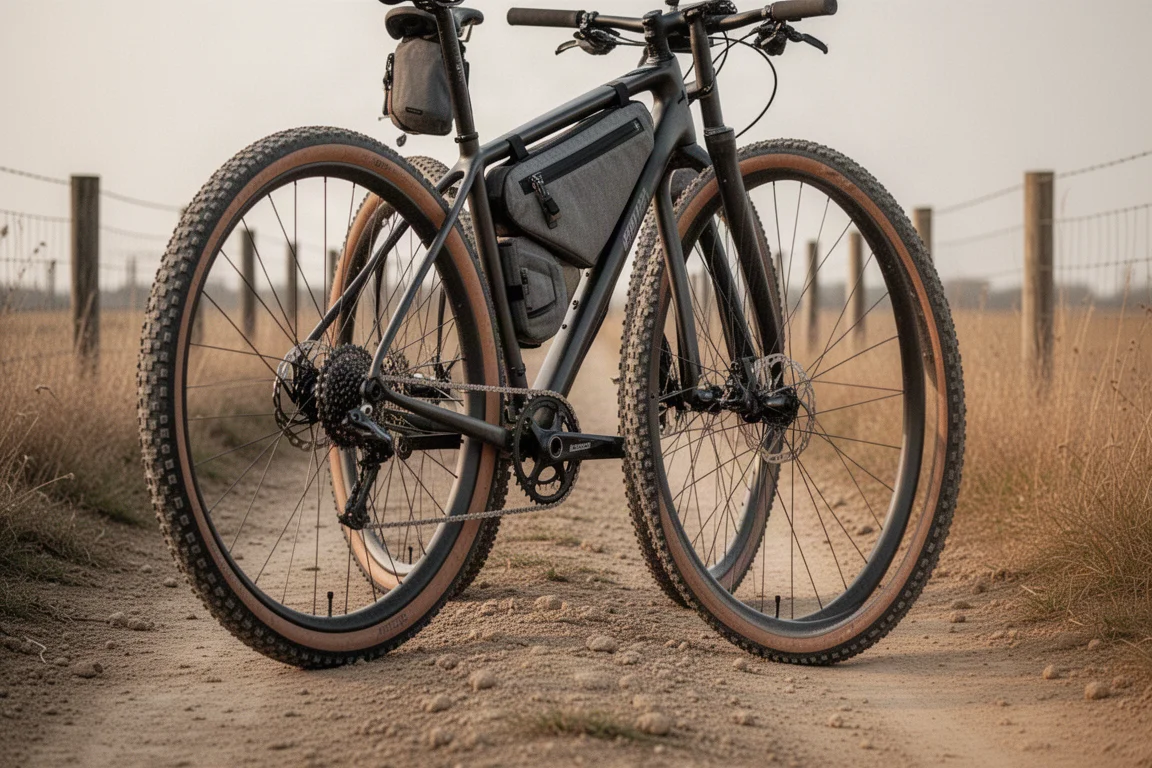
Internal frame storage and the power meter are the kind of details that usually appear further up the price ladder, and for a range with only one gravel option, the GT8 is a well-rounded one.
XLAB SP5 Plus and ST5 Plus: E-Bike Options
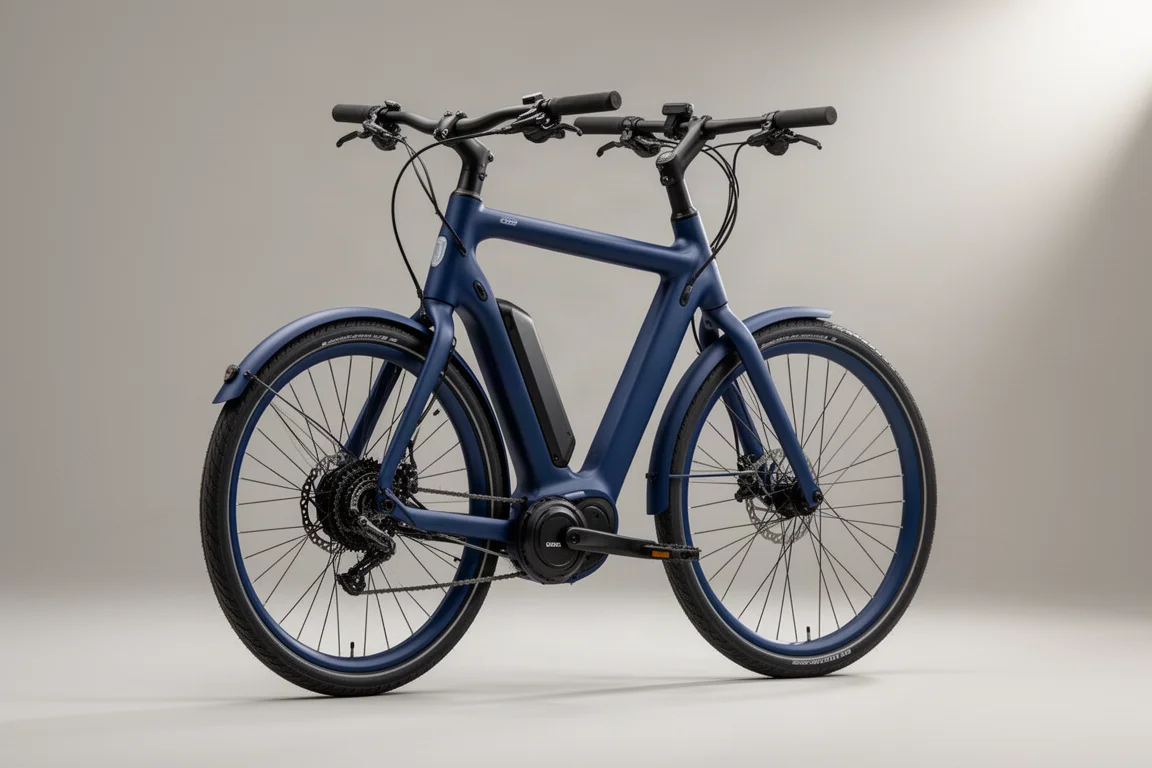
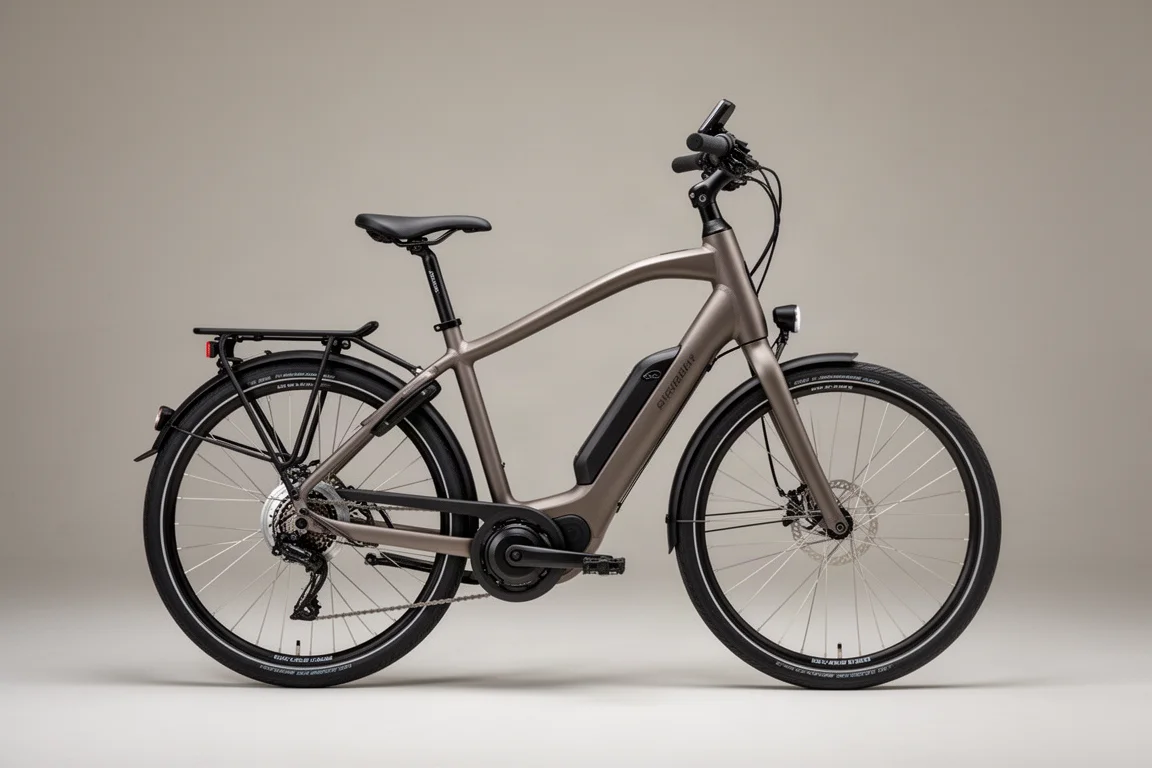
XLAB also launched two e-bikes, the SP5 Plus and the ST5 Plus. Both come in at roughly half the price of comparable models from Trek and Specialized, and again much of the componentry is kept in-house, including the motor.
That pricing puts e-bikes from an established manufacturer within reach of riders who had written them off as too expensive. They suit commuters, riders returning to cycling, and anyone who wants assistance on hills or longer errands.
The trade-off with any newer brand is long-term support and dealer coverage. With around 60 dealers already signed up in the US, that network is growing, but it is worth checking what is available locally before committing.
XLAB SP3: The Cheapest Bike in the Range
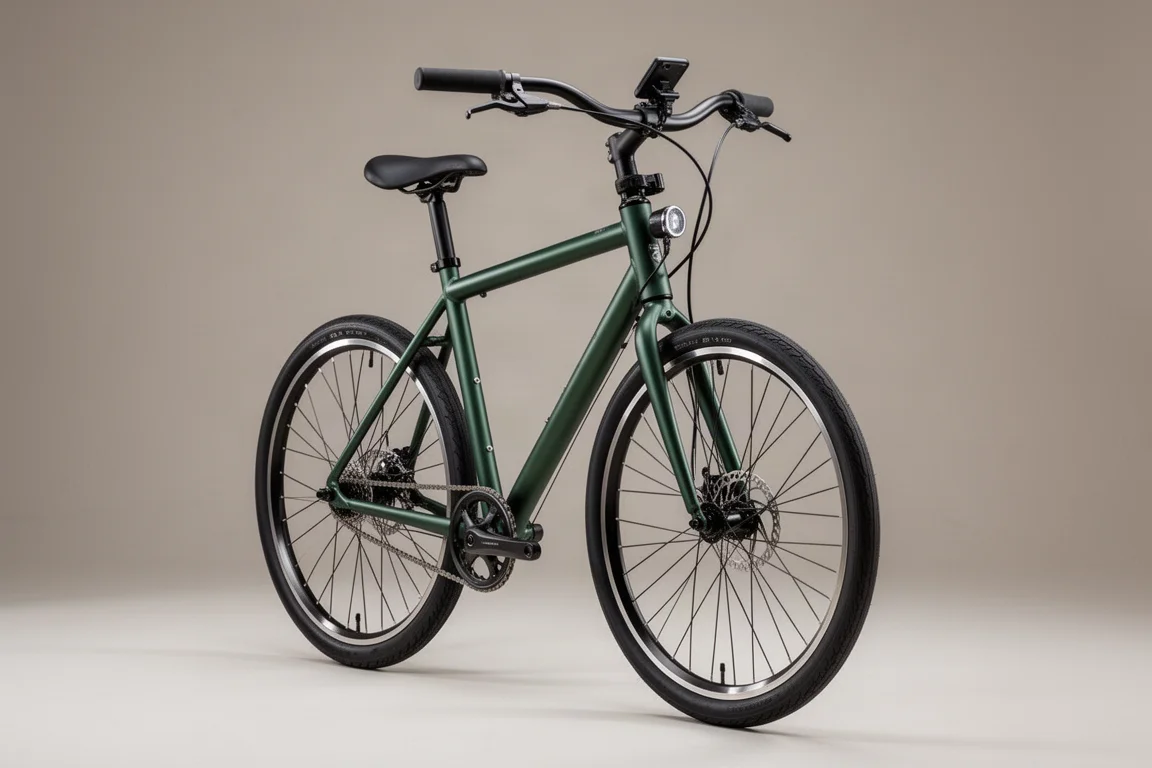
The SP3 is the ninth bike in the lineup and the cheapest at $799. It uses an aluminium frame and a more upright, relaxed riding position, designed to get more people commuting and riding in everyday clothes.
It also has a Quad Lock mount on the stem cap, a small detail that shows how much thought went into practical use. Across the range, the bikes are generally well specced for their intended rider, which should come as little surprise given that the US management team includes staff who previously worked at Trek, Canyon, Giant, and Specialized.
If you want a low-cost, low-fuss bike for town riding, the SP3 is the obvious starting point.
How to Choose Among the Nine XLAB Bikes
Start with the surface and the riding you actually do, then work up the range. For commuting and relaxed town riding, the SP3 at $799 is the simplest answer. For a first performance road bike with training data built in, the RS5 at $1,399 includes a power meter that most rivals charge far more to add.
If you want carbon and a more capable all-round build, the RS7 at $2,099 is the value pick. Riders who want aero shapes and electronic shifting should look at the 88 at $4,499, while the AD9 is the step up to flagship race performance. The RT9 covers pure climbing, the GT8 covers gravel, and the SP5 Plus and ST5 Plus cover assisted riding.
Two practical points apply across the whole range. First, the in-house Branta components mean the spec sheet will not match a bike built entirely from third-party parts, so check the contact points and wheels suit you. Second, dealer coverage matters for servicing, so confirm what is available near you before ordering.
None of this changes the core conclusion: if value for money is your priority, this range is hard to match, and established brands will find it difficult to ignore these price points.
View more details for XLAB RS5
View more details for XLAB RS7
Conclusion
XLAB has arrived with nine models that span $799 to $9,150 and cover commuting, road, aero, climbing, gravel, and e-bikes. The common ingredients are scale, in-house manufacturing, and in-house components, and the result is a range that undercuts comparable bikes from major brands across the board.
That does not make every model right for every rider. Fit, local dealer support, and the feel of the in-house components are all worth checking in person. But if you are shopping on value, the XLAB lineup is now one of the first places to look, and the RS7 and 88 stand out as the models where the price-to-equipment gap is widest.
Further reading
Related Reviews
Cycling
2026 Bike of the Year and the Cycling Gear Worth Watching
A drop bar roundup for 2026 covering the Ridley Kanzo Fast 2.0, Shimano Dura-Ace Di2 R9300, Trek Checkpoint ALR Gen 3, Specialized Tarmac SL9, Garmin Fenix 9 and Insta360 X6.
Cycling
Best All-Road Bikes 2026: Six Versatile Endurance Road Bikes Worth Considering
A practical look at six all-road and endurance road bikes, from lightweight carbon speed machines to steel all-rounders and comfort-focused mile eaters.
Cycling
Best All-Road Bikes 2026: 8 Endurance Bikes for Road and Light Gravel
Eight all-road bikes that blur the line between endurance road and light gravel, compared on tire clearance, ride character, practicality, and value.