Cycling
Best All-Road Bikes 2026: Six Versatile Endurance Road Bikes Worth Considering
A practical look at six all-road and endurance road bikes, from lightweight carbon speed machines to steel all-rounders and comfort-focused mile eaters.
Introduction
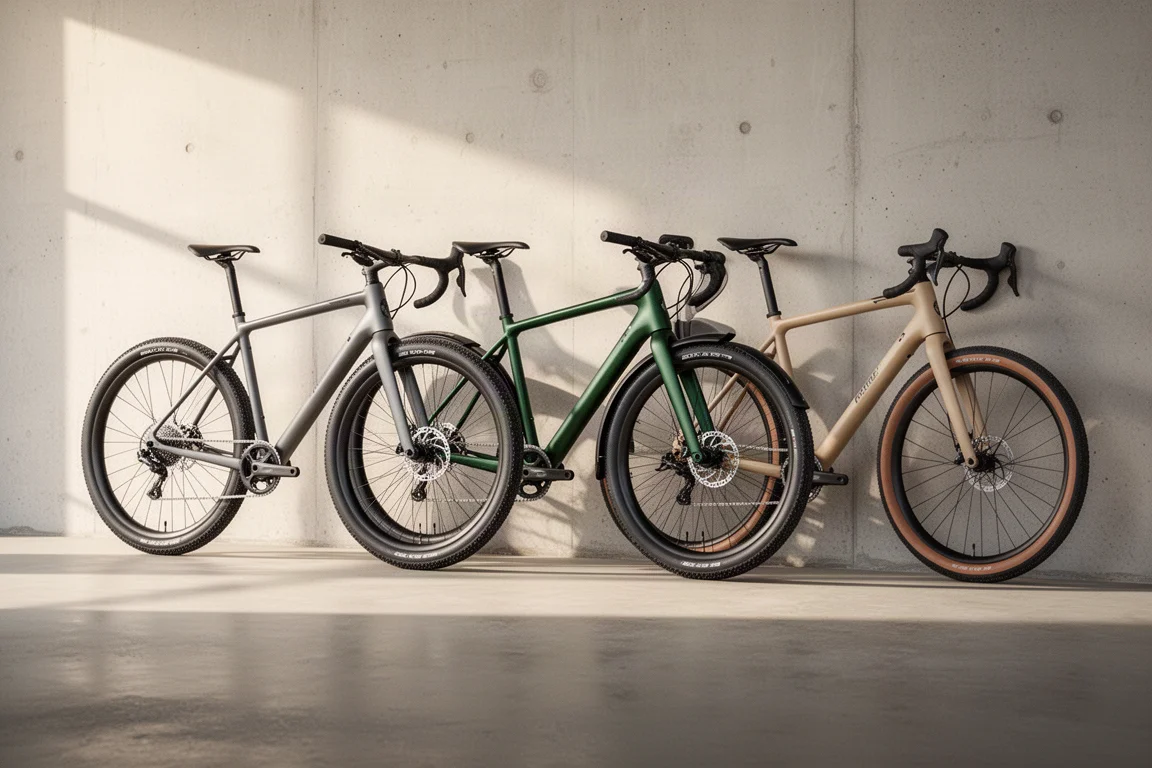
An all-road bike sits in the sweet spot between a road race bike and a gravel bike. You get most of the speed and sharp handling of a race machine, but with room for wider tires, a more forgiving ride, and the mounts that make a bike practical for long days out. For a lot of riders, that combination is simply easier to live with than a pure race bike.
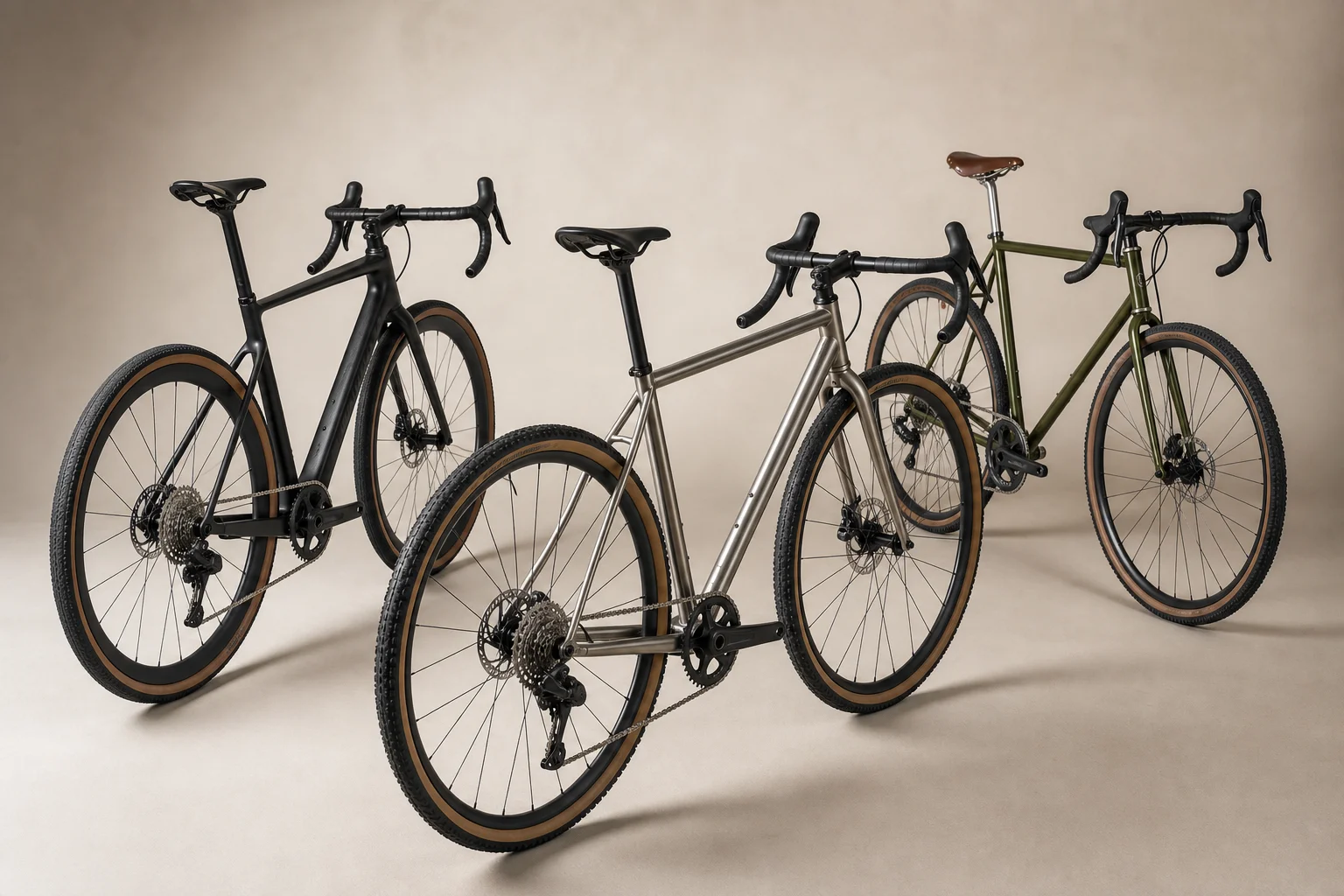
This roundup covers six bikes that approach that idea in very different ways. Some are built around very light frames and sporty geometry, others lean hard into comfort, and a couple sit so close to gravel bikes that the labels stop mattering. Each one has a clear character, and working out which character suits your riding is the real buying decision.
What Makes an All-Road Bike Different
The defining feature is tire clearance. All-road and endurance road bikes usually accept tires in the 40 mm to 42 mm range, far wider than a race bike and wide enough to soften rough tarmac, add grip in the wet, and open up light dirt and gravel without changing bikes.
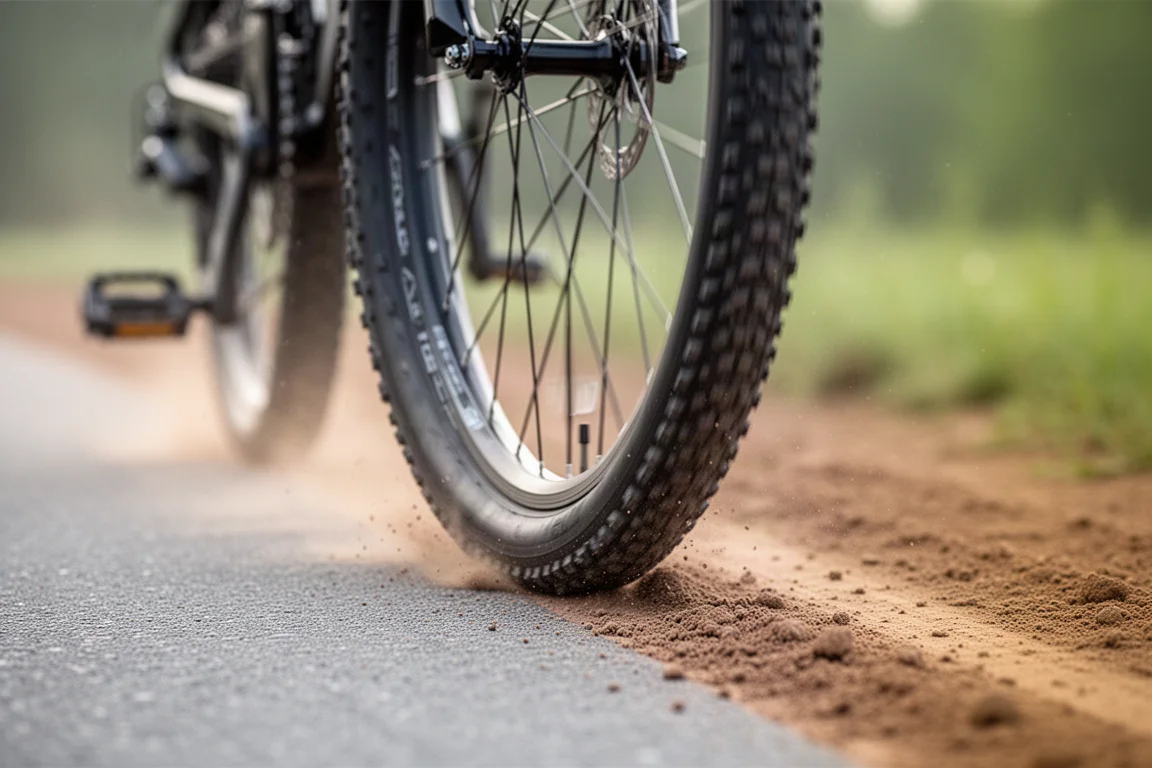
The second thread is practicality. Mudguard mounts, top tube mounts, and space for bottles and bags turn a fast bike into something you can ride through winter or load up for a long-distance trip. Geometry varies far more than the category name suggests: some of these bikes stay close to a race fit, while others raise the front end and shorten the reach for a more upright position that stays comfortable after several hours in the saddle.
51 Seeker: A Lightweight All-Road Benchmark
The 51 Seeker best captures what a modern all-road machine can be. Its frame comes in under 700 g, a figure that would look impressive on a dedicated race bike, yet it still accepts tires up to 40 mm wide. The geometry is more laid-back than a race bike without going as upright as many endurance models, so it keeps a sporty personality when you want to ride hard while remaining comfortable over long distances.
That balance makes it unusually easy to use. It works for fast, full-gas group rides and for all-day efforts of 300 km or more, where a comfortable fit and room for a saddle bag and handlebar bag matter as much as outright speed. Riders who want one bike to cover fitness rides, long solo days, and the occasional mixed-surface detour will find the Seeker fits the brief closely.
Bridge Surveyor: Race Geometry With Wide Tires
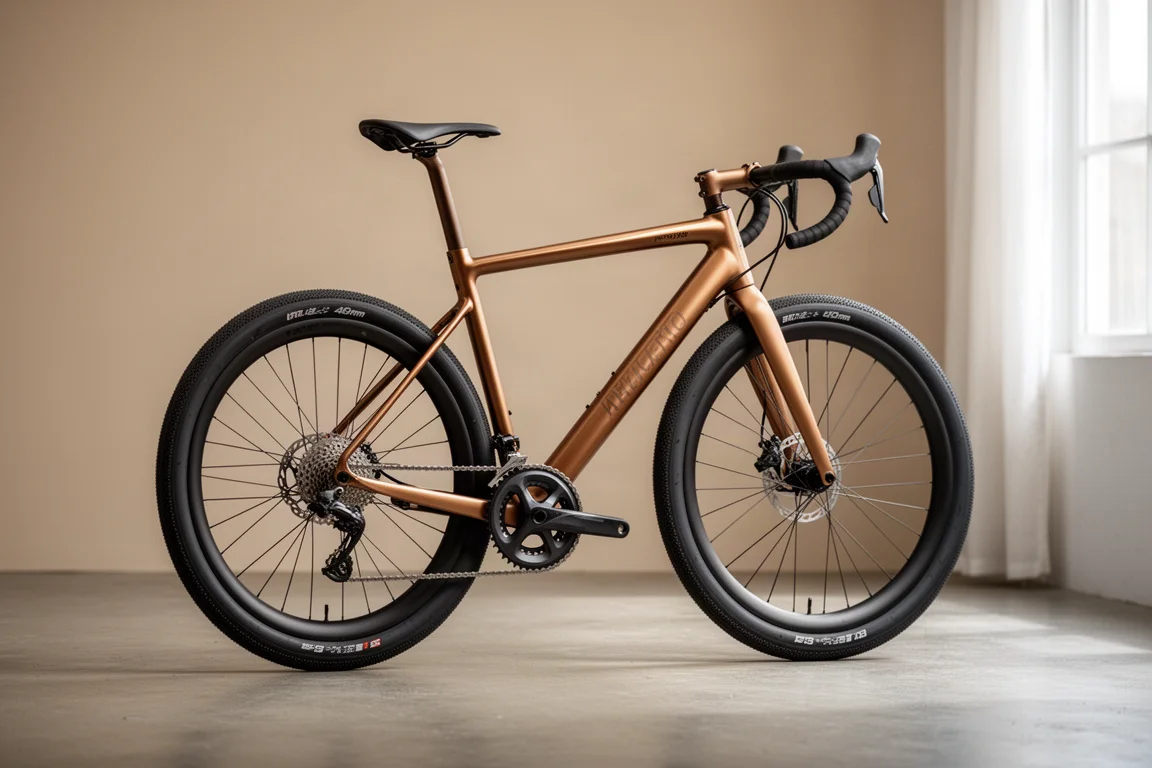
The Bridge Surveyor takes the opposite approach. Built in Toronto, Canada, it also clears 40 mm tires, but the geometry is deliberately racy, with a low stack and a long top tube. That combination of wide tire clearance and a race-bike fit is rare, because most bikes that accept big tires also relax the riding position.
The payoff is a bike that feels fast, lively, and engaging while still rolling over rough surfaces with confidence. Fitted with 36 mm semi-slick tires, it handles road miles, light dirt and gravel tracks, and even mountain bike trails without feeling out of place. For riders who want a race position but refuse to give up tire volume, there are very few alternatives.
Specialized Roubaix SL8: Comfort First
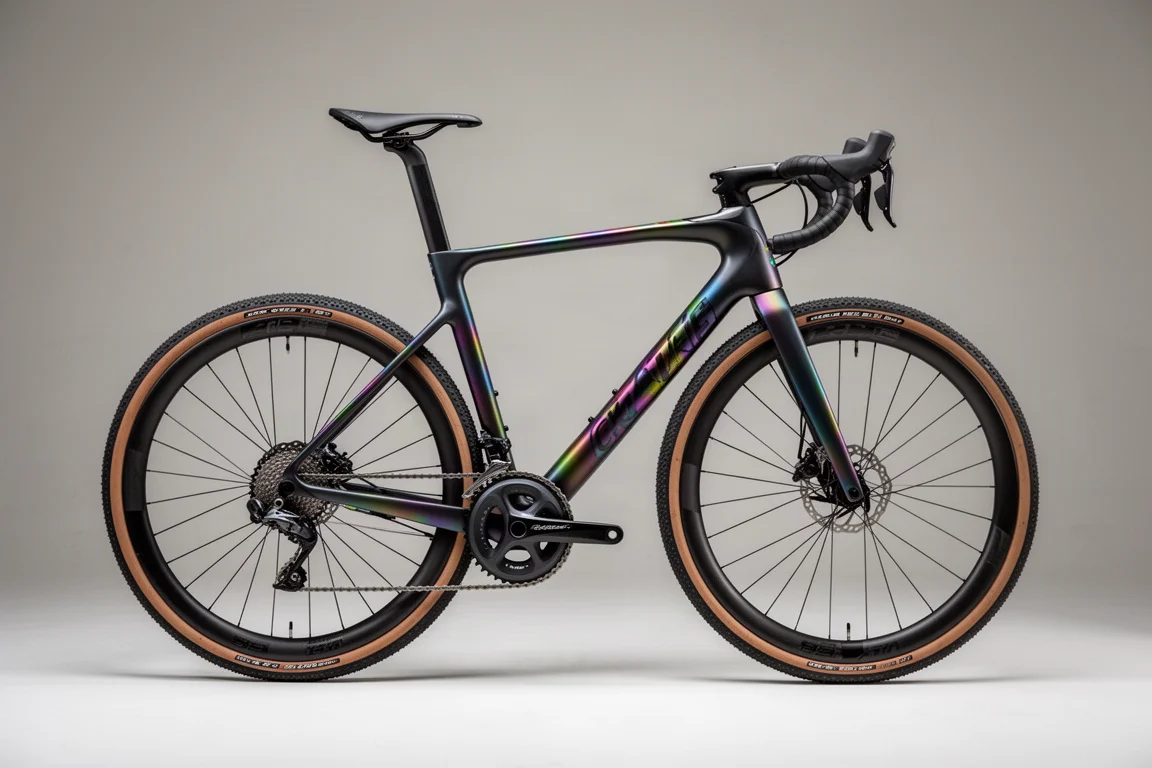
The Specialized Roubaix SL8 is the more conventional endurance option, and it prioritizes comfort above all. It clears 40 mm tires, but the fit is much more upright than the Seeker or the Surveyor, with a higher stack and a shorter reach, which suits riders who would rather not spend hours crouched low. Ride quality is exceptional, helped by a suspension element at the front of the bike and a compliant seat post that takes the edge off broken surfaces.
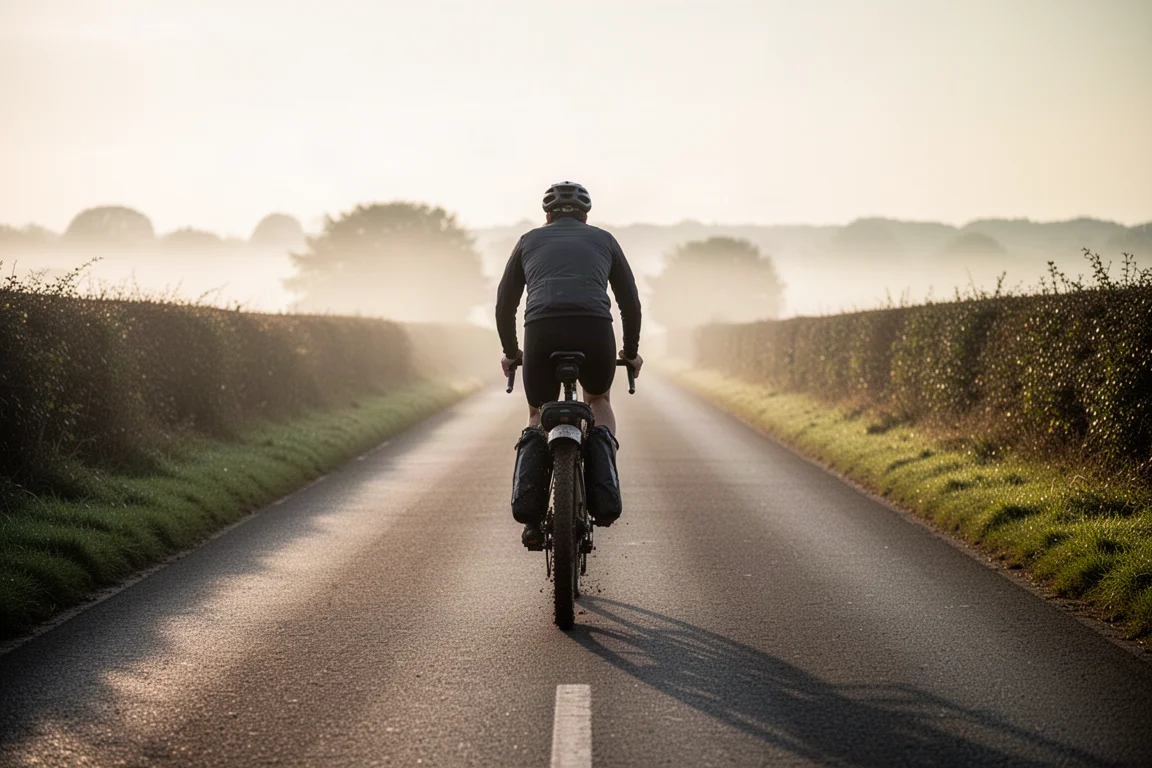
Bikes are usually sold with 30 mm or 32 mm tires, but wider gravel tires can be fitted for canal towpaths, smooth gravel, and dirt paths. Mudguard mounts and top tube mounts add touring and bikepacking potential, so the same bike can handle a winter commute, a long sportive, and a light gravel outing.
One point worth weighing up: some owners have reported reliability concerns with the front suspension element. It has been part of this bike family for many years, but it is worth factoring into your decision if you prefer the simplest possible setup.
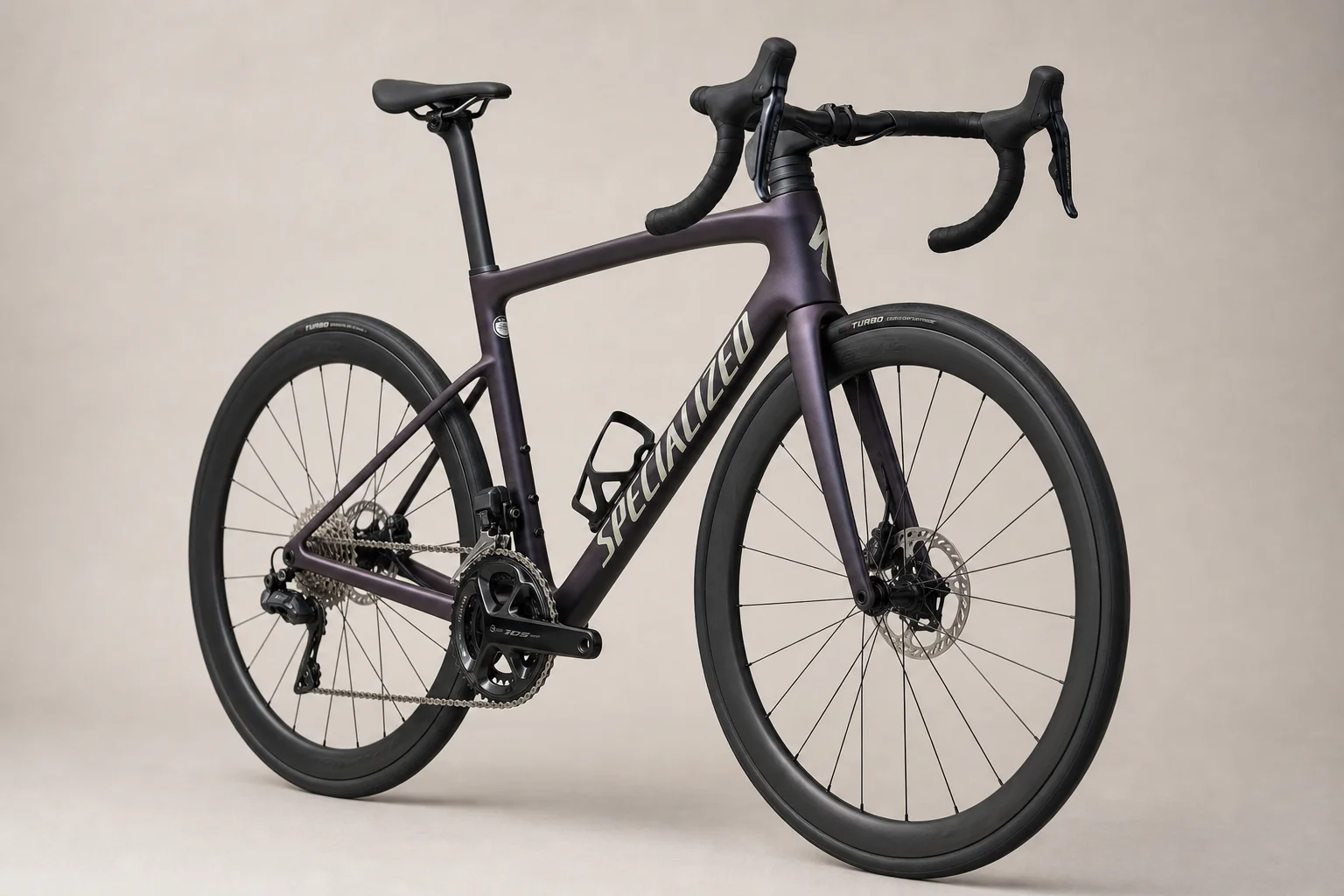
Fairlight Secan: Steel Versatility
The Fairlight Secan comes from a UK company whose road model, the Strael, might look like the more obvious choice here. The Secan is the gravel bike in the range, but its versatility is exactly why it belongs in an all-road conversation. It has been used with mountain bike tires for extreme gravel, with 32 mm tires and mudguards for road riding, and with 36 mm semi-slicks for everything in between.
That flexibility comes down to how owners build it. Because the platform is designed to be customized, you can set it up around the riding you actually do, whether that is road miles, mixed surfaces, or loaded trips. If you value classic looks, steel ride quality, and the freedom to choose your own specification, the Secan is a genuinely interesting alternative to a mainstream endurance bike.
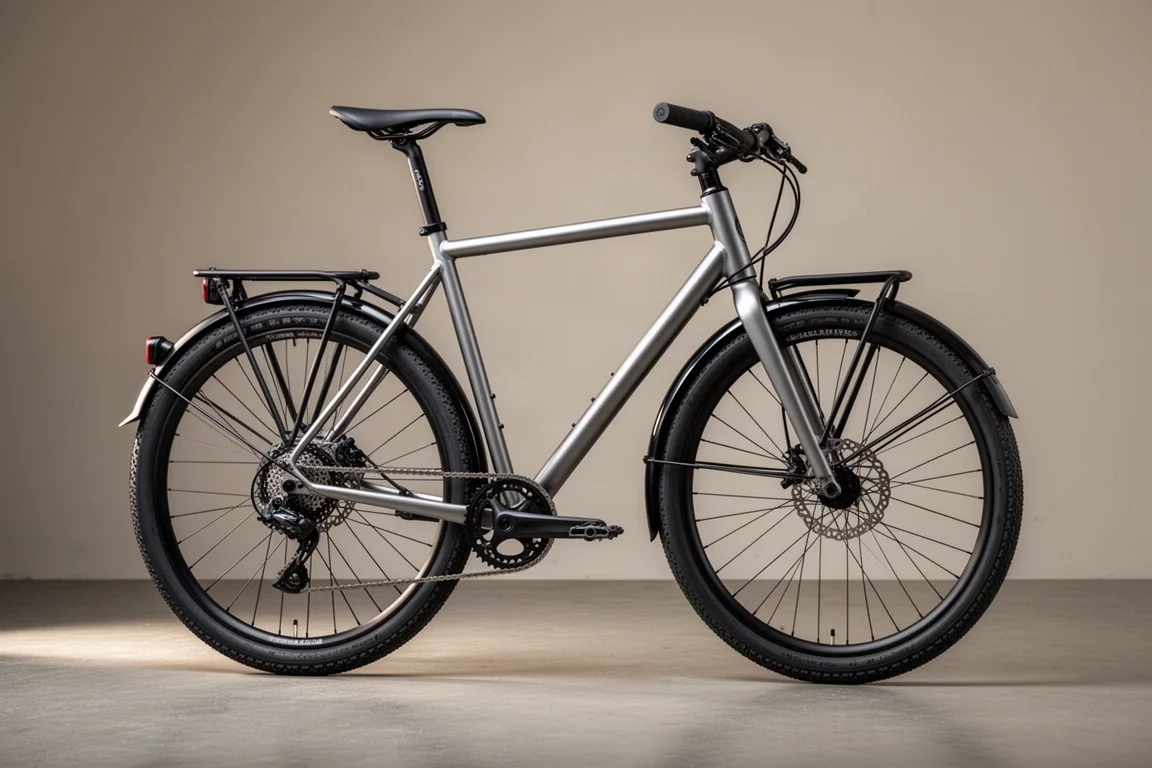
Canyon Grail: A Gravel Race Bike That Rides All-Road
The Canyon Grail is officially a gravel race bike, but its numbers tell a different story. Tire clearance tops out at 42 mm, which is modest for a modern gravel bike, and the geometry sits close to that of an endurance road bike. In practice it behaves far more like an all-road machine than its category label suggests.
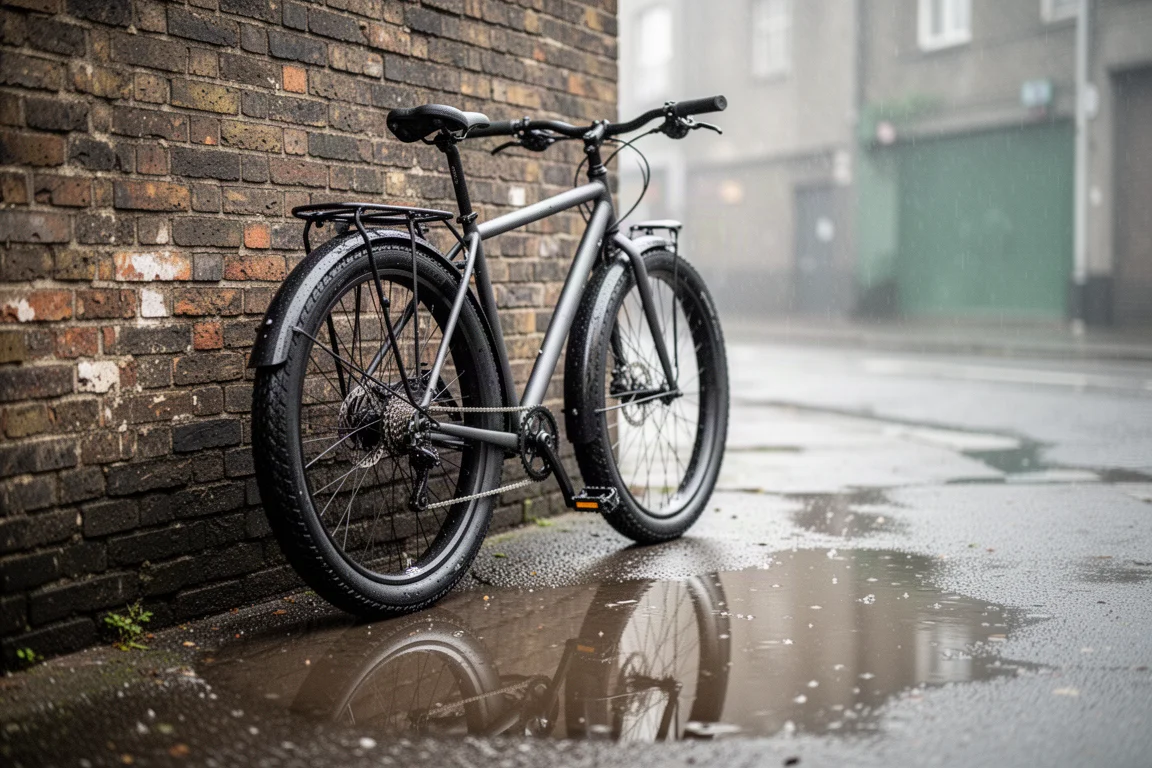
Set up with mudguards and wide slick gravel tires, it works extremely well as a road bike. It is not as quick as a dedicated race bike, but it is fast enough for long winter training rides and relaxed summer days out, and the bigger tires bring comfort on poor road surfaces plus grip and control in wet, slippery conditions. It can also handle light dirt and gravel when the route calls for it.
Cannondale Synapse: Blurring the Boundaries
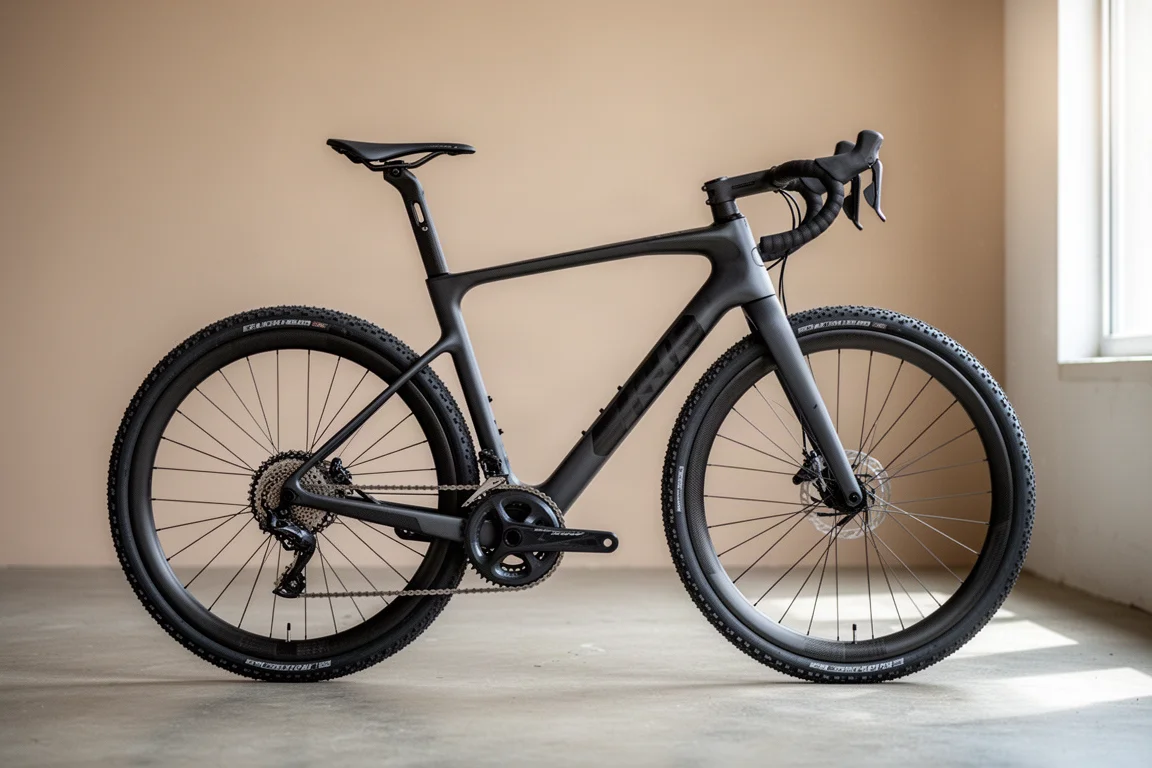
The recently updated Cannondale Synapse pushes the endurance category further than most. Its 42 mm tire clearance is wider than the other endurance bikes here and matches the Canyon Grail, which raises an interesting question about where the line between endurance road and gravel now sits.
On paper and on the road, the Synapse is a classic endurance bike, with a higher stack and shorter reach that place the handlebars closer and higher for sportives and long days. What makes it notable is the potential beyond that: with clearance for 42 mm tires, it has the foundations to be considerably more capable than a pure road bike, blurring the boundaries between road, endurance, all-road, and gravel.
Buying Advice: How to Choose an All-Road Bike
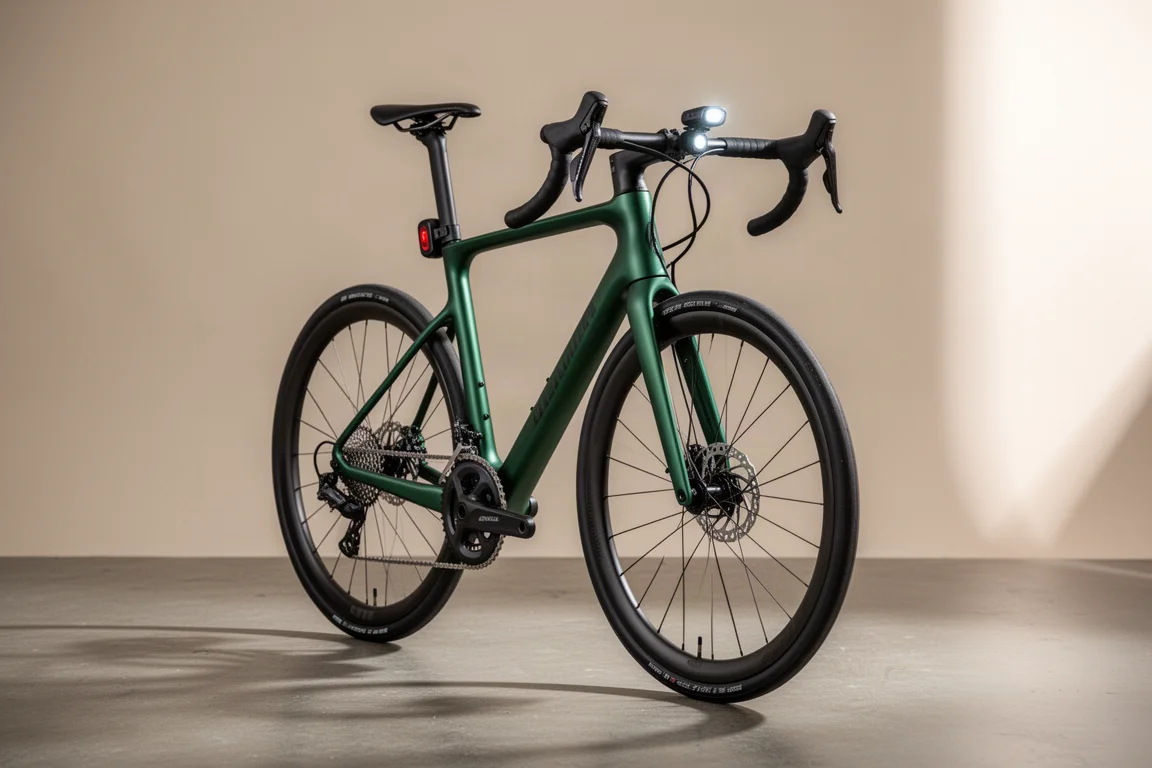
Start with tire clearance, because it sets the ceiling on what the bike can do. Something around 40 mm covers rough tarmac, wet roads, and light gravel comfortably. If you want the option of rougher tracks, look at the 42 mm bikes, which also give you more room to run mudguards alongside a wider tire.
Geometry matters just as much, and it is the biggest difference between the bikes here. A low stack and long top tube suits riders who want a race position and are happy to work on flexibility. A higher stack and shorter reach is easier to live with over long distances and is usually the better choice for riders who value comfort. There is no single right answer, only the fit that matches your body and the rides you actually do.
Material and specification come next. Light frames help on climbs and long days, while a steel platform like the Secan offers a different feel and more scope for a custom build. If you would rather buy a complete bike with a known setup, a mainstream model is the simpler route, but the total cost of ownership still depends on the tires, wheels, and luggage you plan to add.
Conclusion
All-road bikes do not follow one blueprint. The 51 Seeker proves that a very light frame and wide tires can coexist with a balanced, sporty ride. The Bridge Surveyor shows how racy a wide-tire bike can be, while the Specialized Roubaix SL8 and Cannondale Synapse lean into comfort and practicality. The Fairlight Secan and Canyon Grail sit closer to gravel and reward riders who want to choose their own setup.
If you are unsure where to start, decide on two things first: how wide you want your tires to be and how upright you want to sit. Those two answers will narrow this list quickly and point you toward the bike you will actually enjoy riding.
Further reading
Related Reviews
Cycling
2026 Bike of the Year and the Cycling Gear Worth Watching
A drop bar roundup for 2026 covering the Ridley Kanzo Fast 2.0, Shimano Dura-Ace Di2 R9300, Trek Checkpoint ALR Gen 3, Specialized Tarmac SL9, Garmin Fenix 9 and Insta360 X6.
Cycling
Best All-Road Bikes 2026: 8 Endurance Bikes for Road and Light Gravel
Eight all-road bikes that blur the line between endurance road and light gravel, compared on tire clearance, ride character, practicality, and value.
Cycling
Best Aluminum Endurance Road Bikes: Cannondale Synapse AL and Its Closest Rivals
How the aluminum Cannondale Synapse AL compares with the Trek Domane AL, Canyon Endurace AL and Giant Contend AR, plus a cheaper route to integrated radar.