Home Theater Projectors
XGIMI Titan Noir Max Review: A Bright Home Cinema Projector Built for Shared Evenings
A practical look at the XGIMI Titan Noir Max, a 7,000 ISO lumen home cinema projector with a dual iris, sealed optical engine, and Harman Kardon audio.
Introduction
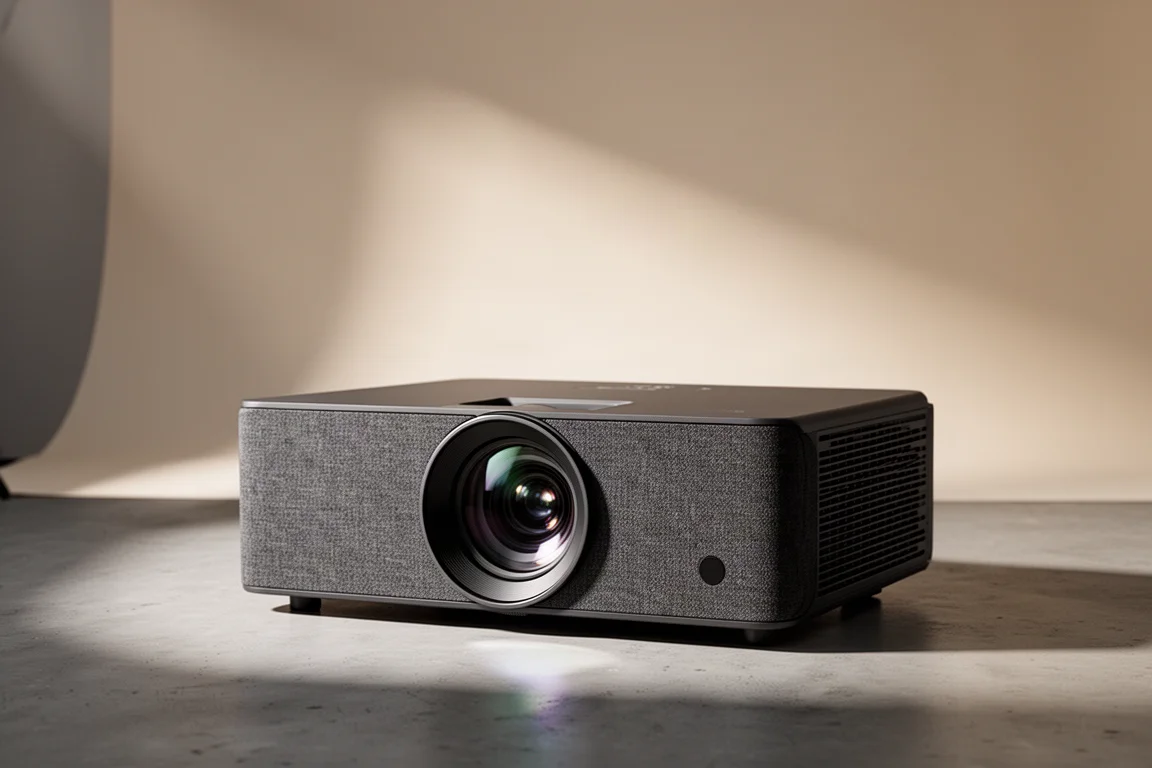
A projector has traditionally been a commitment rather than a purchase. It asks for a dark room, careful mounting, and a tolerance for maintenance. The XGIMI Titan Noir Max is designed to remove most of that friction. It is a home cinema projector with a Harman Kardon audio section, a claimed 7,000 ISO lumens of brightness, and a sealed optical engine, and it arrives in its own protective trunk rather than a cardboard carton. It is also, by any reasonable measure, an expensive product.
That combination makes it worth examining closely. This review covers what the Titan Noir Max does well, the trade-offs that come with it, and the type of household that will actually get value from it.
Who This Projector Is For
The Titan Noir Max is built for people who already own, or intend to own, a serious home theater or hi-fi system. The integrated Harman Kardon audio is a genuine convenience, but the projector makes the most sense as the picture half of a dedicated room. If you want a single device to handle everything in a casual setup, a large television remains simpler.
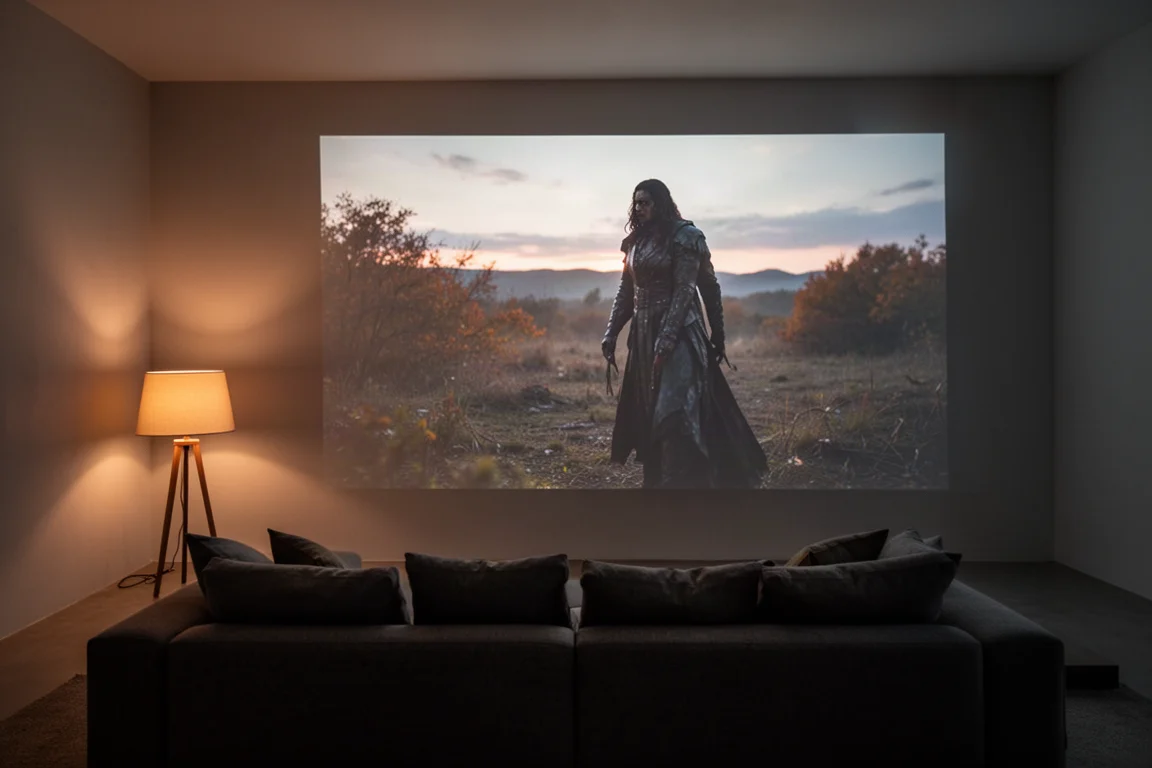
It is also a natural fit for households that want a shared viewing space rather than a personal one. A projector turns a wall into a gathering point, and that changes how a room gets used over time. Homes with children tend to feel that difference quickly.
Brightness and Living Room Performance
Most projector advice assumes a light-controlled room. The Titan Noir Max pushes back against that assumption with a claimed 7,000 ISO lumens, which is enough output to stay watchable in an ordinary living room where windows, lamps, and everyday ambient light are part of the picture. For anyone without a dedicated theater, that brightness figure is the most practical feature on the specification sheet.
It also puts the projector in rare company. Projectors capable of this level of output have historically been large commercial-grade units that cost considerably more and run loudly. Having that brightness in a home-oriented design is a meaningful part of the value here.
When the room does go dark in the evening, a movie mode can be used to prioritise colour accuracy over raw output. The result is a projector that can operate credibly in both a bright room and a dark one.
Picture Quality and the Dual Iris Design
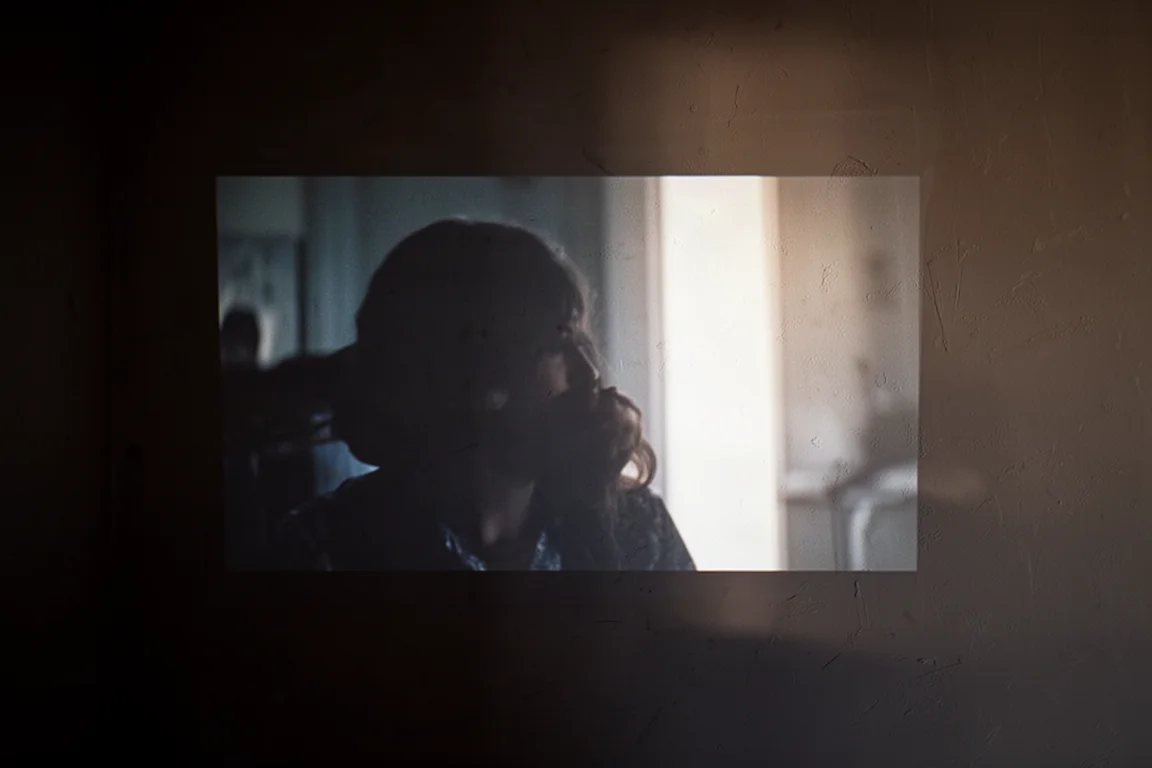
Brightness is only half the story. The Titan Noir Max uses a dual iris design, and the difference it makes is easiest to explain by contrast. A projector with a fixed iris struggles to hold black levels, so dark scenes tend to look grey and washed out because ambient light keeps passing through the optical path. A dual iris can close down as the room gets darker, which produces deeper blacks and more convincing shadow detail.
That matters more than it first appears. Darker blacks lift the entire image: colours look richer, highlights look cleaner, and the picture stops feeling like it has a veil over it. The effect is subtle on bright daytime content and obvious on films with moody, low-light photography.
The second piece of engineering worth knowing about is the sealed optical engine. Conventional projectors draw in air to stay cool, and that air carries dust, which gradually coats internal mirrors and lenses and degrades the image over time. Sealing the optical path keeps those components clean, so performance should hold up rather than slowly decline.
Formats, Modes, and Everyday Viewing
The Titan Noir Max supports Dolby Vision and HDR10+, along with dynamic tone mapping that analyses each scene and adjusts brightness and contrast accordingly rather than applying a single fixed profile to everything. In practice that means dark scenes and bright scenes are handled differently within the same film, which is closer to how the content was graded.
There is also a dedicated Filmmaker Mode that disables the extra processing so the image stays close to the original intent, plus IMAX Enhanced support with an expanded aspect ratio for titles that offer it. These are the kinds of features that are often missing on projectors in this price bracket, and they matter most to viewers who care about how a film is presented rather than simply how large it is.
Setup and Placement
One of the persistent objections to projectors is that installation has to be perfect. The Titan Noir Max is more forgiving than that reputation suggests. It offers a range of adjustments, including zoom, so you can dial in the image size without moving the unit to an exact millimetre. During testing it worked well simply placed on a trunk and later on a coffee table, which is a useful indication of how much flexibility the setup allows.
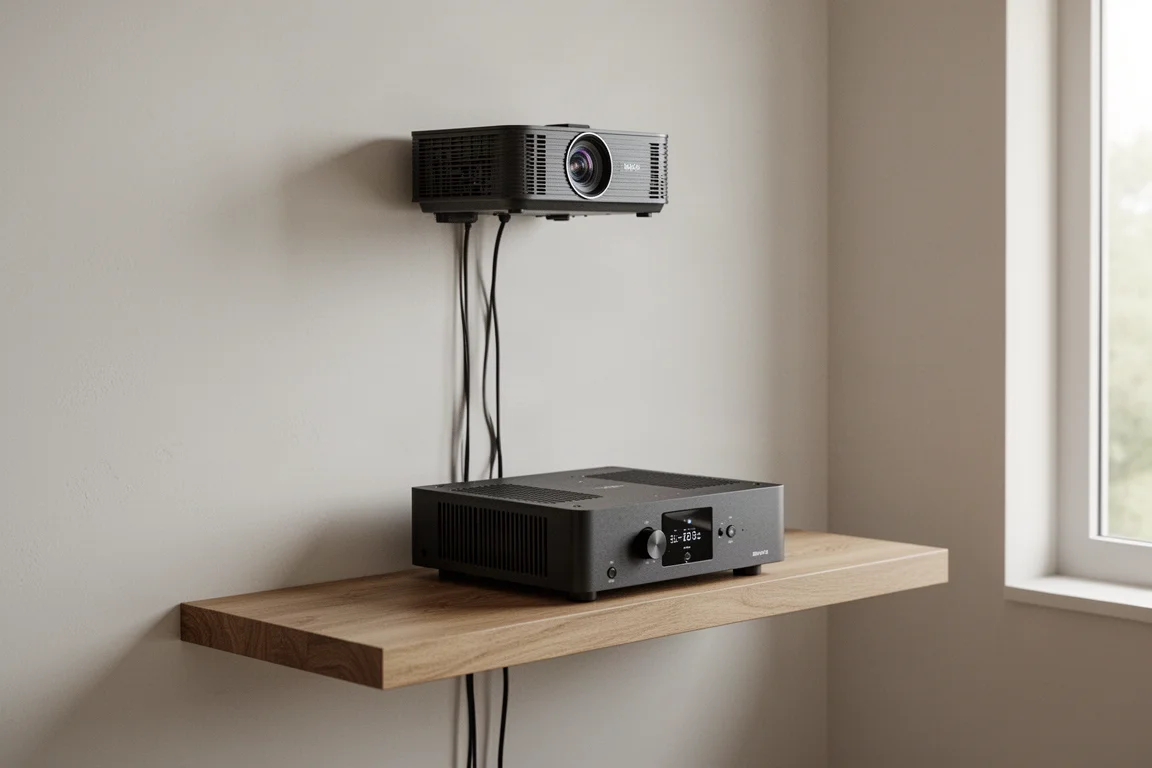
For a permanent installation, wall mounting above the viewing position is the logical endpoint. It is also worth planning around the screen rather than treating it as an afterthought. A retractable screen that lowers for films and rises again afterwards keeps a multi-purpose room from being dominated by a large white surface, and it preserves the room for music, hobbies, and everything else.
Things to Consider Before Buying
The first consideration is cost. The Titan Noir Max sits at a premium price point, with retail figures around $5,000 to $6,000, and there are two less expensive models in the same range if the budget is firmer. A screen is a further expense, and screen quality has a direct effect on the final image.
The second is that the built-in audio, while useful, is not a substitute for a proper system. Buyers at this level are likely to pair the projector with dedicated speakers, and the projector should be judged primarily on the picture it produces.
The third is room planning. The brightness makes the projector usable in a normal living room, but you still need a wall or screen of sufficient size, a sensible mounting position, and cable routing that suits the space. Budgeting time for that setup is realistic.
Finally, the picture improves noticeably with a better screen. That is worth remembering before judging the projector on a first, inexpensive surface.
Buying Advice
This is a projector to buy when the room and the household both support it. If you have a space where people gather, and you want films, concerts, and series to feel like an occasion rather than a scroll, the Titan Noir Max delivers in a way a television rarely does. The brightness, the dual iris, and the sealed optical engine are the reasons it holds up in a real living room rather than only in a darkened cave.
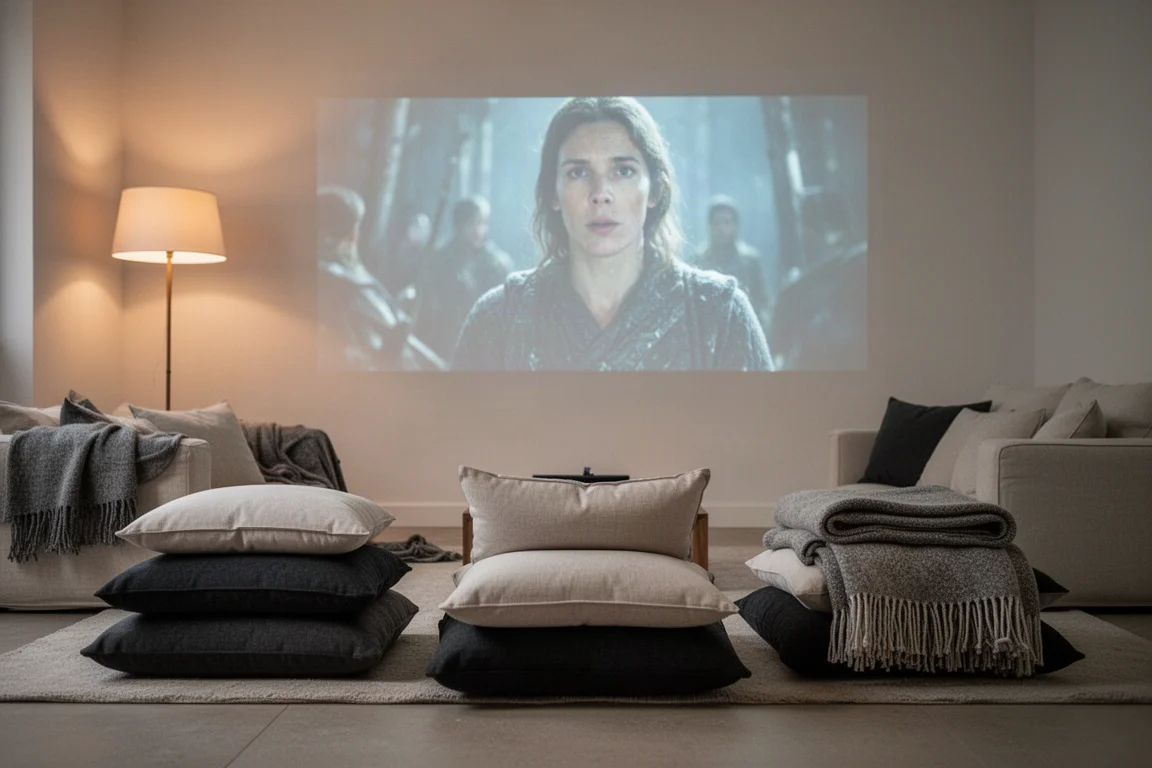
The honest framing is that this is a significant outlay. The most useful way to evaluate it is against how often the room will actually be used. A projector that turns an ordinary evening into a shared one earns its place faster than a specification list suggests, and that is the case this product makes most convincingly.
If the budget is tight, the two less expensive models in the range are worth a look first. If the goal is the best picture this line offers in a room with normal lighting, the Titan Noir Max is the one to plan around.
Conclusion
The XGIMI Titan Noir Max addresses the three classic objections to projectors: it is bright enough for a normal room, it is flexible enough to place without obsessive precision, and its sealed optical engine removes the dust-related decline that shortens the life of a typical unit. Add Dolby Vision, HDR10+, dynamic tone mapping, and Filmmaker Mode, and the feature set is unusually complete for the category.
It is not cheap, and it rewards buyers who already have a sound system and a plan for a screen. For those households, it is a considered purchase rather than an impulse one, and one that is likely to be used far more often than the price tag initially suggests.
Product link
View more details for XGIMI Titan Noir Max
This product is mentioned in the review. Check the specifications, options, and compatibility before buying.
View more details for XGIMI Titan Noir MaxFurther reading
Related Reviews
Home Theater Projectors
Barco Heimdoll Family Guide: Choosing a Native 4K RGB Laser Projector
A practical guide to the Barco Heimdoll, Heimdoll Cinemascope, Heimdoll Plus, and Heimdoll Plus Cinemascope for large-format home theaters.
Home Theater Projectors
Best Home Theater Projectors 2026: Five Models Ranked by Performance and Value
A comprehensive ranking of five home theater projectors, from budget-friendly to premium options, evaluated on brightness, resolution, color accuracy, and gaming performance.
Home Theater Projectors
Epson EpiqVision LS800 Review: A Super Ultra Short Throw 4K Laser Projector for Bright Living Rooms
A practical look at the Epson EpiqVision LS800 and the SilverFlex Ultra ALR screen, covering brightness, throw distance, gaming performance, and the setup trade-offs worth knowing.