Road Bikes
XDS X-Lab RT9 Review: A Sub-6.5 kg Disc Road Bike With Two Clear Caveats
The X-Lab RT9 is one of the lightest disc-brake carbon road bikes you can buy, with a stiff frame and a serious parts list. The wheels and the frame finish are the details to weigh up first.
Introduction
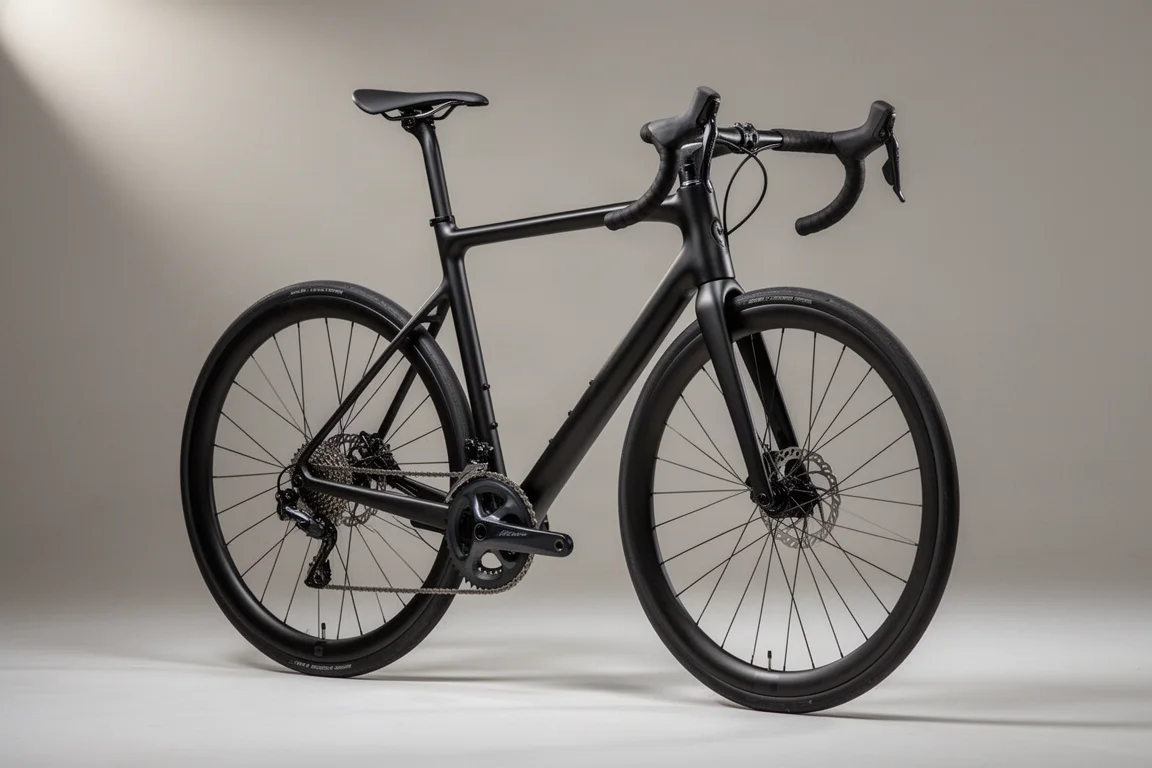
The XDS X-Lab RT9 arrives with a bold claim attached: the lightest carbon road bike frame with disc brakes that ordinary riders can actually buy. The frame is quoted at 550 g, and the complete bike in a size small weighed in at 6.39 kg, or 14 lb 3 oz. That is marginally above the claimed figure and still remarkably low for a disc-brake road bike.
It is a single-build proposition at $9,150, built around Shimano Dura-Ace and XDS’s in-house Branta components. It is also a bike with two clear caveats, one about the wheels and one about the frame finish, and both are worth understanding before you commit.
Who the X-Lab RT9 Is For
This is a long, low, stiff carbon racing bike with top-spec parts: electronic shifting, very light components and 50 mm deep wheels designed to cut through the air as fast as possible. The handlebars sit far forward and low, so it suits riders who can tolerate a stretched-out position for hours at a time. Riders who are young, strong and flexible will get the most from it. Others can still ride it, but comfort over a long day is likely to suffer.
It also appeals to riders who want racing performance without futuristic aerodynamic tube shapes. The RT9 uses classic round tubes throughout, which gives it a more traditional look and, usefully, calmer behaviour in crosswinds. Riders who carry a bike up several flights of stairs will appreciate how little it weighs as well.
Smaller riders get unusually good treatment here. The range runs from XS to L, and the XS is genuinely small, catering to smaller riders better than most brands manage. Taller riders are less well served: the largest RT9 is roughly the size of a 56 cm equivalent, and there are currently no plans for bigger frames. XDS has said it would invest in opening tooling for XL and potentially XXL if demand appears.
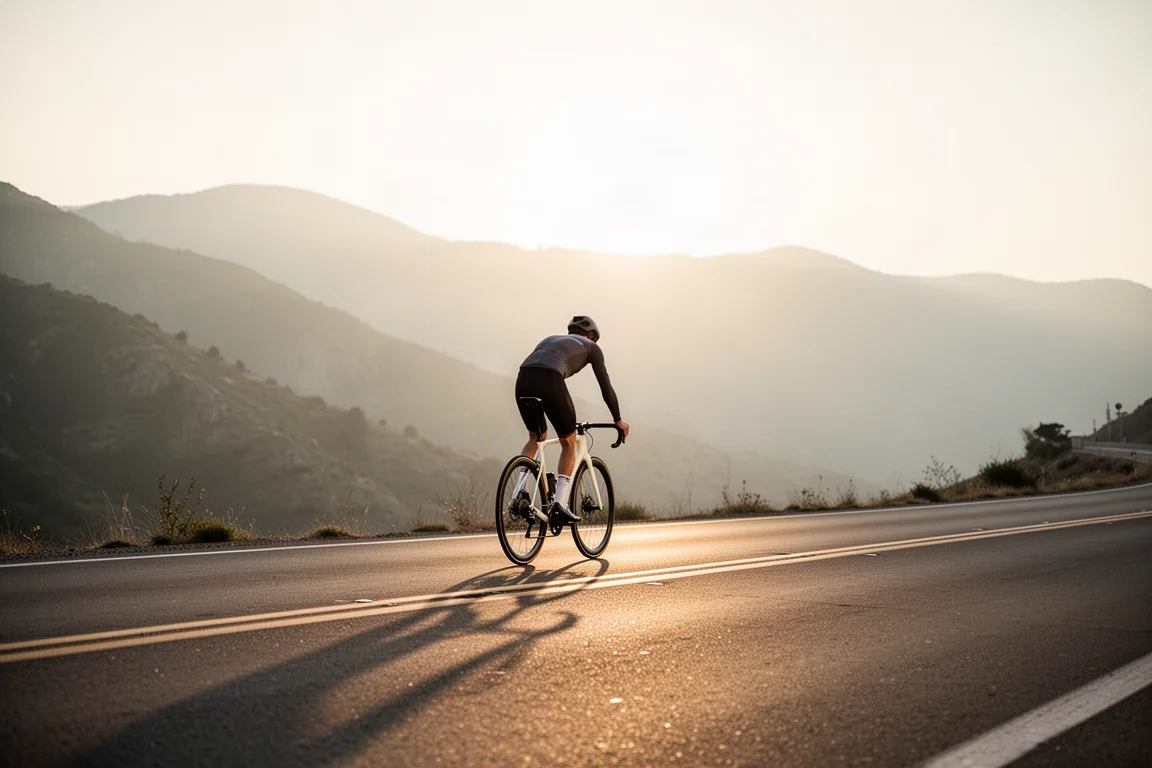
Sizing and component fit go hand in hand on this bike. Cranks are short and bars are narrow across the range, and XDS allows free swapping of the cockpit and cranks on the RT9 and AD9 after a stock bike has been ordered, which makes it easier to arrive at a position that actually suits you.
Main Strengths
Weight is the headline. The complete bike came in at 6.39 kg, only marginally above the claim and exceptionally light for a disc-brake road bike. Getting there involved a mix of Toray T1100 and M40X carbon fibre, minimal resin content, bladder moulding to eliminate excess material, and frame walls as thin as 0.4 mm in places. Despite that, nothing feels soft or presses in when you squeeze it.
Stiffness is the second strength. The frame feels solid and confidence-inspiring, with no sense that it is about to come apart under load. It handles well, and the round tube profiles keep it predictable when the wind picks up.
The component specification is serious. Shimano Dura-Ace handles shifting, the Branta crankset is carbon and weighs less than a Dura-Ace equivalent without a power meter while including one, and the build is finished with a Selle Italia Boost SLR S3 saddle. Tyres are Michelin Pro 5 in 28 mm. The frame uses a UDH derailleur hanger, a threaded BSA bottom bracket and offers 32 mm of tyre clearance.
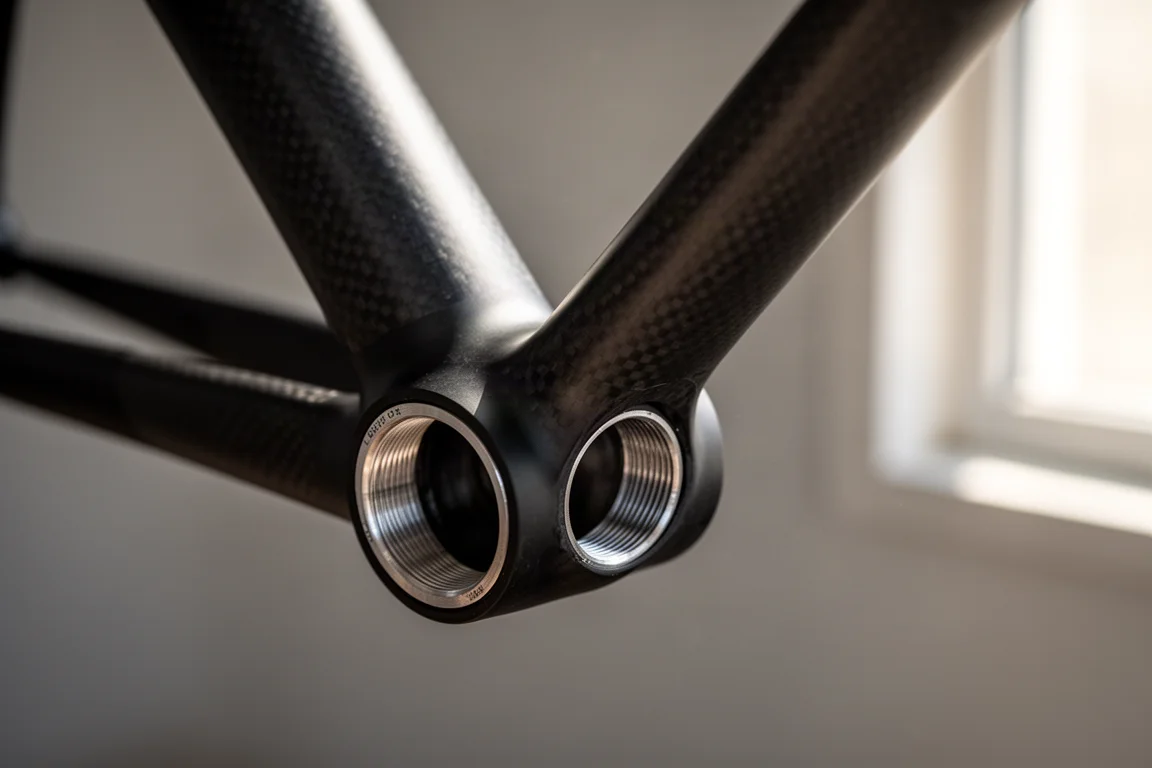
That clearance figure is worth remembering, because it leaves room for wider rubber than the 28 mm tyres fitted as standard. If you want a little more cushioning without changing the character of the bike, there is space to experiment.
How the RT9 Rides on the Road
On smooth tarmac and on climbs, the RT9 is a pleasure. It is light, eager and quick to respond, and the round tubes give it a settled, planted feel in crosswinds rather than the nervousness that deep aero frames sometimes bring.
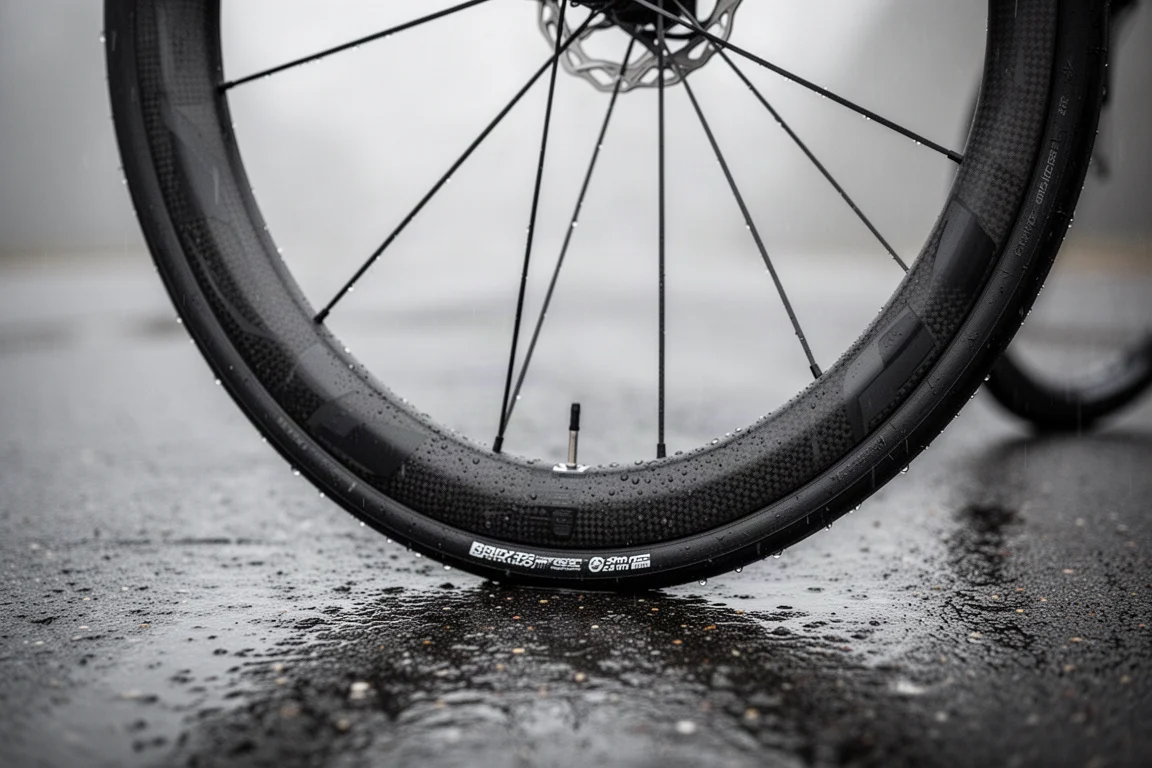
Rough surfaces are a different story. The bike transmits almost everything through to the rider, and small potholes, gravel patches and broken tarmac make themselves known immediately. The frame itself is not the culprit: swapping the stock carbon-spoked wheels for a set of alloy DT Swiss rims with tubed GP5000 tyres transformed the ride, making it significantly smoother while keeping the stiffness and sharp handling intact. That points squarely at the wheels.
Things to Consider Before Buying
The Branta C50 ULR wheels are the biggest compromise. They are hooked, 50 mm deep, 22 mm internal width and built with carbon spokes, all in the name of saving weight. Carbon-spoked wheels of this type tend to feel extremely harsh, and these are no exception, to the point where the bike becomes bone-shaking on anything other than clean tarmac. If comfort matters to you, plan on replacing them, ideally with something using steel spokes. A separate annoyance is that the wheel branding looks very close to another well-known brand’s design, which has led to confusion more than once.
The frame finish is the second issue. The coating on early frames is remarkably thin and can be marked by a fingernail, let alone a track pump or a stone. XDS has since confirmed that the first batch used that coating and that current production uses a more durable regular clear coat, closer to the finish on the handlebars and seatpost. That change may add a small amount of weight, which is worth knowing if the weight claim is central to your decision.
Sizing is limited to four options from XS to L, so taller riders may find nothing that fits. Component sizes scale with the frame, and the short cranks and narrow bars across the range look driven by weight saving rather than bike fit, though the free swapping policy for cockpit and cranks softens that considerably.
Price is the final consideration. At $9,150 there is one build only, so the decision is less about configuration and more about whether the frame and its trade-offs suit the way you ride.
Buying Advice
At $9,150 the RT9 is expensive, but it sits well below the top-spec Specialized Aethos and Scott Addict RC, the two bikes that previously held the title of lightest production road bike with disc brakes. If raw weight and stiffness are your priorities, and you are comfortable budgeting for a wheel change, the value argument is stronger than the headline price alone suggests.
Consider the finish carefully. The revised clear coat addresses the main concern with early frames, so it is worth confirming which coating a specific bike carries before buying. Framesets for the RT9 and a few additional models are planned for the coming months, though pricing has not been confirmed, which may suit riders who already own the wheels and components they want.
Riders who do not need the absolute lightest frame should also look at XDS’s more affordable X-Lab models, including a 105 build, alongside its gravel range, which offer much of the brand’s thinking at a lower cost.
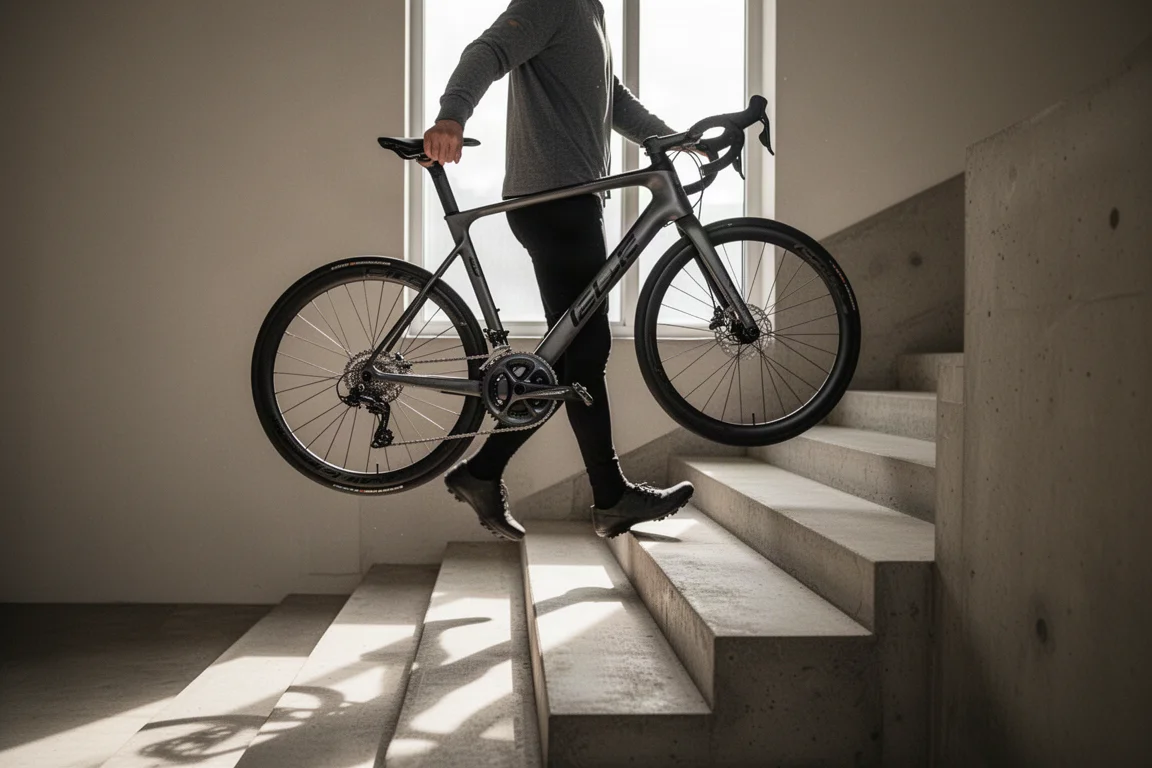
If you are weighing the RT9 against one of those more affordable models, the deciding question is usually simple: is the weight figure worth accepting a wheel swap and a four-size range?
Conclusion
The X-Lab RT9 is a genuinely light, genuinely stiff racing bike with a classic silhouette and a strong component list. It is also a bike that needs a wheel change to be comfortable on anything other than perfect tarmac, and one whose early finish issues have reportedly been resolved in current production. For a rider who fits the sizing, tolerates a long and low position, and wants one of the lightest disc road frames available at a price well under the established alternatives, it deserves a place on the shortlist.
Product link
View more details for XDS X-Lab RT9
This product is mentioned in the review. Check the specifications, options, and compatibility before buying.
View more details for XDS X-Lab RT9Further reading
Related Reviews

Road Bikes
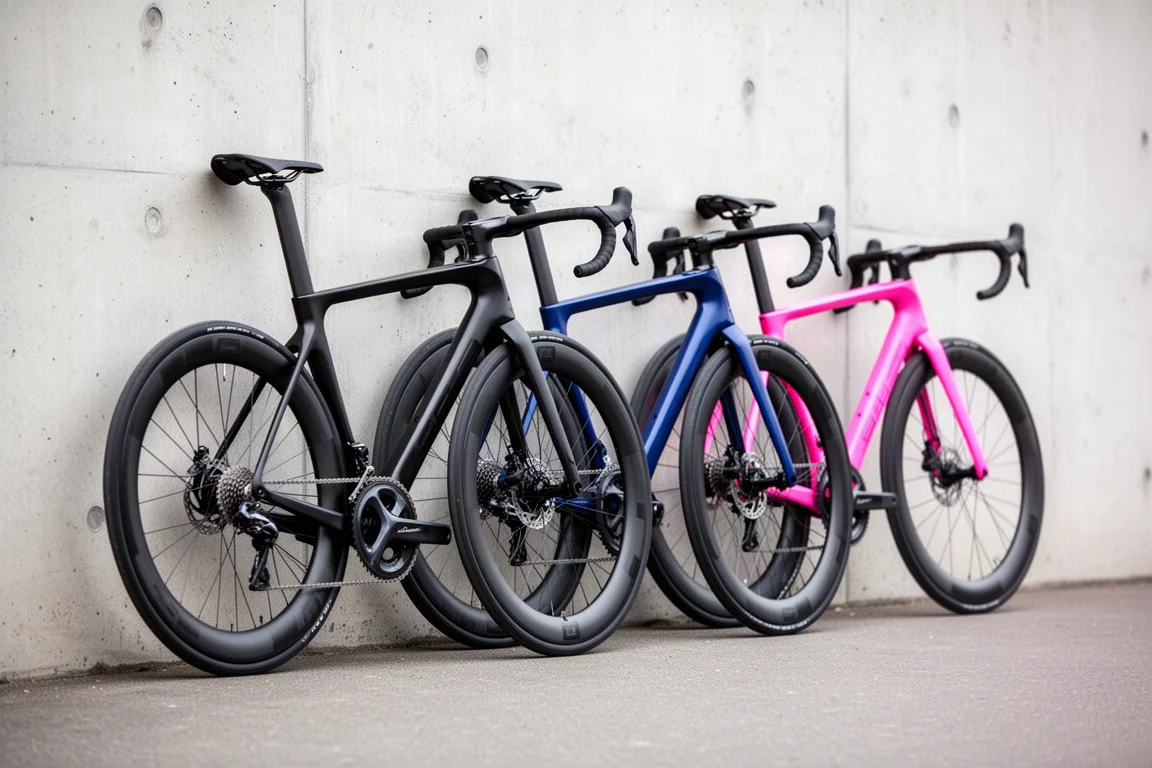
10 New Road Bikes Worth Watching: Aero, Titanium, Steel and Endurance Standouts
A practical roundup of 10 new road bikes, from aero flagships chasing single-watt gains to titanium, steel and endurance platforms built for real roads.
Road Bikes
2026 Tour de France Road Bikes: Six Race Machines Worth a Closer Look
Six race bikes from the 2026 Tour de France grid, reviewed for paint, silhouette, wheels and the specification details that matter to buyers.
Road Bikes
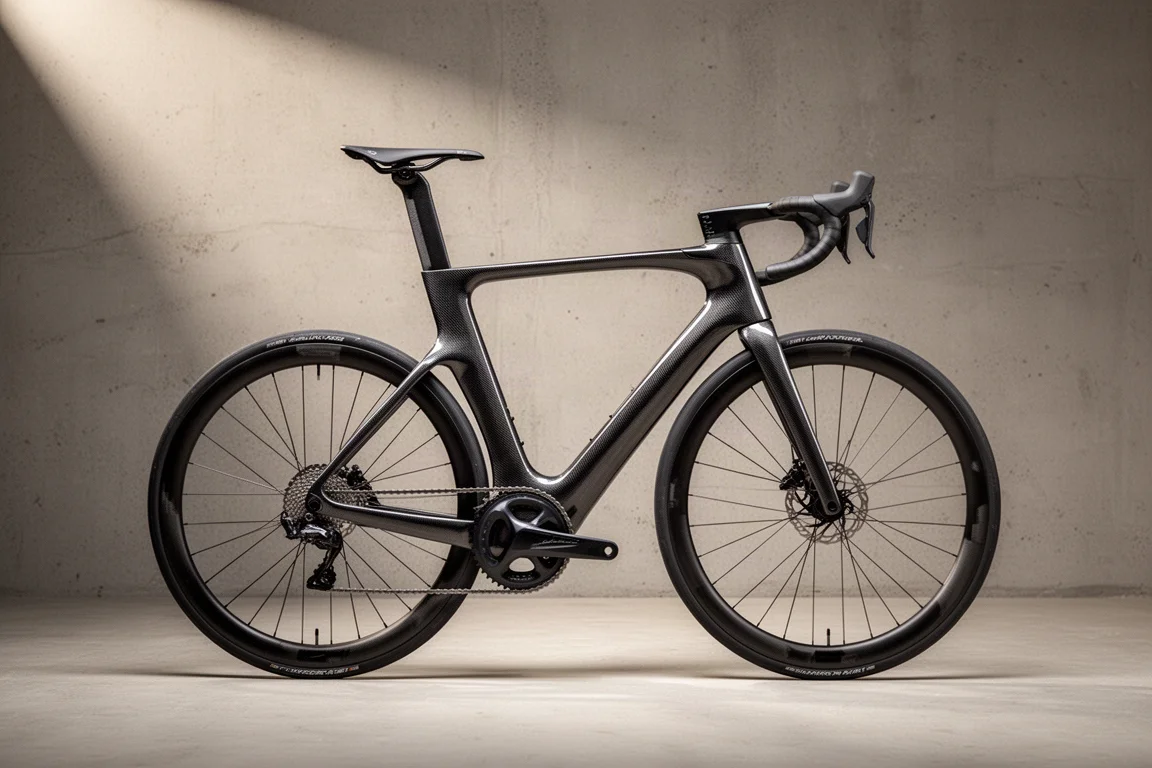
3T Strada Italia Review: A Radical Aero Road Bike That Rides Smooth
A made in Italy carbon aero road bike with a deep head tube, wide tire clearance and a genuinely comfortable ride. Here is what to know before buying.