Road Bikes
XDS X-Lab AD9 and AD8 Review: Race Bike Performance at Two Price Points
The XDS X-Lab AD9 brings an aero Tour de France style race bike to $7,999, and the AD8 uses the same frame mold for considerably less.
Introduction
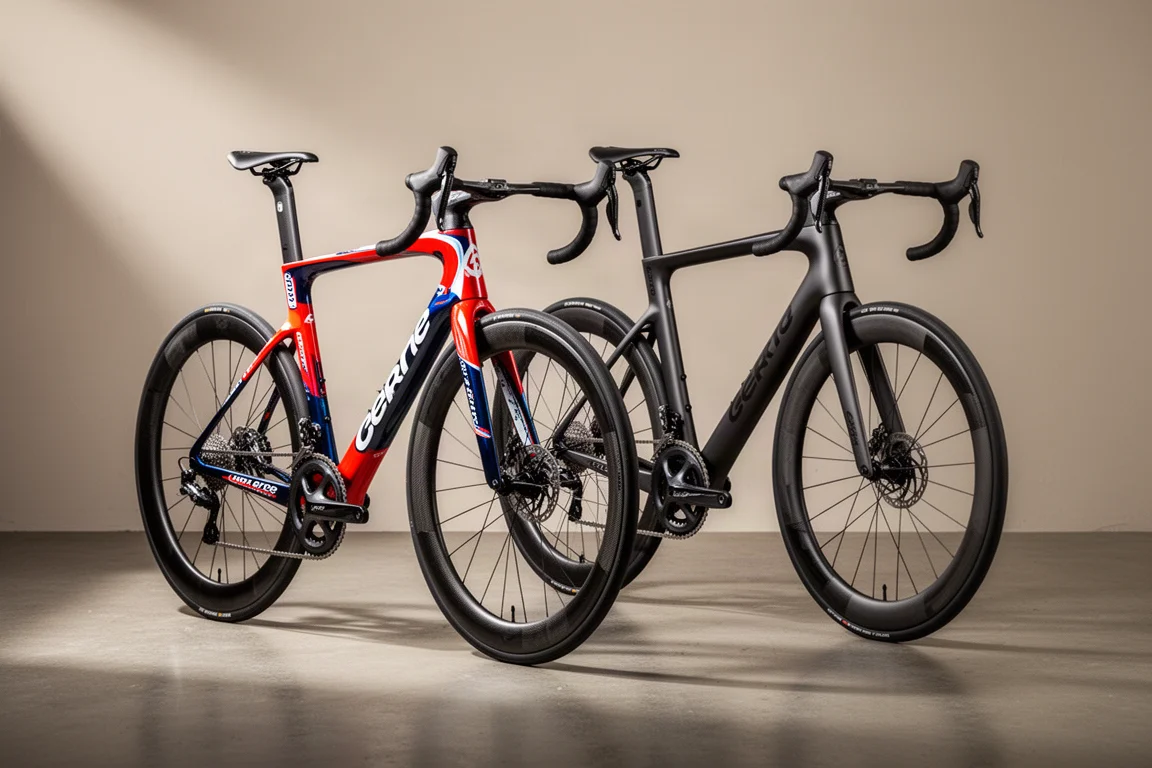
Buying a bike close to what the professionals race on is possible, and it is usually a very expensive proposition. Race bikes at the top of the sport can approach £15,000. The XDS X-Lab AD9 sits well below that at $7,999, and the XDS X-Lab AD8 goes further still at $4,499 while sharing the same frame mold. Both are aero road race bikes built by a company that also manufactures frames for other brands, which is a large part of how the pricing works.
This look at the pair covers what the AD9 delivers for the money, where the AD8 trims the specification, and which riders each bike actually suits.
Why the XDS X-Lab AD9 Stands Out
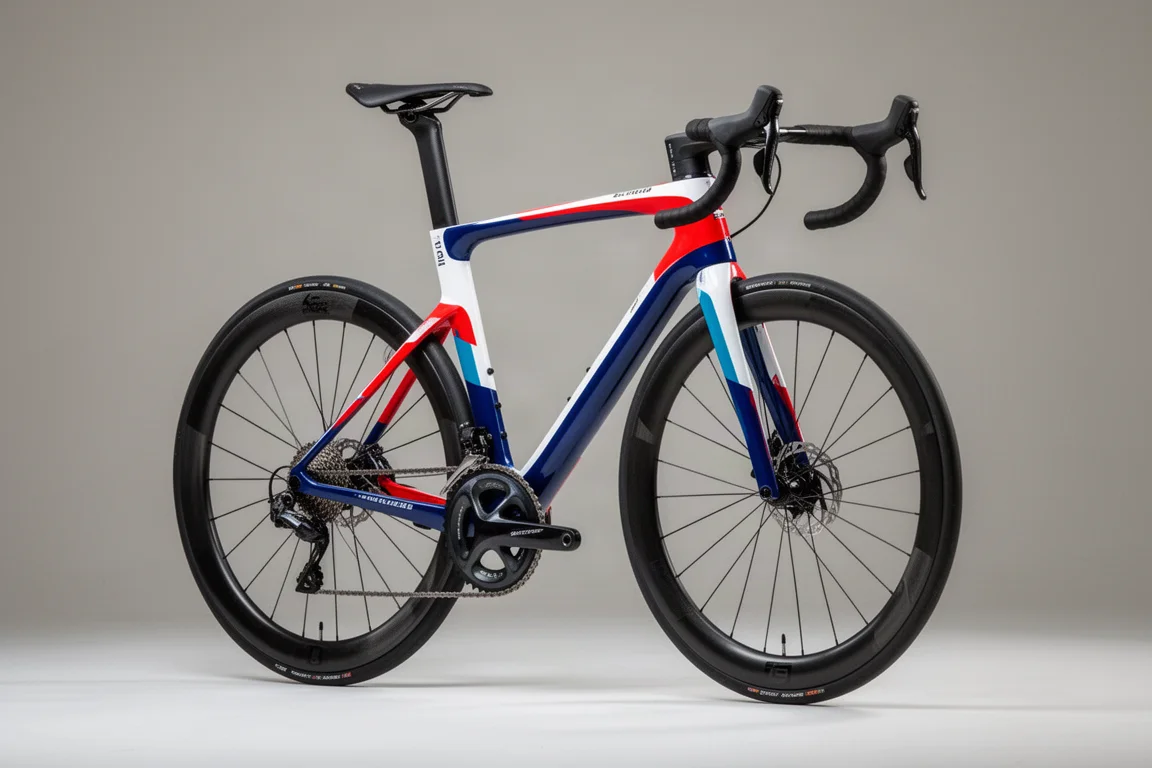
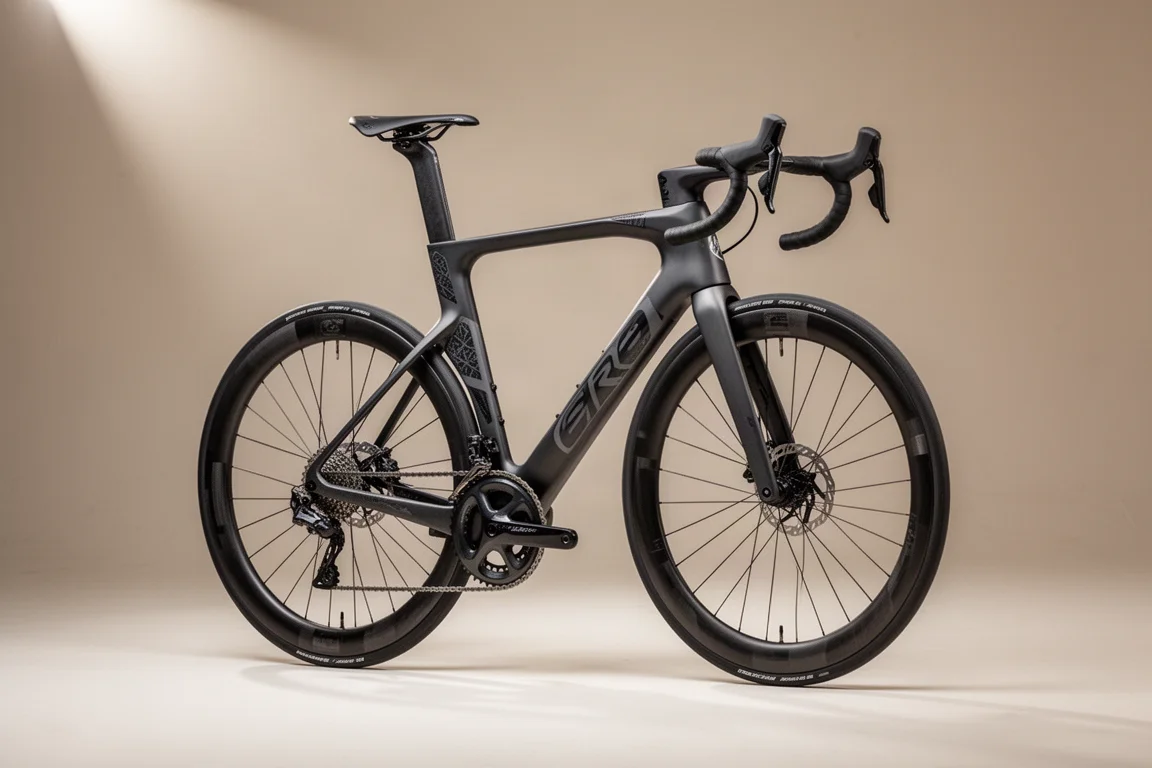
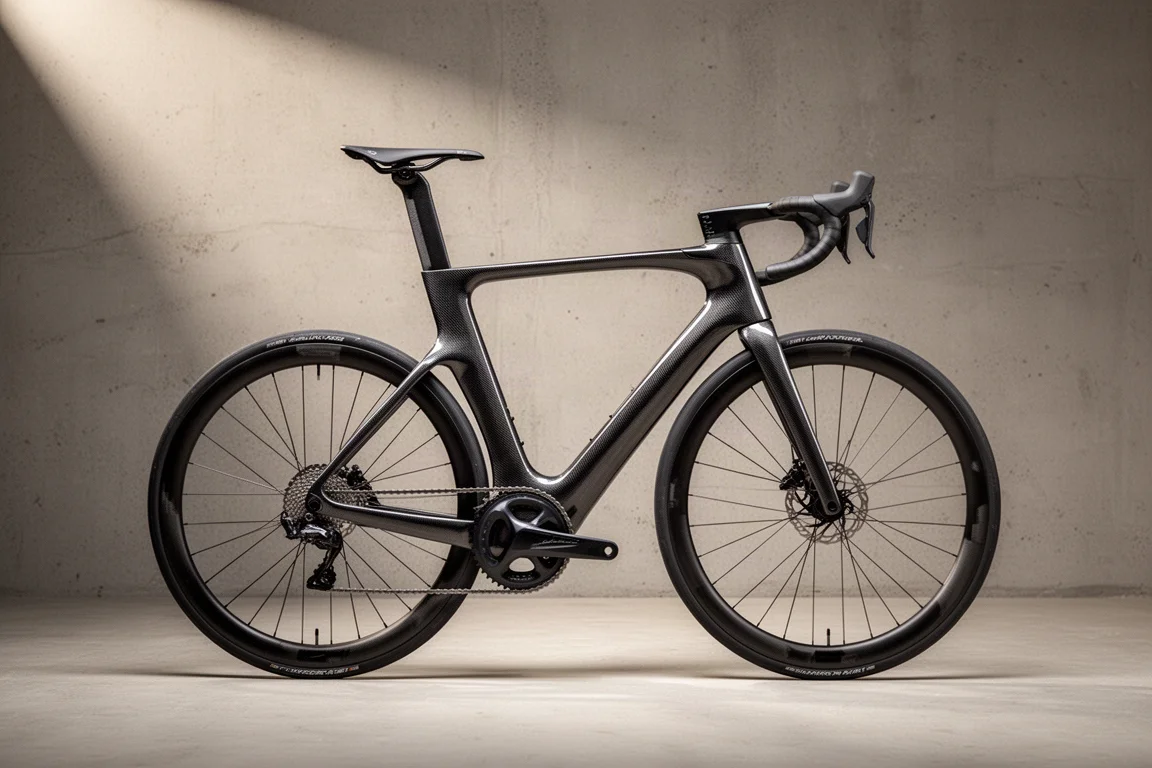
The AD9 is an aerodynamic looking frame with the small structural details that matter, finished in an Astana team edition paint scheme. It uses a UDH derailleur hanger, through axles, and a T47 threaded bottom bracket.
On the scales it comes in at 6.89 kg with a Garmin mount fitted but no computer and no pedals. That is a genuinely low figure for a production race bike, and it puts the AD9 in the same conversation as far more expensive machines.
The price advantage comes from the structure of the business rather than a compromise on the frame itself. XDS owns the factories in China that produce bikes for a number of other brands, sells direct to customers, and has been building out dealer networks in Western markets over recent months. Because production is not outsourced, there is no middleman taking a slice of the margin.
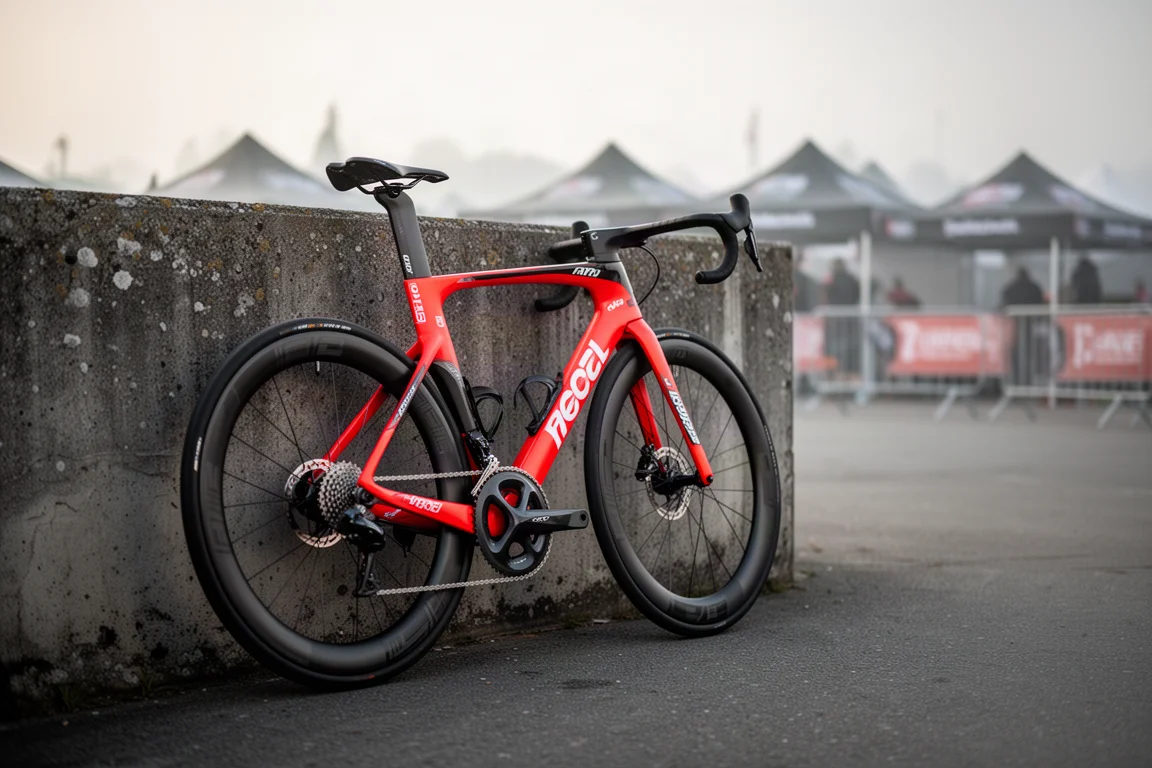
Component choices reinforce the same approach. The crankset, handlebar, seat post, and wheelset are all made in-house, which keeps costs down without handing the build over to a budget parts list. Higher-end models including the AD9, AD8, and RT9 also come with free component swapping.
XDS X-Lab AD9: Spec, Weight, and Components
The drivetrain is Shimano Dura-Ace Di2, with a crankset from XDS’s in-house component brand standing in for the Dura-Ace crank. The cockpit is a proprietary one-piece handlebar and seat post, which keeps the front end clean and aerodynamic.
Wheels are the C50 ULR, a 50 mm deep carbon rim with carbon spokes and ceramic bearings. Tires are Michelin Pro 5 in 28 mm, and the saddle is a Selle Italia Boost SLR.
Sizing runs from XS to XL across five options, and components scale with frame size. XDS states that cockpit customization is not available at the point of order, but free swapping of the cockpit and cranks is offered on top-end models such as the AD9 and RT9. That swap takes place after the customer has ordered the stock bike.
Who the XDS X-Lab AD9 Suits Best
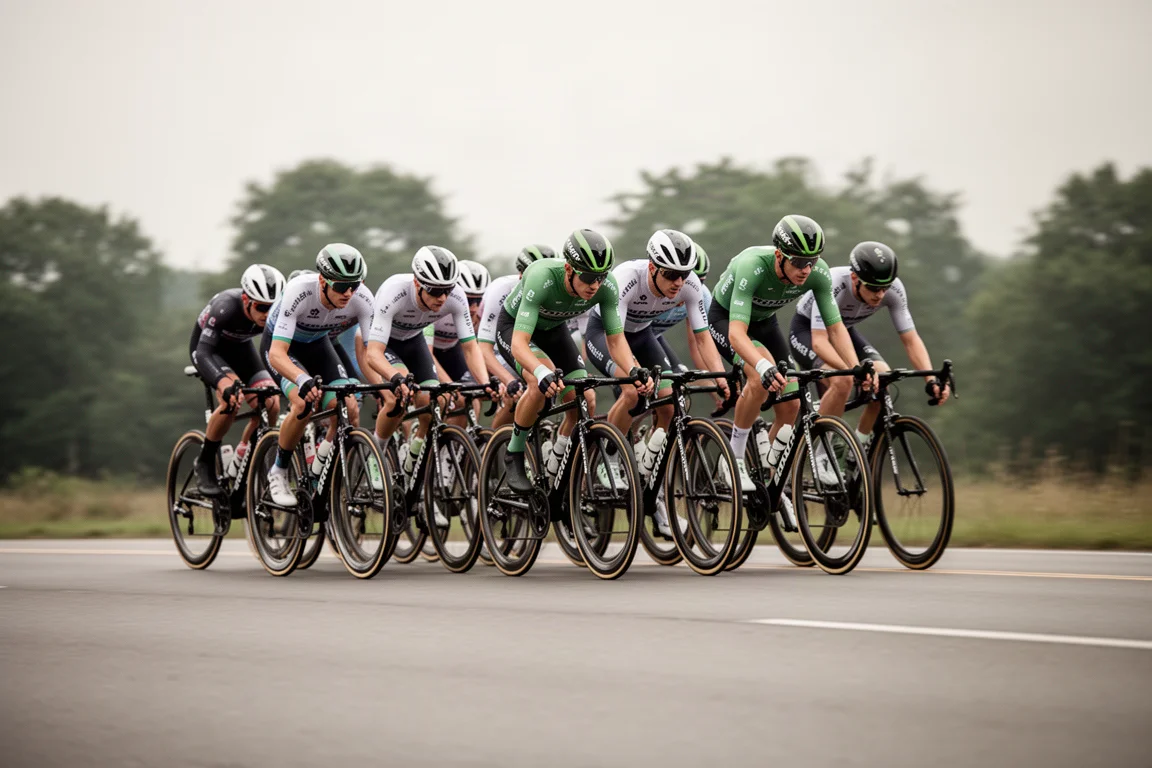
This is a racing bike, and it is long, low, and aggressive. It is excellent for racing, which does not have to mean organized events: racing your friends counts too. It rewards riders who can tolerate a stretched-out position, and that position is not appropriate for everyone.
If you race, the package makes a lot of sense. The bike is extremely light, the tubes are aero shaped, and it is likely to be faster than a round tube frame of similar quality.
Crashing is part of racing, and crashes break bikes. Replacing an AD9 is a great deal cheaper than replacing a flagship race bike costing around $20,000.
There is also a wider argument about what you are paying for. Carbon fibre is not the expensive part of a bike; research and development is. Buyers can decide whether they want to fund the brands pushing technology forward, or whether a bike that comes close without being groundbreaking is the better value, particularly when it may come out of the same factories.
Living With the XDS X-Lab AD9
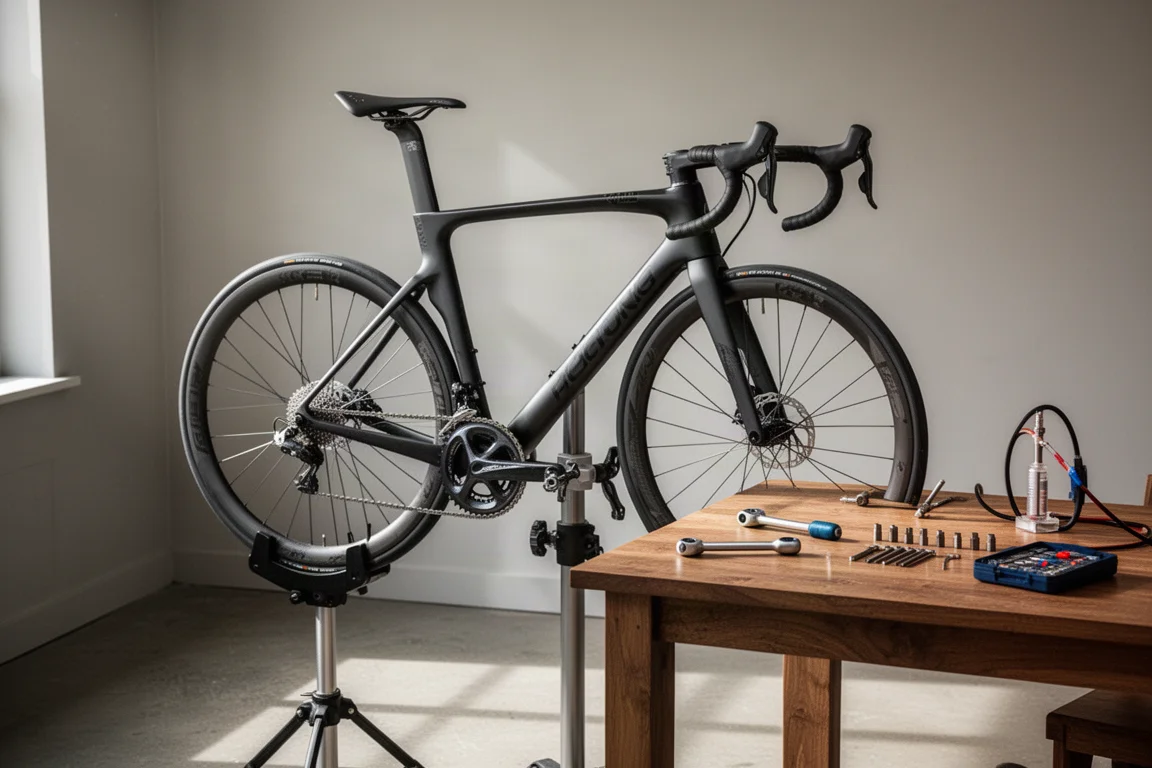
Livability is where a race bike shows its limits, and the AD9 behaves like most bikes in this category. It is not the easiest machine to own and maintain. Expect brake bleeds and some fiddling with internal routing if you do your own work.
The good news is that the design is familiar rather than exotic. The headset uses a regular round steerer tube rather than a bayonet style fork, so removing spacers and setting up position is straightforward, and a stack of round spacers on top does the job.
The bottom bracket is threaded, which many riders prefer. It needs fewer specialist tools than a press fit system and there is less chance of getting it wrong.
Frame finish is strong: the paint is nice and the masking between colours is clean. The seat post includes a small piece that could fall inside the frame, though overall it is not fiddly to work on. Threads go in smoothly, the bolts feel high quality, and the whole product feels as premium as the price suggests.
Wheels and Ride Comfort on Real Roads
The carbon-spoke wheels are the most divisive part of the build. Build quality is excellent, they are very light, relatively wide, and a nice modern design. The hubs are similar in principle to a DT Swiss ratchet design whose patent expired a few years ago, and the graphic treatment is close to another well-known wheel brand.
The issue is stiffness. On rough, potholed roads the ride can feel harsh, and that trait has shown up before on a very light XDS model with similar wheels. Carbon spokes are often associated with this feel, although not every carbon-spoke wheel behaves the same way.
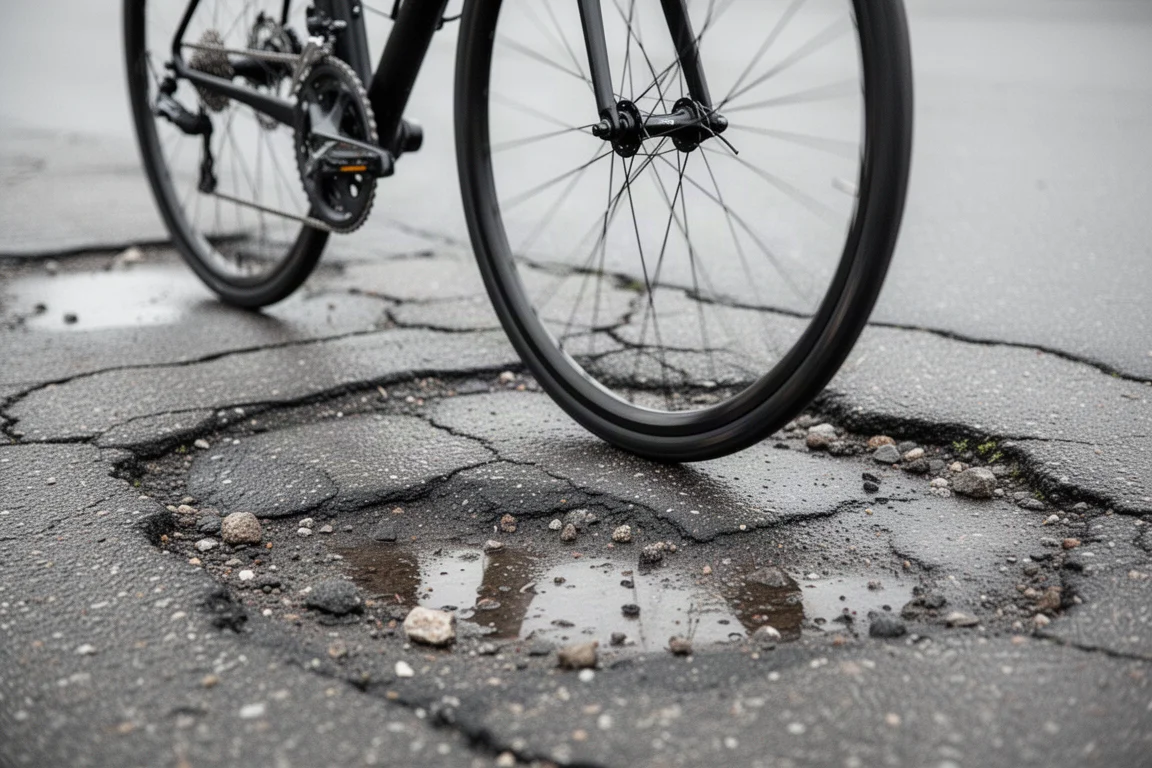
The frame itself is more comfortable at a baseline than that earlier lightweight model. Swapping the carbon wheels for a set of alloy wheels with GP 5000 tires and inner tubes transforms the bike, and the ride becomes preferable for everyday road surfaces. Riders who like maximum stiffness, or who ride on very smooth surfaces, may be perfectly happy with the stock wheels as they are.
The XDS X-Lab AD8: Same Frame, Lower Price
If $7,999 still feels like too much for a bicycle, the AD8 is the answer at $4,499. It uses the same frame mold as the AD9 with a different carbon layup, which makes it slightly heavier in order to hit the lower price.
The components are also a little heavier, but the essentials remain: electronic gears and carbon wheels. The difference in ride quality is likely to be noticeable mainly to experienced riders who are sensitive to small changes in frame and component behaviour.
Buying Advice and Value
The case for the AD9 rests on a simple comparison. It is not a radical design in the way some current race bikes are, but it feels like a world-class bike, which is what the price point should deliver. Buyers who want something close to the pace of a top-tier race bike without the flagship markup have a genuine option here.
At the lower end of the Tour de France bike spectrum, the Cube Lightning Aero C:68 X is another bike worth a look, and depending on specification it is not far off the XDS price.
It is worth treating manufacturer claims carefully. XDS has stated that more than a quarter of the bikes that won individual stages at the 2024 Tour de France had frames made by the company, but that figure has not been independently verified, and NDAs prevent the brands involved from confirming it. The value argument stands on its own without it.
The AD8 remains the safer recommendation for most riders. It shares the frame mold, keeps electronic shifting and carbon wheels, and costs considerably less. Riders who race often and expect the occasional crash will also appreciate how much cheaper either bike is to replace than a flagship race machine.
Conclusion
The XDS X-Lab AD9 is a very light, aero road race bike at a price that undercuts most of the bikes it sits alongside, and the AD8 delivers much of the same experience for less. The trade-offs are real: an aggressive fit, very stiff stock wheels, and the maintenance demands that come with any modern race bike. For riders who race and want a fast bike without flagship pricing, both models make a strong case.
Further reading
Related Reviews

Road Bikes
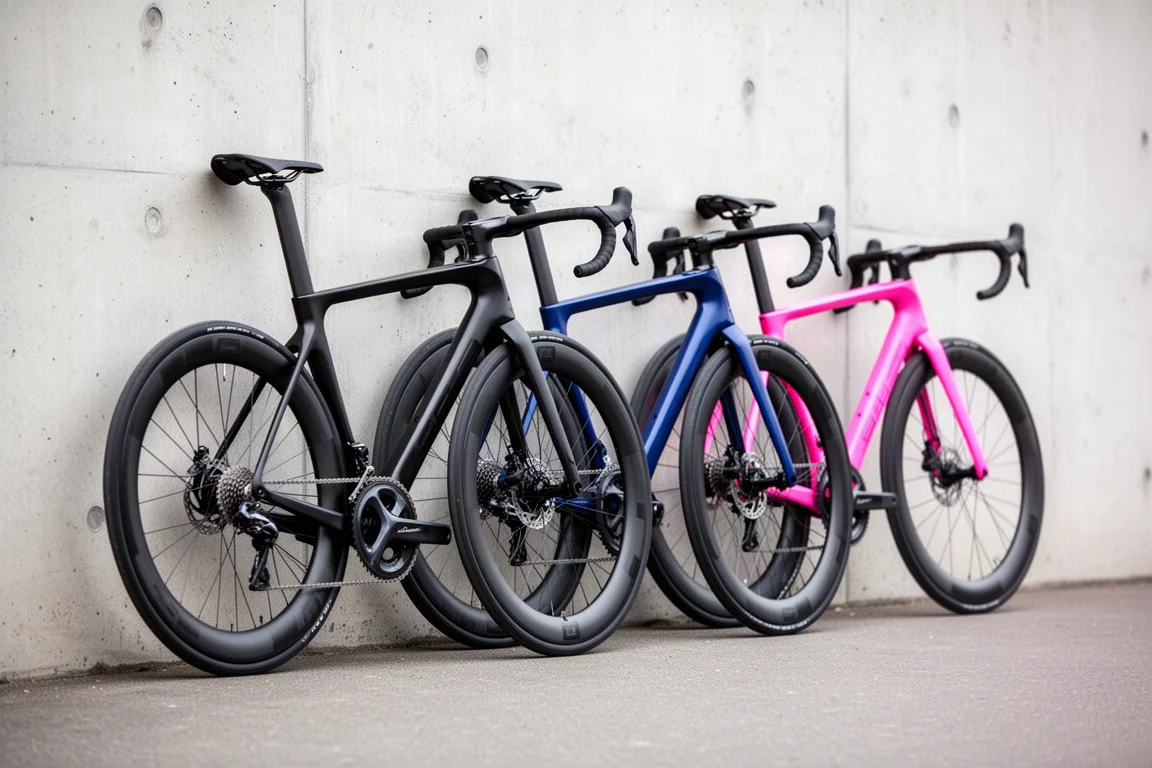
10 New Road Bikes Worth Watching: Aero, Titanium, Steel and Endurance Standouts
A practical roundup of 10 new road bikes, from aero flagships chasing single-watt gains to titanium, steel and endurance platforms built for real roads.
Road Bikes
2026 Tour de France Road Bikes: Six Race Machines Worth a Closer Look
Six race bikes from the 2026 Tour de France grid, reviewed for paint, silhouette, wheels and the specification details that matter to buyers.
Road Bikes
3T Strada Italia Review: A Radical Aero Road Bike That Rides Smooth
A made in Italy carbon aero road bike with a deep head tube, wide tire clearance and a genuinely comfortable ride. Here is what to know before buying.