Road Bikes
XDS X-Lab AD9 Review: Tour-Level Aero for Less, Plus the AD8 Alternative
A close look at the XDS X-Lab AD9 race bike, its strengths and compromises, and how the cheaper AD8 compares on the same frame mold.
Introduction
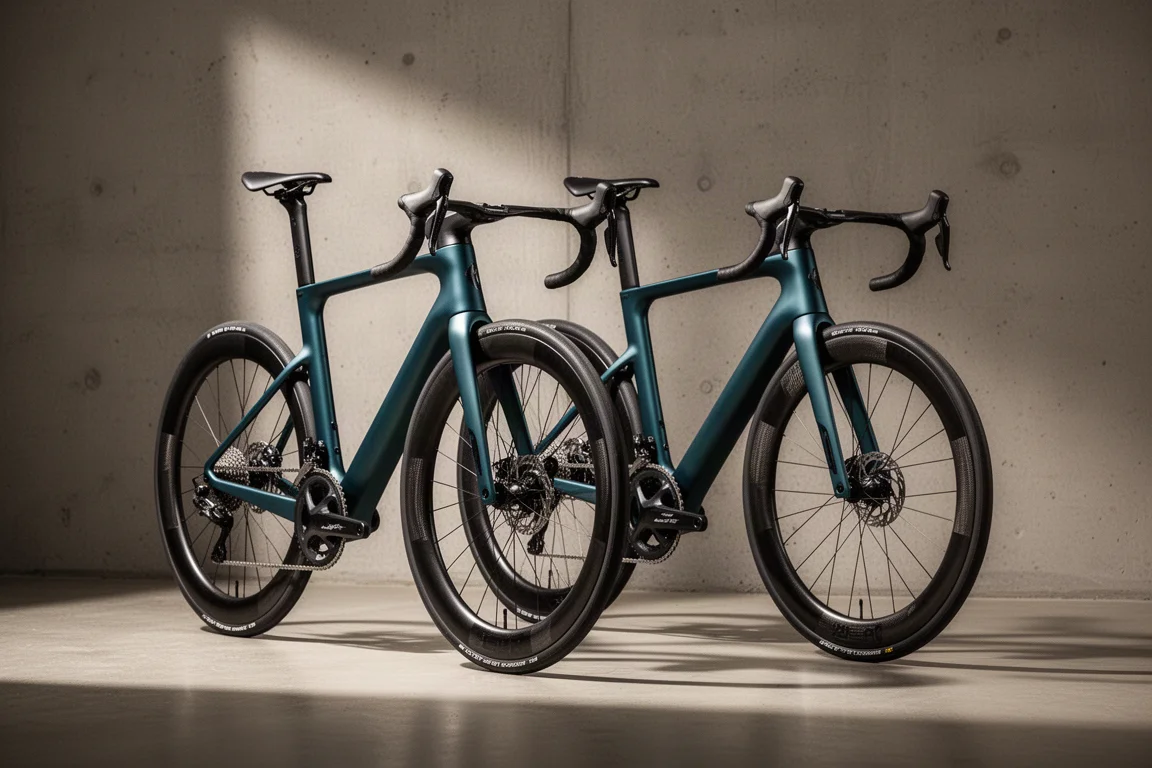
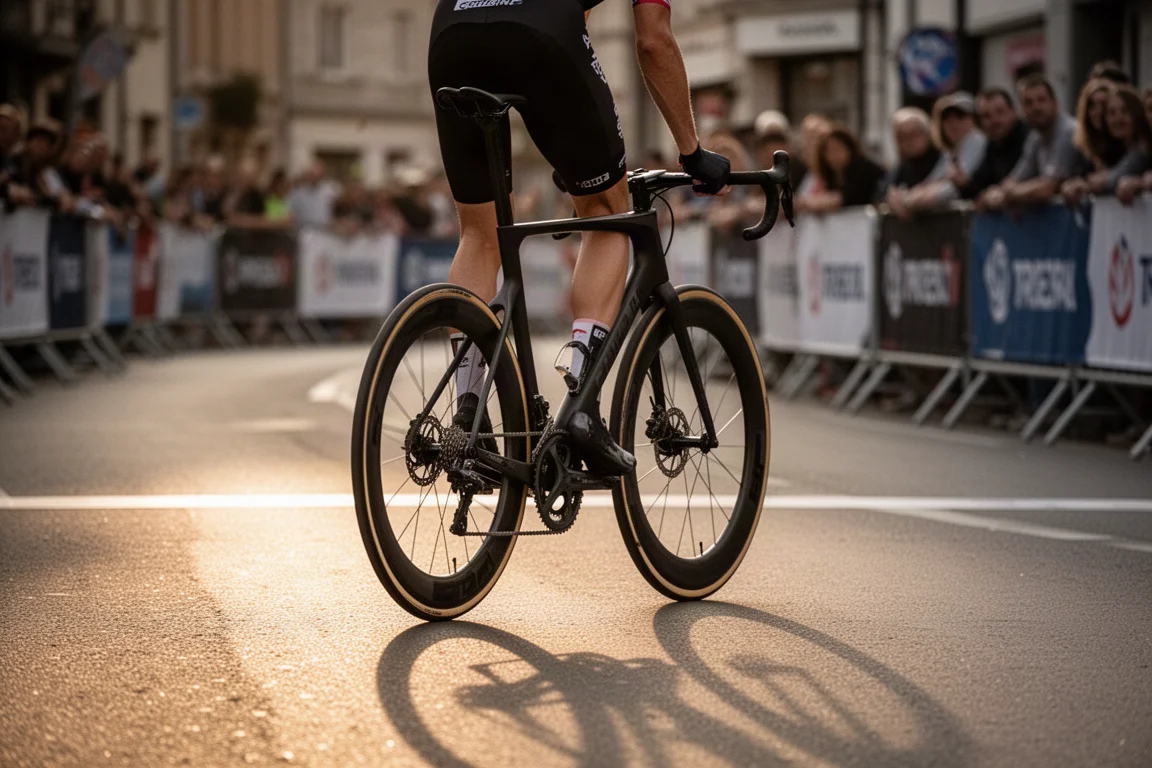
Few things in cycling are as seductive as a Tour de France race bike. The machines on the start line are the fastest, lightest and most expensive bikes the sport offers, and some of them now cost close to £15,000. The XDS X-Lab AD9 takes a different route. It is a Tour-level aero race bike with a $7,999 price tag, and it is very close to the machine the Astana team races, which makes it one of the more interesting value propositions in high-end road cycling right now.

If $7,999 still sounds like a great deal of money for a bicycle, XDS also offers the X-Lab AD8. It uses the same frame mold, swaps in a heavier carbon layup and heavier components, and lands at $4,499. Both bikes are aimed at riders who race or ride hard, and both are built around aggressive, long and low geometry rather than comfort-first endurance positioning.
Part of the reason XDS can price this way is its position in the industry. The company owns the factories that produce frames for a number of other brands, sells direct to customers rather than through a middleman, and has been building out dealer networks in Western markets. XDS has also stated that more than a quarter of the bikes that won individual stages at the 2024 Tour de France used frames made in its factories, although the company has not published evidence for that figure. What is clear is the pricing, and it undercuts a large part of the Tour-level market.
XDS X-Lab AD9: Frame, Components, and Weight
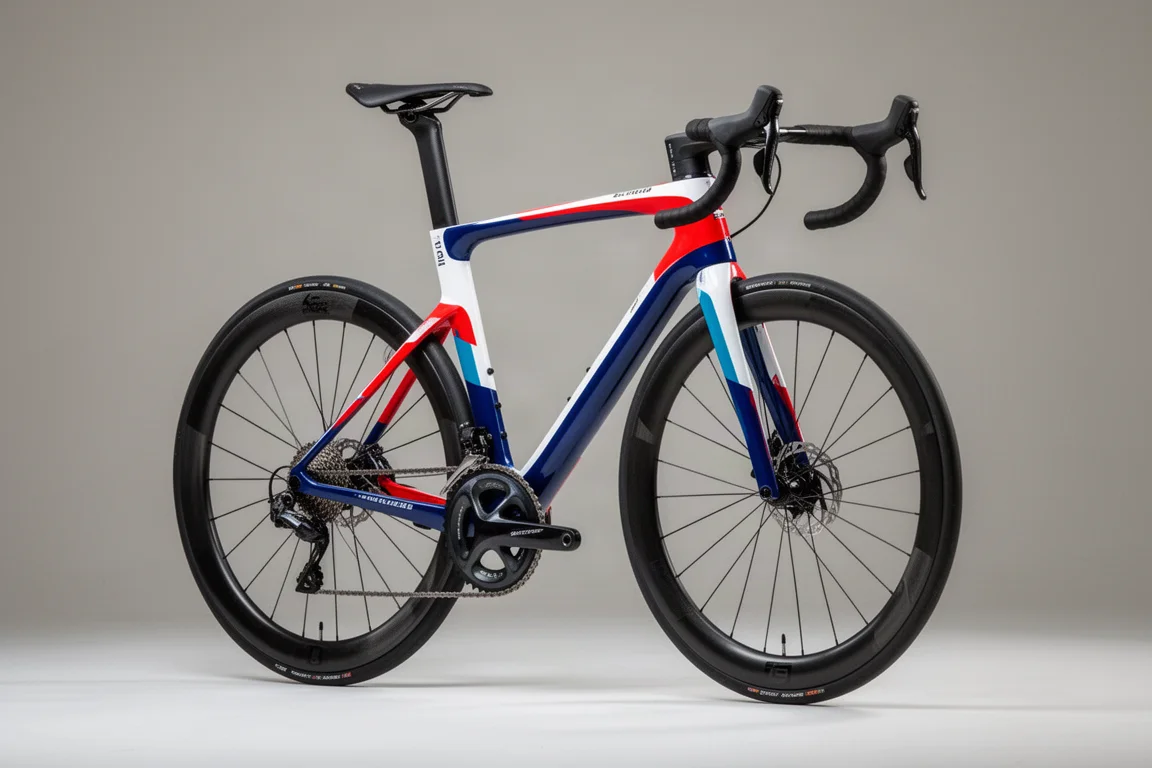
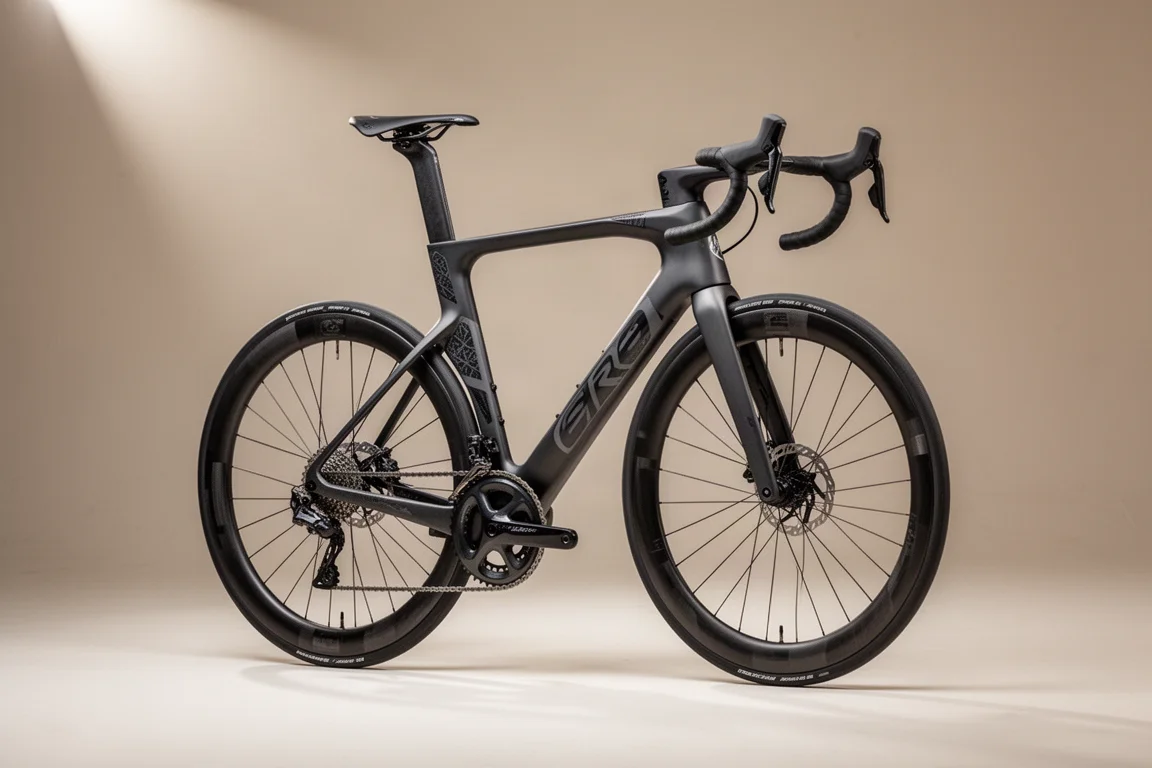
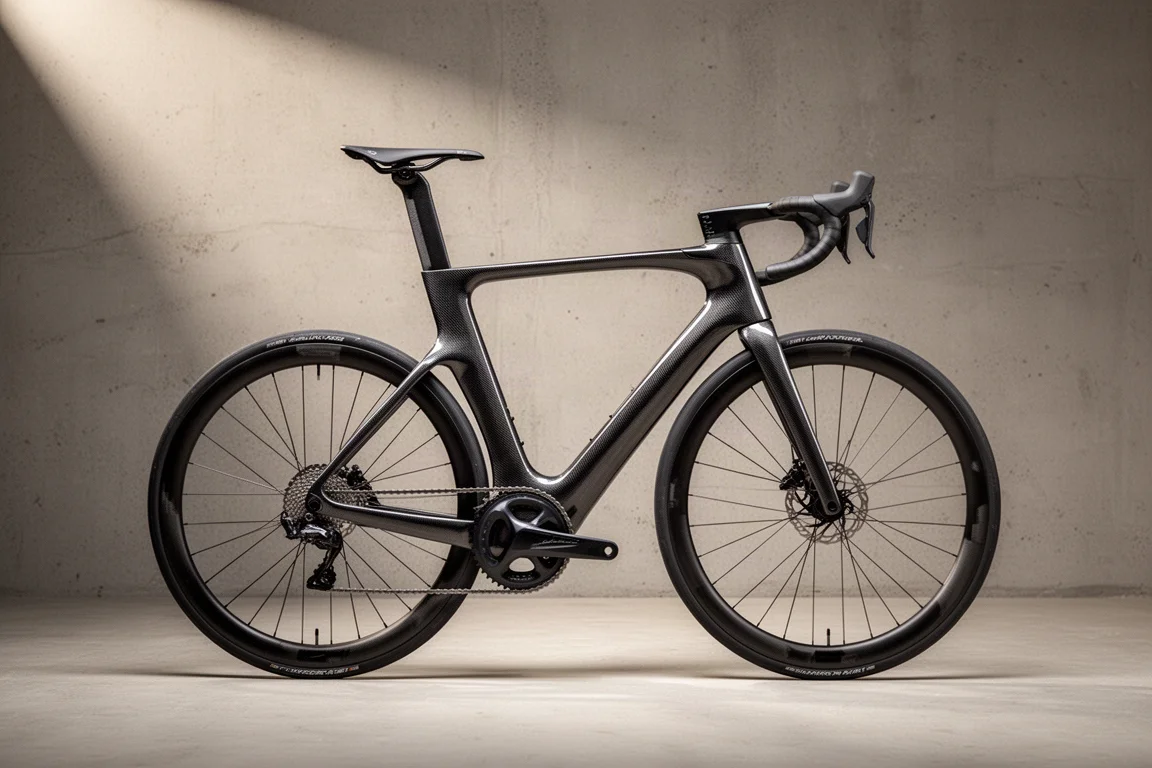
The AD9 is built around an aerodynamic frame with plenty of small aero detailing, finished in the Astana team edition paint with other colorways also offered. It uses a UDH derailleur hanger, through axles and a T47 threaded bottom bracket. The cockpit is XDS’s own one-piece handlebar and stem, matched to a proprietary seatpost, and shifting comes from a Shimano Dura-Ace Di2 groupset. The crankset comes from XDS’s in-house component brand, as do the wheels: the C50 ULR, a 50 mm deep carbon rimmed set with carbon spokes and ceramic bearings. Michelin Pro 5 tires in 28 mm and a Selle Italia Boost SLR saddle complete the build.
Weight is a headline figure. A size small AD9 comes in at 6.89 kg with a Garmin mount fitted, no pedals and nothing else added, which puts it right alongside the lightest race bikes in the sport. Five sizes are available, from XS to XL, with components scaled to frame size.
XDS X-Lab AD9: Ride Feel, Wheels, and Comfort
The AD9’s geometry is unapologetically racy: long, low and stretched out. If you can tolerate that position, it rewards you with a very light, aerodynamically shaped bike that is likely to be quicker than a round-tube alternative. If you cannot tolerate it, no amount of frame quality will make the ride comfortable.
On comfort, the frame itself is more forgiving at baseline than the earlier X-Lab RT9. The carbon-spoke C50 ULR wheels are the more divisive part of the package. They are very light, relatively wide and well made, and their hubs follow a ratchet design similar to the long-established DT Swiss pattern. The graphics also sit close to Zipp’s established design language, which is worth knowing if you prefer a more distinctive look. The real talking point, though, is stiffness: these wheels are extremely rigid, and on rough, potholed roads that rigidity is hard to miss. Swapping to a set of alloy wheels with GP 5000 tires and inner tubes transforms the ride, and the frame’s underlying comfort becomes far more apparent.
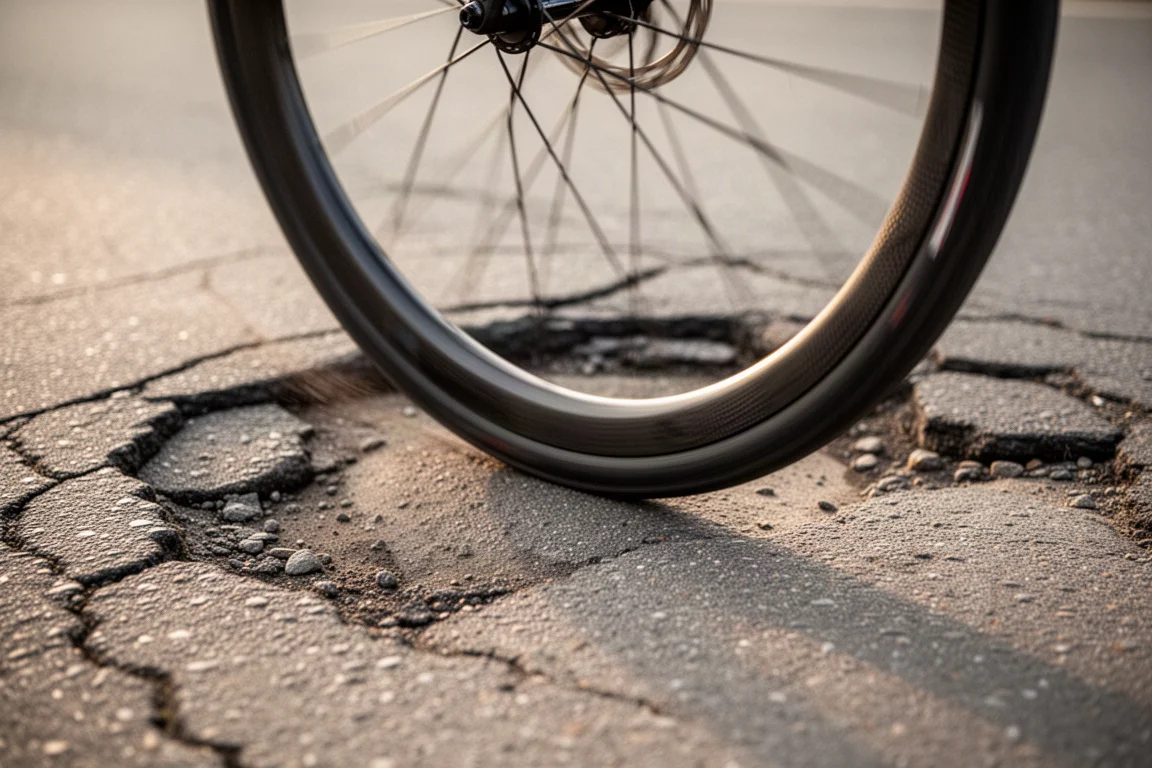
If your local roads are smooth, or you simply like a bike that feels as stiff as possible, the stock wheelset will suit you well. Riders on broken surfaces have a straightforward path too, because the wheels are easy to change and the bike responds well to the swap. Carbon-spoke wheels are not automatically harsh, but this particular set leans firmly toward the rigid end of the spectrum.
Living With the XDS X-Lab AD9
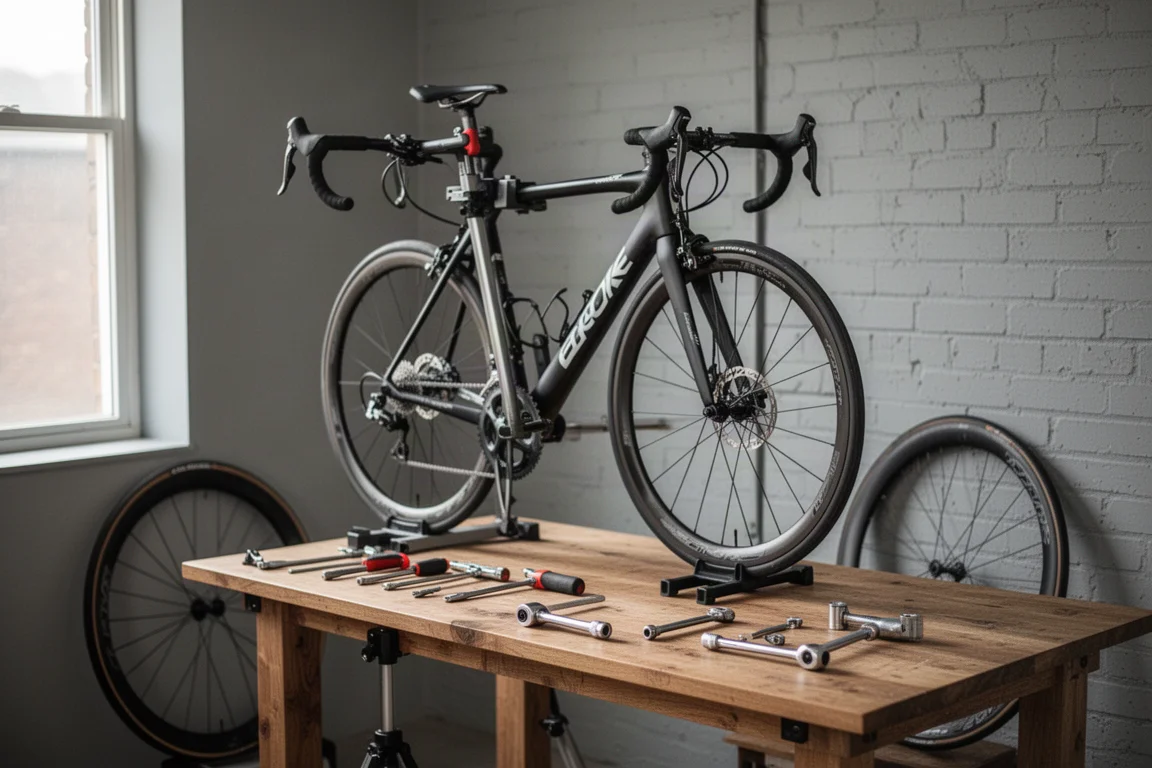
Race bikes are rarely easy to live with, and the AD9 is no exception. Expect brake bleeds and some fiddling with internal routing if you handle your own maintenance. The good news is that XDS has kept the engineering conventional where it matters most. The headset uses a regular round steerer tube rather than a bayonet-style fork, so pulling spacers and adjusting your position is simple, and the threaded T47 bottom bracket needs fewer specialist tools than a press-fit system and carries less risk of damage.
Build quality is a genuine strength. The paint and masking are clean, the bolts feel high quality, and everything threads in smoothly, which is not always a given at this end of the market. The seatpost includes a small piece that could fall inside the frame during adjustment, though it is not a significant annoyance, and the bike is straightforward enough to travel with.
XDS X-Lab AD8: The Same Frame Mold for Less Money
The AD8 is where the value story gets sharper. At $4,499 it uses the same frame mold as the AD9 but a different carbon layup, which adds some weight in exchange for the lower price. The components are a little heavier as well, but the essentials stay in place: electronic shifting and carbon wheels.
For most riders the difference will be subtle. The AD9 is the lighter, sharper bike, and riders who are sensitive to small changes in stiffness and weight will feel the gap. Everyone else is likely to find the AD8 delivers a very similar experience for thousands less.
That makes the AD8 a sensible starting point for anyone who wants race-bike performance without paying flagship money. It is still an aggressive race bike, so the same fit caveats apply, and the same free component swapping policy is available on it.
Sizing, Component Swapping, and Ownership
Sizing runs across five options from XS to XL, with components scaled to match the frame. XS is the smallest size offered, so very small riders may find themselves at the edge of the range.
XDS offers free component swapping on its higher-end models, including the AD9, the AD8 and the RT9. The swap covers the cockpit and the cranks, and it takes place after the stock bike has been ordered rather than as a configuration step at checkout. That is a genuinely useful policy for riders who already know they need a different bar and stem combination or a different crank length, and it removes one of the usual obstacles to buying a bike with an integrated cockpit.
Who Should Buy Which
The AD9 is the pick for committed racers and fast group riders who want a Tour-level machine and can live with a long, low position. It is also one of the few bikes in this class where crash damage is less financially painful, since replacing a frame at this price costs far less than doing the same on a superbike costing two or three times as much.
The AD8 suits riders who want most of that performance for $4,499, particularly those new to racing or competing on a budget. If you are cross-shopping, the Cube Lightning Aero C:68X sits in a similar price bracket at the lower end of the Tour-level spectrum, depending on specification.
What neither bike offers is an endurance-friendly riding position. Riders who want to sit more upright, or who spend most of their time on rough roads and value comfort over outright speed, should look at a different category of bike before spending this kind of money.
Conclusion
The XDS X-Lab AD9 delivers a genuinely high-end race package, with a 6.89 kg build, Dura-Ace Di2, in-house carbon wheels and clean construction, at a price that undercuts much of the Tour-level market. Its trade-offs are the ones you would expect from a dedicated race bike: an aggressive fit and a very stiff carbon-spoke wheelset. The AD8 takes the same frame mold and asks $4,499 for it, which makes it one of the more sensible routes into serious race-bike performance.
Further reading
Related Reviews
Road Bikes
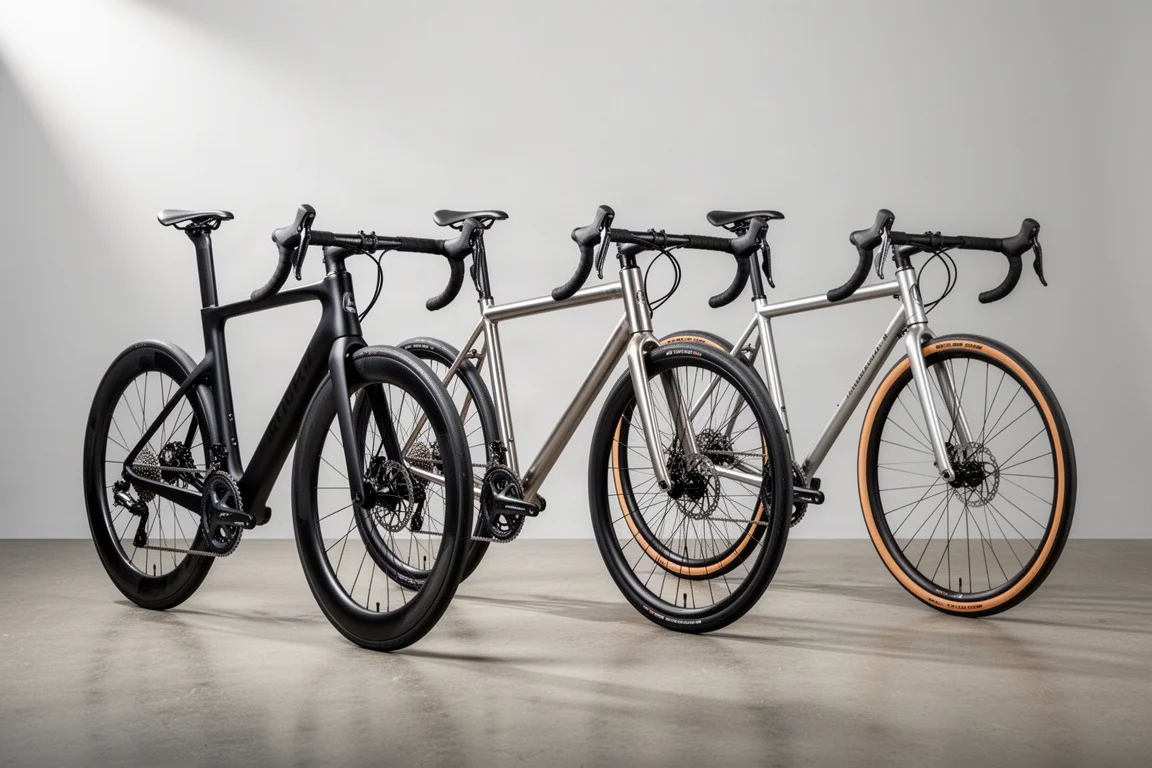
10 New Road Bikes Worth Watching: Aero, Titanium, Steel and Endurance Standouts
A practical roundup of 10 new road bikes, from aero flagships chasing single-watt gains to titanium, steel and endurance platforms built for real roads.
Road Bikes
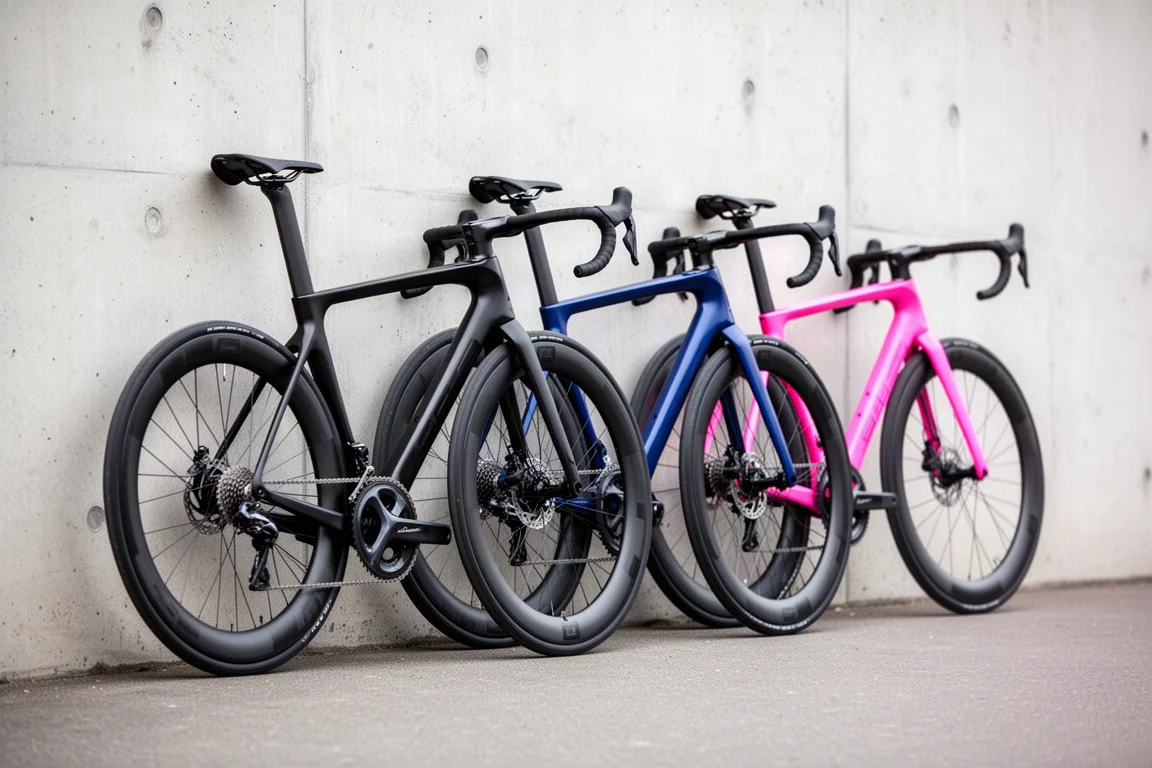
2026 Tour de France Road Bikes: Six Race Machines Worth a Closer Look
Six race bikes from the 2026 Tour de France grid, reviewed for paint, silhouette, wheels and the specification details that matter to buyers.
Road Bikes
3T Strada Italia Review: A Radical Aero Road Bike That Rides Smooth
A made in Italy carbon aero road bike with a deep head tube, wide tire clearance and a genuinely comfortable ride. Here is what to know before buying.