Road Bikes
X-Lab RT9 Review: A 550 g Carbon Disc Road Bike With Real Trade-Offs
The X-Lab RT9 pairs a 550 g carbon frame with Dura Ace components and a $9,150 price. Here is what the low weight costs you in ride comfort and finish.
Introduction
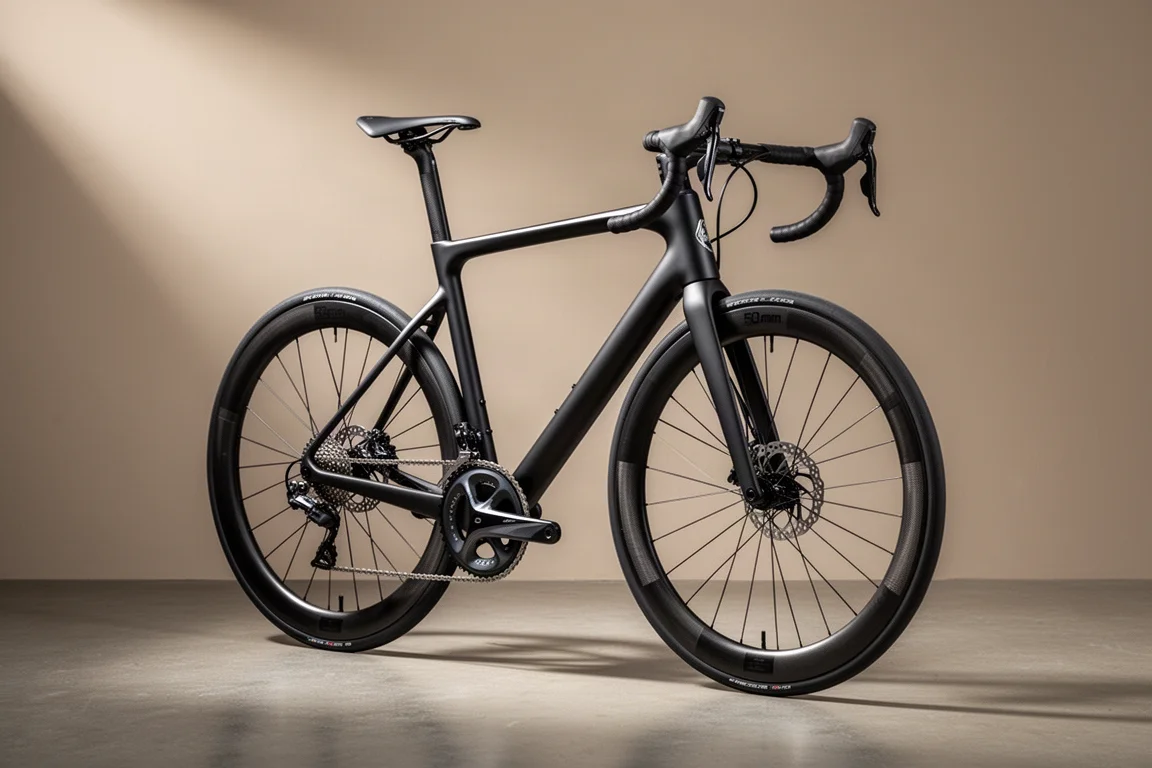
The X-Lab RT9 is a carbon disc road bike from XDS that arrives with an unusual claim attached: a 550 g frame that makes it one of the lightest production disc road bikes a normal customer can actually buy. The complete bike, in size small, weighs 6.39 kg (14 lb 3 oz), a figure that sits just above the claimed weight.
That number is the headline, but it is not the whole story. The RT9 pairs its featherweight frame with a race-focused position, deep carbon wheels and a Dura Ace build, and it asks $9,150 for the privilege. Two things determine whether it makes sense for you: how you feel about a stiff, long, low ride, and whether you are willing to live with a frame finish and a wheelset that come with clear compromises.
Who This Bike Is For
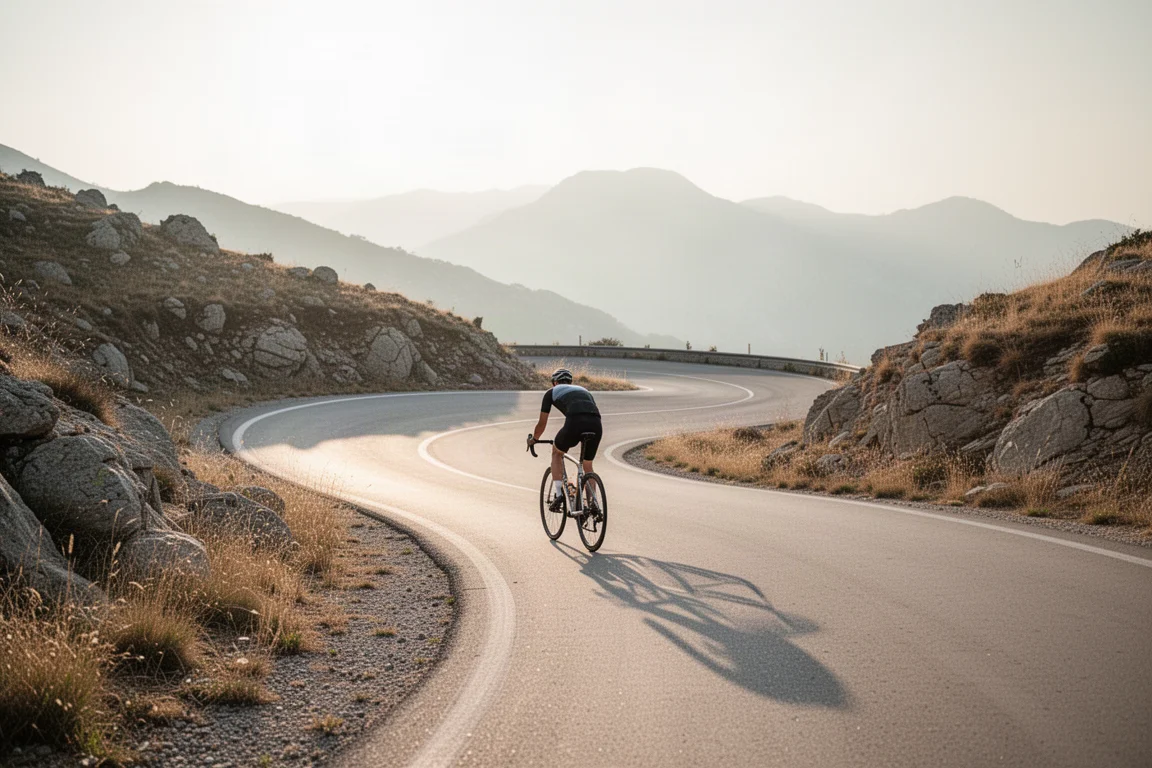
The RT9 is a long, low racing bike. The bars sit far forward and low, so it rewards riders who are comfortable in a stretched-out position and can hold it for hours. Strong, flexible riders will feel at home. Others can still ride it, but comfort on longer days is not the priority.
It is also a bike for riders who want racing speed without futuristic aero tube shapes. The frame uses round tubes throughout, which keeps the classic silhouette and, usefully, behaves well in crosswinds. If you live somewhere with stairs between you and the road, the low weight is a genuine everyday advantage.
Sizing is worth checking early. There are four sizes, XS to L. The XS is genuinely small, which suits smaller riders better than most brands manage, while the largest size is roughly comparable to a 56 cm frame elsewhere. Riders above that range are not covered yet.
Frame Construction and Weight
The frame is built from a mix of Toray T1100 and M40X carbon fibre. M40X is the lighter and stiffer of the two and is harder to source, which is why only a handful of brands use it. Tube walls are extremely thin in places, down to around 0.4 mm, and the layup uses bladder moulding to squeeze out excess resin, the same general approach used on other superlight race frames.
Practical details are sensible for a modern road bike: a carbon fork, a threaded BSA bottom bracket, UDH compatibility and 32 mm of tyre clearance. Despite the thin walls, the frame does not press in or feel squishy when you push against it.
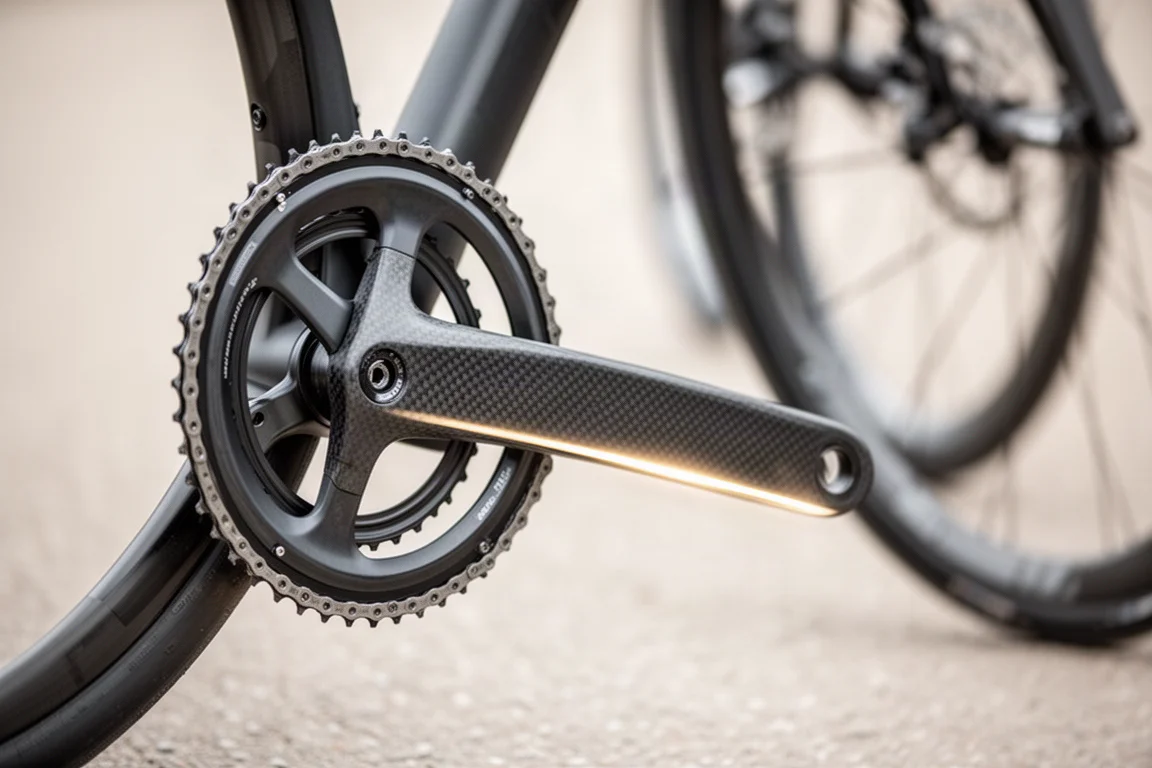
Weight also comes from component choices. The crankset is carbon and lighter than the Dura Ace equivalent without a power meter, yet it includes one. Cranks are short and bars are narrow across the range, and those sizes scale with the frame.
Main Strengths
Stiffness is the first thing that stands out. The RT9 feels solid and planted rather than fragile, and it handles well, which matters more than the scale figure on a bike this light.
The build is genuinely top spec. Shimano Dura Ace handles shifting, the tyres are Michelin Pro 5 in 28 mm, and the saddle is a Selle Italia Boost SLR S3. Seatpost, handlebars, crankset and wheels come from Branta, XDS’s in-house component brand. The wheels are hooked, 50 mm deep carbon rims with a 22 mm internal width and carbon spokes, which lets 28 mm tyres sit wide and stable.
Price is the other strength, relatively speaking. At $9,150 the RT9 costs considerably less than the top-spec Specialized Aethos or Scott Addict RC, the two bikes that previously held the title of the lightest production disc road bike.
Ride Quality and the Wheels
On smooth tarmac, the RT9 is exactly what a sub-6.5 kg race bike should be. On anything rough, it is punishing. Small potholes, chipped surfaces and gravelly patches transmit straight through the bike, and letting air out of the tyres did not fix it.
The wheels are the most likely cause. Carbon spokes can produce a very harsh ride, and the Branta C50 ULR wheels are a clear example. Swapping them for a set of alloy DT Swiss rims with tubed Continental GP5000 tyres transformed the bike: noticeably smoother, with the frame still stiff and the handling intact. A set of Enve wheels had a similar effect. If you want to judge the frame fairly, judge it on different wheels.
One smaller point: the graphics on the Branta wheels sit very close to Zipp’s branding, which has caused confusion more than once.
Things to Consider Before Buying
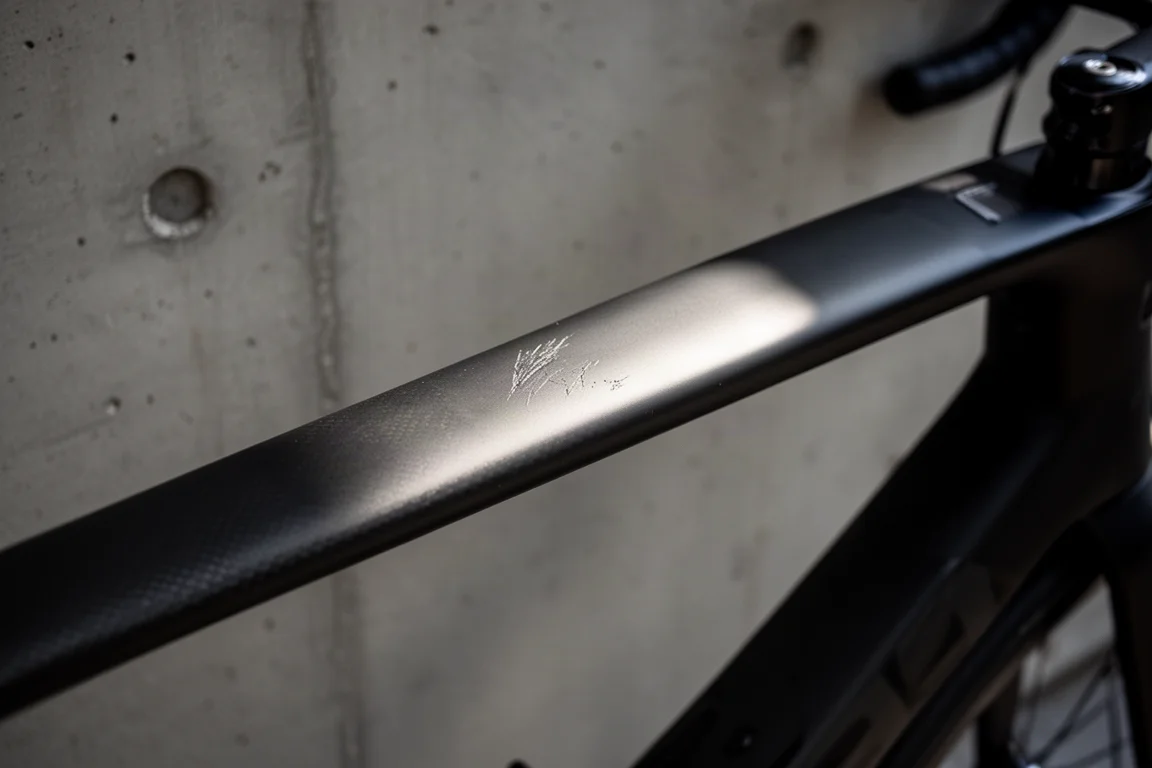
The frame finish on early bikes was remarkably delicate. The coating was so thin that a fingernail, or the plastic body of a track pump tapped against the top tube, could leave a mark. It behaves nothing like the finish on the handlebars and seatpost, which resist marking.
XDS has since confirmed that the first batch used that coating but that production has moved to a more durable regular clear coat. That is the right call, though it may affect the final frame weight, so treat the lowest weight figures with some caution until the updated frames are in circulation. If you buy, confirm which finish your frame carries.
The wheels are the second consideration. They are light and deep, but the ride quality is a real compromise, and many buyers will end up budgeting for a replacement set with steel spokes.
Sizing and Availability
Four sizes are offered, XS to L, with components scaled to match. XDS allows free swapping of the cockpit and cranks on the RT9 and AD9 after the stock bike is ordered, which makes it far easier to dial in fit. That is a meaningful advantage on a bike that ships with narrow bars and short cranks as standard.
Framesets for the RT9 and a few additional models are planned for the coming months, with prices not yet confirmed. Larger sizes are not currently planned, though XDS has said it would invest in tooling for XL and potentially XXL if demand justifies it.
Buying Advice
The RT9 makes the most sense for a rider who wants a very light, very stiff race bike with round tubes, and who fits within the XS to L range. It is a strong option for smaller riders in particular, and the low weight is a real benefit for anyone who has to carry a bike upstairs.
Before committing, plan for two things. First, check that your frame has the updated clear coat rather than the early thin finish. Second, decide whether you will ride the stock carbon-spoked wheels or factor in a replacement set. With smoother wheels, the frame’s stiffness and handling come to the fore, and the bike becomes far more enjoyable on real roads.
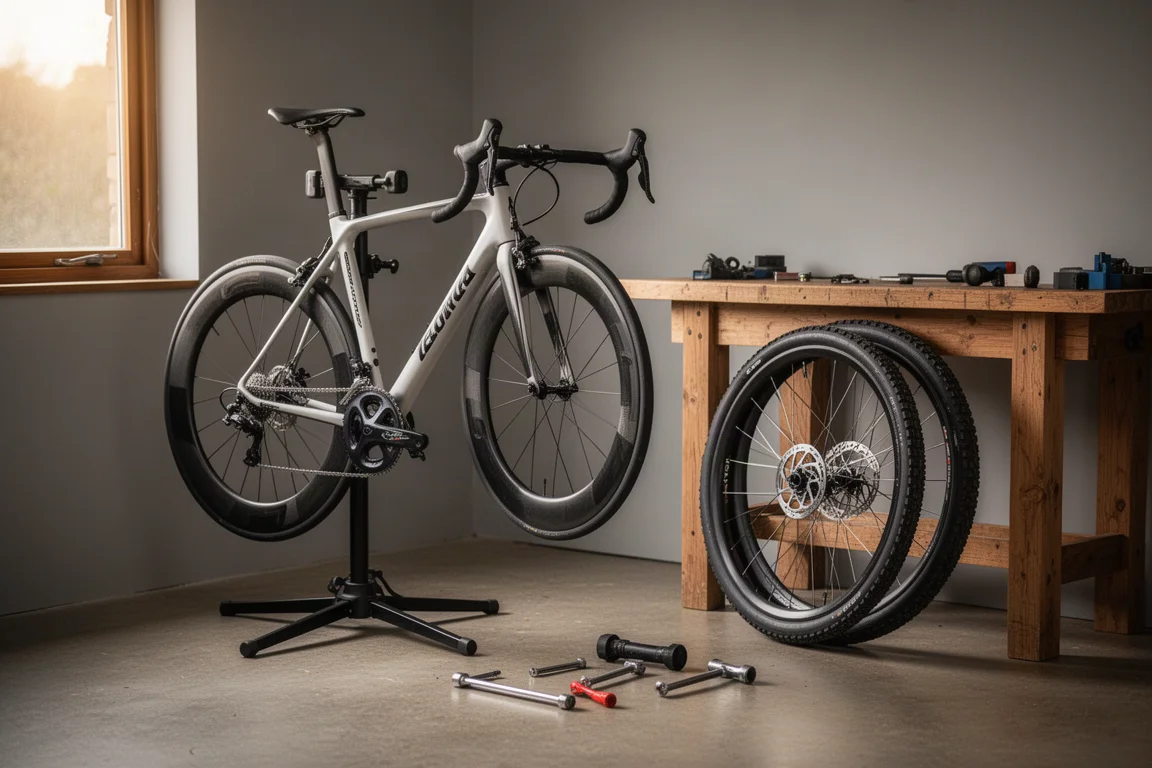
At $9,150 it is expensive, but it undercuts the top-spec alternatives that offer similar weight. If low weight is the priority and you accept the ride trade-offs, the RT9 delivers a genuinely special frame for the money.
Conclusion
The X-Lab RT9 is one of the lightest production disc road bikes you can buy, and the frame underneath the compromises is excellent: stiff, well handling and refreshingly classic in shape. The finish issue appears to be resolved, and the wheelset is the main weak point. Buy it for the frame, budget for better wheels, and it becomes a compelling lightweight race bike.
Product link
View more details for X-Lab RT9
This product is mentioned in the review. Check the specifications, options, and compatibility before buying.
View more details for X-Lab RT9Further reading
Related Reviews
Road Bikes
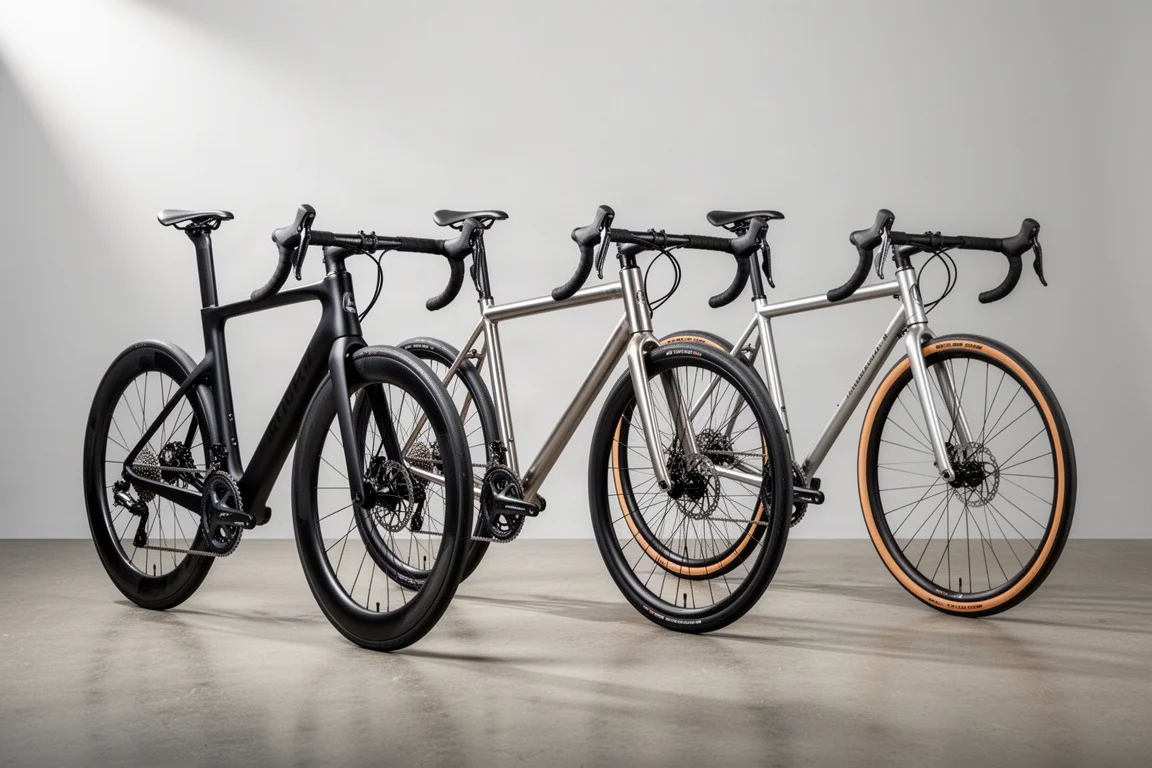
10 New Road Bikes Worth Watching: Aero, Titanium, Steel and Endurance Standouts
A practical roundup of 10 new road bikes, from aero flagships chasing single-watt gains to titanium, steel and endurance platforms built for real roads.
Road Bikes
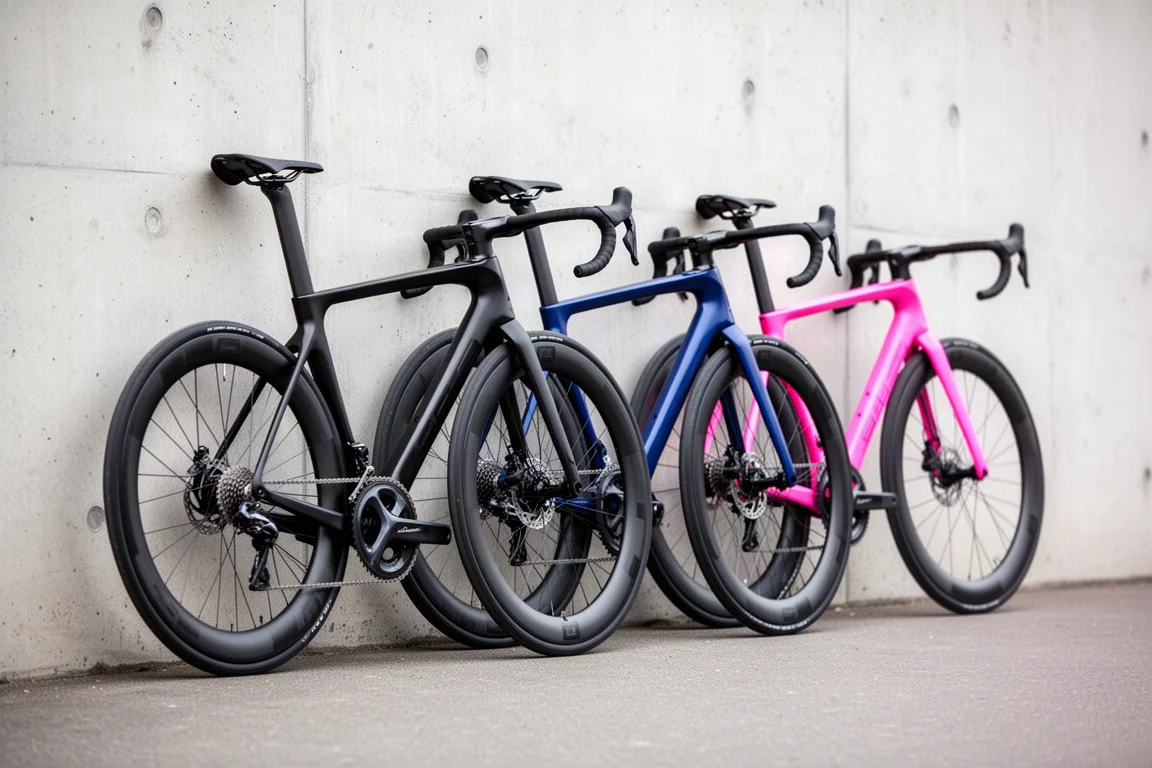
2026 Tour de France Road Bikes: Six Race Machines Worth a Closer Look
Six race bikes from the 2026 Tour de France grid, reviewed for paint, silhouette, wheels and the specification details that matter to buyers.
Road Bikes
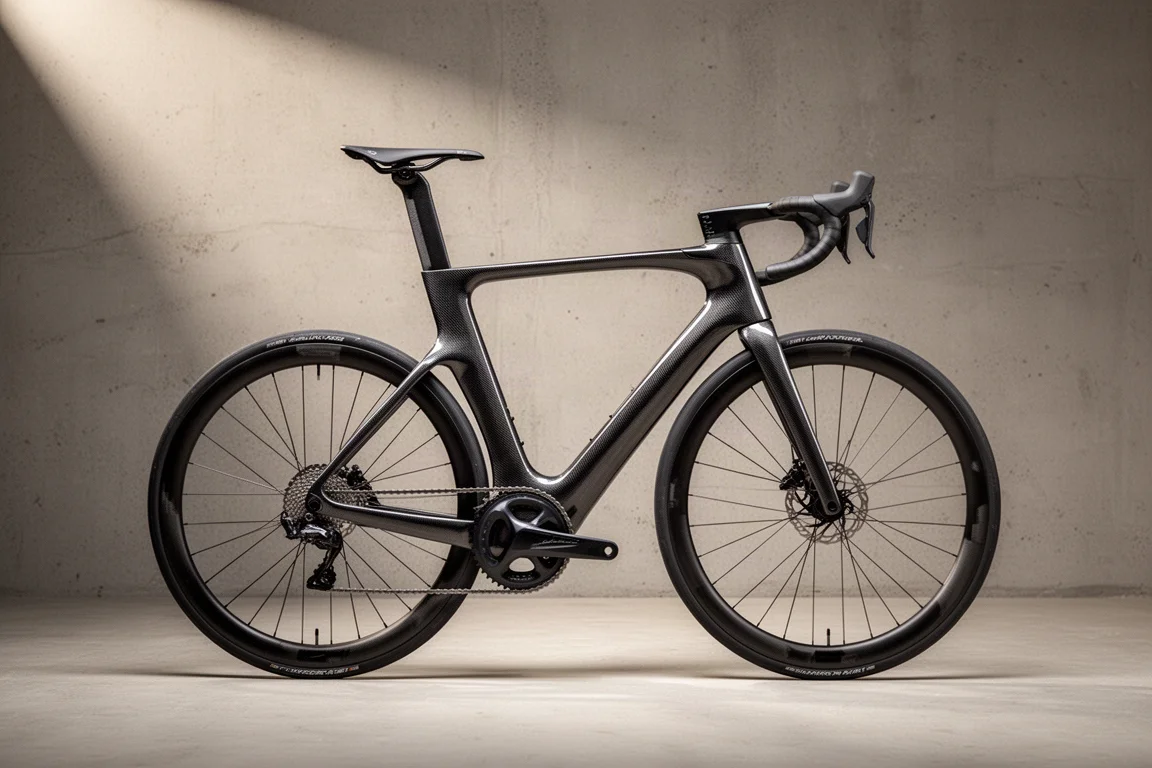
3T Strada Italia Review: A Radical Aero Road Bike That Rides Smooth
A made in Italy carbon aero road bike with a deep head tube, wide tire clearance and a genuinely comfortable ride. Here is what to know before buying.