Gravel Bike Wheels
WTB 750d Wheels Review: Is the New Gravel Wheel Standard Worth It?
A practical look at the 750d gravel wheel standard, how it compares with 700c, where it feels strong, and which riders benefit most.
Introduction
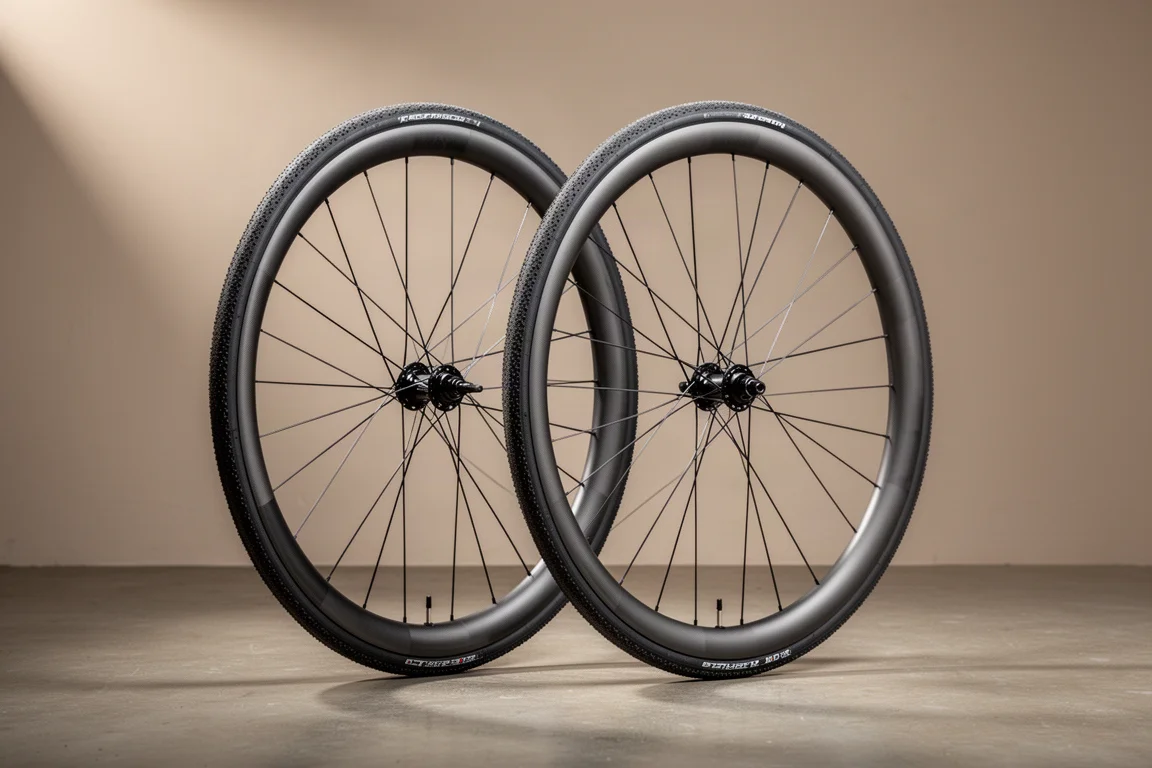
A larger wheel standard is arriving in the gravel world. It is called 750d, and WTB, Moots and a small number of other brands have been pushing it forward. The case rests on two arguments: a larger rim diameter should roll more easily over rough terrain, and the bigger wheel makes it easier to build custom bikes that handle well for taller riders.
Those are familiar promises. When 29-inch wheels arrived in mountain biking, the same claims were made, and the reception was far from warm at first. The useful question is simpler: does a 750d wheel set actually feel faster or better on gravel? The short answer is that it holds speed well, but the difference over a good 700c set is not obvious.
What the 750d Standard Actually Changes
The numbers matter here. A standard 700c wheel has a 622 mm diameter. A 750d wheel measures 660 mm bead to bead. Paired with gravel tires, the complete 750d wheel is designed to have an overall diameter similar to that of a 29-inch mountain bike wheel fitted with larger mountain bike tires.
Everything else is refreshingly normal. The internal rim width is 25 mm, which is a conventional figure for gravel. The wheels are tubeless ready. The spokes are a little longer than usual, which follows from the larger rim. Beyond the diameter, there is very little that is exotic.
Weight deserves a note, but comparisons are difficult. The 750d rims in this configuration are carbon, while many 700c rims are aluminium, so a like-for-like weight comparison is not really available. Much of the practical weight difference sits in the tires rather than the rims.
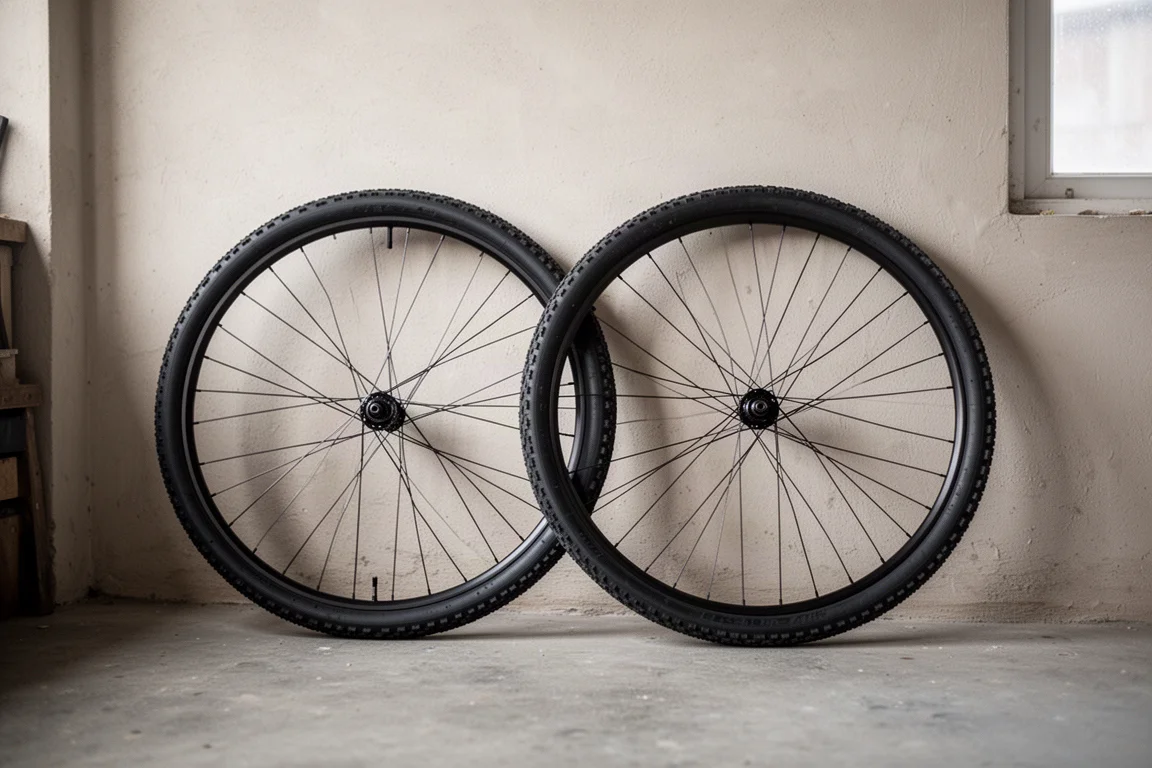
In short, the only genuinely new thing about the wheel is its diameter, and that is worth remembering when the standard is discussed. There is no radical hub design, no unusual spoke count, and no proprietary interface to learn. A rider moving from 700c to 750d is adapting to size, not to complexity.
Who These Wheels Are Built For
Taller riders have the clearest case. A larger wheel allows a bigger frame to keep handling characteristics closer to those of a smaller bike, rather than feeling stretched and awkward. That is a genuine design benefit rather than a marketing line.
For average-height riders, the argument is harder. The rolling benefit over off-road terrain is real but modest, and the design work required to move current thinking over to a larger wheel is substantial. Riders who already get on well with 700c wheels on technical terrain have little reason to switch.
Main Strengths: Rolling Speed and Climbing
Holding speed is where the 750d wheel set performs best. It carries momentum well across rough ground, and the effect is most noticeable in situations where smaller rocks would otherwise knock a bike off its line. Climbing feels like an extension of that same trait: the wheel keeps pace over loose, bumpy surfaces rather than stalling.
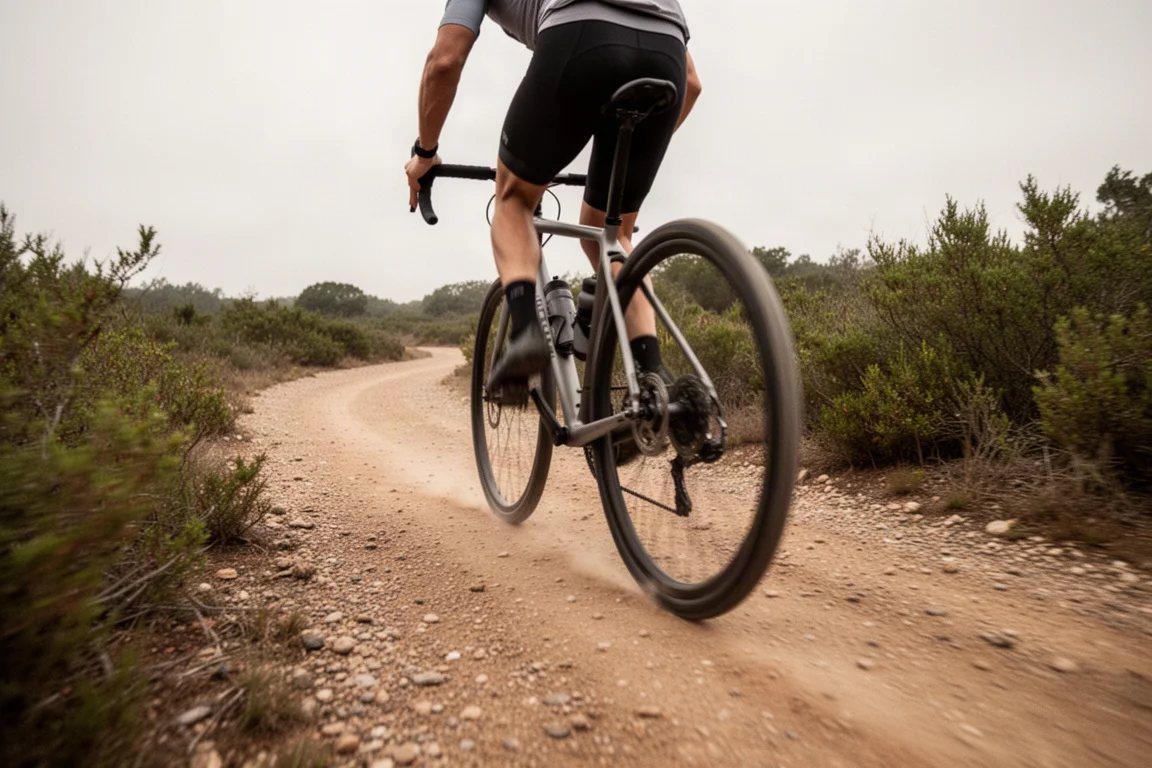
The honest caveat is that none of this is dramatically better than a well-chosen 700c wheel set. From a slow start, acceleration feels much like a 700c wheel. On flowing, fast trail, the wheels feel quick and pleasant, but the margin is small enough that it would be difficult to pick out in a blind test. What the larger diameter does do is make rough, flowing terrain feel a little smoother and a little more relaxed.
Cornering Feel and Technical Terrain
Compliance was one of the expectations that did not hold up. Longer spokes suggested a softer ride, but the wheels transmit plenty of feedback through the frame, and they do not feel more forgiving than a standard set. Some riders enjoy that directness. Riders who prefer a cushioned feel may not.
In technical corners, the larger diameter is noticeable. The wheel pushes the rider higher on the bike, which can feel awkward when the terrain demands precise body positioning. A dropper post helps considerably in that situation, since it lets the rider drop their weight rather than sitting above the wheels.
Faster, more open corners are a different story. There, the bike stays flickable, and it is possible to tip it into a turn quickly and confidently. Whether that comes from the wheels themselves or from the frame they were built around is difficult to say.
Things to Consider Before Buying
The practical barriers are the main story. A 750d wheel set requires a frame built to accept it, so this is not an upgrade that drops onto an existing gravel bike. The wheels used in this configuration were prototypes, and the tires needed to run them were prototypes as well. A custom frame was made specifically to fit the larger diameter.
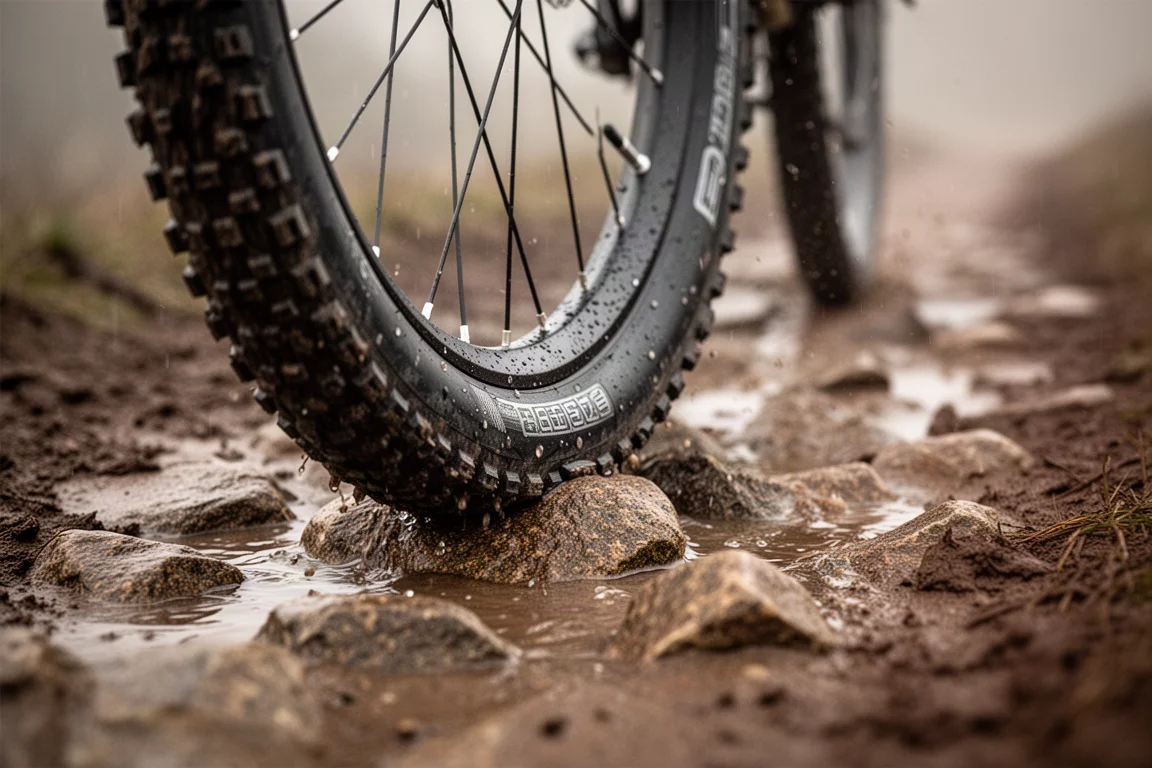
That combination of prototype wheels, prototype tires and a purpose-built frame means the standard is not yet something most riders can simply buy into. There is also the question of what the wheels are for. Riders do not dislike 700c wheels because they are hard to handle on technical terrain, so there is no obvious groundswell of demand waiting to be served.
Availability, Frames, and Tires
Only a couple of brands are making 750d wheels at this stage, and the examples available are prototype-level rather than finished retail products. The same applies to tires and to the frames needed to run them.
One encouraging detail is that frames built around the larger standard can often still accept 700c and 650b wheels. That flexibility makes a 750d frame less of a dead end than it first appears. Whether the standard spreads further depends on whether brands decide the larger diameter suits gravel bikes of all sizes, or whether riders find a genuine speed advantage. If that happens, adoption would likely follow a familiar path in cycling: a few early users, then wider acceptance, then a rule change that makes it official.
Buying Advice
There is no strong reason to rush toward 750d today. The wheels are interesting, the rolling character is pleasant, and the case for taller riders is convincing, but the ecosystem is not ready. Prototype wheels, prototype tires and custom frames are a lot of commitment for a benefit that is difficult to measure against a good 700c set.
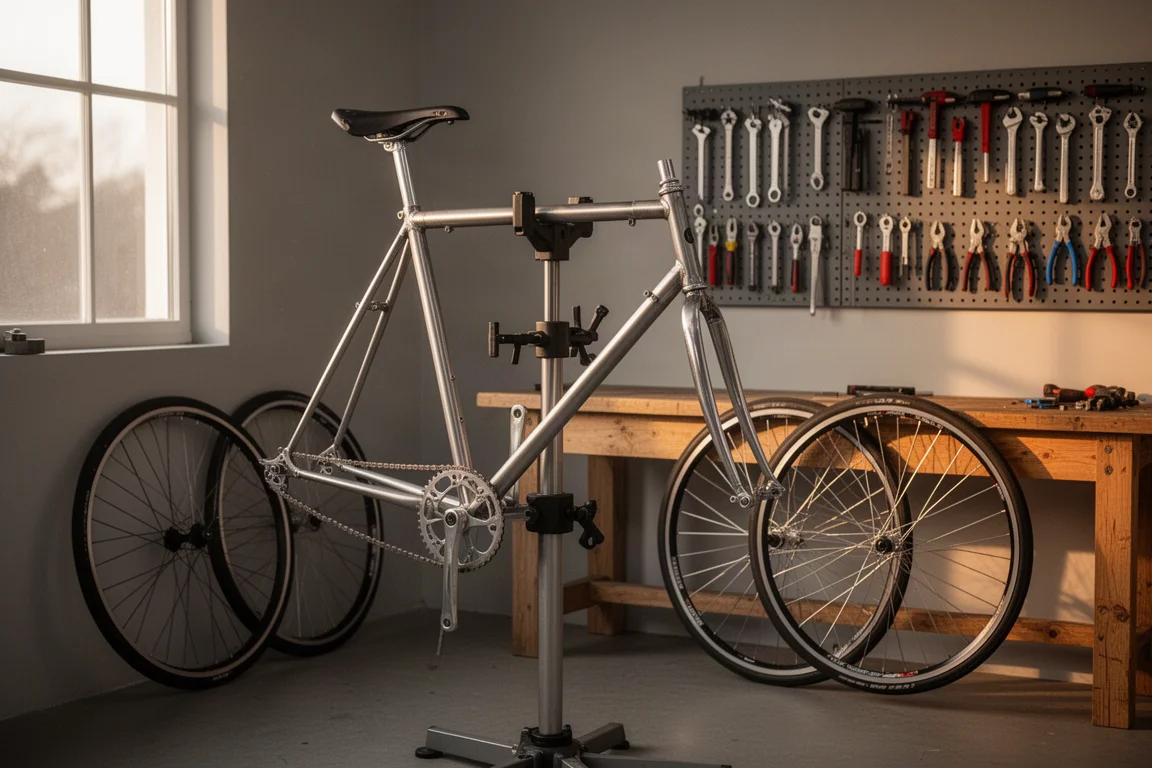
The sensible approach is to watch the standard rather than buy into it. If you are a taller rider who has struggled to find a bike that handles the way you want, the larger diameter is worth following closely, because that is where the real advantage lies. For everyone else, a well-chosen 700c gravel wheel set remains the safer and simpler choice. Even if more brands adopt 750d in the coming years, having the option is not a problem. A standard that suits some riders and leaves others unaffected is a reasonable outcome.
Conclusion
The 750d wheel standard is not a revolution. It holds speed well, it climbs without fuss, and it feels quick on flowing terrain, but it is not noticeably faster than a 700c wheel set, and it is not more compliant. Its most convincing argument is fit: taller riders can build a bike that handles more like a smaller one. For now, the prototype status of the wheels, tires and frames makes 750d a standard to keep an eye on rather than one to buy.
Product link
View more details for WTB 750d Wheels
This product is mentioned in the review. Check the specifications, options, and compatibility before buying.
View more details for WTB 750d WheelsFurther reading
Related Reviews
Gravel Bike Wheels
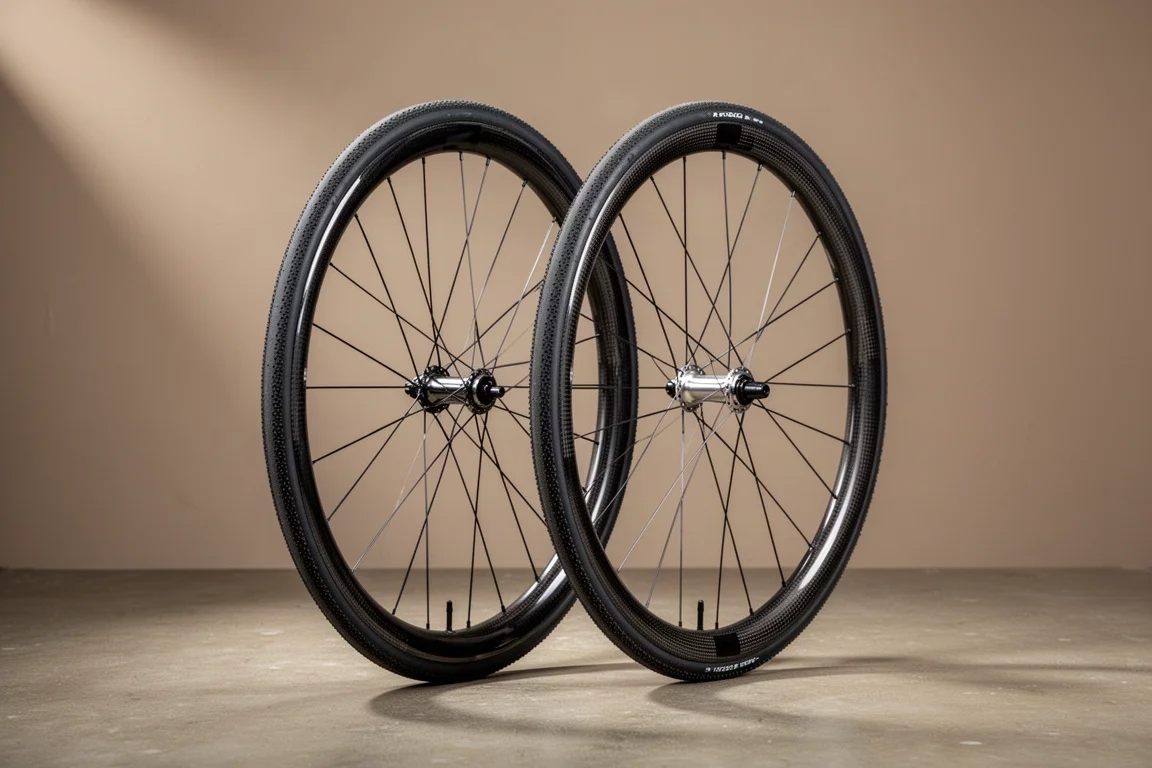
Campagnolo Levante Review: Carbon Gravel Wheels Built Around a Wider Rim
A practical look at the Campagnolo Levante carbon gravel wheelset, covering rim width, tubeless setup, ride feel, and who should consider the upgrade.
Gravel Bike Wheels
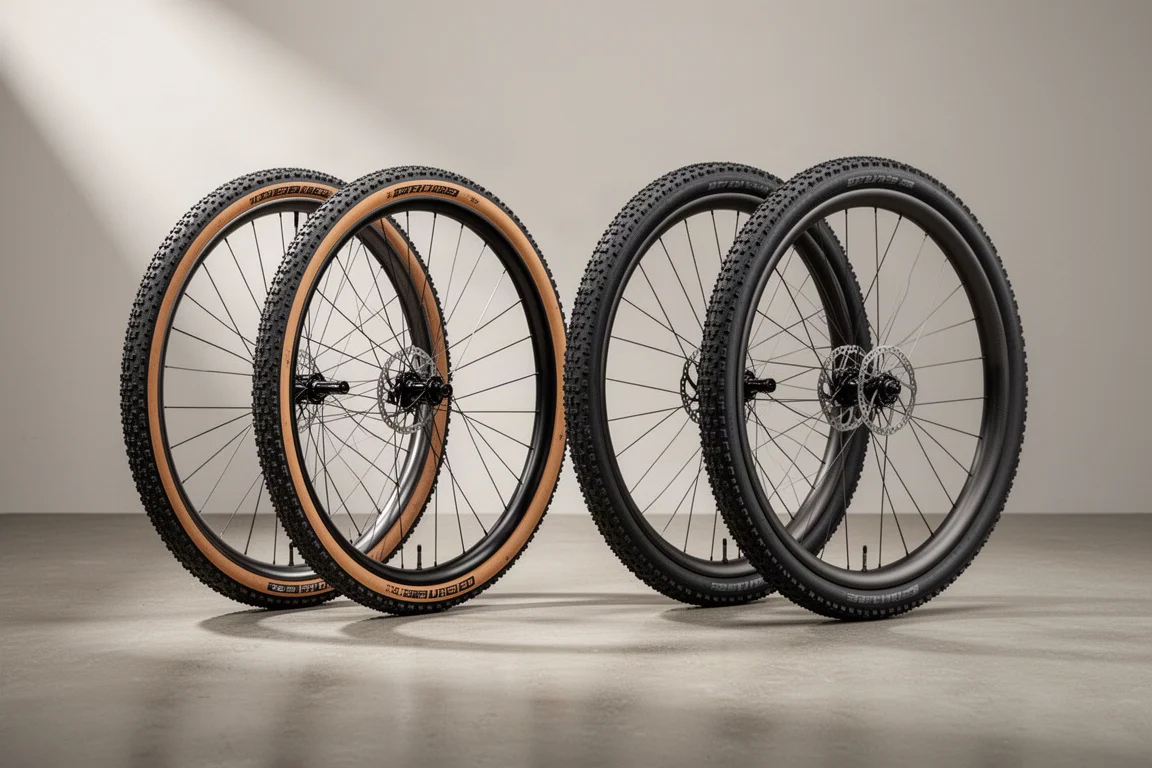
Shimano GRX Wheels Compared: Does Internal Rim Width Really Change Your Gravel Ride?
A practical look at how 21mm and 25mm internal rim widths change gravel tire shape, comfort, cornering control, and speed, using two Shimano GRX wheelsets as the reference.
Gravel Bike Wheels
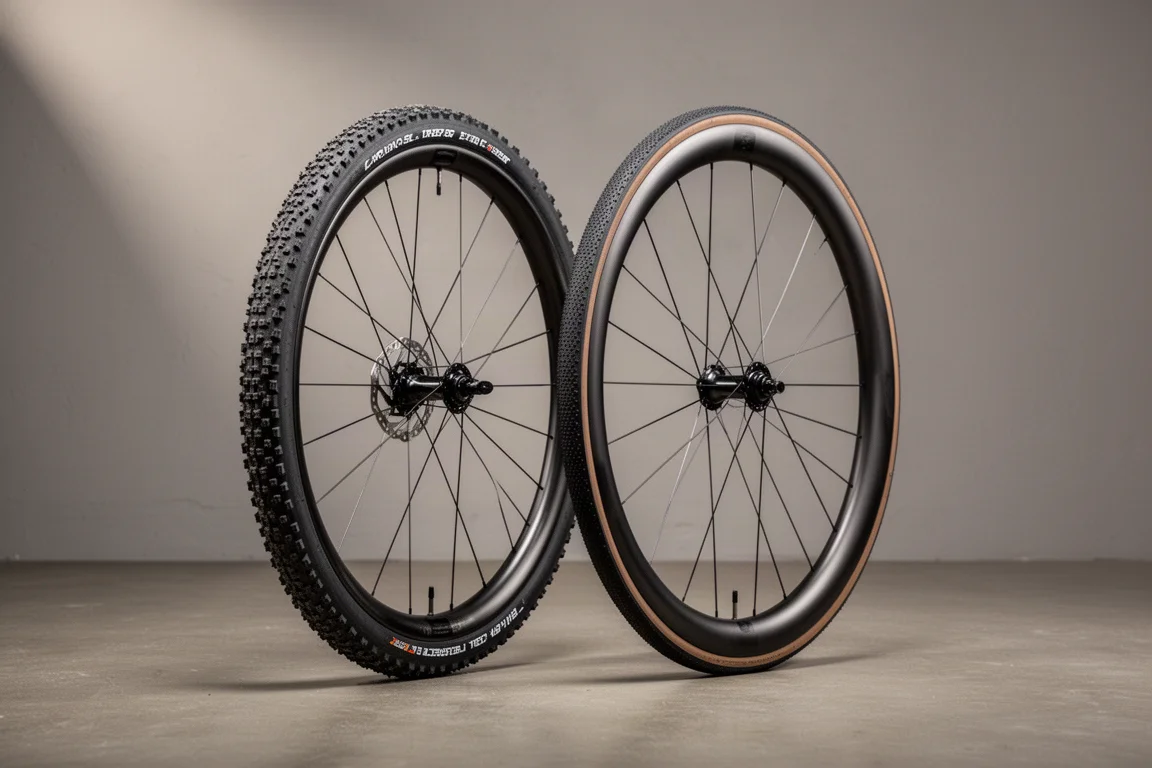
Shimano GRX RX870 Gravel Wheelset Review: Carbon Rims for Mixed Terrain
A carbon gravel wheelset with a 25mm internal width, a 1,461g weight, and a wide tyre window. Here is what to check before you buy.