Gravel Bike Wheels
Shimano GRX RX870 Gravel Wheelset Review: Carbon Rims for Mixed Terrain
A carbon gravel wheelset with a 25mm internal width, a 1,461g weight, and a wide tyre window. Here is what to check before you buy.
Introduction
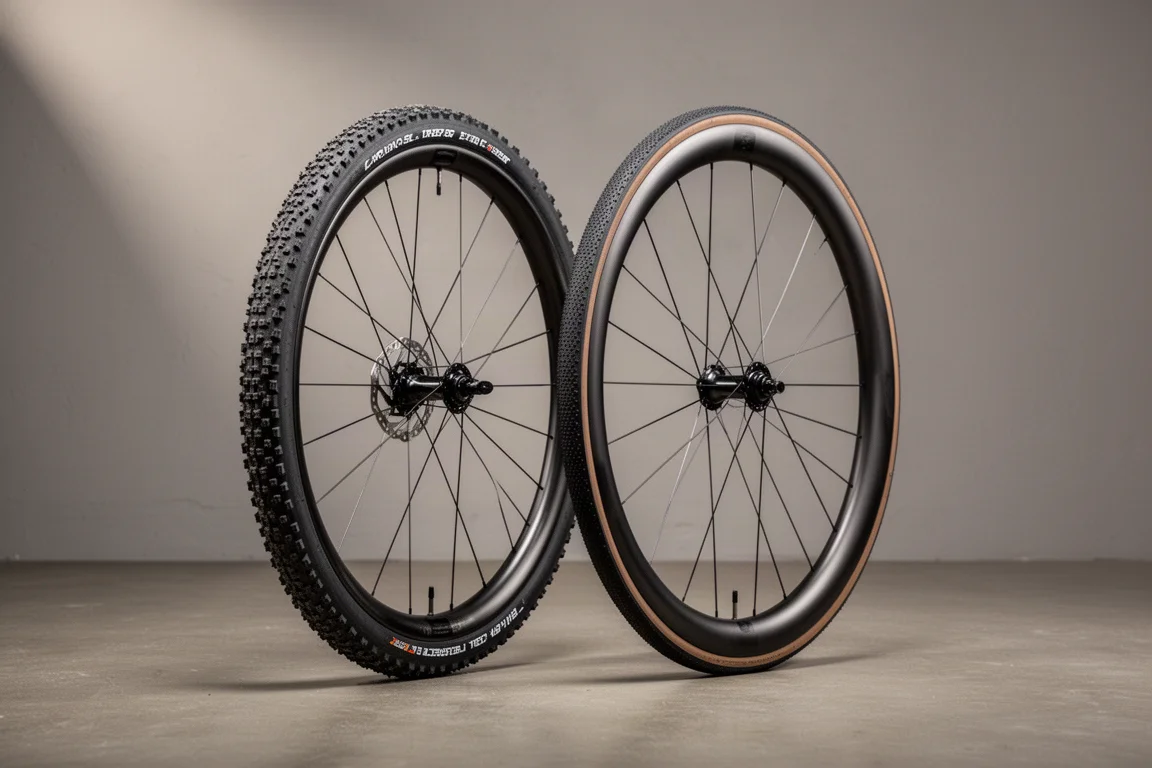
Choosing wheels and tyres for a gravel bike raises questions that road wheels do not answer. Gravel equipment is expected to handle wider rubber, rougher surfaces, and longer days away from smooth tarmac. The Shimano GRX RX870 is a carbon gravel wheelset built around those demands, with a wide rim profile, a modest rim depth, and a weight that sits close to many road wheelsets. This article covers what the RX870 offers, who it suits, and the details worth checking before you commit.
Who This Wheelset Is For
The RX870 is aimed at riders who split their time between tarmac and loose surfaces and want one set of wheels that covers both. With a 25mm internal rim width, the wheelset accepts tyres from 32mm up to 50mm, which spans the narrow end of road-style gravel riding through to wider, more aggressive off-road rubber.

That breadth is the point. A 40mm tyre, such as the Pirelli fitted to the wheelset, gives a useful balance for mixed riding. Riders who spend more time on tarmac can move closer to 35mm, while those who ride rockier or muddier terrain can go wider, as long as the frame and fork can accommodate it.
Shimano describes the wheelset as designed for riding, racing, exploring, and bushwhacking along old goat paths. In practice, that means riders who want a durable carbon option rather than a dedicated race-only or road-only wheelset.
Main Strengths
Rim Dimensions and Tyre Compatibility
The rims measure 32mm deep and 30mm wide externally, with a 25mm internal width. Shimano raised the rim height to 32mm to improve aerodynamics relative to the larger tyres gravel riders use. The rim uses a hooked design, which keeps tyre choice broad and makes tubeless setup more straightforward across a wider range of tyres.
When choosing gravel wheels, internal rim width matters more than rim depth, and around 25mm is a sensible target. Going much wider allows much wider tyres, but frame and fork clearance becomes the limiting factor, so it is worth measuring before committing to an oversized setup.
Weight and Carbon Construction
The carbon fibre rims keep the wheelset weight at 1,461g, which is comparable to many road wheelsets. That said, overall wheel weight matters less on gravel than on the road, because the larger tyres fitted to these wheels have a bigger influence on how the bike feels and accelerates.
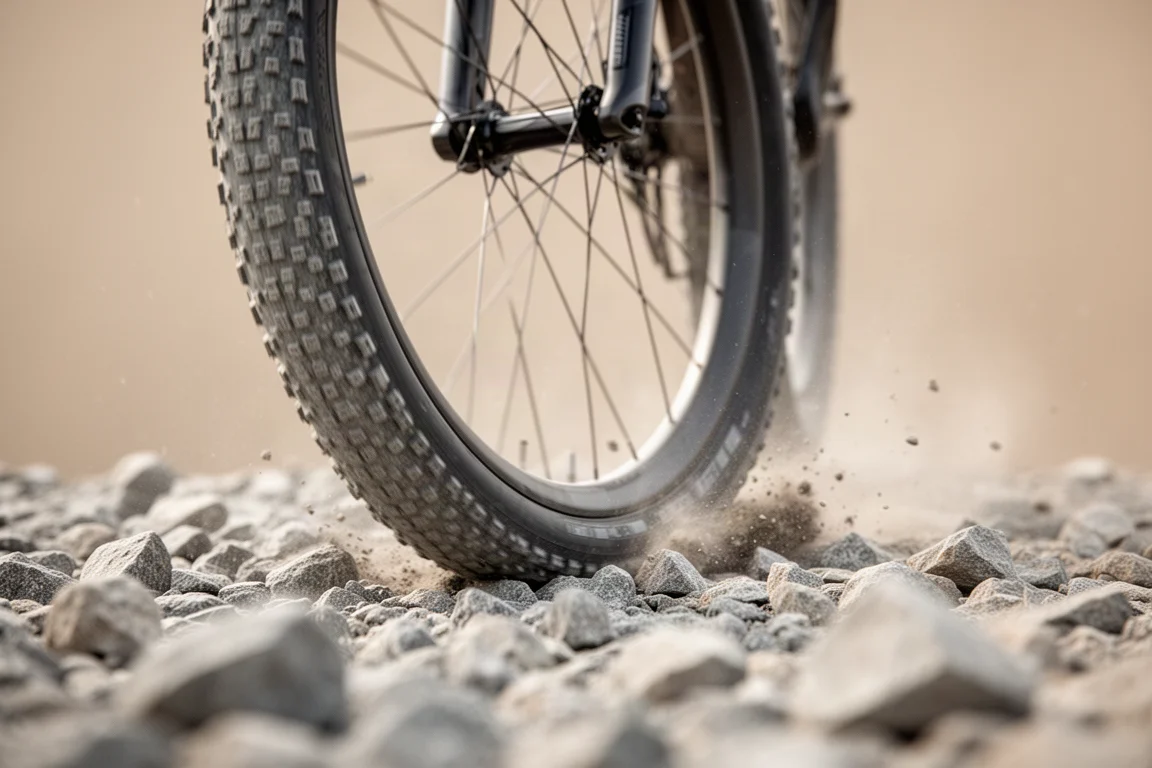
Aerodynamics also carry less weight here. Once large-volume tyres are fitted, the aero benefit of deeper rims is reduced compared with road riding, so very deep carbon wheels bring less advantage than they would on tarmac. A more conservative rim depth, somewhere around the 30mm mark, is the sensible choice for gravel.
Things to Consider Before Buying
Alloy vs Carbon and Cost
A carbon rim offers a slight improvement to overall wheel performance, but at an increased cost. An alloy rim offers slightly less performance, often at a significantly reduced cost. This is not a decision to get too hung up on, particularly if the wheelset is likely to see rough treatment on loose surfaces.

Tyres remain the easiest way to tune how a gravel bike behaves. A less aggressive tread pattern reduces rolling resistance on and off road, while a more aggressive tread and a wider casing suit mud and harsh rocky terrain. Fitting road tyres to these wheels is also possible, and the resulting combination performs comparably to many road wheelsets.
Tubeless Setup and Tyre Liners
Tubeless is the recommended route for gravel. Wide tyres run at low pressures suit the system well, and it reduces the risk of pinch flats on rough ground. It is worth checking whether tubeless rim tape and valves are included, since buying them separately can add a meaningful amount to the overall build cost.
Tyre liners are another option. These foam inserts sit inside the tyre and allow lower pressures for more comfort and grip, while adding rim protection on hard impacts. The trade-off is that some tyre and liner combinations are noticeably harder to fit and remove, which is inconvenient if you are far from help.
Bearings, Rotors, and Compatibility
The wheelset uses a proven cup and cone bearing system, Center Lock disc fitment, and 24 spokes front and rear. It is compatible with 11 and 12 speed Shimano drivetrains and uses a 12mm through axle, so it slots into current Shimano gravel setups without adapters.
Buying Advice
A gravel-specific wheelset is not a requirement. Many riders will be well served by their existing road wheels, accepting that those wheels were not designed for gravel and will be slightly compromised in some situations. The case for the RX870 is strongest for riders who want a wide tyre window, a hooked rim that keeps tyre options open, and a carbon wheelset at a weight close to road level.
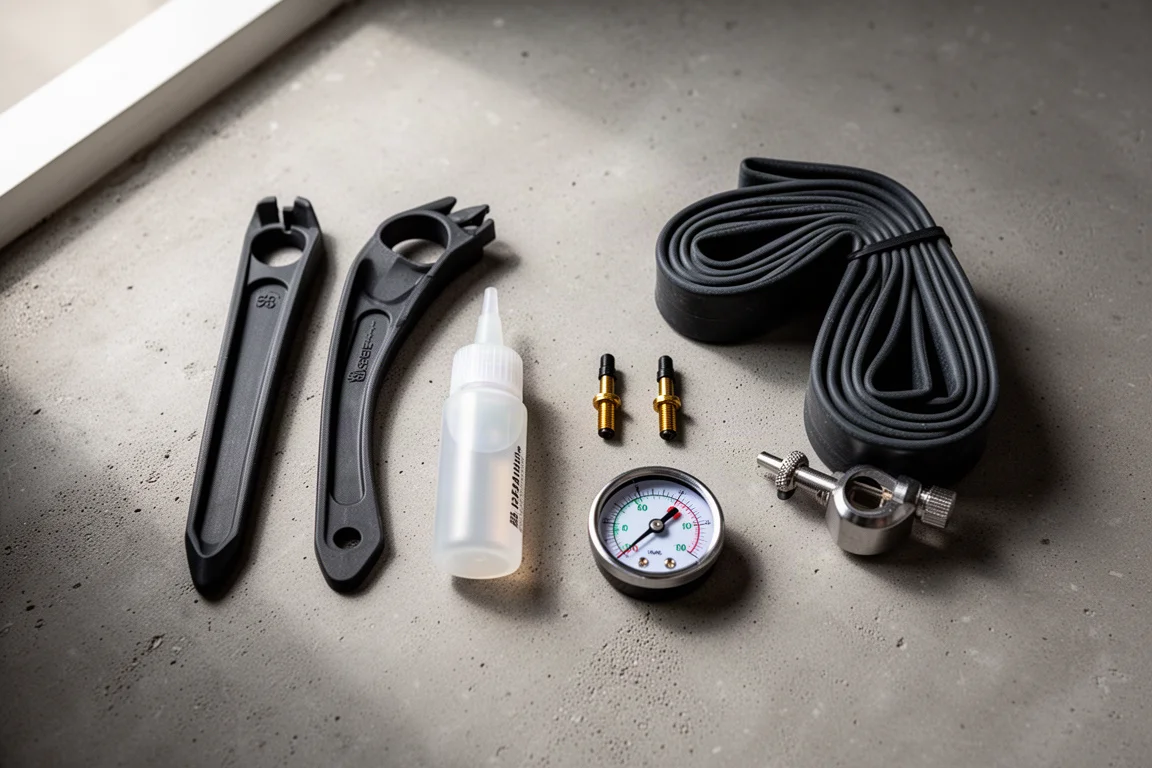
Before buying, confirm that the 25mm internal width and your intended tyre size clear both frame and fork. Decide whether carbon is worth the extra cost over alloy for the riding you actually do, and factor in tubeless tape, valves, and sealant if they are not part of the package. Riders who regularly remove and refit their own tyres should also weigh up whether tyre liners are worth the added installation effort.
Conclusion
The Shimano GRX RX870 is a well-rounded carbon gravel wheelset. Its 25mm internal width, 32mm rim depth, 1,461g weight, and compatibility with 32mm to 50mm tyres make it flexible across tarmac, gravel, and rougher terrain. It will not suit every rider or every budget, but for those who want one wheelset to cover mixed-surface riding, it is a convincing option.
Product link
View more details for Shimano GRX RX870 Wheelset
This product is mentioned in the review. Check the specifications, options, and compatibility before buying.
View more details for Shimano GRX RX870 WheelsetFurther reading
Related Reviews
Gravel Bike Wheels
Campagnolo Levante Review: Carbon Gravel Wheels Built Around a Wider Rim
A practical look at the Campagnolo Levante carbon gravel wheelset, covering rim width, tubeless setup, ride feel, and who should consider the upgrade.
Gravel Bike Wheels
Shimano GRX Wheels Compared: Does Internal Rim Width Really Change Your Gravel Ride?
A practical look at how 21mm and 25mm internal rim widths change gravel tire shape, comfort, cornering control, and speed, using two Shimano GRX wheelsets as the reference.
Gravel Bike Wheels
WTB 750D Review: Do Bigger Gravel Wheels Make Sense?
WTB's 750D concept raises bead seat diameter from 622mm to 660mm. Here is how the bigger wheel rides and who it actually suits.