Gravel Bike Wheels
WTB 750D Review: Are Bigger Gravel Bike Wheels Worth It?
WTB's 750D concept raises the bead seat diameter to 660mm. Here is how it rides, who actually benefits, and what to weigh before buying in.
Introduction
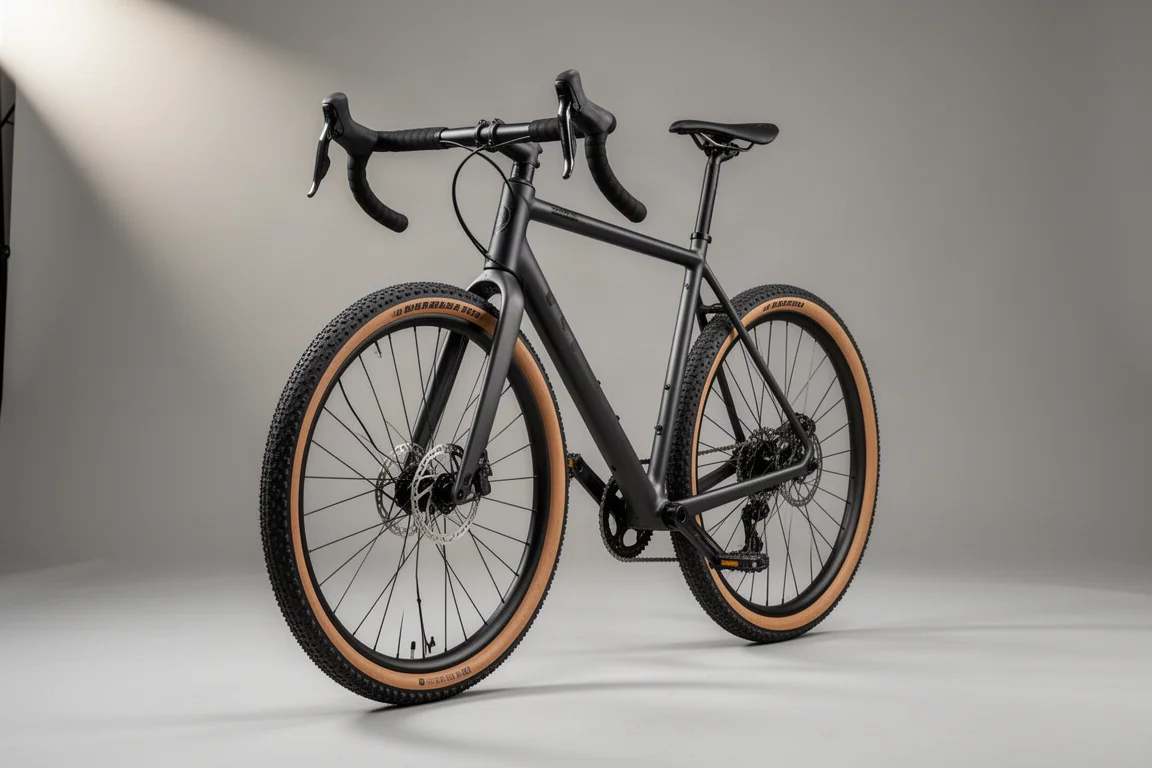
Gravel bikes have been getting wider tires for years, but a small experiment pushes a different measurement instead: the rim itself. WTB’s 750D concept, first pioneered in 2017, raises the bead seat diameter of a drop-bar wheel from the familiar 622mm to 660mm. That is a 38mm increase, and it is the only real change to the standard.
The point of the bigger rim is what happens once a tire is fitted. A 40mm tire on a 750D rim ends up with roughly the same outside diameter as a 2.4in mountain bike tire on a 29er rim, so the overall wheel grows while the tire stays narrow.
WTB positions 750D around three claims: smoother and faster progress over rough gravel through improved rollover, a longer contact patch that could help efficiency, and a better fit option for taller riders who struggle with the sizes currently on offer. Those claims are worth examining one by one.

That outside diameter is what riders actually feel, and it is also where the confusion usually starts. The 700 in 700C refers to the outside diameter of the rim and tire together, while the 29in figure used in mountain biking describes the same thing at a different tire volume. The number that matters for compatibility is the bead seat diameter, and that is the one 750D changes.
Who the WTB 750D Is For
The strongest case for 750D is body proportions. Frames are sold in five to eight sizes, but the wheel size stays the same, and a very large frame can look and feel unbalanced on 700C wheels. Riders on XL, XXL, or larger frames get a wheel that sits closer to the scale of the frame they are riding, which is the same logic that lets shorter riders choose a smaller 650B wheel.
The second group is riders chasing stability at speed over long distances. Bigger wheels steer a little more slowly through corners and hold a line with more composure at high speed, which suits ultra-distance racing and long, fast gravel days more than tight, twisty trails.
For most average-proportioned riders, the case is harder to make. The 750D does not clearly solve a problem for them, and the sweet spot for gravel remains a 45mm to 50mm tire on a wide rim. Moving to a narrow 40mm tire on a bigger rim reads as a step back from the wider-tire direction the category has been heading in.
Main Strengths
The first surprise is how normal the setup feels. The geometry work needed to fit the larger wheels, including changes to fork trail, chainstay length, and wheelbase, has not produced any obvious penalty in handling. The bike does not feel slow, lethargic, or reluctant to roll.
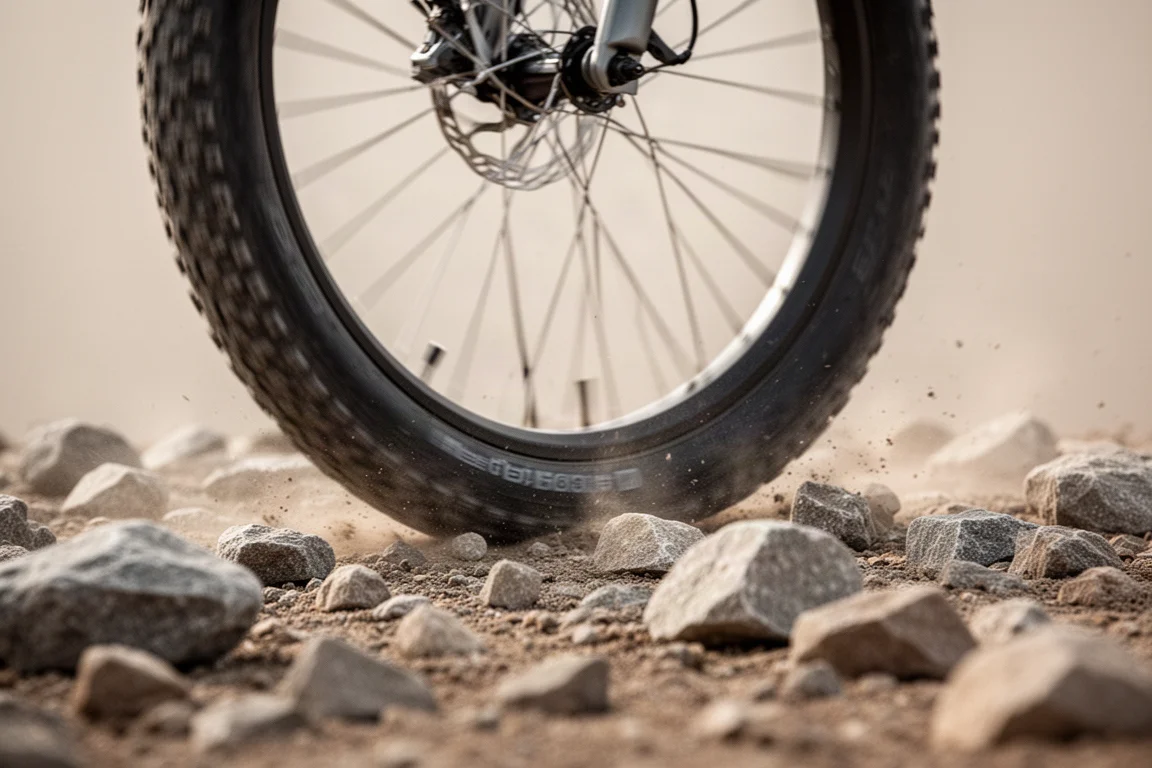
Comfort is the second surprise. Rocky, bumpy ground that can be jarring even on 45mm or 50mm tires does not come through as harsh here. Some of that comes from the carbon frame and fork, but the ride still transmits plenty of feedback without turning uncomfortable, which is unusual for a 40mm tire.
Speed retention is the third. Acceleration out of the saddle is slightly more hesitant, and the wheels take a moment longer to spin up, but once rolling at higher speed they hold momentum well. Gearing is not unduly compromised either, and an Eagle cassette kept the range usable despite the larger wheel diameter.
Things to Consider Before Buying
The most practical obstacle is availability. Very few bikes on the market will accept the bigger wheels and tires, so in most cases adopting 750D means buying a new bike rather than upgrading an existing one.
There is also a tire-width trade-off. A 40mm tire carries less air volume than a 45mm, 50mm, or plus-size tire, which means less cushioning between the rider and the ground and a slightly higher puncture risk on rough terrain. The smoother ride of the bigger wheel does not fully cancel that out.
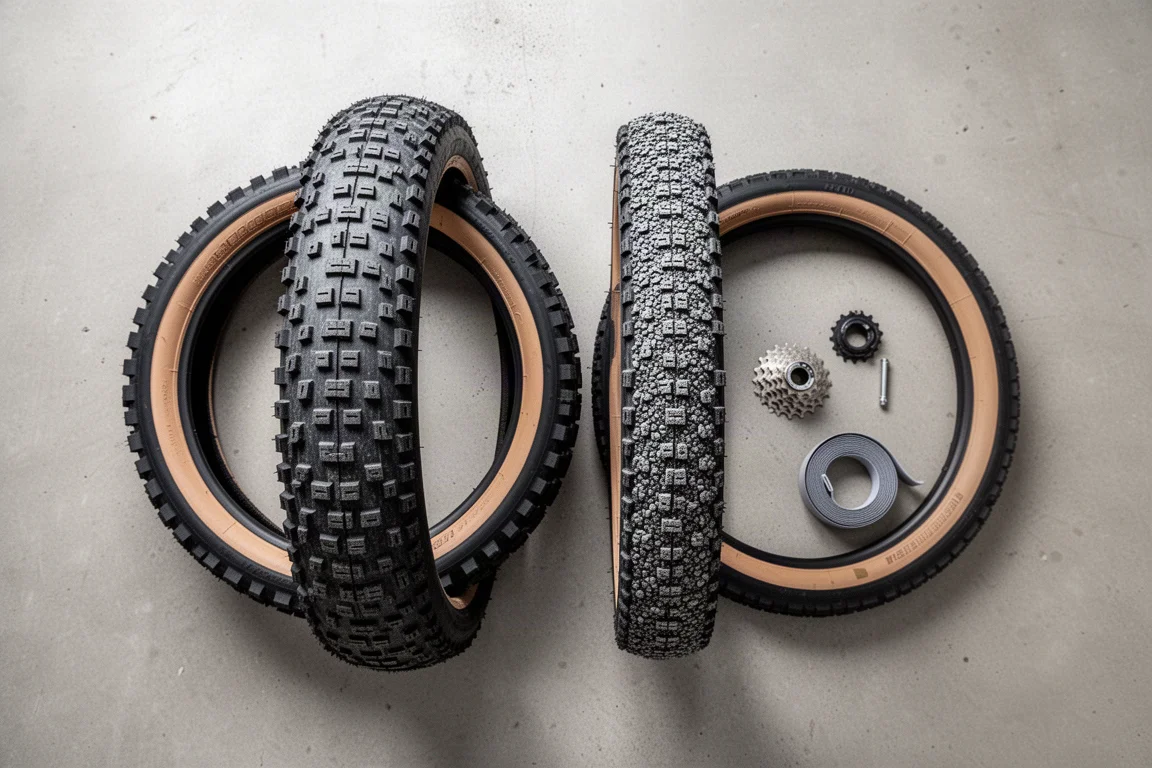
Adoption is the open question. A new standard only survives if it serves a purpose, and 650B is a useful reminder that sensible alternatives do not always take hold. The current trend toward wider tires, and even mountain bike tires on gravel bikes, makes the window for another wheel size narrower still. Slower, less nimble cornering is another point to accept going in.
Buying Advice
Buy 750D if you ride a very large frame and want wheels that match it, or if high-speed stability on long, fast gravel matters more to you than quick cornering. In that context the extra diameter earns its place.

If you are happy on 45mm to 50mm tires and a standard 700C wheel, there is no compelling reason to change. The benefits do not clearly outweigh the cost of a new bike for an average-proportioned rider, and the 40mm tire gives up volume and puncture resistance along the way.
It is also worth staying open-minded. This looks like a niche option rather than a mainstream one, but a high-profile result in a major gravel race on bigger wheels could shift the conversation quickly. The wider 32in question is a separate discussion for another time.
Conclusion
The WTB 750D is an interesting experiment that rides far more normally than its size suggests. Geometry work keeps the handling predictable, comfort is better than a narrow tire would imply, and speed retention at the top end is genuinely good. It also asks riders to buy a new bike, give up tire volume, and accept slower steering, which is a lot to trade for a benefit that mostly applies to very tall riders and stability-focused racers. For those riders it deserves a serious look. For everyone else, a wide 700C tire remains the simpler answer.
Product link
View more details for WTB 750D
This product is mentioned in the review. Check the specifications, options, and compatibility before buying.
View more details for WTB 750DFurther reading
Related Reviews
Gravel Bike Wheels
Campagnolo Levante Review: Carbon Gravel Wheels Built Around a Wider Rim
A practical look at the Campagnolo Levante carbon gravel wheelset, covering rim width, tubeless setup, ride feel, and who should consider the upgrade.
Gravel Bike Wheels
Shimano GRX Wheels Compared: Does Internal Rim Width Really Change Your Gravel Ride?
A practical look at how 21mm and 25mm internal rim widths change gravel tire shape, comfort, cornering control, and speed, using two Shimano GRX wheelsets as the reference.
Gravel Bike Wheels
Shimano GRX RX870 Gravel Wheelset Review: Carbon Rims for Mixed Terrain
A carbon gravel wheelset with a 25mm internal width, a 1,461g weight, and a wide tyre window. Here is what to check before you buy.