Gravel Bike Wheels
WTB 750D Review: Do Bigger Gravel Wheels Make Sense?
WTB's 750D concept raises bead seat diameter from 622mm to 660mm. Here is how the bigger wheel rides and who it actually suits.
Introduction
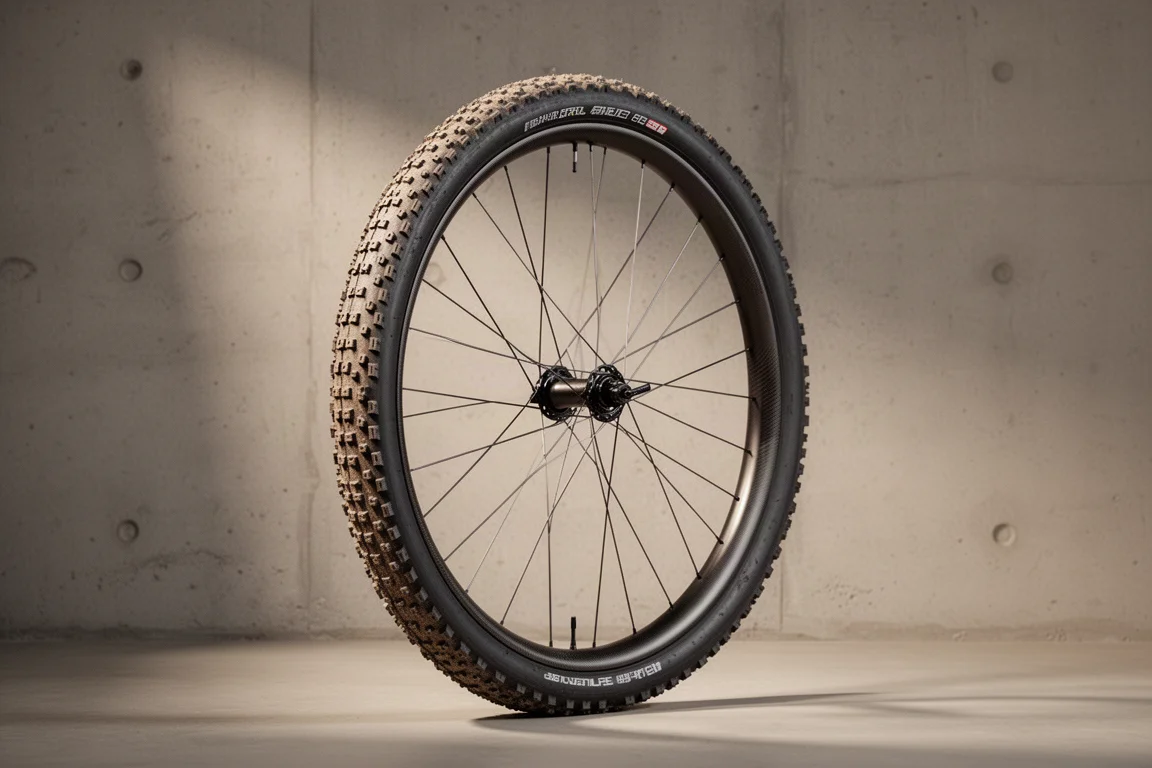
Gravel bikes have converged on 700C wheels paired with steadily wider tires, and that combination keeps getting better with each generation. Against that backdrop, a much bigger wheel standard has been quietly tested. It is called 750D, and it was pioneered by WTB in 2017 as a concept rather than a settled production standard. The premise is simple: what happens if you enlarge the rim so that a narrower gravel tire ends up with the same outside diameter as a mountain bike tire on a 29-inch rim?

The idea sits at the centre of a genuinely interesting question about wheel size. The claims attached to it are worth taking seriously: a smoother and faster ride over rough gravel thanks to improved rollover, a longer contact patch for potentially better efficiency, and a better option for taller cyclists who struggle with the proportions of the sizes available today. Testing those claims on rough forest trails, complete with rocks and loose gravel, is the only way to find out whether any of it holds up in practice.
Who This Wheel Size Is For
The clearest case for 750D is taller cyclists. Frame sizes can span from small through to XXL, but the wheel size stays the same, and a very large frame can look odd and feel poorly balanced on 700C wheels. A bigger wheel brings the wheel and frame proportions closer together, and that is where the standard looks genuinely useful.
For riders of average height and proportions, the case is much weaker. The bigger wheel does not appear to solve a specific problem, and it arguably runs against the direction gravel has been heading, where wider tires have made riding better and better. There is a limit to how wide makes sense for most riders, and the sweet spot tends to sit around 45 to 50mm on a wide rim.
Main Strengths
The most surprising finding is how normal the setup feels. There is no sense of a slow, lethargic bike that resists speed, and the geometry changes made to accommodate the bigger wheels, including longer fork trail and chainstay length, appear to have worked well. The outside diameter change from 700 to 750 is not a massive leap, which helps explain why the handling stays familiar.
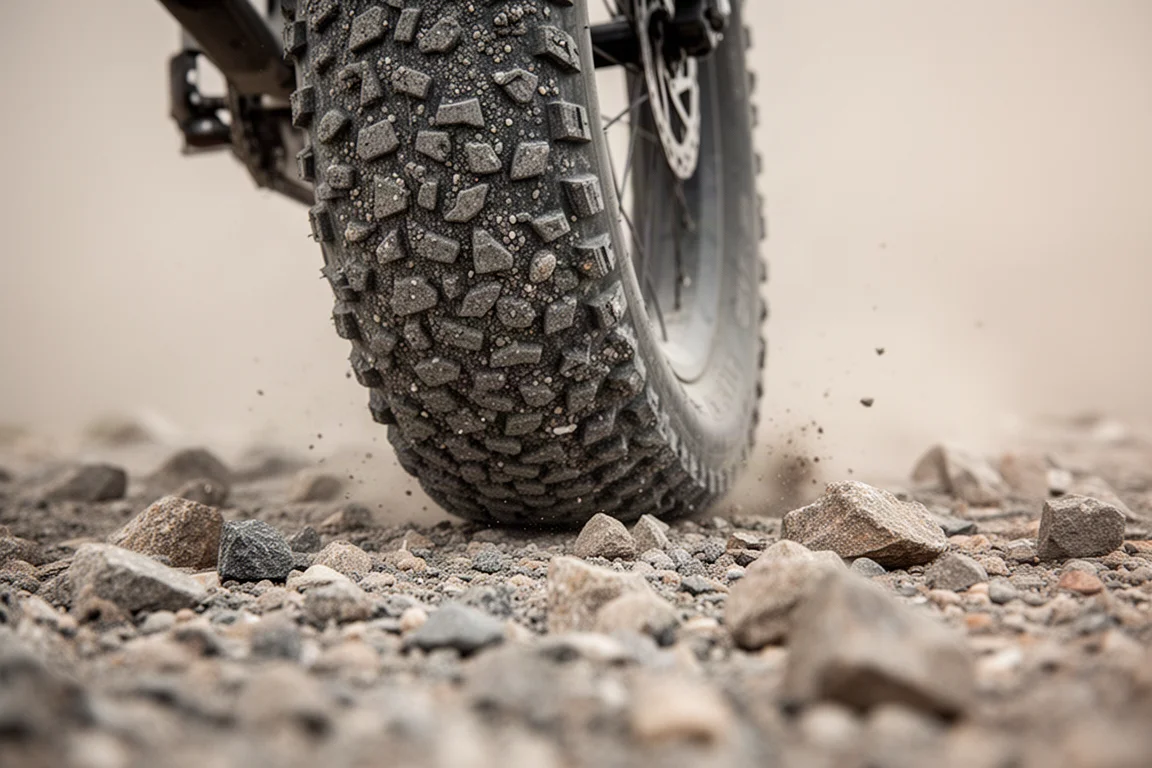
On rough, rocky ground the ride is notably smooth for a 40mm tire. There is still plenty of feedback through a stiff, lightweight drop bar bike with no suspension to speak of, but it is not harsh or uncomfortable. Once rolling at speed, the wheels hold momentum well. Steering is slower through corners, which brings more stability at high speed, and that trade-off suits racing and long-distance ultra events.
What 750D Changes in Practice
Two measurements matter here. The first is outside diameter, which is 700C on a road bike and 29 inches on a mountain bike, and it refers to the rim plus the tire. The second is the bead seat diameter, the actual rim measurement, and on a 700C wheel it is 622mm. 750D proposes raising that bead seat diameter from 622mm to 660mm, a difference of 38mm.
That change is small on its own, but it becomes meaningful once a tire is fitted. A 40mm tire on the bigger rim ends up with effectively the same outside diameter as a 2.4-inch mountain bike tire on a 29-inch rim. That is directly relevant to the current trend of fitting mountain bike tires to gravel bikes, and it raises the question of whether the bigger wheel solves a problem or creates another one.
Out on the trail, acceleration out of the saddle feels a touch more hesitant when building speed, though climbing feels fine and the gearing is not unduly compromised, helped by a wide-range cassette. A 40mm tire also carries slightly more puncture risk than the 45 to 50mm and plus-size tires many riders now run, depending on the terrain being ridden.
Things to Consider Before Buying
The biggest practical obstacle is availability. Very few bikes currently on the market will accept the bigger wheels and tires, so adopting 750D effectively means a new bike rather than a straightforward wheel swap. That is a significant commitment for a concept standard, and it is the single strongest reason to pause before buying in.
There is also the direction of travel in gravel. Tire sizes have been growing as riders chase more performance and lower puncture risk, and it is hard for a new wheel size to gain traction against that backdrop. History is not especially encouraging either. The 650B standard, an old French touring size, returned for gravel and road plus as a very sensible proposition, yet it never caught on in the way many expected.
Where 750D Might Make Sense Long Term
If 750D survives, it is most likely to do so as a niche option rather than a mainstream standard. The most credible route is proportionality: riders on XL, XXL, and larger frames would get a wheel that matches the scale of the bike, in the same way shorter riders can choose a smaller wheel size.

Competition could also shift the picture. A high-profile gravel race win on the bigger wheels would draw attention in the way top-level riders have influenced tire choices elsewhere in the sport. That remains speculative, and the more conservative read is that the benefits are not large enough for most riders to justify a new bike.
Buying Advice
For average-height riders, 750D is interesting rather than necessary. The ride is smoother and more stable than expected, and it holds speed well, but it does not offer enough of an advantage to justify replacing a bike that already works well. Riders who are happy on 45 to 50mm tires on a wide rim have little reason to change.
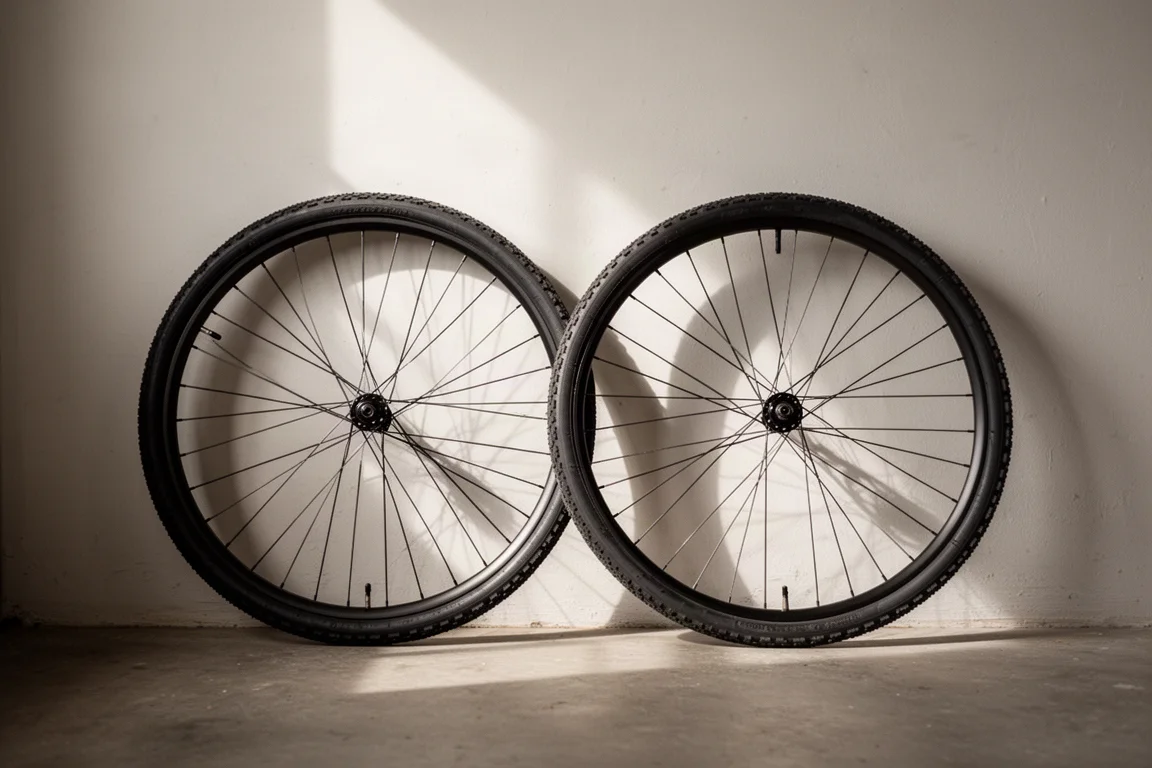
For very tall riders, the calculation is different. A more proportionally balanced wheel and frame size is a real, tangible benefit, and that group is where the standard makes its strongest case. Even then, the limited number of compatible bikes makes this a decision to approach carefully, and it is worth confirming frame and fork clearance before committing to anything.
Conclusion
750D is a thoughtful experiment that delivers a surprisingly normal, stable, and smooth ride. Its most convincing argument is fit for taller cyclists rather than outright performance, and the wider tire trend makes mainstream adoption unlikely in the near term. It is a niche proposition worth watching, not a standard most riders need to chase.
Product link
View more details for WTB 750D
This product is mentioned in the review. Check the specifications, options, and compatibility before buying.
View more details for WTB 750DFurther reading
Related Reviews
Gravel Bike Wheels
Campagnolo Levante Review: Carbon Gravel Wheels Built Around a Wider Rim
A practical look at the Campagnolo Levante carbon gravel wheelset, covering rim width, tubeless setup, ride feel, and who should consider the upgrade.
Gravel Bike Wheels
Shimano GRX Wheels Compared: Does Internal Rim Width Really Change Your Gravel Ride?
A practical look at how 21mm and 25mm internal rim widths change gravel tire shape, comfort, cornering control, and speed, using two Shimano GRX wheelsets as the reference.
Gravel Bike Wheels
Shimano GRX RX870 Gravel Wheelset Review: Carbon Rims for Mixed Terrain
A carbon gravel wheelset with a 25mm internal width, a 1,461g weight, and a wide tyre window. Here is what to check before you buy.