Cycling
WorldTour Team Bikes 2026: 21 Pro Race Bikes and What Sets Them Apart
A design-led look at 21 pro-level race bikes, from aero flagships to newer value-focused names, and the details worth checking before you buy.
Introduction
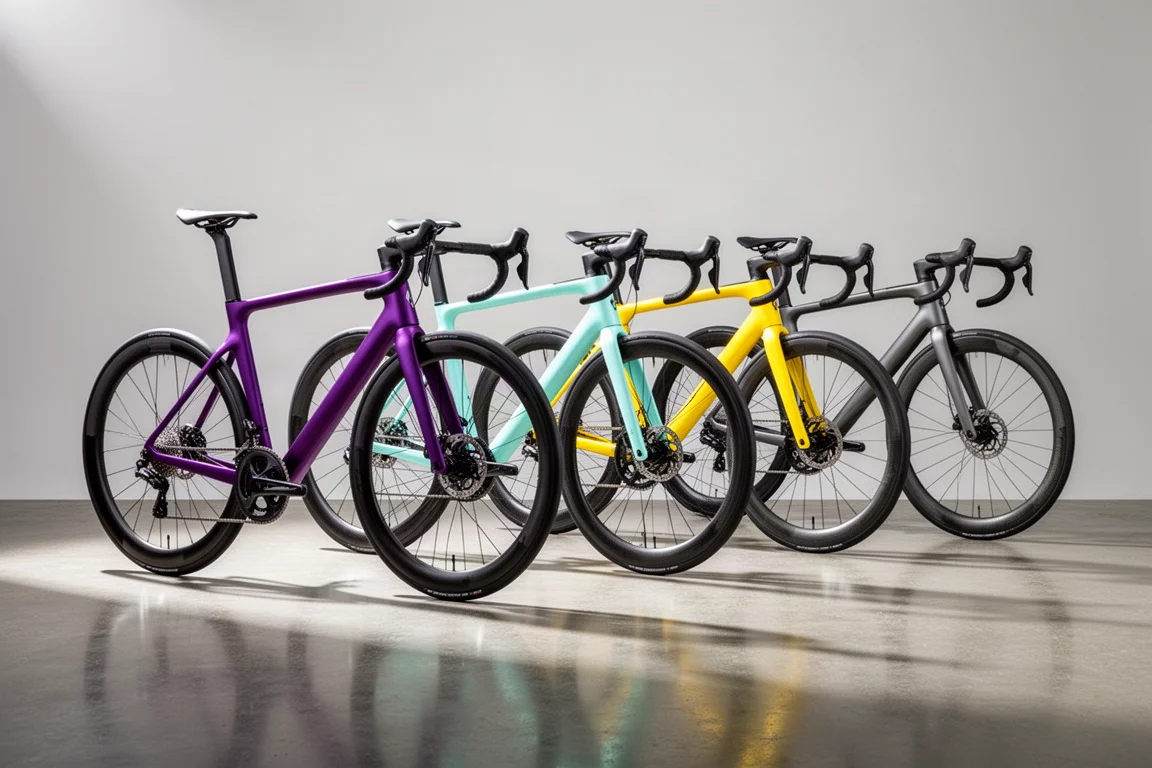
The modern pro race bike has converged on a single idea: make everything faster. Wide, flattened tube profiles, deep fork legs, deep-section wheels and fully integrated cockpits now appear across almost every team in the peloton, whether the frame is marketed as an out-and-out aero machine or as an all-round race bike.
This guide covers 21 bikes raced at the highest level of road cycling, from the most expensive machines in the sport to newer names and more accessible platforms. Rather than chase drag claims, it looks at what each bike actually is, how it is built, and which details matter when a rider is deciding what to buy.
What Defines a Modern WorldTour Race Bike
Almost every frame here shares the same design language: wide, flat tube sections, a deep fork, and a seat post shaped to slice through air. Brands that once offered a separate aero model now often ask one frame to cover everything, with the lightest climbing option kept in reserve for the steepest days.
The practical consequence is that the differences between these bikes are increasingly about finish, component choice, sizing and price rather than radically different performance philosophies.
A few details recur across the list and are worth watching for. Sizing matters more than most riders expect, because only some of these platforms go small enough for shorter riders. Integrated cockpits can limit adjustability, though at least one design here lets you widen or narrow the bar with a few bolts. Wheelset pricing also varies enormously, from around £1,300 to several thousand pounds for race wheels of broadly similar performance.
Cervélo S5: Visma-Lease a Bike’s Aero Flagship
Team Visma-Lease a Bike races the S5, the brand’s dedicated aero model. The tube profiles are deliberately wide and flat, and the fork is unusually broad, all in the service of reducing drag. One detail that stands out: the seat tube angle is 73 degrees on every size in the range. The team yellow finish is the most discussed part of the package, with a green-tinted yellow that divides opinion far more than the frame itself.
Specialized S-Works Tarmac SL8: Two Squads, One Frame
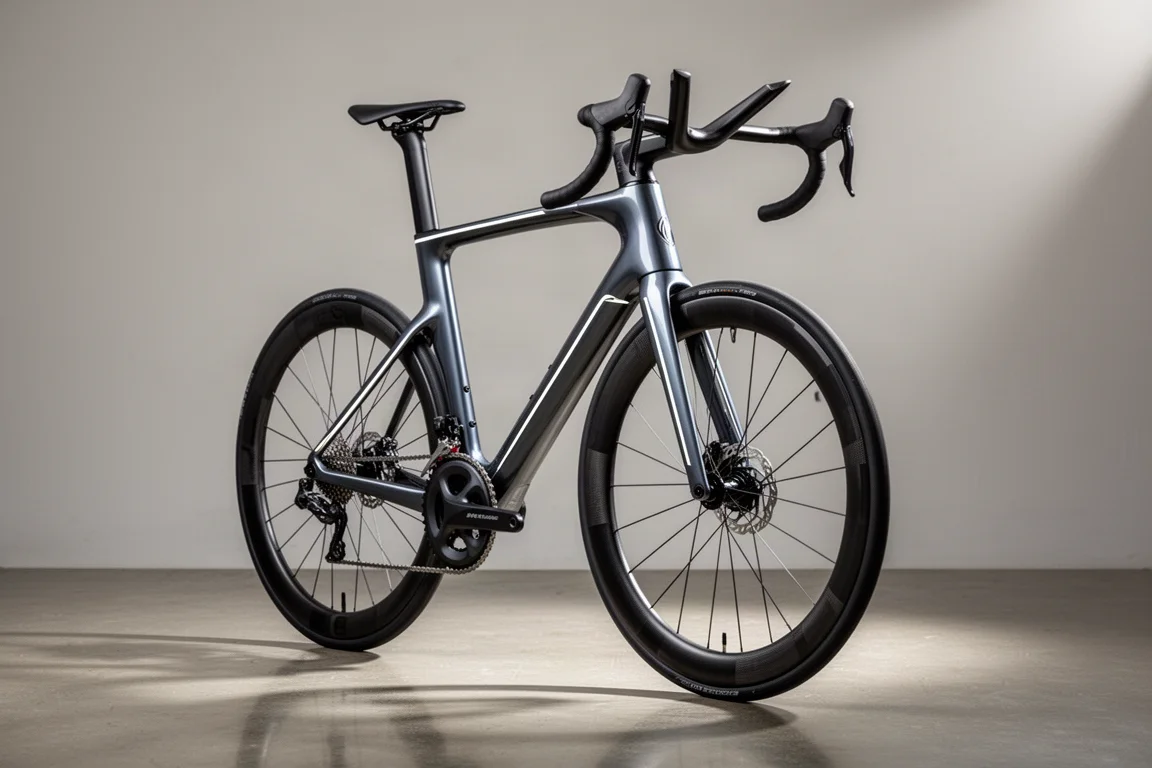
The S-Works Tarmac SL8 appears under two WorldTour teams, in very different liveries. One wears a teal and pink finish that photographs beautifully; the other is black with prominent Red Bull branding. The build is notably self-contained: tyres, Roval wheels, shoes, handlebar, stem, seat post and saddle all come from the same brand, which keeps the finished bike visually consistent.
Cannondale SuperSix EVO Lab71: EF Education-EasyPost
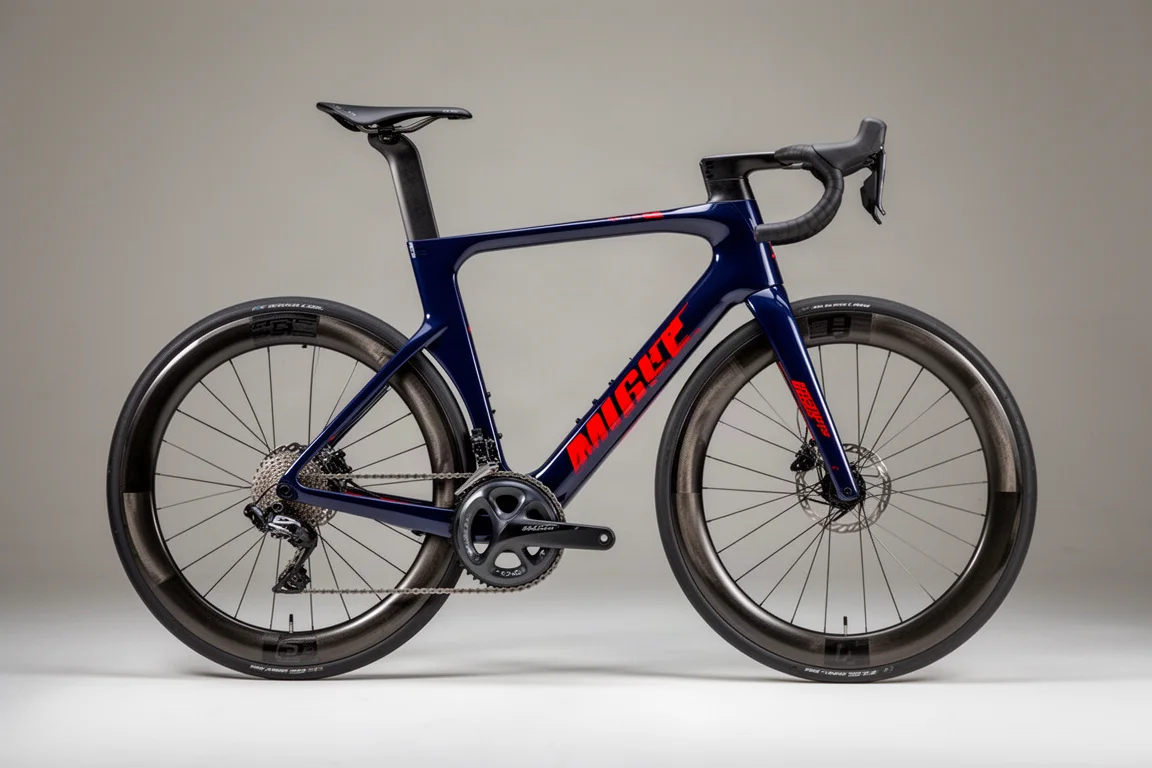
Lab71 denotes the top tier of carbon in Cannondale’s range. The team’s version is a sleek, dark machine with tan-wall tyres and pink bottles, and the branding is set in a restrained, classic typeface. Cannondale’s line-up now leans on this all-round frame rather than a separate aero model, so the same bike appears across climbing and flat stages alike.
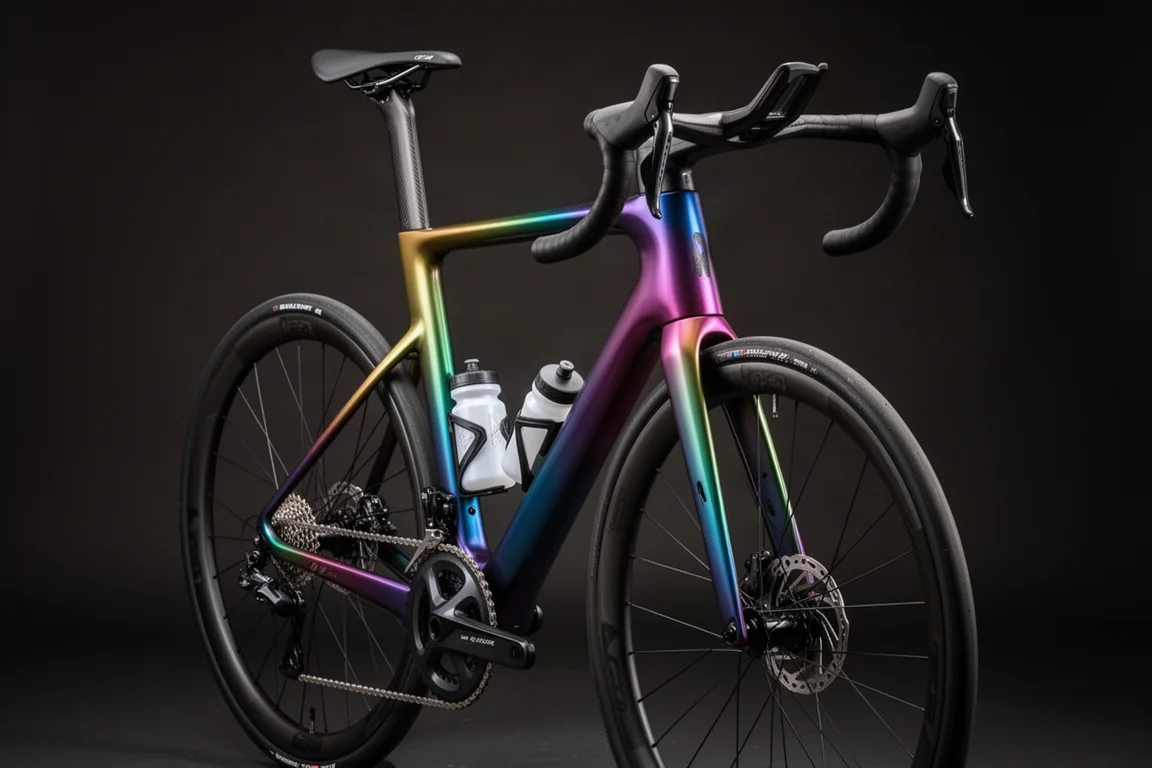
Colnago Y1RS: UAE Team Emirates-XRG
This is one of the most expensive bikes in the peloton, and one of the most visually extreme, with wavy tube sections that follow the brand’s long-running design language. A world champion edition carries rainbow stripes alongside the standard team finish. The shaped wheels are a highlight, while the frame itself remains a love-it-or-hate-it proposition for most riders.
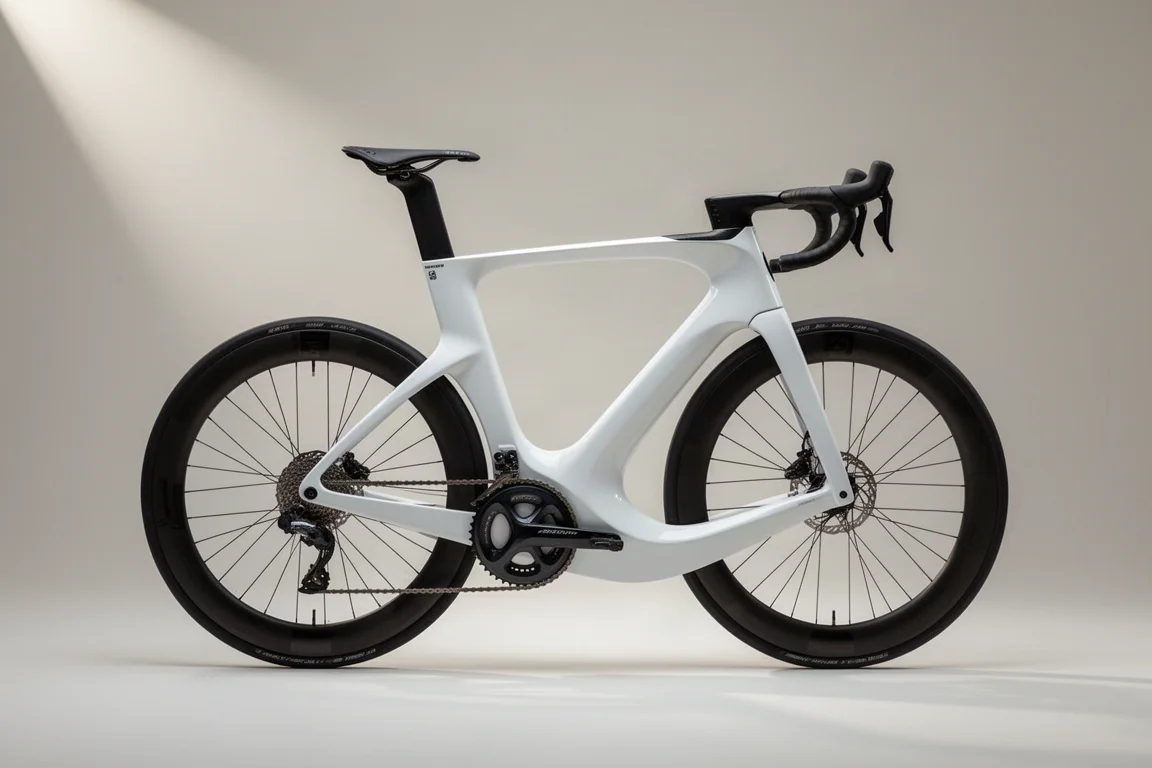
Cube Litening C:68X Aero: Intermarché-Wanty
At around $8,000, the Litening C:68X Aero sits among the more accessible WorldTour aero platforms. The frame shape is purposeful, the wheels carry a chrome-like reflective finish, and the paint runs through a fade from colour into black. Fade finishes are common across the peloton because they look premium without adding much cost to production.
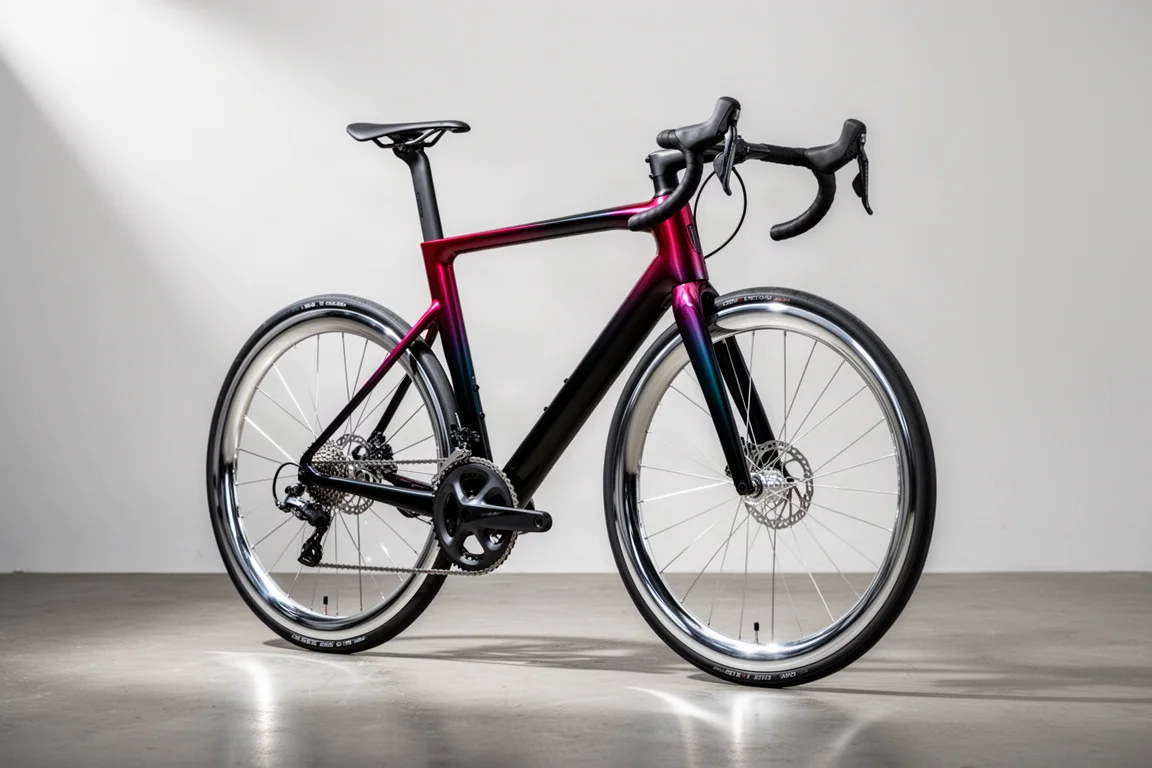
Merida Reacto: Bahrain Victorious
Merida builds the Reacto as a straightforward aero race bike, finished here in white with teal accents. The company’s role in the sport runs deeper than its own brand: it owns a substantial share of Specialized, reduced from close to half to roughly a third, and produces that brand’s high-end frames. The oversized down tube logo is partly hidden once a crank is fitted.
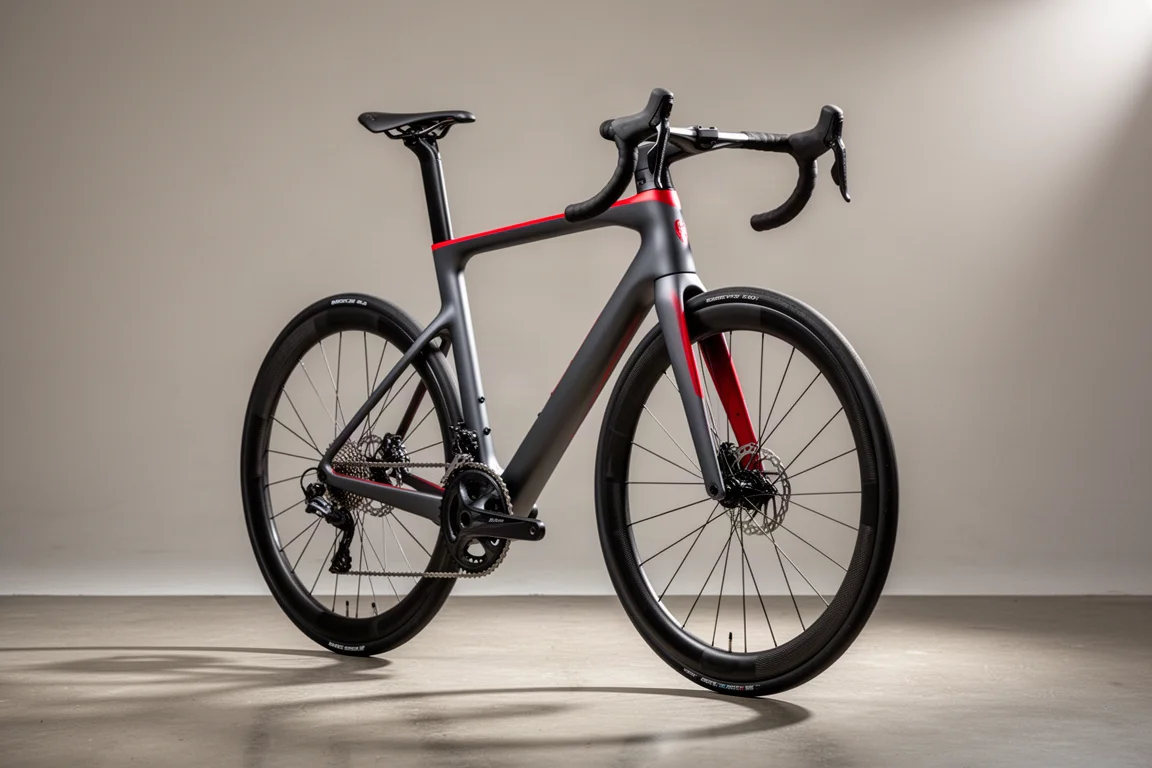
Pinarello Dogma F: Ineos Grenadiers
One of the few bikes here that sizes down far enough for smaller riders, with reach figures that suit shorter frames. The wavy tube profiles are a signature, and the paint fade on this version is more divisive than the frame itself. The handlebar is the standout component, widely regarded as the best available, though it costs roughly twice as much as a complete entry-level bike.
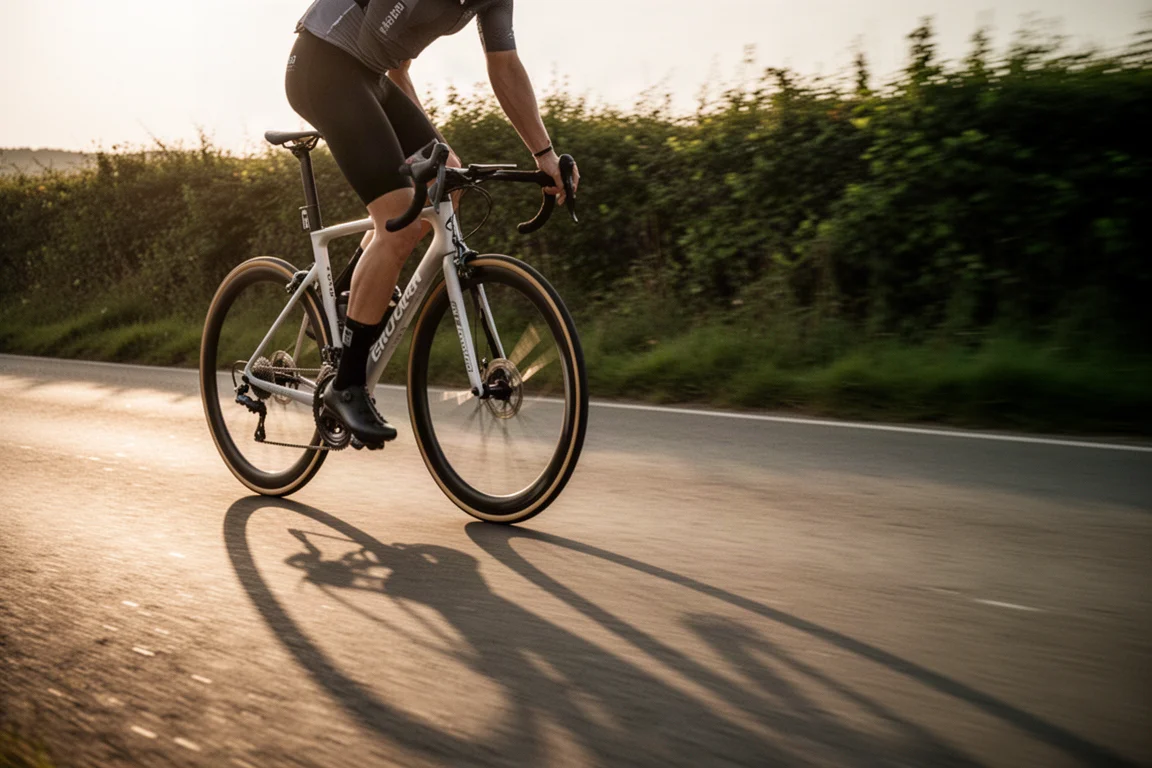
The Dogma F has been a fixture at the top of the sport for years, and the frame shape has changed relatively little over that time. For shorter riders, the availability of a genuinely small size is often the deciding factor when choosing between platforms that otherwise look similar.
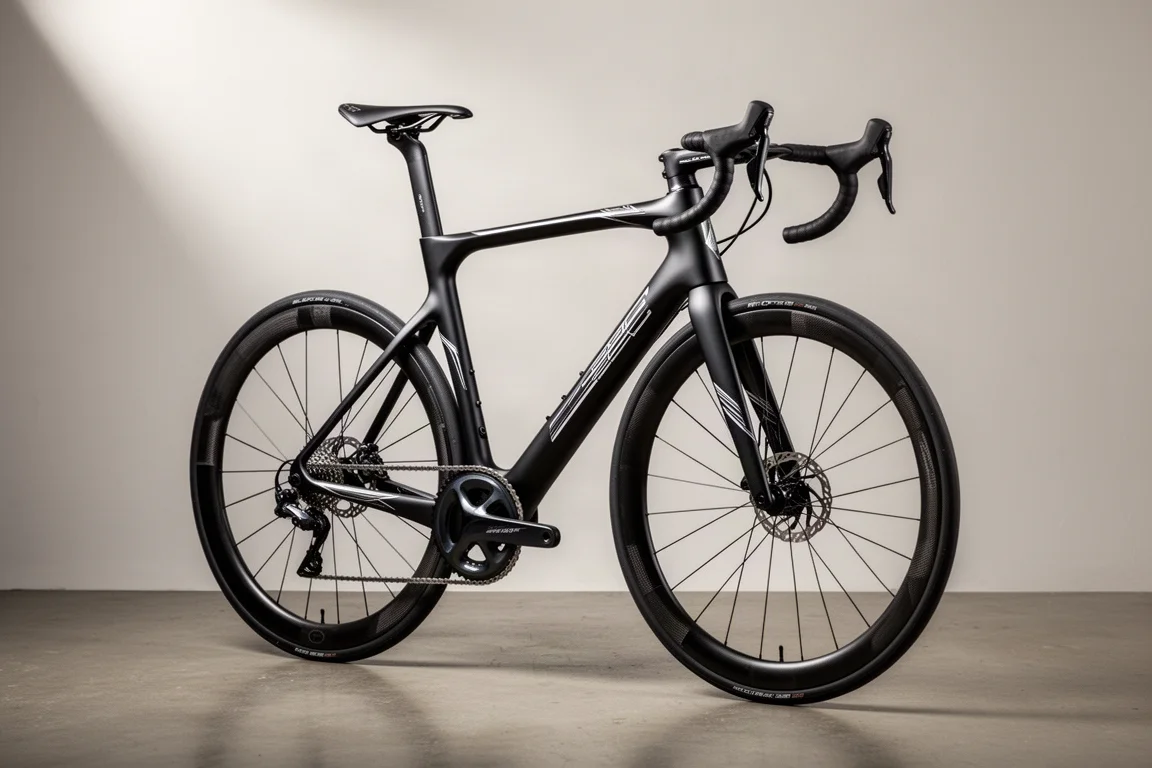
Trek Madone: Lidl-Trek
The Madone’s artist-inspired paint makes it one of the most distinctive bikes in the peloton, and the frame includes a signature cut-out detail that has become part of its identity. Trek also owns Bontrager, so the saddle, wheels and finishing kit come from within the same house, much as they do on the Specialized builds.
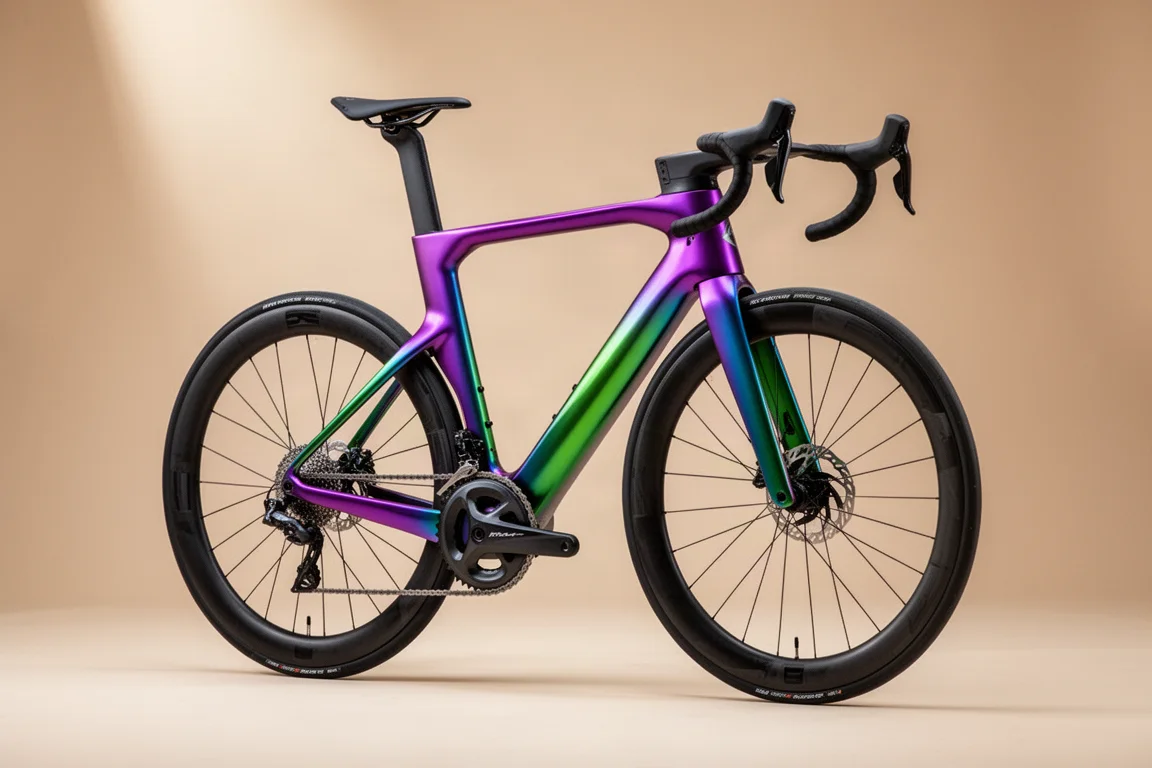
Wilier Filante: Groupama-FDJ
The Filante is Wilier’s aero option, paired within the team with the lighter Vertical climbing model. Wheels come from Miche, a brand Wilier also owns, and carry a small chrome accent. The model has carried several different liveries in recent seasons, including the one on which Mark Cavendish set his stage-win record.
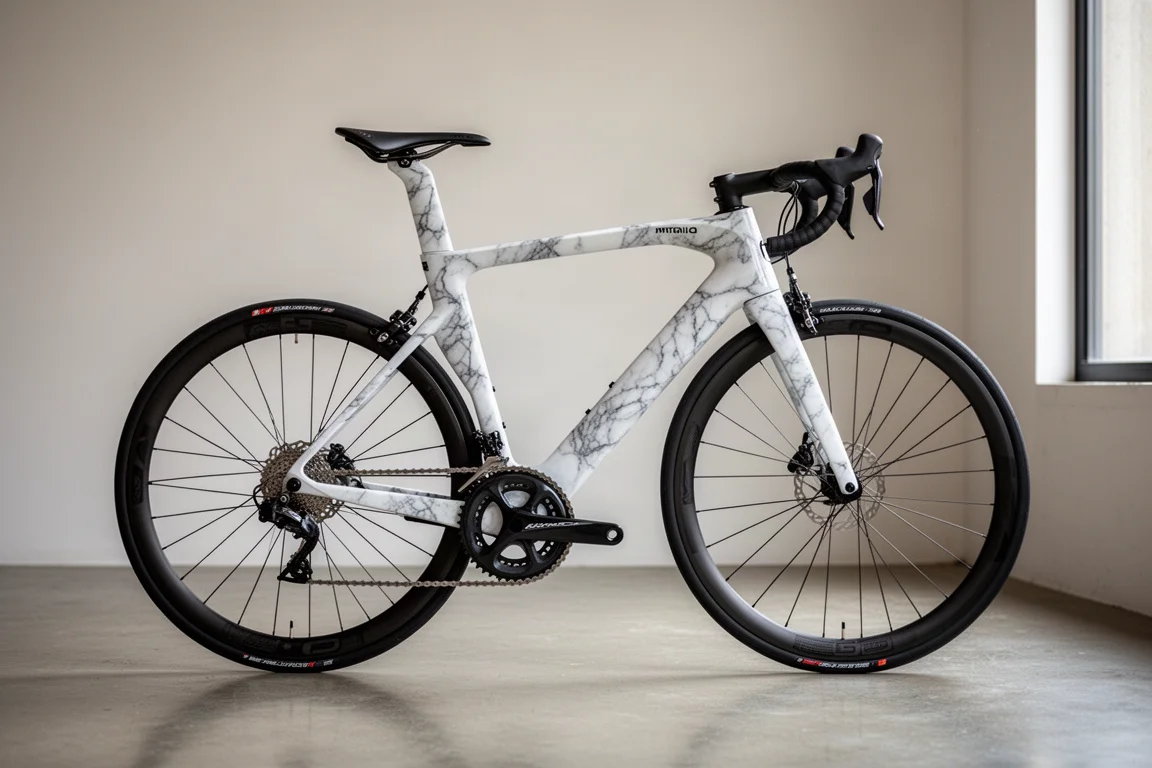
Canyon Aeroad CFR: Alpecin-Deceuninck and Movistar
Two teams race the Aeroad CFR, in very different finishes. The Alpecin-Deceuninck version wears a digital camo pattern that hides road grime well; the Movistar version is a very dark blue that reads almost black in photographs. The cockpit is the practical highlight: a few bolts allow the bar to be made narrower or wider, which is rare on a fully integrated aero set-up.
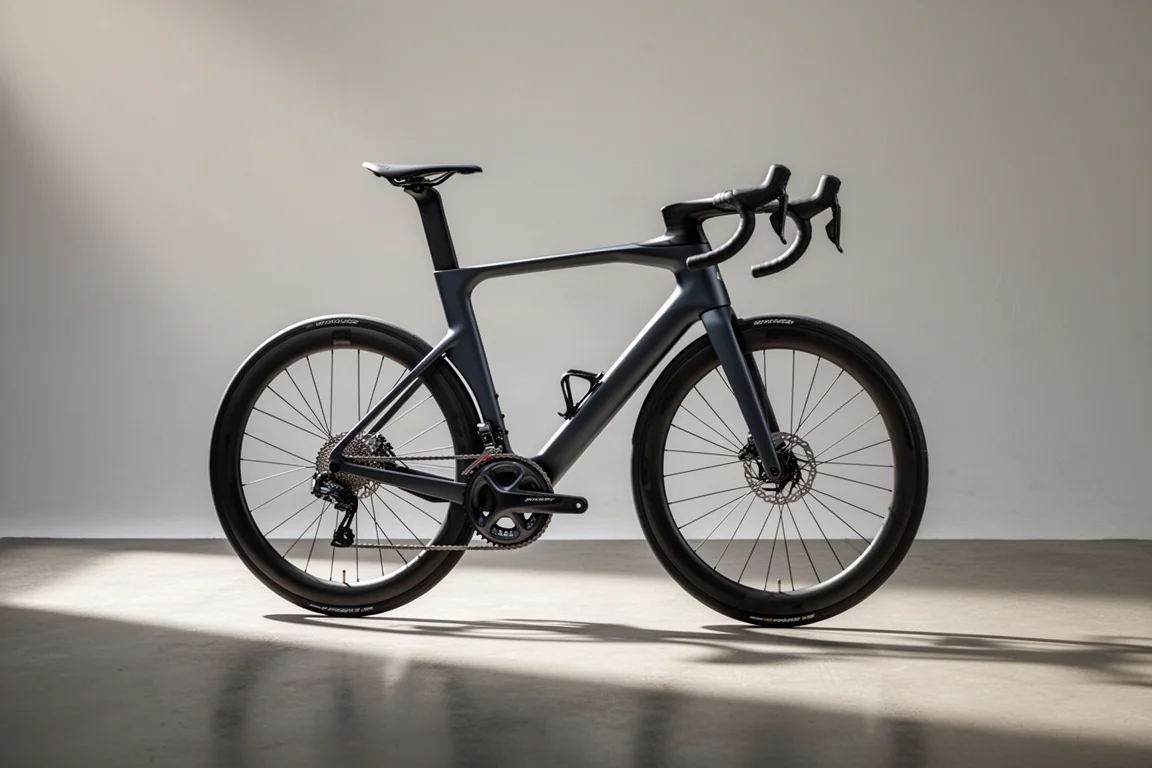
BMC Teammachine R1: Tudor Pro Cycling
BMC, short for Bicycle Manufacturing Company, returns to WorldTour sponsorship with the Teammachine R1. The build includes DT Swiss wheels, a 3D printed saddle and Time pedals, which use a leaf spring design that gives a different float feel from the Speedplay, Shimano and Look pedals used across most of the peloton. The frame is angular and modern, with red accents against a darker finish.
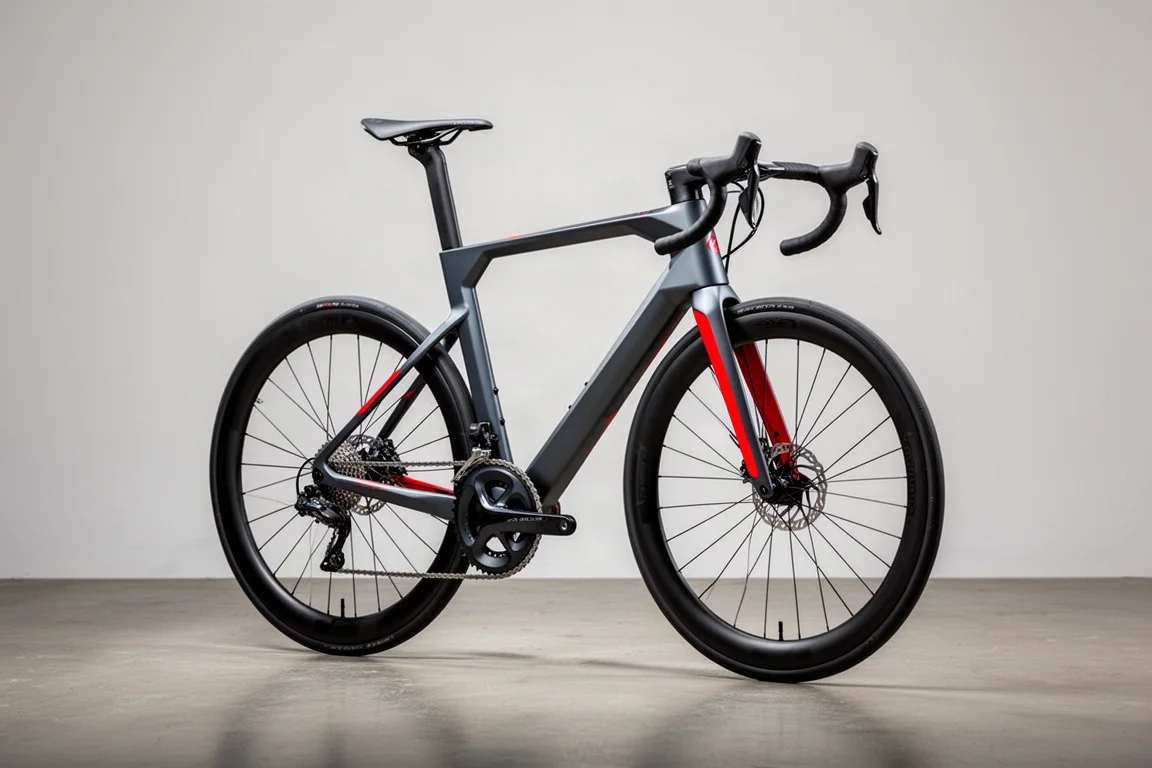
Giant Propel: Team Jayco-AlUla
Giant is the largest bike manufacturer in the world, and the Propel is its aero race platform. This version uses layered shades of purple that match the team kit, with CADEX wheels completing the build. The frame fades from purple into grey towards the rear, and the overall effect would be stronger in a single, consistent shade.
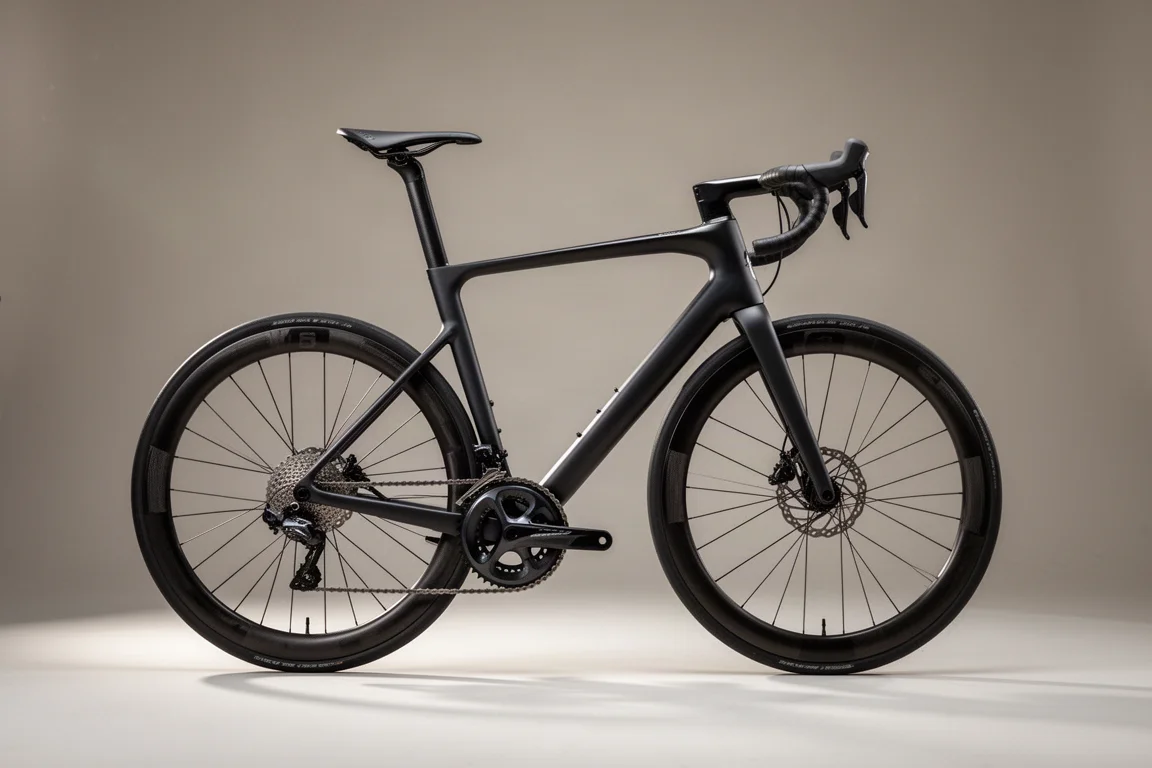
Bianchi Oltre RC: Arkéa-B&B Hotels
The Oltre RC launched with a front end that drew a strong reaction, and it remains an unconventional design. The frame is finished in Celeste, the brand’s signature colour, whose origins are still debated internally: military paint mixed with white, the sky above Milan, or the eye colour of an Italian queen are all offered as explanations. Tan-wall tyres and non-black bar tape add character.
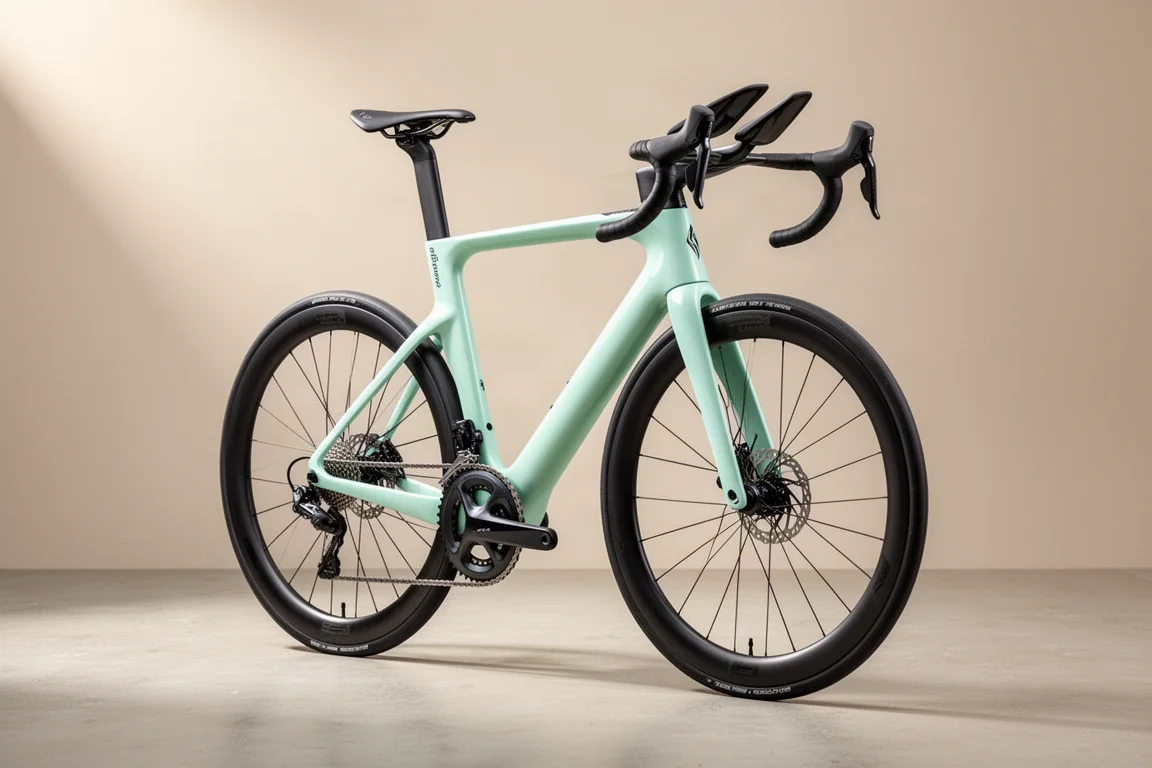
Van Rysel RCR-F: Decathlon AG2R La Mondiale
The RCR-F is Decathlon’s entry into the top level of road racing, and value is central to the story. The wheelset costs around £1,300, while comparable race wheels used elsewhere in the peloton can sell for £5,000 or more. The frame itself is a solid, well-rounded aero platform rather than a radical design.
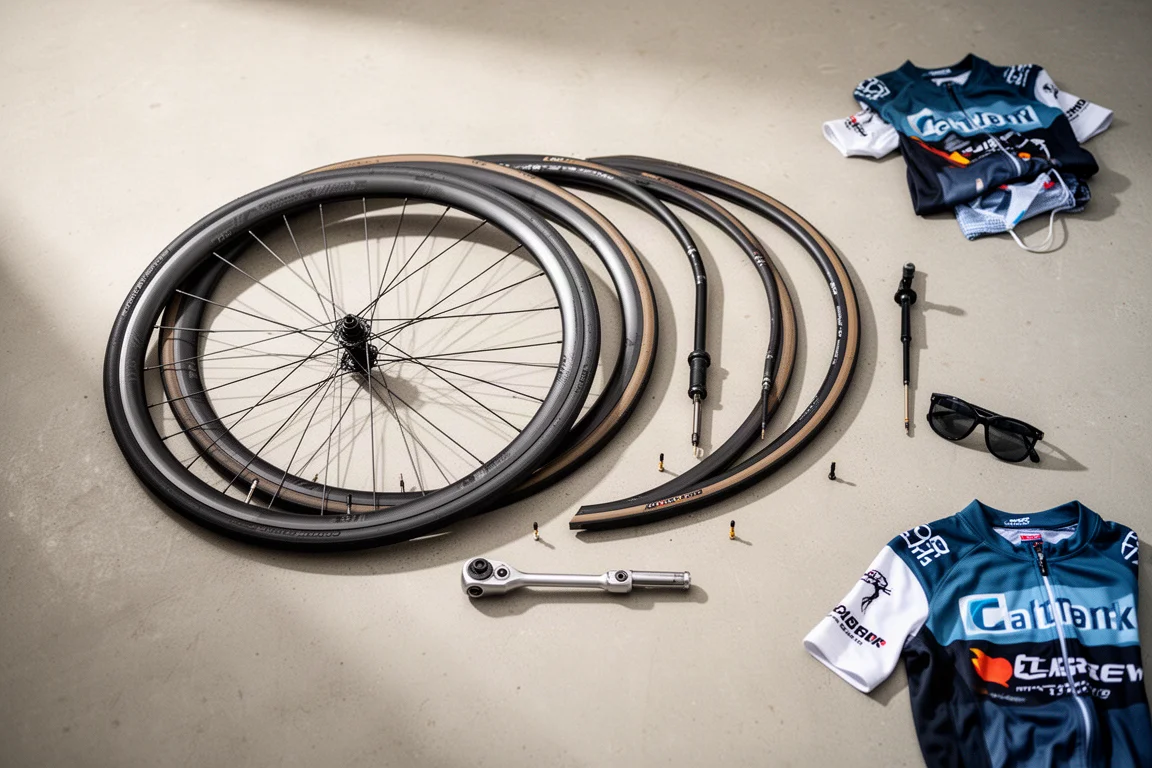
For riders who want WorldTour-level equipment without flagship pricing, this is one of the most sensible starting points on the list.
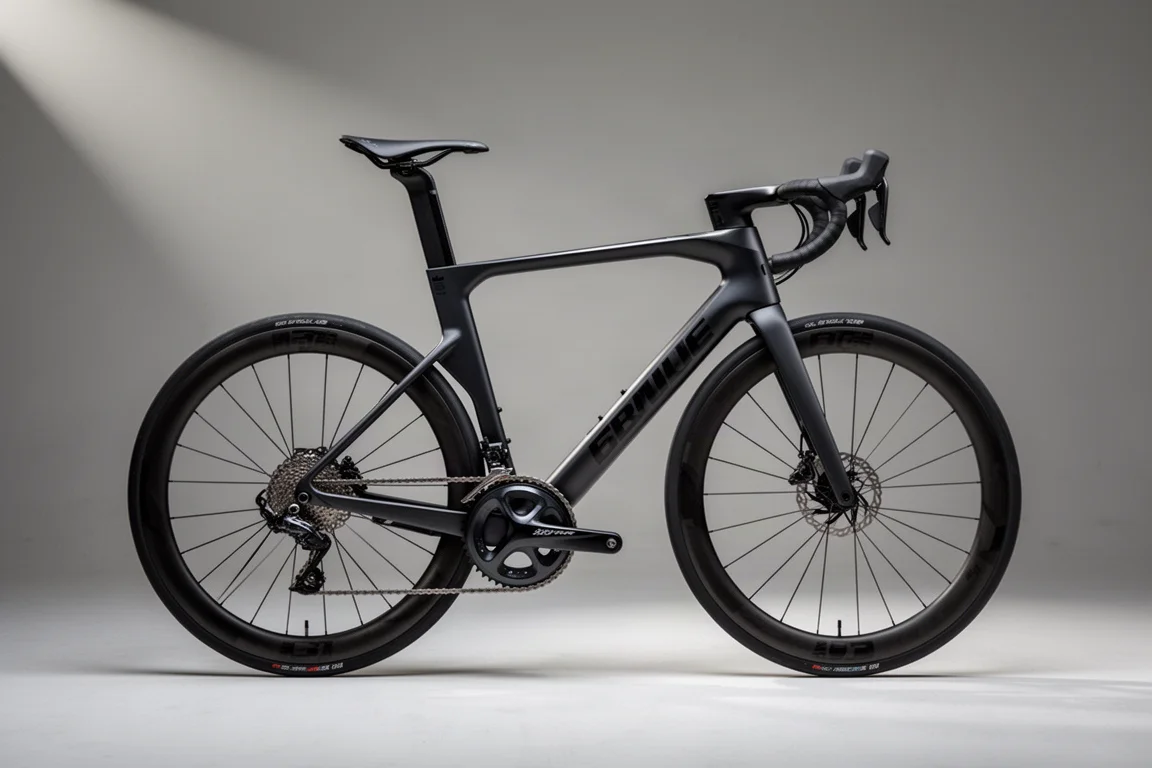
Look 795 Blade RS: Cofidis
This is the only bike in the peloton running Campagnolo components, from gears to brakes, which sets it apart from every Shimano and SRAM build here. Cofidis returned to the race after an absence, and the 795 Blade RS wears an artist-inspired finish that is more conservative than previous editions, with Campagnolo Bora wheels whose spoke detailing is a highlight.
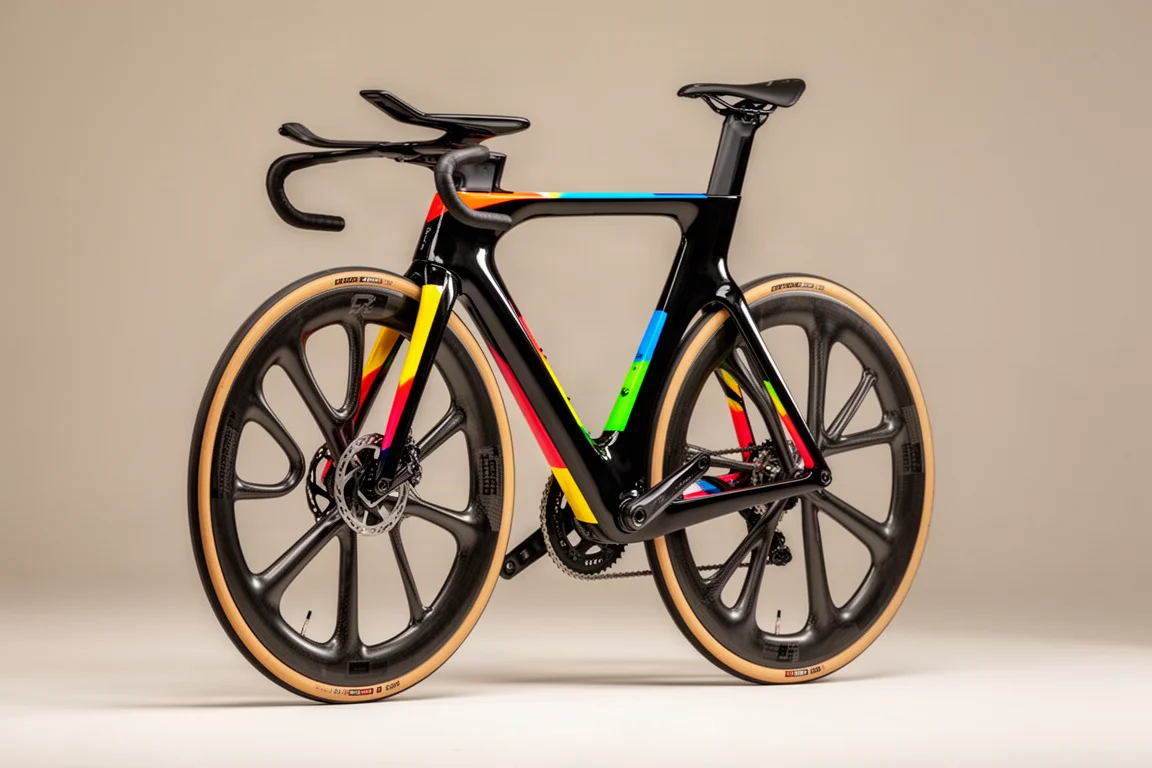
XDS XLAB 89: XDS Astana
The first fully Chinese-branded bike to reach the WorldTour, raced by XDS Astana after the team moved on from a long-established Italian sponsor. Pricing sits below the most expensive machines here, which makes it interesting for riders watching the top end of the market. The spongy paint effect on the frame looks unfinished, and the XLAB model name is difficult to search for.
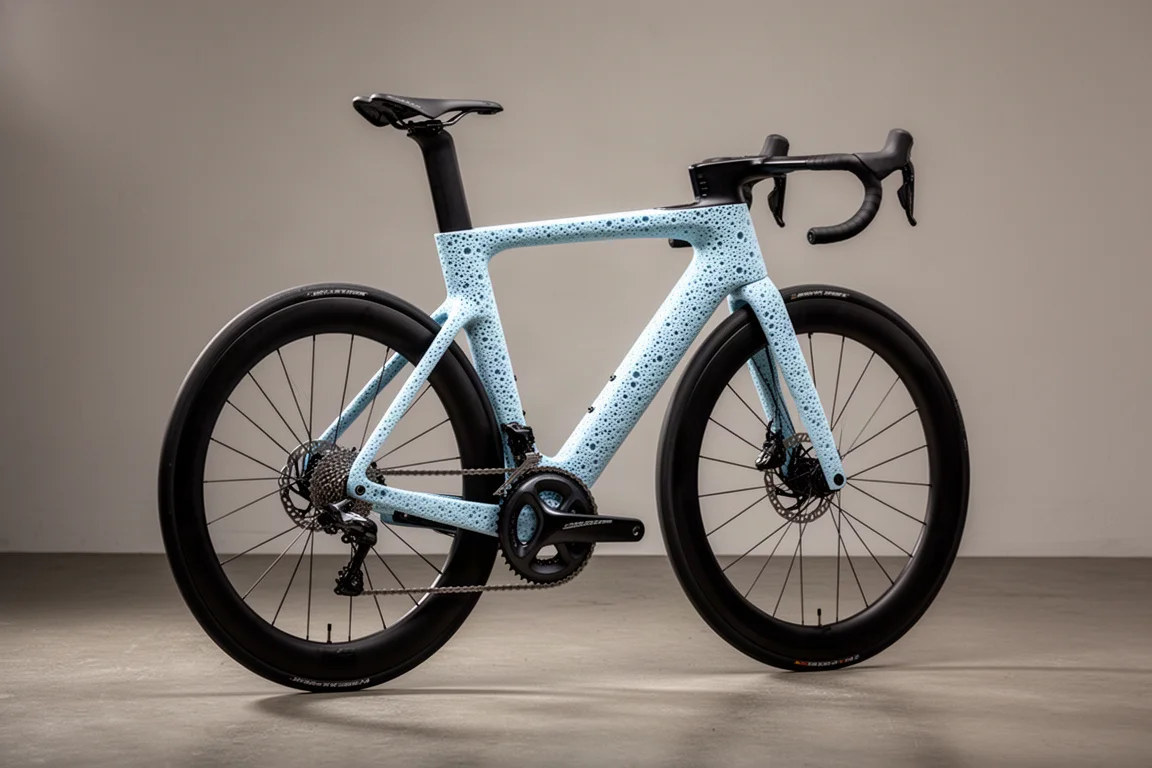
Enve Melee: Team TotalEnergies
Enve built its reputation on wheels before moving into frames a few years ago, and its wheels are still made in the USA. The Melee is a clean, well-finished race frame with a small turquoise accent near the bottom bracket. The TotalEnergies branding, however, looks like a sticker applied at the last minute, and the cockpit requires the bar top to be fitted backwards.
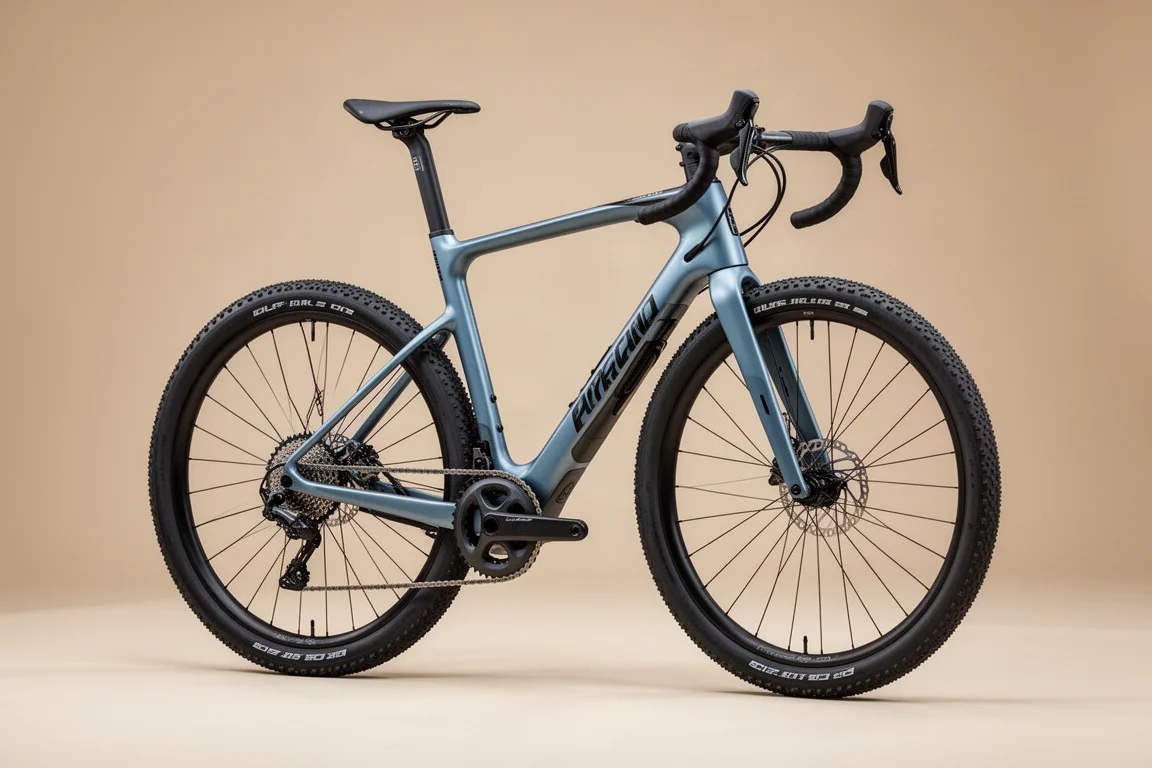
Lapierre Xelius DRS: Team Picnic PostNL
The Xelius DRS is a new all-round race bike with an extended seat stay that looks, as much as anything, like scaffolding. The design is intended to add comfort, and the bike is meant to cover both climbing and aero duties. Based on the brand’s other models, it is likely to be one of the more affordable options here.
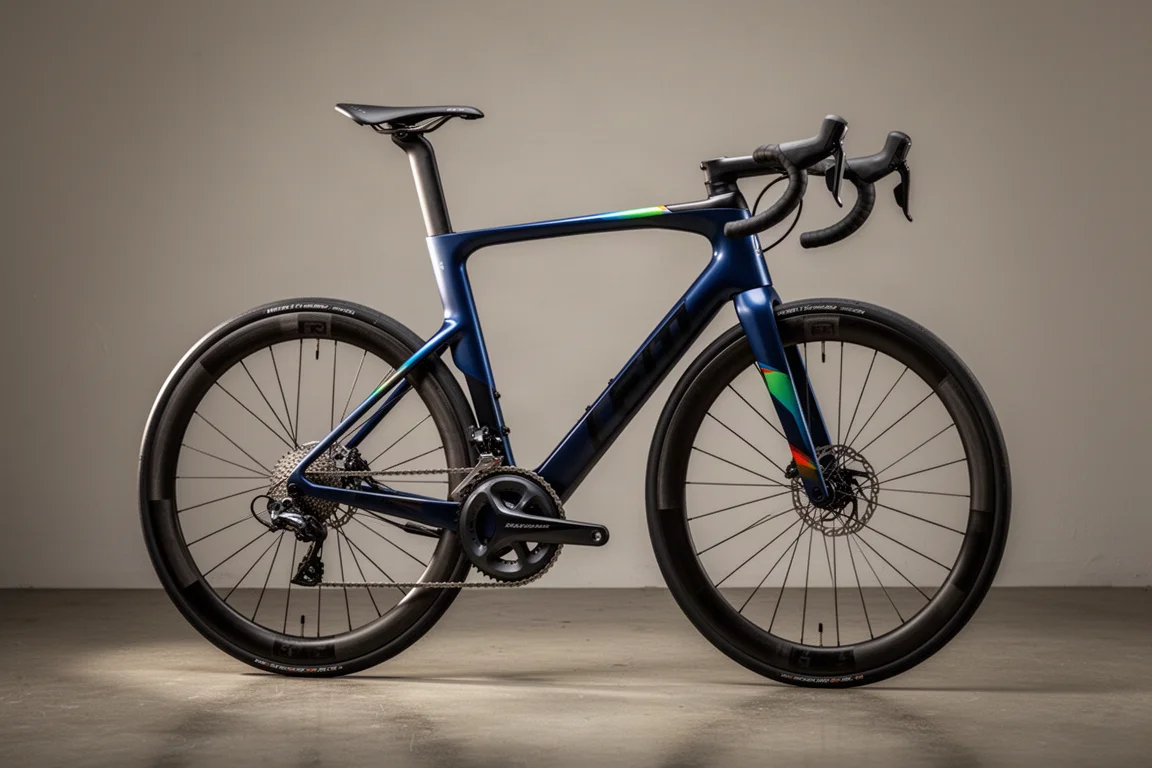
Factor Ostro: Premier Tech
The Ostro’s most striking technical detail is an extremely thin seat post, shaped to reduce drag. Wheels come from Factor itself and use chunky spokes, and the frame is finished in a paint scheme that reads like roses on water, with a chrome-effect logo. The glossy wheels sit slightly oddly against the matte frame.
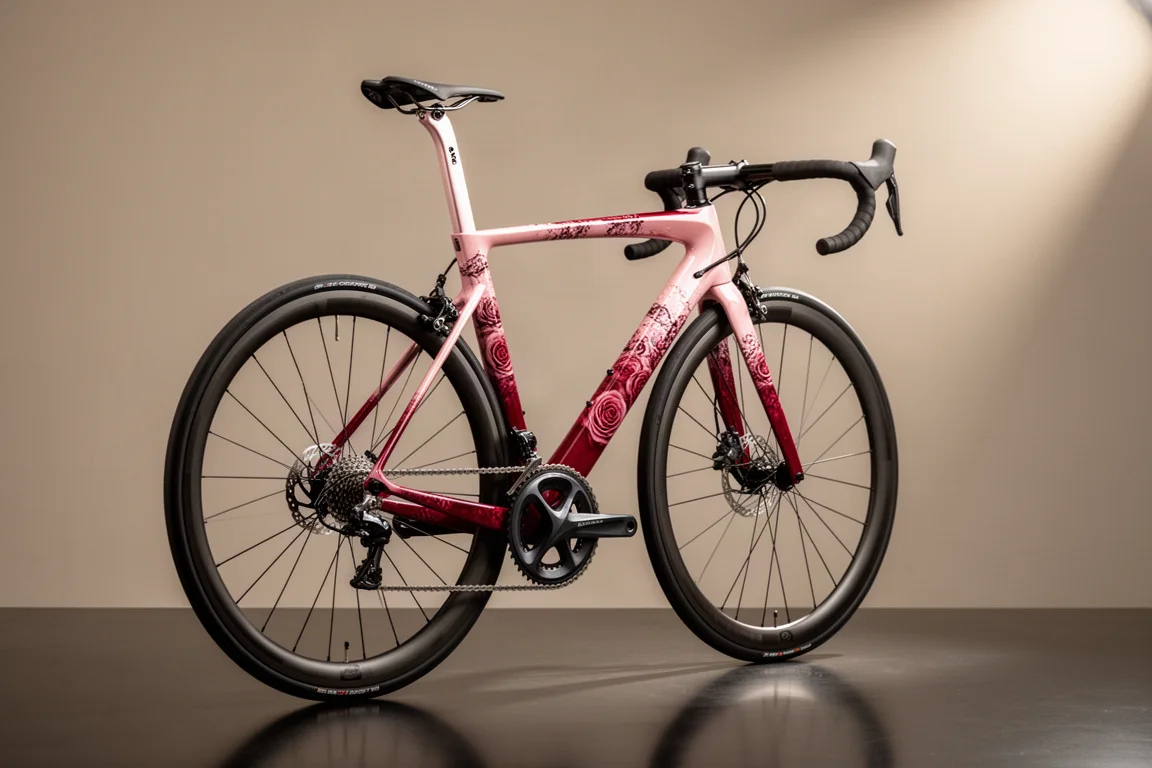
Orbea Orca Aero: Lotto
This bike is available to buy as a team replica, and the replica build can include the shaped bottles that act as fairings, along with a small tool pack under the down tube. Those bottles are not permitted in racing. The frame is a familiar aero silhouette, and the red accent on the finish does not match the surrounding maroon.
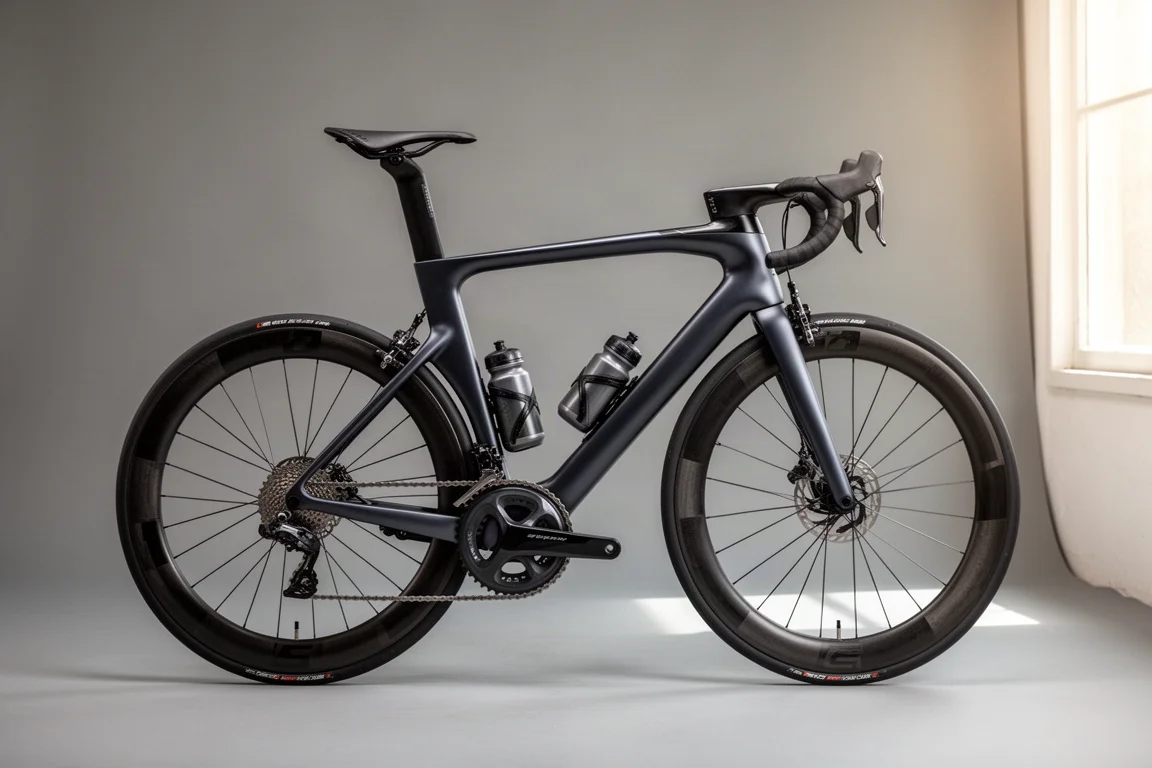
Ridley Noah Fast 3.0: Uno-X Mobility
The Noah Fast 3.0 has an oversized head tube and aggressive aero shaping, finished in a yellow and black fade. The team runs a third-party oversized pulley wheel on the rear derailleur, a modification that can improve efficiency but frequently disturbs shifting, which is worth knowing before adding one to a road bike. The frame is striking, and the fade finish will not suit everyone.
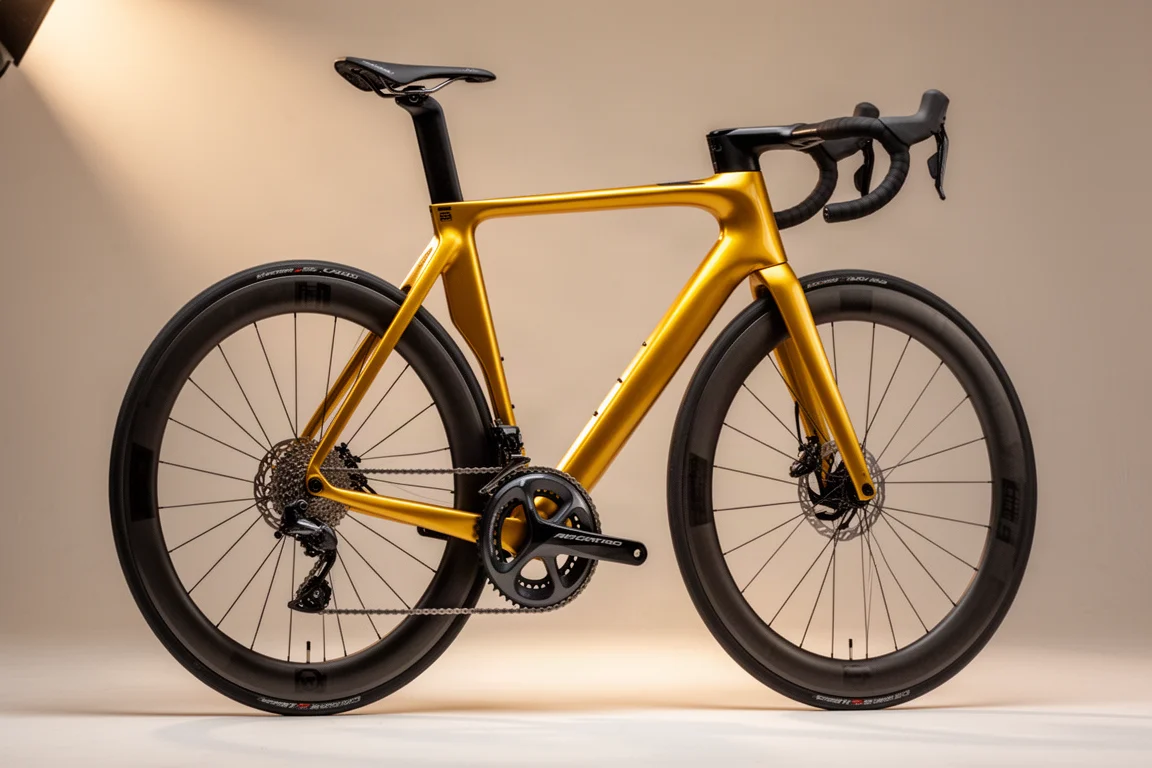
Overall Buying Advice
Two things separate these bikes in practice: fit and finish. Several of the platforms here do not go small enough for shorter riders, and Pinarello’s sizing is the notable exception. Check the geometry charts before anything else, because a race frame that does not fit will never feel fast.
Component choice matters just as much as the frame. Integrated cockpits look clean but limit adjustment, while wheelsets vary enormously in price for broadly similar performance. If a bike already ships with well-regarded wheels, that is real value you do not have to add later.
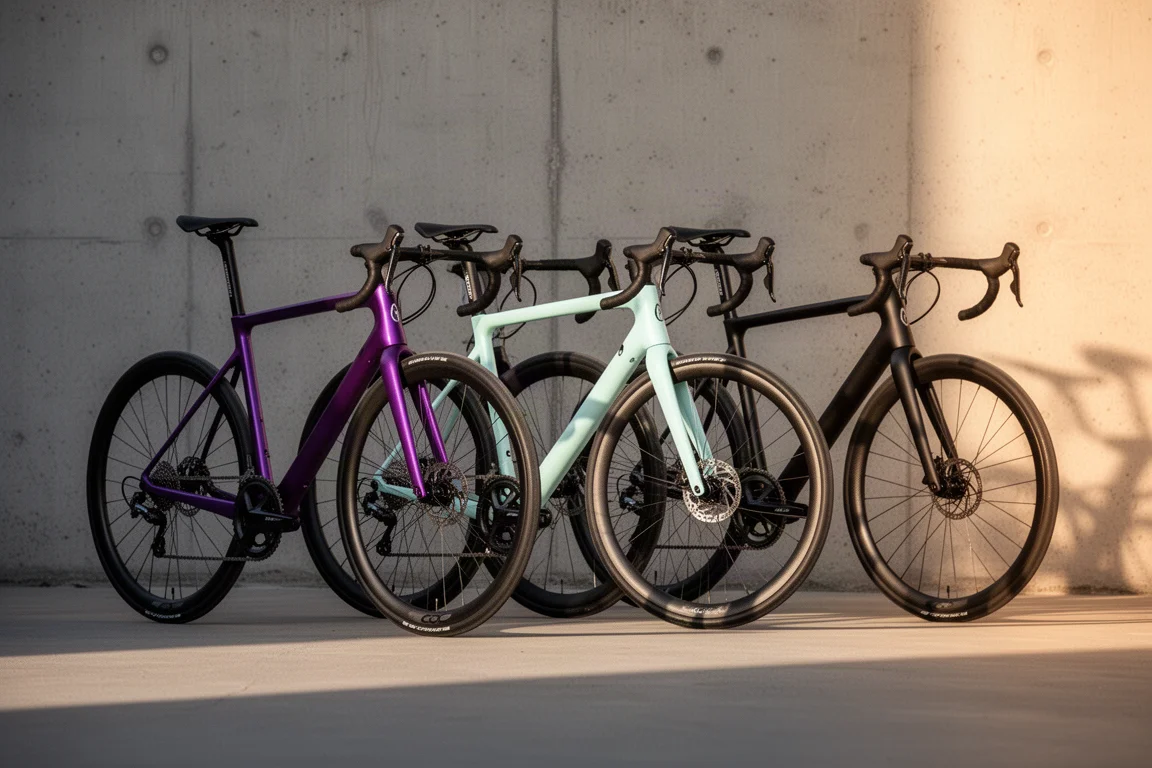
Finally, decide how much you care about paint. Fade finishes, artist editions and sponsor liveries dominate this list, and they are the single biggest reason two riders will rate the same frame completely differently. Buy the finish you will still enjoy looking at after a long season.
Conclusion
Across 21 bikes, the underlying engineering has converged. The interesting differences are in sizing, cockpit adjustability, component ecosystems and the finish on the frame. Riders who start with fit, then weigh wheels and cockpit practicality, will end up with a better bike than those who chase the fastest-looking tube profile.
Further reading
Related Reviews
Cycling
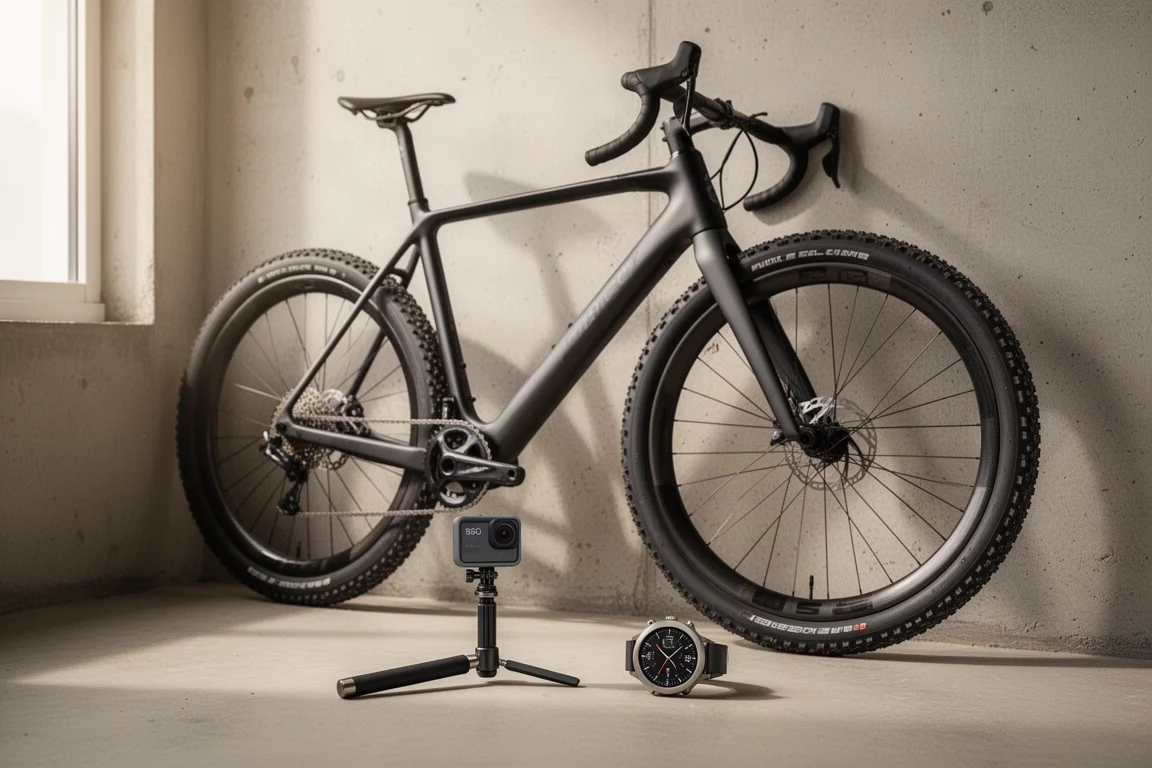
2026 Bike of the Year and the Cycling Gear Worth Watching
A drop bar roundup for 2026 covering the Ridley Kanzo Fast 2.0, Shimano Dura-Ace Di2 R9300, Trek Checkpoint ALR Gen 3, Specialized Tarmac SL9, Garmin Fenix 9 and Insta360 X6.
Cycling
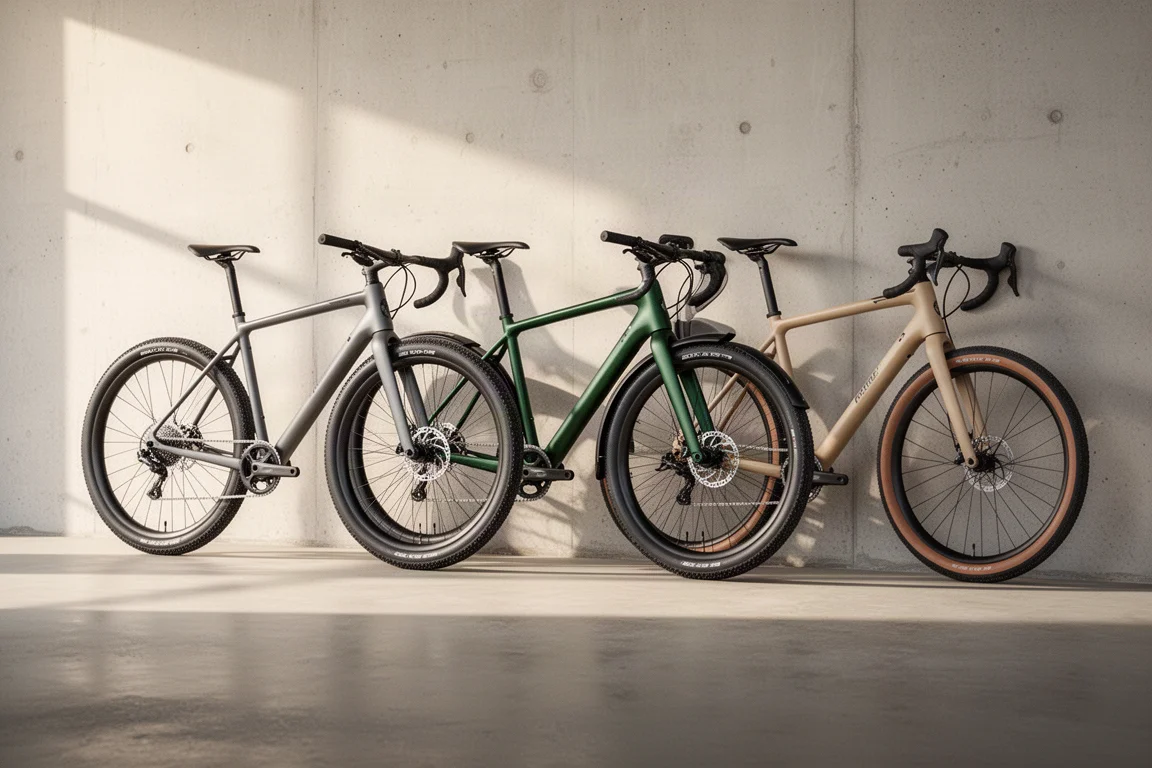
Best All-Road Bikes 2026: Six Versatile Endurance Road Bikes Worth Considering
A practical look at six all-road and endurance road bikes, from lightweight carbon speed machines to steel all-rounders and comfort-focused mile eaters.
Cycling
Best All-Road Bikes 2026: 8 Endurance Bikes for Road and Light Gravel
Eight all-road bikes that blur the line between endurance road and light gravel, compared on tire clearance, ride character, practicality, and value.