Bike Tools
Workshop Tools Nobody Needs But Everybody Wants: Bike Mechanic Tools Worth Coveting
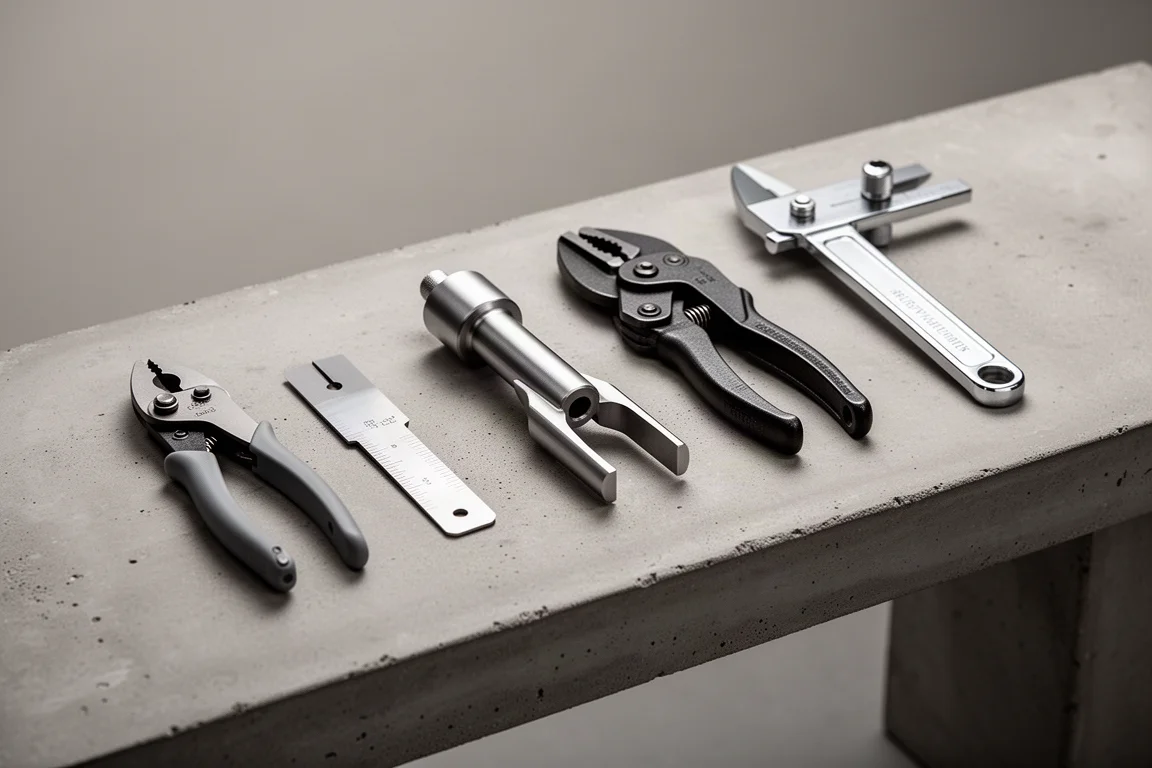
Thirteen workshop tools that no bike mechanic strictly needs, from a $19.99 zip tie cutter to a shop-grade truing stand, and the small problems each one quietly solves.
Introduction
There is a whole category of workshop tool that sits somewhere between essential and indulgent. It does one job, it does that job beautifully, and it costs far more than a careful mechanic would ever need to spend. Nothing breaks if you never buy one. Very little improves if you do, except the time you spend working on bikes.
The tools below cover brake wear checks, piston resets, thread identification, hub service, cable finishing, seized fasteners, hanger alignment, wheel building, and disc brake facing. Every one of them has a cheaper alternative that works perfectly well. Each one also removes a small irritation in a way that is hard not to appreciate.
What Makes These Workshop Tools Worth Owning
A tool earns a place on the bench in one of three ways. It removes guesswork, so you stop estimating wear or thread pitch by eye. It protects something expensive, whether that is a rotor, a brake piston, or a frame. Or it simply makes a repetitive job faster and more consistent. The tools in this roundup do at least one of those things, and a few of them do all three.
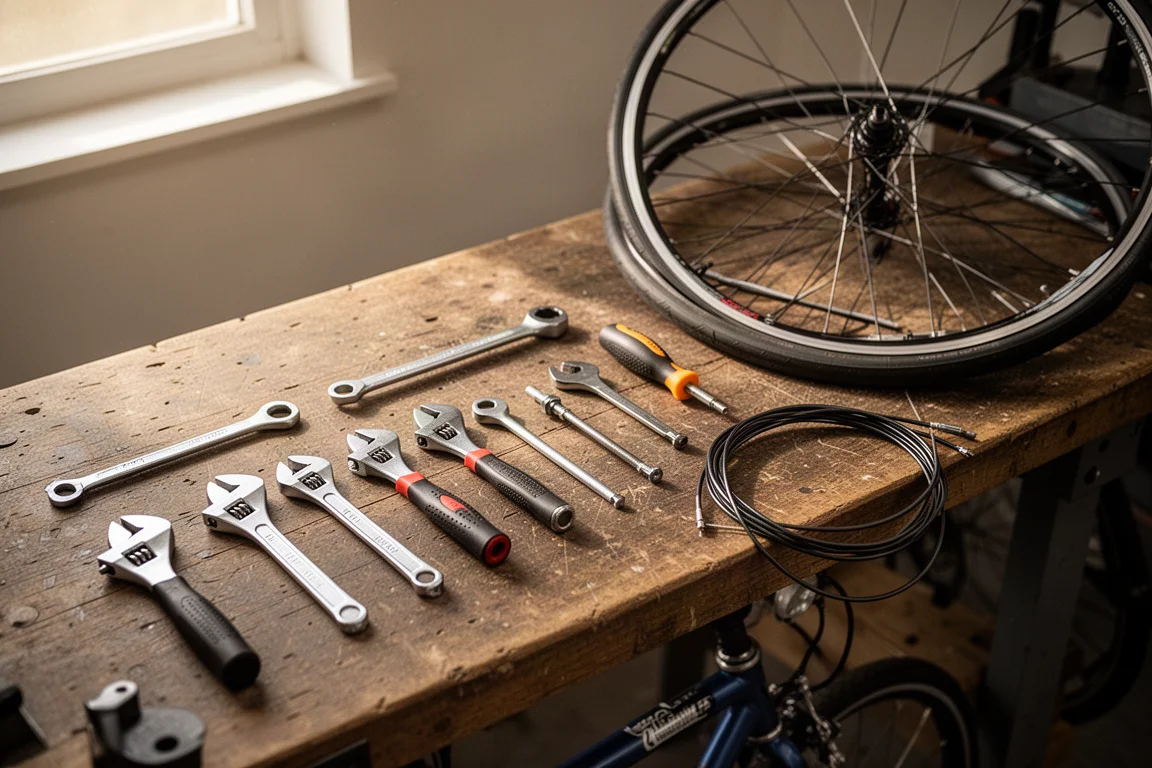
Price and necessity are separate questions, and it helps to treat them that way. A flush cutter for zip ties costs about as much as a couple of inner tubes, while a professional truing stand or a disc brake facing tool is a serious workshop purchase that only makes sense in a setting where it gets used constantly. The useful question is not whether a tool is essential, but how often the job it performs comes up in your own workshop.
Jagwire Sport Zip Tie Cutter
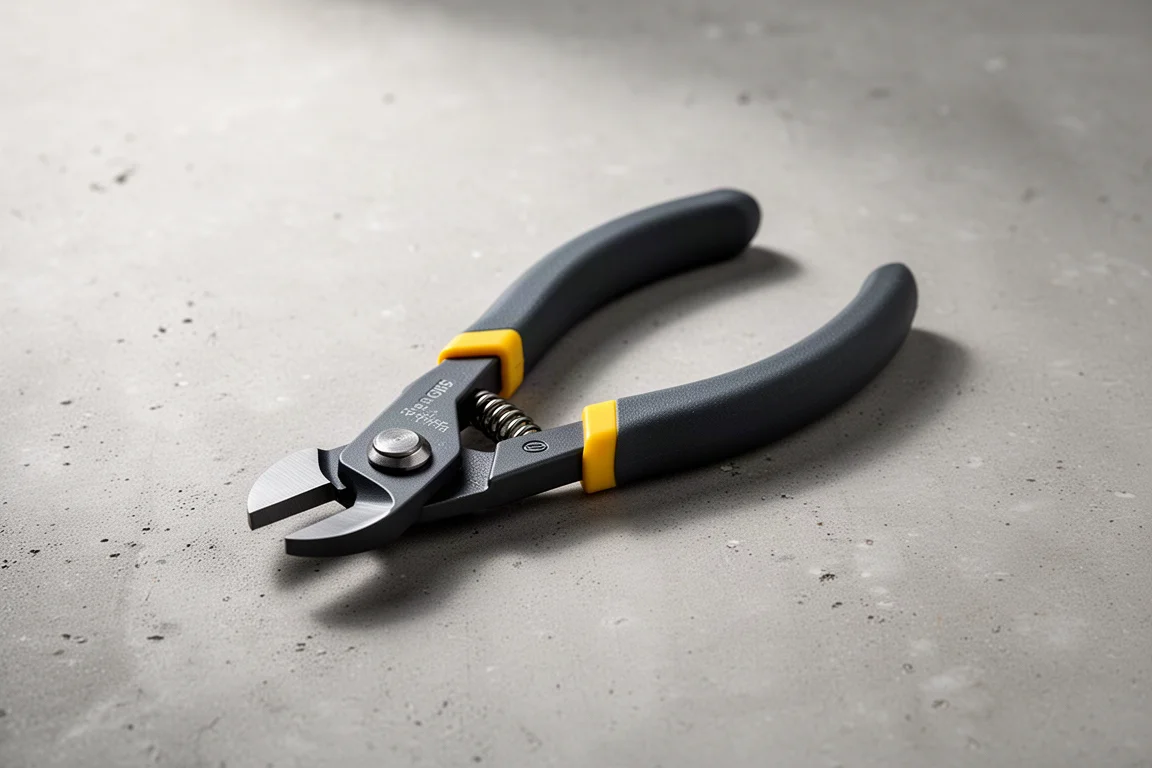
Zip ties are everywhere on a bike: cable routing, bottle cages, mudguards, race numbers. Cutting them with ordinary side cutters leaves an angled spike that will find your forearm, your leg, or your frame’s paint sooner or later. The Jagwire Sport Zip Tie Cutter makes a flush cut instead, leaving a rounded edge that sits flat against whatever it is holding.
At $19.99 online it is one of the least expensive tools in this roundup, and it is easy to dismiss as a single-purpose novelty until you have one within reach. For anyone who builds up bikes or routes cables regularly, it is the sort of small purchase that quietly removes a recurring annoyance.
Birzman Disc Brake Pad Wear Indicator
Brake pads have a limit, and running them all the way down to the metal backing is an expensive mistake because it destroys the rotor along with them. Pads still have a thin layer of material left when they are genuinely finished, and judging that by eye is difficult.
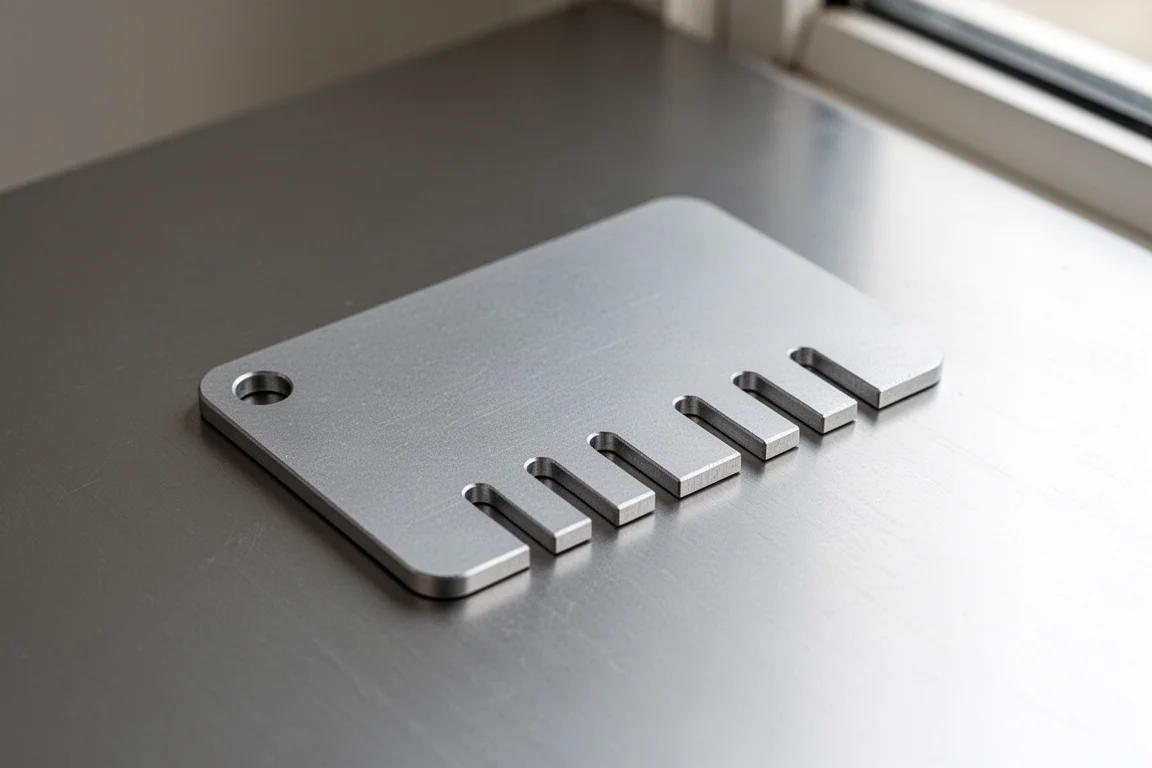
The Birzman pad wear indicator works by selecting the pad shape you are checking, whether that is Shimano, SRAM, or another common pattern, and slotting the gauge over the pad. If the pad slides all the way in, it is worn out. If it stops short, there is life left. It costs around $22 and turns a judgement call into a yes or no answer.
Birzman Rotor Wear Indicator
Rotors wear thin with use, and once they drop below the manufacturer’s minimum thickness they should be replaced. Measuring that with vernier calipers is possible but fiddly, and it only works if the calipers are accurate and the reading is taken in the right place.
The rotor gauge takes a different approach. Pick the brake brand, offer the gauge to the rotor, and see whether it slides on. If it does, the rotor is worn. If it does not, the rotor is still within spec. It costs around $32 and takes a couple of seconds.
SRAM Piston Spreader
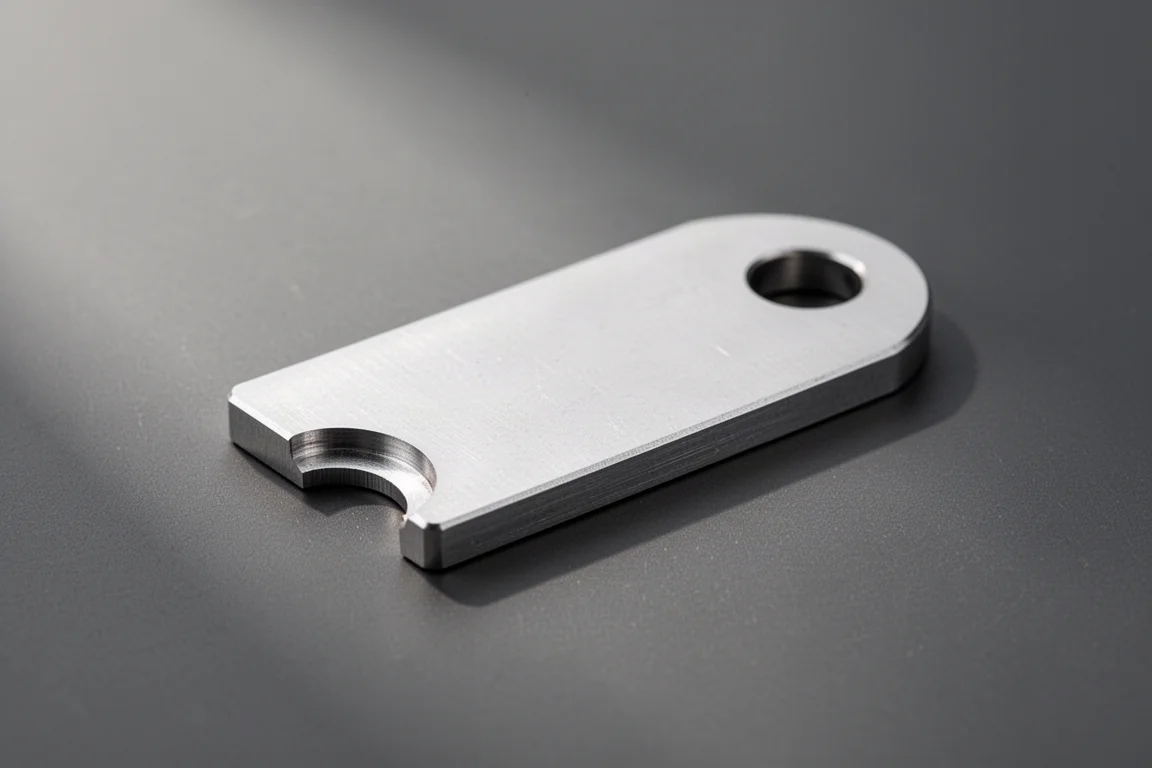
Resetting brake pistons is one of those jobs where the improvised solution has real consequences. A plastic tyre lever or wedge will push the pistons back most of the time, but it usually sits at an awkward angle, and forcing it can damage a piston.
The SRAM Piston Spreader drops into the caliper and screws the pistons back evenly until they stop. If it gets tight, a 5 mm Allen key slots into the end for extra leverage. At $91 it is expensive for what it is, and it is built around SRAM calipers only, so it makes little sense for a home workshop with one bike.
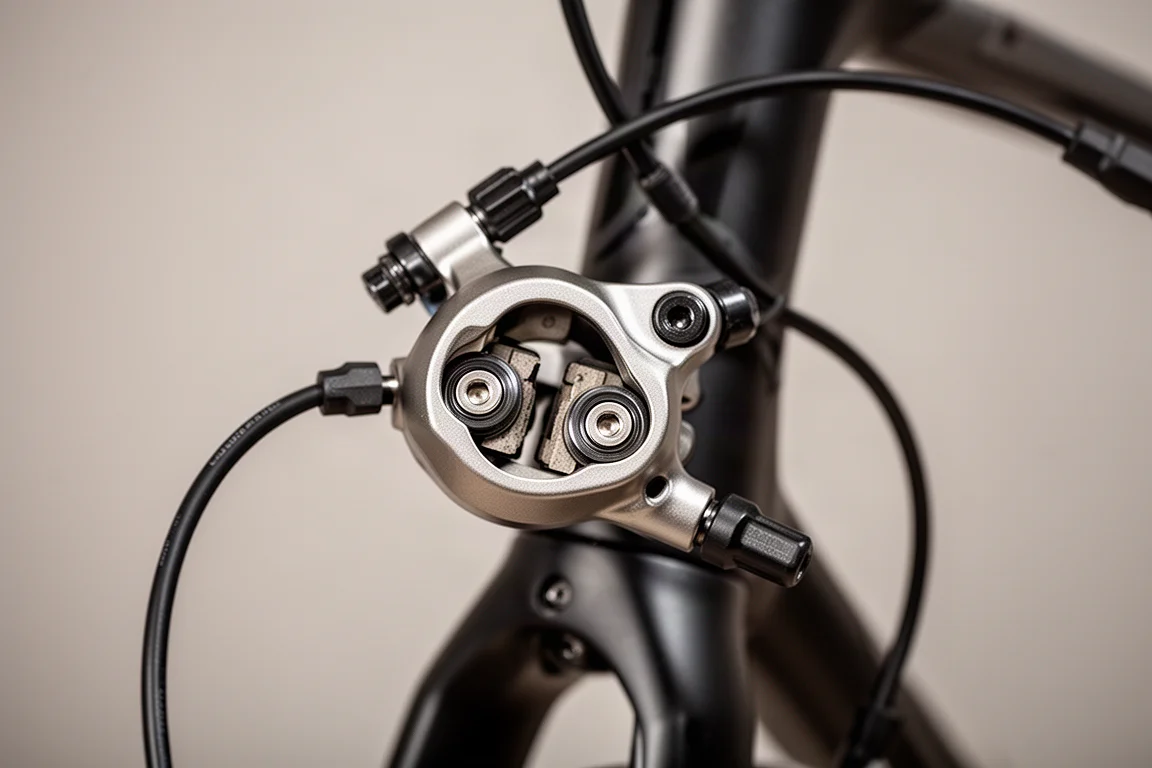
In a shop where calipers are reset every day, though, it is a genuinely pleasant tool to use. It is worth checking which brake calipers you actually own before considering this one, since the design is specific to a single brand’s piston layout.
Wheels Manufacturing Through Axle Ruler
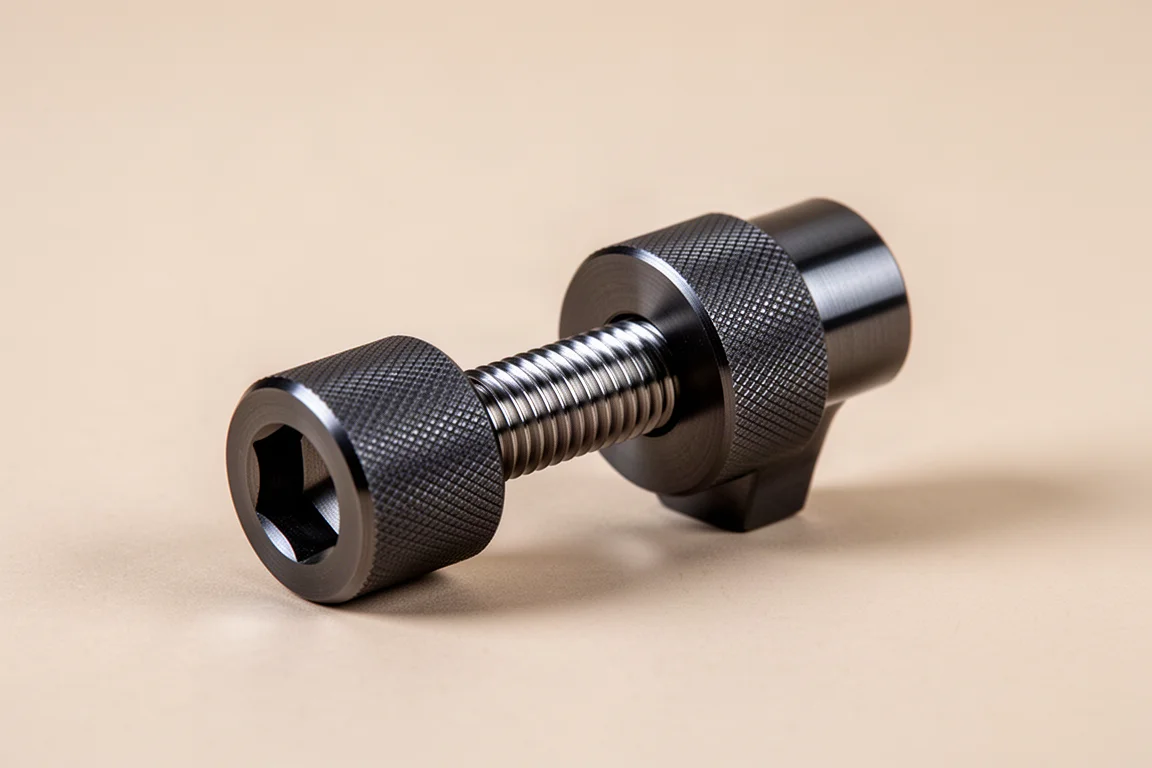
Most through axles have their thread pitch and length printed on them, which is exactly why this tool is niche. The problem is the axles that do not, and the frames where you need to confirm what a replacement axle should be before ordering.
The ruler identifies thread pitch by threading an axle into the matching stud, confirms the length of the axle itself, and can be used to check the threads in a frame. It covers the common bicycle pitches, including 1.0 mm, 1.5 mm, and 1.75 mm, along with 12 mm and 15 mm axle widths. The American price is around $122. There is a much cheaper alternative in the form of a simple plastic gauge with the same thread pitches and widths, the sort that is sometimes handed out free at bike events.
CeramicSpeed End Cap Removal Tool
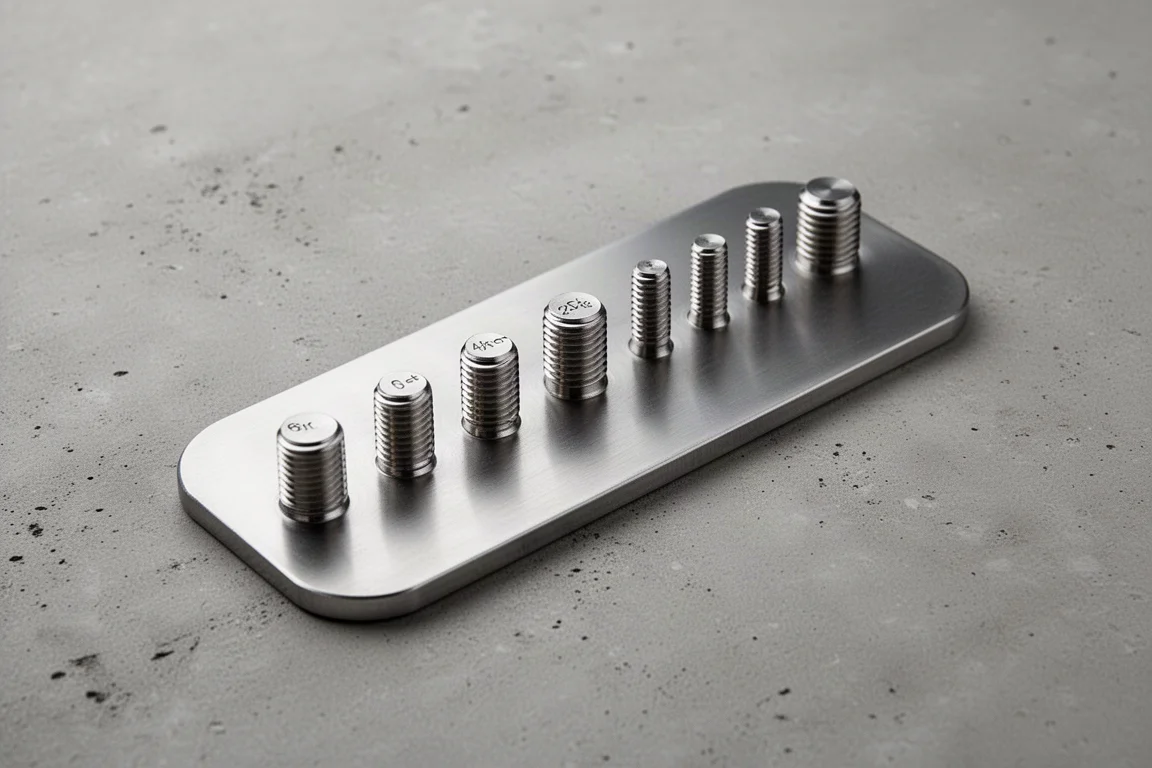
Hub end caps can be surprisingly stubborn. Getting one off without the right tool usually means gripping it by hand and hoping, which is where finger strength runs out and knuckles get scraped.
This tool sits over the end cap, an Allen key goes into it, and tightening draws the cap free. It is not sold on its own: it comes inside a hub service toolkit priced around £740, and for anyone servicing hubs regularly the tool alone is arguably worth much of that outlay. For everyone else it is a very expensive way to solve a very occasional problem.
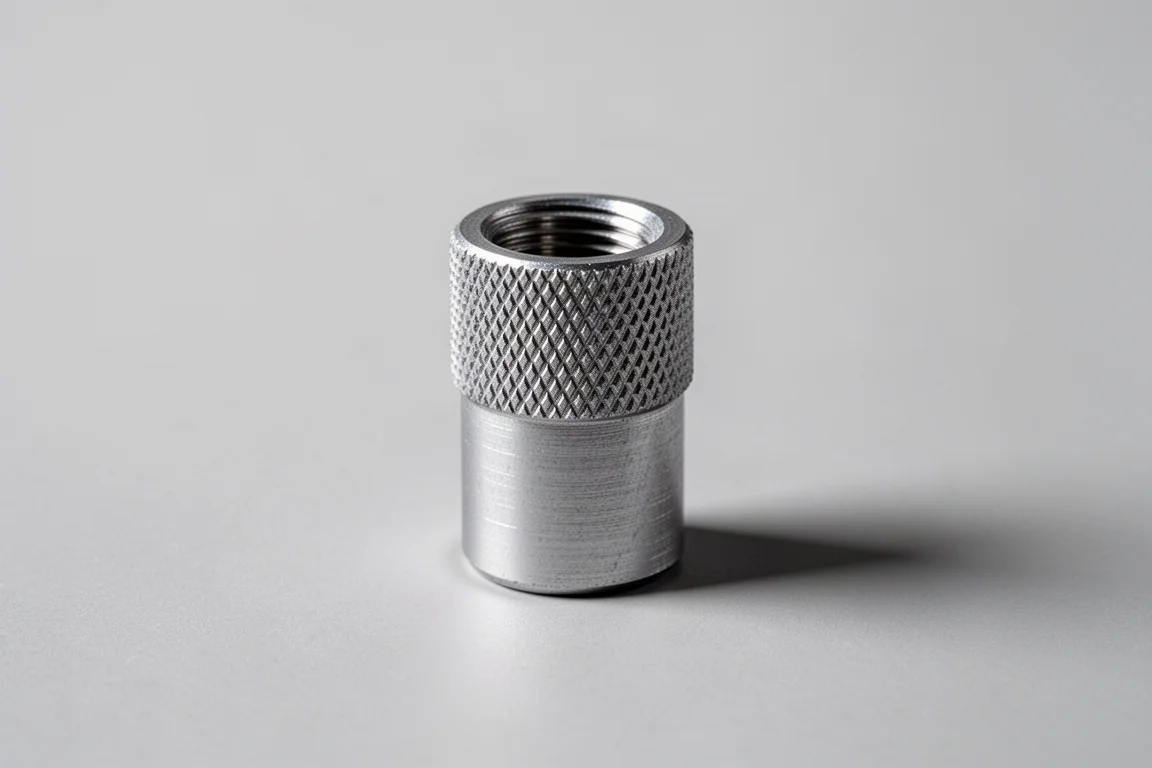
Jagwire Pro Cable Cutter and Crimper
Cable cutters are not glamorous, but a bad cut frays the cable and a bad crimp leaves a sharp end cap that snags on everything it touches. The Jagwire Pro cutter handles both jobs in one tool.
The cut itself is clean, and the crimper is the part that stands out. It sits on the side of the tool head rather than tucked underneath, so it slides onto the cable end easily, and a single squeeze crimps the cap evenly all the way around.
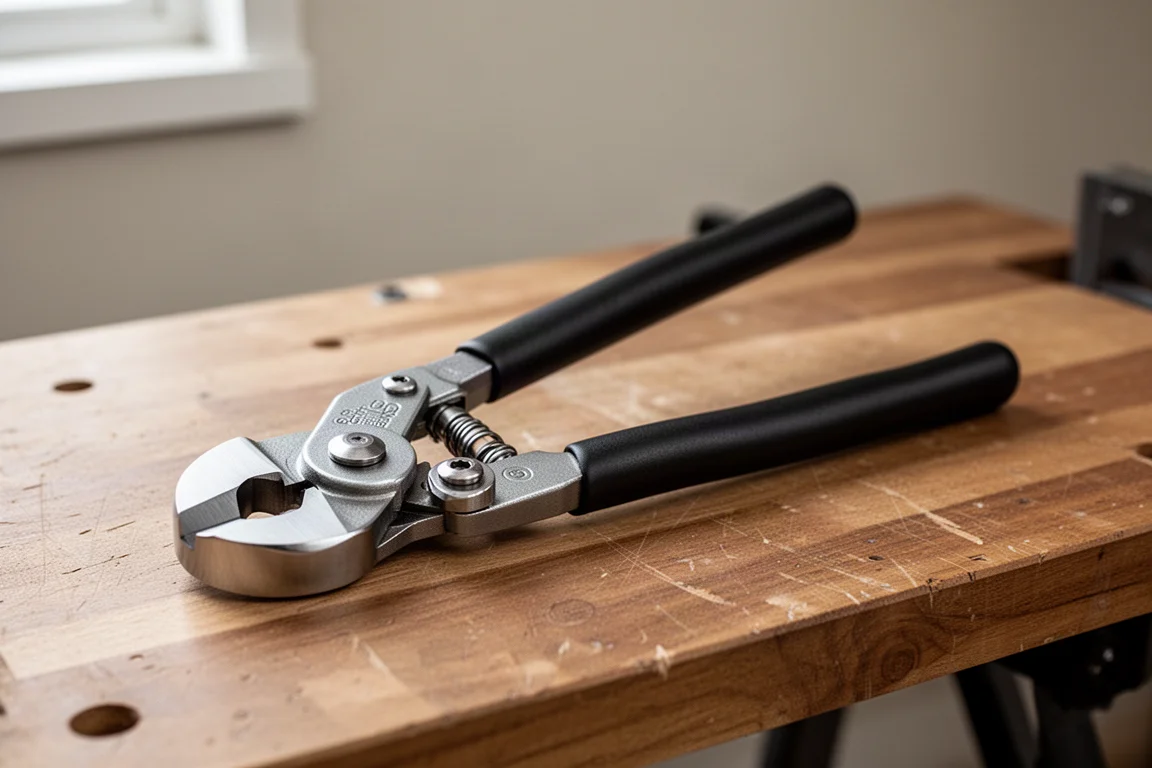
Knipex 82 02 200 TwinGrip Slip Joint Pliers
Every workshop eventually meets a bolt that has been rounded off by a poorly fitting tool. Once the head is stripped, a normal spanner or Allen key simply spins and the job stalls.
TwinGrip pliers grip the head from the top with a three-point jaw and twist it out, and the jaws can be adjusted to suit different sizes. They are made to the standard the brand is known for and they work when nothing else will. This is the sort of tool that sits untouched for months and then saves an entire afternoon.
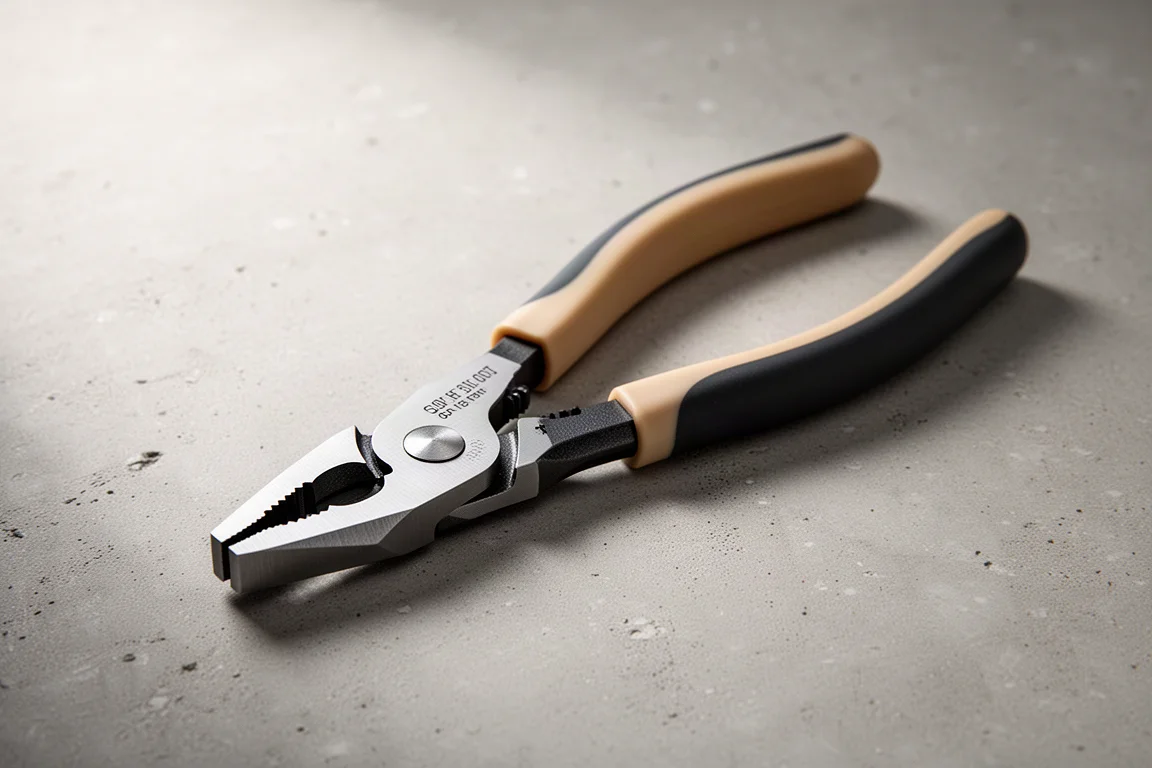
Abbey HAG Hanger Alignment Gauge
Derailleur hanger alignment matters more than the quality of the drivetrain. A hanger that is bent or twisted means shifting will never be quite right, no matter how good the gears are.
The Abbey HAG is the premium option for checking and correcting that alignment. The feel, the way it spins, and the standard of the machining are a step above the alternatives. A standard Park Tool gauge works very well and costs far less, so this is a treat-yourself purchase rather than a necessity.
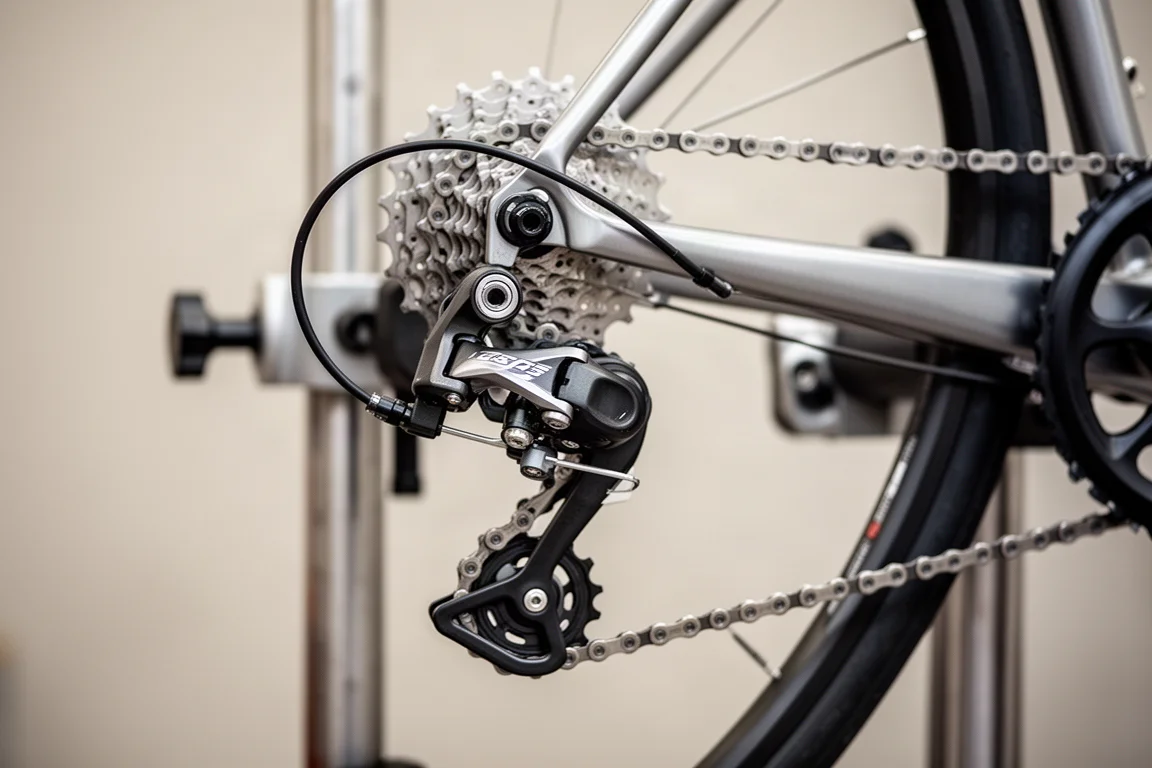
If you own one bike and check the hanger once a year, the standard option is the sensible buy. If you align hangers often, the difference in feel is immediately obvious and the extra cost is easier to justify.
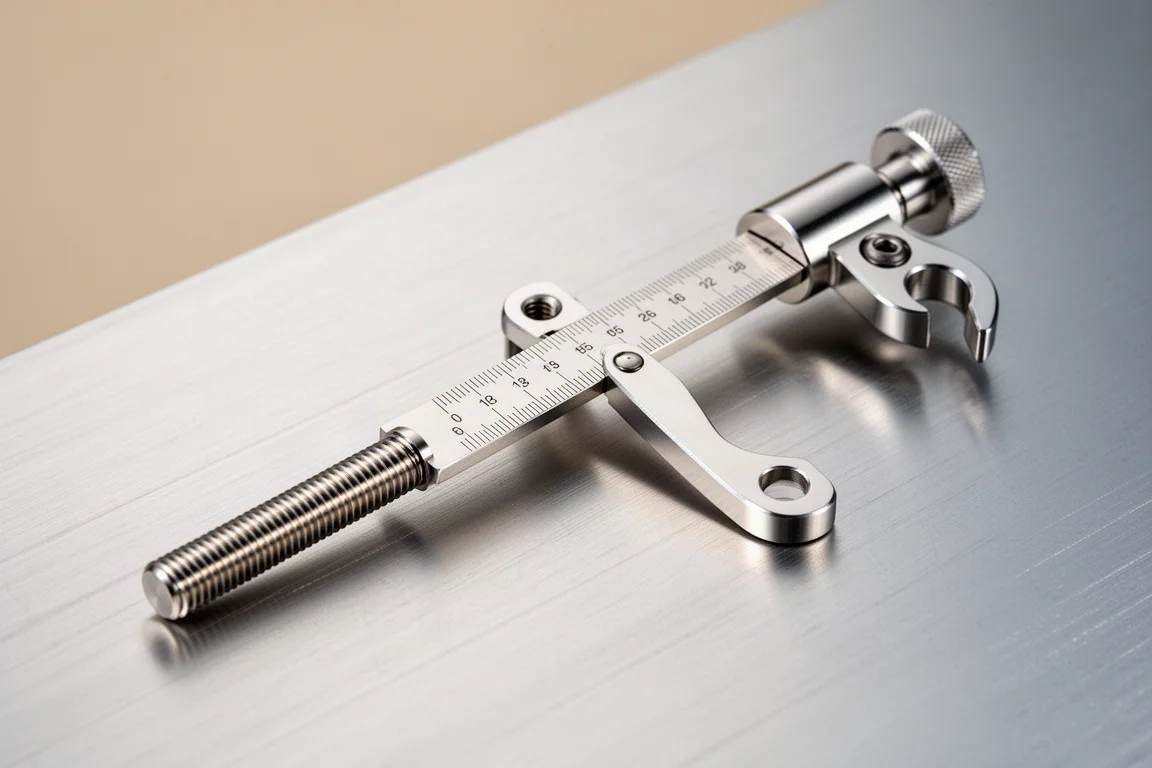
Abbey L Setta Bar Level Tool
Checking that handlebars and levers are level sounds simple until you try it. A spirit level only tells you the truth if the bike itself is standing perfectly upright, which is almost impossible to guarantee in a normal workshop.
The L Setta screws into the stem top cap, and the tool attaches to that reference point so you can see directly whether the levers are level or skewed. It sits at the cheaper end of the Abbey range because it is 3D printed plastic, which feels noticeably less premium than the machined tools around it, though the function itself is not affected.
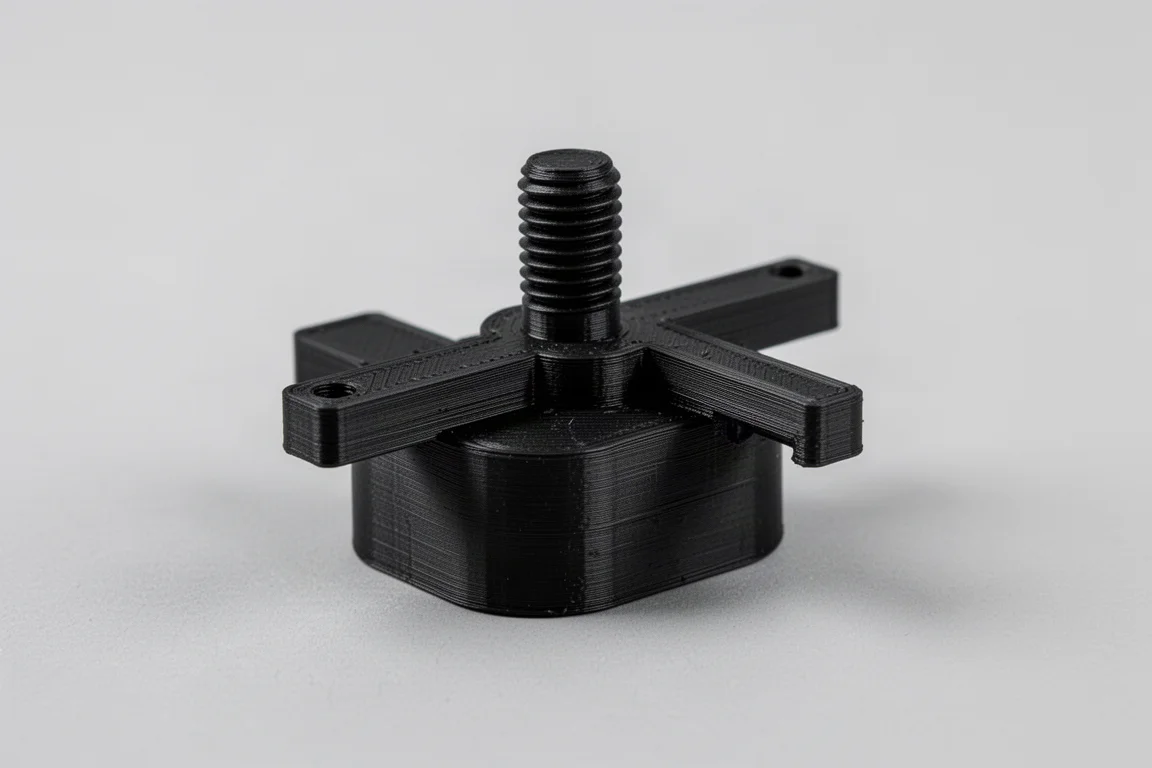
Abbey Pre-HAG Hanger Check Tool
Removing a rear mech and setting up a full alignment gauge takes time. The Pre-HAG is a quick check you can run first, giving an indication of whether the hanger is straight before you commit to the job.
It is a small, focused tool for a specific decision: align now, or leave it alone. For anyone who works on several bikes, that decision comes up often enough to justify keeping one within reach.
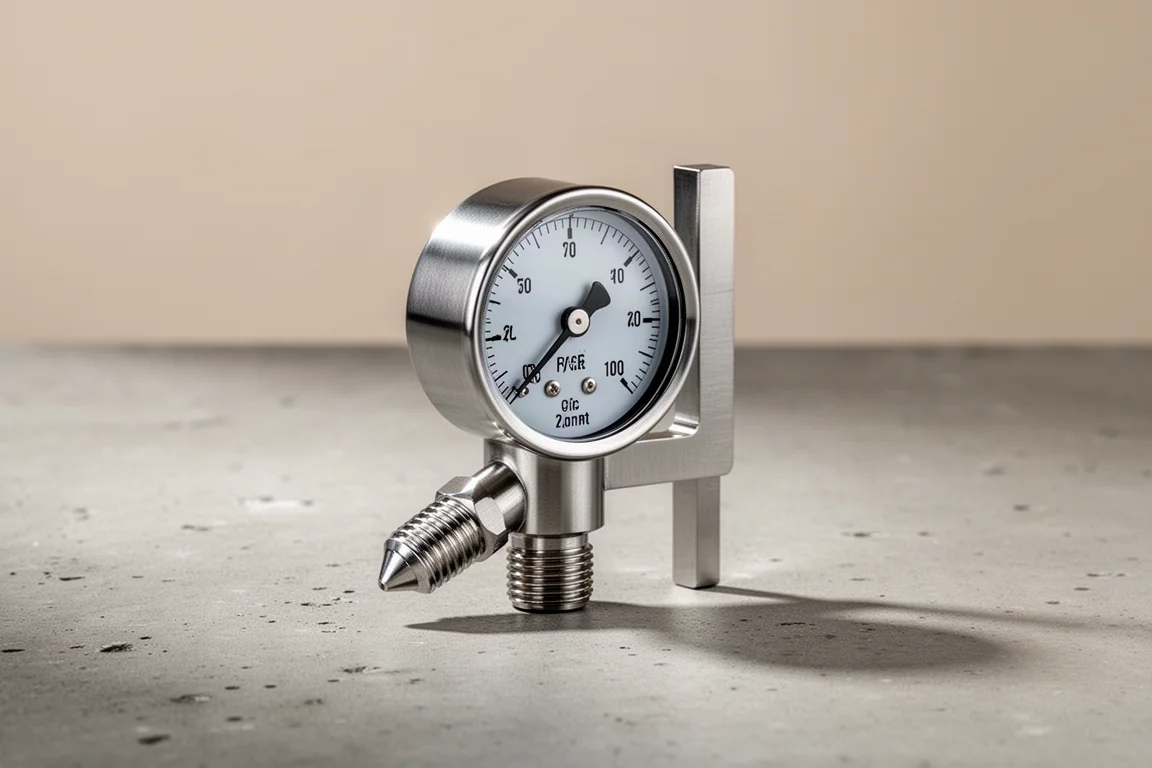
Park Tool TS 4.2 Professional Wheel Truing Stand
If a shop is being set up from scratch, the truing stand is one of the first serious purchases. The Park Tool TS 4.2 is the model many professional workshops treat as the benchmark, and it is the kind of equipment that shapes how the whole bench is laid out.
It takes fat bike tyres, handles quick release and through axle wheels without extra adapters or spare parts, and includes small trays for nipples, spoke keys, and other loose pieces. At $464.99 it is a shop-level investment rather than a home purchase, and it is the stand that keeps paying for itself every time a wheel comes through the door.
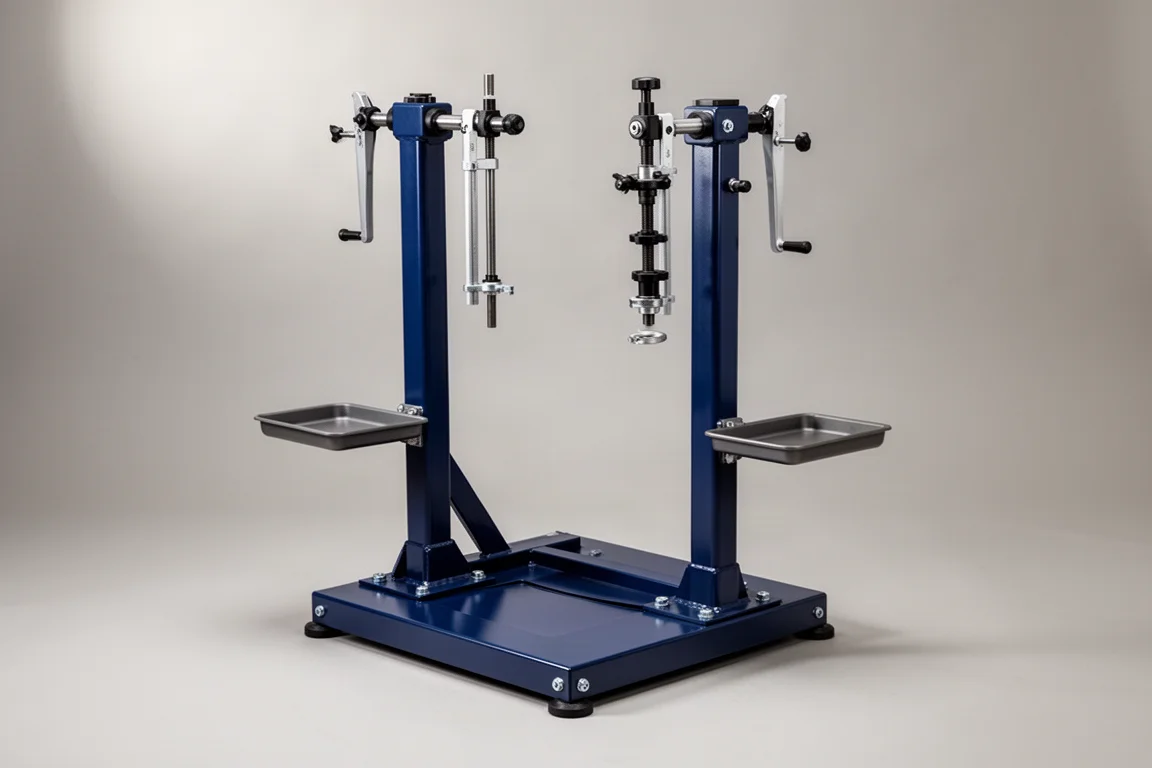
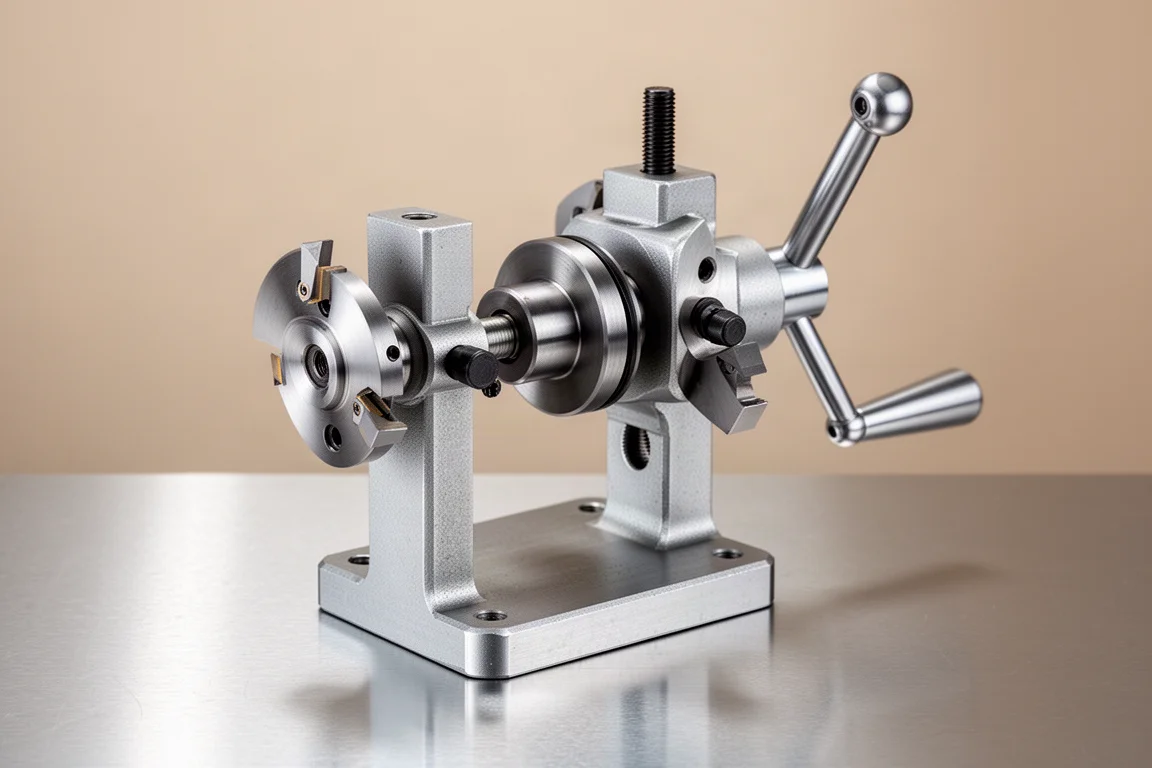
VAR Disc Brake Facing Tool
Disc brake mounts are supposed to leave the factory perfectly flat, and most of the time they do. When they do not, the caliper sits at a slight angle and no amount of adjustment will stop the rotor rubbing.
The VAR facing tool machines the mounting surface flat, and its party trick is that it faces both mounts at the same time rather than one and then the other. It is a substantial, beautifully made tool, and at around £700 it is not something you lend out to anyone. It is also not something most riders will ever need, since the fix really belongs at the frame manufacturing stage.
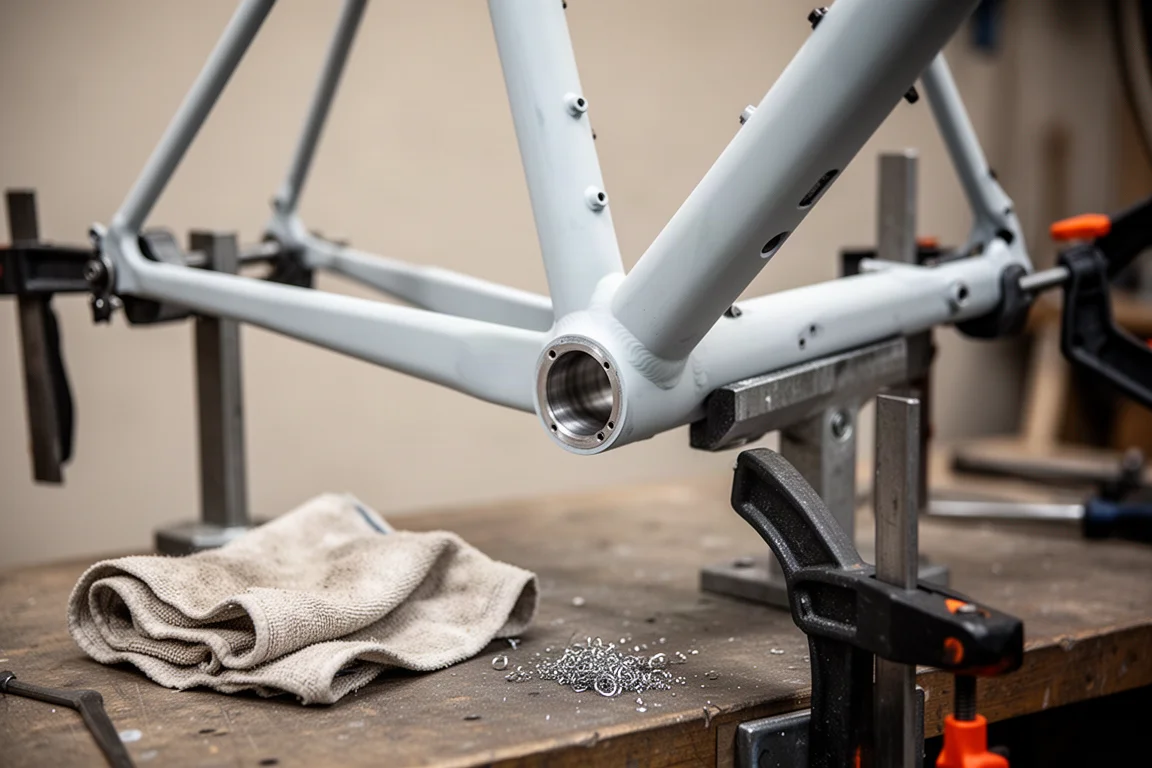
The cutting surfaces can dull with heavy use over time, which is worth remembering for a shop that faces frames regularly. For everyone else, this is the tool at the very top of the want list and the very bottom of the need list.
Buying Advice: Where to Spend and Where to Save
Almost every tool in this roundup has a cheaper equivalent that does the job. The wear indicators, the zip tie cutter, and the cable cutter and crimper are inexpensive enough that the decision is mostly about how often you will reach for them. If you build bikes, route cables, or check brake wear regularly, they pay for themselves quickly in avoided mistakes.
The expensive end of the list is a different calculation. The piston spreader, the hub end cap tool, the truing stand, and the disc brake facing tool only make sense in a workshop that uses them repeatedly. The Abbey hanger tools sit in the middle: standard alternatives work well, and the Abbey versions are about precision, feel, and the pleasure of using something well made.
The practical approach is to start with the cheapest tools that remove guesswork, and only move up to the shop-grade equipment once a job has become routine enough to justify it.
Conclusion
None of these tools are required to keep a bike running. A patient mechanic with basic tools can handle every job described here, and several of the alternatives cost a fraction of the price. What the tools in this list offer is a combination of speed, consistency, and enjoyment, and that is usually enough to justify a purchase once the job they solve starts showing up often. Start with the ones that match what you actually work on, and treat the rest as the reward for a workshop that has earned them.
Further reading
Related Reviews
Bike Tools
Bike Tools Nobody Needs But Everybody Wants: 14 Workshop Extras Worth Admiring
Fourteen specialist bicycle workshop tools that solve narrow problems beautifully, from flush zip tie cutters and brake wear gauges to hanger alignment gauges and professional wheel truing stands.
Bike Tools
Bike Tools Nobody Needs but Everybody Wants: 13 Workshop Luxuries Worth Knowing
A practical look at thirteen specialist bicycle workshop tools, from inexpensive zip tie cutters to premium truing stands, with honest notes on price and when each one earns its place.

Backpacking Gear
Building a 10 lb Base Weight: An Ultralight Backpacking Gear List
A practical walkthrough of the ultralight pieces behind a 10 lb base weight, from a 765 g pack and a roomy one-person tent to a full camp chair and a dependable water filter.