Bike Tools
Bike Tools Nobody Needs but Everybody Wants: 13 Workshop Luxuries Worth Knowing
A practical look at thirteen specialist bicycle workshop tools, from inexpensive zip tie cutters to premium truing stands, with honest notes on price and when each one earns its place.
Introduction
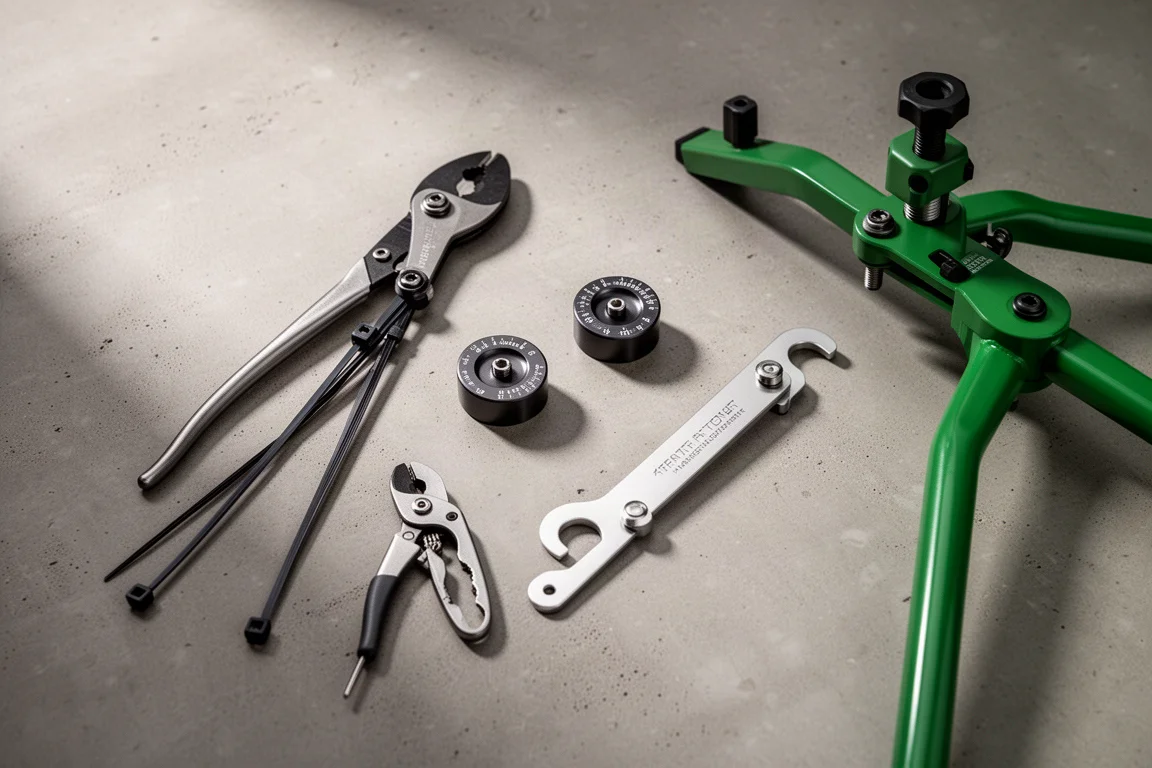
Some tools in a workshop are there because a job cannot be done without them. Others are there because someone who spends every day at a workstand got tired of doing that job the slow, awkward way. Everything in this list belongs to the second group: genuinely optional, frequently expensive, and quietly brilliant in daily use.
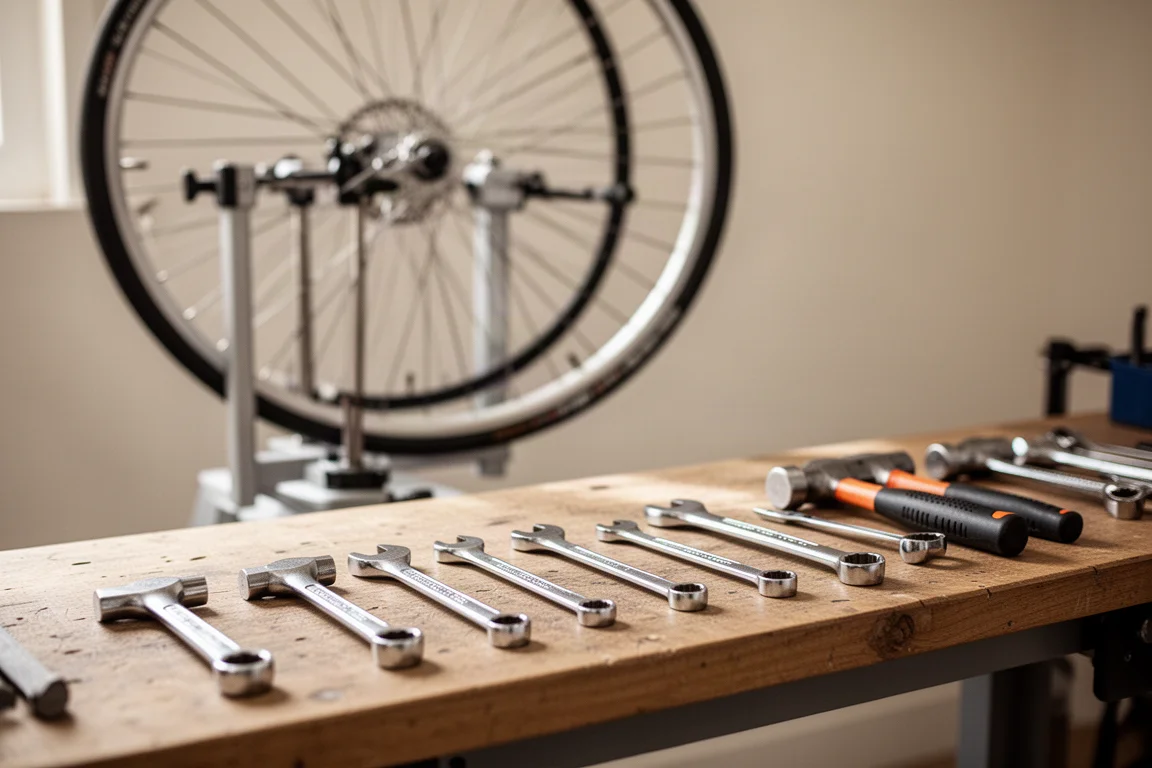
None of these items will rescue a badly maintained bike, and none of them are required to keep a bike running. What they do is remove small frictions: a sharp burr on a zip tie, a guess about rotor wear, a stripped bolt head, a bent derailleur hanger that a cheaper gauge cannot straighten cleanly. If you already own solid versions of the basics, these are the upgrades that make the work feel better.
How to Think About Niche Bike Tools
Before spending real money on a specialist tool, three questions are worth asking. How often will you actually use it? Does a cheaper alternative already do the job well enough? And does the premium version prevent a specific mistake that the cheap version causes?
Almost every tool here has a cheaper alternative that works. A standard pair of side cutters will cut a zip tie, a ruler can measure a through axle, and a conventional hanger gauge will straighten a derailleur hanger. The better versions earn their place through consistency, feel, and the ability to avoid one particular kind of damage.
Cable and Zip Tie Cutting Tools
Cutting is one of those jobs where the cheap tool and the good tool look identical until you pick them up.
Jagwire Sport Zip Tie Cutter
A standard pair of side cutters leaves a sharp, angled stub on a zip tie that will happily open up a forearm. This cutter makes a flush cut instead, leaving a rounded, harmless end. It is one of the least expensive tools in this list, at around $19.99 online, and for anyone who routes cables or tidies a bike regularly it quickly becomes a favourite.
Jagwire Pro Cable Cutter and Crimper
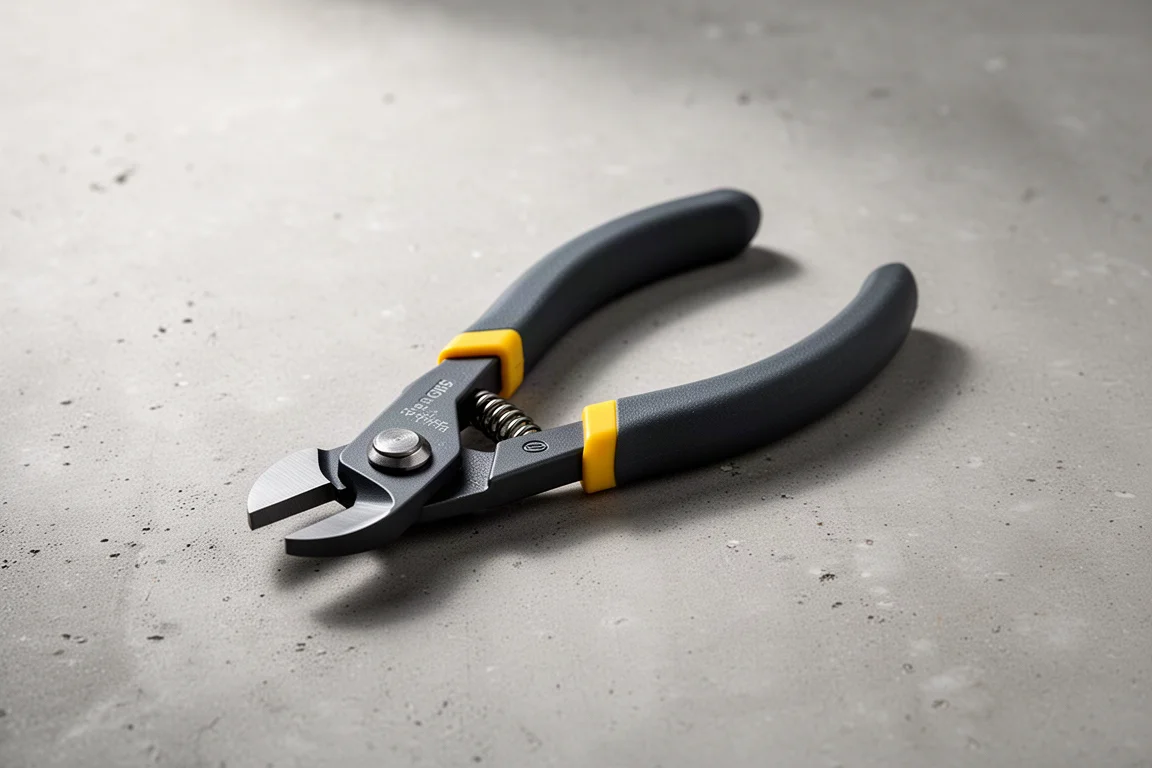
This set covers two jobs and costs around £34. The cutting jaws go through gear and brake cables cleanly, but the standout detail is the separate crimper. It slots onto the cable end, then closes and opens to produce a neat, even crimp all the way around. Most cable cutters build a crimper into the handle, which can be awkward to line up, and this design removes that fiddling entirely.
Brake Service Tools
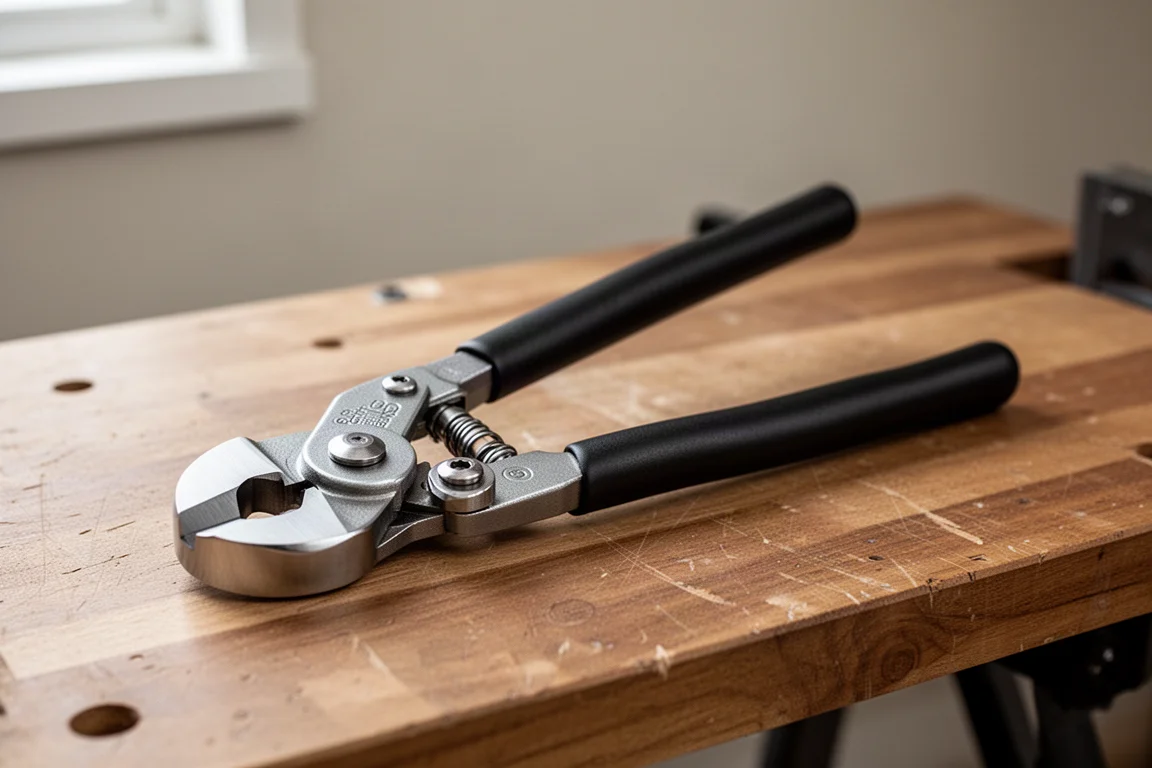
Brake work rewards accuracy, and most of the tools in this group exist to remove a measurement or a guess from the job.
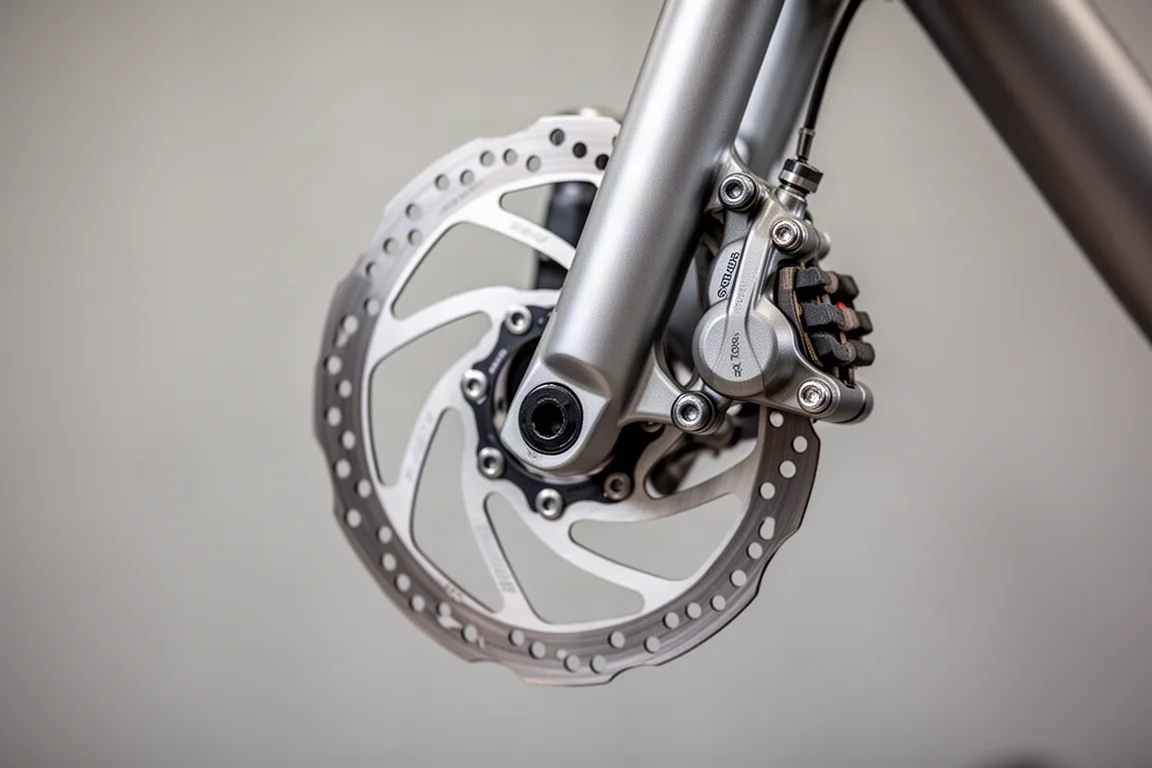
Pad and rotor wear are the two places where guessing causes the most expensive damage, and the two Birzman indicators cover both without needing a caliper or a reference chart.
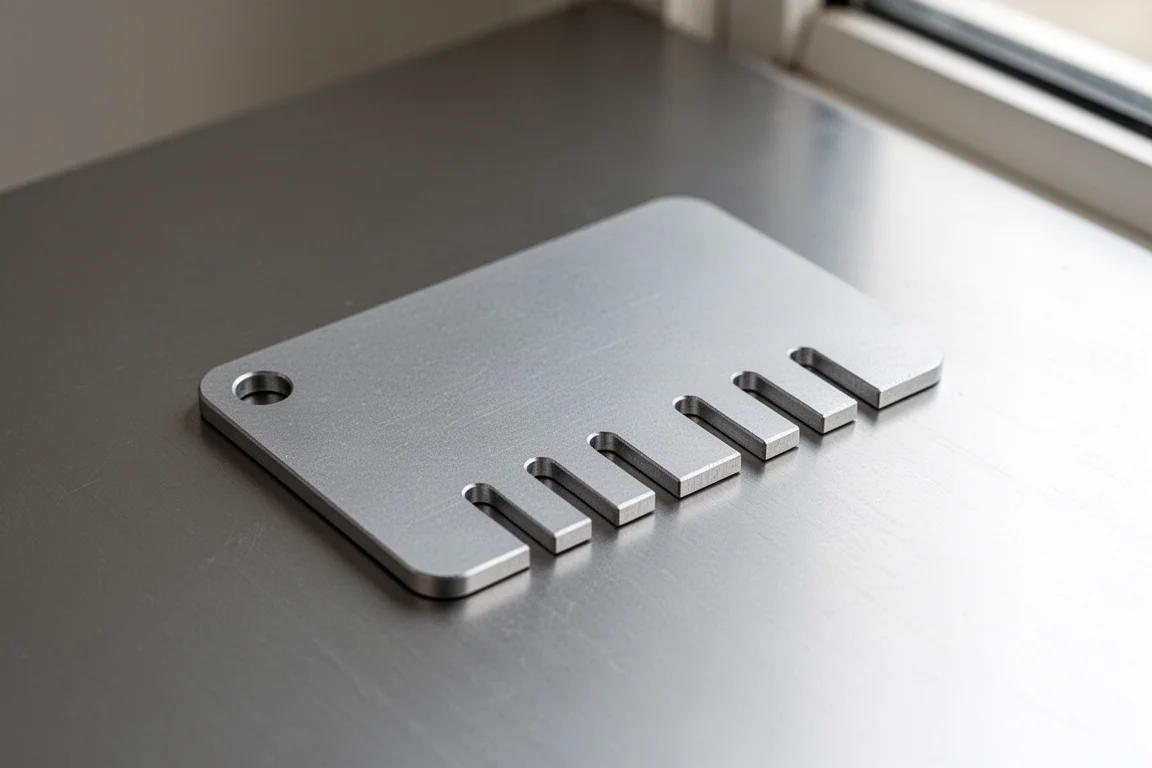
Birzman Disc Brake Pad Wear Indicator
Around $22. You choose the brake brand, so Shimano or SRAM, and offer the matching gauge to the pad. If the pad slides all the way in, it is worn. If it does not, there is life left. The lesson it teaches is the useful part: pads should never be run down to the metal. There is a small gap built into every pad, and once you wear past it the backing plate reaches the rotor and destroys it.
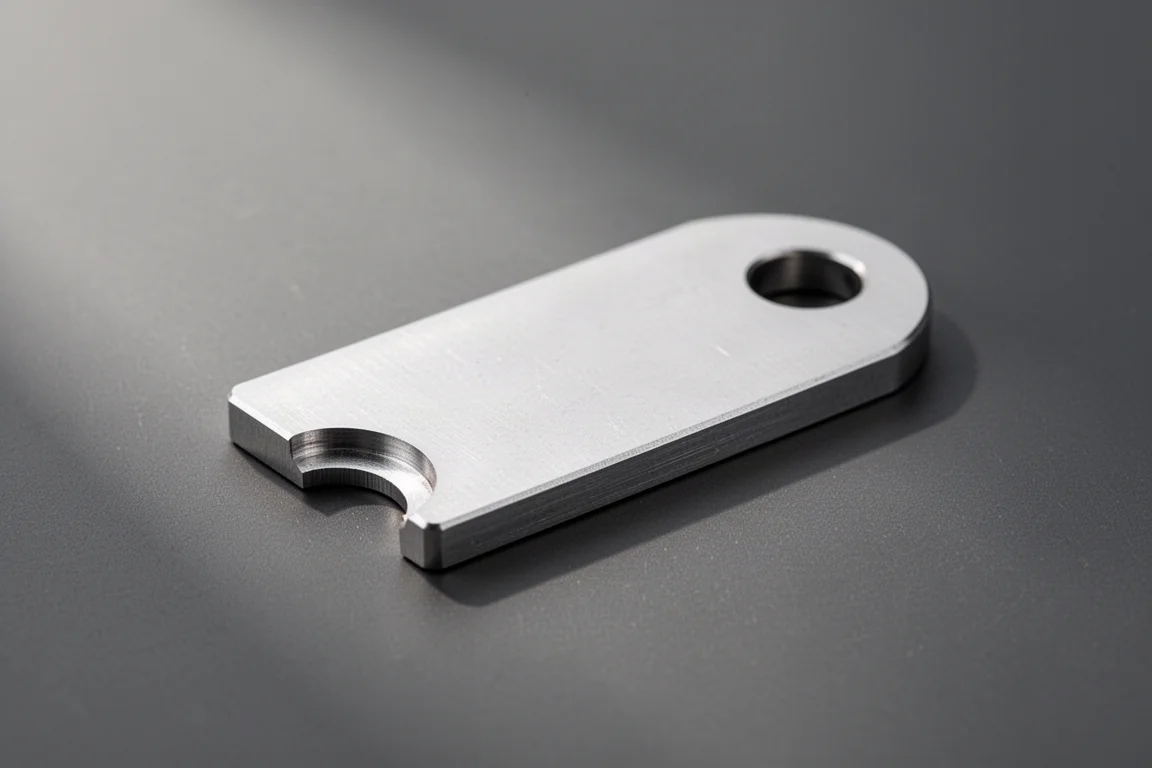
Birzman Rotor Wear Indicator
Around $32, and the same principle applied to the rotor. If the gauge slides onto the rotor, the rotor has worn past its minimum thickness and needs replacing. If it does not slide on, the rotor is still serviceable. Vernier calipers can do the same job, but only if they are genuinely accurate and only if you remember the minimum thickness for that specific rotor.
SRAM Piston Spreader
At roughly £91 this is a lot of money for a tool that only suits SRAM brake calipers, and it is the clearest workshop luxury in this list. The case for it is simple. A tyre lever or a plastic wedge will push pistons back, but it goes in at an angle, it does not always seat them fully, and it is possible to damage a piston that way. This tool drops into the caliper and a screw pushes the pistons apart squarely until they stop. If it feels tight, a 5mm Allen key adds extra force.
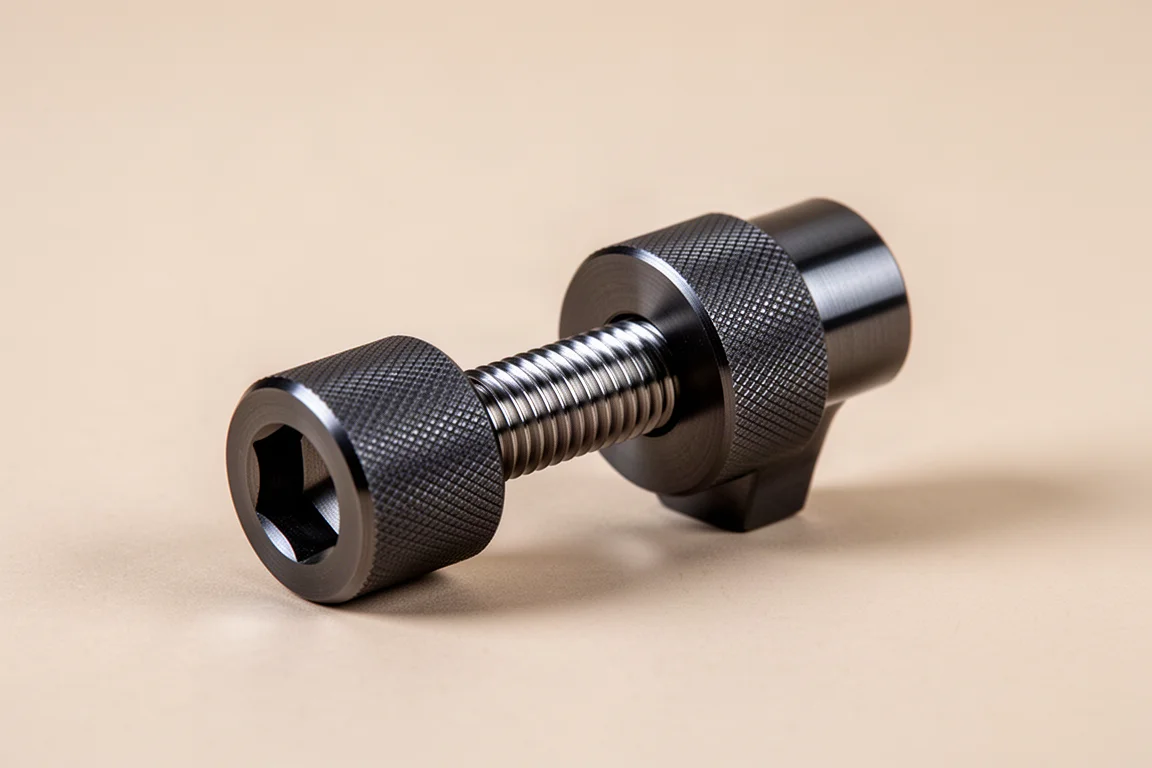
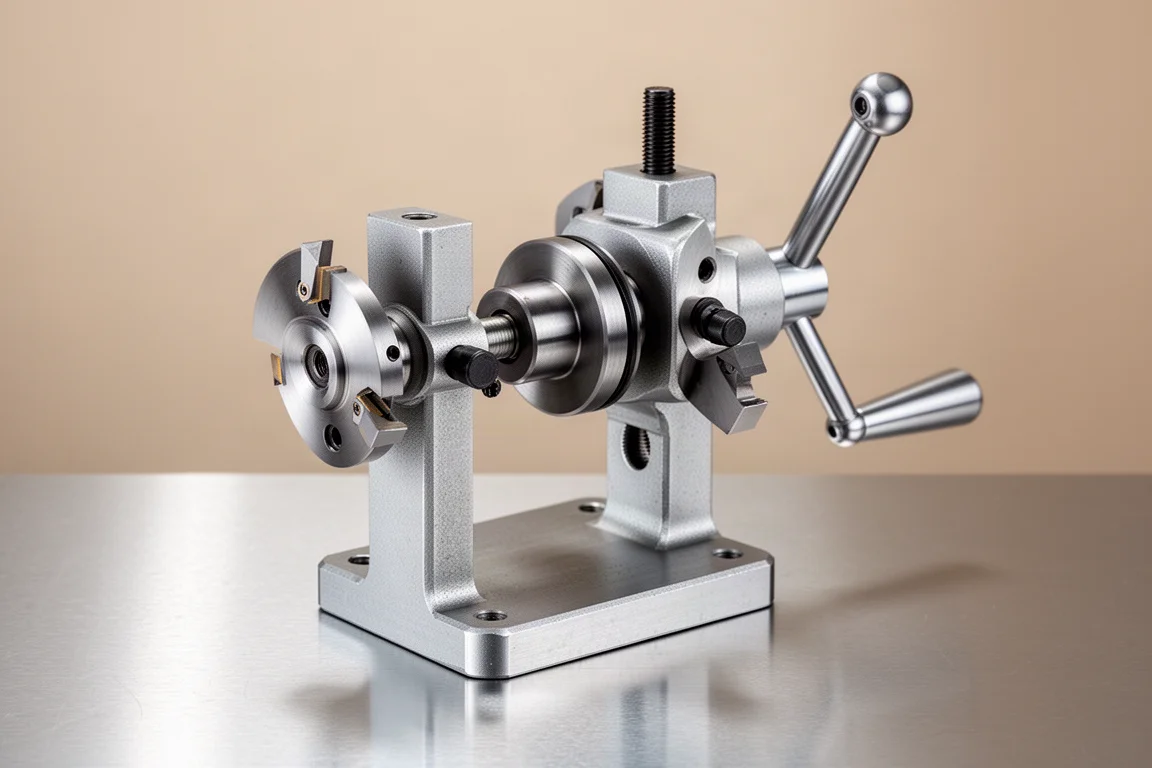
VAR Disc Brake Facing Tool
About £700. This tool faces the disc brake mounts on a frame or fork so the mounting surface is perfectly straight, and its party trick is that it faces both mounts at the same time rather than one after the other. A frame can therefore come out of the box with level mounts straight away. In an ideal world, frames would leave the factory flat enough that nobody would need one of these. They do not always, and if you are going to buy a facing tool, this is the one to buy. The cutters will blunt over time.
Drivetrain and Hanger Alignment Tools
Gears will never index properly on a bent hanger. It is the most common reason a drivetrain will not shift cleanly, and no amount of adjustment at the shifter will fix it.
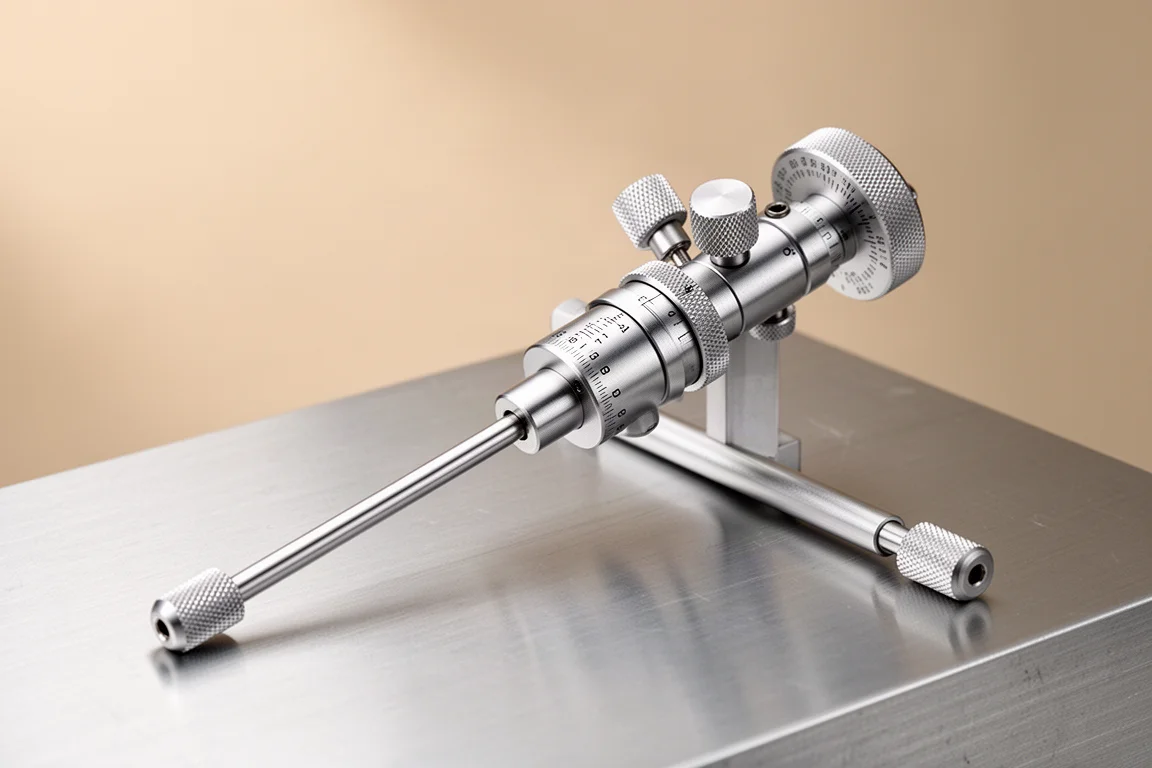
Abbey Bike Tools HAG
Around £235.50. This is the hanger alignment gauge, and the difference between it and a standard workshop gauge comes down to feel: how it spins, how it seats in the hanger, and the quality of the machining. A conventional hanger tool works well and remains the sensible purchase, but this is the one people treat themselves to.
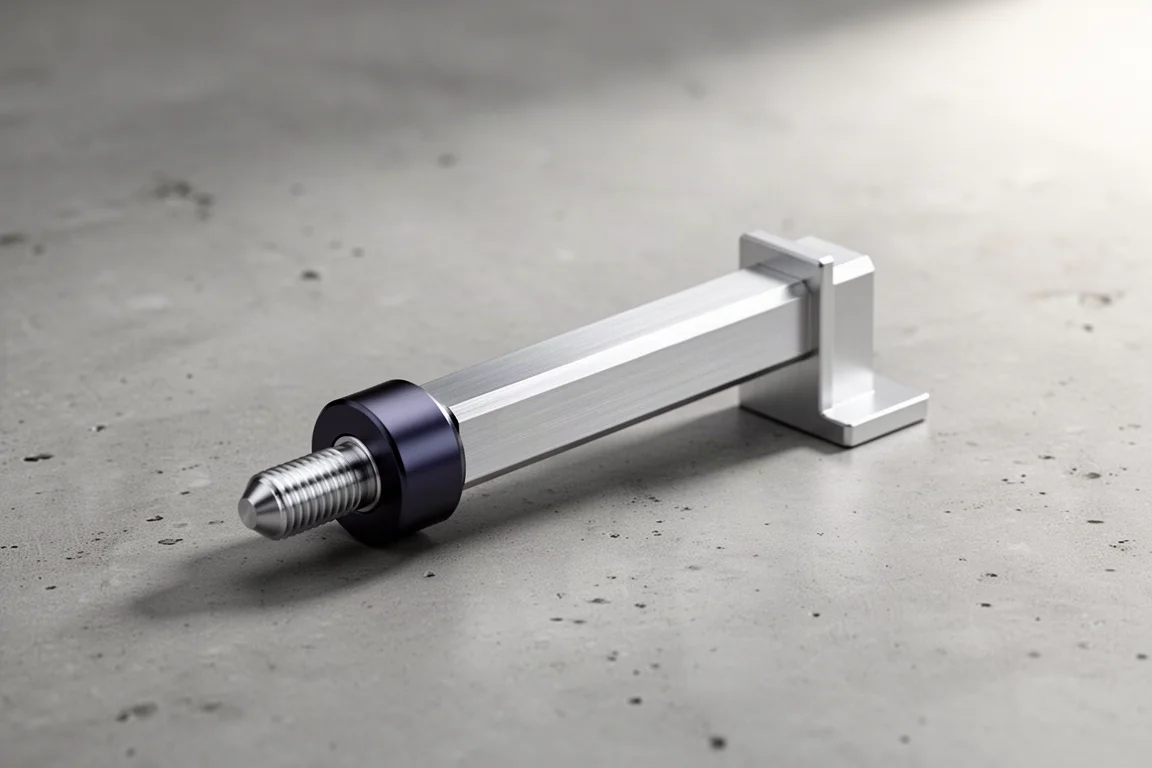
Abbey Bike Tools Pre-HAG
Around £22, and noticeably cheaper because it is made from what feels like 3D printed plastic rather than machined metal. That difference in material is jarring next to the rest of the range. Its job is narrower: before you remove the whole rear derailleur from the bike to check the hanger properly, this gives you a quick indication of whether the hanger is straight or bent.
Grip and Extraction Tools
Stripped bolt heads are a fact of workshop life, whether they came from a worn Allen key or a screwdriver that slipped at the wrong moment.
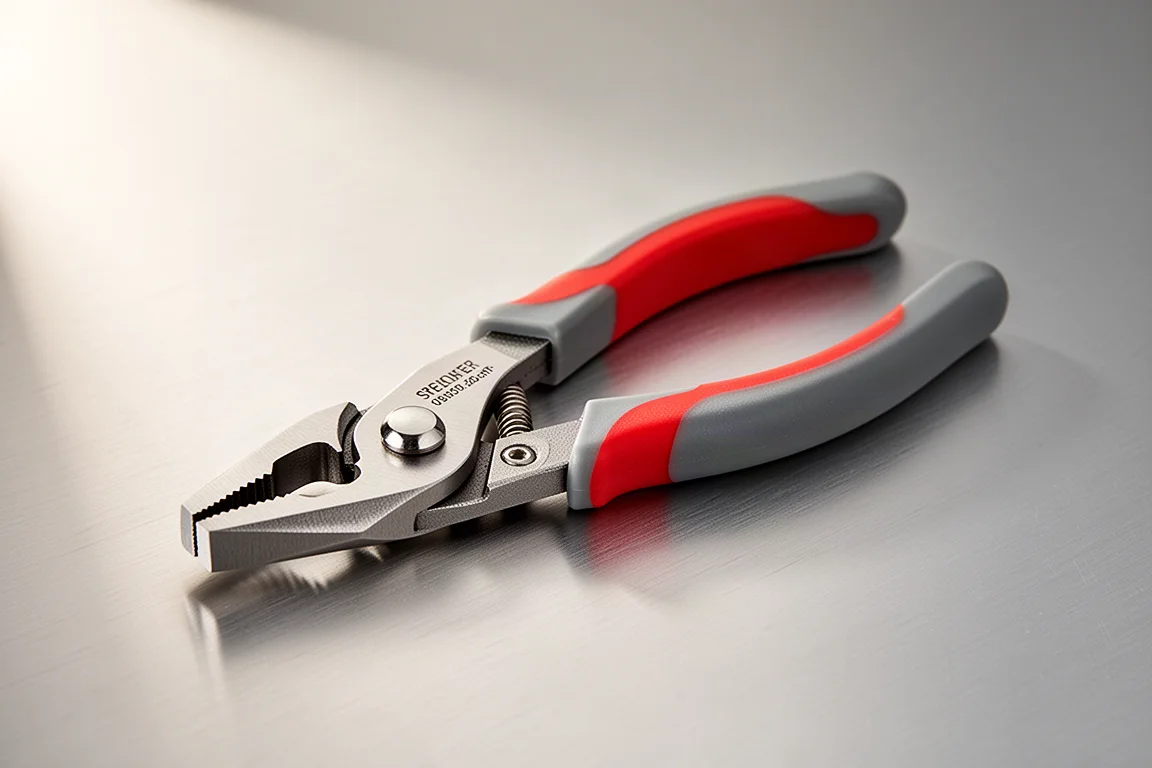
Knipex 82 012 200 TwinGrip Slip Joint Pliers
Roughly £30. The TwinGrip grabs a damaged bolt head from the top and twists it out, and the jaws adjust to suit different sizes. As with the rest of the Knipex range, the build quality is excellent and it simply works. You will not need it often, but when a bolt is seized and nothing else will bite, it is the tool that saves the job.
Through Axle and Hub Service Tools
Most through axles have their dimensions printed on them. The word most is doing a lot of work in that sentence, and the tools here cover the exceptions.
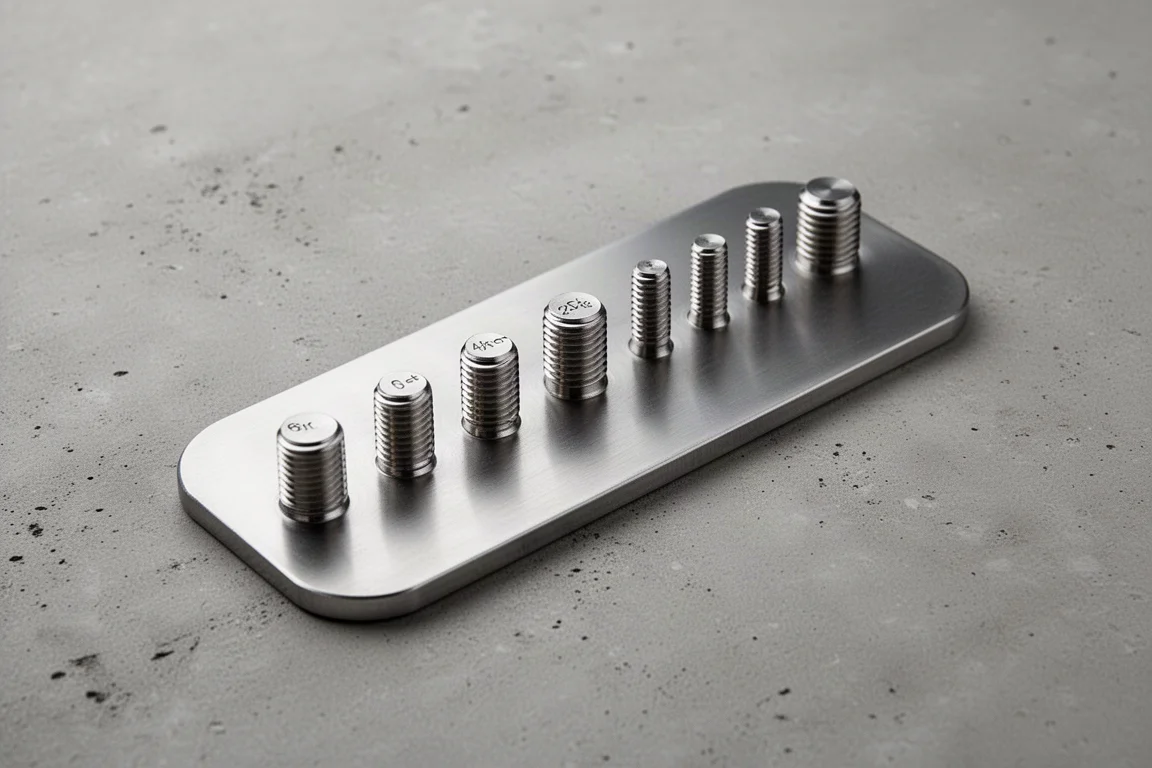
Wheels Manufacturing Through Axle Ruler
$122 in the United States. Most through axles are marked with their length and thread pitch, but not all of them, and when the marking is missing this tool answers the question properly. One end offers the common thread pitches so you can confirm that a thread engages correctly, and it will not thread into the wrong one. The other end checks frames the same way, and it also measures axle length. A cheaper alternative exists: a simple ruler that slots into the frame and reads off axle length, with 1mm, 1.5mm and 1.75mm thread markings plus 12mm and 15mm axle width references. Those three thread pitches and two widths cover the large majority of bicycle through axles.
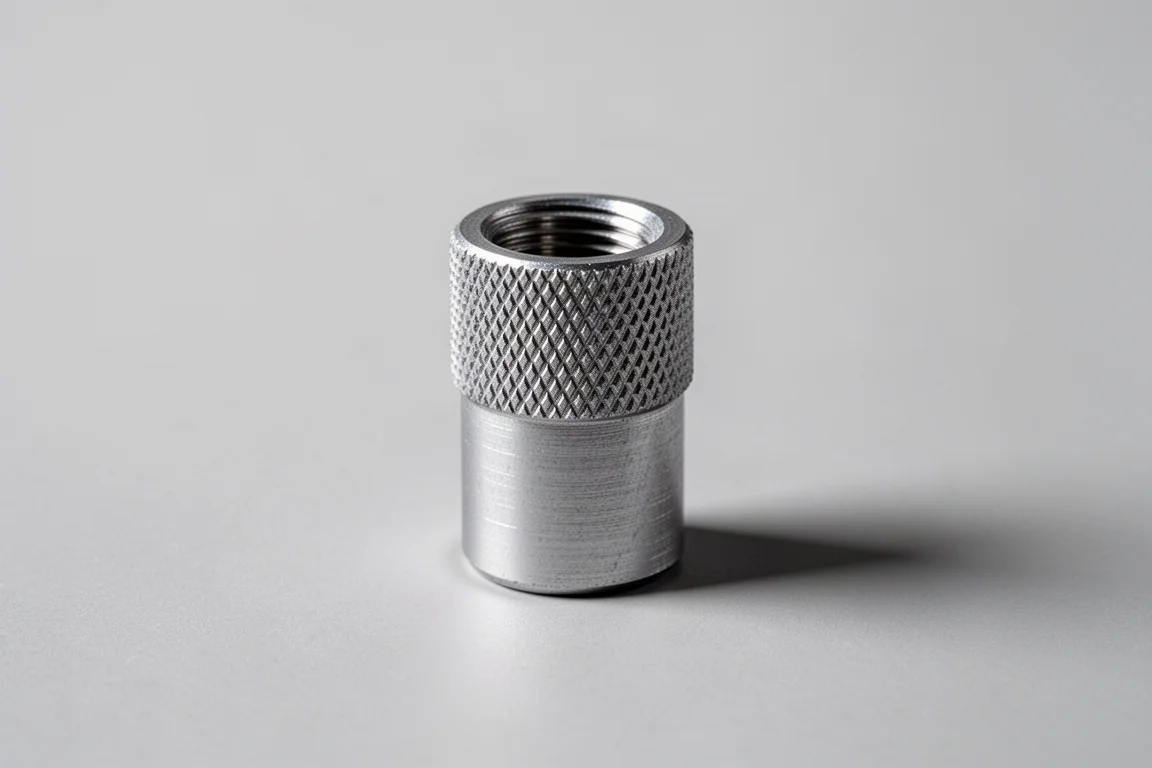
CeramicSpeed End Cap Removal Tool
Here is the extreme end of the scale. This tool is not sold on its own. It comes inside a hub service toolkit priced around £739.99, and the argument for the kit is essentially this one piece. It seats onto the end cap, an Allen key goes in and tightens, and the cap comes off. Removing end caps by hand can be genuinely difficult, and this removes the struggle completely. For most riders it is impossible to justify. For a workshop doing regular hub services, it is the kind of tool that earns its keep in saved frustration.
Wheel Truing Stands
Any new workshop needs a truing stand, and the two here sit at the top of the market.
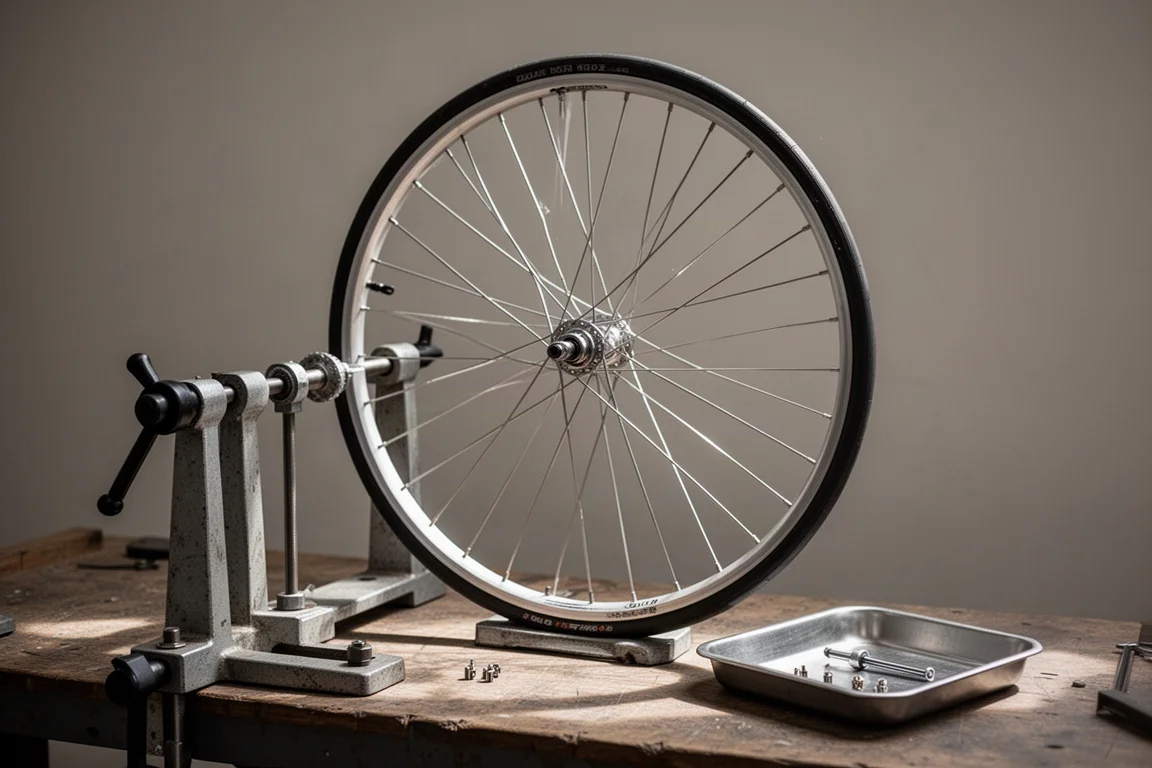
A good stand holds a wheel securely, accepts modern axle standards without extra adapters, and keeps its measurement consistent over years of use. Both options below do that. The difference is budget, and how the tool feels every time you walk past it.
Park Tool TS 4.2 Professional Wheel Truing Stand
$464.99. This is the stand most professional workshops default to. It accepts fat bike tyres, handles both quick release and through axle without additional adapters, and includes small trays for the inevitable loose nipples and spoke keys. It is a workhorse rather than an object of desire, and it is the sensible answer for a shop that needs a dependable stand from day one.
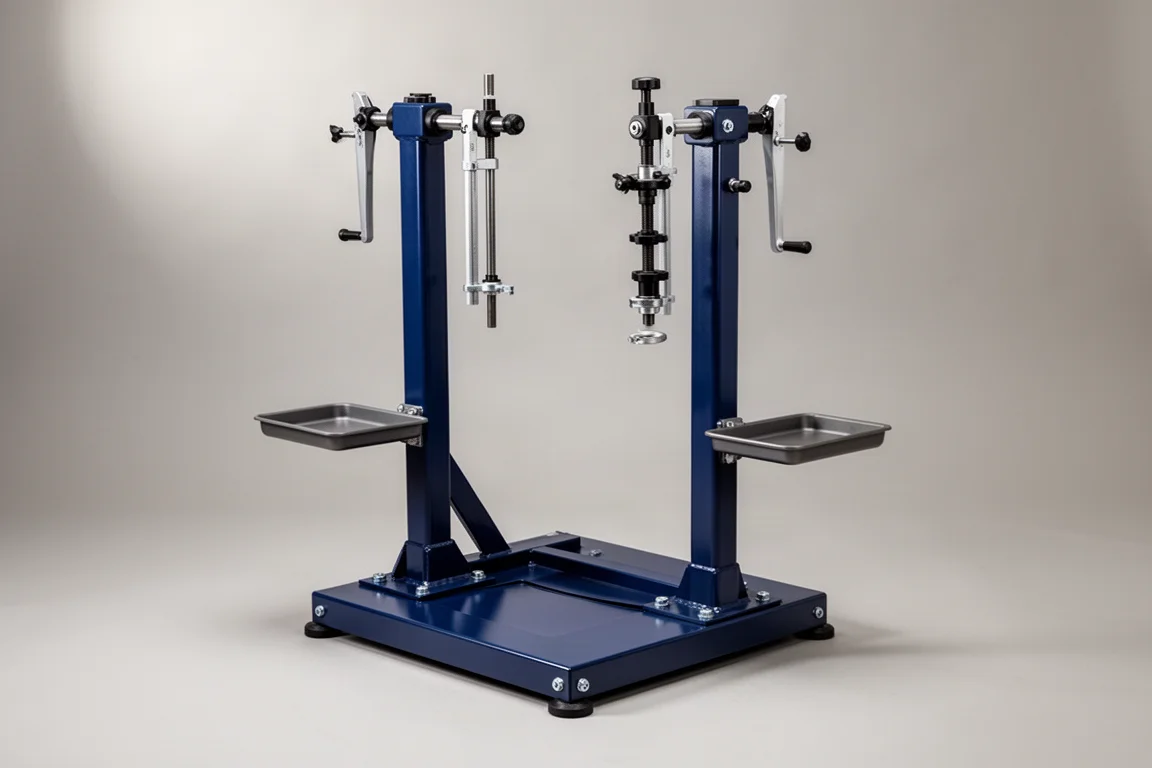
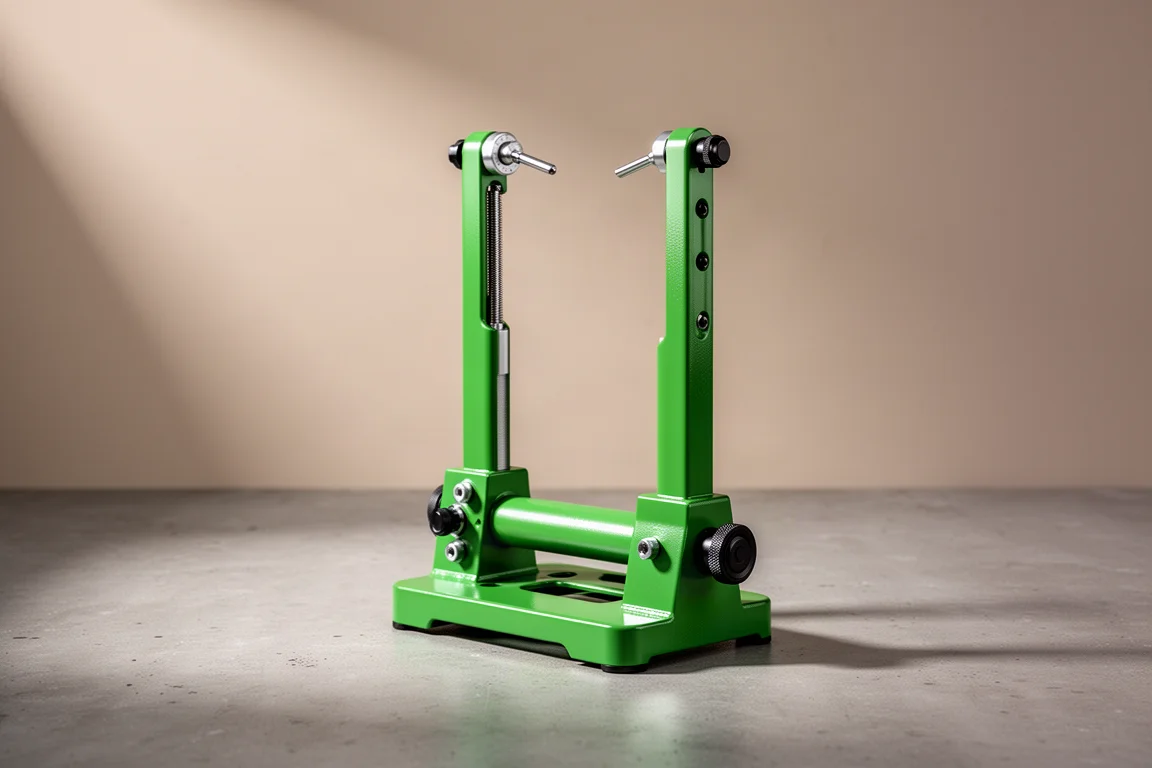
Abbey Bike Tools Wheel Truing Stand
£1,725, in green. On paper it does nothing the Park Tool stand cannot do. In practice the resistance is adjustable, the bearings are enduro bearings, and every element feels more precise and more carefully made. It is a work of art as much as a tool. No mechanic needs it. Plenty of mechanics want it.
Overall Buying Advice
Work out which of these problems you actually run into, then buy for that problem rather than for the list.
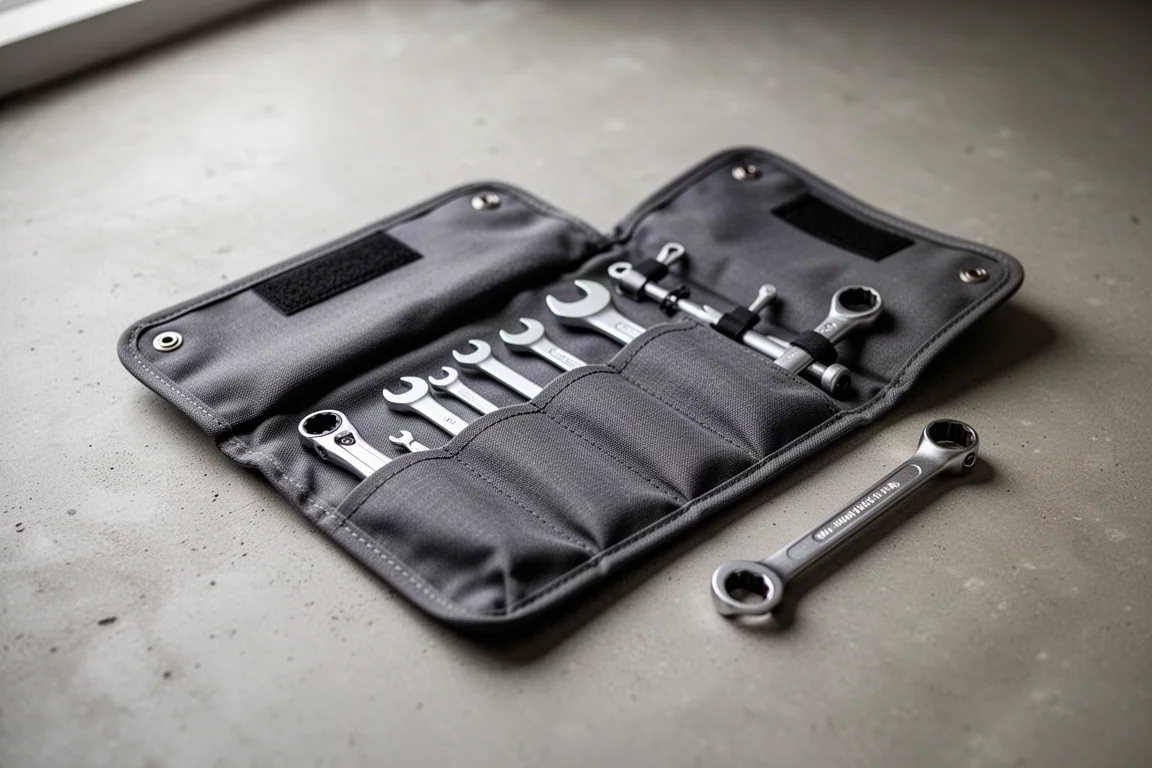
The two Birzman indicators and the Jagwire zip tie cutter are inexpensive enough to buy on a whim and useful enough to keep permanently in a tool roll. The SRAM piston spreader, the Wheels Manufacturing axle ruler and the TwinGrip pliers sit in the middle: specialist tools, but they solve a specific problem you will meet eventually. The CeramicSpeed end cap tool, the VAR facing tool, the Abbey HAG and both truing stands are professional-grade purchases. Buy them when the work justifies them, or when you have decided that the pleasure of using a beautifully made tool is worth the money. There is nothing wrong with that answer.
Conclusion
None of these tools are strictly necessary. Every one of them has a cheaper counterpart that will get the job done, and a well-stocked basic toolkit will keep a bike running for years. What the tools here offer is the removal of small daily annoyances, and for riders and mechanics who spend enough time at a workstand, that is often reason enough. Start with the inexpensive gauges and cutters, and let the premium pieces wait until a specific job makes them worthwhile.
Further reading
Related Reviews
Bike Tools
Bike Tools Nobody Needs But Everybody Wants: 14 Workshop Extras Worth Admiring
Fourteen specialist bicycle workshop tools that solve narrow problems beautifully, from flush zip tie cutters and brake wear gauges to hanger alignment gauges and professional wheel truing stands.
Bike Tools
Workshop Tools Nobody Needs But Everybody Wants: Bike Mechanic Tools Worth Coveting
Thirteen workshop tools that no bike mechanic strictly needs, from a $19.99 zip tie cutter to a shop-grade truing stand, and the small problems each one quietly solves.

Backpacking Gear
Building a 10 lb Base Weight: An Ultralight Backpacking Gear List
A practical walkthrough of the ultralight pieces behind a 10 lb base weight, from a 765 g pack and a roomy one-person tent to a full camp chair and a dependable water filter.