Bike Tools
Bike Tools Nobody Needs But Everybody Wants: 14 Workshop Extras Worth Admiring
Fourteen specialist bicycle workshop tools that solve narrow problems beautifully, from flush zip tie cutters and brake wear gauges to hanger alignment gauges and professional wheel truing stands.
Introduction
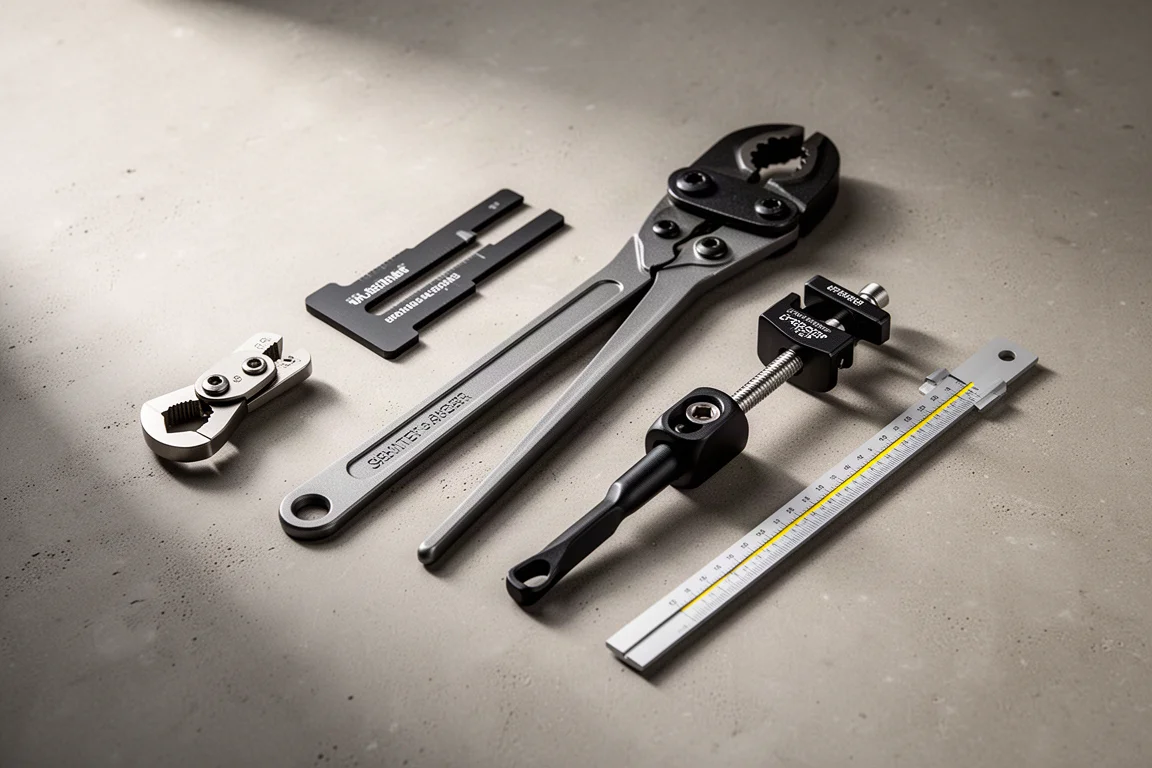
Some workshop tools exist because a job cannot be done without them. Others exist because a job can be done better, faster, or with far less swearing, and those are the ones that quietly become favourites. The fourteen tools below sit firmly in the second category. None of them is essential to keeping a bike running, and several cost more than the components they service. What they share is that each one removes a small, specific irritation from the working day, whether that is a sharp zip tie tail, a brake pad worn past its limit, or a derailleur hanger that refuses to line up.
Read this as a wishlist rather than a shopping list. It is a guide to where the money goes when a home mechanic decides to treat themselves, and to where a cheaper alternative will do the same job just as well.
How to Judge a Workshop Tool Like This
Every tool here has to clear the same three questions. First, does it make a routine job measurably quicker or more accurate than the method it replaces? Second, is it built well enough to still feel precise after a few seasons of use? Third, is there a cheaper option that gets the same result, and if so, how much of the price is convenience rather than capability?
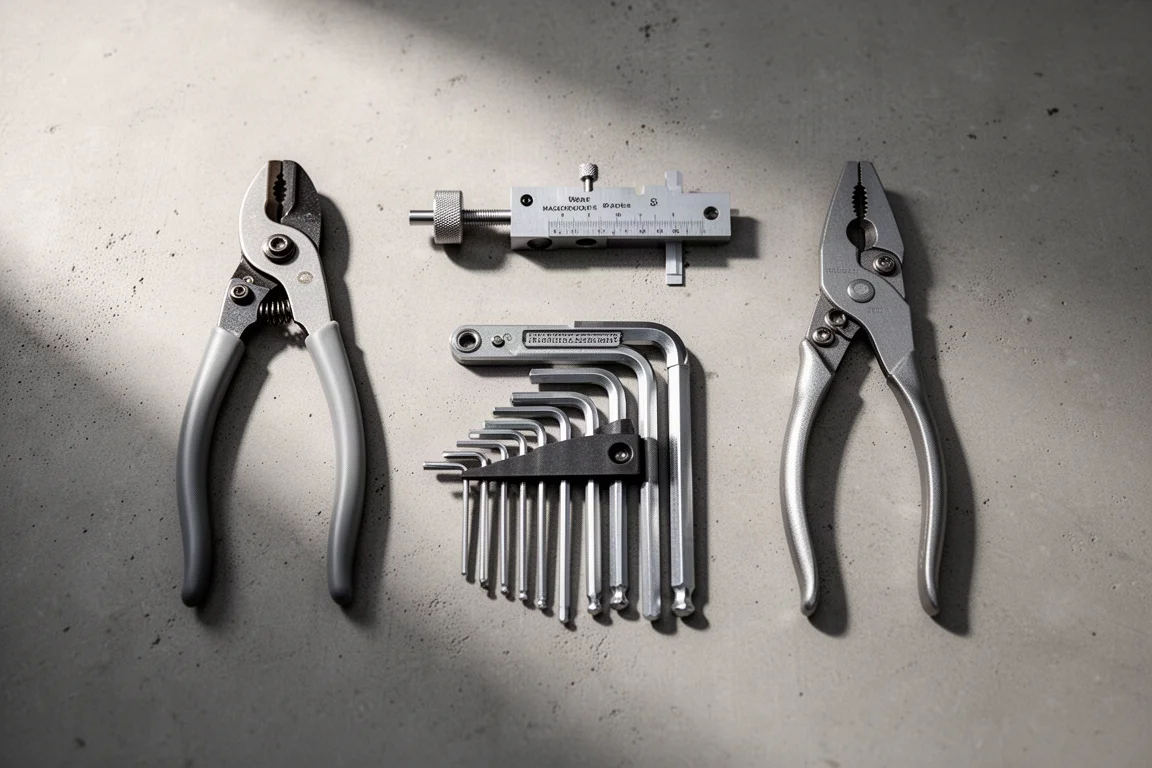
The honest answer for most of these tools is that the cheap option works. A plastic wedge pushes caliper pistons back. A standard shop gauge aligns a derailleur hanger. The case for the expensive version usually comes down to feel, repeatability and how often the tool is picked up. Where a tool solves a problem that a cheap alternative cannot touch at all, that is worth paying attention to.
Jagwire Sport Zip Tie Cutter
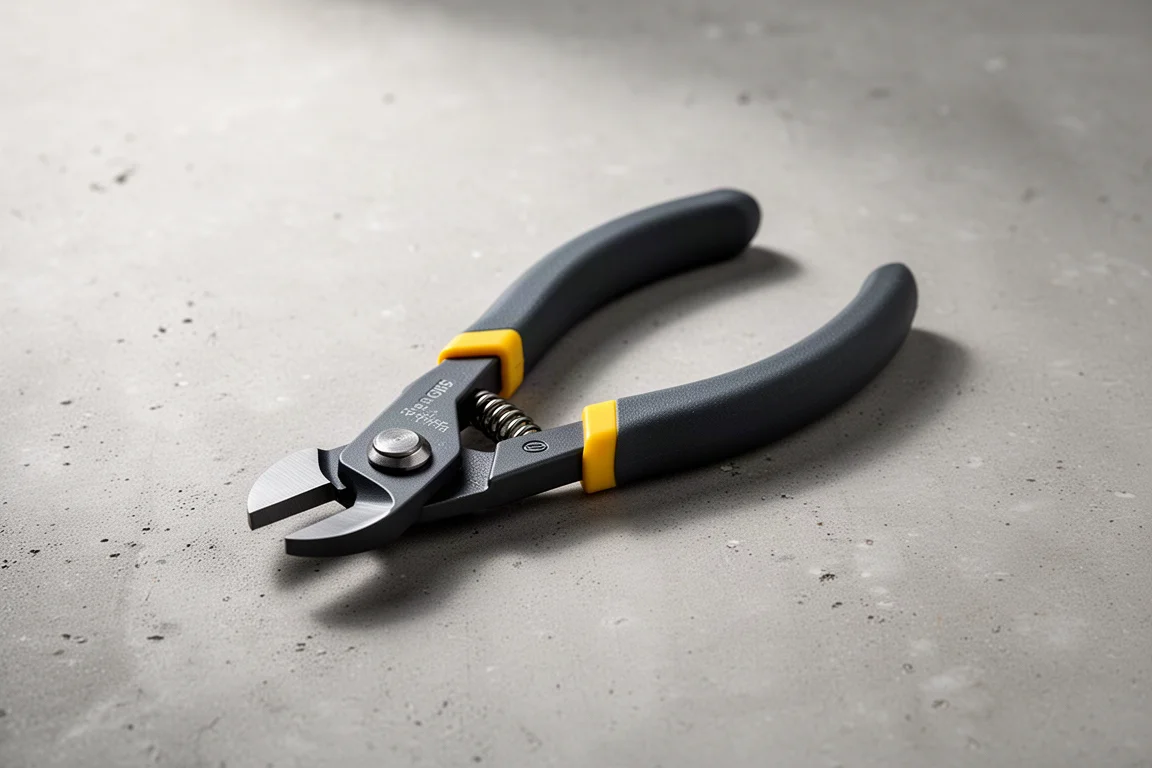
Cutting a zip tie with ordinary side cutters leaves a sharp, angled stub that is perfectly placed to open up a forearm or scratch a frame. The Sport Zip Tie Cutter shears the tie flush instead, leaving a flat, smooth end that will not catch on anything. It is one of the least expensive tools in this group, at around $19.99, and it is the sort of item that ends up being used far more often than its narrow purpose suggests.
Birzman Disc Brake Pad Wear Indicator
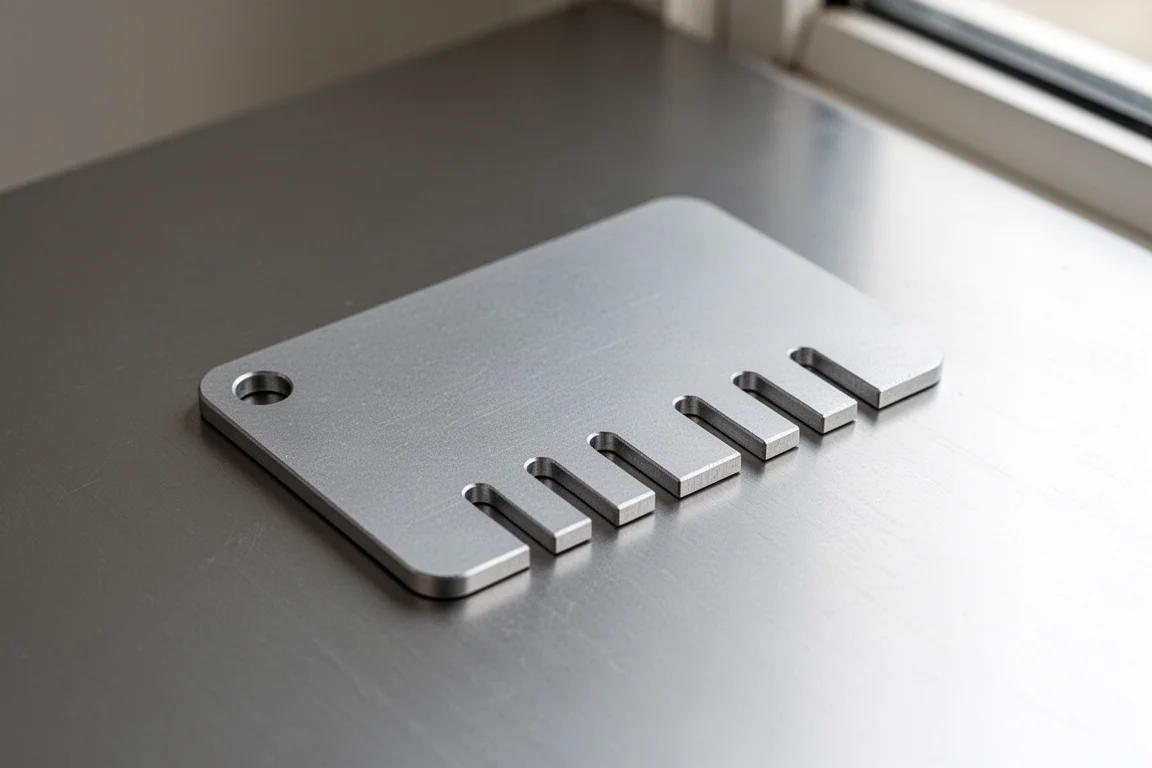
Judging pad wear by eye is unreliable, and reaching for a vernier caliper is only useful if the caliper is accurate and the reading is taken squarely. This gauge replaces both with a simple pass-or-fail check. Pick the profile that matches the brake, slide the pad into the slot, and the answer is immediate: if the pad travels all the way through, it is worn out, and if it stops, there is material left. The point is not to squeeze every last millimetre out of a set of pads. A thin layer of friction material has to remain, and running a pad down to the backing plate will destroy the rotor.
Birzman Rotor Wear Indicator
The rotor gauge follows the same logic. Choose the brake brand, offer the rotor up to the slot, and the result is binary: a rotor that slides in has dropped below its usable thickness and needs replacing, while one that will not fit is still serviceable. It is a faster and more consistent check than measuring by hand, and it removes the temptation to guess.
SRAM Piston Spreader
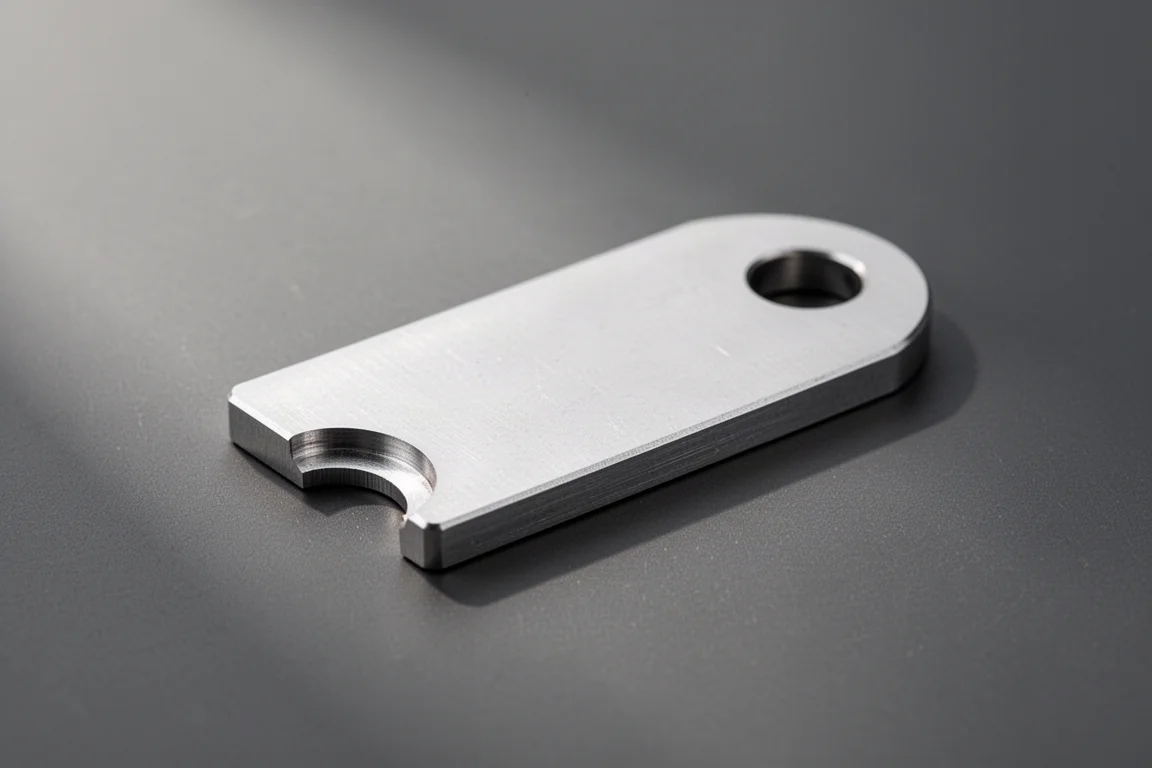
Pushing caliper pistons back into their bores is usually done with a plastic wedge. That approach works on almost any brake, but the wedge has to be held at an awkward angle, it does not always seat the pistons fully, and it is possible to damage a piston if it is used carelessly. The SRAM Piston Spreader is built specifically for SRAM calipers. It drops into the caliper and a screw drives the pistons apart until they stop. If the screw becomes stiff, a 5mm hex key adds extra leverage.
At around $91 it is a lot of money for a single-purpose tool, and it will not help anyone running a different brake brand. For a workshop that services SRAM brakes regularly, though, the clean and repeatable result is the whole point.
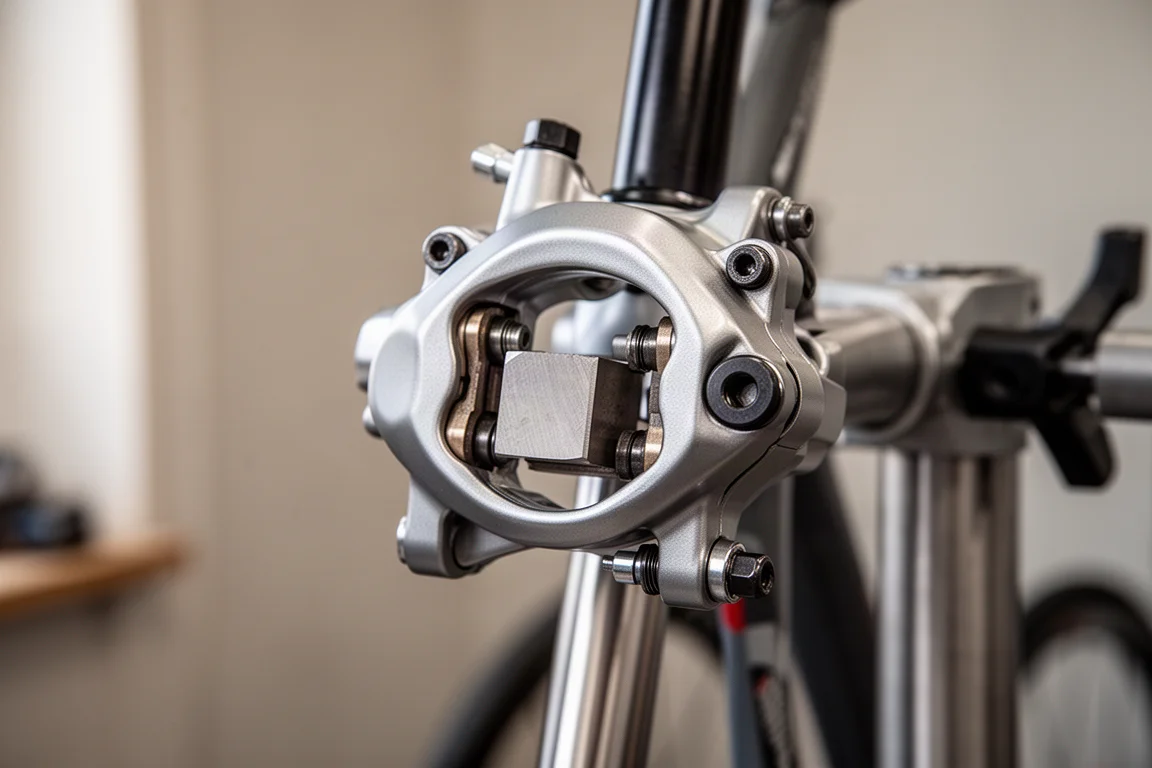
What makes it worth the outlay is not speed but consistency. The pistons end up fully retracted and square in the bore, which turns fitting a fresh set of pads and a rotor into a straightforward job rather than a fight.
Wheels Manufacturing Through Axle Ruler
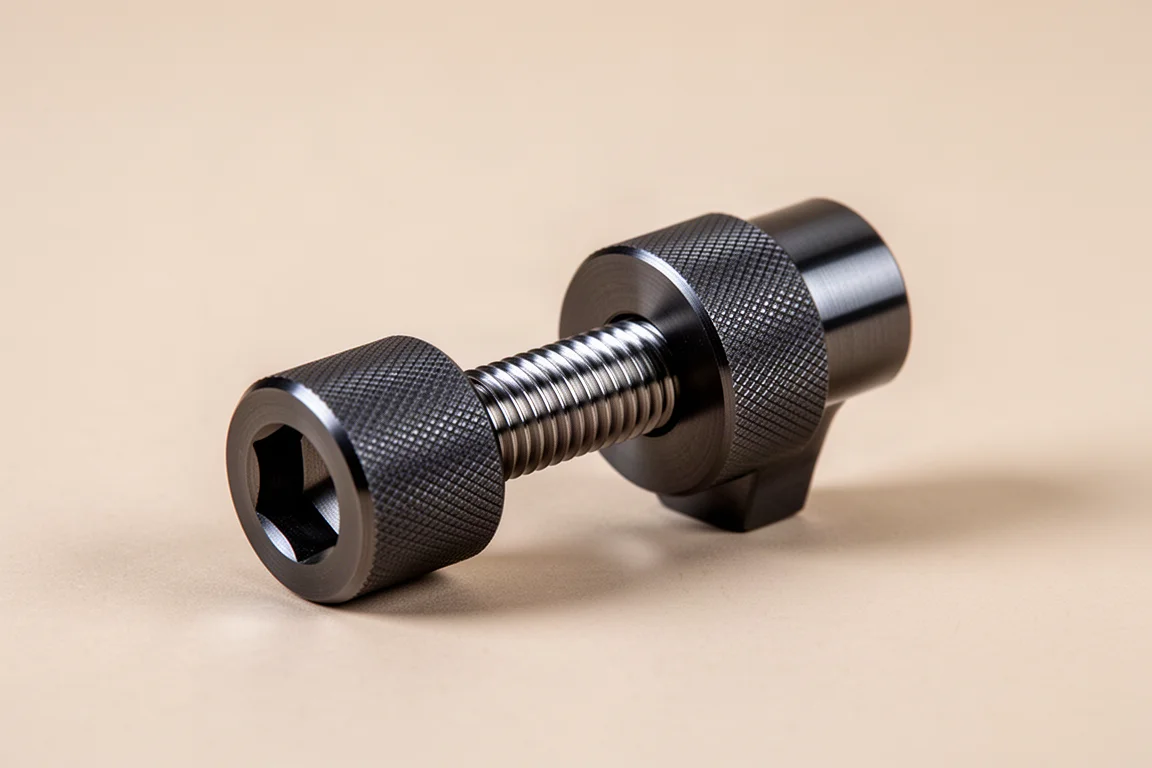
Most through axles carry their thread pitch and length stamped on the barrel, but not all of them do, and that is where this tool earns its keep. The threaded end can be offered up to an axle to confirm the pitch, the opposite side can be used to check a frame, and the scale along the body measures axle length. At $122 in the US it is a niche tool for a niche problem, and it only makes sense for someone who swaps axles often enough to be caught out by unmarked ones.
A far cheaper alternative covers most of the same ground: a simple plastic gauge with 1mm, 1.5mm and 1.75mm steps plus 12mm and 15mm axle width markings. Those are the three most common through-axle pitches and the two most common widths, and the gauge slots neatly into a dropout to check a frame.
CeramicSpeed End Cap Removal Tool
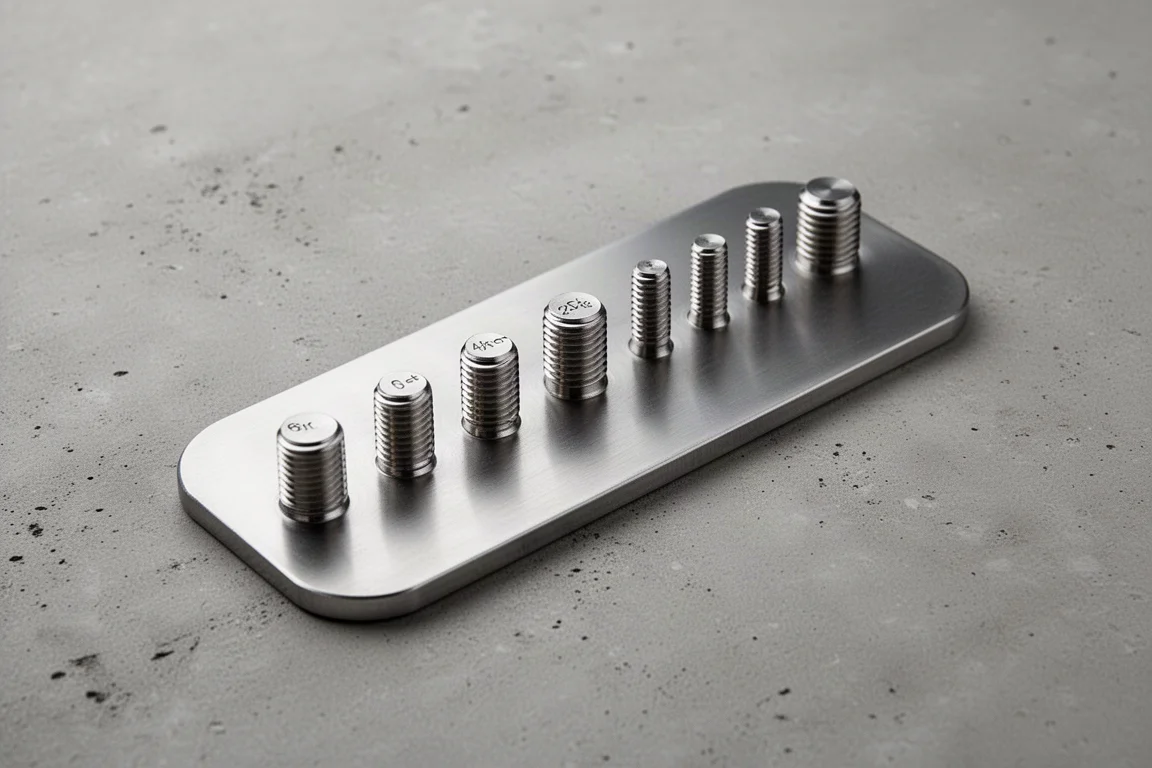
Hub service often stalls at the same point. The end cap will not move, there is barely anything to grip, and the usual improvisation risks marking a finished surface. This tool clamps onto the cap, an Allen key tightens it down, and the cap comes away cleanly. It is not sold separately, which is the catch: it arrives as part of a hub service toolkit, and the toolkit price is steep enough that this single tool has to justify much of it. As a solution to a genuinely annoying problem, it does.
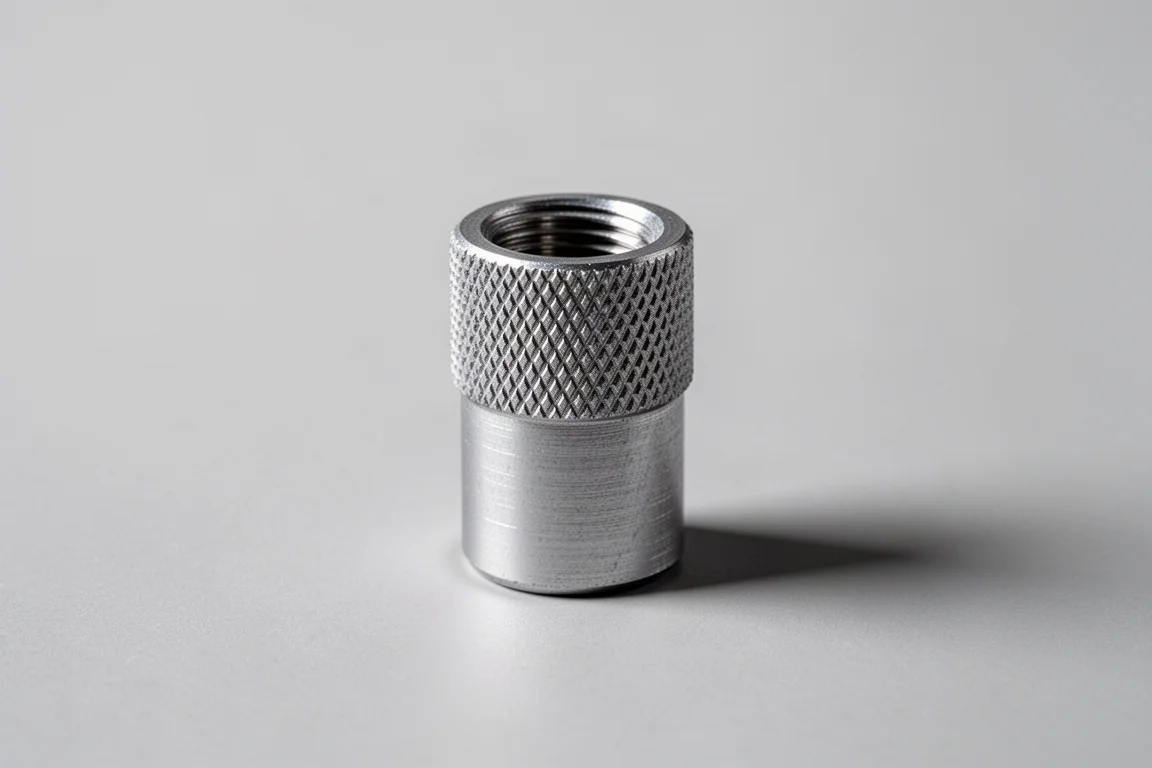
Jagwire Pro Cable Cutter and Crimper
Cable cutters are everywhere. Cable cutters with a crimper that actually works are not. The Pro cuts cable cleanly, and its crimping jaw is a separate piece mounted above the cutting head, so it closes over an end cap from directly above. That makes it much easier to line up than the notch built into the base of most cutters, and it produces an even crimp all the way around the cable. At around $34 it is a modest upgrade over a generic pair.
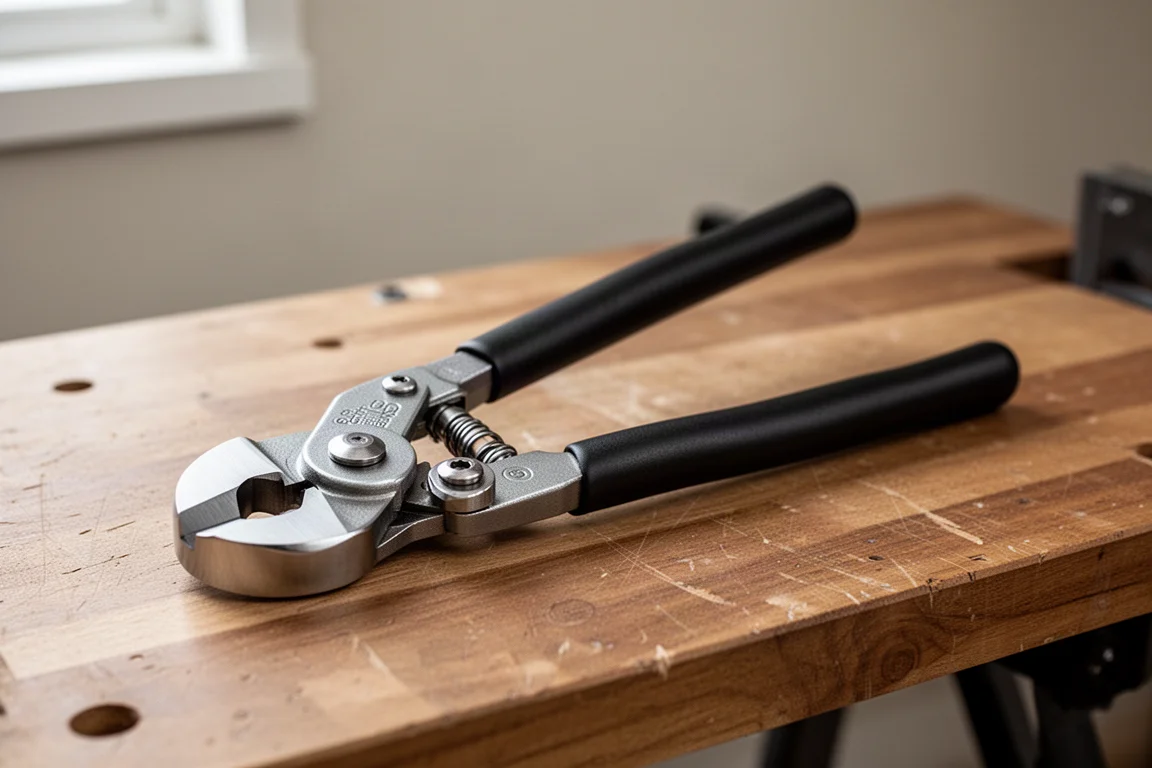
Knipex TwinGrip Slip Joint Pliers
These are the tools that sit untouched for months and then save an entire afternoon. Their job is the bolt head that has been rounded off by a slipping Allen key or screwdriver. The front jaws grip the head from above so it can be twisted out, and the joint adjusts to suit different sizes. Build quality is what this brand is known for, and the jaws bite hard enough to make a difference on hardware that has already defeated everything else in the drawer.
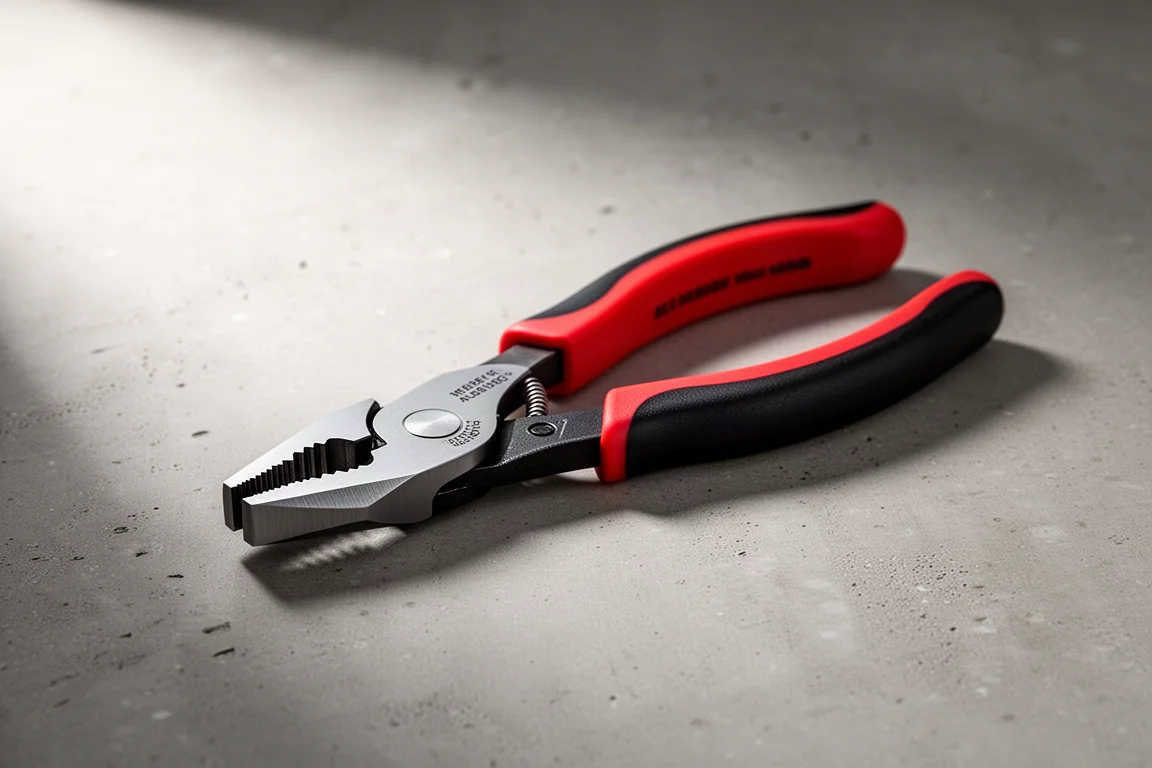
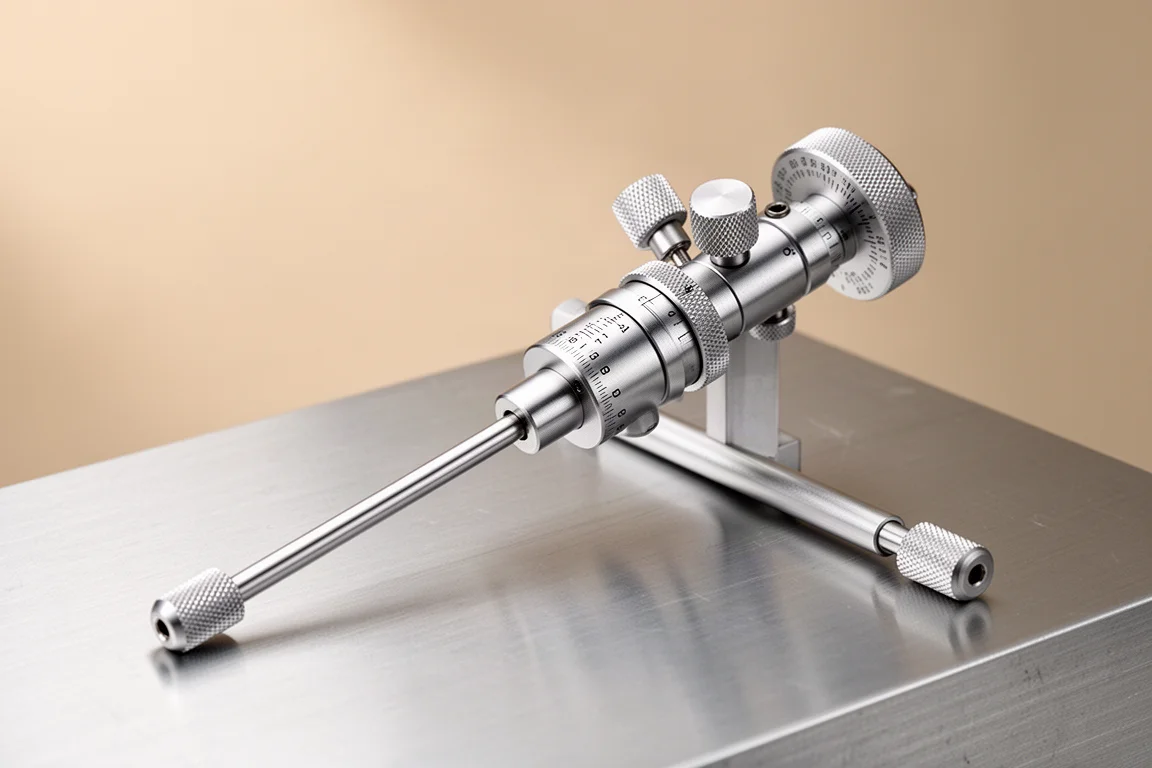
Abbey Bike Tools HAG (Hanger Alignment Gauge)
A derailleur hanger that is bent or skewed will ruin shifting no matter how well the drivetrain is set up, and there is no way to index gears properly around it. The HAG measures and corrects that alignment. Compared with the standard workshop gauge, the difference is in the feel: the way it spins, the way it holds position, and the general standard of the machining.
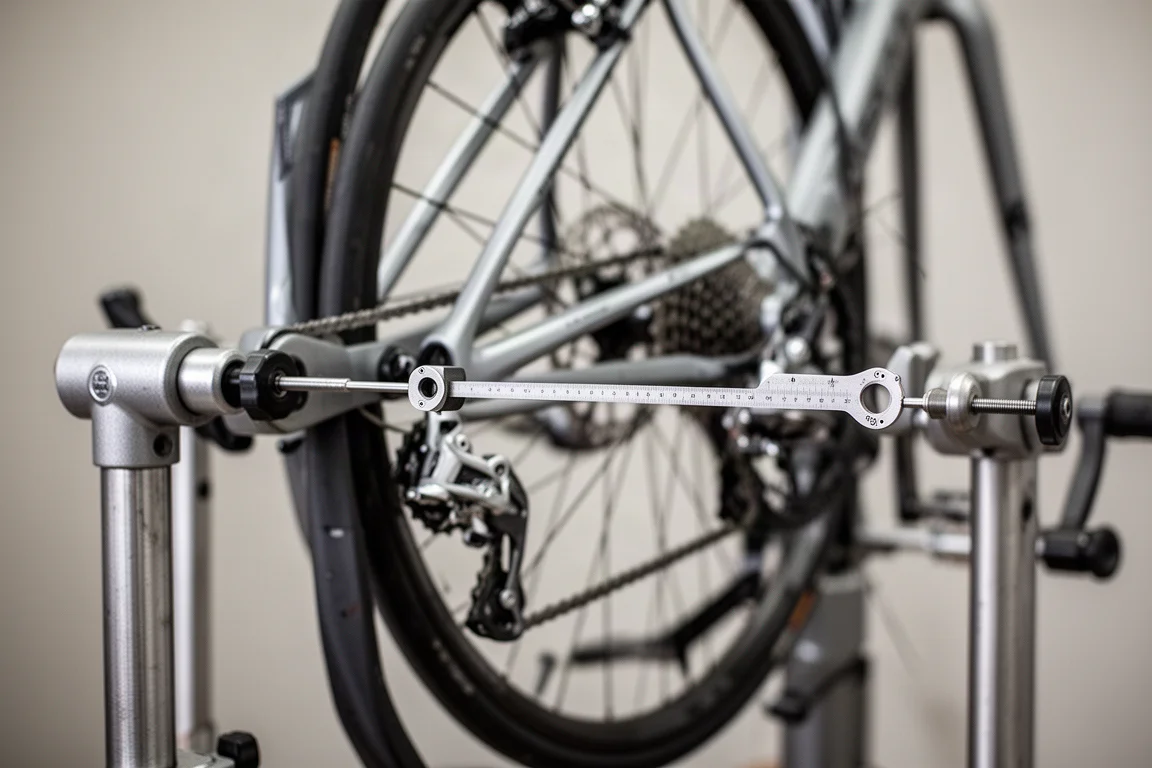
None of that changes the outcome. A conventional hanger gauge aligns a hanger perfectly well, and this one is a treat rather than a requirement. It is the tool to buy when the work is already being done properly and the upgrade is about enjoying the process.
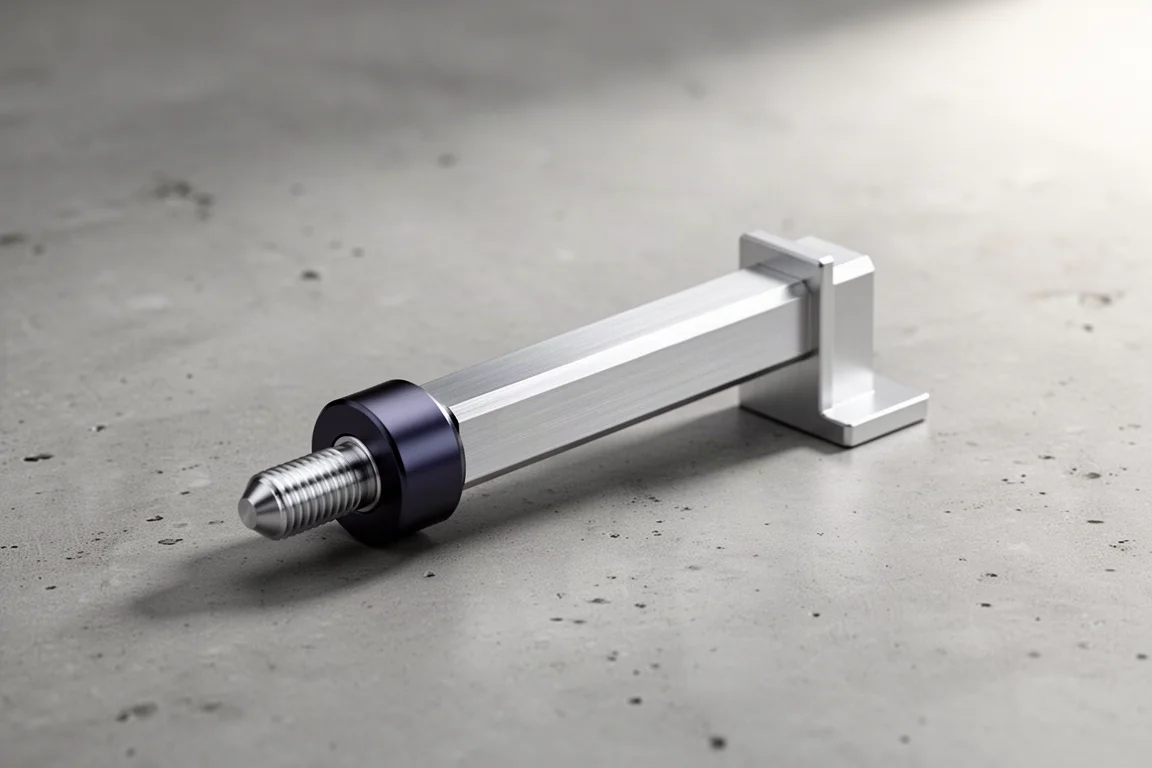
Abbey Bike Tools L Set
Screwing into the top cap of the stem and clamping onto the bar, the L Set shows whether the brake levers sit level with each other. It sounds trivial until you try to check it another way. A spirit level only tells the truth if the bike itself is perfectly upright, which is almost impossible to guarantee in a workshop. This is the only reliable way to confirm that the levers match. It is the cheaper of the Abbey alignment tools, partly because the body is 3D printed plastic rather than machined metal, which is noticeable next to the rest of the range.
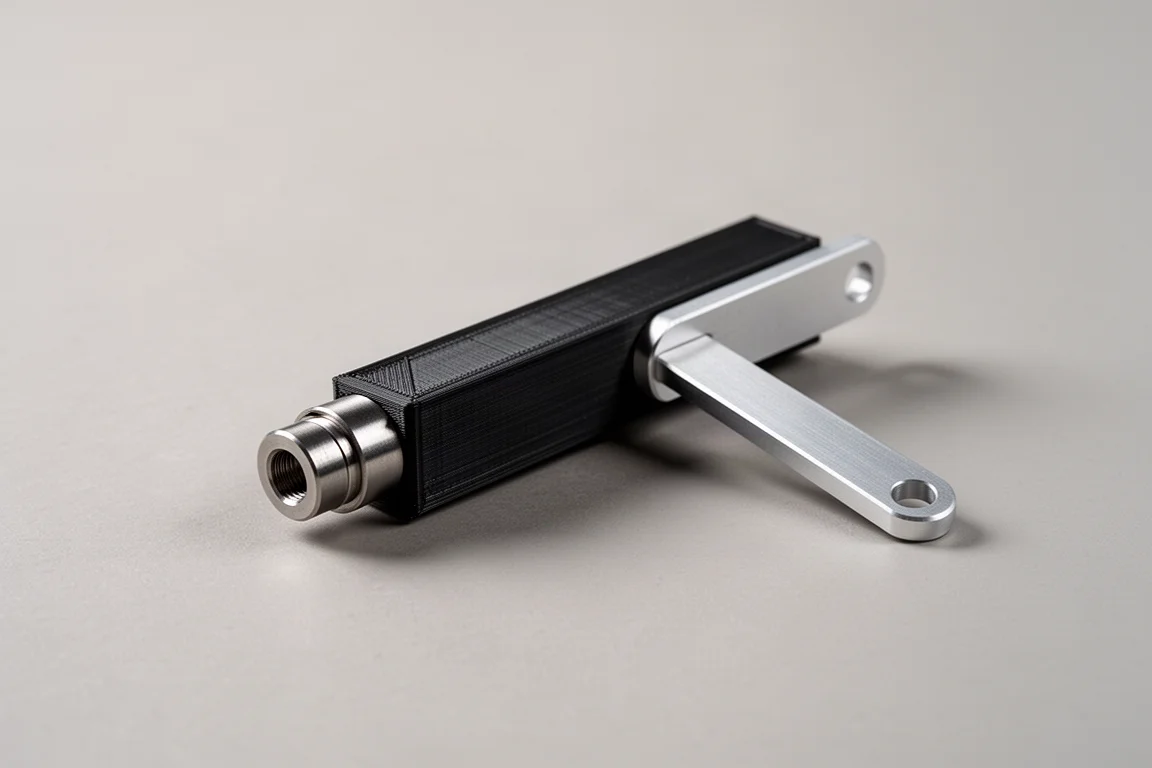
Abbey Bike Tools Pre-HAG
Before pulling a rear derailleur off the bike, this gives a quick read on whether the hanger is straight. It is a sanity check rather than a measuring instrument, and its value is in the time it saves: if the hanger is clearly out, the full gauge comes out, and if it is close, the mech can stay where it is.
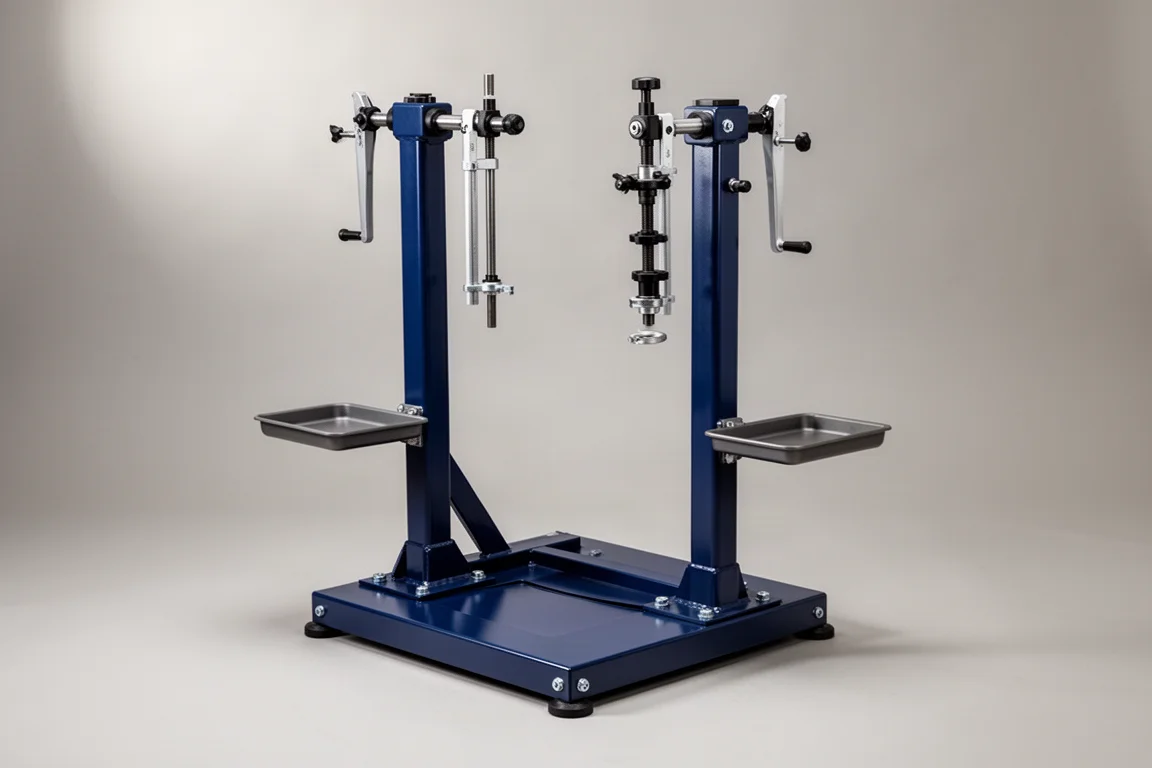
Park Tool TS-4.2 Professional Wheel Truing Stand
The TS-4.2 is the stand most professional workshops reach for, and it is easy to see why. It takes quick release and through-axle hubs, has room for fat bike tyres, and includes small trays to keep nipples and spoke keys from rolling onto the floor. At $464.99 it is a significant purchase, but for anyone building or truing wheels regularly it is the benchmark that everything else is compared against.
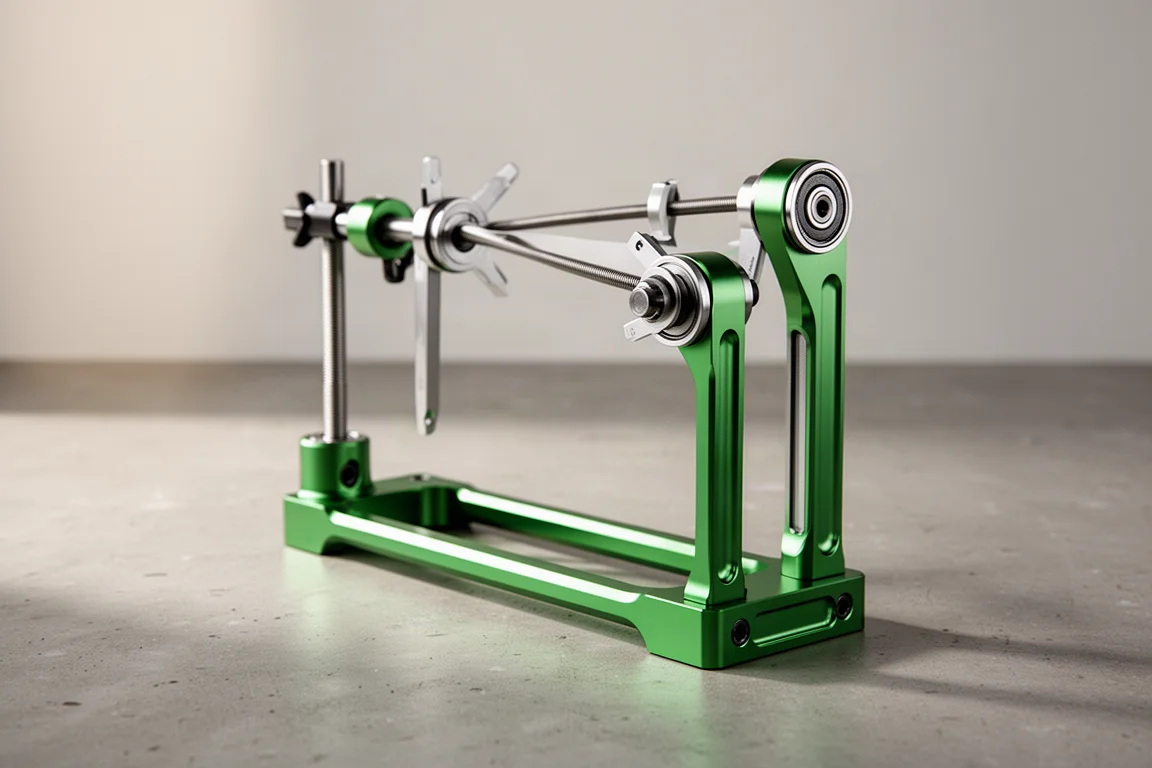
Abbey Bike Tools Truing Stand
For around £1,725, this truing stand is less a functional upgrade than an object to admire. The resistance is precise, it runs on Enduro bearings, and every part of it is a little more mesmerising than the alternatives. By its own standard it does not do anything the Park Tool stand cannot do. What it offers is the pleasure of using something beautifully made, and for some mechanics that is reason enough.
VAR Disc Brake Facing Tool
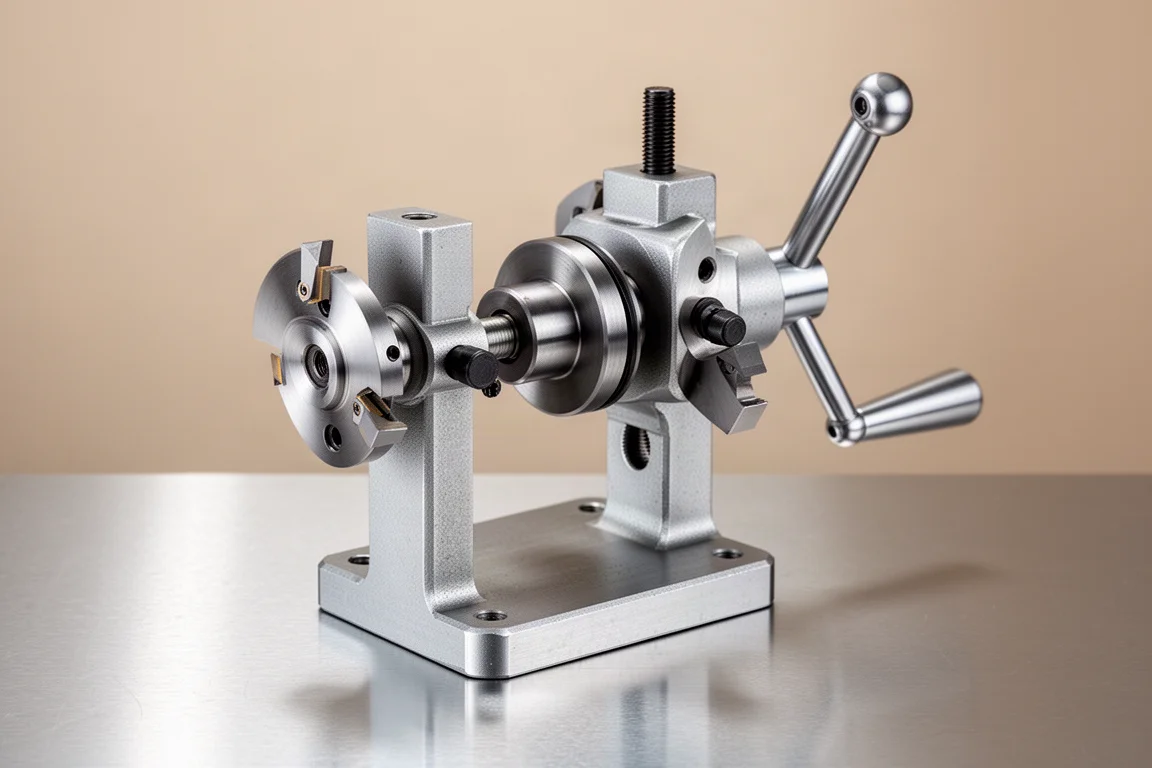
Brake mounts are supposed to leave the factory flat, and most of them do. When they do not, this tool corrects both mounts in a single pass rather than facing one side and then the other, so the caliper sits square from the start. It is heavy, it is not the kind of thing that gets lent out, and the cutters will dull with use over time. At around £700 it is a specialist purchase, and the honest position is that most frames should never need it.
Overall Buying Advice
The tools on this list fall into three rough groups, and the case for buying each one is different. Cutting and finishing tools, like the zip tie cutter and the cable cutter and crimper, are the easiest to justify. They cost very little, they get used constantly, and the improvement over a generic alternative is felt on every job. Wear gauges, like the brake pad and rotor indicators, are cheap insurance against an expensive mistake, since running pads or rotors past their limit damages parts that cost far more than the gauge.
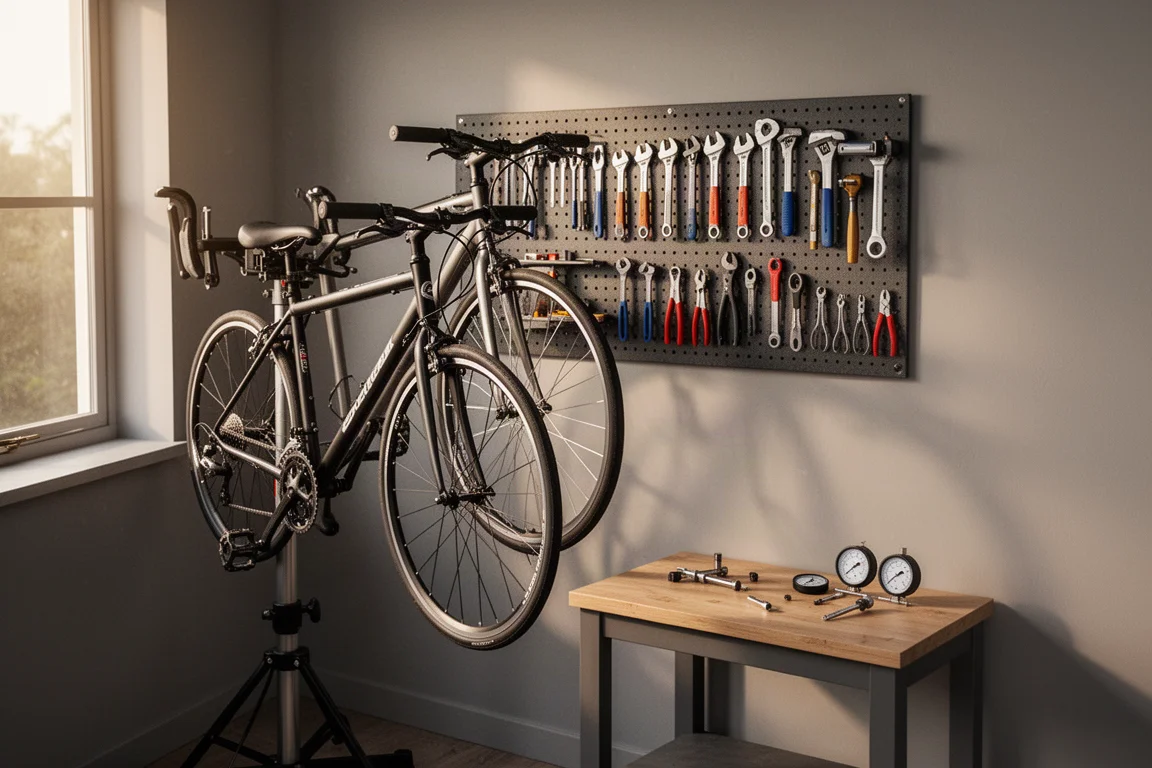
The alignment and measurement tools sit in the middle. A hanger gauge, an L set and a through-axle ruler solve problems that are otherwise guesswork, but each one only pays for itself if that problem actually comes up. The truing stands and the disc brake facing tool belong to the third group: professional-grade equipment that is hard to justify in a home workshop unless wheels or brake mounts are part of the regular workload. For everyone else, the sensible approach is to buy the inexpensive tools that remove daily irritation, and admire the rest from a distance.
Conclusion
None of these tools is required to keep a bike on the road. Each one exists because a specific job is easier, cleaner or more accurate with it in hand, and that is what makes them so easy to want. Start with the small ones that get picked up every week, and treat the precision instruments as a reward for work that is already being done well.
Further reading
Related Reviews
Bike Tools
Bike Tools Nobody Needs but Everybody Wants: 13 Workshop Luxuries Worth Knowing
A practical look at thirteen specialist bicycle workshop tools, from inexpensive zip tie cutters to premium truing stands, with honest notes on price and when each one earns its place.
Bike Tools
Workshop Tools Nobody Needs But Everybody Wants: Bike Mechanic Tools Worth Coveting
Thirteen workshop tools that no bike mechanic strictly needs, from a $19.99 zip tie cutter to a shop-grade truing stand, and the small problems each one quietly solves.

Backpacking Gear
Building a 10 lb Base Weight: An Ultralight Backpacking Gear List
A practical walkthrough of the ultralight pieces behind a 10 lb base weight, from a 765 g pack and a roomy one-person tent to a full camp chair and a dependable water filter.