Cycling Gear
Workshop-Proven Bike Gear: Five Products Worth Having
Five cycling products that hold up to daily workshop use, from a folding hex multi-tool to a bearing press, plus a gravel tire and a simple rear fender.
Introduction
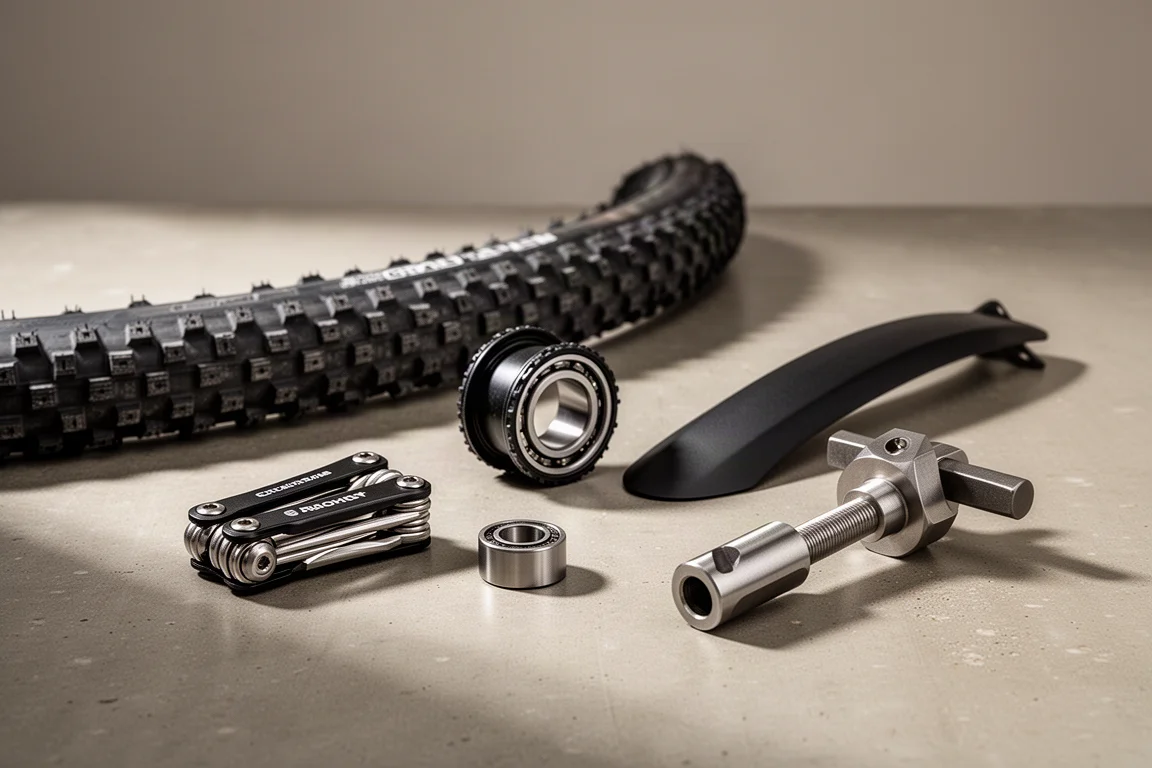
Some cycling products earn their place through clever marketing, and some earn it by being picked up again and again over years of real use. The five items below belong firmly in the second group. They range from a small folding multi-tool that lives in a workshop apron to a precision bearing press that costs more than most people spend on a wheelset, and each one solves a specific, recurring problem rather than adding novelty.
They also cover a useful spread of ownership. Two are workshop tools, one is a wear item that quietly outlasts the alternatives, and two are finishing touches that change how a bike feels on wet gravel and rough backroads. Read them as a shortlist, not a shopping list: the right pick depends on whether you service your own bikes or simply ride them.
What ties the group together is durability and low maintenance. None of these products asks for constant attention, and most of them are designed so that a normal rider can install, use and forget about them.
How These Five Earned Their Place
The bar here is deliberately practical. A product only makes the cut if it does something measurably better than the obvious alternative, if it holds up to repeated use, and if it can be fitted or operated without a workshop full of specialist equipment.
Durability came first. Bearings, tires and tools all fail in predictable ways, and the items on this list either resist that failure or make the consequences cheaper to deal with. Ease of service came second: anything that shortens a job, or removes a step entirely, tends to justify its cost quickly.
Value was the third filter, and it is not the same as cheapness. Some of these products cost a lot and still make sense for the right owner, while others cost very little and quietly outperform more expensive options. Both outcomes are useful, provided the buyer knows which one they are getting.
Park Tool AWS-10: The Everyday Multi-Tool
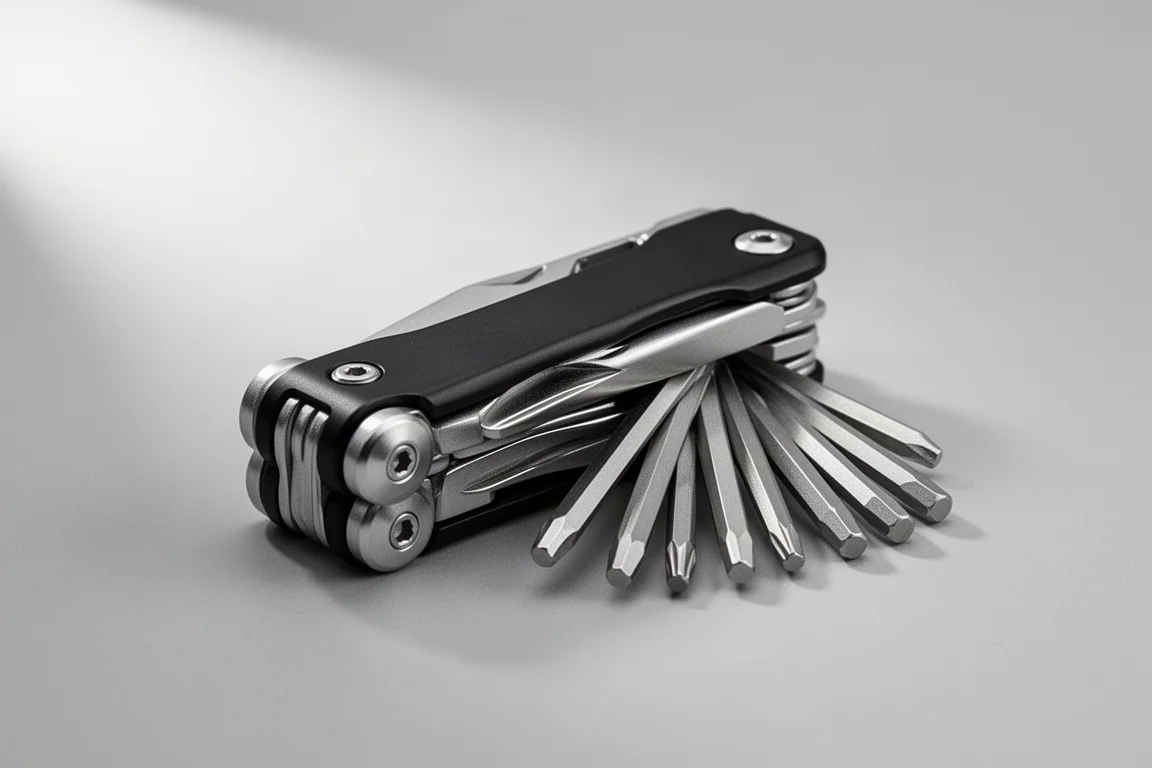
If one tool deserves a permanent spot on the bench, it is this folding hex multi-tool. It has been in continuous use for around two decades, which is an unusually long service life for anything with moving joints and a hinge.
What makes it work is the machining. The hex ends are cut cleanly enough that the risk of rounding out a bolt head stays low, even on fasteners that have been tightened and loosened hundreds of times. It handles the common sizes you reach for constantly, from stem bolts to rack mounts, without needing a second tool.
There is nothing exotic about it, and that is the point. It is small, it lives in a pocket or a drawer, and it simply works every time it is picked up. For anyone building a basic home toolkit, it is arguably the single most useful item a bike owner can buy.
Enduro XD15 Bearings: Set-and-Forget Durability
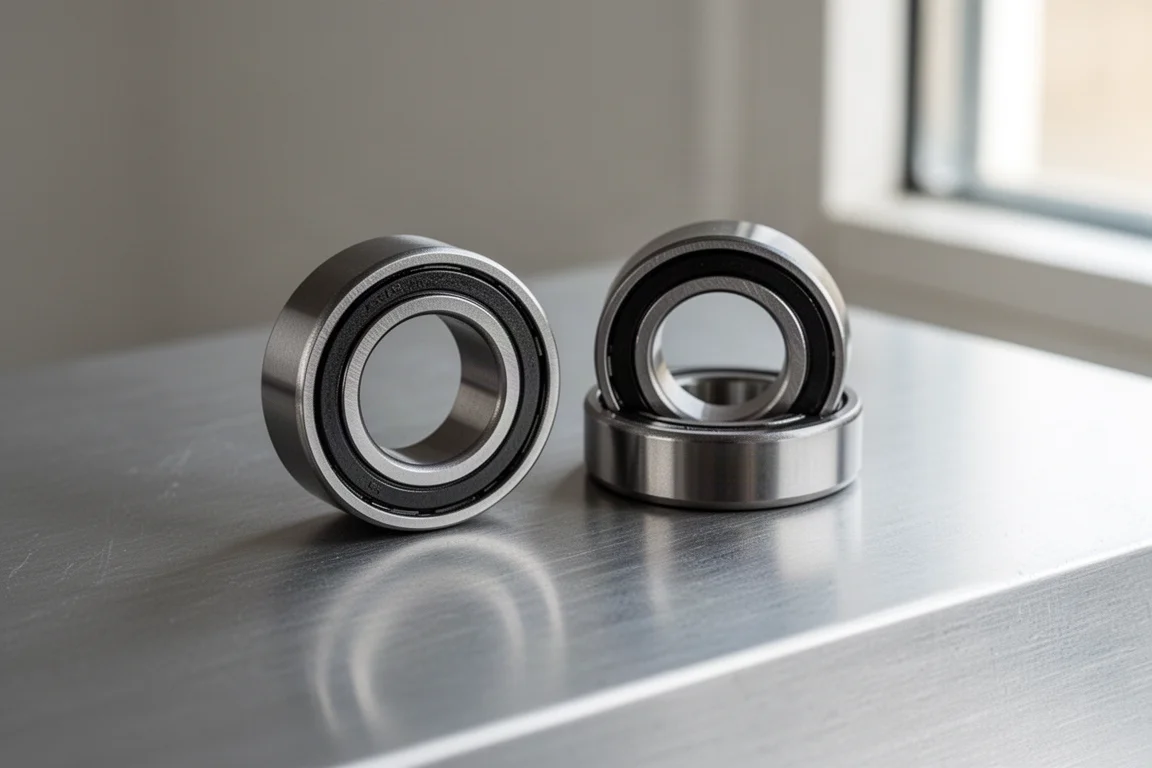
These bearings are available for bottom brackets, headsets and jockey wheels, which means they can quietly upgrade almost every rotating contact point on a bike. The material story behind them is genuinely unusual: the same class of material is used in aircraft wing and flap components, where long, predictable service life is not optional.
The practical benefit for cyclists is that these bearings arrive with a lifetime unlimited warranty and need no servicing. Dirt can get in and the bearing should still keep working, and if something does go wrong, the replacement policy is straightforward. That contrasts with many ceramic bearings, where the warranty comes with a list of conditions that are easy to accidentally void.
Cost is the trade-off, though less than you might expect. Bottom bracket sets sit in the region of 229, which is more than a standard steel bearing but well below the worst excesses of the ceramic market. Riders who are tired of chasing creaks and replacing bearings every season will find the maths works out.
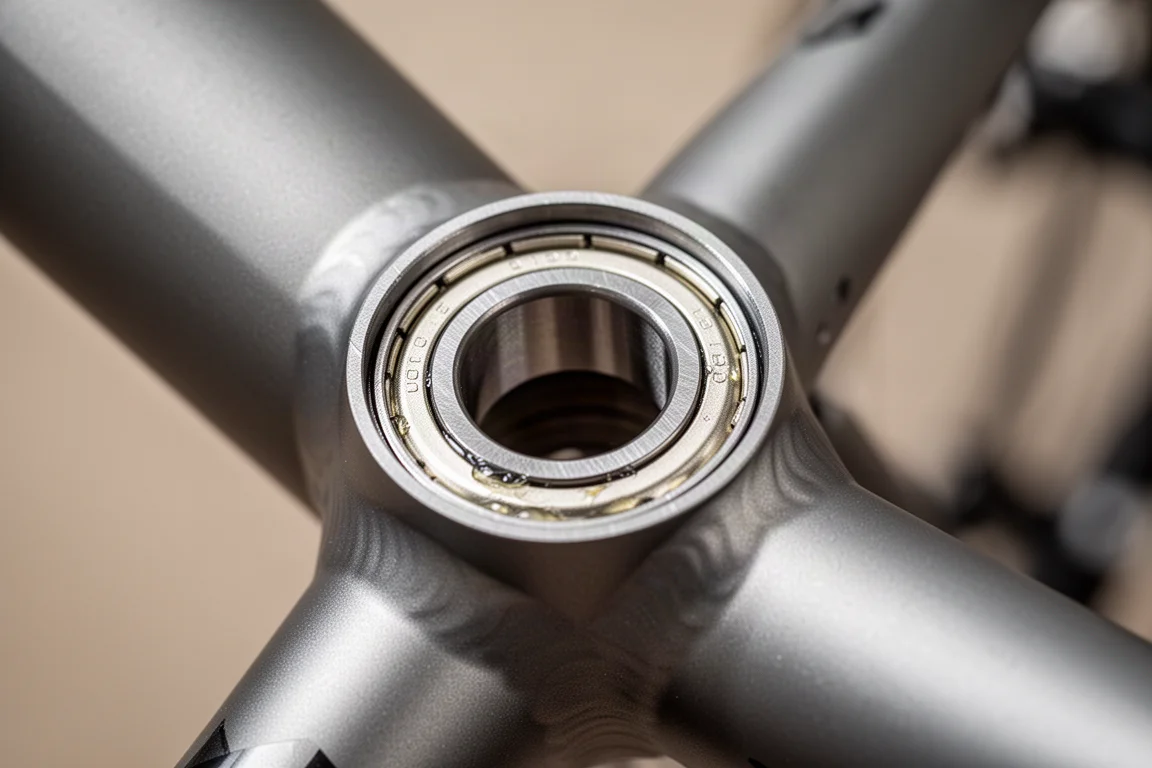
Installation is the same as any comparable bearing, so there is no special tooling to buy and no change to your normal service routine. You press it in, ride, and stop thinking about it.
Teravail Rutland: Gravel Tires That Stay Comfortable
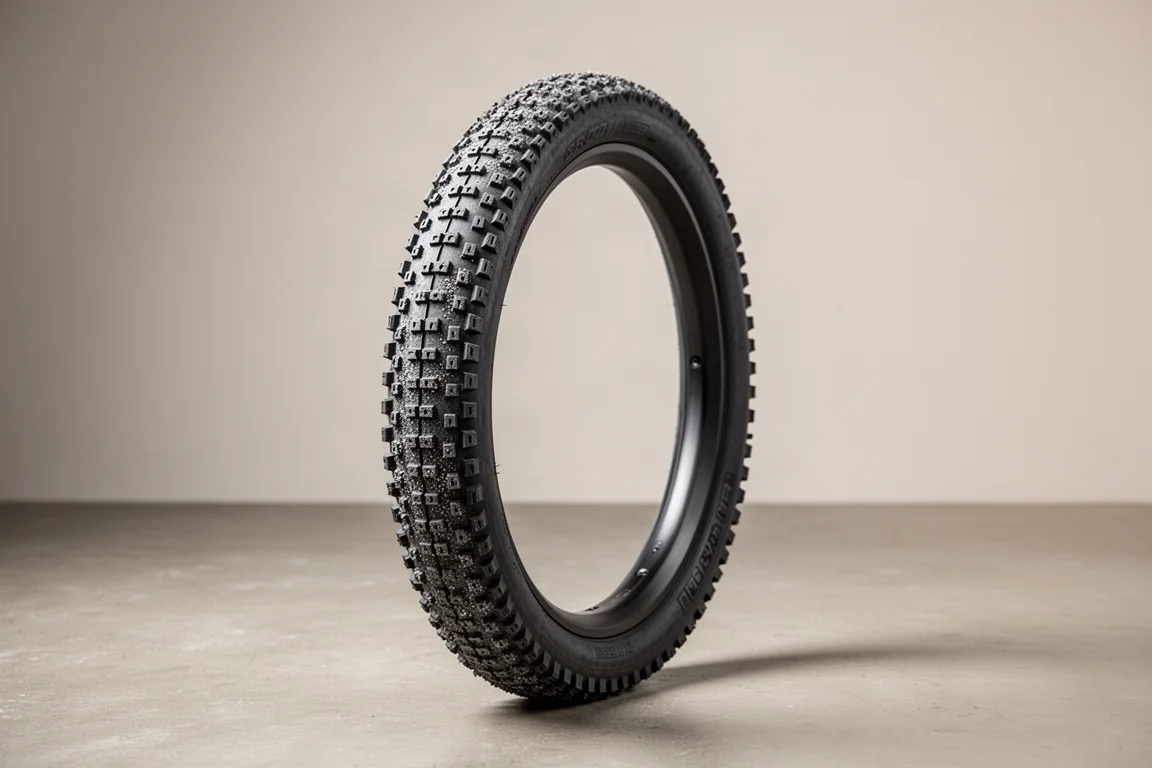
Gravel tires are where comfort and speed usually argue with each other, and the Rutland is one of the few options that settles the dispute. In a 650b x 2.1 size, it rolls smoothly on hardpack and stays composed when the surface turns loose and chunky.
The standout quality is how it behaves in mud. Instead of packing up and turning into a slick, the tread clears reasonably well, so you keep rolling rather than scrubbing speed and fighting the bars. That matters more than outright grip on most mixed-surface rides, because a tire that sheds mud is a tire you can keep pedalling.
Comfort is the other reason to like it. The larger volume soaks up washboard and embedded rock in a way that narrower rubber cannot, and it does so without feeling vague or sluggish under power. For riders whose gravel includes long stretches of rough, broken road, it is a genuinely easy recommendation.
Ass Savers Fender Bender: Simple Rear Spray Protection
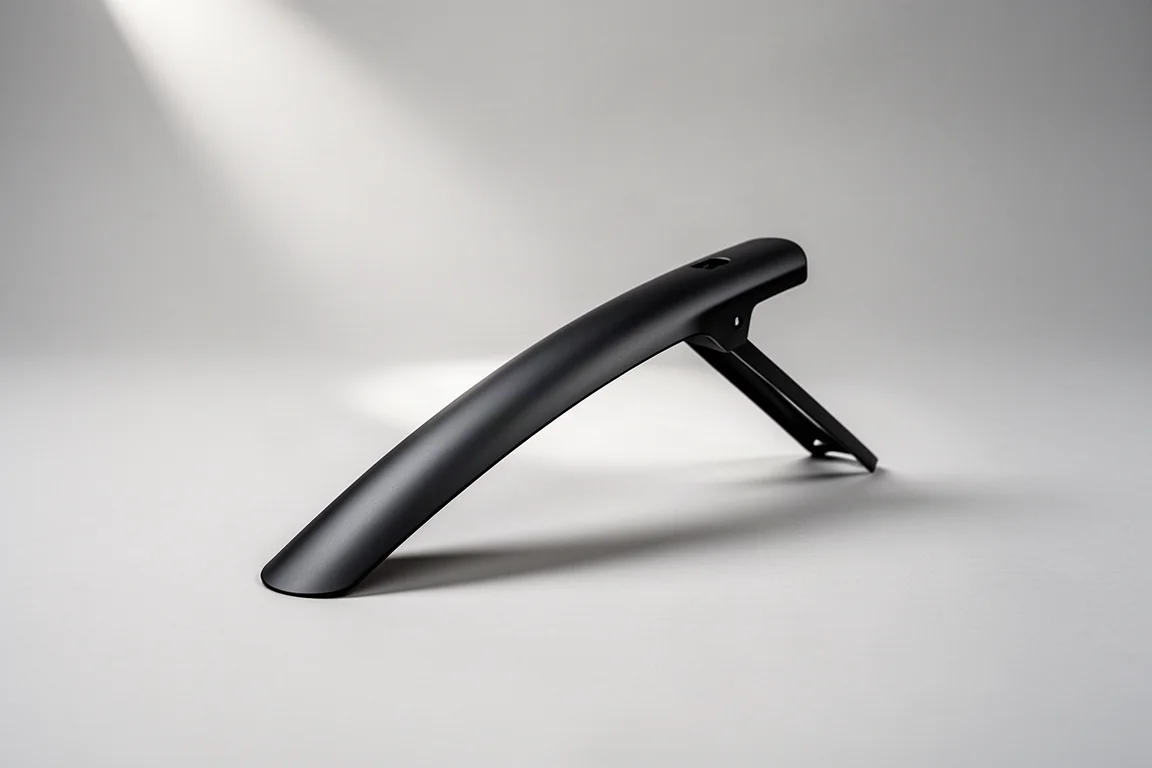
Mudguards are one of those topics that divides riders, and the Fender Bender makes the case for the minimal approach. It is a small rear fender that keeps the spray off your back without the brackets, stays and permanent commitment of a full guard.
Fitting and removing it takes seconds, so it can live in a bag and appear only when the forecast turns. Priced at around 12.95, it also undercuts most alternatives while doing the job at least as well. If you ride in wet conditions regularly but refuse to leave a full mudguard on the bike all year, this is the compromise that actually gets used.
The honest limitation is that it protects you and nobody else. Anyone riding behind you will still get wet, and your drivetrain and shoes still take whatever the road throws up. That said, for solo rides and commutes, the trade-off is easy to accept.

It is worth noting that a small fender like this is most effective when it is set close to the tire, so take a moment to line it up before your first wet ride. The difference in coverage is noticeable.
CeramicSpeed Wheel Bearing Press: Precision Without the Fuss
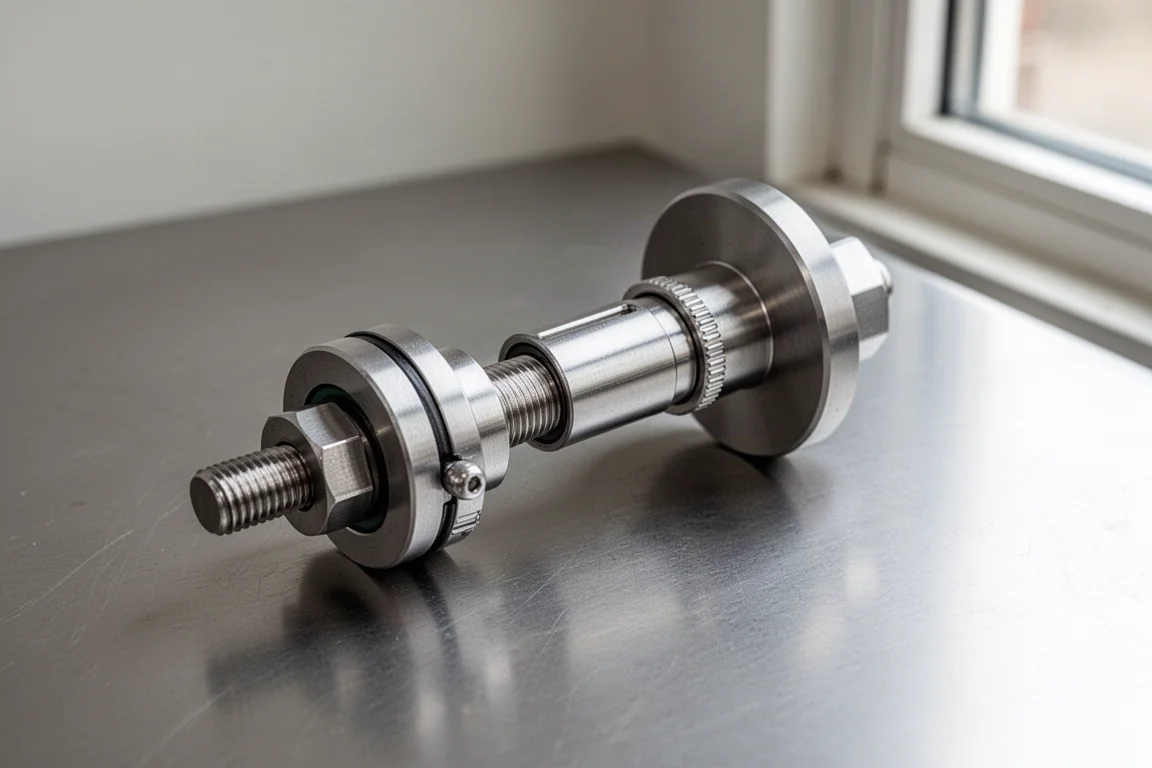
This is the specialist tool of the group, and it exists to fix one specific annoyance: threading a press in and out every time you install a bearing. Instead, the tool slides on, clicks into place, tightens, loosens and clips off again.
That quick-release thread saves time on every single job, and the accuracy of the interface means bearings seat squarely and predictably. In a busy workshop the savings add up quickly, and for a home mechanic working on one or two bikes a year, the benefit is mostly the reduced risk of a crooked press.
Build quality is excellent and the mechanism does exactly what it promises. The catch is the price, which sits around 850, making it one of the most expensive hand tools a cyclist is likely to consider. It is a genuine luxury purchase that earns its keep through repetition.
Buying Advice: Matching Tools to Your Riding
The simplest way to choose from this group is to split it by how often you will actually use it. The multi-tool and the fender make sense for almost anyone, because both cost little and get reached for constantly. The tires make sense for riders whose gravel includes mud, rough surfaces or long days where comfort matters more than outright speed.
The bearings occupy a middle ground. They cost more than standard replacements but less than premium ceramic options, and they remove a recurring maintenance task rather than just improving a number on paper. Riders who keep bikes for years and dislike servicing bottom brackets will get the most from them.
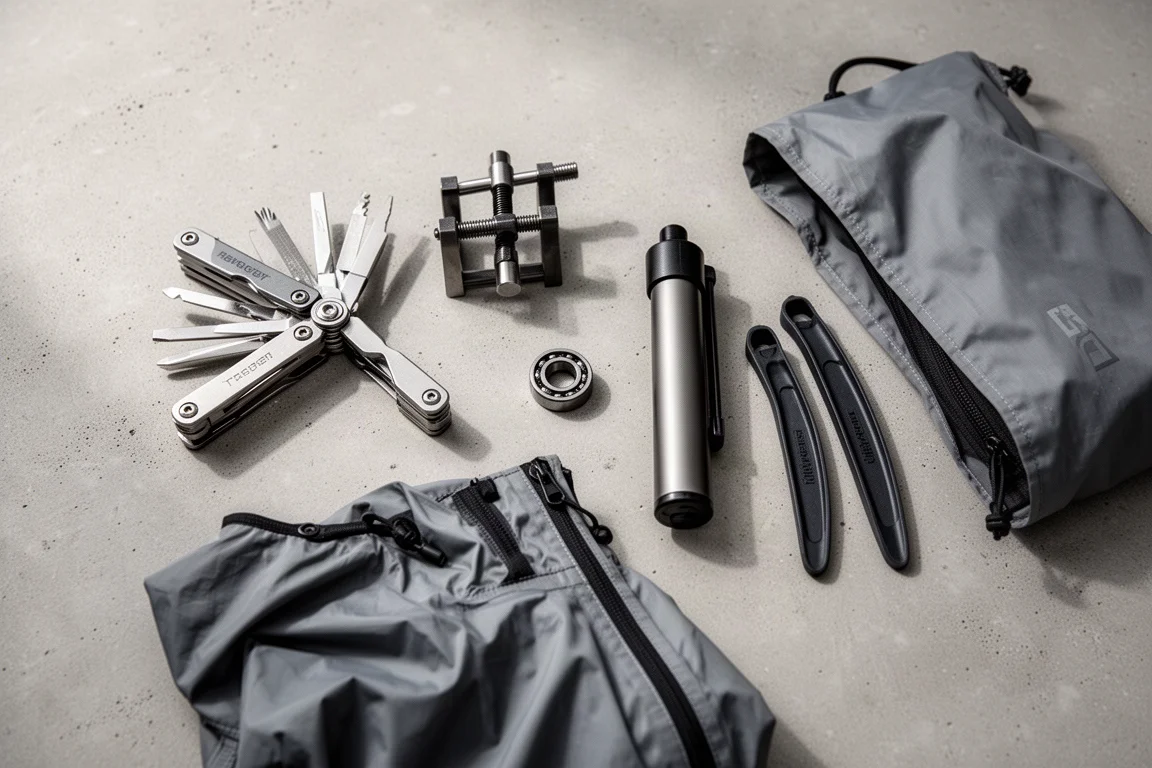
The bearing press is the one item to buy last. If you press bearings rarely, a basic threaded tool will do, and the premium version only pays off when the job comes up often enough for the time saving to matter. Buy it as a reward for a well-used workshop rather than as a first purchase.
Conclusion
Five products, five different reasons to own them. The Park Tool multi-tool covers the everyday jobs, the Enduro bearings remove a maintenance chore, the Teravail Rutland makes rough gravel more comfortable, the Ass Savers Fender Bender keeps spray off your back for very little money, and the CeramicSpeed press is a specialist tool for people who press bearings often.
Start with the inexpensive items that you will use weekly, then add the ones that match the bikes you actually ride. That order keeps the spending sensible and the workshop genuinely more useful.
Further reading
Related Reviews
Cycling Gear
8 Cycling Products Riders Keep Coming Back To
Eight cycling components and accessories with clear strengths, honest trade-offs and long-standing reputations among riders and mechanics.
Cycling Gear
Aero Helmets and Bottle Setups Tested: Six Options Ranked by Measured Watt Savings
Wind tunnel data on six aero helmets and bottle setups, with real watt savings, practical trade-offs, and guidance on what is worth buying first.
Cycling Gear
Aero Road Bikes and Fast Tires Worth Watching in 2026
Four aero road bikes and one fast road tire, with the real strengths, the open questions, and what to check before you buy.