Cycling Gear
Aero Road Bikes and Fast Tires Worth Watching in 2026
Four aero road bikes and one fast road tire, with the real strengths, the open questions, and what to check before you buy.
Introduction
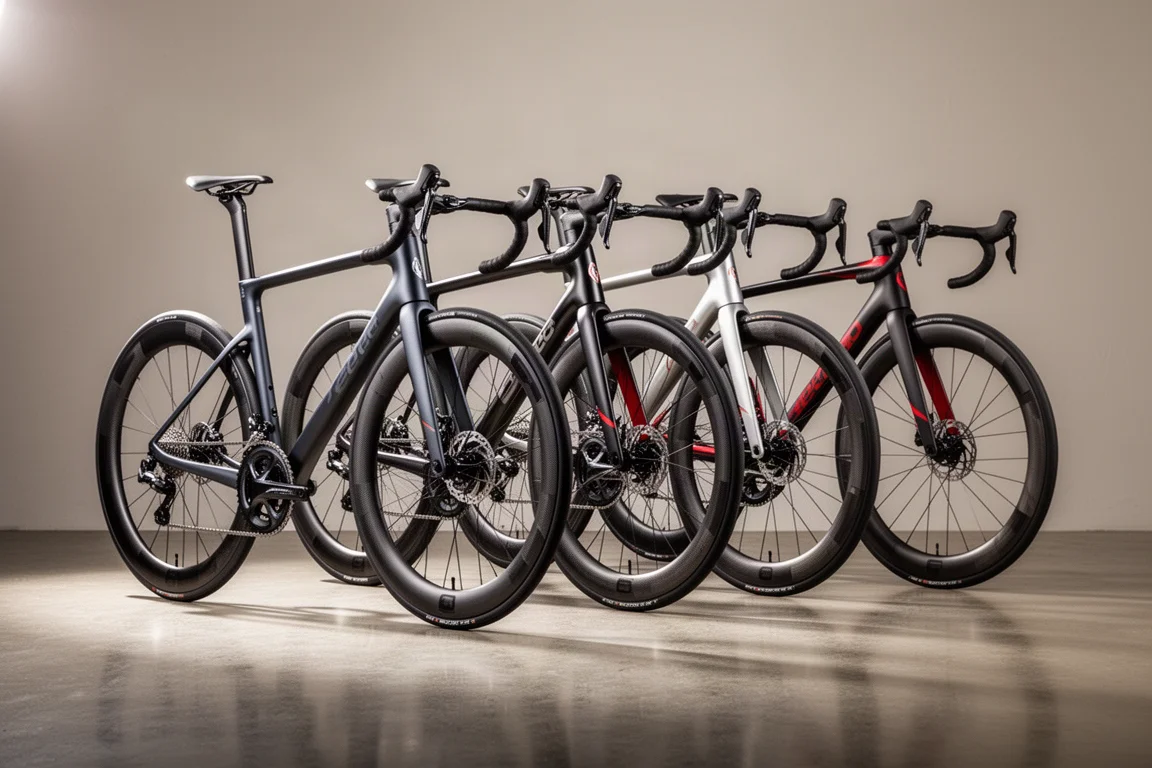
The aero road category keeps moving, but the changes that matter are specific rather than general: stiffer front ends, tube shapes that make the most of the current rules, tire clearance wide enough for cobbles, and a road tire market that is still deciding how quickly it wants to go tubeless. This roundup covers four aero road bikes and one road tire worth attention, along with the details that remain unconfirmed and the ones that matter most when you are spending your own money.
What Matters in an Aero Road Bike Today
When a brand quotes a watt saving, that figure only means something alongside the test conditions. Some of the claims covered here have not been published with speed or yaw angle information, so they are best read as direction rather than a like-for-like comparison between brands. The practical details are easier to judge: how stiff the front end feels when you sprint, how much tire the frame will clear, whether the cockpit can be adjusted to your position, and what a complete build actually weighs.
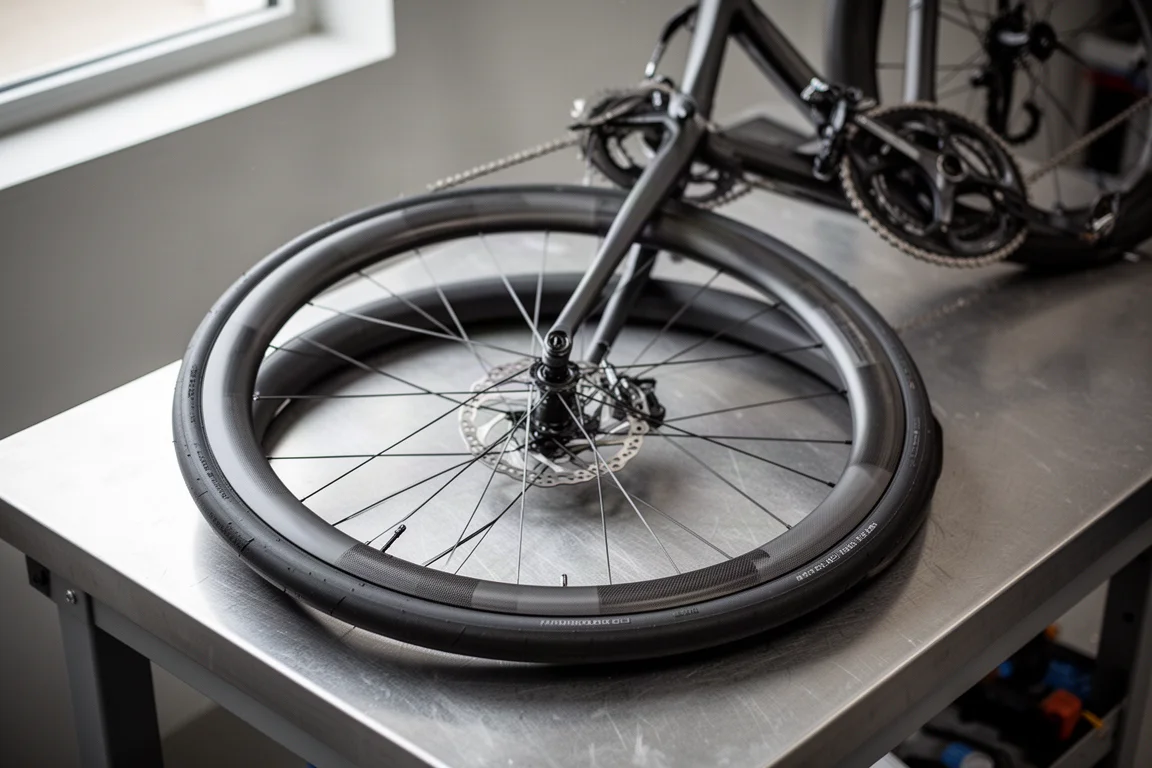
Tire clearance has become a genuine dividing line. Several of the bikes here clear 33mm or 34mm rubber, which means wider tires for comfort and grip, and in some cases a frame that can handle cobbled races as well as smooth tarmac. Weight has not gone away either: a complete aero build around 7.5kg with deep-section wheels is competitive, and anything noticeably heavier starts to feel like a compromise on longer climbs.
Van Rysel RCR-F: Big Aero Claims at a Likely Value Price
The RCR-F is the aero version of the RCR, and two headline claims have been made for it: 13 watts faster than the RCR, and a front end 7 percent stiffer. No test speed or yaw angle details have been published, and Van Rysel indicated the testing was carried out at speeds above 45 km/h, so the number is best treated as a claim rather than a measured result you can line up against rival bikes.
On the stiffness side, Van Rysel said a prototype was given to sprinter Sam Bennett for feedback during the Tour de France, which suggests the stiffer front end came from rider input rather than a purely theoretical target.
The practical details look strong. Tire clearance is 33mm, so the frame is theoretically ready for the cobbles. A build with Dura-Ace and 65mm SwissSide wheels is said to weigh around 7.5kg, and the RCR-F is described as only a smidge heavier than the standard RCR. Because the RCR is already built to relatively accessible price points, the RCR-F has a real chance of being one of the better-value aero bikes in its class. It has not been independently tested yet.
Ridley Noah Fast: A Head Tube Built Around the Rules
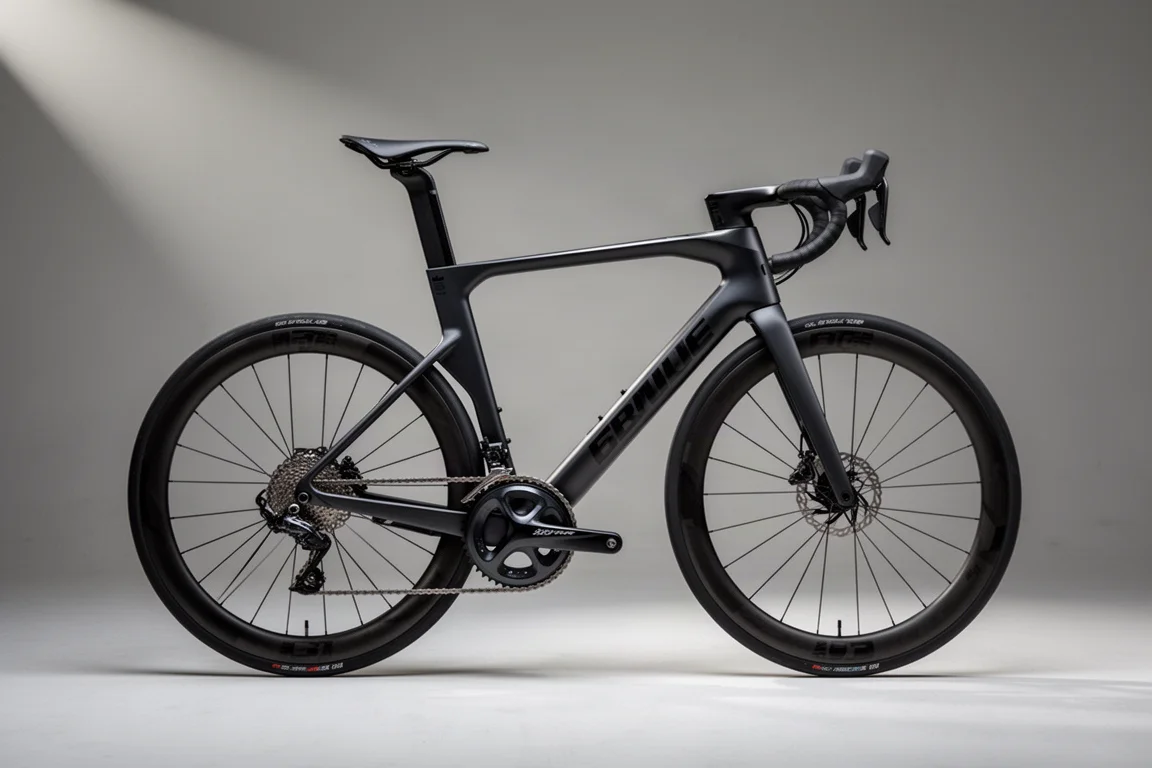
Ridley’s new aero platform is the bike you will see under the Uno-X team, and it is claimed to be the brand’s fastest road bike ever, with an 8.5 watt reduction in drag compared with the outgoing model. The headline feature is the oversized head tube, which takes full advantage of the UCI’s revised 8:1 tube shape rule. The cockpit is molded to fit that head tube, and when it is slammed the front end looks notably sleek.
The bottom bracket junction is similarly chunky, which makes sense for a team that tends to sign big, powerful riders. Tire clearance runs up to 34mm, so this is a bike that can handle the cobbles as well as fast tarmac.
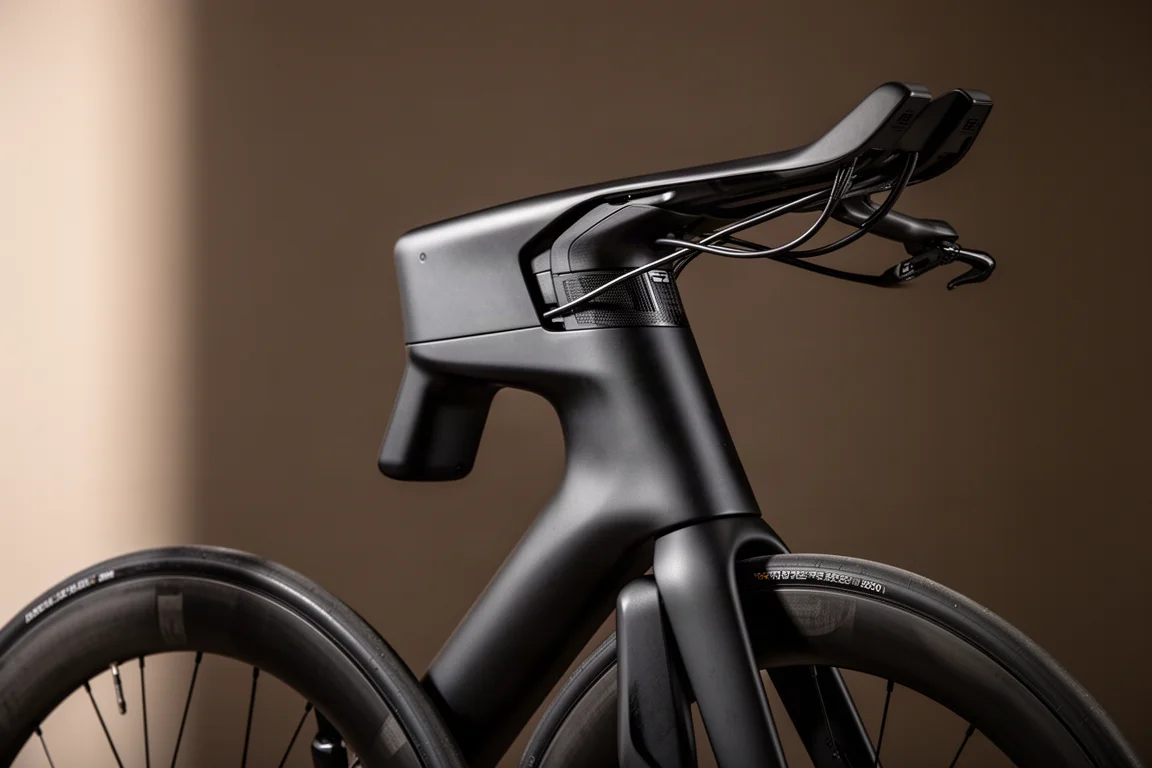
The trade-off is that the aero gain is quoted against Ridley’s own previous model rather than against rival bikes, and the molded front end makes the cockpit a fixed part of the design rather than something you can easily swap for a different stem and bar combination.
Colnago Y1Rs: The World Champion’s Aero Platform
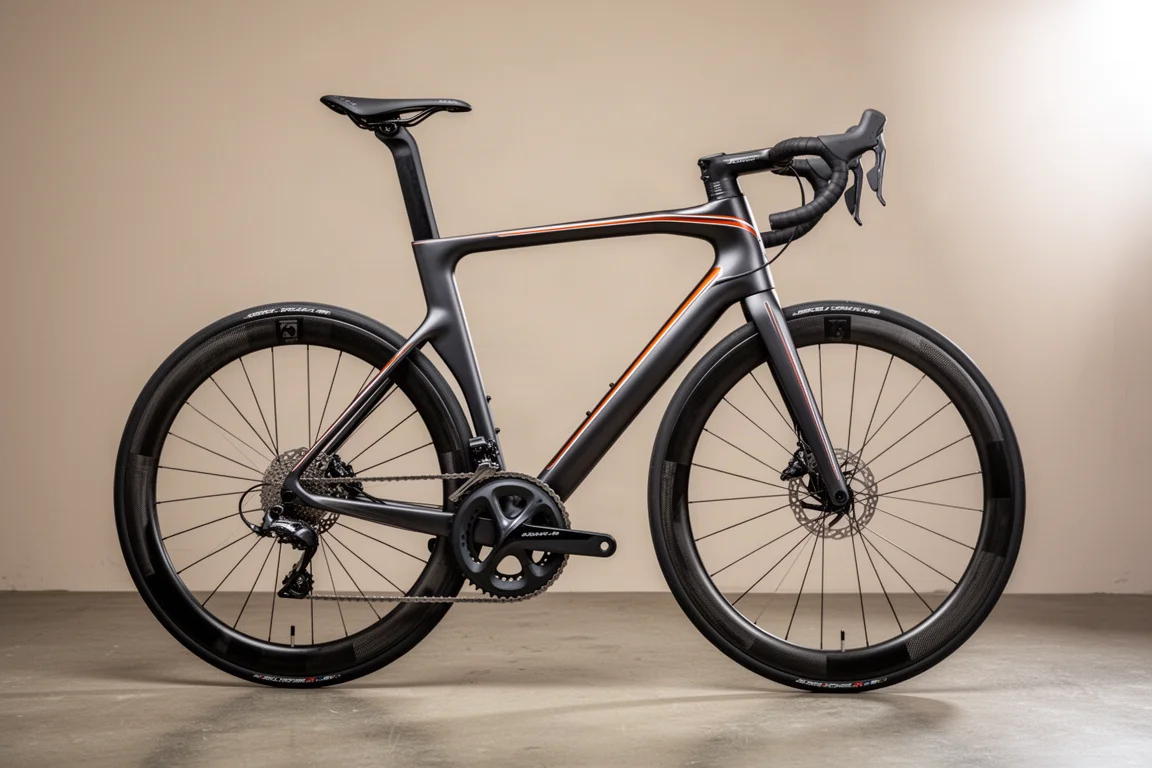
Colnago’s aero race bike arrived with a striking claim: 20 watts faster than the all-round V4Rs at a race pace of 50 km/h. Colnago also suggests the Y1Rs is only about a watt faster than what it calls its best competitor, which makes the V4Rs comparison the more dramatic of the two numbers.
The appeal is not only straight-line speed. The open question is how the bike handles broken, rough road surfaces, because comfort can be left behind when a frame is developed around one-off solutions such as this head tube design. The angular tubes also divided opinion at first sight, and some riders may find the look grows on them over time while others never warm to it.
Trek Madone: What IsoFlow Does
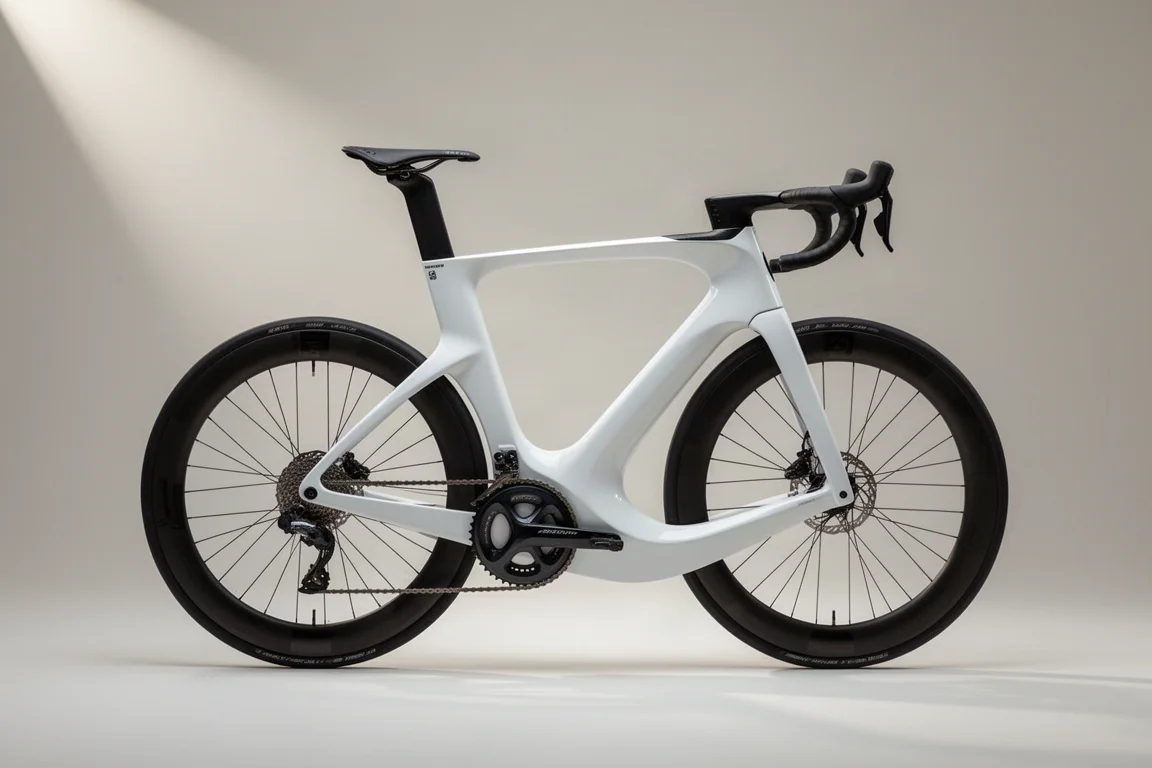
IsoFlow arrived with the current Madone and remains one of the most recognisable aero ideas in the category. The kite-shaped opening through the seat tube was claimed to save 300g compared with Trek’s earlier IsoSpeed decoupler system, and to improve the aerodynamic performance of the frame by around 3 watts. It is a good example of how a single structural idea can address weight, compliance and airflow at the same time.
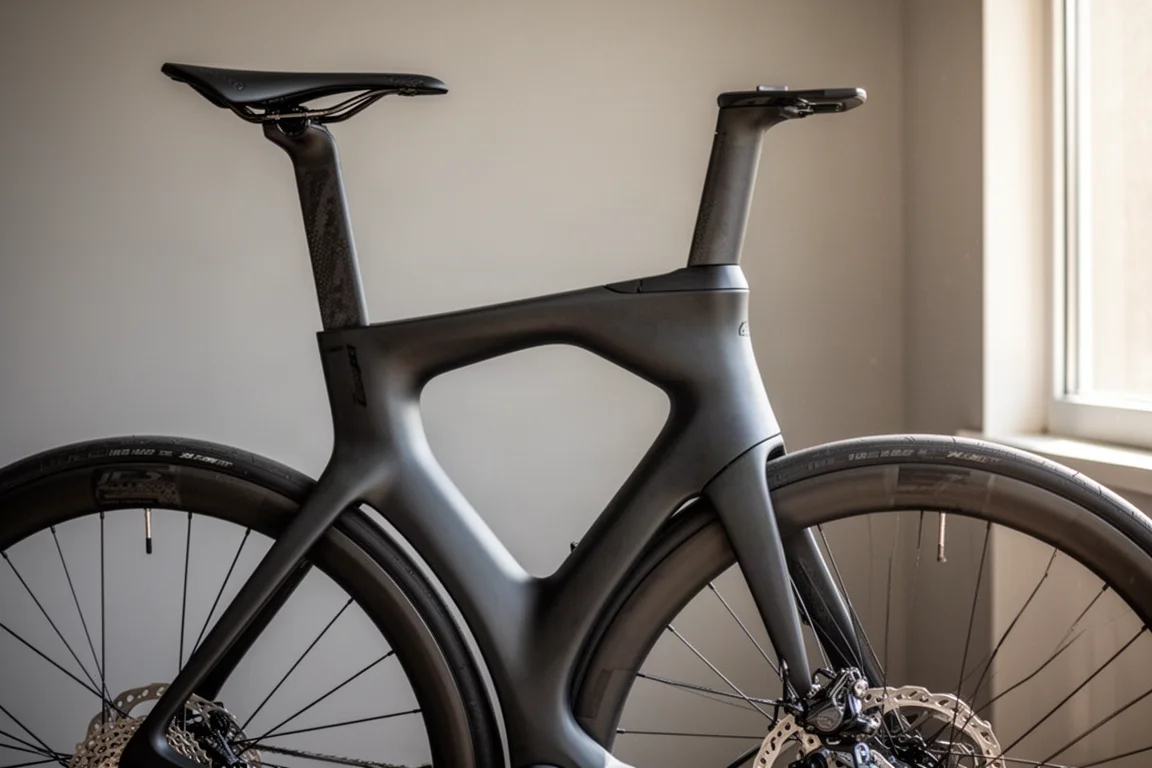
For riders, the useful takeaway is that the Madone’s rear end is not simply a styling exercise. The design replaced a mechanical decoupler with a frame shape, which is part of why it has become a reference point for other brands working on the same problem.
Specialized S-Works Turbo RapidAir 2Bliss Ready T2/T5: A Fast Tubeless Tire With a Very Long Name
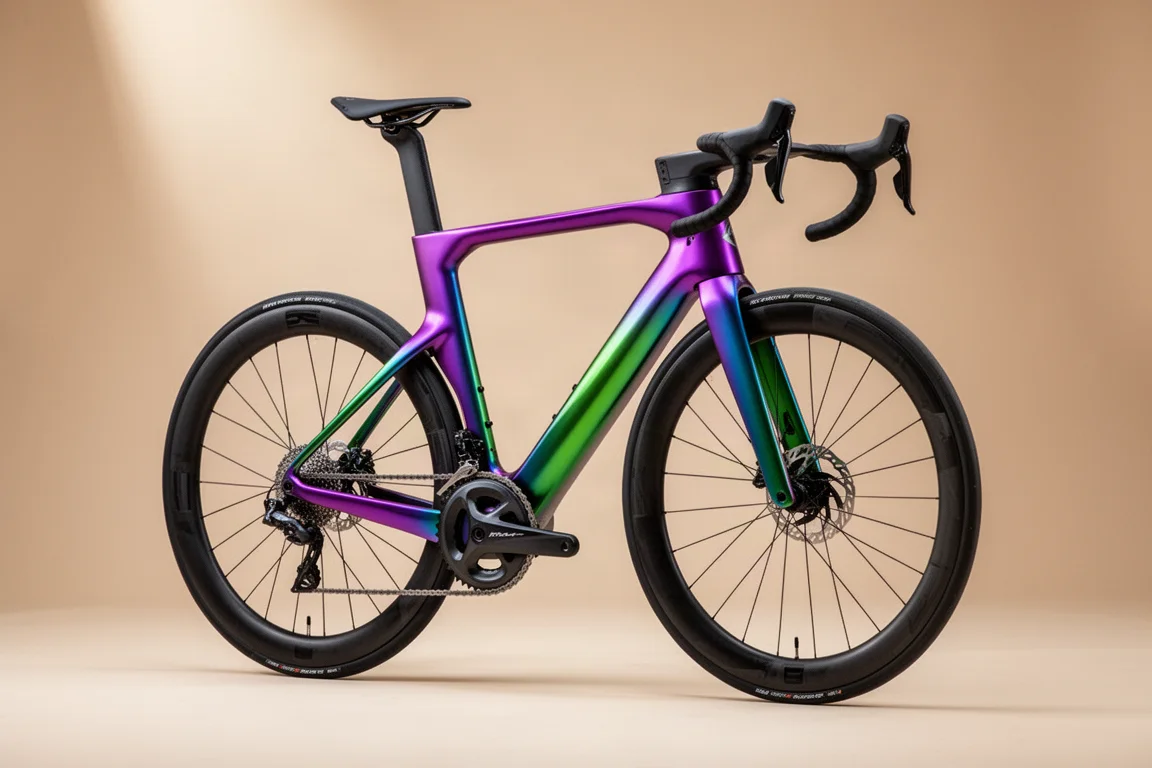
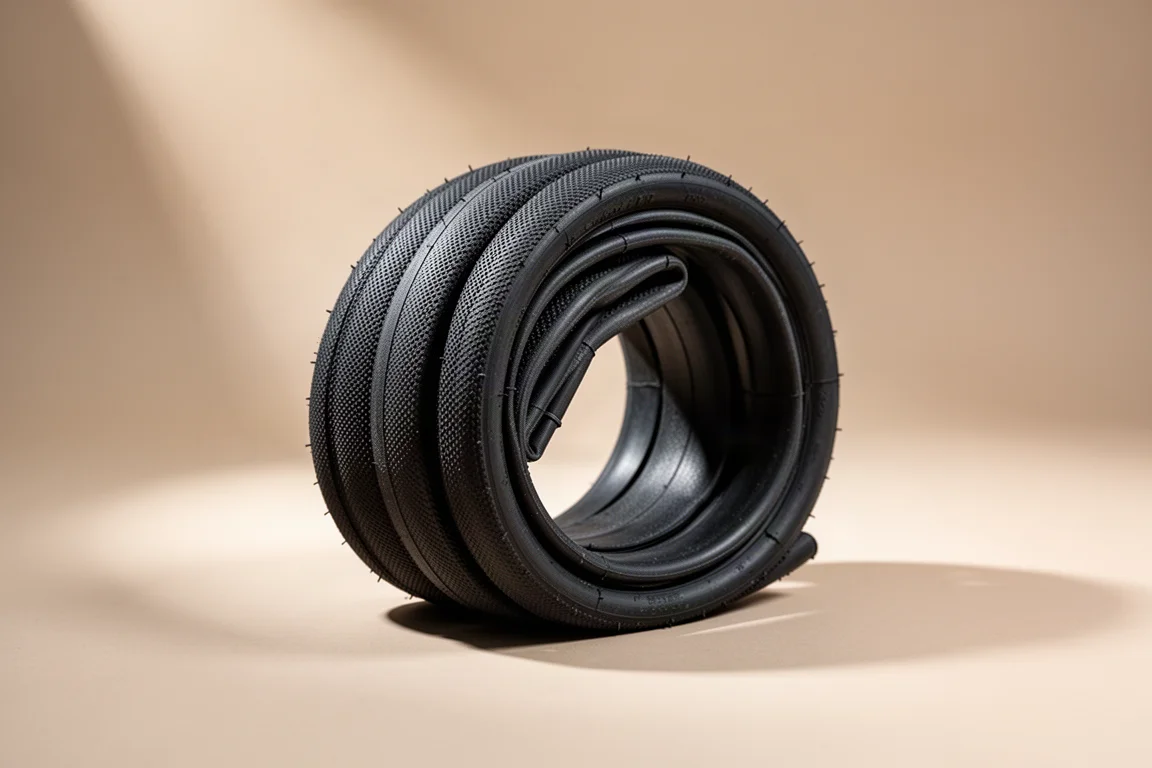
The name is a mouthful, and it is hard to think of a longer product title in road cycling. Underneath it is a road tubeless tire that has performed well in rolling resistance testing, which is the metric most riders actually care about when choosing rubber for fast riding.
The interesting story is what happens around it. Specialized’s professional riders have been reluctant to move away from the Turbo Cotton, a clincher that requires inner tubes, which sits awkwardly with the brand’s tubeless messaging. A tubeless version of the Turbo Cotton would be a logical next step, ideally keeping the supple 320 TPI casing, although it would need a latex lining similar to the approach Vittoria has taken with the Corsa Pro. Whether it would arrive with tan sidewalls or black ones is an open question.
There is movement elsewhere in the range too. Specialized appears close to releasing a new wheel set, with a noticeably deeper front wheel than its current offerings and what is said to be a new hub and lacing pattern, first seen in an Olympic time trial.
Where the Aero Market Is Heading
A few established aero models are worth watching for updates rather than purchases right now: the Merida Reacto has been in its current form since the summer of 2020, the Cervélo S5 remains a clever design that would be interesting to see refreshed, and Cannondale’s SystemSix, once a benchmark aero bike, is rarely seen under the brand’s professionals today. The practical point for buyers is that this segment is still moving, and a frame that looks current today may sit next to something faster within a season.
Buying Advice
Match the bike to the riding you actually do. If value matters most and you can wait for full details and pricing, the RCR-F is the one to keep an eye on, because Van Rysel tends to build its aero bikes to more accessible price points than most of the competition. If you want the most aggressive aero platform in this group, the Y1Rs carries the biggest claimed gain, at 20 watts over the V4Rs at 50 km/h, though its behaviour on rough roads is still an open question.
Riders who prefer a design that has already proven itself should look at the Madone, where IsoFlow is a settled, well-understood solution. Riders who race on cobbles, or simply want the option of wider rubber, should note that both the Noah Fast and the RCR-F clear 33mm or 34mm tires, which is generous for a pure aero frame.
On tires, the S-Works Turbo RapidAir 2Bliss Ready T2/T5 is a strong tubeless choice with good rolling resistance results. If a tubeless Turbo Cotton does appear, it may be worth waiting to see how it compares before committing.

Whatever you choose, confirm three things before you buy: the maximum tire width the frame accepts, whether the cockpit can be adjusted to your position without replacing the whole front end, and the realistic weight of the complete build rather than the frame alone.
Conclusion
Aero road bikes are at their most interesting when the claims are specific and the trade-offs are honest. The RCR-F promises a lot for what is likely to be a more accessible price, the Noah Fast concentrates its gains in the front end, the Y1Rs is the fastest-sounding option here with a comfort question attached, the Madone shows how one design idea can shape an entire category, and the S-Works Turbo RapidAir is a fast tubeless tire whose toughest competition may come from its own brand’s history.
Further reading
Related Reviews
Cycling Gear
8 Cycling Products Riders Keep Coming Back To
Eight cycling components and accessories with clear strengths, honest trade-offs and long-standing reputations among riders and mechanics.
Cycling Gear
Aero Helmets and Bottle Setups Tested: Six Options Ranked by Measured Watt Savings
Wind tunnel data on six aero helmets and bottle setups, with real watt savings, practical trade-offs, and guidance on what is worth buying first.
Cycling Gear
Aero Upgrades Worth Skipping: Three Cycling Products to Consider Carefully
A practical look at three aero upgrades, what each one actually claims, what it costs, and where the money is better spent.