Headphone Amplifiers
Woo Audio WA7 Mark III Review: A Compact Balanced Tube Amp and Preamplifier
The third generation WA7 adds balanced headphone output and a tube preamplifier stage, turning a small desktop amplifier into the centre of a complete system.
Introduction
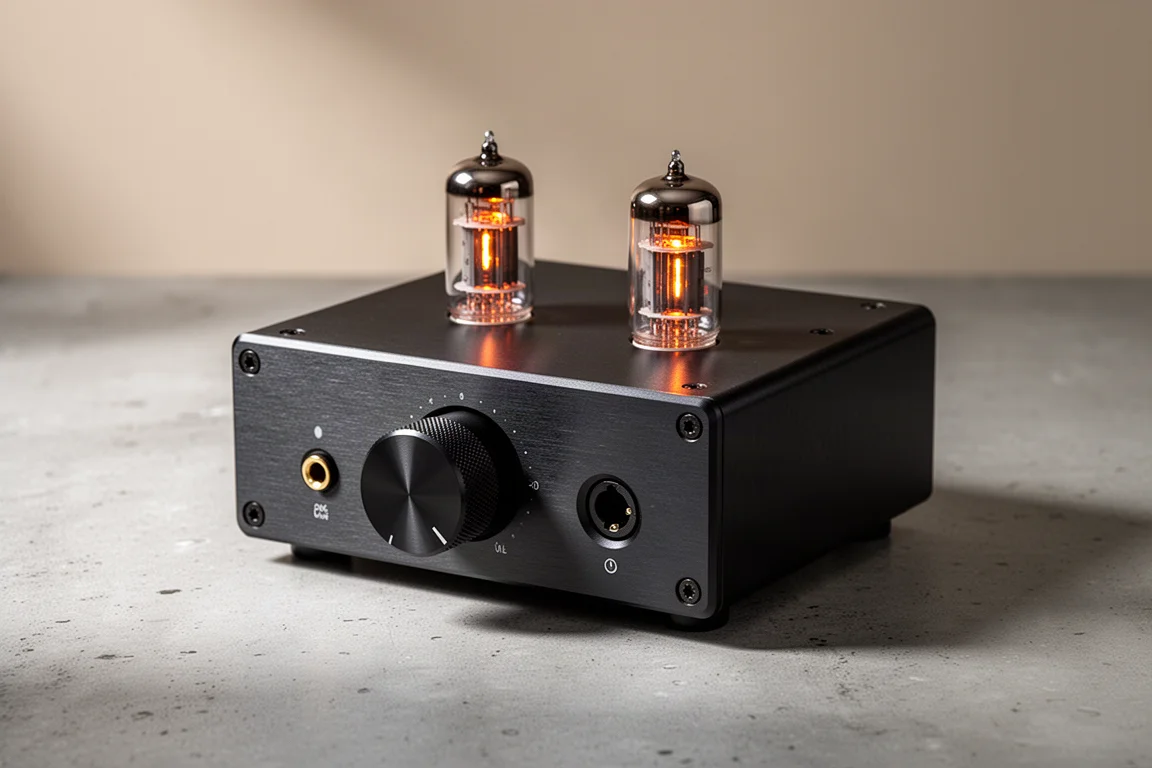
The WA7 Mark III is the third generation of Woo Audio’s compact desktop headphone amplifier, a line designed by Jack Wu. Every generation has kept the same central idea: a small tube amplifier that sits within arm’s reach of a keyboard and looks the part while doing it. The third generation stretches that idea in two directions at once. It is now a balanced headphone amplifier, with a 4.4mm output on the front alongside the single-ended output, and it adds a fully balanced tube preamplifier stage.
The preamplifier section is the real headline. There are no RCA or XLR outputs on the back of the unit, so the signal leaves through the same 4.4mm balanced output, using a 4.4mm to dual 3-pin XLR cable to feed powered speakers or a power amplifier. In practice that means the WA7 Mark III can sit at the centre of a small system: driving headphones directly, or acting as the volume control for a pair of powered monitors or a separate power amp.
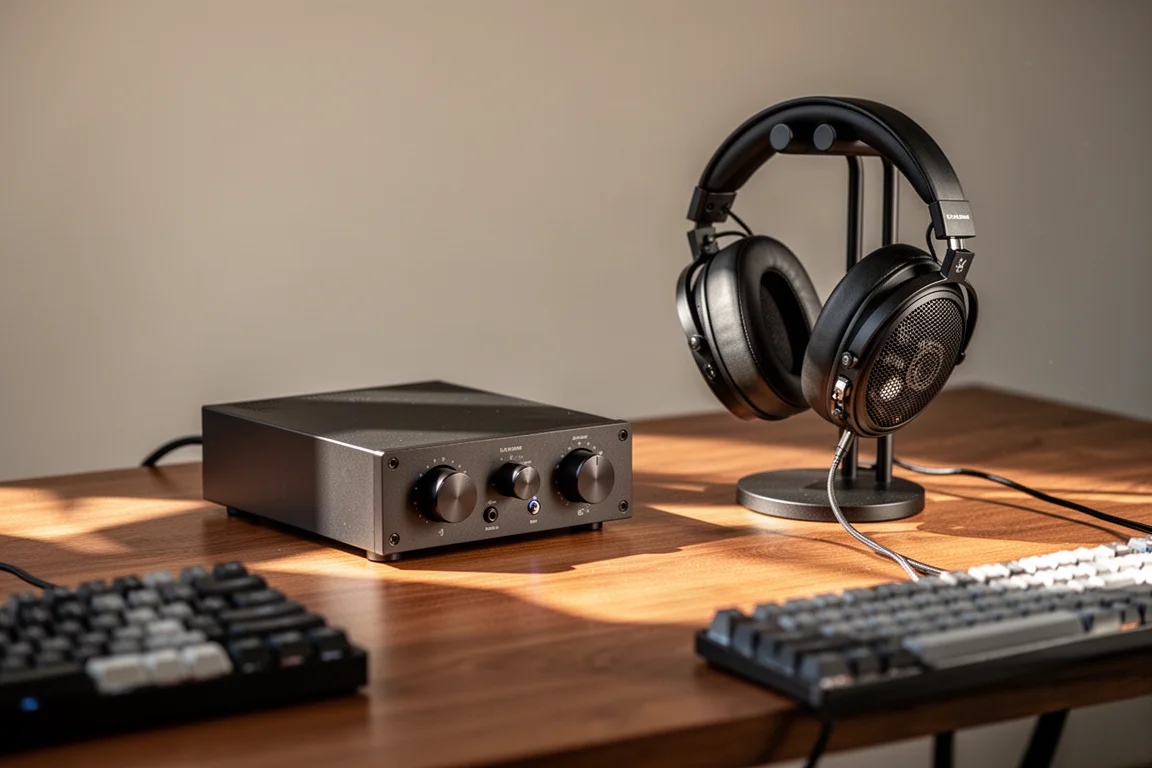
That flexibility was tested in two very different settings. On a desk, the amplifier was used as a preamplifier for a power amplifier feeding KEF LS50 Meta speakers. In a larger stereo room it was paired with Polk Reserve R200 speakers. The chassis is genuinely small, and the finish is arguably the most eye-catching in the Woo Audio range.
Who this product is for
This is a natural fit for listeners who want tube character on a desk without giving up modern connectivity. The 4.4mm balanced output, the single-ended output, the internal DAC and the preamplifier stage all live in one box, so a single unit can handle headphones, powered speakers and a power amplifier.
It also suits owners of the Sennheiser HD600 and similar dynamic headphones. The amplifier is smooth and neutral enough to let that headphone show what it does well rather than colouring it heavily.
Finally, it makes sense for anyone who expects to change DACs over time. The RCA input lets the internal converter be bypassed in favour of a separate DAC later, which keeps the amplifier useful well beyond the first few years.
Main strengths
The third generation is not a cosmetic refresh. Balanced operation, a preamplifier output and a lower noise floor are the substantive changes, and each of them changes how the amplifier can be used.
Balanced headphone output with real power
The 4.4mm balanced output delivers 1.5 watts, which is enough to drive almost anything on the market today apart from the most unusual, hard-to-drive designs. The front panel also carries the standard single-ended output, so older cables and less demanding headphones are covered without adapters.
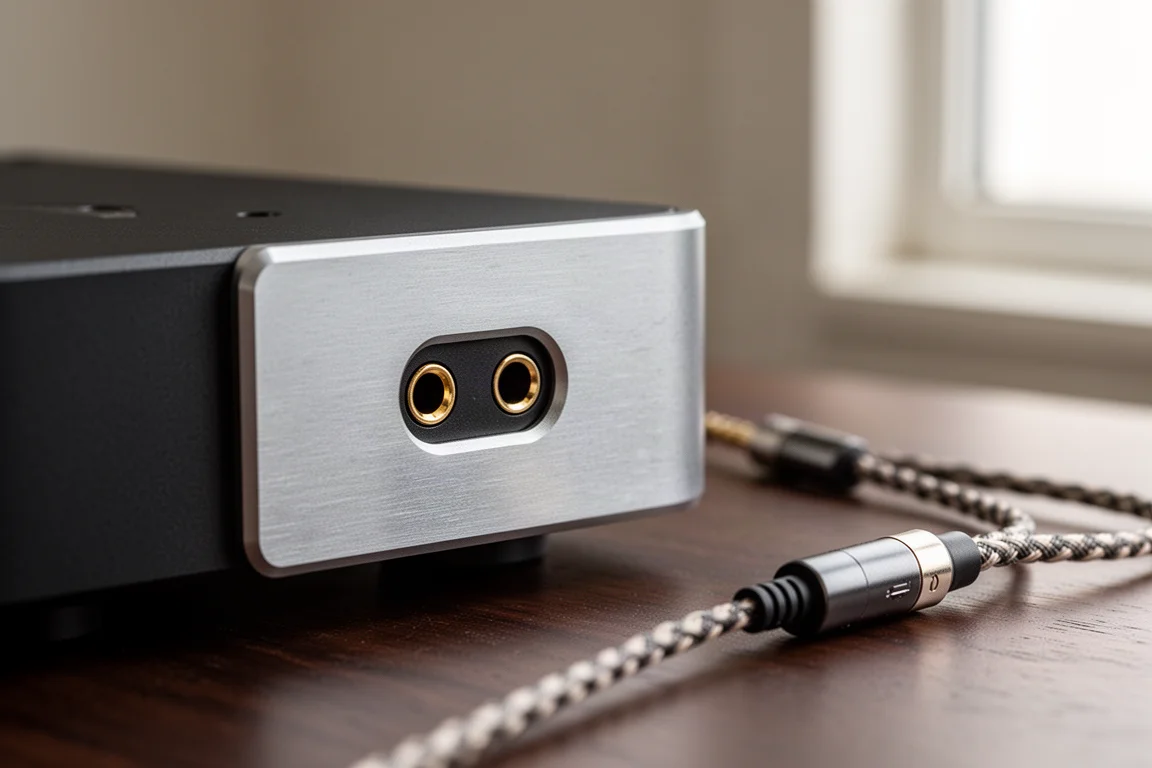
With the Sennheiser HD600, the result is a smooth, neutral presentation that brings out the best in the headphone. If the goal is a single amplifier for that pairing, this is an easy recommendation. The balanced design runs throughout the signal path rather than being bolted on as an extra socket.
A tube preamplifier in a desktop footprint
Using the 4.4mm output as a preamplifier output is unusual, but it works. Connected to a power amplifier and a pair of speakers, the WA7 Mark III added depth, a more holographic sense of space, extra texture and noticeably more bass weight than the system had before.
In one larger setup it was preferred over two dedicated preamplifiers, which is a striking result for a small desktop unit. The comparison is not entirely fair, since full-size preamplifiers offer far more inputs, a remote control and a higher price, and the WA7 Mark III was never designed for that role. Even so, the sound was rewarding enough to justify the experiment.
The Woo Audio sound signature
Tube amplifiers tend to fall into two camps. One chases a bright, forward, solid-state-like presentation that raises the question of why not simply buy a solid-state amplifier. The other leans into a vintage sweetness that is lovely in the midrange but leaves the bass slightly soft.
The Woo Audio sound sits in a third place. It keeps the sweet treble and smooth, tonally rich midrange of a good tube design, then tightens the bass and darkens the background noise. The result here has real kick and weight in the low end, sweet highs and a midrange that stays clean rather than thick. The third generation also has an audibly lower noise floor than the second generation, which makes the whole presentation feel quieter and more focused. The headphone section otherwise sounds very close to the previous generation, which is a compliment rather than a criticism.
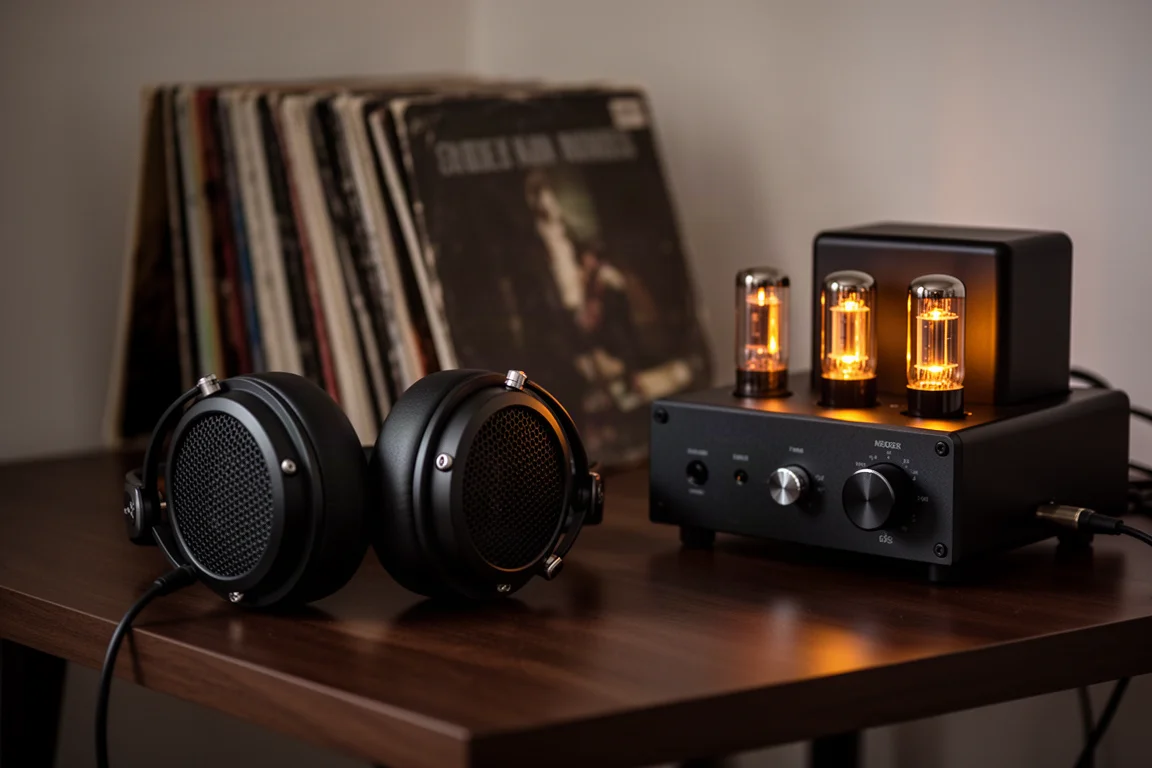
Inside, the DAC is an ESS Sabre design that complements the amplifier well. It is a sensible choice for a first all-in-one system, and because the unit accepts an RCA input, a separate DAC can take over later if you want a different flavour.
Things to consider before buying
The most obvious omission is a remote control. Volume has to be adjusted by hand, and for anyone with a rack across the room that is a genuine inconvenience.
The power switch and the switch that selects between the preamplifier and headphone sections are both on the back panel. Reaching around the chassis takes some getting used to, and it is easy to forget which way the selector is set. A front-mounted control would be easier to live with day to day.
Despite the balanced outputs, the inputs are RCA only, with no balanced input option. On a unit this small that is a reasonable compromise, but it is worth knowing before you plan a fully balanced chain.
It is also worth being clear about upgrades. The headphone section of the third generation is very close in character to the second generation, so the reasons to move up are the balanced output, the preamplifier stage and the lower noise floor rather than a dramatically different tonal signature. And while the internal DAC is good, it is not the strongest part of the package, which is exactly why the RCA input matters so much.
Buying advice
Buy the WA7 Mark III if you want one compact box that handles headphones properly, can drive powered speakers or a power amplifier, and does it with a tube character that stays tight and quiet rather than soft and hazy. It rewards headphones like the HD600 and it holds its own in a stereo system far better than its size suggests.
Skip it if a remote control is non-negotiable, if you need multiple line inputs, or if you are expecting a dramatic change in headphone sound over the previous generation. Those are real limitations, not small details.
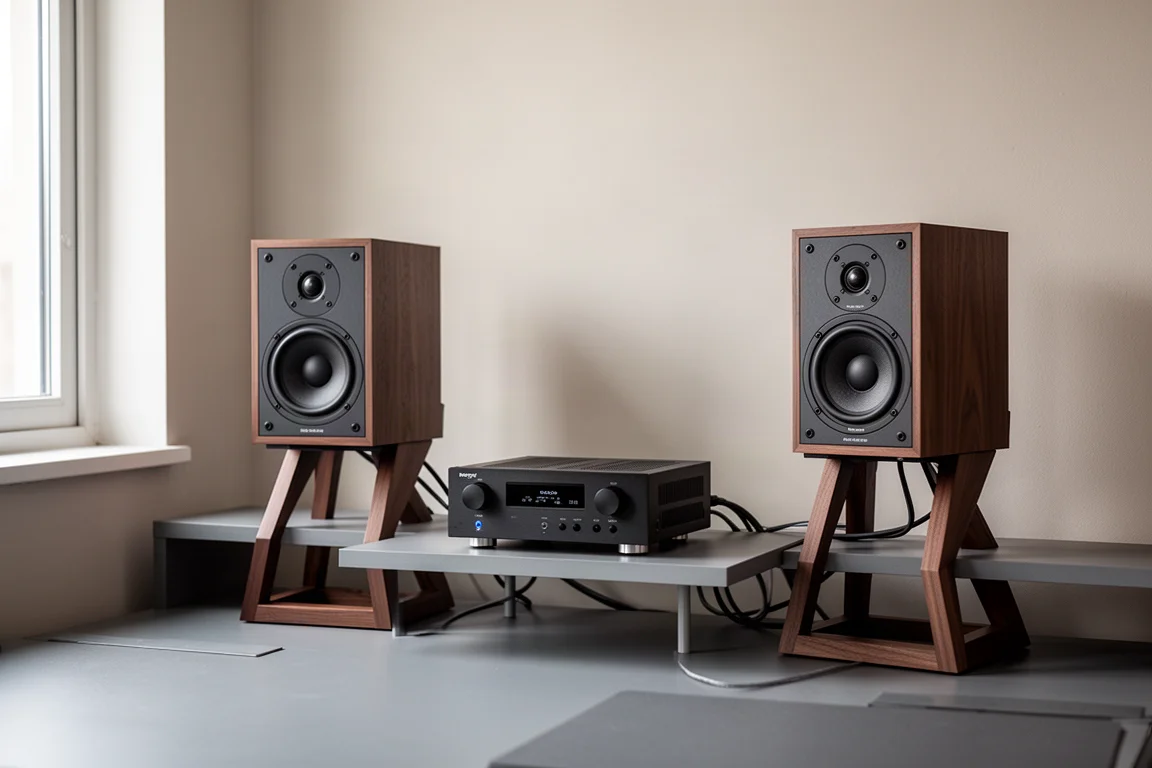
For everyone else, the trade-offs are easy to accept. The lack of a remote is the biggest practical compromise, and it fades quickly if the amplifier sits within arm’s reach on a desk. The preamplifier output is the feature that turns this from a good headphone amplifier into the single piece of gear worth keeping on a desk.
Conclusion
The third generation WA7 earns its place through sound rather than feature count. Balanced headphone output with 1.5 watts, a genuinely capable tube preamplifier stage, a low noise floor and the classic Woo Audio tonal balance add up to a small amplifier that behaves like a much larger one.
If your desk is where you listen, and you want one unit that can drive headphones today and speakers tomorrow, this is a confident choice. Just plan around the missing remote and the rear-panel switches, and it will reward you for a long time.
Product link
View more details for Woo Audio WA7 Mark III
This product is mentioned in the review. Check the specifications, options, and compatibility before buying.
View more details for Woo Audio WA7 Mark IIIFurther reading
Related Reviews
Headphone Amplifiers
Creative Labs Sound Blaster X5 Review: A Flexible USB DAC and Headphone Amp
The Sound Blaster X5 pairs a fully balanced dual-DAC headphone amp with DSP, mixing, recording, and console audio in one compact USB-powered enclosure.
Headphone Amplifiers
Fosi Audio K5 Review: A Tiny Budget DAC Amp for Travel, Gaming, and Hotel Listening
A compact USB-C DAC amp with tone controls, optical and coaxial inputs, and a clean mid-forward sound that suits efficient headphones and IEMs.
Headphone Amplifiers
Fosi Audio SK01 Review: A Tiny Headphone Amp That Doubles as a Three-Band EQ
A compact $72 audio box with treble, mid-range, and bass controls, a loudness button, and a capable headphone stage. Here is where it earns its place.