Audio Gear
Wired vs Wireless Earphones: Four Practical Options for Everyday Listening
A practical guide to four earphone options, from wired USB-C models with inline controls to true wireless earphones built for calls and noise cancellation.
Introduction
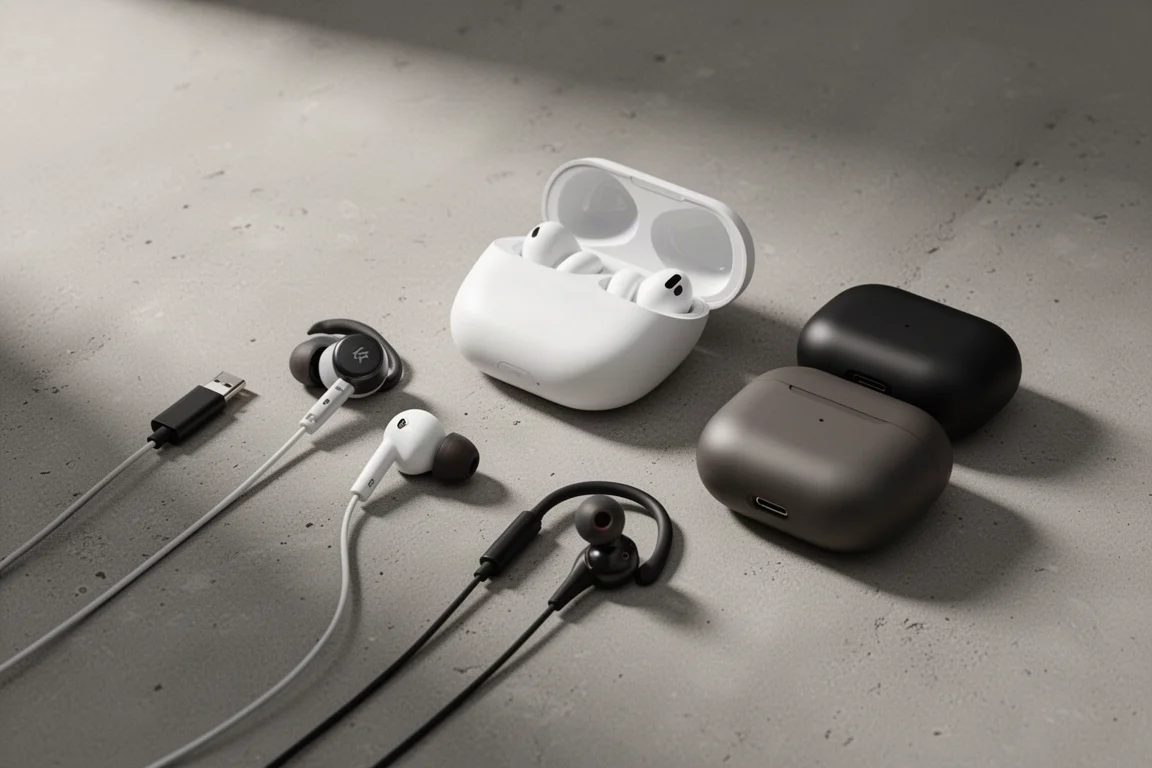
The earphone market splits into two broad camps: wired in-ear monitors and true wireless earbuds. Each has clear advantages. Wired models can connect directly to a USB-C phone, computer, or tablet without a dongle, and they often include a microphone and remote on the cable. True wireless models offer freedom from cables, active noise cancellation, and convenient charging cases, but they depend on Bluetooth and battery life.
This guide looks at four specific options: the Campfire Audio Axion, Apple AirPods Pro 2, Sennheiser IE300, and Sennheiser Momentum True Wireless 4. Each one serves a different priority, whether that is call clarity, music listening, noise cancellation, or simply avoiding a dongle.
What to Look For in Everyday Earphones
Start with how you will use the earphones. If phone calls matter, the microphone and connection type become as important as sound quality. Wired earphones generally provide clearer microphone sound than true wireless models, and they do not suffer from Bluetooth dropouts. True wireless models, on the other hand, are more convenient and often include active noise cancellation for travel or noisy commutes.
Fit is another critical factor. A good ear seal determines both passive noise isolation and bass response. If the seal is poor, external noise becomes more audible and bass can sound light. Many wired models include a wide selection of foam and silicone ear tips, but the shape of the earphone shell and the presence or absence of over-ear loops also affect how secure they feel.
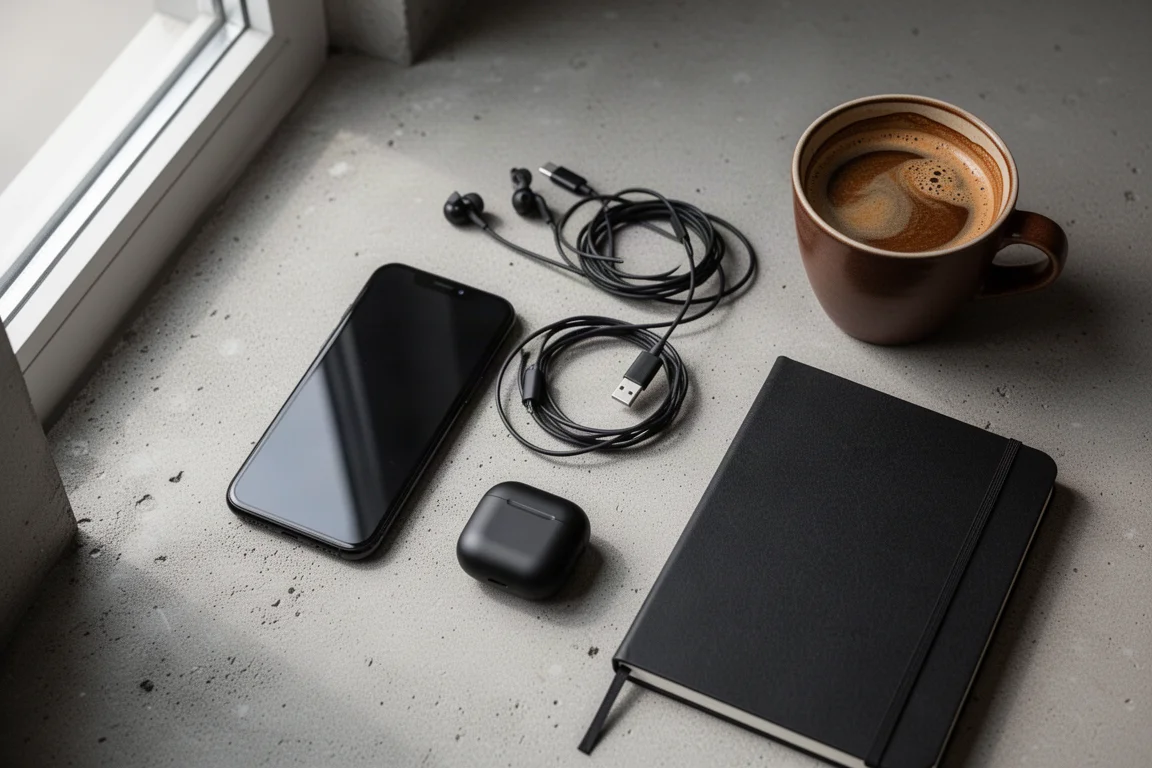
Connection type matters too. USB-C earphones can plug directly into modern Android phones, iPhones with USB-C, Macs, and PCs. Some include a built-in DAC and headphone amplifier, which removes the need for a separate dongle. Traditional wired earphones with a 3.5mm plug may still need a dongle on many phones.
Campfire Audio Axion: A Wired USB-C Option With a Built-In Mic
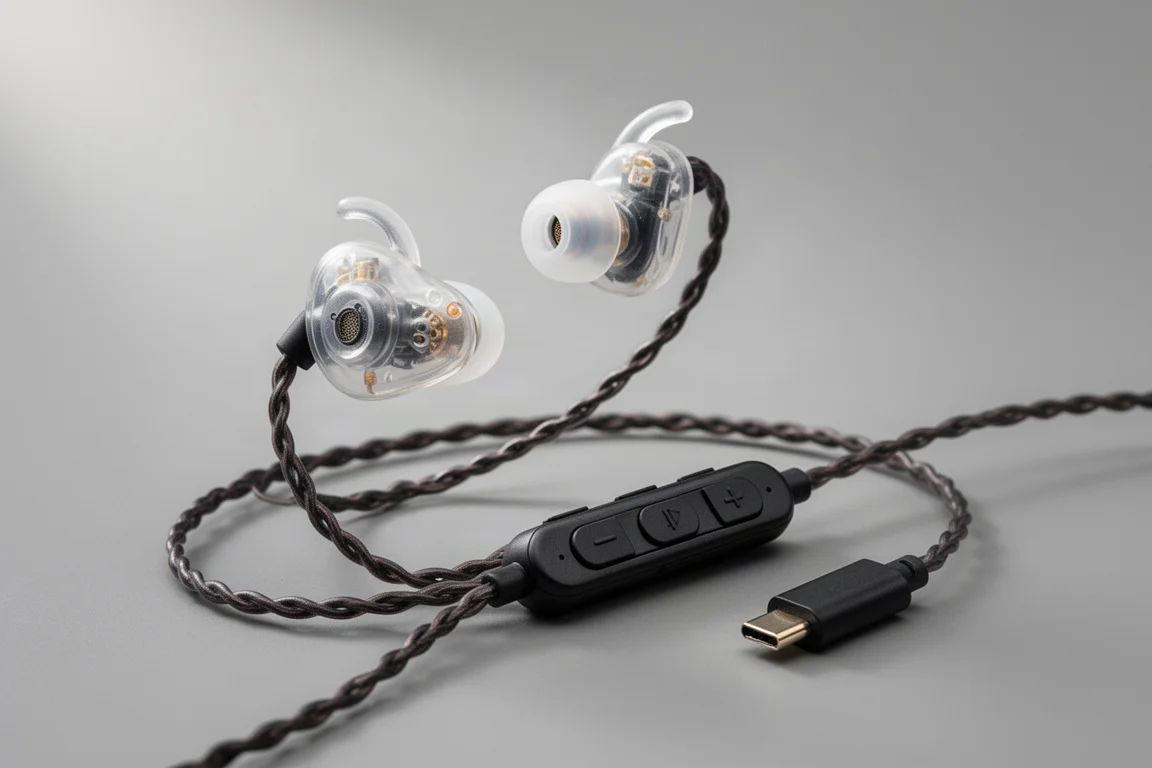
The Campfire Audio Axion is a wired in-ear monitor with a transparent plastic ear shell. Its bullet shape and finger indent make it easier to insert and remove than some small-shell designs. Inside, it uses a full-range silicone dynamic driver developed in-house. The driver sits in a boxed enclosure that resembles a balanced armature, but it is a dynamic driver.
The Axion includes a cable with an inline microphone and a three-button remote for play, pause, volume up, and volume down. The play/pause button can also accept and end phone calls. Outdoors, call quality is clearer with the wired Axion than with the wireless AirPods Pro 2. The cable is also nicer than the one on the Sennheiser IE300.
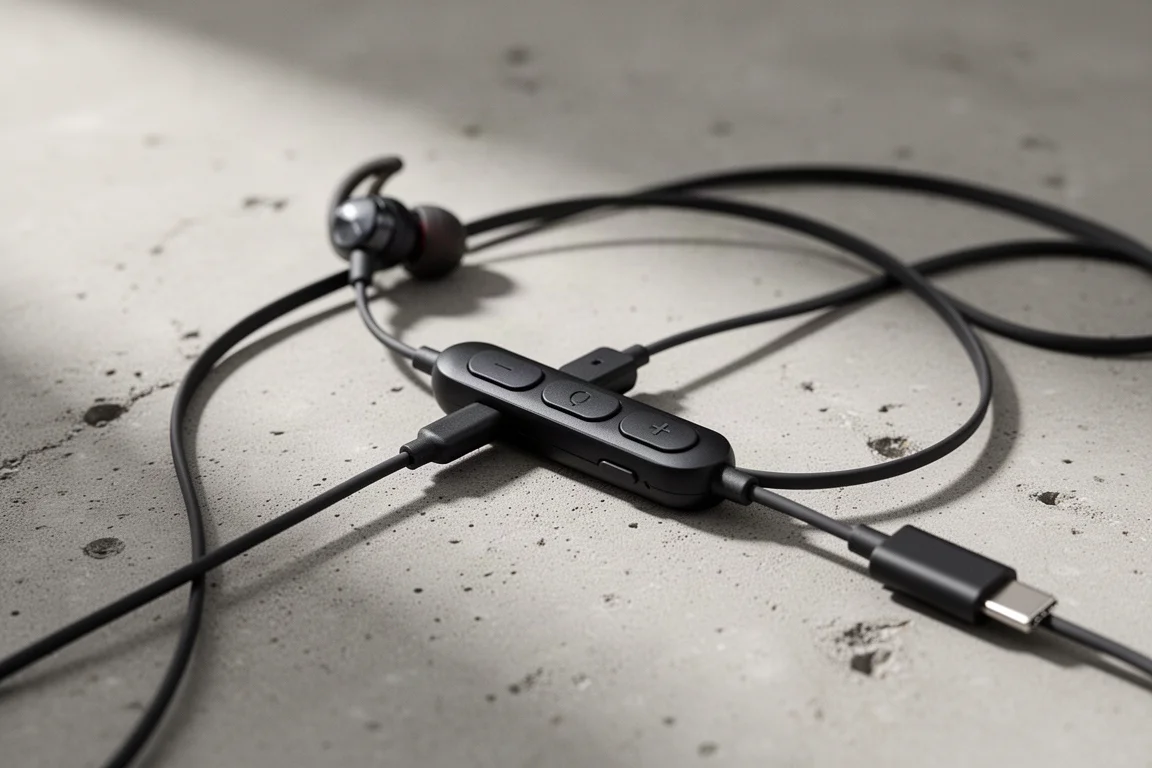
At the other end of the cable is a USB-C termination with a chip that works as a DAC and headphone amplifier, and likely an ADC for phone calls. This allows the Axion to connect directly to an Android phone, an iPhone 15 or later, a Mac, or a PC without a dongle. The DAC is rated for PCM up to 384 kHz. Android users may want to check that their playback app is not resampling audio to 48 kHz, though bit-perfect playback has far less impact on what is heard than the hardware itself.
On sound, the Axion communicates music’s larger shifts better than the AirPods Pro 2. The AirPods sound similarly detailed but dynamically restrained, while the Axion offers a richer mid-range and a more expansive low-end. With singer-songwriter material, the Campfire sounds warm and wide, while the Apple sounds crisp and dry. The Axion sounds more natural overall, possibly because it does not lean on DSP to shape the driver’s frequency response.
Compared with the Sennheiser IE300, the Axion has a thicker, fatter, chunkier low-end and lusher mids. It is also more forgiving of lesser-quality recordings, though it can sound a little closed in at times. The IE300 sits somewhere between the Campfire’s expansive warmth and the AirPods’ crispy dryness, probably closer to the Campfire. Some listeners might call the Sennheiser the more accurate option and the Campfire the more musical one.
The Axion does have trade-offs. It lacks over-ear loops, so it can be harder to keep in place than the IE300. Finding the right ear tip from the included foam and silicone options may take more time. A good seal is essential for passive noise isolation and bass response, and the Axion can be harder than usual to seal properly. It also has no active noise cancellation, so the AirPods Pro 2 remain preferable for in-flight use.
Apple AirPods Pro 2: Strong Noise Cancellation and Call Clarity
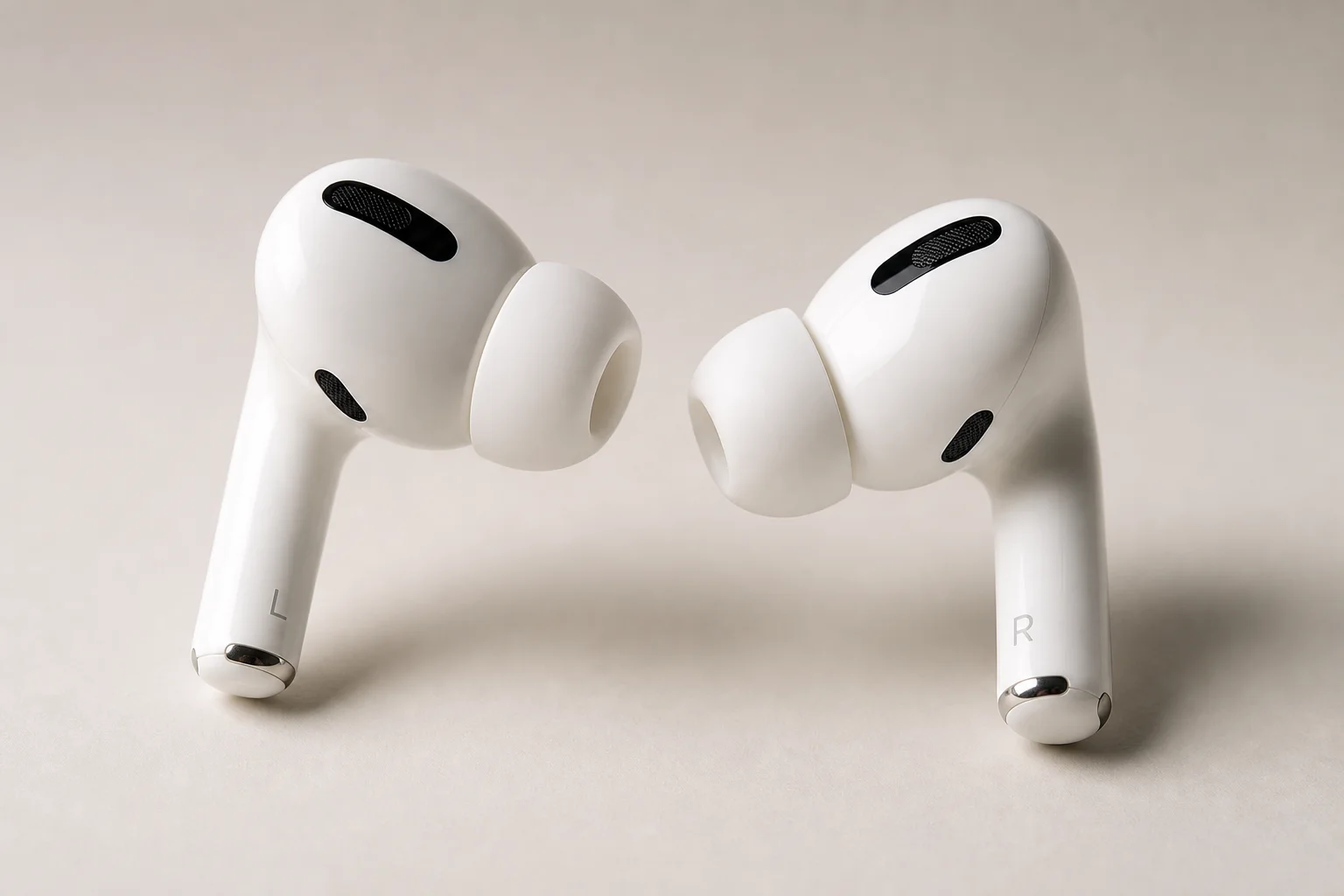
The Apple AirPods Pro 2 are true wireless earphones with three main strengths. First, they offer good, if not great, sound quality with music. Second, their noise cancellation is outstanding, better than Sony’s and Sennheiser’s. Third, their phone call quality is the best available among all true wireless earphones tried. They are the only true wireless in-ear monitors that can be used for phone calls without frustrating the person on the other end with dropouts and voice clarity issues, especially outdoors.
The main downside is that an iPhone is needed to get the very best from them. Their handling of music is not terrible, but it is not as good as the Sennheiser Momentum True Wireless 4. Compared with the Campfire Audio Axion, the AirPods sound similarly detailed but dynamically restrained, like they are in a dynamic straight jacket. They do not deliver the same effortless, expansive low-end or the richer mid-range. With singer-songwriter material, they sound crisp and dry, and some listeners may find them papery. They also have a processed tinge compared with wired options.
For travel, the AirPods Pro 2 remain a strong choice because of their noise cancellation. They are also convenient for podcasts and casual listening. The trade-off is that music can sound less natural than the wired alternatives, and the best experience is tied to the Apple ecosystem.
Sennheiser IE300: Wired Sound Quality Without a Microphone
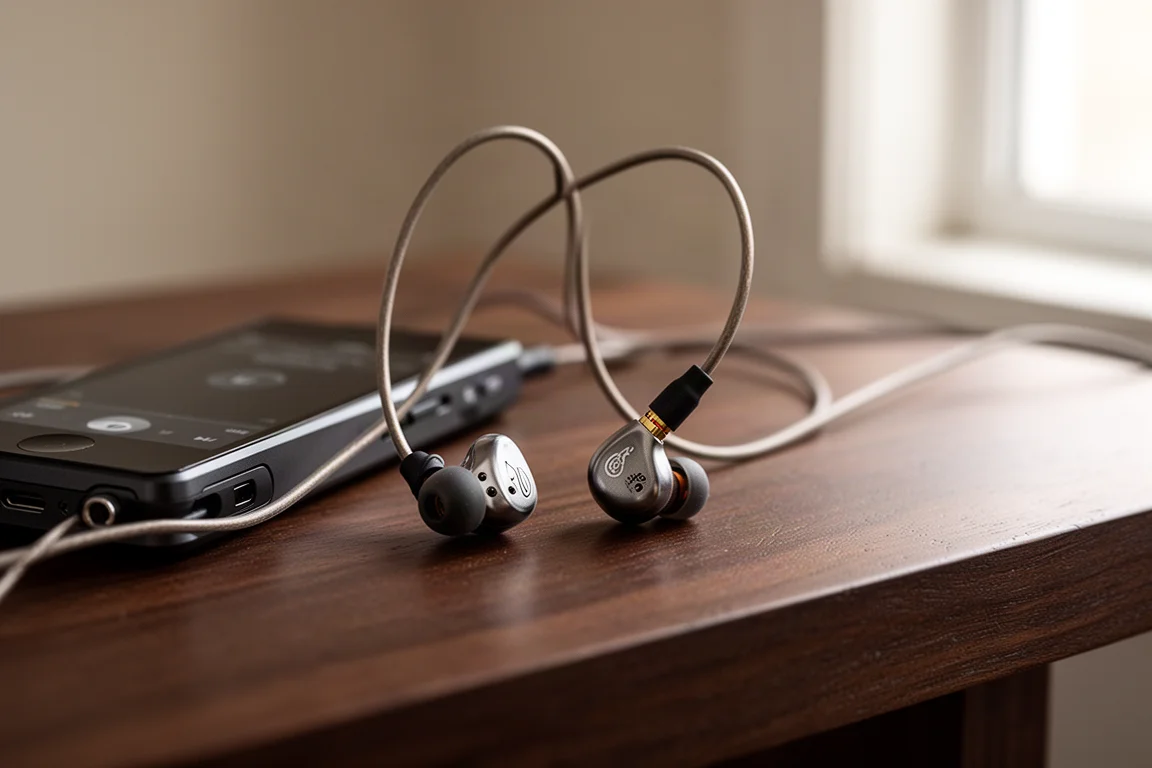
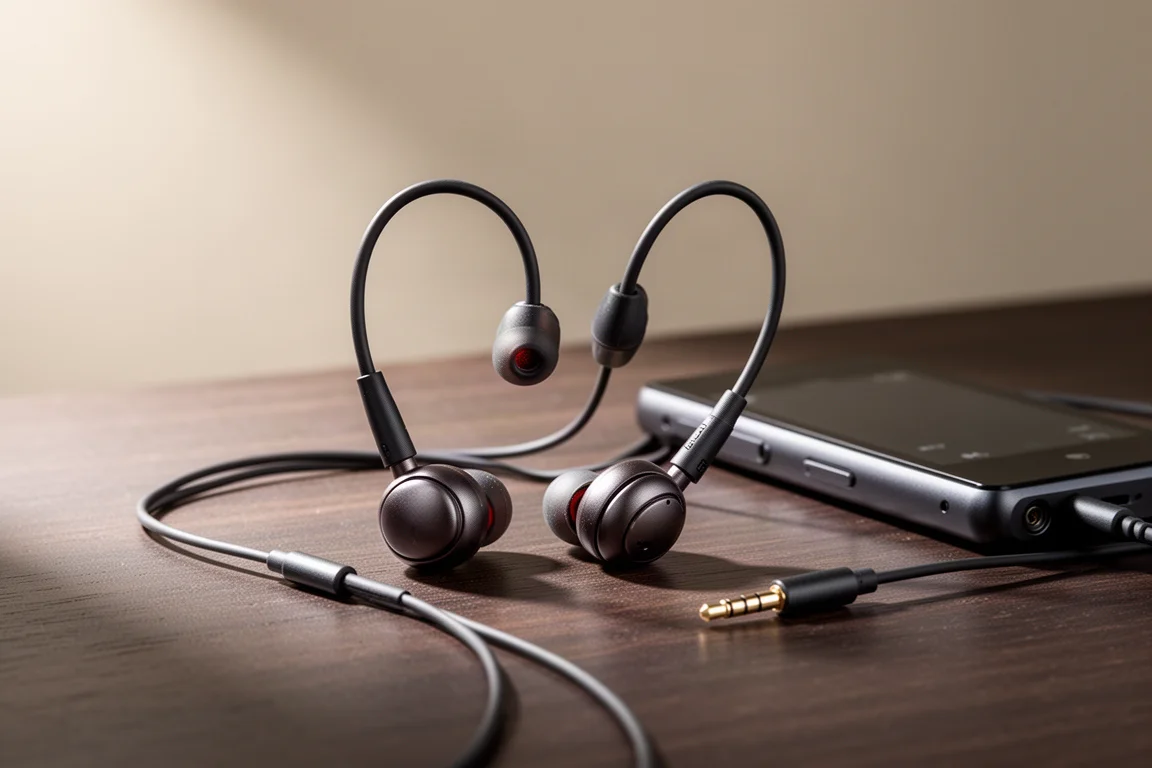
The Sennheiser IE300 is a wired in-ear monitor with a small ear shell and over-ear cable routing. The over-ear loops help keep the earphones in place, which is an advantage over the Campfire Audio Axion. The IE300 does not have a microphone or remote, so it cannot handle phone calls. It also has no active noise cancellation.
On sound quality, the IE300 sits somewhere between the Campfire’s expansive warmth and the AirPods’ crispy dryness, probably closer to the Campfire. The Axion lends electronic music a thicker, fatter, chunkier low-end and sounds lusher in the mids than the IE300. The IE300 is less forgiving of lesser-quality recordings than the Axion, but some listeners may consider it the more accurate of the two.
The IE300’s cable is easily its worst feature. It tangles easily and is not as nice as the cable on the Axion. Still, the IE300 works well with a phone or device that has a headphone socket or a dongle. It is a music-first wired option for listeners who do not need calls or noise cancellation.
The IE300 can sound better than the Sennheiser Momentum True Wireless 4, even with the built-in headphone socket on a phone, which sounds about the same as an average dongle DAC. For listeners who prioritize sound quality over wireless convenience, the IE300 remains a relevant choice. It also avoids the battery and Bluetooth limitations of true wireless models.
Sennheiser Momentum True Wireless 4: Wireless Music Listening With Android
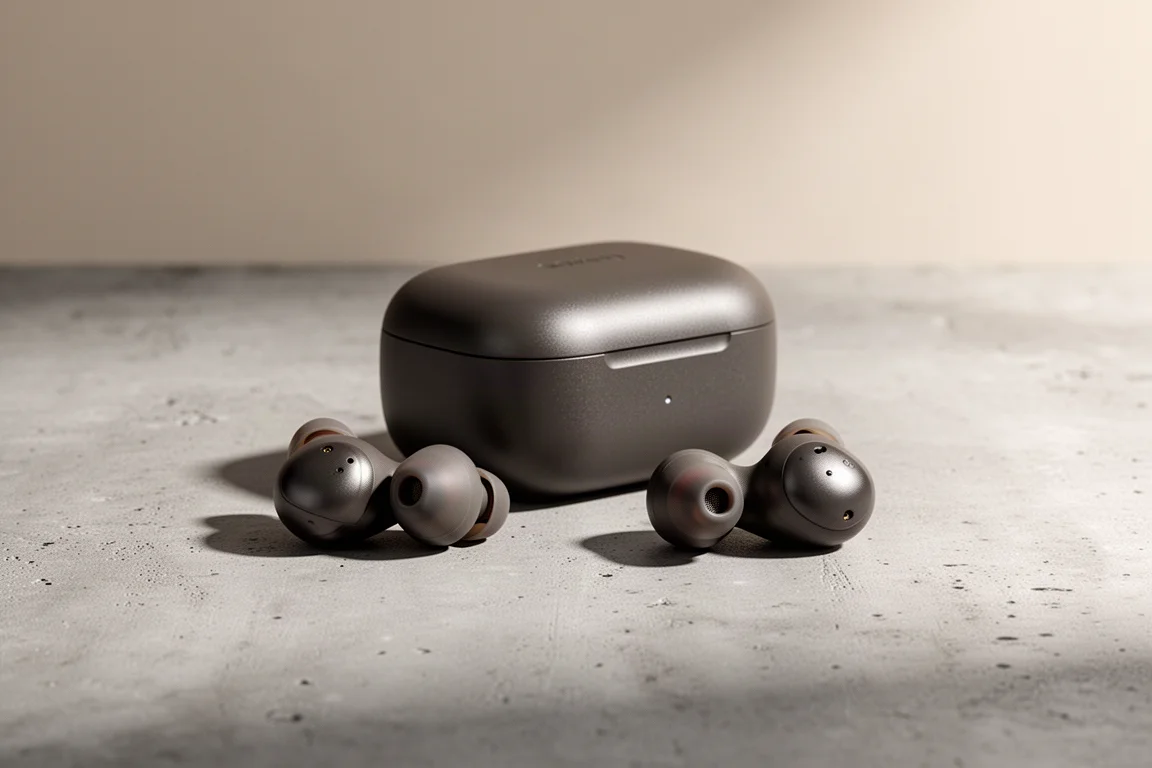
The Sennheiser Momentum True Wireless 4 are true wireless earphones that sound best with an Android phone. They are positioned for music listening, and their music handling is better than the AirPods Pro 2. However, phone calls are not their strong point. They are best suited to listeners who mainly want wireless music and only occasionally need to take a call.
The Momentum True Wireless 4 offer the convenience of true wireless design without a cable. They do not match the wired Campfire Audio Axion or Sennheiser IE300 for call clarity, and they do not offer the same natural sound as the wired options. Still, for Android users who want a wireless music-first earphone, they are a logical option.
Overall Buying Advice
The right choice depends on your priorities. If phone calls are important and you want to avoid dongles, the Campfire Audio Axion is a strong wired option with a USB-C connection, an inline microphone, and a warm, musical sound. It sells for the same money as the Sennheiser IE300 and AirPods Pro 2.
If noise cancellation and call clarity are your main concerns, the Apple AirPods Pro 2 are the better fit, especially for iPhone users. They are also the best option for in-flight use among these four. The trade-off is a more processed, dynamically restrained music presentation.
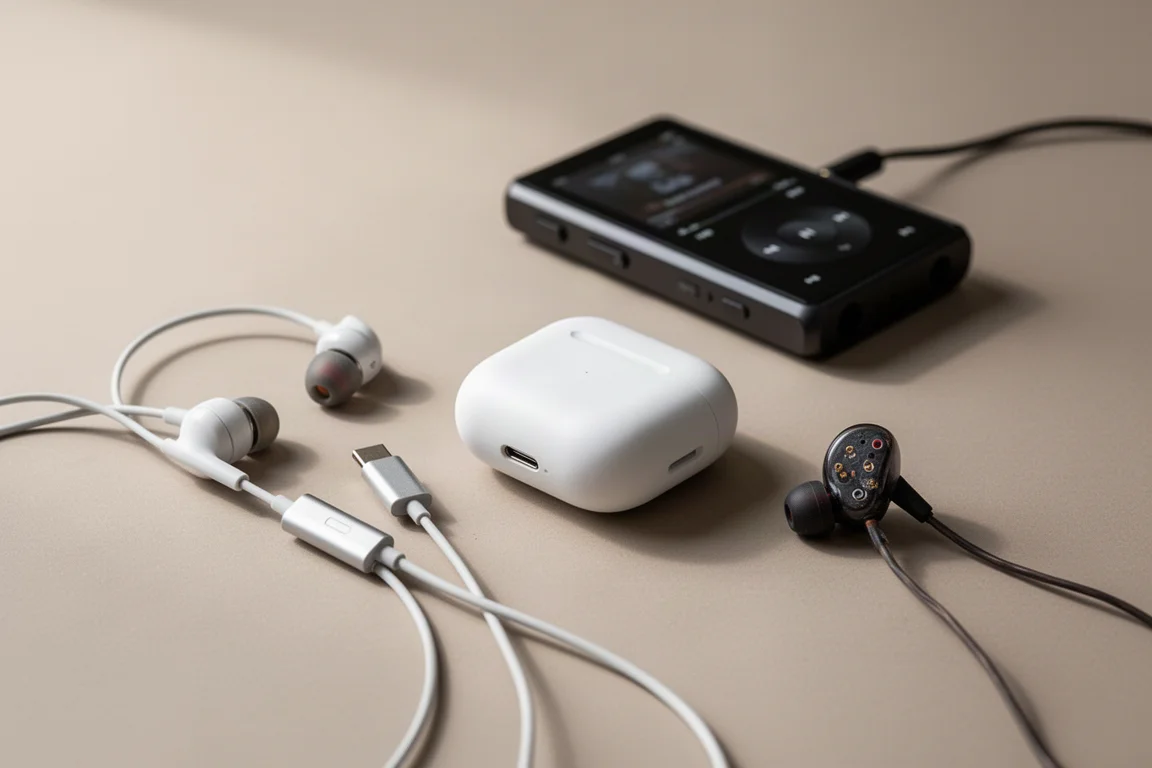
If music quality is the priority and you do not need calls, the Sennheiser IE300 offers a wired, music-first experience with a secure over-ear fit. Its cable is a weak point, but its sound sits between the warm Campfire and the crisp AirPods. For Android users who want true wireless convenience for music, the Sennheiser Momentum True Wireless 4 are the wireless music option, provided phone call quality is not a major requirement.
Wired earphones also provide lossless audio all the time and every time. Bluetooth earphones top out at CD quality lossless, and only when certain conditions are met, such as both the smartphone and the earphones supporting a specific lossless codec. True wireless in-ear monitors do not do high-res audio, and high-res audio has far less impact on what is heard than the hardware it feeds. The jump from lossy audio to CD-quality lossless is more important than the jump from lossless CD quality to high-res.
Conclusion
There is no single best earphone for everyone. The Campfire Audio Axion suits listeners who want wired USB-C audio with a microphone and a warm, expansive sound. The Apple AirPods Pro 2 are the pick for noise cancellation and phone call clarity. The Sennheiser IE300 is for music-focused wired listening without calls. The Sennheiser Momentum True Wireless 4 are for Android users who want wireless music first. Matching the earphone to the way you actually listen is the most reliable way to feel confident about the purchase.
Further reading
Related Reviews
Audio Gear
Best Budget Audio Gear 2022: Award-Winning Speakers, Amps, DACs, and Streamers
A rundown of the standout budget audio products of 2022, including award winners and honorable mentions across speakers, amplifiers, DACs, and streamers.
Audio Gear
Best Gifts for Audio Engineers and Musicians: 10 Practical Ideas
Ten practical gift ideas for audio engineers and musicians, from hearing protection and microphones to headphones, DI boxes, and the small studio accessories that get used every session.
Audio Gear
Best Value Audio Gear: Four Standout Picks for Streaming, Speakers, and DACs
Four audio products that reset expectations for what a given budget can buy, from a compact network streamer to a sub-$1,000 DAC.