Audio Gear
Best Value Audio Gear: Four Standout Picks for Streaming, Speakers, and DACs
Four audio products that reset expectations for what a given budget can buy, from a compact network streamer to a sub-$1,000 DAC.
Introduction
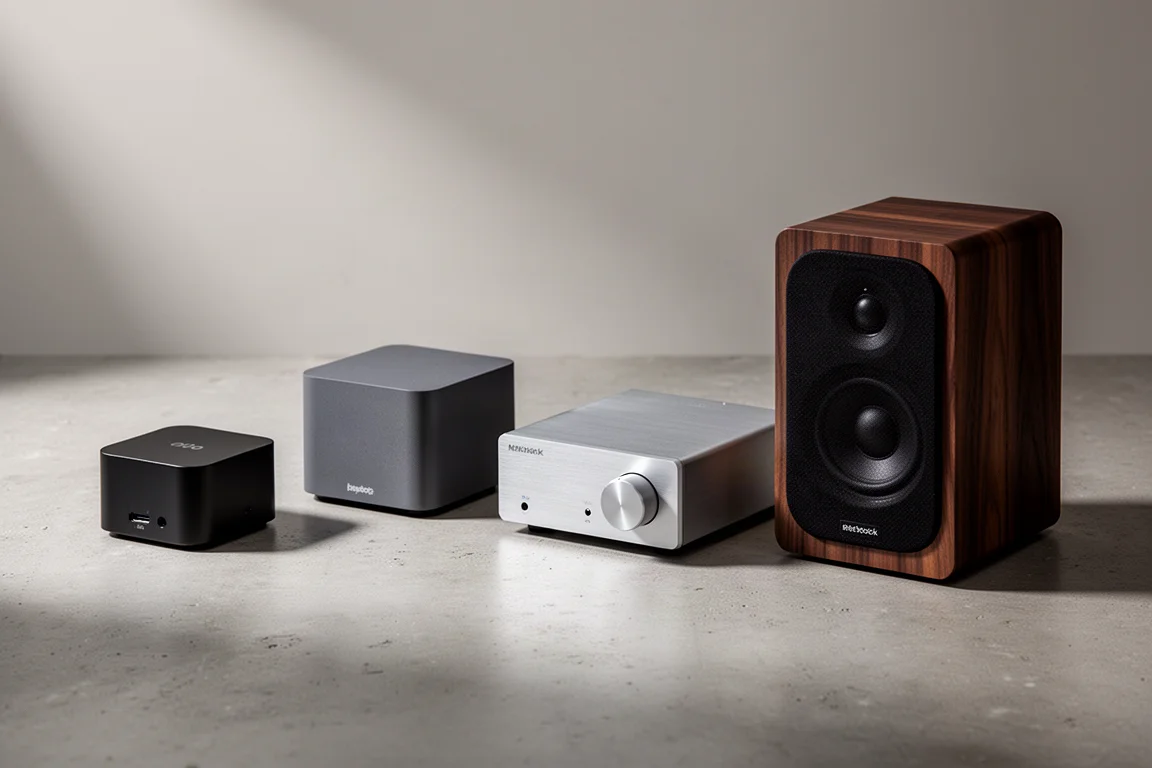
Most of the genuinely interesting work in hi-fi is happening at the affordable end of the market. The four products below share a common trait: each one delivers considerably more than its price suggests, and each comes from a company that keeps improving the product long after you have paid for it.
Two of them are compact network streamers that turned a niche category into an easy recommendation. One is a bookshelf speaker that punches well above its price. The last is a digital-to-analog converter that makes a strong case for spending less than four figures on your source.
How These Products Were Selected
Four criteria shaped this list. Value comes first: how much real capability you get for the money. Second is long-term software support, which matters more than ever for streaming hardware that depends on services and protocols changing around it. Third is in-house engineering, meaning the company designs and builds the critical parts of the product itself rather than licensing someone else’s platform. Finally, the direct-to-customer model, which tends to push more of the purchase price into the product instead of into a distribution chain.
Two smaller details also proved more audible than expected: speaker isolation and entry-level cable upgrades. Neither is glamorous, but both are worth keeping in mind once the core system is settled.
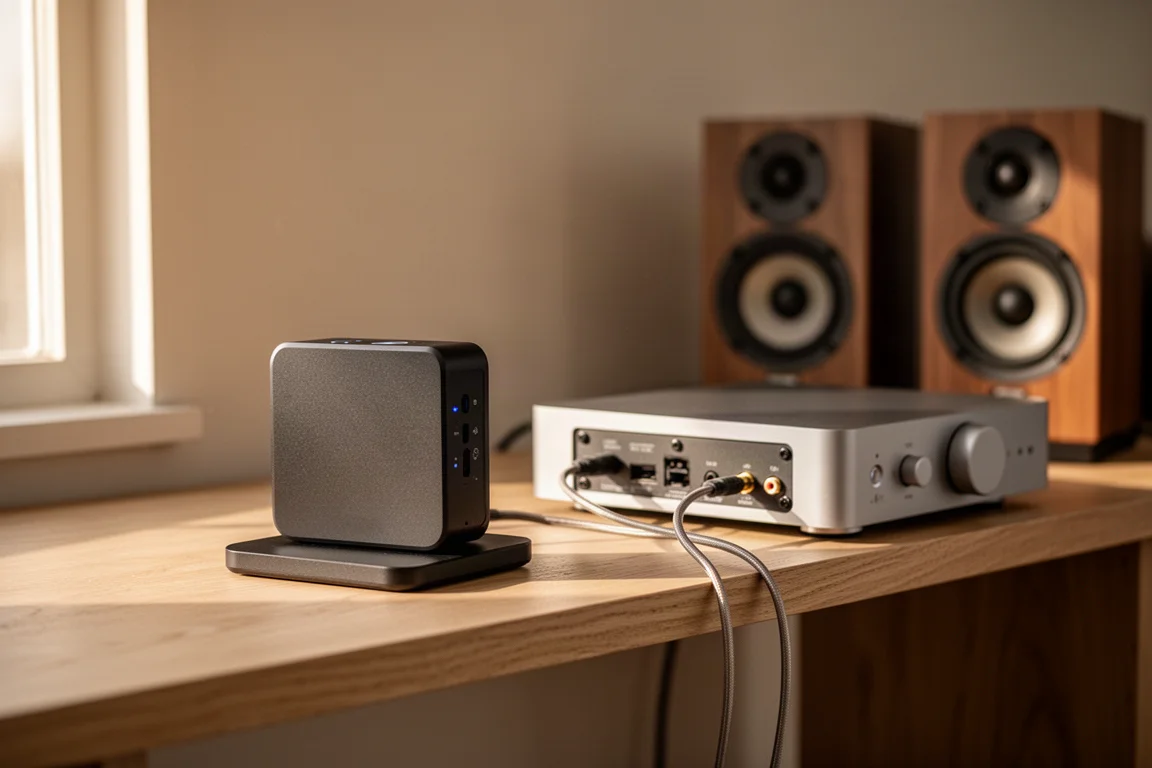
The order below is deliberate. It starts with the cheapest way to add streaming to an existing system, moves up to the step-up model in the same family, then covers the speaker and the converter that anchor a two-channel setup.
Best Overall Streamer: WiiM Mini
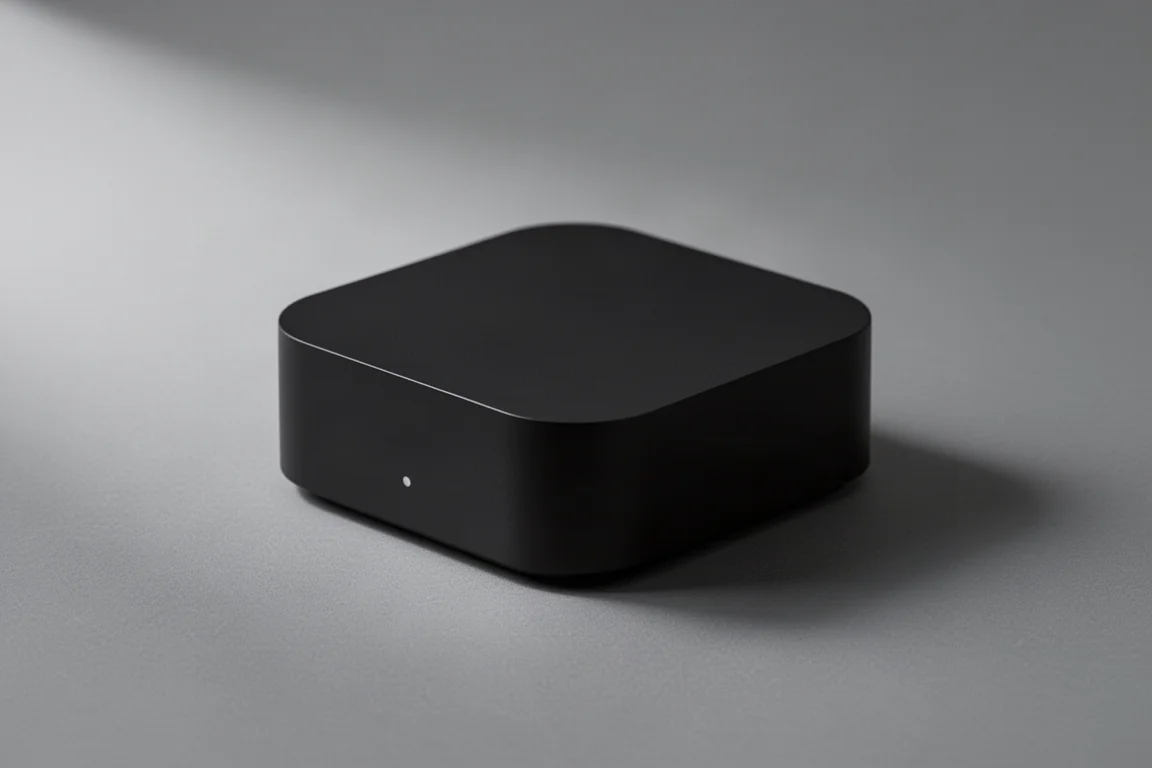
The WiiM Mini is the clearest example of a product resetting what buyers should expect. It is a fully functioning network streamer with a price that has hovered around $76, and it does the job of several separate boxes at once. It supports major streaming services including Spotify Connect, Tidal Connect, Amazon Music, Deezer and Radio Paradise, and it can pull music from a network attached storage drive or from a computer on the same network.
Its outputs make it flexible. You can run the analog output straight into an amplifier, or feed an external DAC when you want better conversion. Apple AirPlay 2 and Chromecast support mean phones and tablets can cast to it directly, and a 10-band EQ lets you shape the sound for your room and speakers rather than accepting whatever the source delivers.
The practical effect is that it has largely retired two older questions. If you were shopping for a dedicated Bluetooth receiver or a standalone AirPlay receiver, the WiiM Mini costs less than many of those boxes and does considerably more, because those alternatives generally cannot stream services on their own.
Software is the other half of the story. The update cadence is unusually quick for this category, and the product today is meaningfully different from the unit that first shipped. Features have been added and refined repeatedly, which is rare at this price and makes the purchase feel considerably safer than the sticker suggests.
The Step-Up Streamer: WiiM Pro
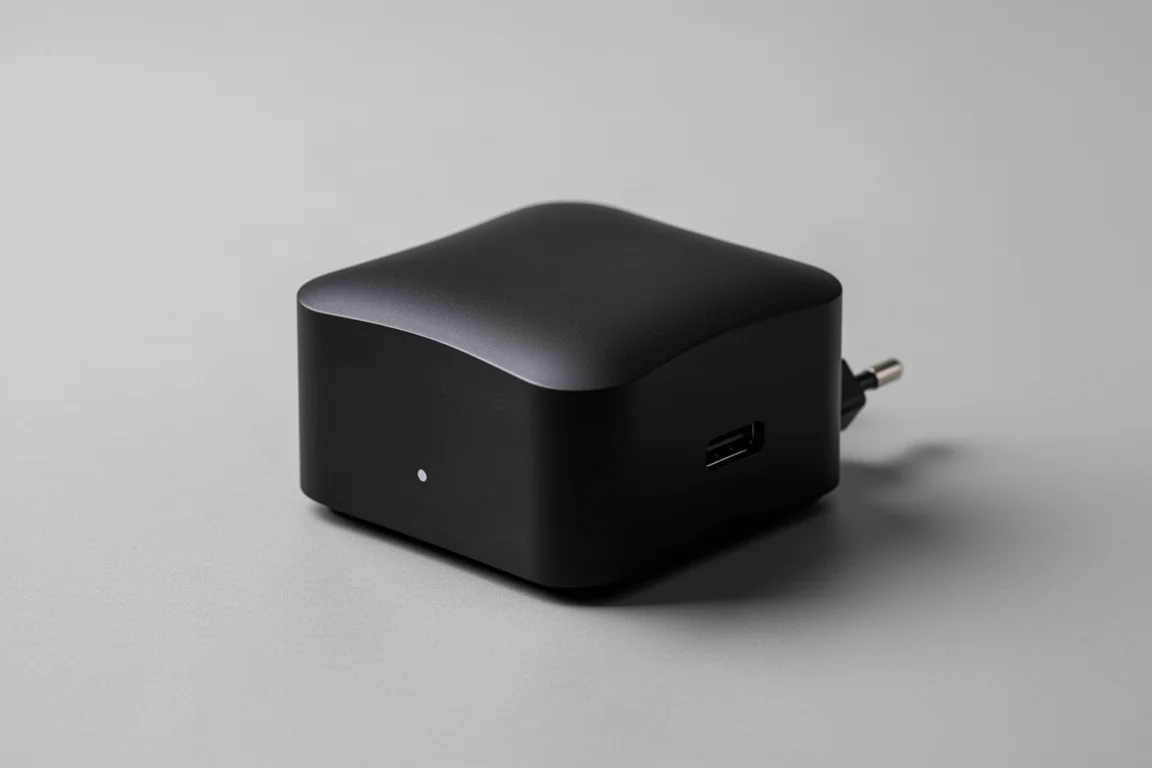
The WiiM Pro takes the same approach and moves it up a step. It shares the software-first philosophy, and the responsiveness behind it is visible in how the company handles feedback: when latency concerns surfaced around the Pro, a low-latency option was added to the roadmap, with the honest caveat that switching it on costs some other functionality. That kind of trade-off, explained openly and left to the user to decide, is not common in budget streaming hardware.
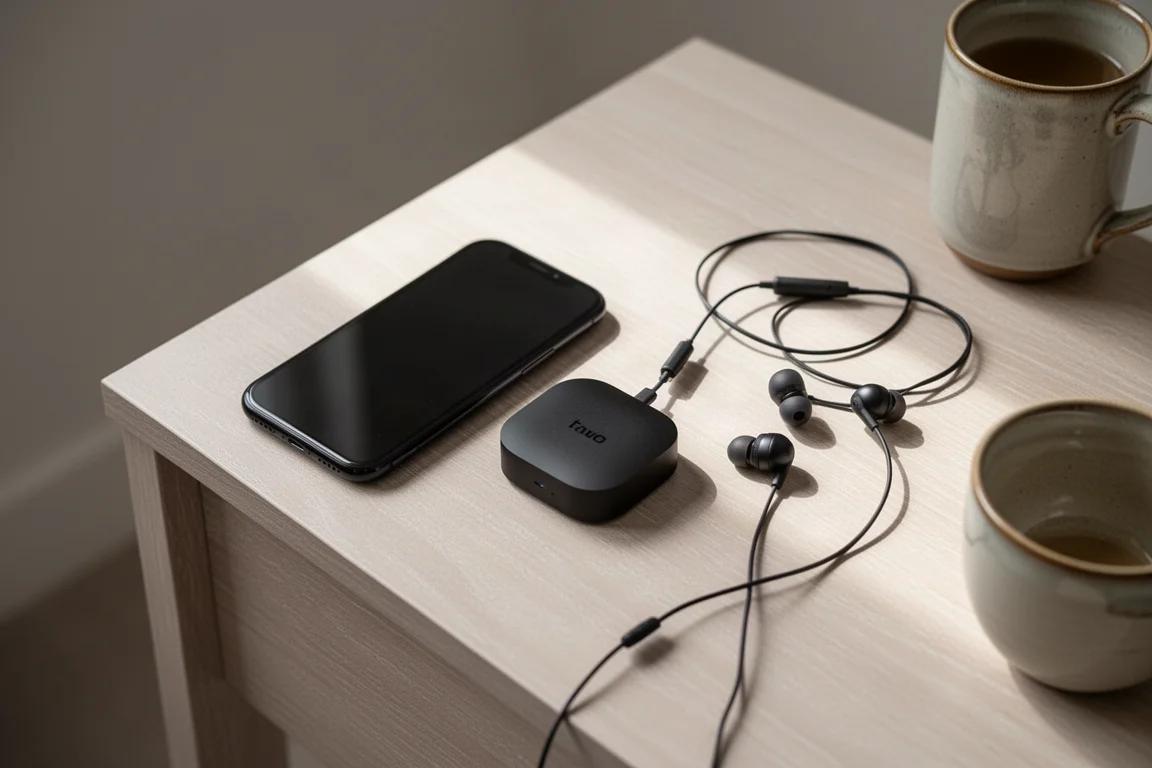
For anyone who already owns a WiiM Mini, the Pro is the version to consider when you want more headroom inside the same ecosystem. For anyone starting fresh, both models answer the same core question: how do you get streaming services into an existing hi-fi system without adding a computer or an expensive dedicated transport?
Best Value Bookshelf Speaker: Emotiva B2+
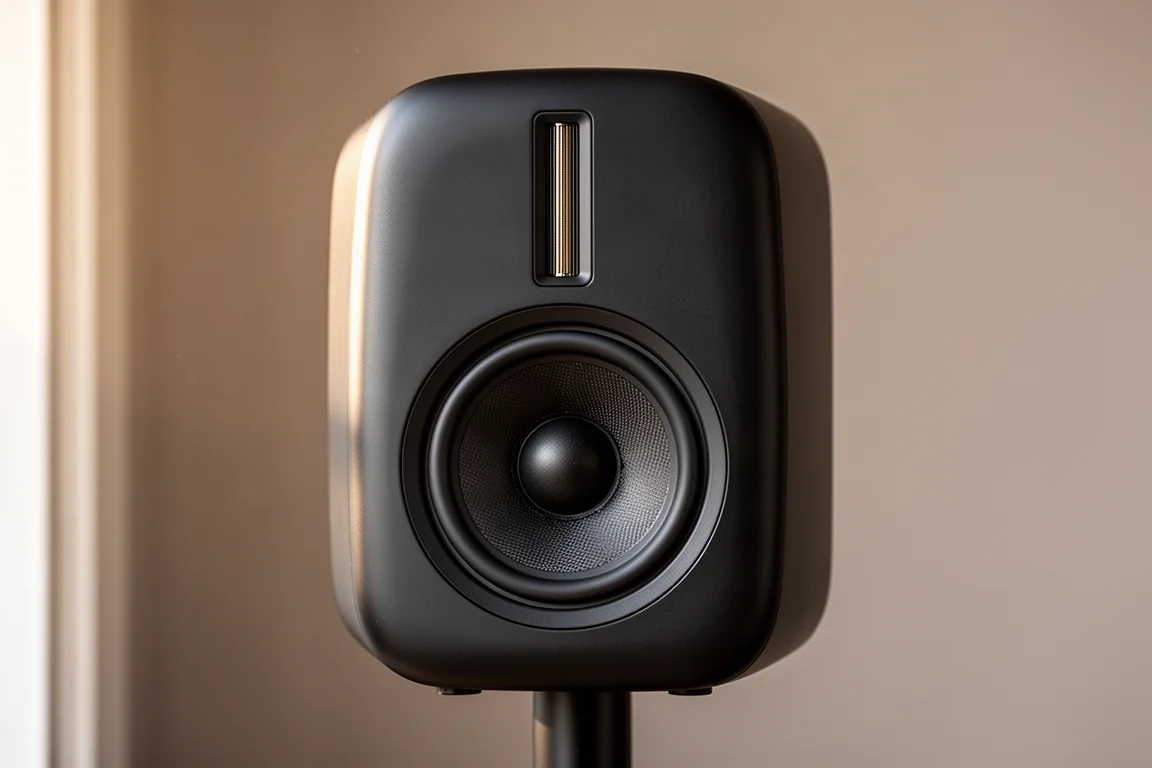
The Emotiva B2+ is a bookshelf speaker in the region of $500, and at that price it is close to as good as the category gets. It comes from a company that designs its own processor and processing software in-house rather than depending on a third-party platform, which gives it unusual control over how the finished product actually behaves.
Emotiva also sells direct to customers. That model tends to put more of the purchase price into the hardware itself, and it is a large part of why the B2+ lands where it does on performance per dollar.
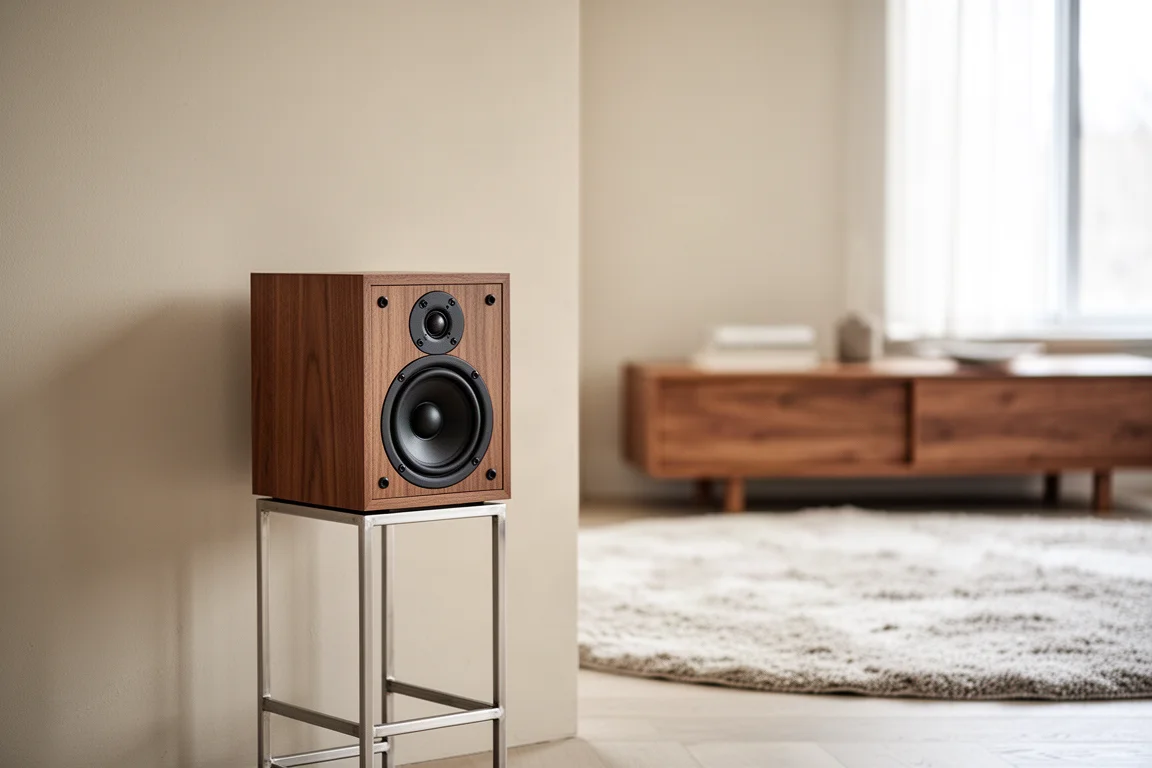
If you are assembling a two-channel system and the speaker budget sits near the $500 mark, the B2+ deserves a place on the shortlist, particularly if you would rather pay for engineering than for showroom overhead.
Best DAC Under a Grand: Schiit J2
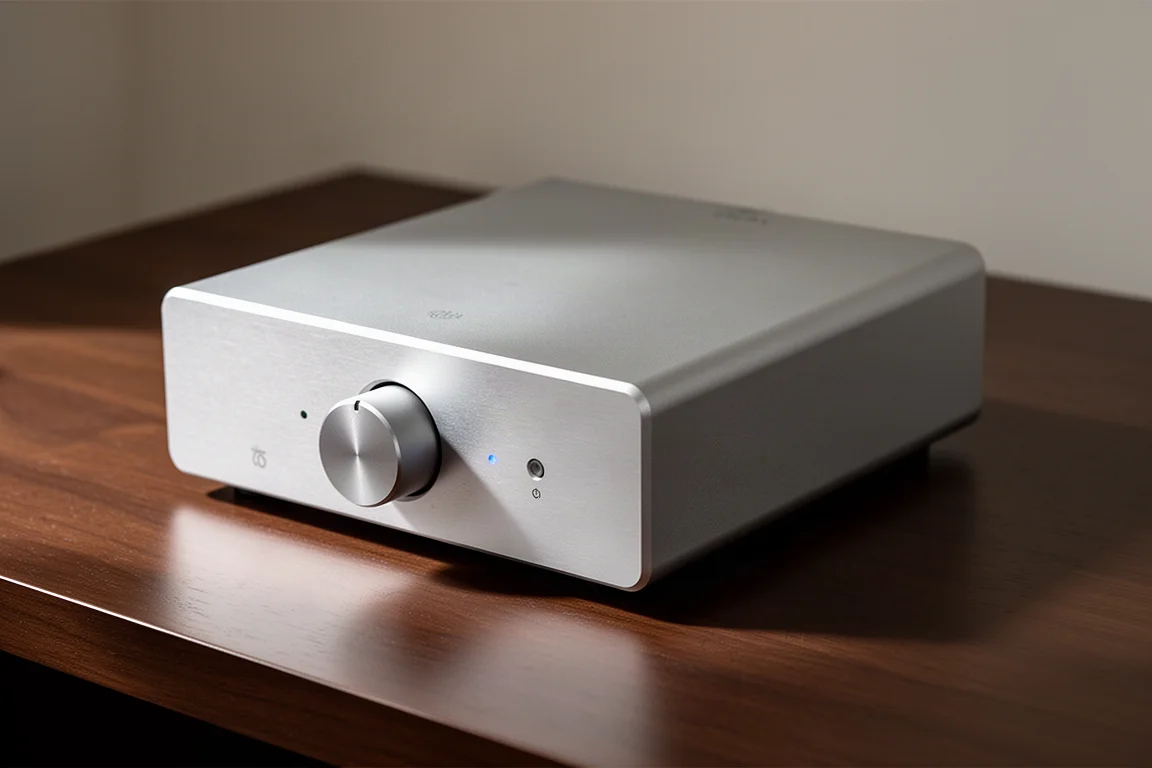
The Schiit J2 is a digital-to-analog converter that sells for under $1,000, and its performance is the part that is genuinely hard to argue with. It is available in AKM and Saber versions, and the AKM version in particular was convincing enough to retire a dedicated high-end streaming bridge from the same system. At this price, it makes a strong case for putting your money into conversion rather than into features you will never use.
The trade-offs are physical rather than sonic. The chassis design and the control layout are not to everyone’s taste, and those are the only real criticisms worth raising. The same brand also builds headphone amplifiers that are held in similarly high regard, so a desktop setup can be assembled from a single source.
Buying Advice
Match the product to the gap in your system rather than to a specification sheet. If your amplifier and speakers are already sorted and you want streaming services plus AirPlay and Chromecast, the WiiM Mini is the lowest-risk purchase here, and the WiiM Pro is the natural step up when you want more headroom. If you are building a two-channel system from scratch and the speaker budget sits near $500, the Emotiva B2+ is the piece to plan around. If your source is the weak link, the Schiit J2 addresses it directly.
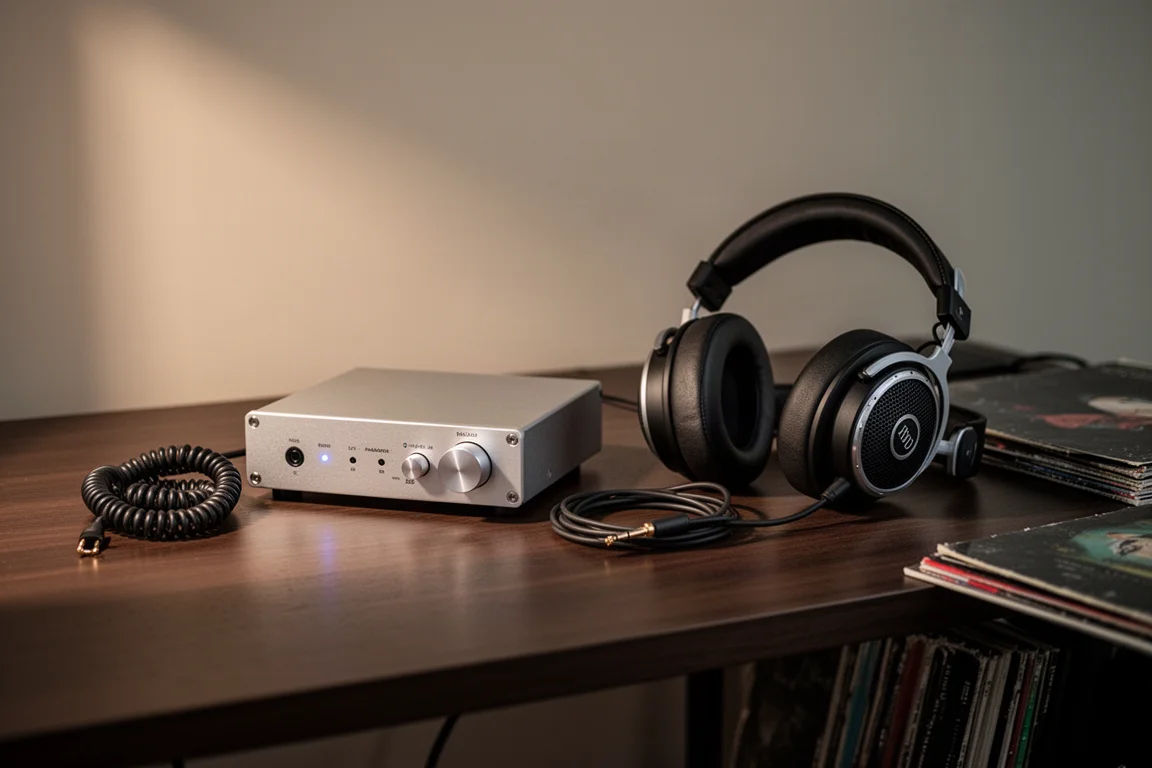
Two smaller items deserve attention once the main components are in place. Entry-level cable upgrades and speaker isolation both proved more audible than expected, and decoupling a speaker from the surface it sits on is an easy change to keep once you have heard it.
Whatever you choose, buy the piece that solves a problem you actually have. A streamer fixes access to your music. A speaker fixes the room. A converter fixes the source. Working in that order usually costs less and sounds better than buying by brand name.
Conclusion
The through-line across all four picks is value that holds up over time. The WiiM streamers keep improving through software, the Emotiva B2+ puts its budget into the speaker rather than the distribution chain, and the Schiit J2 delivers serious performance below the $1,000 mark. Each one earns its place by doing a specific job unusually well for the money, and that is a more useful recommendation than any single number on a spec sheet.
Further reading
Related Reviews
Audio Gear
Best Budget Audio Gear 2022: Award-Winning Speakers, Amps, DACs, and Streamers
A rundown of the standout budget audio products of 2022, including award winners and honorable mentions across speakers, amplifiers, DACs, and streamers.
Audio Gear
Best Gifts for Audio Engineers and Musicians: 10 Practical Ideas
Ten practical gift ideas for audio engineers and musicians, from hearing protection and microphones to headphones, DI boxes, and the small studio accessories that get used every session.

Audio Gear
Beyerdynamic DT770 Pro and DT1990 Pro Mark II with Headphone Lab: A Practical Look at Headphone Mixing
A closer look at how Beyerdynamic DT headphones pair with the free Headphone Lab plugin to bring studio monitor style mixing to headphones.