Audio Gear
Best Gifts for Audio Engineers and Musicians: 10 Practical Ideas
Ten practical gift ideas for audio engineers and musicians, from hearing protection and microphones to headphones, DI boxes, and the small studio accessories that get used every session.
Introduction
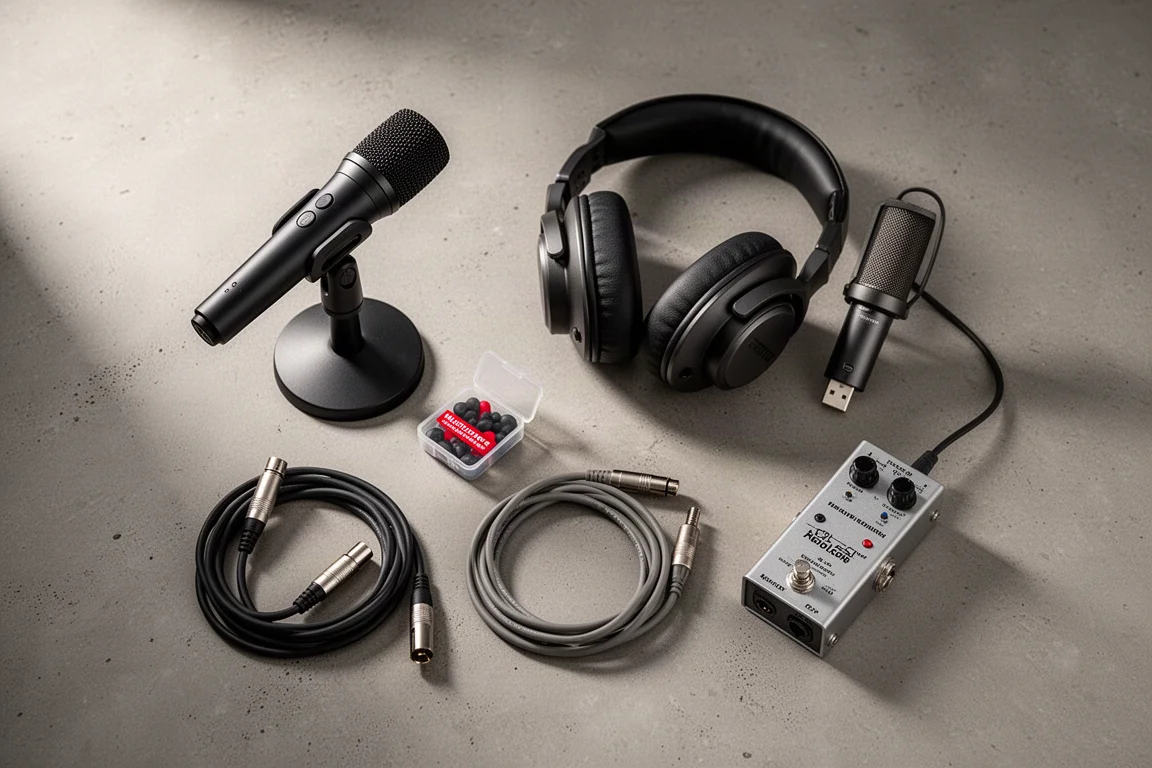
Choosing a gift for an audio engineer or musician is easier than it looks. The people who work with sound every day depend on a small set of tools that get used constantly, and most of those tools are affordable enough to give without hesitation.
This guide collects ten ideas that cover the most common needs: protecting hearing, capturing sound, monitoring mixes, and solving the small technical problems that come up in every session. Each pick is a practical addition to a working setup rather than a novelty.
If you are still unsure, a gift card to a music retailer is a genuinely welcome option, because it lets the recipient choose the exact item that fits their setup.
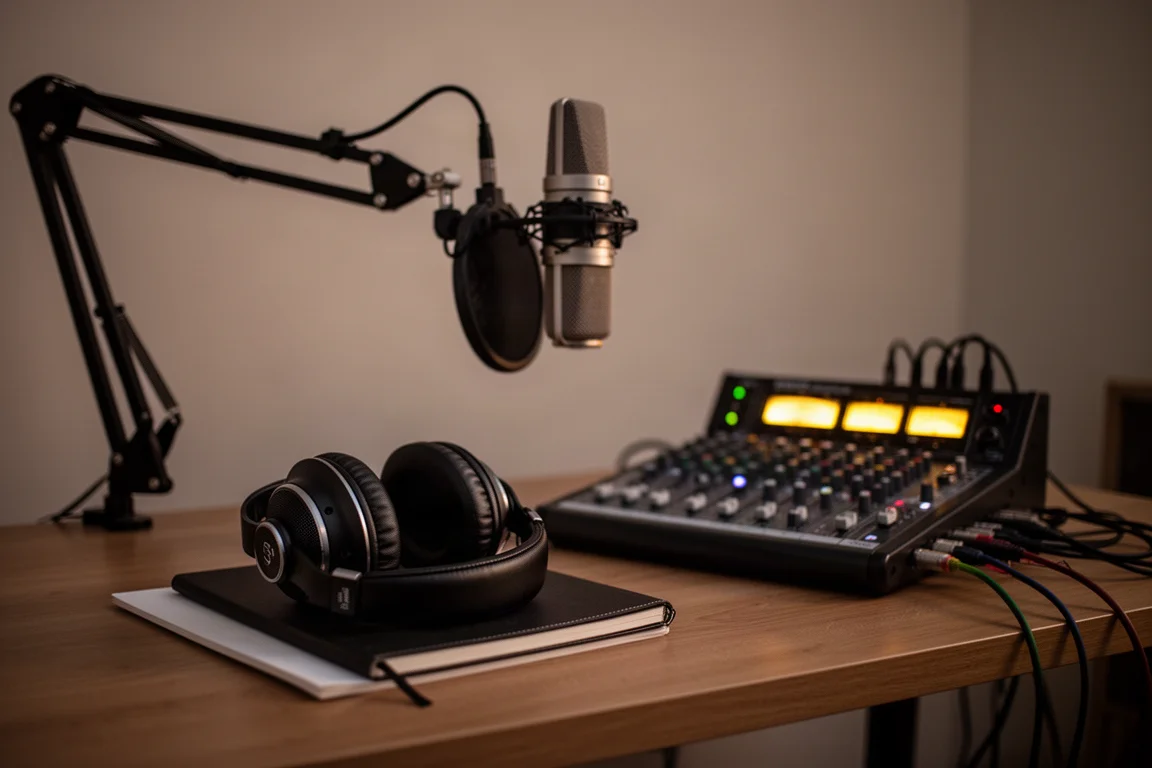
A useful rule of thumb is that gear used on every session makes a better gift than gear that sits on a shelf. Everything below is chosen with that in mind.
What Makes a Good Gift for an Audio Engineer
A few qualities separate a gift that gets used from one that gets stored:
- It solves a recurring problem, such as hearing protection, cable management, or a wobbly microphone stand.
- It is durable enough to survive both studio and stage use.
- It fits how the person already works, whether that is live sound, studio recording, or content creation.
- It comes in a range of price points, so you can match the gift to your budget.
Hearing Protection: Etymotic Research ER20s
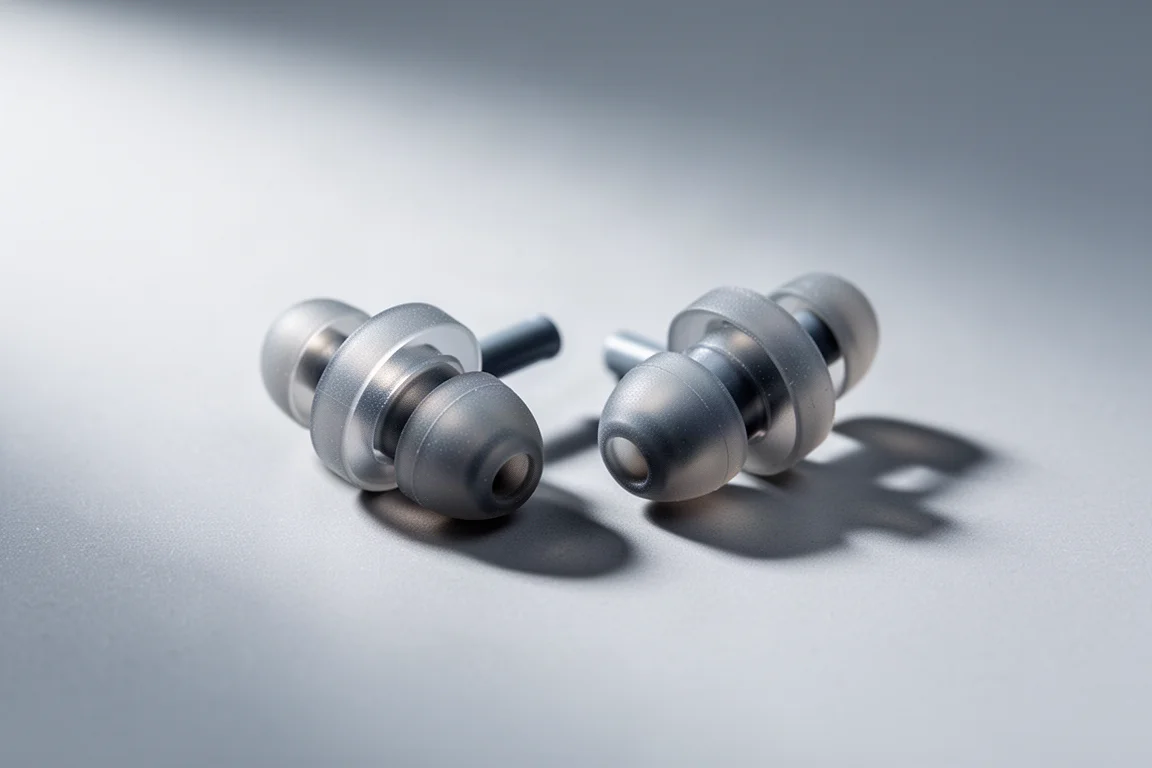
Hearing is the most valuable asset a musician or engineer has, and it is the one thing many people do not think about until damage is already done. Standard foam ear plugs are cheap, but they muffle everything and destroy the balance of the sound. Musician’s ear plugs are the better answer: they lower the volume while keeping the music clear.
The Etymotic Research ER20s are a great choice in that category. An adjustable alternative is available from Minuendo, which adds a volume adjustment for people who want more control over how much sound reaches their ears.
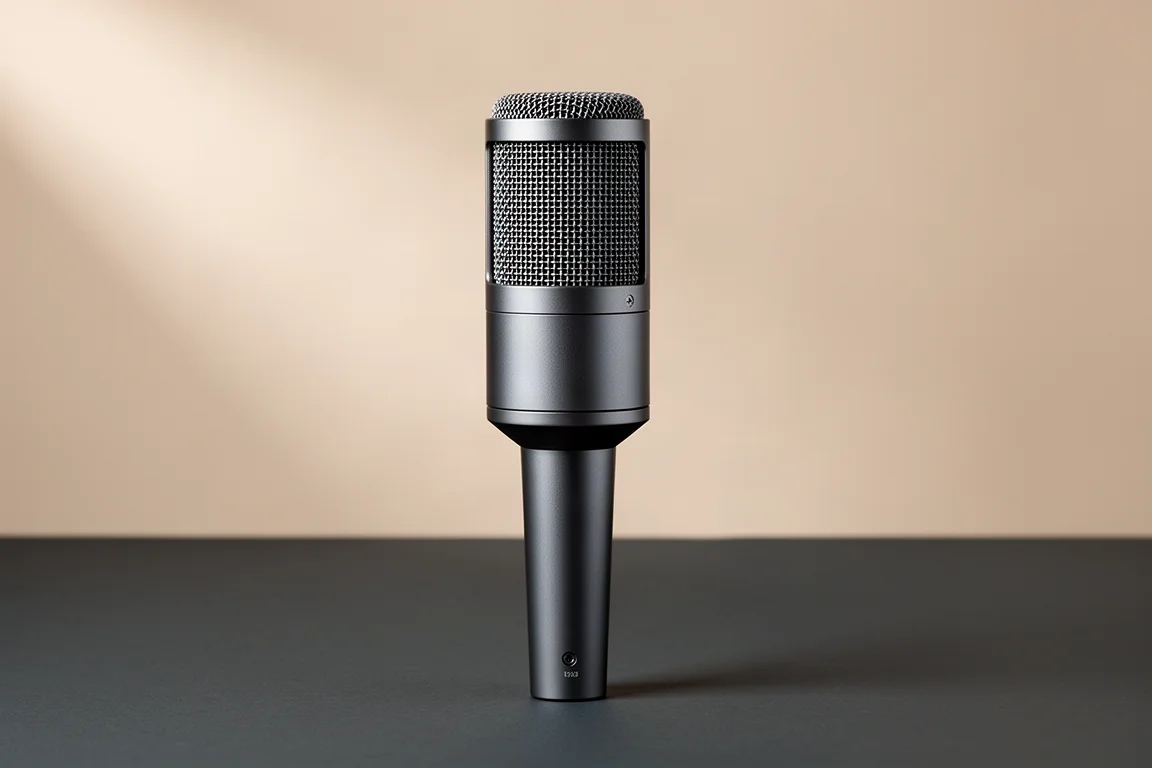
Shure SM57: The Versatile Dynamic Microphone
Microphones span an enormous range, from around $50 to $10,000, which makes them hard to shop for. The Shure SM57 sits at roughly $100 and suits almost any job. It works for both live sound and studio recording, and it is common enough that most engineers would still happily add another one to the collection.
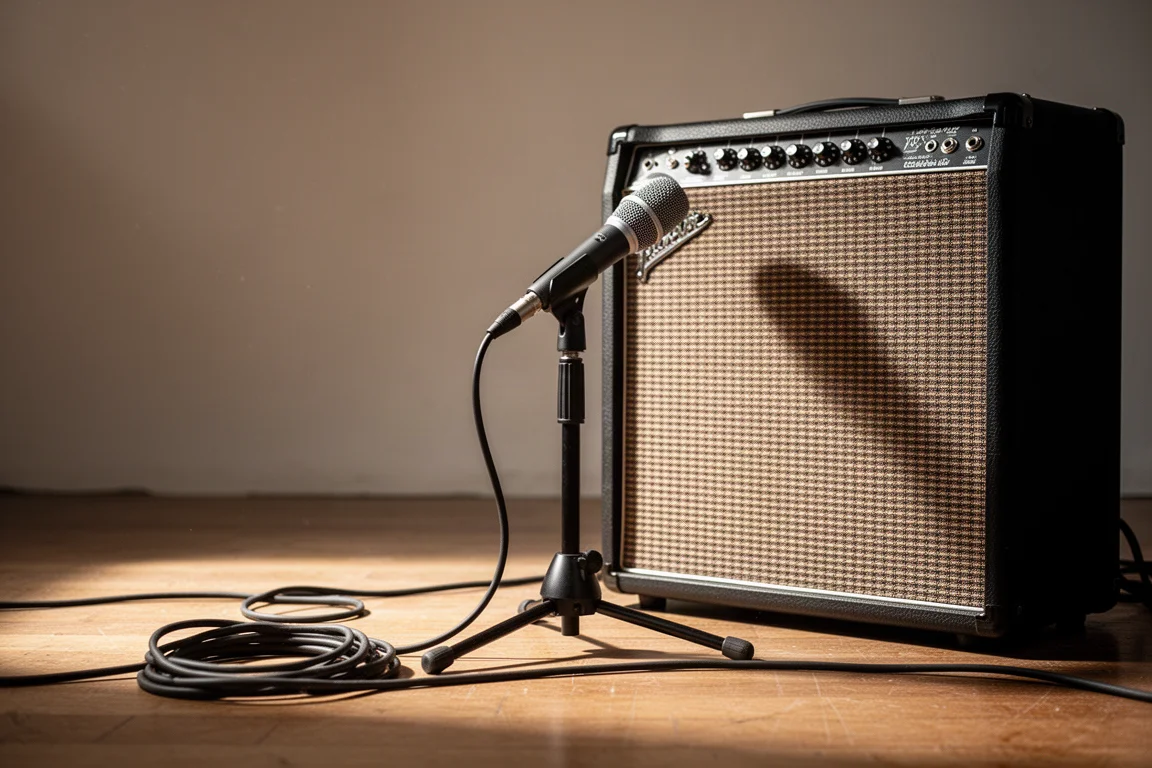
Because it is not tied to one specific use, the SM57 is a safe pick when you are not sure exactly what your friend records.
Shure SM58: The Vocal Microphone
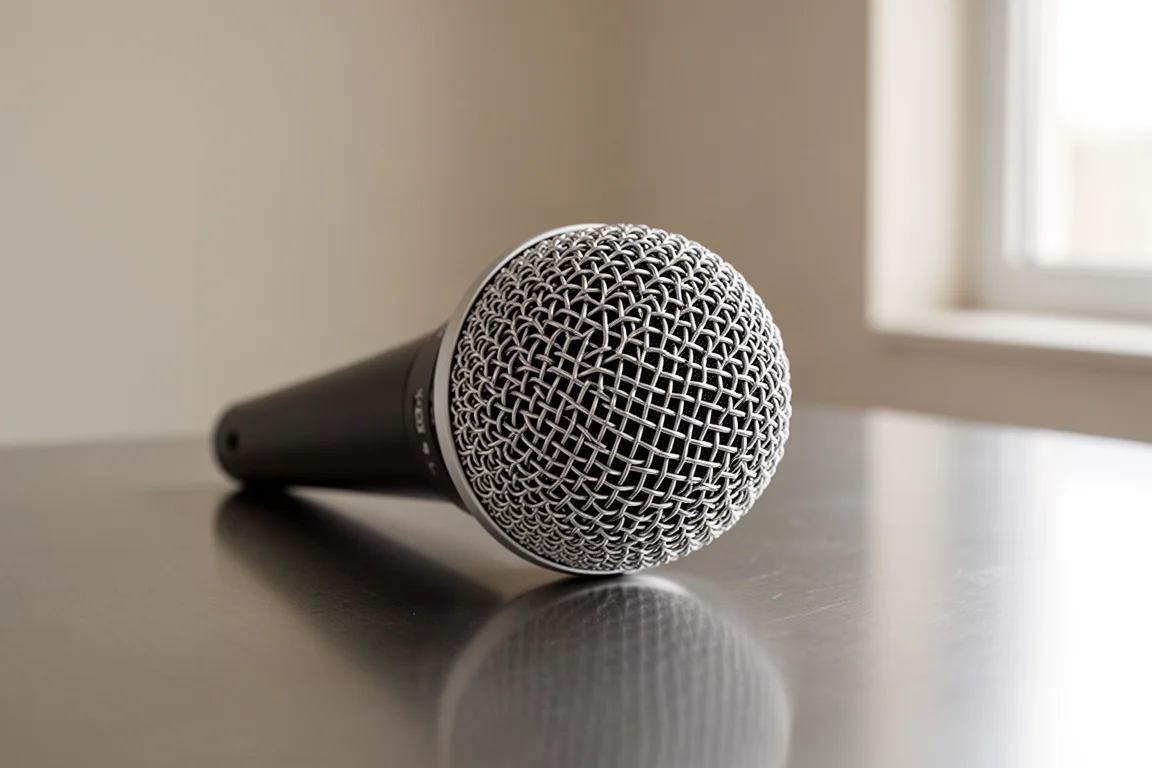
The Shure SM58 is closely related to the SM57 and is aimed specifically at vocalists and singers. Like its sibling, it is a professional microphone used for live sound and studio work around the world, and it stays relatively affordable.
Austrian Audio MiCreator Studio: A USB Microphone for Simple Setups
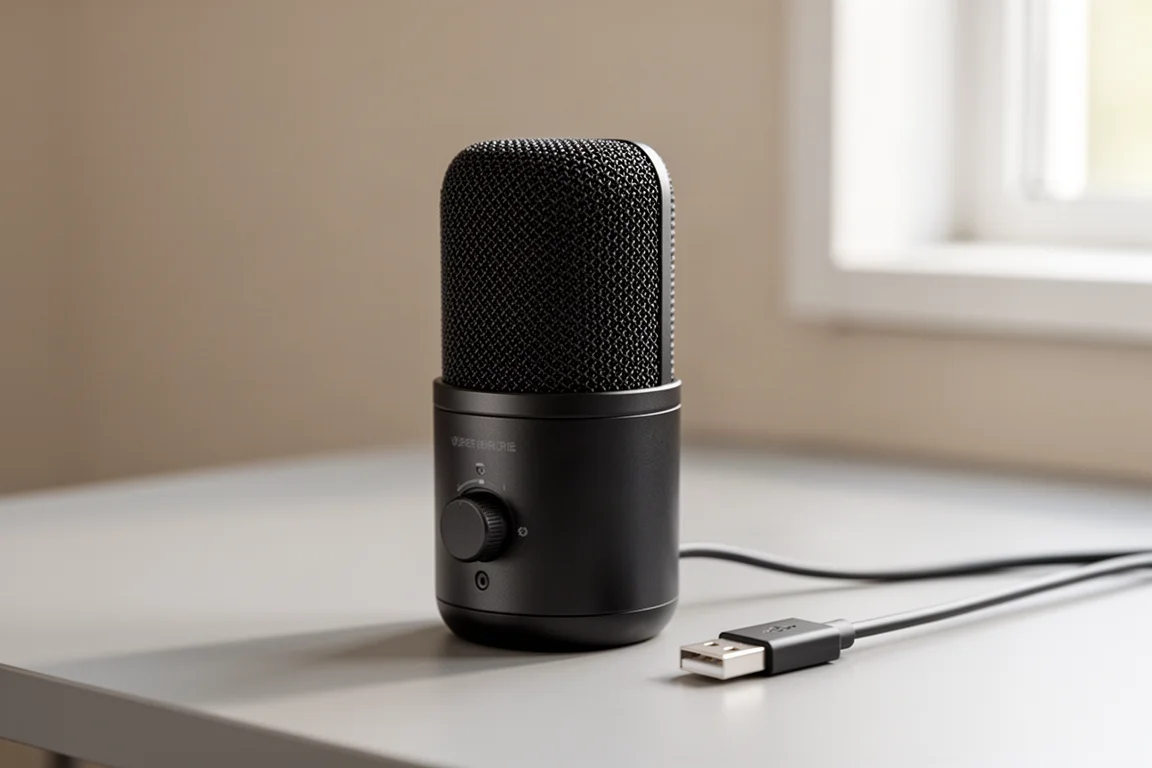
Not every musician wants to build a full studio signal chain. The Austrian Audio MiCreator Studio connects directly to a computer, smartphone, or tablet over USB, which lets someone capture high-quality sound without a complicated setup.
Direct Sound EX29s: Isolation Headphones for Recording
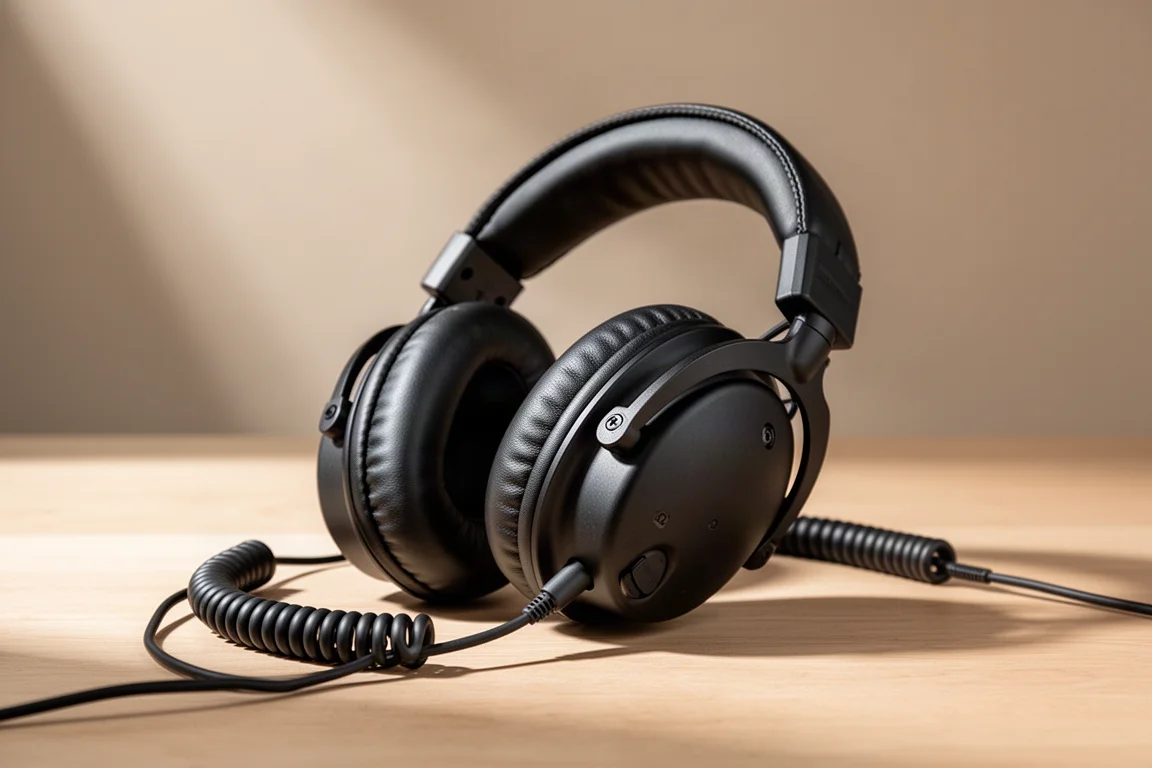
Even an engineer who already has a favourite pair of everyday headphones can use a set of isolation headphones. The Direct Sound EX29s are designed to keep noise out and sound in, which is what makes them well suited to recording work and a useful addition to any studio.
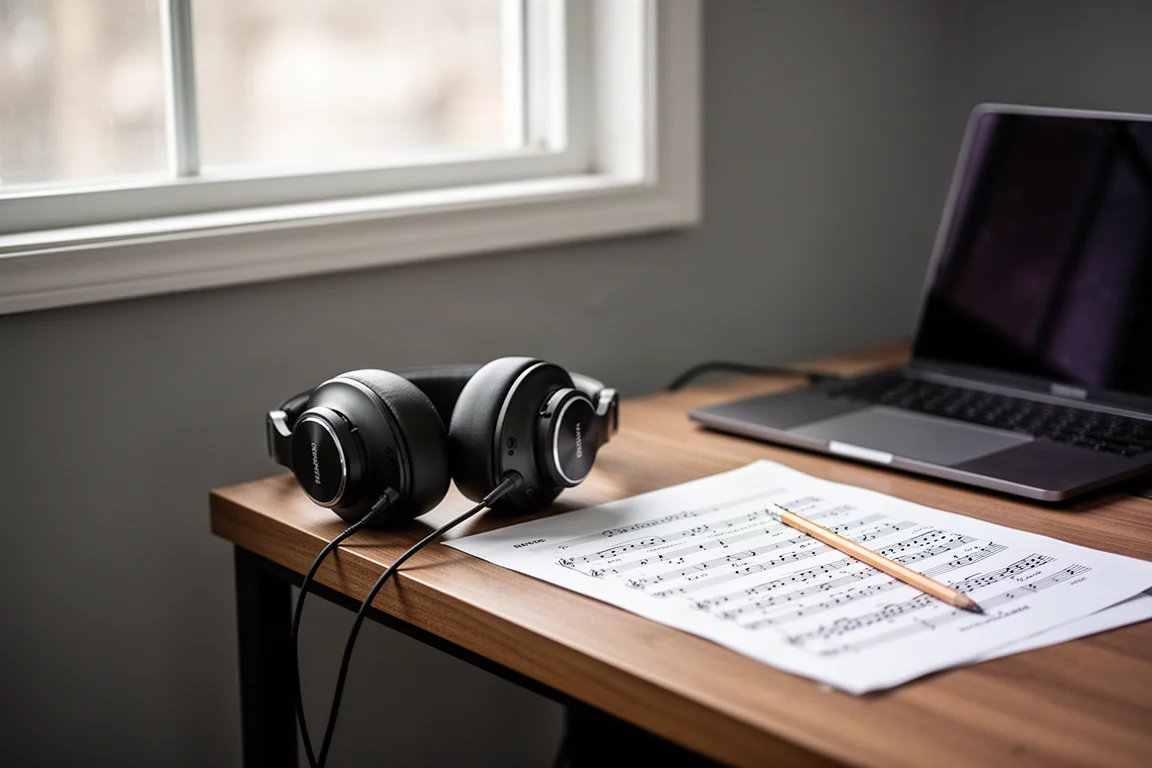
Audio-Technica ATH-M50x: Studio Headphones at Around $150
If your friend does not yet own a dedicated pair of studio headphones, the Audio-Technica ATH-M50x is one of the strongest options at around $150. It covers the monitoring role without asking for a large budget.
That price point makes it a realistic gift for students, hobbyists, and anyone building a first home setup.
Sennheiser HD 600: A Step Up for Critical Listening
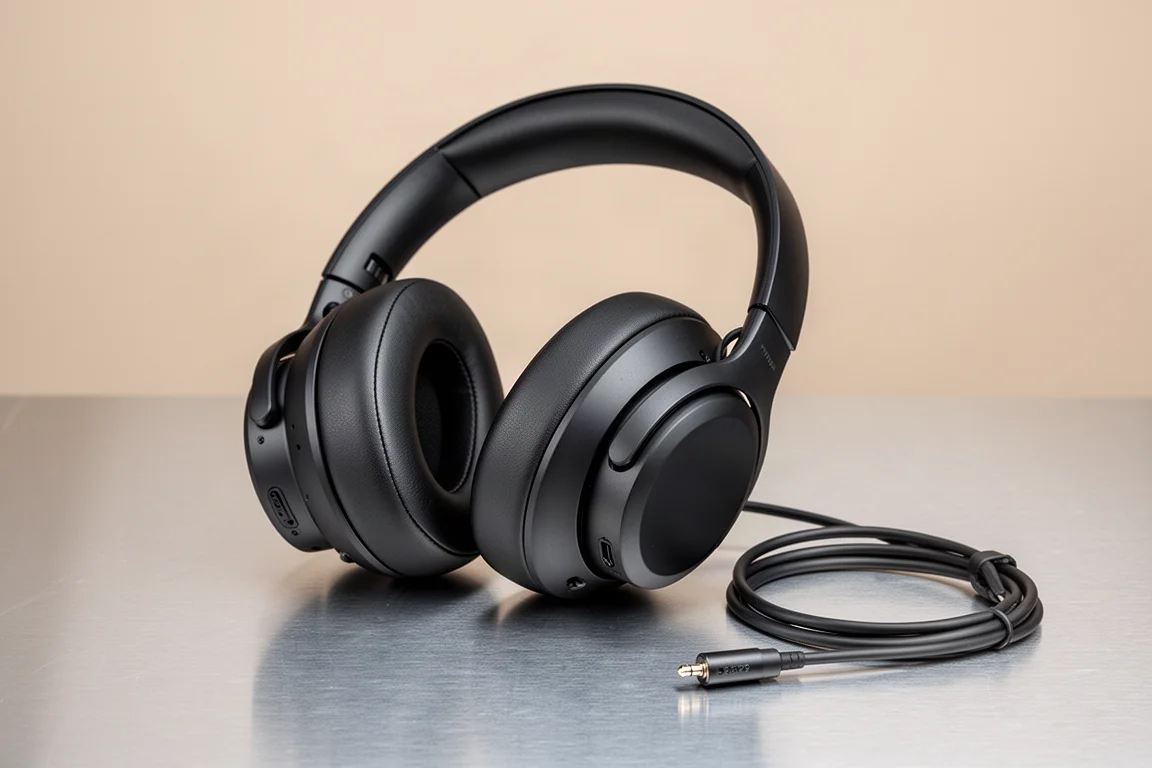
For a gift that makes a bigger impression, the Sennheiser HD 600 is a step up for critical listening. Headphones in this class are the kind of upgrade a producer or engineer notices immediately. Neumann headphones are another option at this level if you want to compare.
Radial Pro DI: A Rugged Direct Box
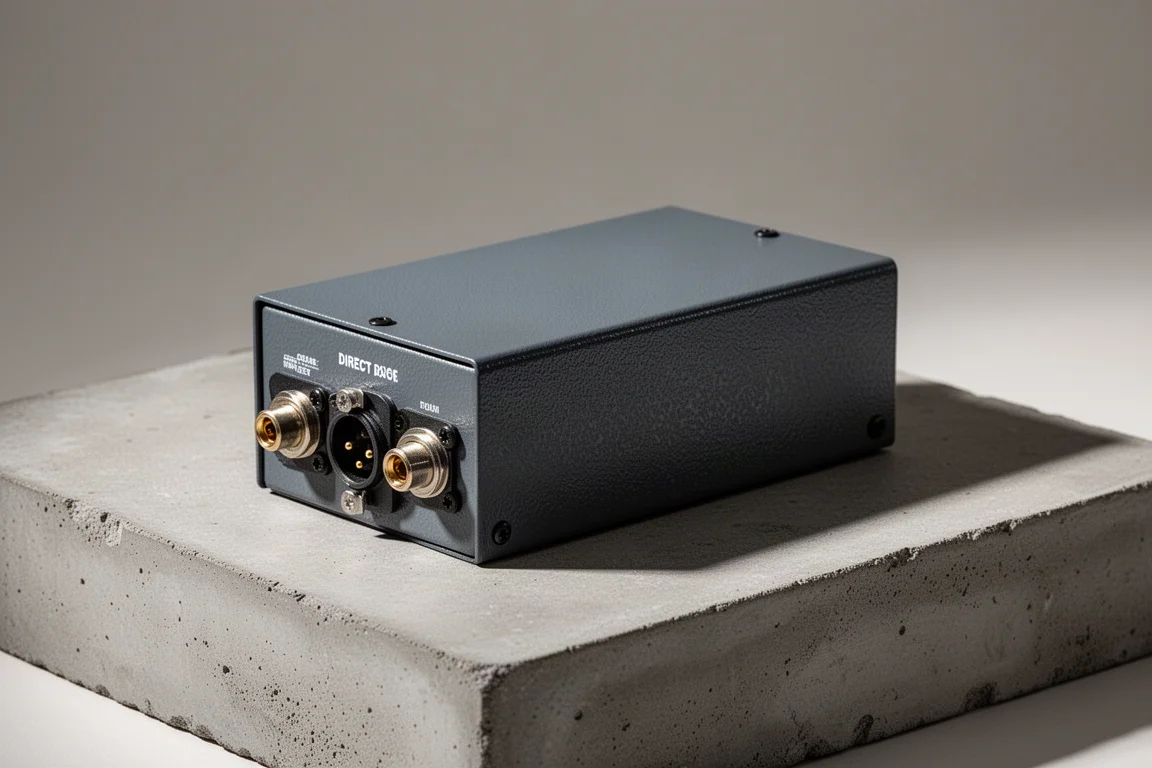
If your friend does live sound for concerts, a DI box is a genuinely useful gift. A direct box lets you record an instrument directly without the need for an amplifier, which comes in handy constantly in live and studio work. The Radial Pro DI is a rugged and reliable option.
Whirlwind IMP 2: A Second Reliable Direct Box
The Whirlwind IMP 2 covers the same ground and shares the same rugged, reliable character. Either direct box works well as a gift, and an engineer who works live shows can always find a use for one more.
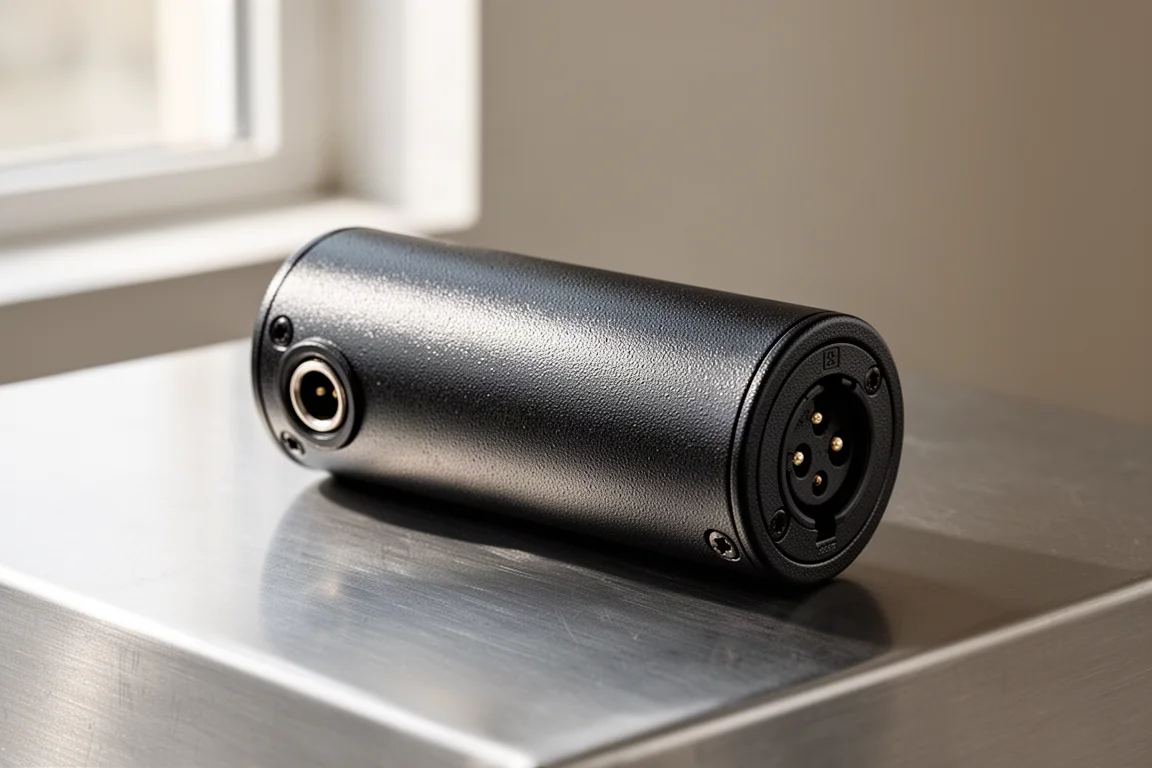
Rupert Neve RNDI: A Direct Box for Guitarists
For a guitarist specifically, the Rupert Neve RNDI is worth considering. It is a direct box aimed at players, which makes it a good match for someone who records guitar parts and wants to capture them without an amp.
Studio Essentials and Small Accessories
Not every useful gift is a headline item. Several smaller tools get used constantly in studios and on stages, and they make excellent stocking stuffers or lower-budget gifts.
Pop filters sit between the vocalist and the microphone to prevent plosives and breath noises, and simple models start at around $20. Stedman pop filters in the $50 to $75 range add a gooseneck that makes positioning much easier. Microphone stands are usually an afterthought, which is why so many people end up with the cheapest option available; a sturdy stand holds a microphone far better, and K&M stands are especially robust while On-Stage offers a decent more affordable alternative. For content creators, a desk-mounted boom arm from Heil, Rode, or Gator Frameworks replaces the floor stand entirely.
Isolation accessories from IsoAcoustics are another strong idea for producers and hi-fi listeners. Isolation stands and pucks sit beneath speakers and stop vibrations from transferring into the desk or table, which helps sound quality. The stands are useful for raising bookshelf speakers to ear level, while the pucks are versatile enough to isolate other gear as well.
Cables are a safe bet when you are unsure. XLR microphone cables are always welcome, so aim for 20 to 50 ft and look for Neutrik connectors. For guitarists, bassists, and keyboardists, 1/4-inch instrument cables are just as valuable, and extra adapters never go unused.
Troubleshooting tools also make thoughtful gifts, because engineers run into problems constantly. A cable tester does exactly what the name suggests, and a model from DBX is a good starting point. A Q box is handy for sending test signals or listening in on a signal while you track down a fault. For a more technical friend, a digital multimeter is a welcome addition to the toolkit.
Small consumables round out the list. Sharpie markers are a staple of audio production and they always seem to go missing. Velcro cable ties keep cable runs tidy. A shelf that mounts to a microphone stand is handy for guitar picks, phones, or drinks during a performance. For producers, a hard drive provides long-term storage for sessions and data, while a solid-state drive adds speed for audio work. Finally, if your friend plays guitar or bass, a reamp box sends recordings out of the computer through their favourite pedals and back in, which makes it a favourite among pedal collectors.
Buying Advice: Matching the Gift to the Person
The right gift depends on what your friend actually does. A quick way to narrow it down:
- Vocalists: the Shure SM58 is the obvious starting point, and the SM57 covers just about everything else.
- Studio engineers and producers: isolation headphones, a solid-state drive, or isolation pucks under their monitors.
- Live sound engineers: a direct box, a cable tester, or a Q box.
- Guitarists and bassists: a reamp box, the Rupert Neve RNDI, or a set of instrument cables.
- Content creators: a USB microphone or a desk-mounted boom arm.
- Anyone: microphone cables, a good microphone stand, or a pack of Sharpies.
If you are still deciding, hearing protection and cables are almost impossible to get wrong. Both are used constantly and both fit into an existing setup without any guesswork. A gift card to a music retailer is the fallback that never disappoints when you would rather let the recipient choose for themselves.
Conclusion
Audio gear makes a strong gift because the good options are practical, durable, and used every single session. Start with the person’s role: a vocalist will get the most from a dedicated vocal microphone, a producer from storage or monitoring upgrades, and a live engineer from a rugged direct box or a tester. If you want something simple and universally welcome, musician’s ear plugs, cables, and a decent microphone stand all land well. Any of the ten picks above is a safe way to show that you paid attention to what they actually do.
Further reading
Related Reviews
Audio Gear
Best Budget Audio Gear 2022: Award-Winning Speakers, Amps, DACs, and Streamers
A rundown of the standout budget audio products of 2022, including award winners and honorable mentions across speakers, amplifiers, DACs, and streamers.
Audio Gear
Best Value Audio Gear: Four Standout Picks for Streaming, Speakers, and DACs
Four audio products that reset expectations for what a given budget can buy, from a compact network streamer to a sub-$1,000 DAC.

Audio Gear
Beyerdynamic DT770 Pro and DT1990 Pro Mark II with Headphone Lab: A Practical Look at Headphone Mixing
A closer look at how Beyerdynamic DT headphones pair with the free Headphone Lab plugin to bring studio monitor style mixing to headphones.