Cycling Gear
Winter Road Bike Upgrades: Tires, Mudguards, Lights, and a Cheap Second Bike
Four upgrades that make a road bike far more capable through cold, wet, dark months, plus two backup options for the days when the weather wins.
Introduction
Winter riding does not have to be something to endure. A handful of well-chosen changes can turn a road bike into something that copes with cold, wet, gritty roads, and make the rider more comfortable, more visible, and more willing to keep heading out.
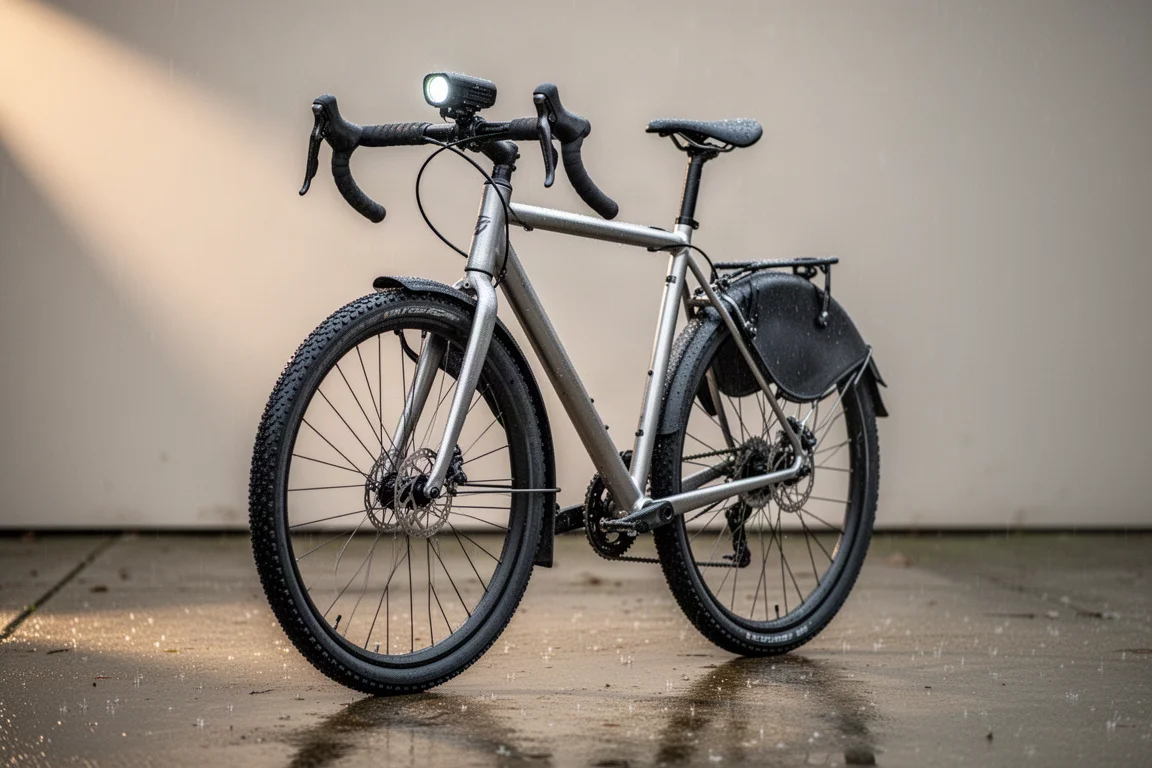
The bike used as the starting point here is an aluminium road frame rebuilt over the summer. It is inexpensive, tough, and durable, which is exactly what a winter machine should be. Six changes do most of the work: tires, mudguards, lights, a second bike you do not mind wearing out, plus indoor training and warmer clothing for the days when the weather wins.
What a Winter-Ready Road Bike Needs
Winter shifts the priorities. Outright speed matters less. Durability, grip, visibility, and protection from road spray matter more.
Four things carry most of the weight:
- Tires with a compound and construction suited to cold, wet roads
- Mudguards that keep spray off the rider
- Front and rear lights matched to the conditions
- A bike that can be ridden through salt and grit without a second thought
Everything else, from indoor trainers to better clothing, is about making the season easier to keep riding through rather than about the bike itself. The four upgrades that follow are the ones that change how a bike behaves when the weather turns.
Winter Tires: Pirelli P Zero 4S
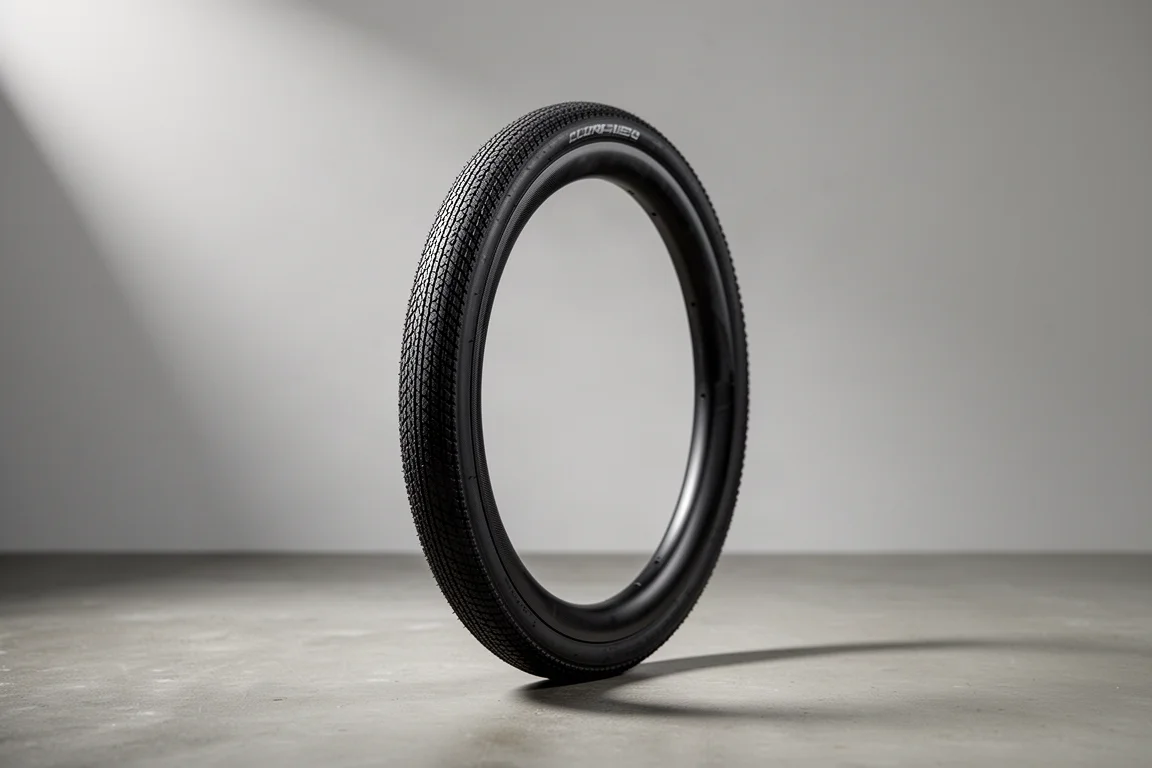
Running expensive race tires through winter is a poor trade. They wear out faster and are more prone to punctures than a tire built for the season, such as the Pirelli P Zero 4S.
A winter-oriented tire uses a rubber compound better suited to lower temperatures, which means more grip in wet conditions, and adds extra layers of material beneath the tread for puncture protection. Tubeless is one route to fewer punctures, though inner tubes remain perfectly workable if that is your preference.
Width matters as much as compound. Fit the widest tire the frame will accept. This particular frame is older and limited to 28mm, but plenty of road, endurance, and gravel bikes take 30, 32, 35mm or wider. Wider tires run at lower pressure deliver more traction, more comfort, and a much better experience on broken road surfaces.
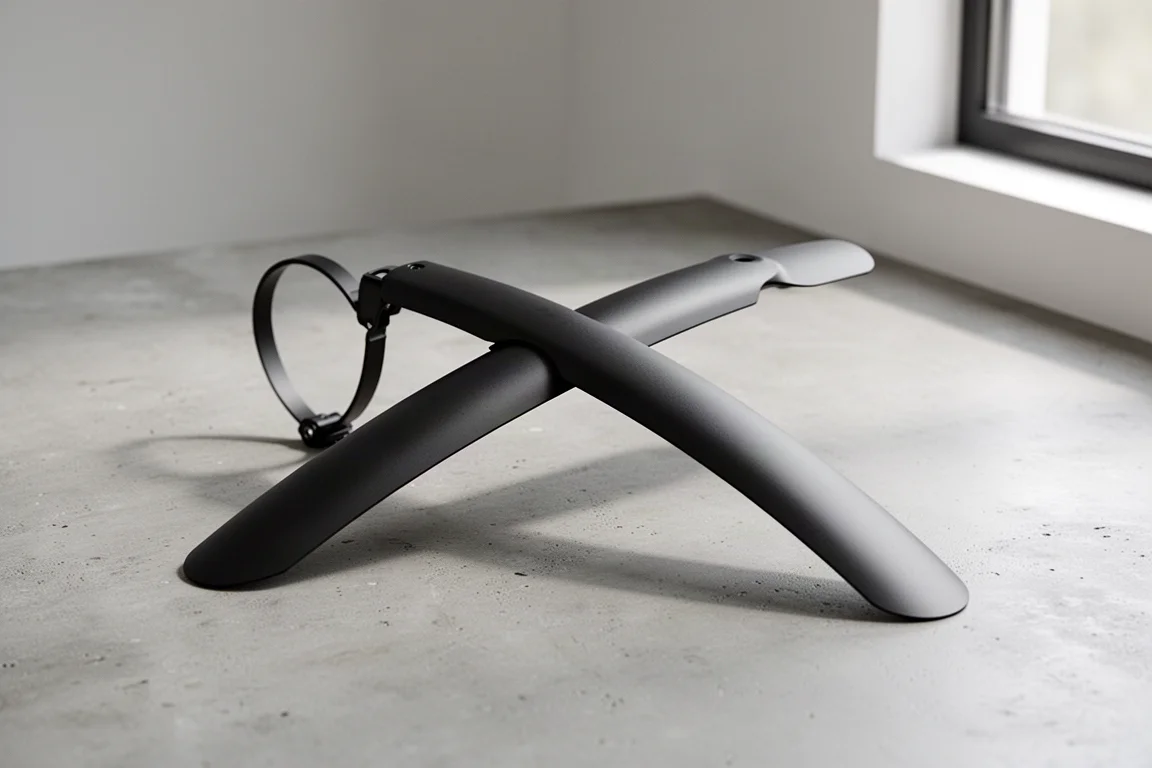
Clip-On Mudguards: Ass Savers
Mudguards are neither cool nor stylish, and almost nobody wants them on a race bike. They are also the single change most riders would not give up once they have tried them, because they keep you dry in rain and stop the mud and grit that collects on the road from spraying up into your face.
A full-length guard with a flap gives the best coverage, but it needs mounting points: eyelets at the dropouts and on the chainstays. Many endurance and gravel bikes have them. Many road frames do not, which is where clip-on options such as Ass Savers come in.
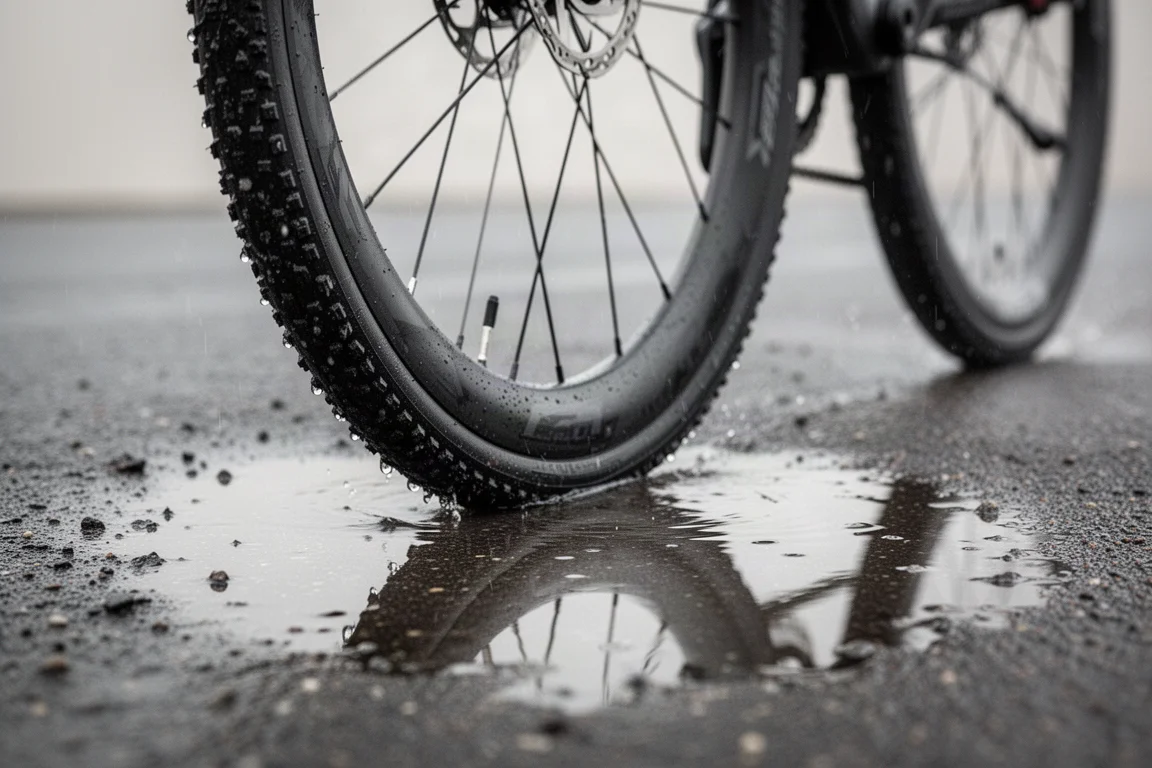
The design is as simple as it gets. A plastic band wraps around the rear stays, hooks into place, and the job is done. Coverage is modest and it does very little for the rider behind you, so it is not a good fit for group rides. Riding solo, it keeps a useful amount of spray off your back, and that is far better than nothing.
Bike Lights: Exposure Diablo
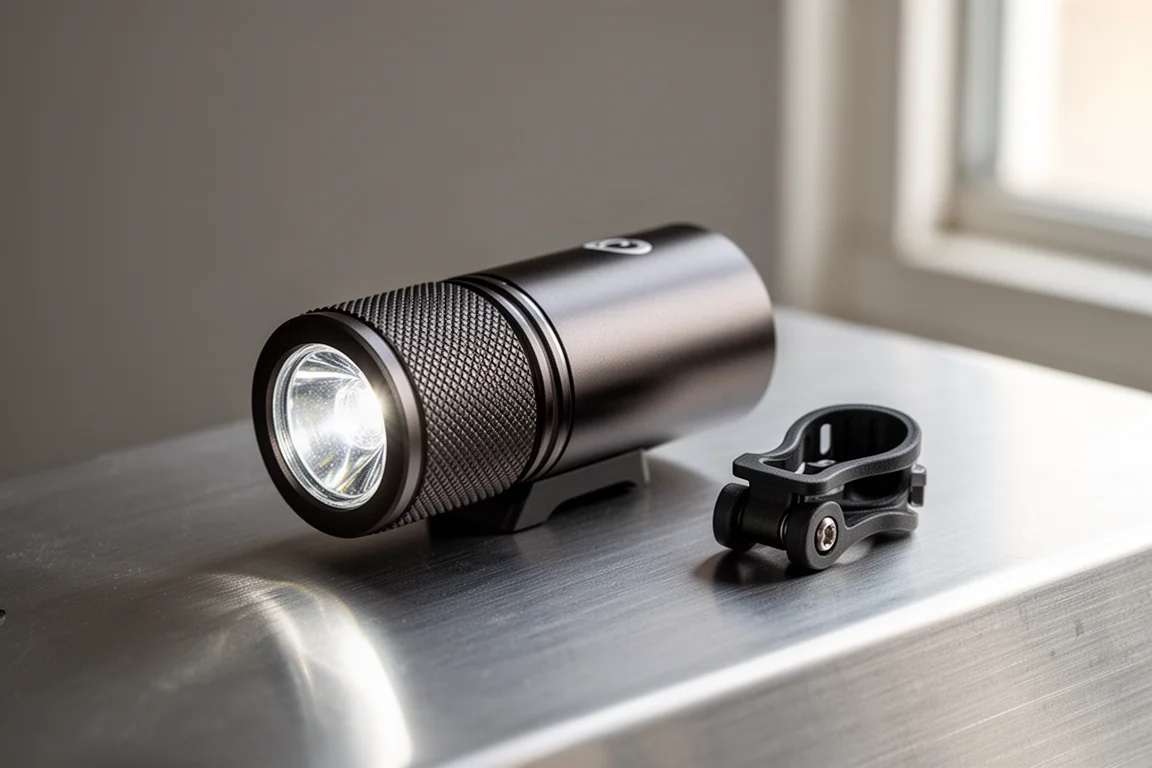
Lights are not optional in winter, and the right brightness depends on the riding. Even in daylight, overcast and cloudy conditions can make a rider hard to pick out, so a rear light is always worth running, often with a smaller secondary light alongside it. Once a ride continues after dark, the front light has to be good enough to actually see by.
The Exposure Diablo is a powerful front light with enough output to pick out an unlit country lane. Bigger lights with several thousand lumens exist for riders who want more reach. Exposure is a British manufacturer with a reputation for lights built to last, for good customer service, and for a long service life, and examples more than ten years old are still going.
Cheap lights tend to fail sooner: water gets inside, or the housing falls apart. Paying more for a well-made light is usually the better investment, but there is a wide spread of prices and the sensible approach is to match the light to when and where you ride.
The Cheap Winter Bike: Cannondale CAAD12
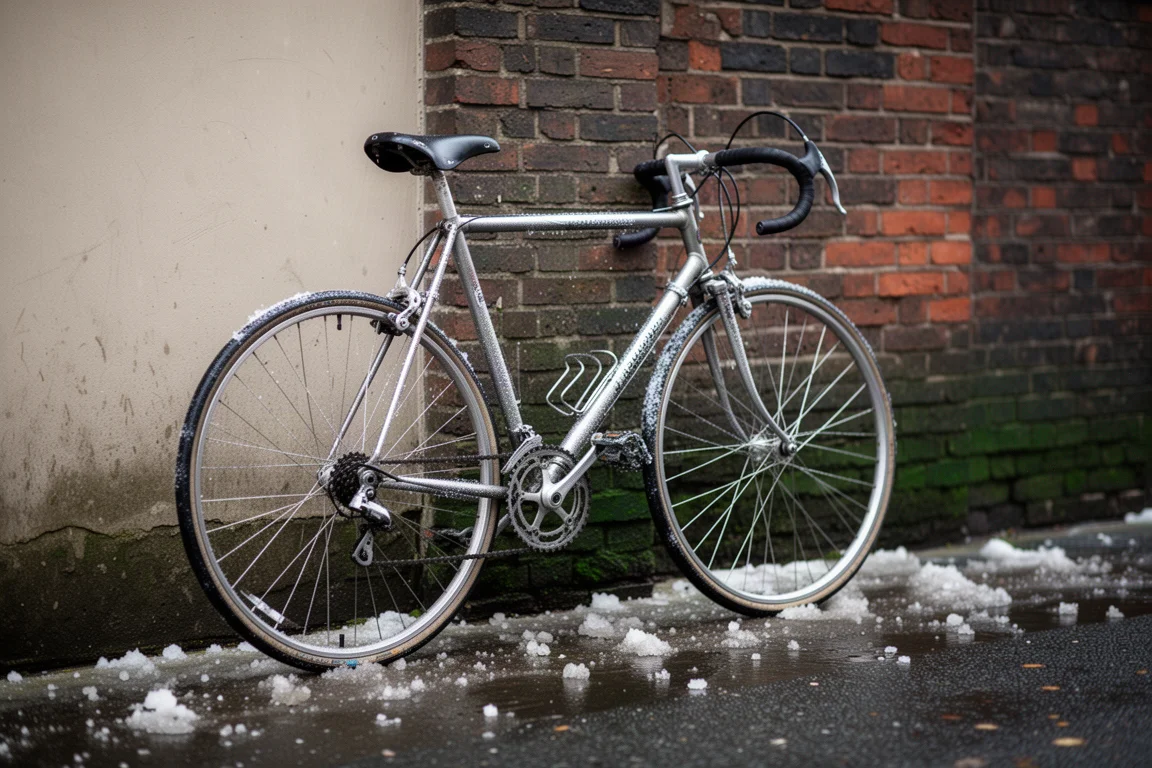
One of the most useful winter decisions is not to ride the expensive carbon race bike at all. Salt, grit, and constant wet weather wear components quickly, and there is no good reason to put a prized bike through that.
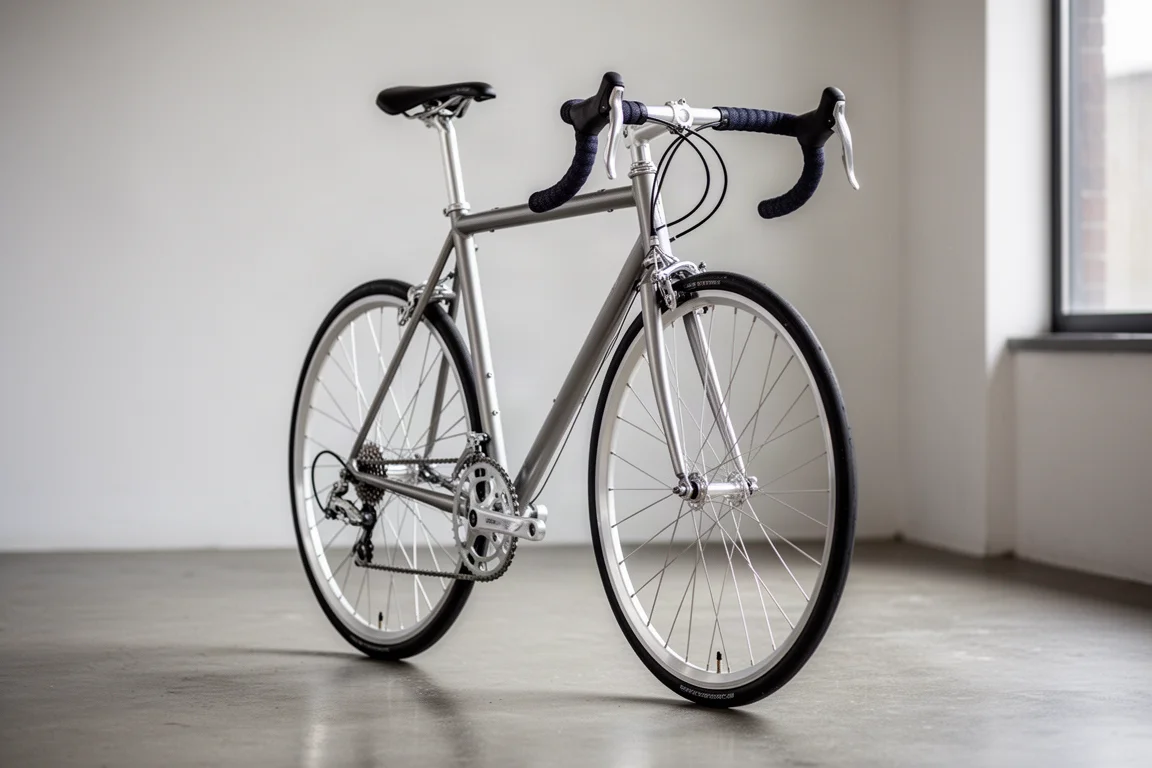
An inexpensive secondhand aluminium road bike makes far more sense. A Cannondale CAAD12 bought used for around £400 is a good example: cheap enough that grinding it through salt and ice, or locking it up outside, causes no anxiety at all. Wearing out a bike like this is a much better outcome than wearing out an expensive one.
This frame is limited to 28mm tires and has no mudguard eyelets, so clip-on guards are the practical choice. Those are small compromises for a bike that can be ridden hard through the worst conditions of the year.
More Ways to Keep Riding Through Winter
Not every winter session has to happen outdoors. A smart trainer is a sensible backup for the days when it is dark, grim, or icy, and icy roads are a good reason to stay inside.
Modern smart trainers are a long way from the old dumb trainers paired with a handlebar control unit and a pyramid interval structure, where getting past 30 minutes was a struggle. With the software available now, an hour indoors is a genuinely effective and efficient session, and the hardware has become far more affordable, with reliable secondhand units widely available.
Clothing has improved just as much. The old base layer, mid layer, and hard shell routine is no longer the only way to dress: modern fabrics mean a base layer and a single jacket over the top can hold the right temperature while providing protection from wind and rain. A good winter jacket is also decent motivation on a cold morning.
Mountain biking is the other option worth considering. Many riders switch to a mountain bike for the winter months, because trail riding is more engaging than long hours on the road in poor weather, adds a technical element on trails and singletrack, and works the whole body. Two or three hours off-road is a solid aerobic session.
Buying Advice
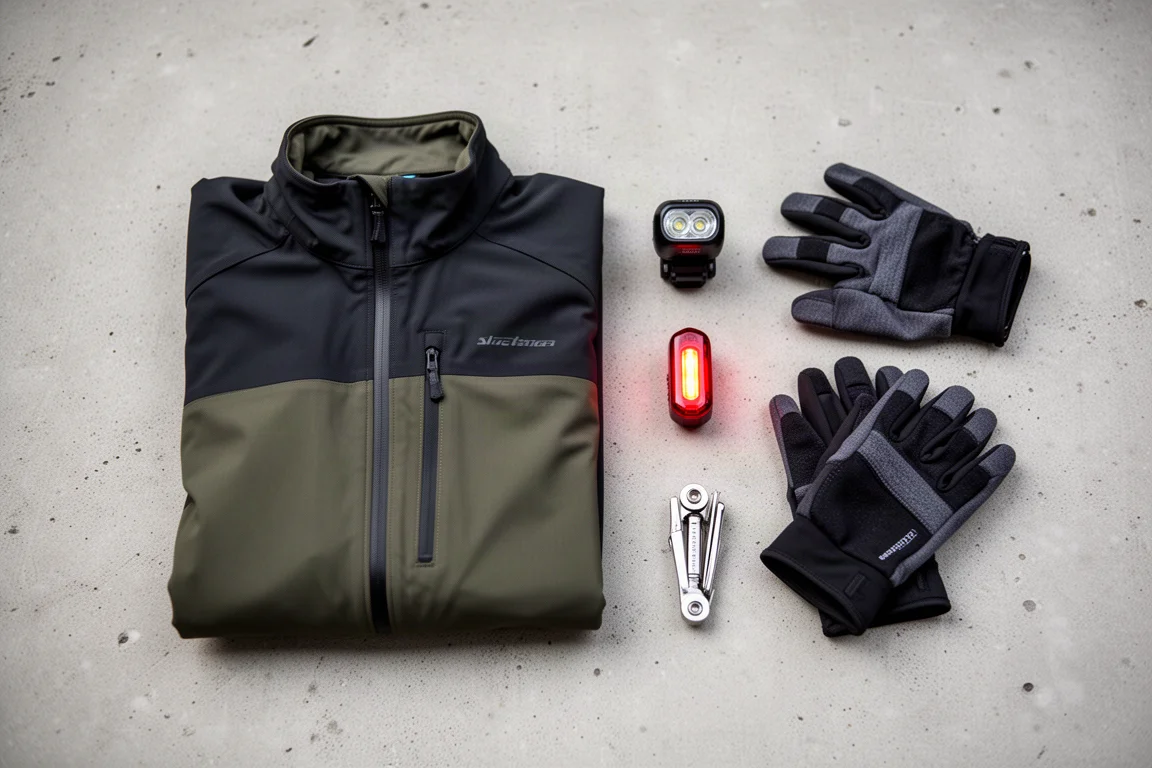
Prioritize in this order. Tires first, because grip and puncture resistance affect every single ride. Mudguards second, because they make wet rides far more pleasant. Lights third, because visibility is a safety issue rather than a comfort one. A cheap second bike whenever the budget allows, because it protects the bike you actually care about.
On tires, buy the widest size the frame will take and run lower pressures. On lights, decide whether you need to see by them or simply be seen, then spend accordingly, keeping in mind that cheap lights rarely last. On mudguards, check whether the frame has eyelets before choosing between a full-length guard and a clip-on. On the second bike, the used market is where the value is.
Conclusion
Winter does not have to be a write-off. The right tires, a set of clip-on guards, dependable lights, and a bike you are happy to abuse will carry you through the coldest and wettest months. Add a smart trainer, a warm jacket, and the occasional trail ride, and the season becomes something to ride through rather than something to survive.
Further reading
Related Reviews
Cycling Gear
8 Cycling Products Riders Keep Coming Back To
Eight cycling components and accessories with clear strengths, honest trade-offs and long-standing reputations among riders and mechanics.
Cycling Gear
Aero Helmets and Bottle Setups Tested: Six Options Ranked by Measured Watt Savings
Wind tunnel data on six aero helmets and bottle setups, with real watt savings, practical trade-offs, and guidance on what is worth buying first.
Cycling Gear
Aero Road Bikes and Fast Tires Worth Watching in 2026
Four aero road bikes and one fast road tire, with the real strengths, the open questions, and what to check before you buy.