Winter Cycling
Winter Road Bike Builds Compared: Carbon Versus Aluminum
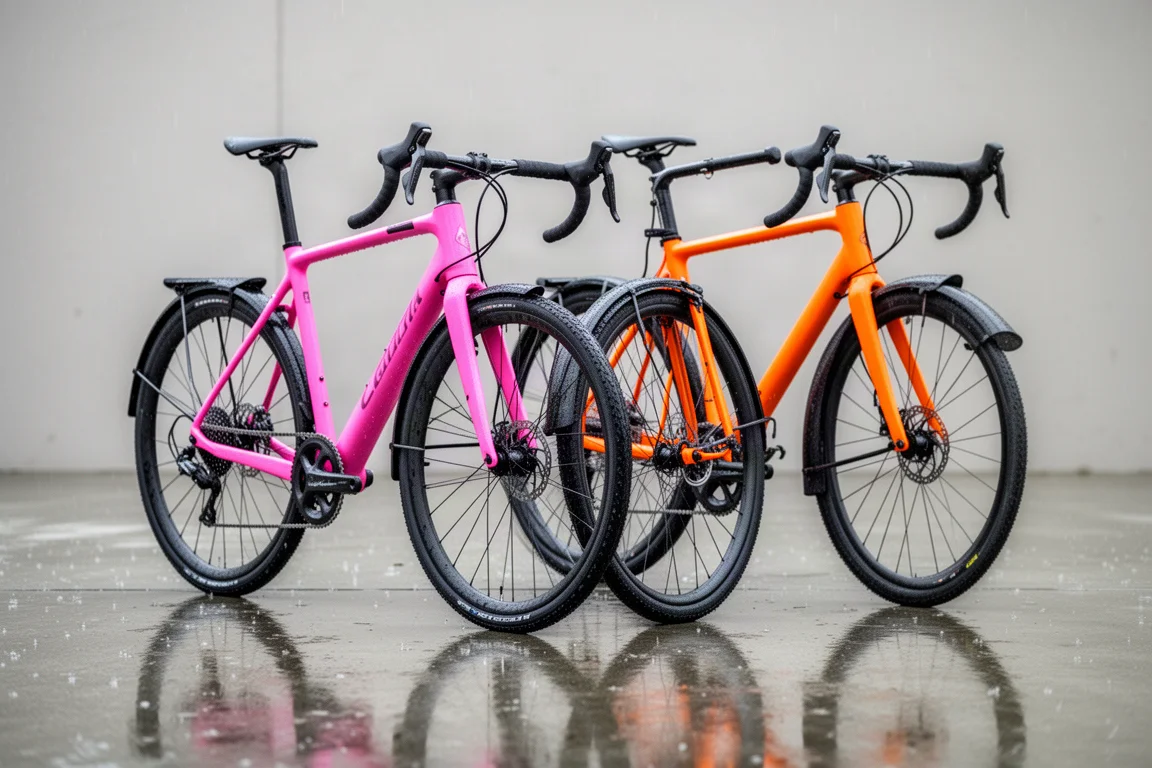
Two winter road bike builds side by side: a light carbon frame with electronic shifting and a dependable aluminum frame with mechanical gearing, plus the wheels, mudguards and lights that keep them rolling.
Introduction
Winter riding puts a bike through cold, wet conditions and long dark commutes that most riders would rather keep their best machine away from. A dedicated winter bike takes that punishment instead. The two builds compared here take very different routes to the same goal: one uses a carbon frame with electronic shifting, the other a sturdy aluminum frame with mechanical gearing. Both are set up as practical all-weather road bikes, and each makes sense for a different kind of rider.
Why a Winter Bike Makes Sense
Road surfaces are at their worst through the colder months, and a bike that is comfortable, mudguard-ready and well lit is often the difference between riding through winter and skipping it altogether. Keeping a second bike for the season protects a lighter summer machine, and it lets you choose wider tyres, full-length mudguards and serious lighting without compromise.
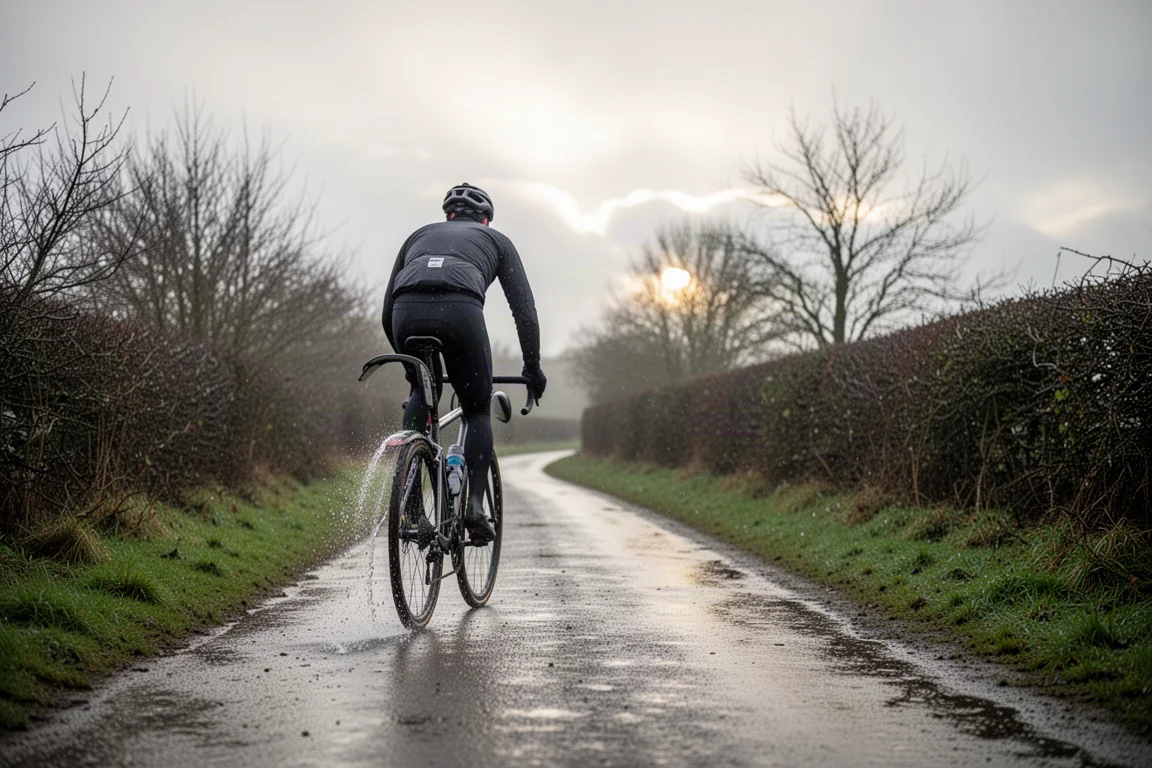
Both builds here follow that logic. They are set up to be dependable rather than fast, and the details that matter most in the wet get more attention than weight saving: tyres, mudguards and lights.
Frame Material: Carbon Versus Aluminum
Carbon is sometimes treated as too delicate for winter, but modern carbon frames are perfectly capable of standing up to whatever the season throws at them. The carbon option here is a Cannondale Synapse frame, tuned to offer plenty of comfort, which is exactly what you want when road surfaces are at their worst. It is also light and stiff, which helps on the climbs when winter fitness is not at its peak.
The aluminum alternative feels solid and dependable, and there is something reassuring about a frame that is ready to take on the winter without fuss. It is heavier and the ride is a little harsher, though wider tyres go a long way to softening that. A straight top tube brings a practical bonus as well: it leaves room to fit a large frame pump underneath.
Both approaches work. The decision comes down to whether you want the lighter, more comfortable carbon ride or the simple, sturdy aluminum one.
Carbon Build: Cannondale Synapse
This build is centered on a Cannondale Synapse carbon frame with a Shimano Ultegra Di2 electronic groupset. Most of the parts are proven rather than new. The rear derailleur covered 20,000 km on a previous bike and another 10,000 km on this winter bike, the shifters came from an old cyclocross bike, the cassette was carried over from a hill-climb bike, and the Power2Max NG Eco power meter has seen years of use. The only new purchase was a pair of silver 105 brake calipers.
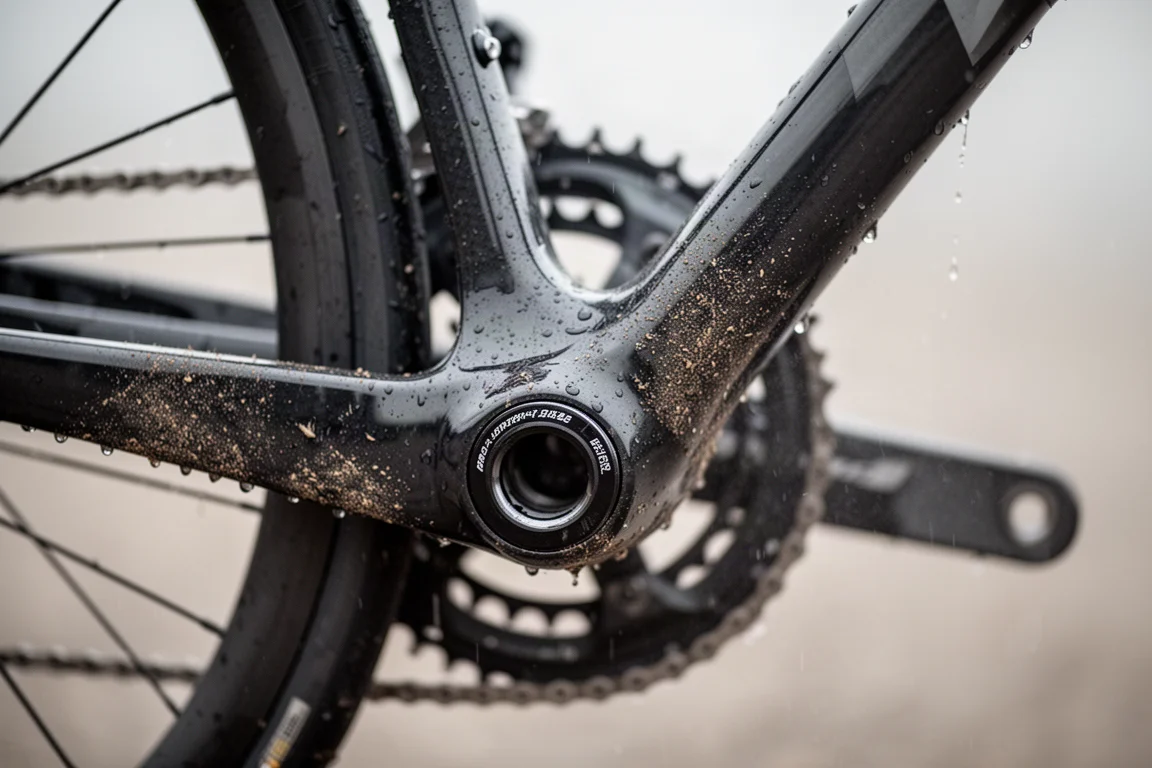
Electronic shifting earns its place in cold weather. When hands are cold, changing gear with a simple click is far easier than working a mechanical lever, and gearing of 53/36 at the front with a wide cassette covers most hills. A 160 mm rotor up front brings useful stopping power on wet descents.
The wheels are DT Swiss ERC 1400 DICUT, 45 mm deep and optimized for the 28 mm tubeless Schwalbe Pro One tyres fitted here. At just under 1500 g for the pair they stay light while offering an aerodynamic advantage over shallower profiles, and the combination reduces the effort needed to keep the bike rolling. The tyres are quick enough to appear on Tour de France bikes, yet they have proved surprisingly good at avoiding punctures. Mudguards can make tyre clearance tight, so plenty of sealant is worth using, especially when temperatures drop.
Aluminum Build: Kinesis Four Season Disc
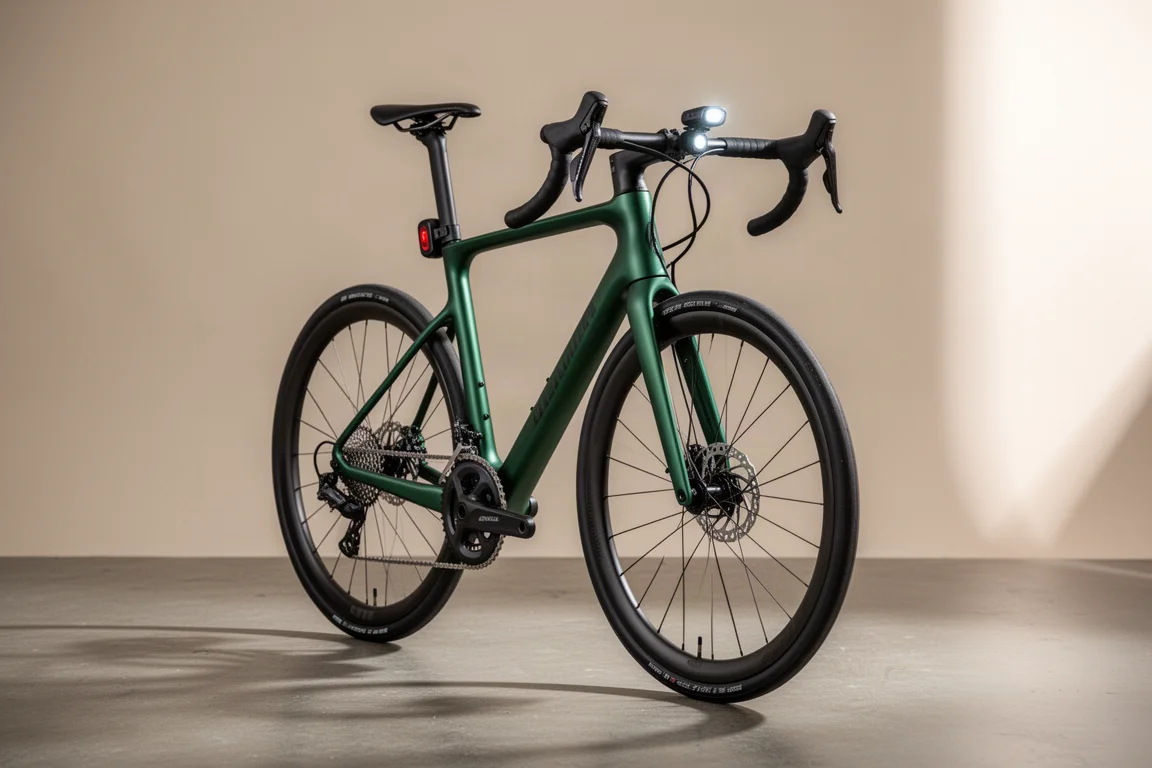
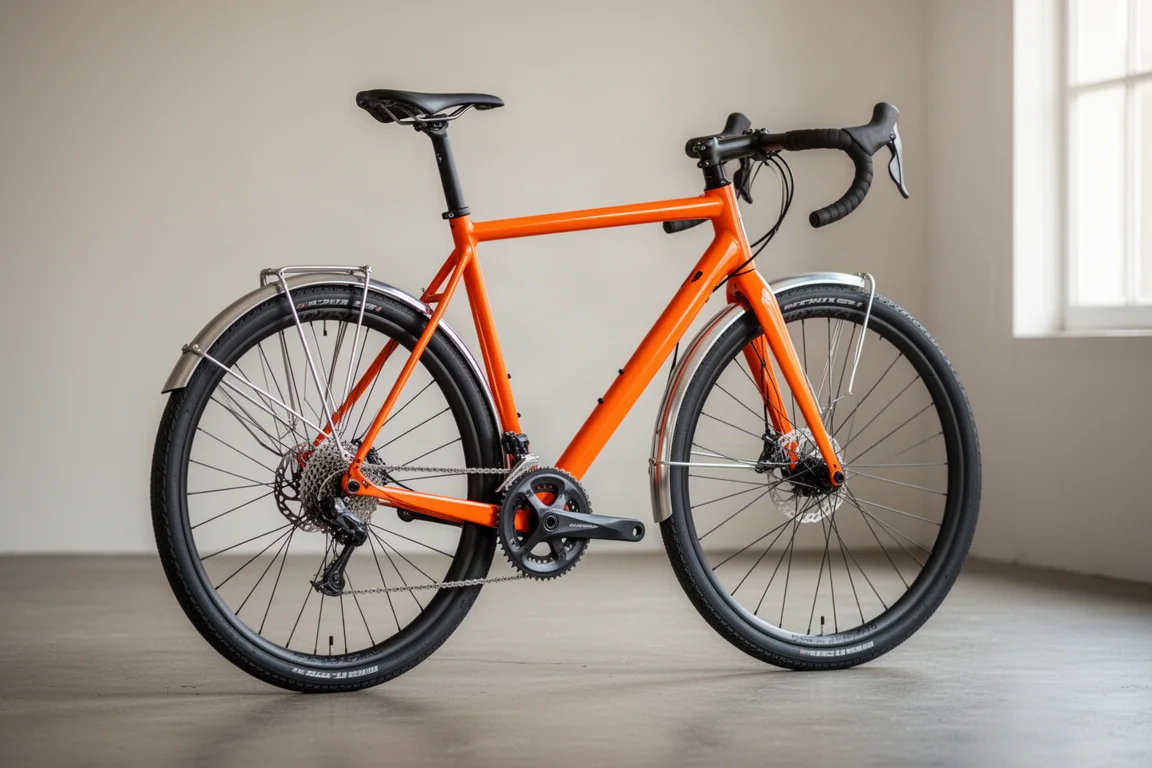
The aluminum build uses a Kinesis Four Season Disc frame set with a Shimano Ultegra mechanical 11-speed groupset. A compact Cannondale Si chainset paired with a large 11-34 cassette gives much easier gears, which matters on long winter rides when fitness and motivation are both lower. The mechanical shifting has never felt like a limitation over distance.
Braking comes from 160 mm rotors with Shimano 105 calipers. The original calipers needed replacing after about three years, and the 105 versions still look every bit as premium as the Ultegra parts they replaced, with essentially the same performance.
The wheels are Hunt aero hoops set up with inner tubes rather than tubeless. Clincher tyres are often cheaper, and a flat can be fixed at the roadside in a few minutes, which is a fair argument when winter maintenance is already competing for your time.
Drivetrain and Braking Choices
Both builds run mostly Ultegra 11-speed, and the split between mechanical and electronic is the most interesting difference between them. Mechanical shifting is simple and dependable, and it suits very long rides. Electronic shifting removes effort from every gear change, which is a genuine comfort when fingers are numb with cold.
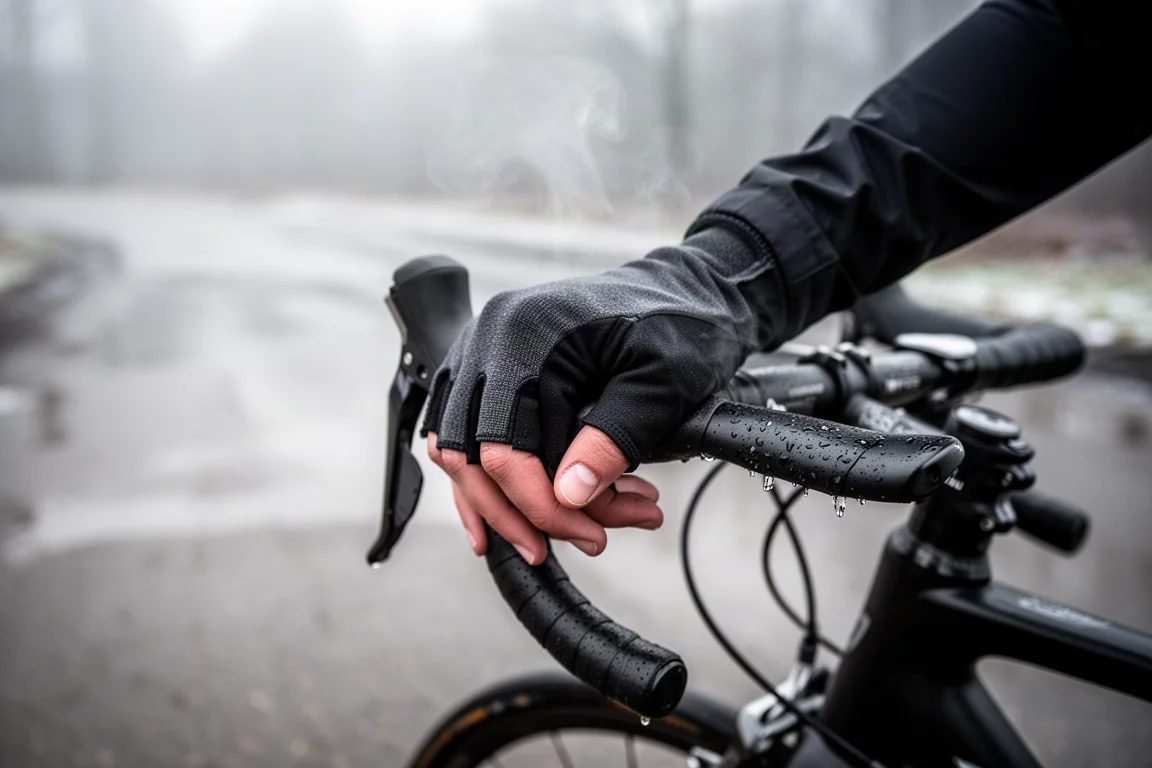
Disc brakes appear on both bikes with 160 mm rotors, and they bring a further winter advantage: rims are no longer worn down by brake pads through the wet months, which is a real concern on a rim-brake winter bike. On the carbon build the calipers were swapped for Shimano 105 units after the originals reached the end of their life at around three years.
Wheels, Tyres and Mudguards
Carbon wheels have proved themselves in harsh conditions, and with disc brakes in place there is no rim wear to worry about through a wet winter. The carbon build pairs 45 mm DT Swiss rims with 28 mm tubeless Schwalbe Pro One tyres. The aluminum build runs Hunt aero wheels with inner tubes and clincher tyres, on the basis that clinchers are often cheaper and roadside repairs are quick. Tubeless asks for more upkeep in winter, and some riders would rather avoid that trade.
Full-length mudguards are essential on both. One bike uses the popular plastic SKS Bluemels, which keep the rider dry, stay quiet and look classy in a matte black finish. The other uses full-metal Kinesis Fend Off guards designed specifically for the Four Season Disc frame set, so they fit perfectly and give good coverage, even over a 30 mm rear tyre, with holes that let you make your own mud flaps.
Lights and Visibility on Dark Commutes
Winter riding often means cycling after dark, and both builds carry serious lighting. The carbon build runs a high-output Exposure Toro Mk14 up front with a pair of Magicshine rear lights, a larger CME 300 and a smaller companion unit. The aluminum build uses a Magicshine RN 3000 at the front, plus an Exposure Boost front light and a matching Boost rear for commuting. The Magicshine unit has already survived a long ride through the night.
Frame colour plays a part in being seen as well. Both bikes use bright finishes, orange on one and pink on the other, rather than the dark colours often chosen to hide winter dirt.
Buying Advice: Choosing Your Winter Build
The carbon build suits riders who want a light, comfortable frame and the ease of electronic shifting, and who are happy to run tubeless tyres and premium wheels through the winter. Much of it is assembled from parts with long service histories, which says a lot about how well those components hold up over years of use.
The aluminum build suits riders who value simplicity and a solid feel, and who want easy gearing with straightforward, dependable shifting. A compact chainset with a large cassette and tubes in the tyres make it the lower-fuss option.
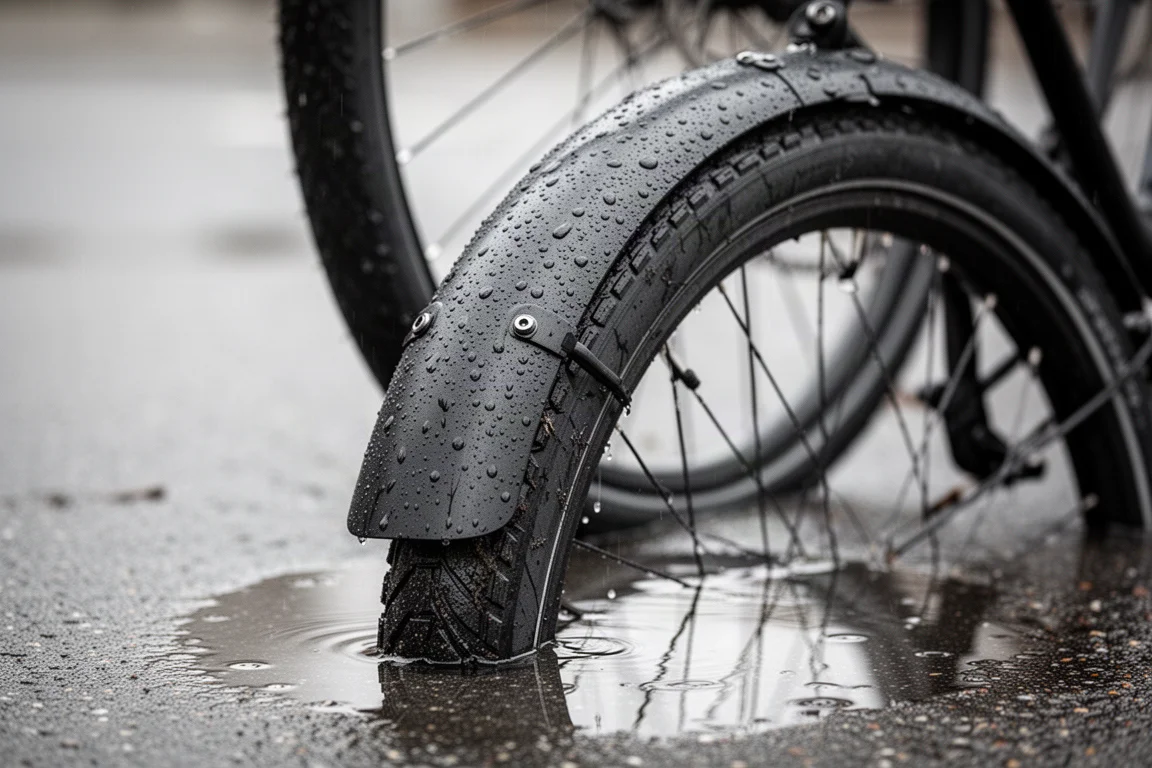
Whichever route you take, the essentials are the same: full-length mudguards, reliable lighting front and rear, disc brakes with generous rotors, and tyres wide enough to take the edge off rough winter surfaces.
If you already own a summer bike, a winter build like either of these keeps the good bike out of the worst of the weather and keeps you riding. Match the frame material and the shifting style to how you actually ride through the colder months, and the rest of the specification falls into place.
Conclusion
Both builds solve the same problem in different ways. The carbon Cannondale Synapse brings comfort, low weight and electronic shifting, while the aluminum Kinesis Four Season Disc delivers a sturdy, dependable ride with simpler gearing. Neither approach is wrong, and the right choice depends on how much you value light weight and shift convenience against simplicity and a solid feel.
Further reading
Related Reviews
Winter Cycling
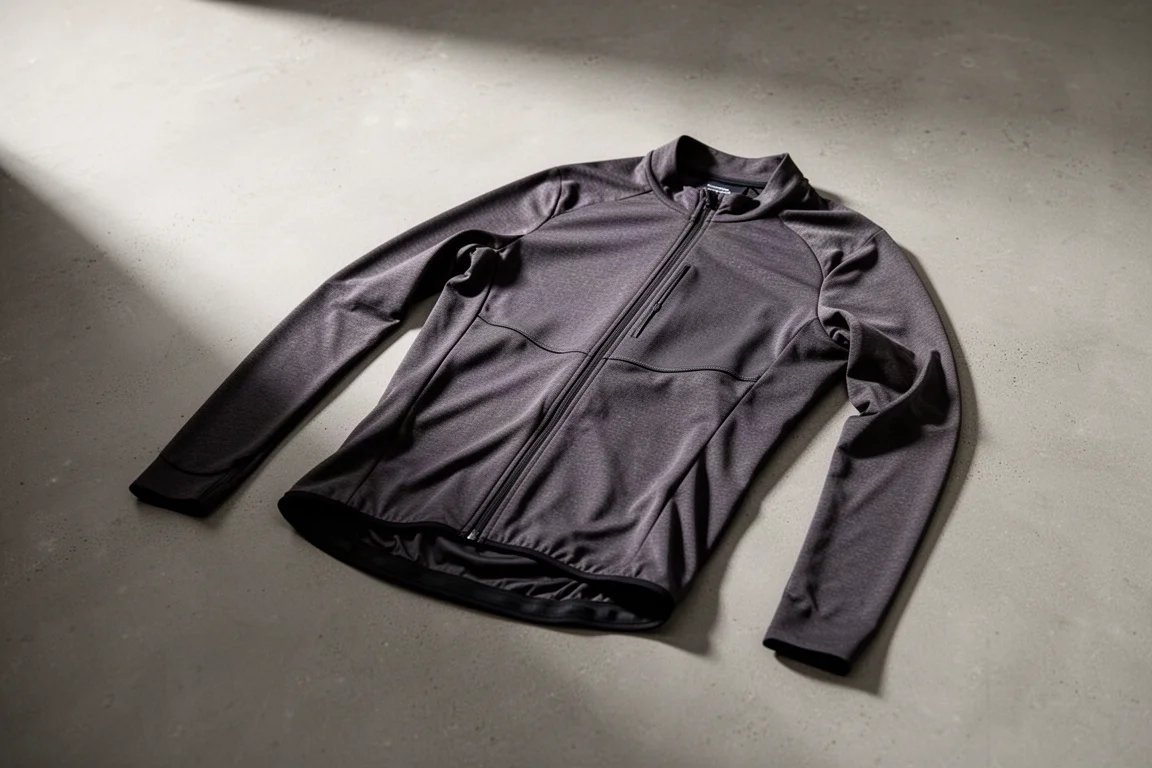
Castelli Alpha Flight R Review: A Lightweight Cold Weather Cycling Jacket
A lightweight, windproof cold weather cycling jacket with a dual-layer front, assessed for cool to cold rides and changeable conditions.

Backpacking Gear
Building a 10 lb Base Weight: An Ultralight Backpacking Gear List
A practical walkthrough of the ultralight pieces behind a 10 lb base weight, from a 765 g pack and a roomy one-person tent to a full camp chair and a dependable water filter.

Road Bikes
10 New Road Bikes Worth Watching: Aero, Titanium, Steel and Endurance Standouts
A practical roundup of 10 new road bikes, from aero flagships chasing single-watt gains to titanium, steel and endurance platforms built for real roads.