Winter Hiking Gear
Winter Hiking Gear for Cold, Icy Trails: Five Pieces Worth Packing
Five winter hiking essentials, from insulated boots and mittens to traction spikes and cheap liner gloves, with notes on what each one actually does on a frozen trail.
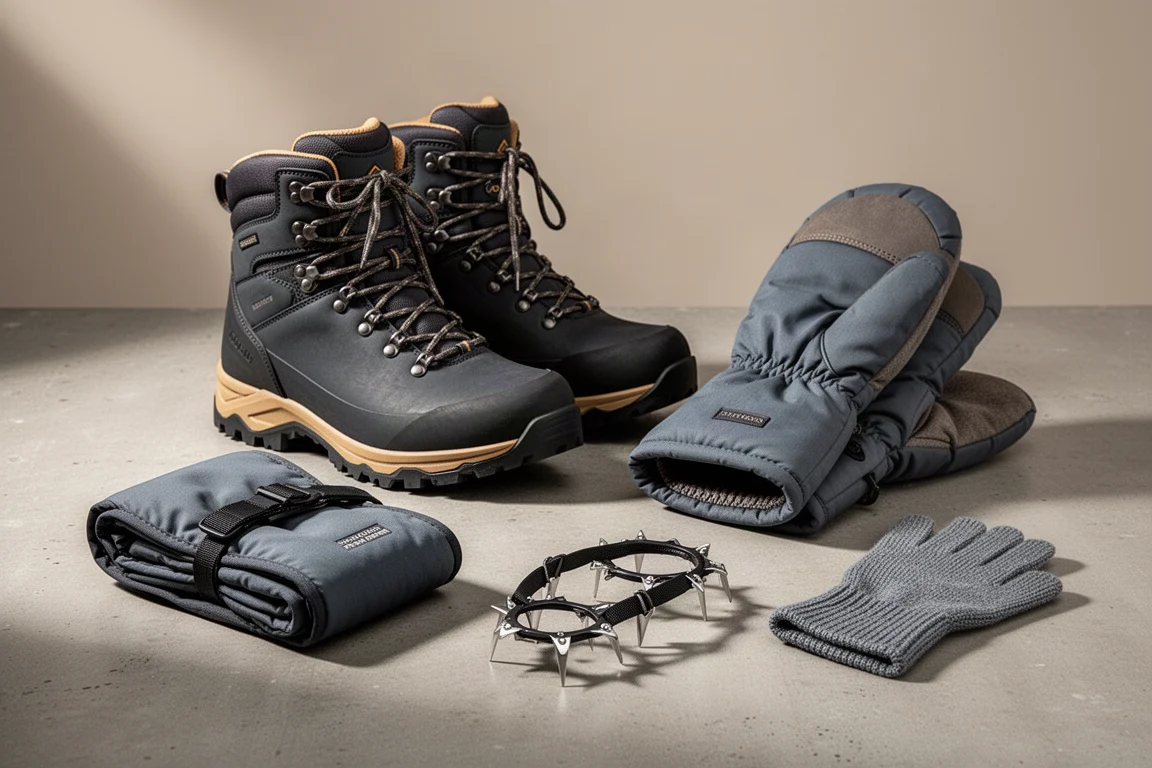
Introduction
Winter hiking has a way of exposing gear gaps. Cold air, ice underfoot, and long stretches of trail where nothing ever dries out will punish the wrong boots, the wrong layers, and the wrong handwear. For a long time that was the main reason winter hiking stayed off the calendar: without the right equipment, heading out into low temperatures felt like an unnecessary risk rather than a day out.
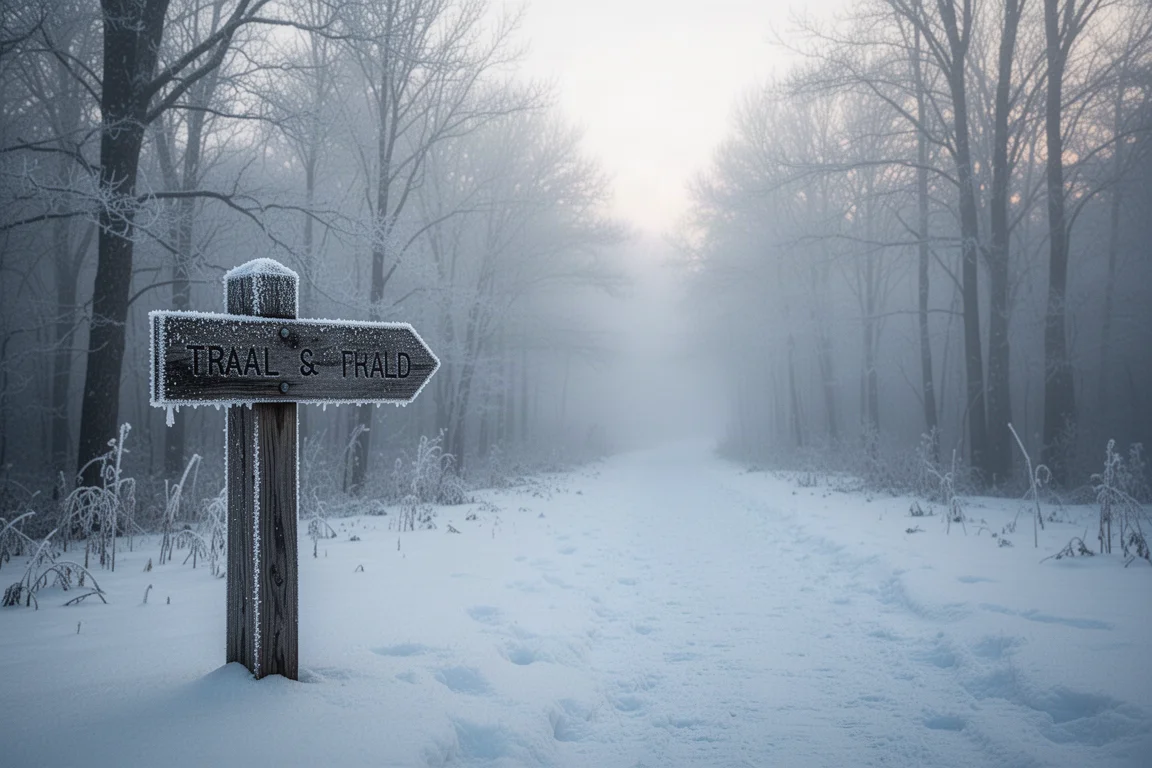
That changed on a December hike up Mount Mansfield, the highest peak in Vermont. Conditions were foggy, icy, and far colder than a typical three-season outing, and the trail made it obvious which pieces of gear were doing real work. The five items below are the ones that carried the day, with notes on what each one is actually good for and where its limits sit.
What to Look For in Winter Hiking Gear
Winter gear is less about features and more about three jobs: keeping heat in, keeping water out, and keeping you attached to the ground. Boots do the first two, traction does the third, and handwear sits somewhere in between depending on how hard you are moving.
Layering matters more than any single item. Sweating is the enemy on a cold hike, so the goal is to adjust constantly rather than dress once and hope. A pack that lets you shed a hat or roll up sleeves without stopping makes that far easier, and so does choosing handwear you can swap mid-climb.
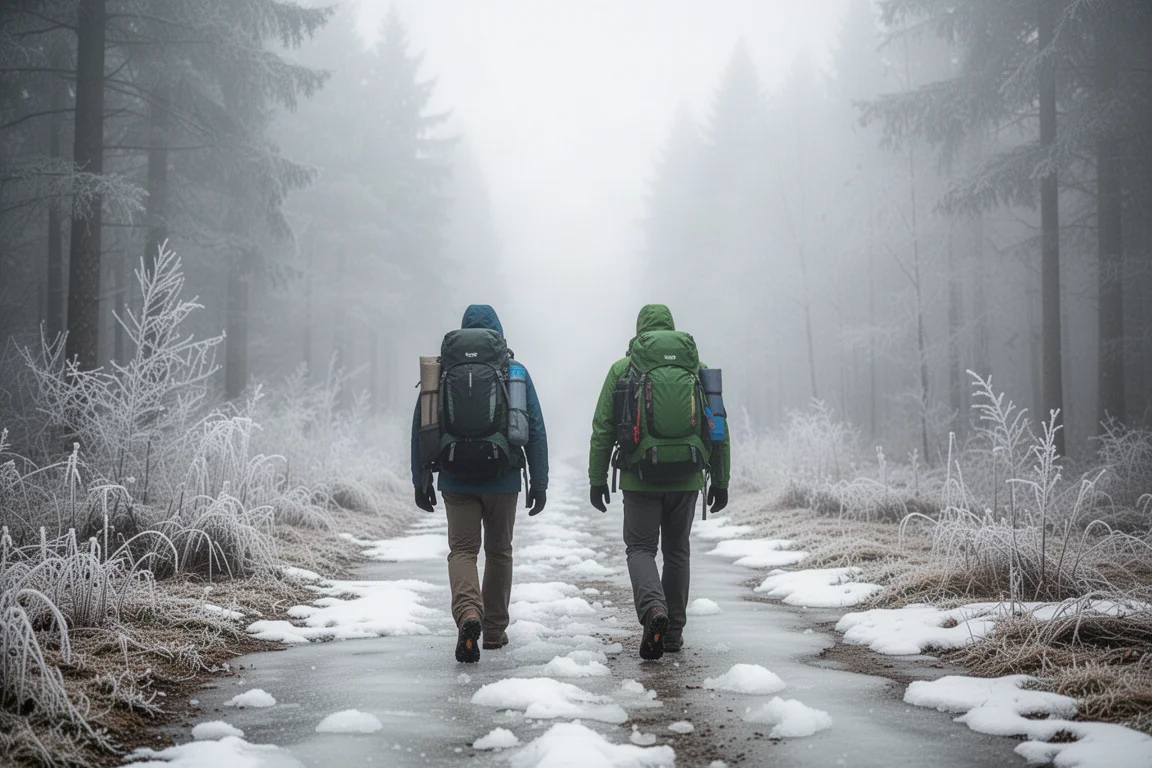
The other thing worth planning for is change. A trail that starts as packed snow often turns to bare ice higher up, which is why traction devices and warm handwear belong in the pack even when the first mile feels mild. Conditions on a winter hike rarely stay consistent from trailhead to summit.
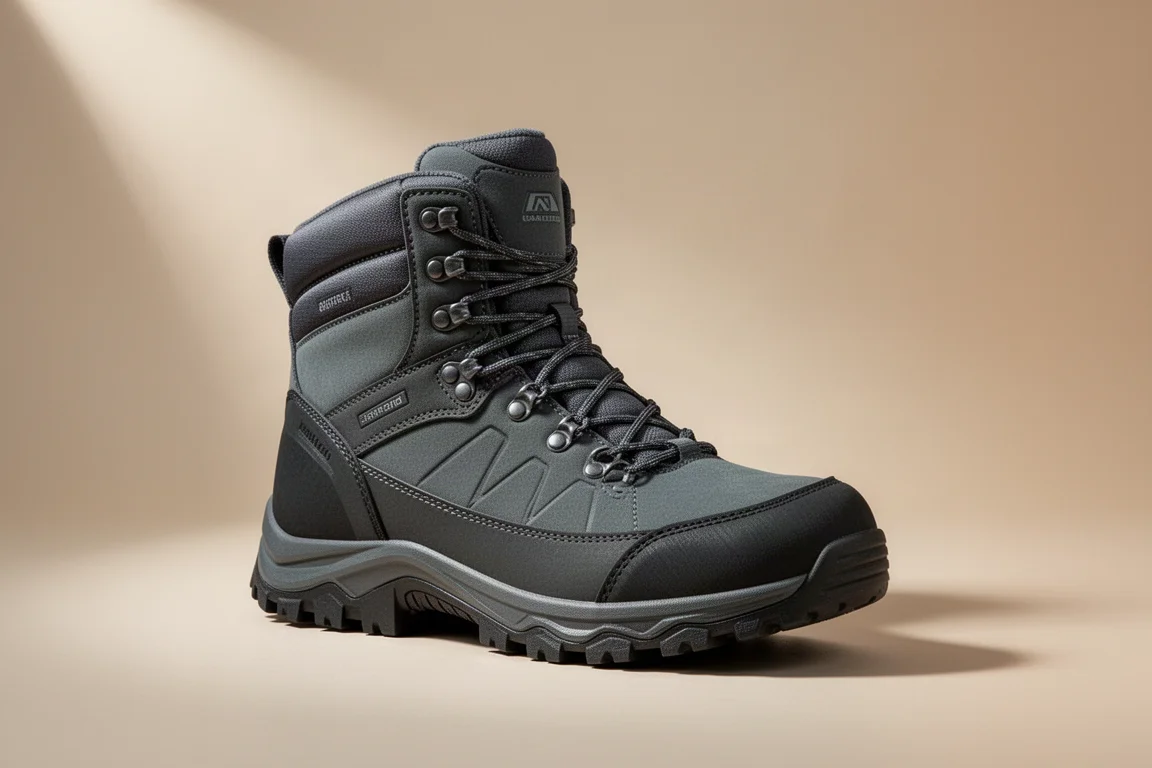
Vasque Snowburban II UltraDry Winter Hiking Boots
The Vasque Snowburban II UltraDry is a purpose-built winter hiking boot, and it was the first item on the list for a straightforward reason: warm, protective footwear is not optional when the ground is frozen and the air is cold.
The worry going in was break-in. Most hiking gets done in trail runners, so a brand new pair of boots on a long, cold day had real potential to cause blisters and sore feet. That did not happen. Feet stayed warm for the entire hike and felt comfortable throughout, with no meaningful discomfort by the end. For a boot used for the first time on a serious winter objective, that is a strong first impression.
Black Diamond Mercury Mittens: Warmth Without the Bulk
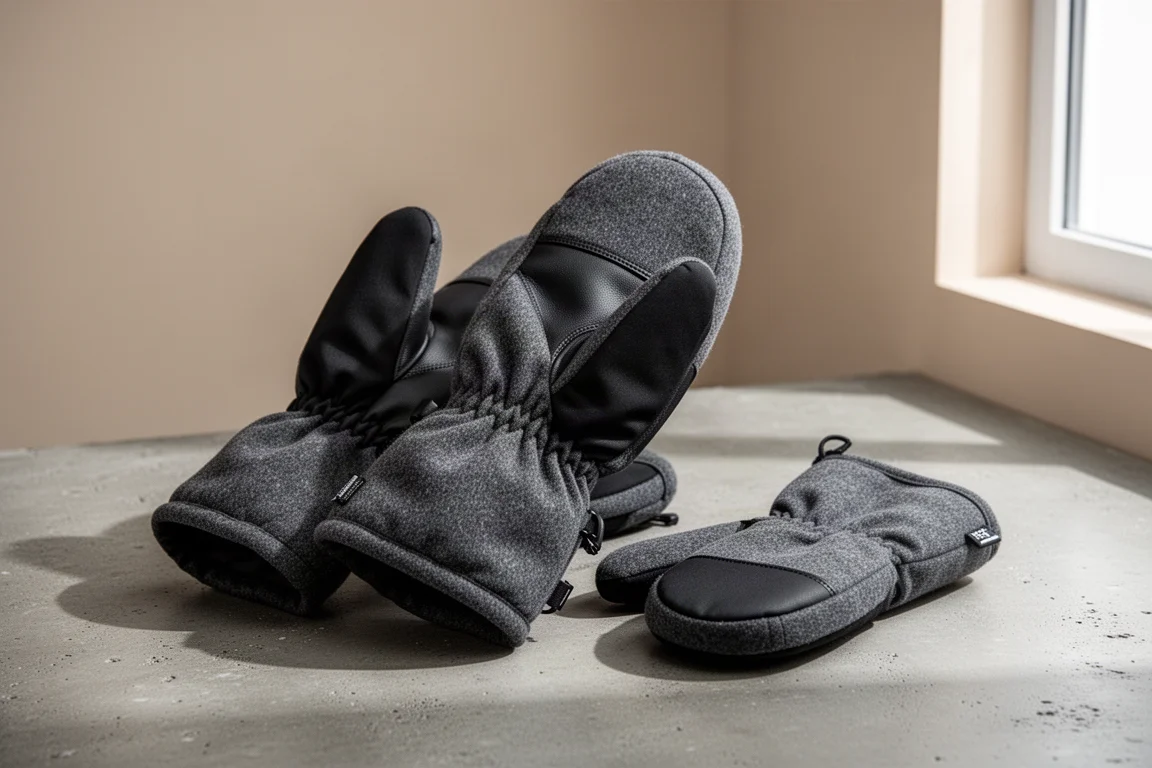
Mittens beat gloves on pure warmth, because fingers share heat instead of sitting in separate compartments. The Black Diamond Mercury Mittens lean into that idea and add a removable liner: pull the insulated layer out and you are left with a shell that can be worn on its own.
They came along on the hike but stayed in the pack, since hands stayed warm enough while moving. That is the normal pattern for a mitten this warm. They matter most on the days when fingers go numb, which is exactly when a shell-and-liner design earns its place.
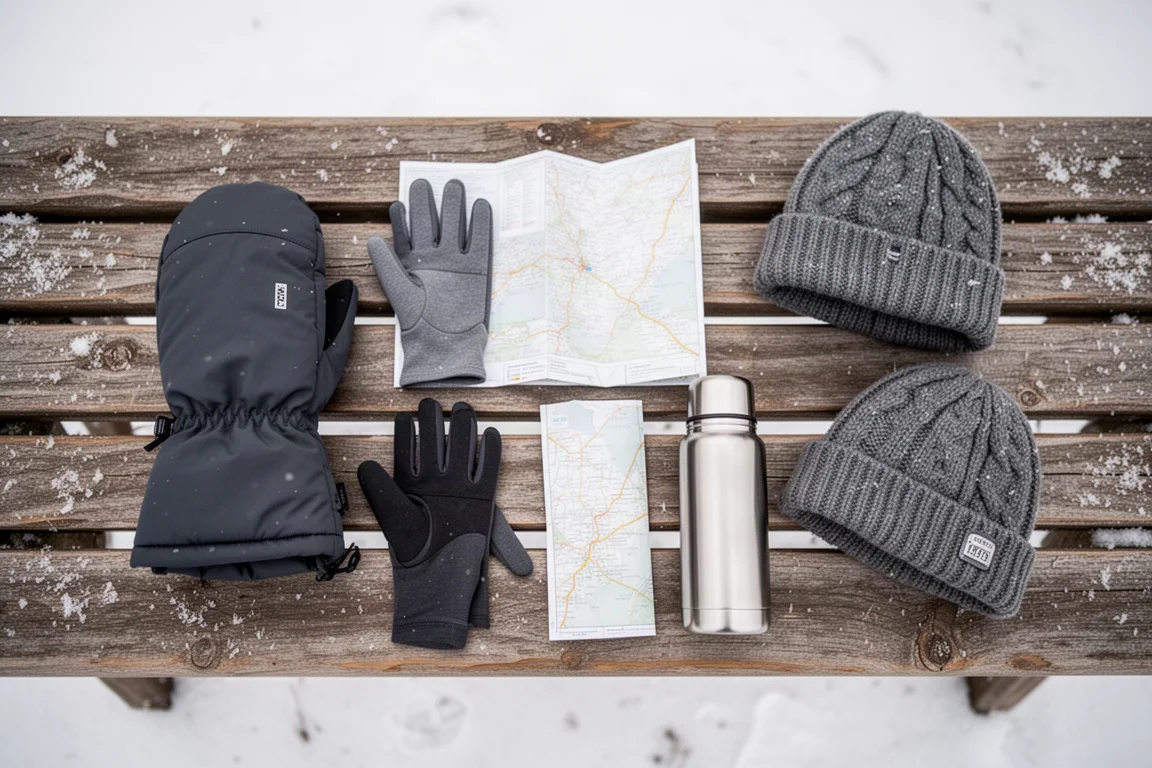
A useful detail for anyone shopping for handwear: these are not limited to lift-served snowsports. They work just as well for hiking as they do for skiing and snowboarding, which makes them a reasonable single solution if you would rather own one genuinely warm pair than several specialized ones.
Kahtoola MICROspikes: Traction When the Trail Turns to Ice
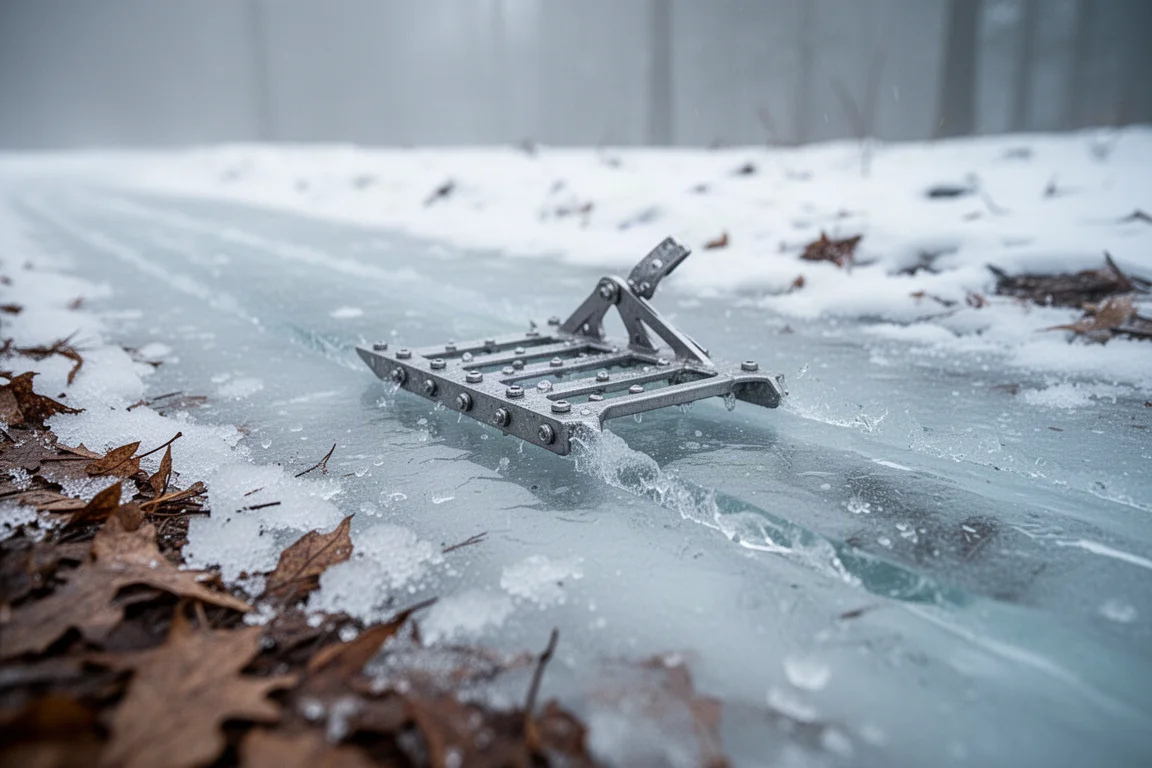
MICROspikes are the piece of gear that changes a winter hike the most. On the icy, snow-packed sections of the climb, the difference was immediate: grip went from tentative to confident, and steep stretches stopped feeling like a gamble.
Anyone who hikes in winter has seen these before, and there is a reason they keep showing up. They are light enough to carry without thinking about it, quick to fit when conditions change, and effective on exactly the surfaces that make winter trails dangerous. On a trail that mixes powder, packed snow, and polished ice, they are the difference between moving carefully and moving normally.

Seirus HeatWave Glove Liners: The Inexpensive Win
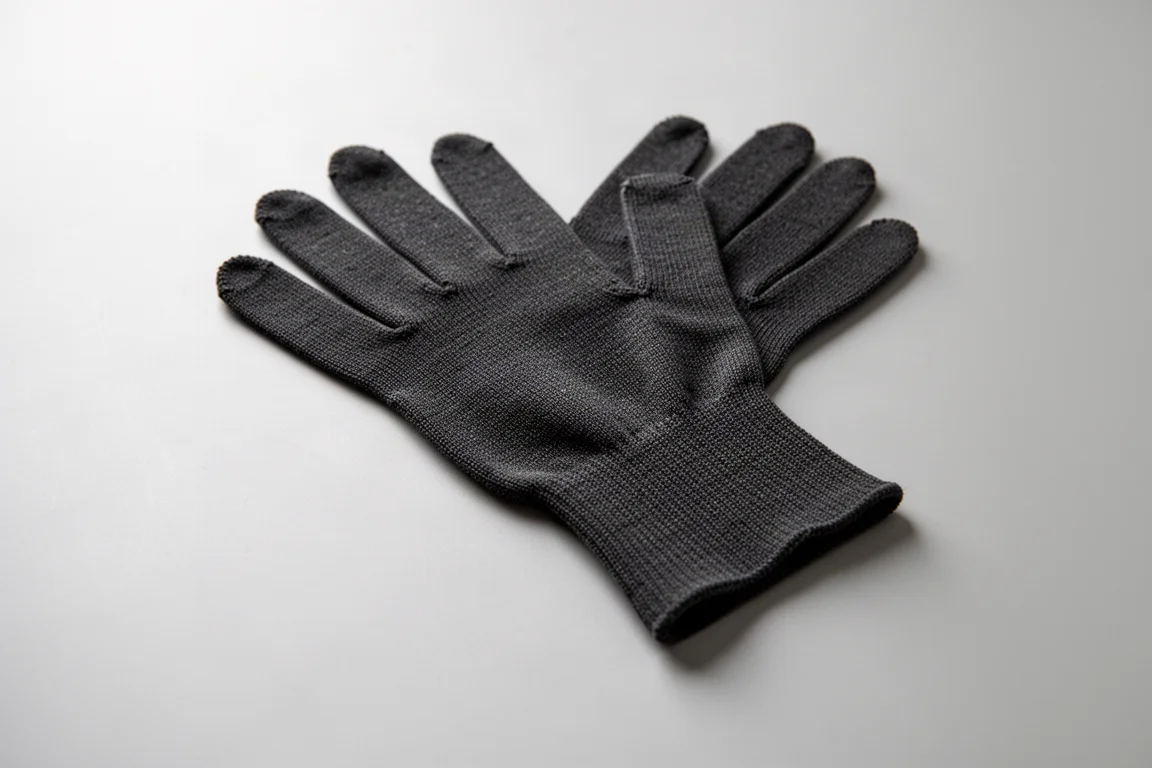
The Seirus HeatWave Glove Liners were the cheapest item on the list, added almost as an afterthought for around $12, with low expectations attached. They turned out to be the surprise of the trip.
A thin liner is not supposed to do much on its own, but these kept hands noticeably warmer than expected. They also resisted water well. They are not waterproof, and that distinction matters on a wet winter hike, but hands never ended up completely soaked. For active hiking, where hands warm up quickly and heavy mittens become overkill, a thin liner is often the more practical choice.
The layering logic is simple: wear the liners while moving, and keep a heavier mitten or glove in the pack for stops and exposed ridgelines. At this price, having a spare pair in the bottom of a pack costs almost nothing.
Salomon Tundra CS Waterproof Winter Hiking Boots
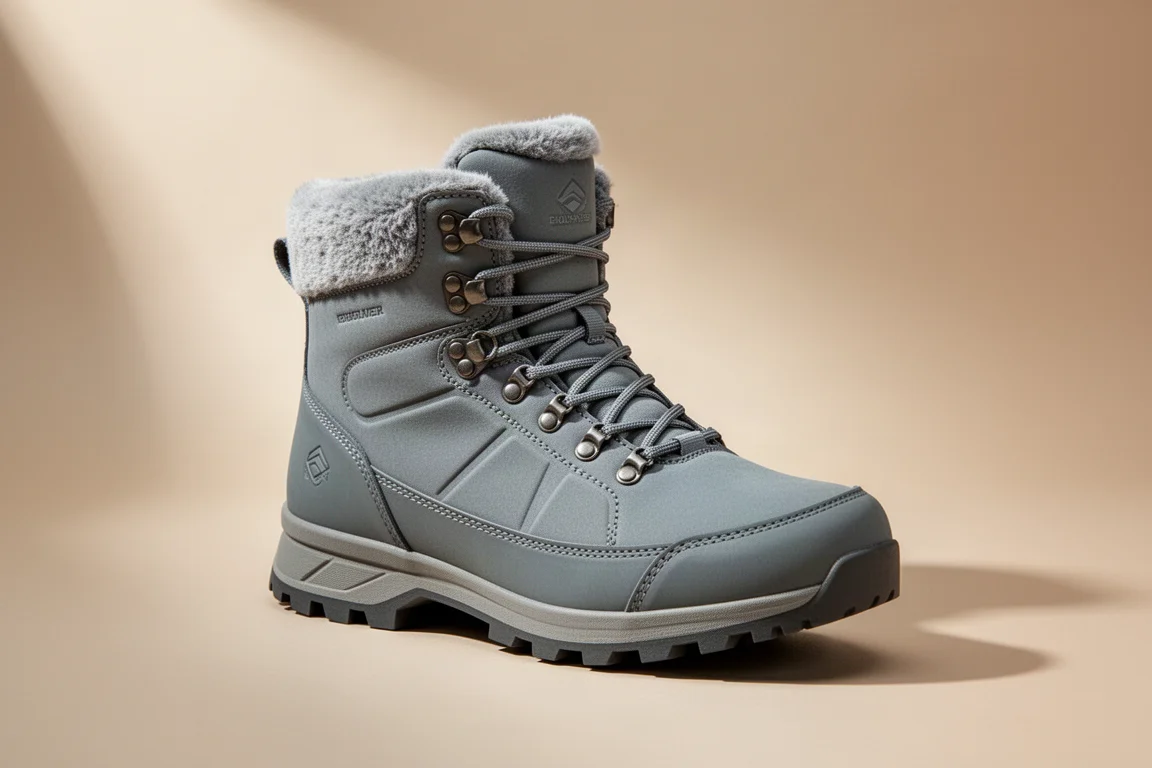
The Salomon Tundra CS Waterproof boots are the second footwear option here, and they take a lighter approach than a traditional winter boot. Out of the box they feel light, which is unusual for the category, and the fuzzy lining inside is immediately noticeable.
On the trail, that lining kept feet warm for the entire hike. The styling also stands out: these look more like a modern hiking boot than a bulky snow boot, which matters if you would rather not feel like you are wearing mountaineering equipment on a casual winter walk. They were recommended as a favorite winter hiking boot, and the on-trail experience supported that.
Buying Advice: Matching Gear to Conditions
The most useful way to think about winter gear is by condition, not by brand. Cold and dry calls for insulation and a shell you can open up. Wet and near-freezing calls for waterproofing and a spare set of gloves. Icy calls for traction, and it calls for it earlier than most people expect.
If you are building a kit from scratch, prioritize in this order: boots, traction, then handwear. Boots are the hardest item to improvise, traction is the cheapest way to make a dangerous trail manageable, and handwear is where layering gives you the most flexibility for the least money. Liner gloves and a warm mitten together cover far more conditions than either one alone.
Two habits are worth building before the first serious winter hike. First, test new footwear on a shorter cold-weather walk before committing to a long climb, since fit issues show up faster in stiff boots. Second, pack for the conditions you expect at the top of the trail, not at the parking lot, because the temperature gap between those two points is usually larger than people plan for.
Conclusion
None of these five items is exotic. That is the point. Warm boots, real traction, and a sensible handwear system are what turn a winter hike from a risk into a genuinely enjoyable day out, even in fog, ice, and temperatures well below what a summer kit is built for. Start with footwear and traction, add handwear layering, and the rest of the winter trail opens up.
Further reading
Related Reviews
Winter Hiking Gear
Winter Hiking Boot Setup Guide: Staying Dry and Warm in Snow and Ice
A complete winter hiking boot system that keeps feet warm and dry even when crossing freezing creeks, with tested gear choices and budget-friendly alternatives.

Backpacking Gear
Building a 10 lb Base Weight: An Ultralight Backpacking Gear List
A practical walkthrough of the ultralight pieces behind a 10 lb base weight, from a 765 g pack and a roomy one-person tent to a full camp chair and a dependable water filter.

Road Bikes
10 New Road Bikes Worth Watching: Aero, Titanium, Steel and Endurance Standouts
A practical roundup of 10 new road bikes, from aero flagships chasing single-watt gains to titanium, steel and endurance platforms built for real roads.